Titanium powder serves as a critical raw material in the manufacturing of titanium steel, a high-performance alloy widely used in aerospace, medical implants, automotive components, and chemical processing. The production of high-quality titanium powder requires precise control over particle size distribution, purity, and consistency. Selecting the right grinding and milling equipment is fundamental to achieving these objectives while maintaining cost efficiency and environmental compliance. This comprehensive guide explores the key factors in choosing titanium powder production equipment, the processing technologies available, and how modern milling solutions can optimize your production line.
Titanium and its alloys pose unique challenges in powder production due to their high hardness, toughness, and reactivity. The following factors must be evaluated when selecting processing equipment:
Titanium has a high strength-to-weight ratio and excellent corrosion resistance, but its ductility makes it difficult to grind using conventional methods. The material tends to generate heat during processing, which can lead to oxidation or even combustion if not properly managed. Equipment must incorporate inert gas atmospheres or effective cooling systems to maintain safety and product quality.
The end-use application dictates the required fineness. Titanium steel production often demands powders with particle sizes ranging from 45 micrometers (325 mesh) down to 5 micrometers (2500 mesh) for enhanced mechanical properties. A uniform particle size distribution ensures consistent alloying behavior and reduces waste. Classification precision is therefore a non-negotiable feature of any titanium powder production line.
From laboratory-scale development to industrial-scale manufacturing, equipment must offer flexible capacity options. Systems with throughput ranging from 0.5 to 45 tons per hour or more allow producers to scale operations without compromising on particle quality. Energy consumption per ton of finished product also significantly impacts operational costs.
Several mill types are employed in titanium powder production, each with distinct advantages depending on the application stage and target fineness.
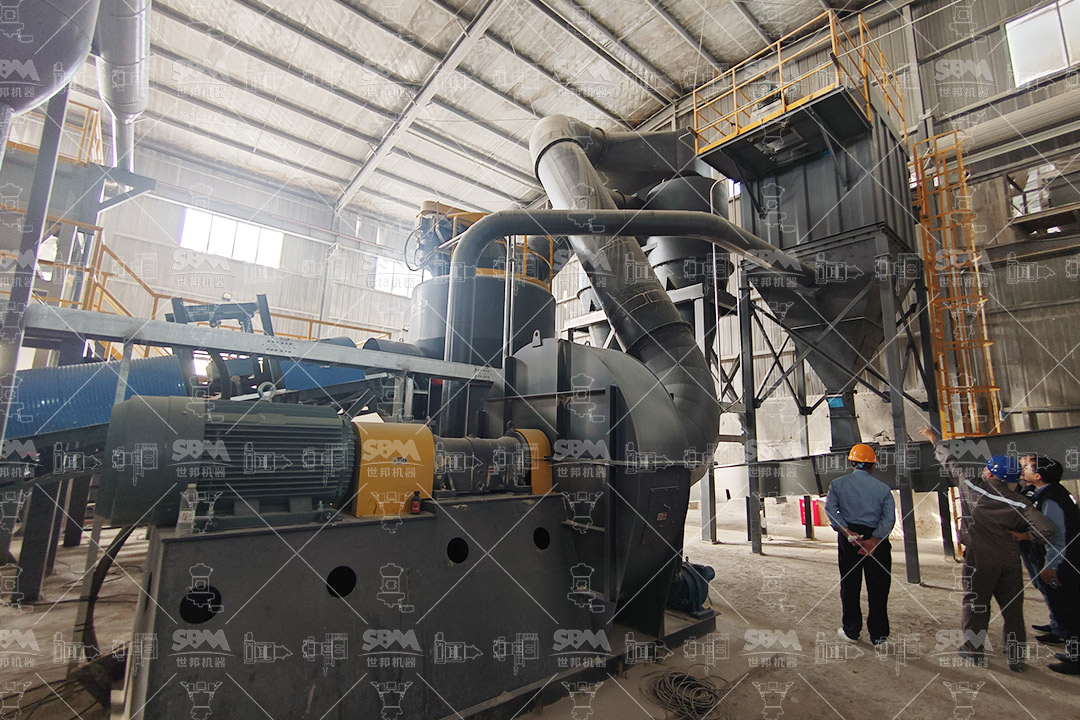
For titanium powder grades requiring particle sizes below 45 micrometers, ultrafine mills are the preferred solution. These systems utilize high-speed centrifugal forces and precision classifiers to achieve consistent sub-micron distributions. Our SCM Series Ultrafine Mill is engineered specifically for such demanding applications.
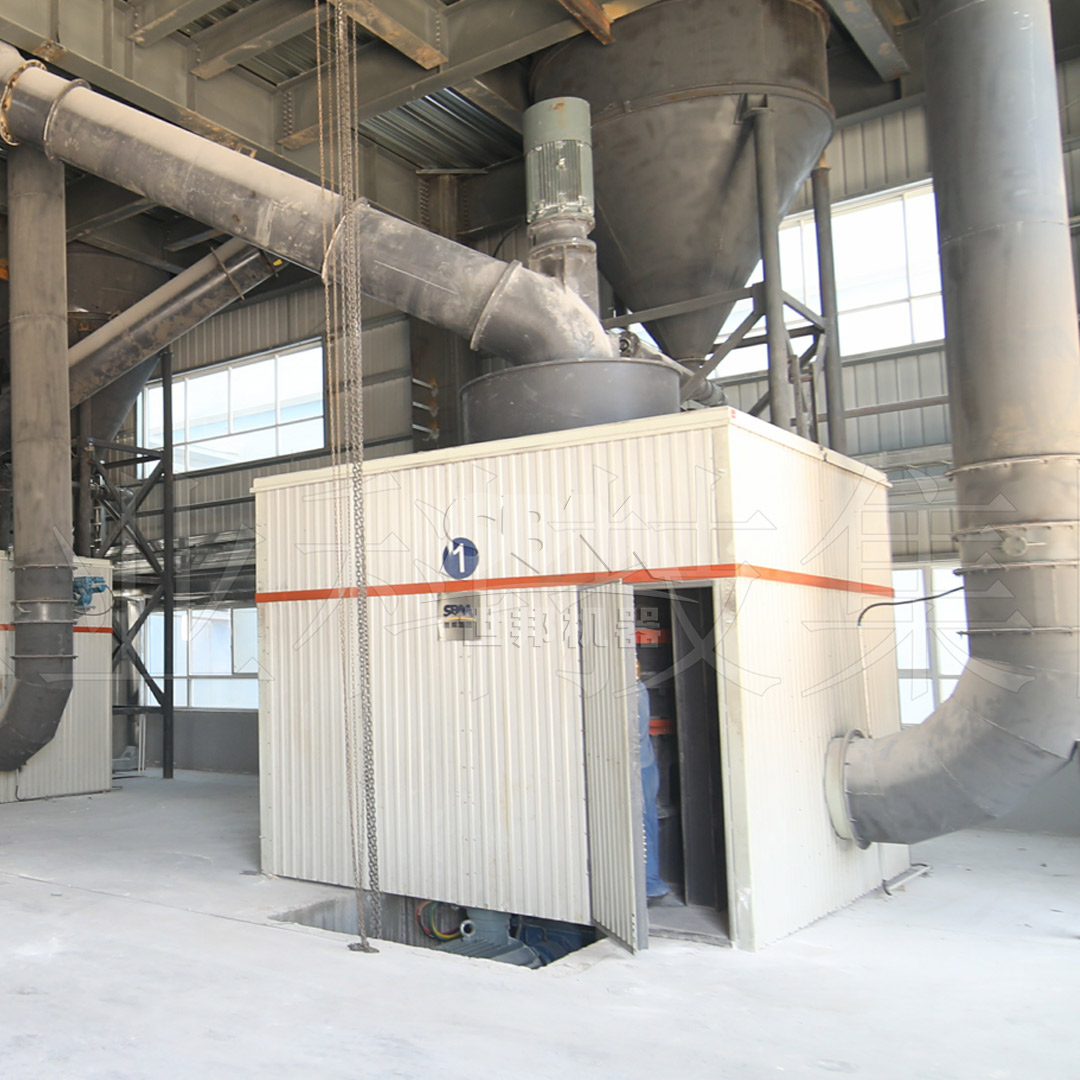
The SCM Series offers an output fineness range of 325 to 2500 mesh (45-5 μm) with a capacity from 0.5 to 25 tons per hour depending on the model. Its vertical turbine classifier ensures no coarse powder mixing, delivering uniform finished products essential for premium titanium steel alloys. The intelligent control system provides automatic finished product granularity feedback, optimizing energy use and reducing operator intervention. With capacity double that of jet mills and 30% lower energy consumption, this series represents a leap forward in cost-effective ultrafine grinding.
| Model | Capacity (t/h) | Main Power (kW) | Feed Size (mm) | Fineness (mesh) |
|---|---|---|---|---|
| SCM800 | 0.5-4.5 | 75 | 0-20 | 325-2500 |
| SCM900 | 0.8-6.5 | 90 | 0-20 | 325-2500 |
| SCM1000 | 1.0-8.5 | 132 | 0-20 | 325-2500 |
| SCM1250 | 2.5-14 | 185 | 0-20 | 325-2500 |
| SCM1680 | 5.0-25 | 315 | 0-20 | 325-2500 |
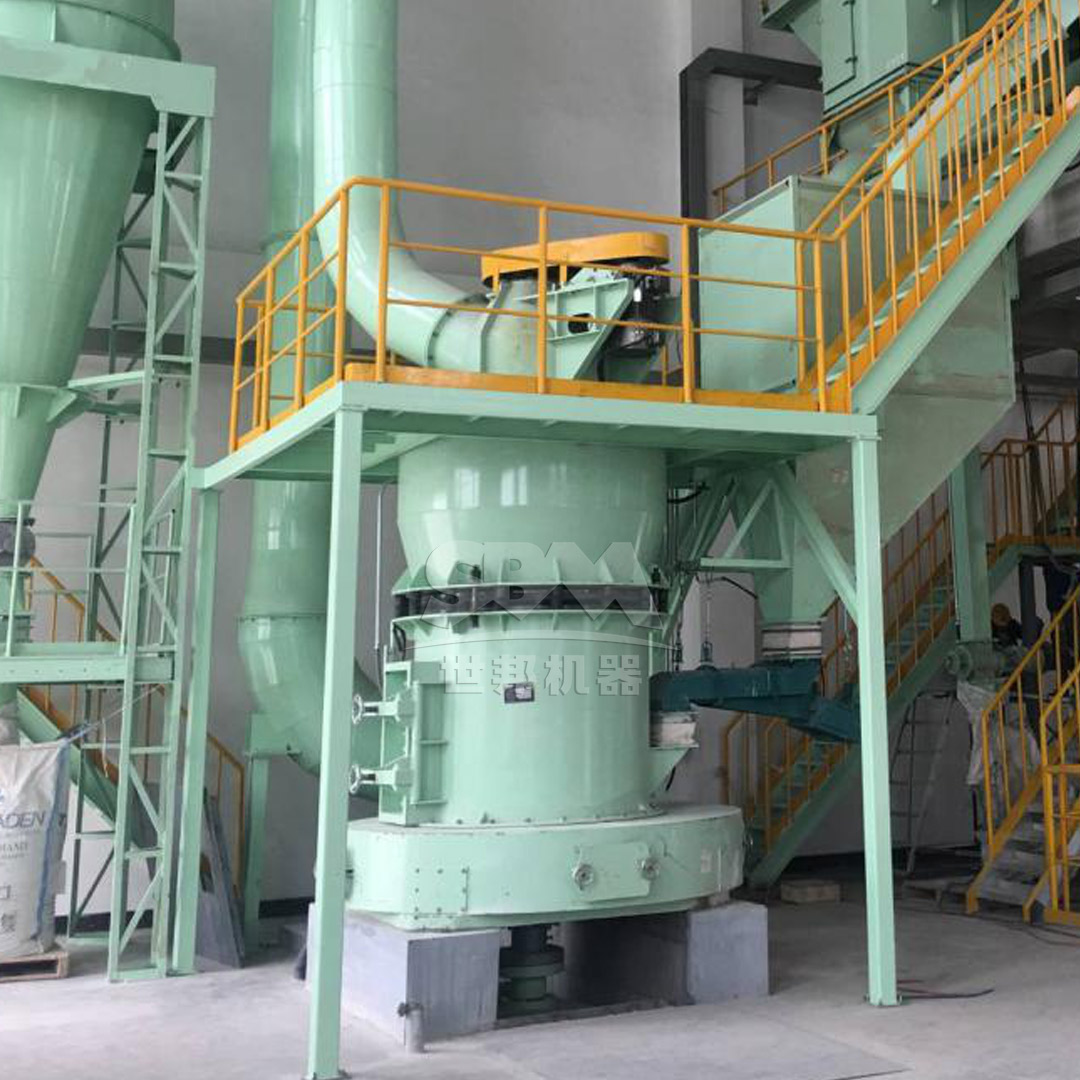
When the target particle size falls between 30 and 325 mesh, the MTW Series European Trapezium Mill offers exceptional performance. Its integral bevel gear drive achieves transmission efficiency up to 98%, reducing energy losses. The curved shovel design extends grinding roller life, while the optimized arc air duct minimizes airflow resistance. These features combine to deliver consistent output with reduced maintenance costs—an ideal solution for bulk titanium powder production for steel alloying.
| Model | Capacity (t/h) | Main Power (kW) | Feed Size (mm) | Fineness (mesh) |
|---|---|---|---|---|
| MTW110 | 3-9 | 55 | <30 | 10-325 |
| MTW138Z | 6-17 | 90 | <35 | 10-325 |
| MTW175G | 9.5-25 | 160 | <40 | 10-325 |
| MTW215G | 15-45 | 280 | <50 | 10-325 |
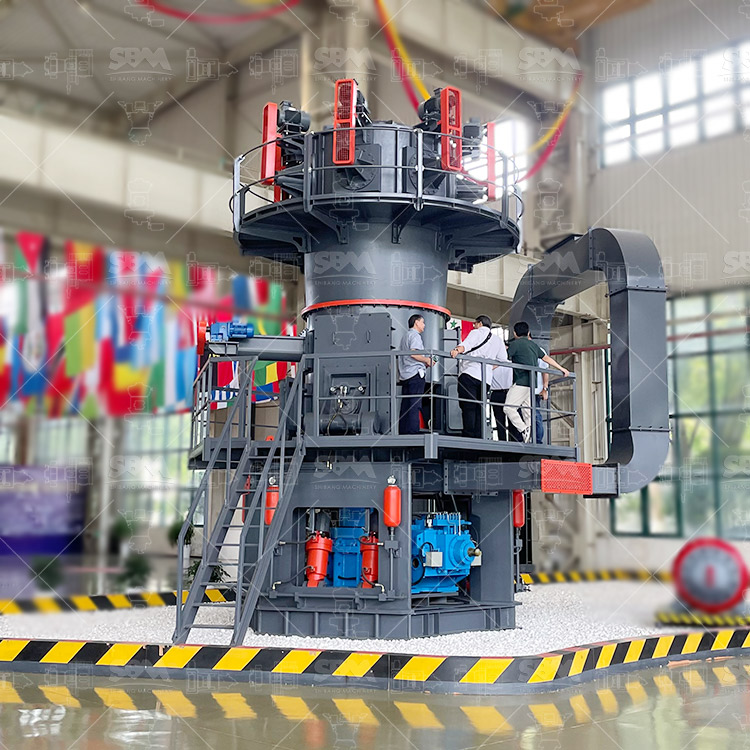
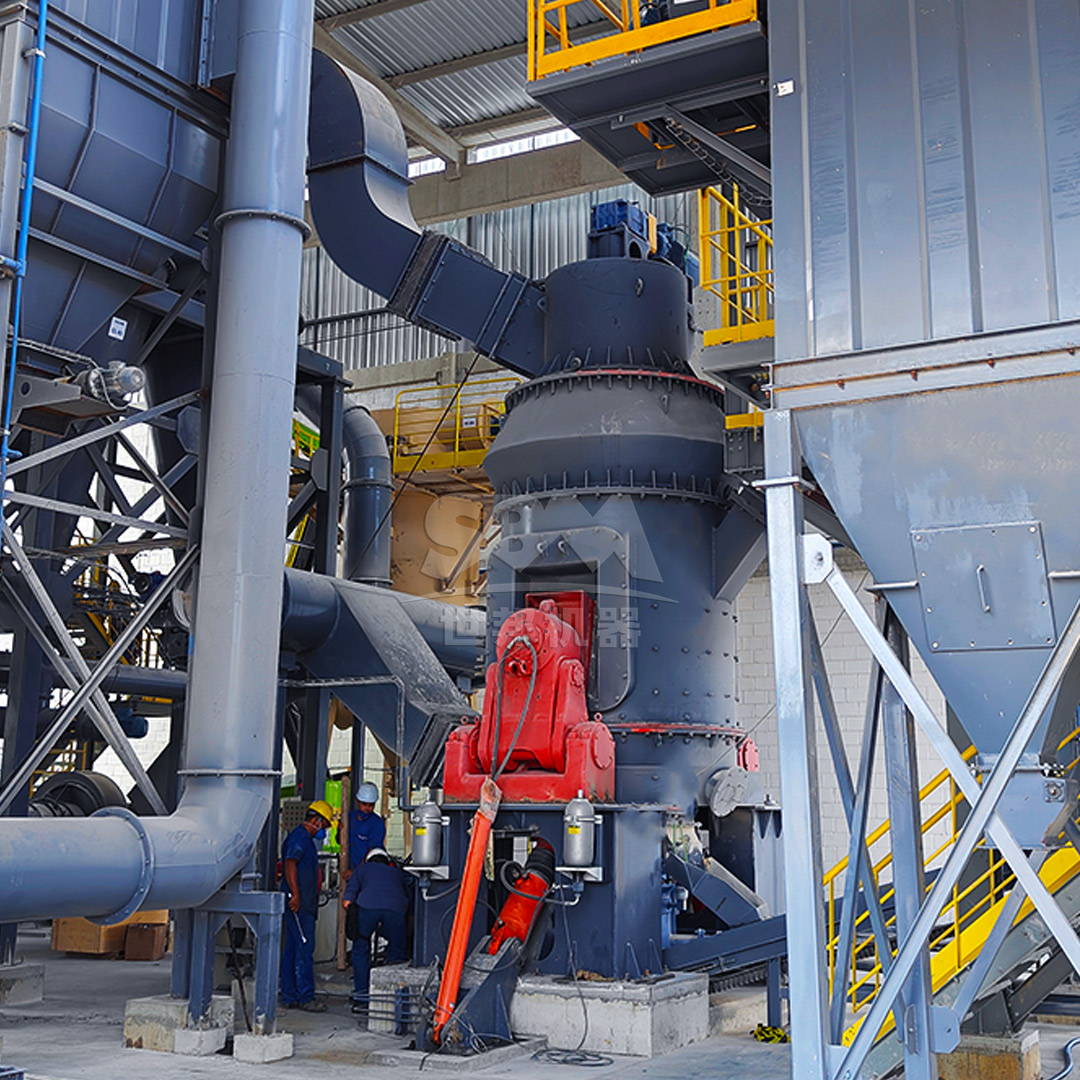
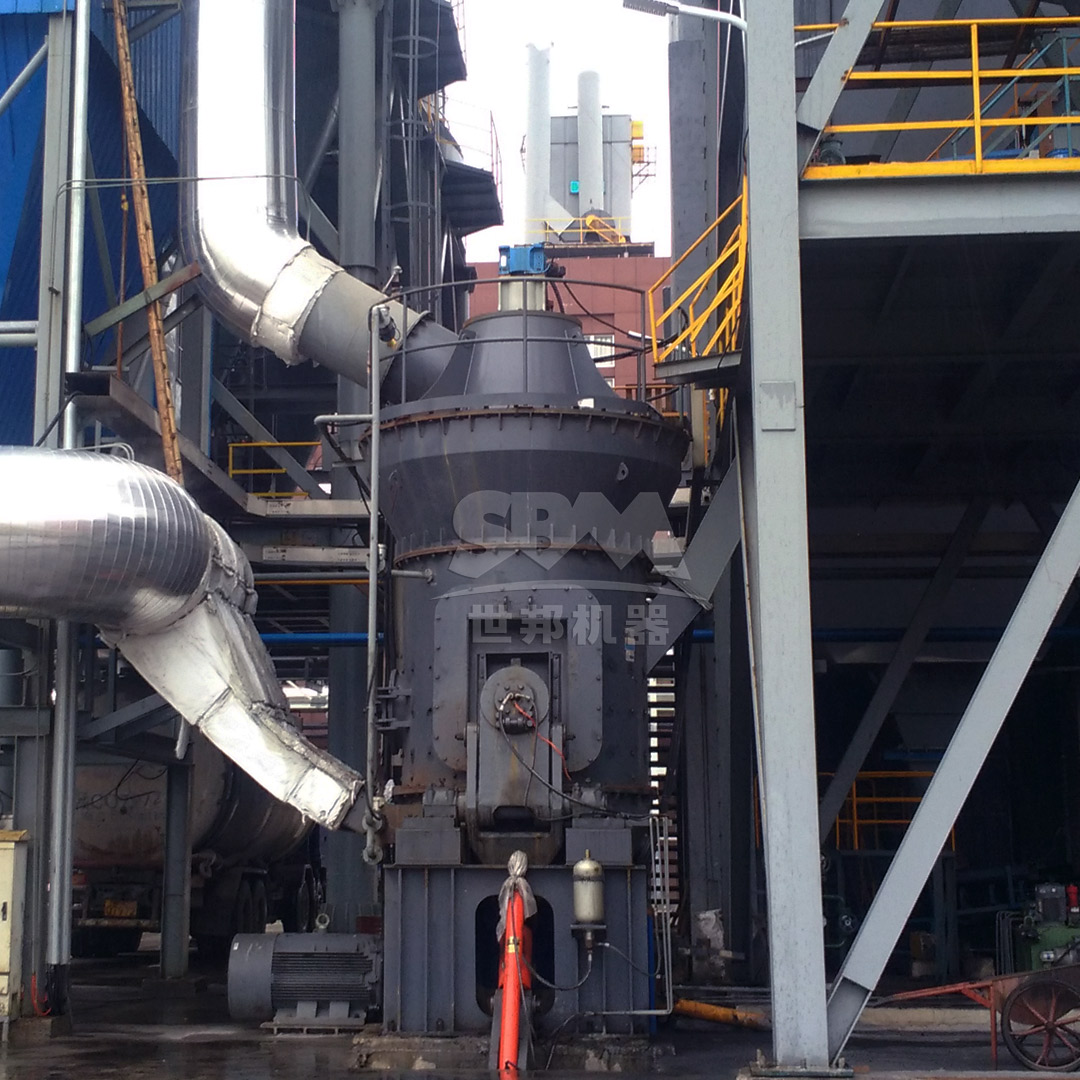
For integrated titanium production lines requiring high tonnage and coarser output, vertical roller mills and ball mills provide robust solutions. The LM Series Vertical Roller Mill integrates crushing, grinding, and selection in one unit, reducing floor space by 50% and infrastructure costs by 40%. Its non-contact design between rollers and table extends wear part life threefold over conventional systems. Intelligent control systems enable remote monitoring and real-time parameter adjustment, ensuring consistent quality even during large-scale operations.
Selecting between ultrafine mills and standard mills depends on the target particle size. For titanium powder intended for powder metallurgy or additive manufacturing, where fine spherical particles are critical, the SCM Series Ultrafine Mill is typically necessary. For titanium powder used as an alloying additive in steel production, where medium fineness suffices, the MTW Series offers a more economical solution. The following table summarizes key differences:
| Feature | SCM Ultrafine Mill | MTW Trapezium Mill |
|---|---|---|
| Target Fineness | 45-5 μm (325-2500 mesh) | 600-45 μm (30-325 mesh) |
| Feed Size | ≤20 mm | ≤50 mm |
| Capacity Range | 0.5-25 t/h | 3-45 t/h |
| Energy Efficiency | 2x jet mill capacity, 30% less energy | Integral bevel gear, 98% efficiency |
| Classification Precision | No coarse powder mixing | Optimized arc air duct |
Understanding the operating principles of each mill type helps in fine-tuning the process for titanium-specific requirements.
The main motor drives three layers of grinding rings to rotate at high speed. Titanium feed material is dispersed into the grinding path by centrifugal force. Rollers apply pressure to crush the material layer by layer between the rings. The ground powder is then carried by airflow to the vertical turbine classifier, which precisely separates particles by size. Oversized particles return for further grinding, while fine powder is collected by a cyclone collector and pulse dust removal system. This closed-loop design minimizes titanium loss and ensures consistent fineness.
The main motor drives grinding rollers to revolve around a central axis while self-rotating to generate centrifugal force. Shovels continuously throw titanium material between the ring and rollers, forming a material layer that is efficiently crushed through extrusion. The classification system uses airflow to separate finished powder from coarse particles, with the latter returning to the grinding chamber. The anti-wear shovel design extends operational life, which is particularly beneficial when processing abrasive titanium alloys.
Choosing the right equipment involves aligning your production requirements with the capabilities of available milling systems. Here is a step-by-step guide:
Determine the exact particle size distribution required for your titanium steel alloy. For premium aerospace-grade titanium steel, finer powders (below 10 μm) are often necessary. For general-purpose titanium steel, 45-100 μm may suffice.
Analyze your titanium feedstock for moisture content, hardness, and impurities. Materials with moisture above 2% may require a drying step before milling. The SCM Series accepts feed up to 20 mm, while larger mills can handle up to 50 mm.
Match your desired annual production volume to equipment throughput. For small-scale operations (under 5,000 tons/year), a single SCM1000 or MTW110 unit may be adequate. For industrial-scale production (over 50,000 tons/year), multiple units or larger LM series mills are recommended.
Our SCM Series reduces energy consumption by 30% compared to jet mills, while the MTW Series’ combined shovel blades cut maintenance costs significantly. These savings accumulate substantially over the equipment’s lifespan.
Titanium powder is classified as a combustible dust. All our milling equipment incorporates eco-friendly design features to mitigate risks:
Titanium powder production for titanium steel applications demands equipment that balances precision, efficiency, and safety. For ultrafine powder requirements in high-performance alloys, the SCM Series Ultrafine Mill (45-5 μm) offers unmatched classification accuracy and energy savings. For medium-fineness bulk production, the MTW Series European Trapezium Mill (600-45 μm) provides robust construction and low operating costs. Both series are supported by comprehensive technical documentation and global service networks. We encourage you to contact our application engineers for a personalized recommendation based on your specific production parameters and quality goals.