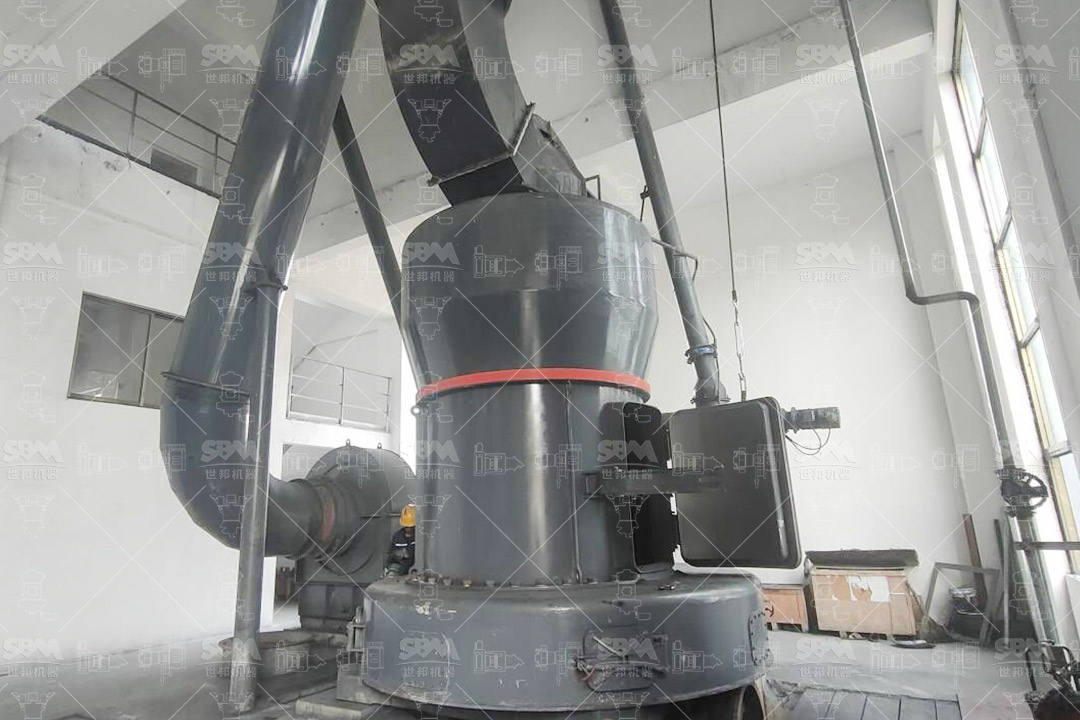
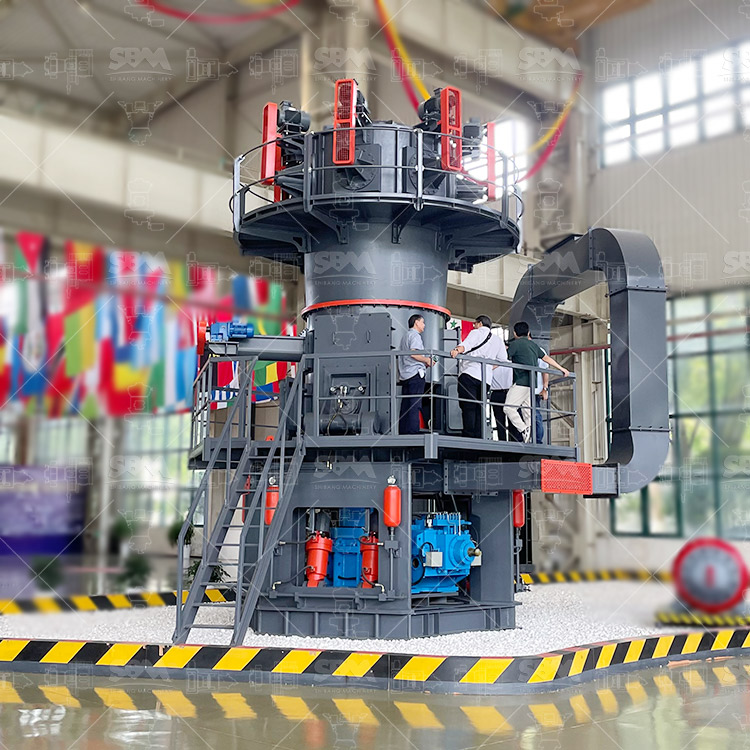
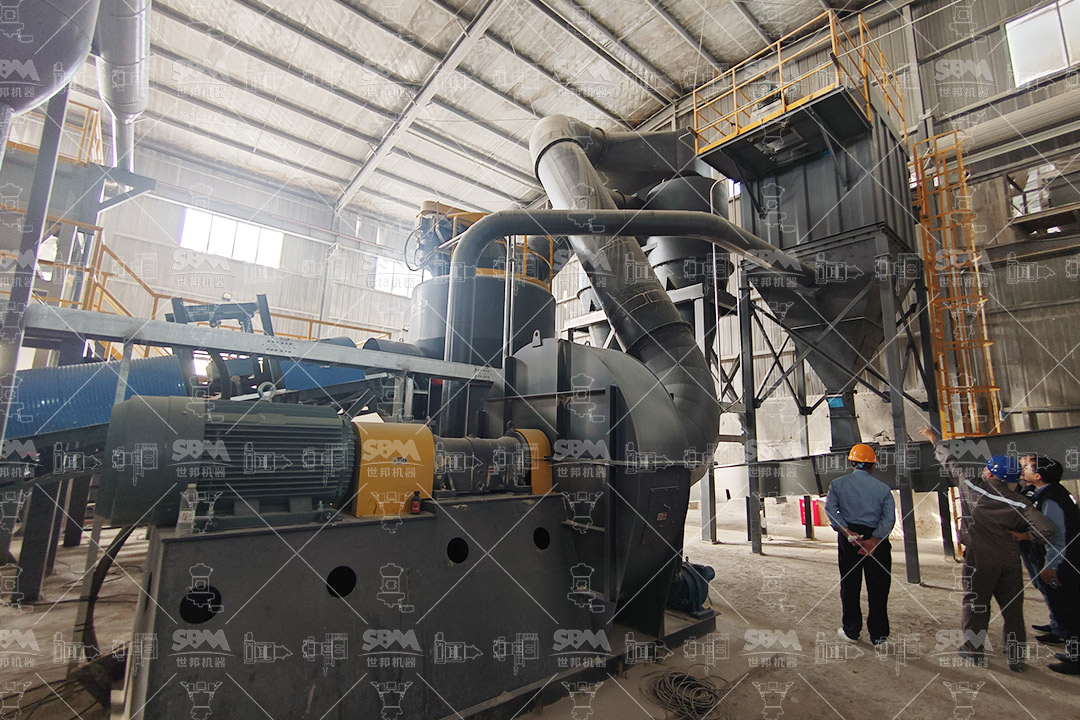
Pure titanium powder is a critical raw material in industries such as aerospace, medical implants, 3D printing, and chemical processing. As demand for high-purity, fine titanium powder increases, selecting the right production equipment becomes a strategic decision for manufacturers. Industrial pure titanium powder production involves unique challenges due to titanium’s high reactivity, hardness, and tendency to oxidize at elevated temperatures. This article provides a comprehensive analysis of key technologies in titanium powder milling equipment and offers a practical selection guide for plant managers and engineers.
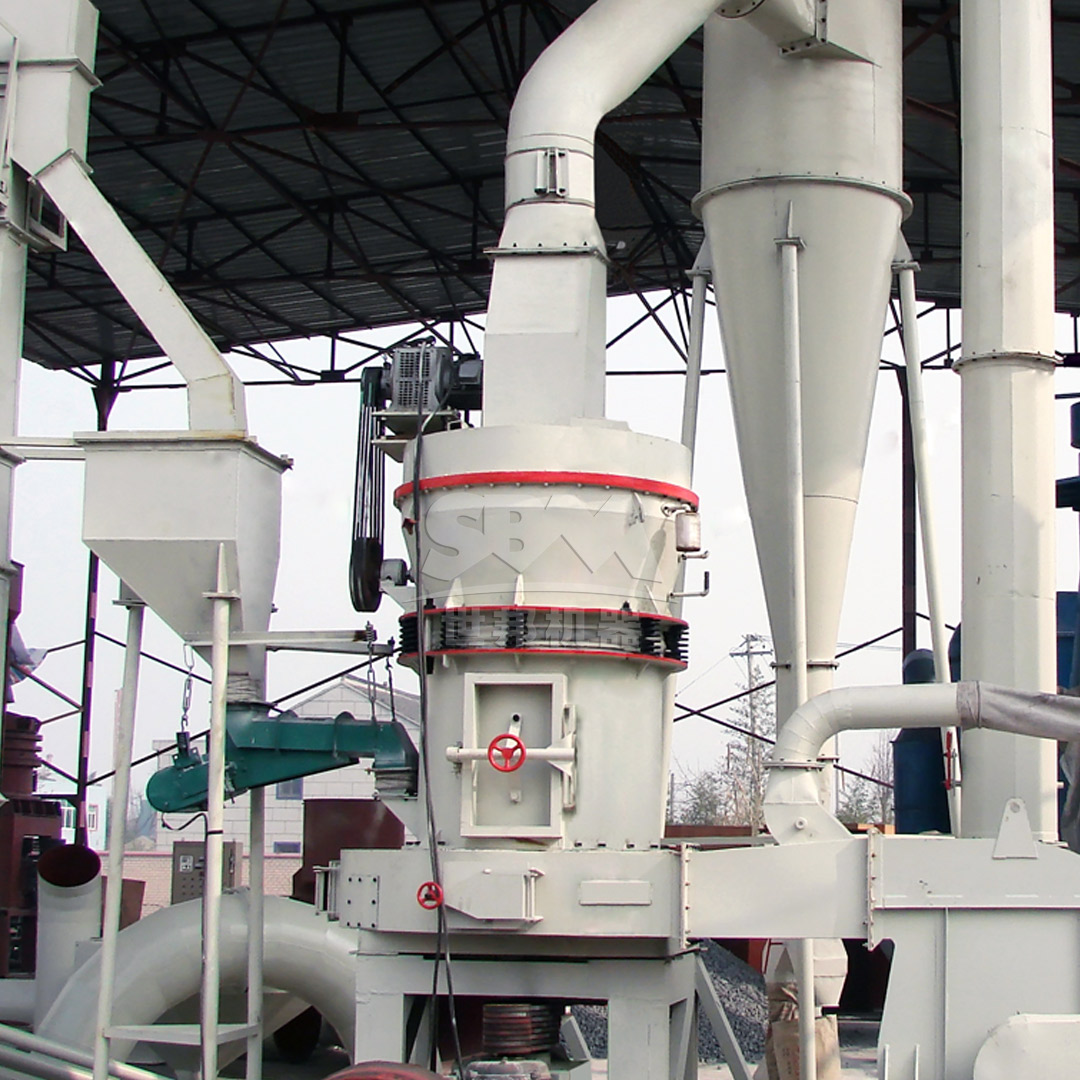
Titanium’s mechanical properties require grinding equipment that can handle its ductility and toughness. Traditional impact mills often generate excessive heat, leading to oxidation or even combustion of fine titanium particles. Modern roller mills, particularly vertical and trapezium designs, use a combination of extrusion and shearing forces within a controlled atmosphere. The use of specially alloyed wear parts, such as high-chromium steel or ceramic-coated rollers, minimizes contamination and extends equipment life. For ultra-fine titanium powder (below 45 microns), the milling chamber must maintain an inert gas environment to prevent surface oxidation, which degrades powder quality.
Particle size distribution (PSD) is the most critical quality parameter for titanium powder, especially in additive manufacturing where consistent flowability and packing density are required. Modern classifiers use vertical turbine rotors with precision-cut blades to achieve a sharp cut point without coarse particle contamination. The integration of real-time particle size analyzers with feedback loops enables automatic adjustment of classifier speed and airflow, ensuring that the final product meets strict specifications. Advanced systems can achieve d50 values as fine as 5 microns with a narrow distribution span.
Energy consumption is a major operational cost in titanium powder milling. Advanced mills incorporate bed grinding principles, where material forms a stable layer between rollers and the grinding table, reducing direct metal-to-metal contact. This design cuts energy consumption by 30-50%% compared to traditional ball mills. Additionally, integrated cooling systems—both air and water-cooled—prevent thermal degradation of titanium powder. Intelligent control systems monitor temperature at multiple points and automatically adjust feed rates to maintain safe operating conditions.
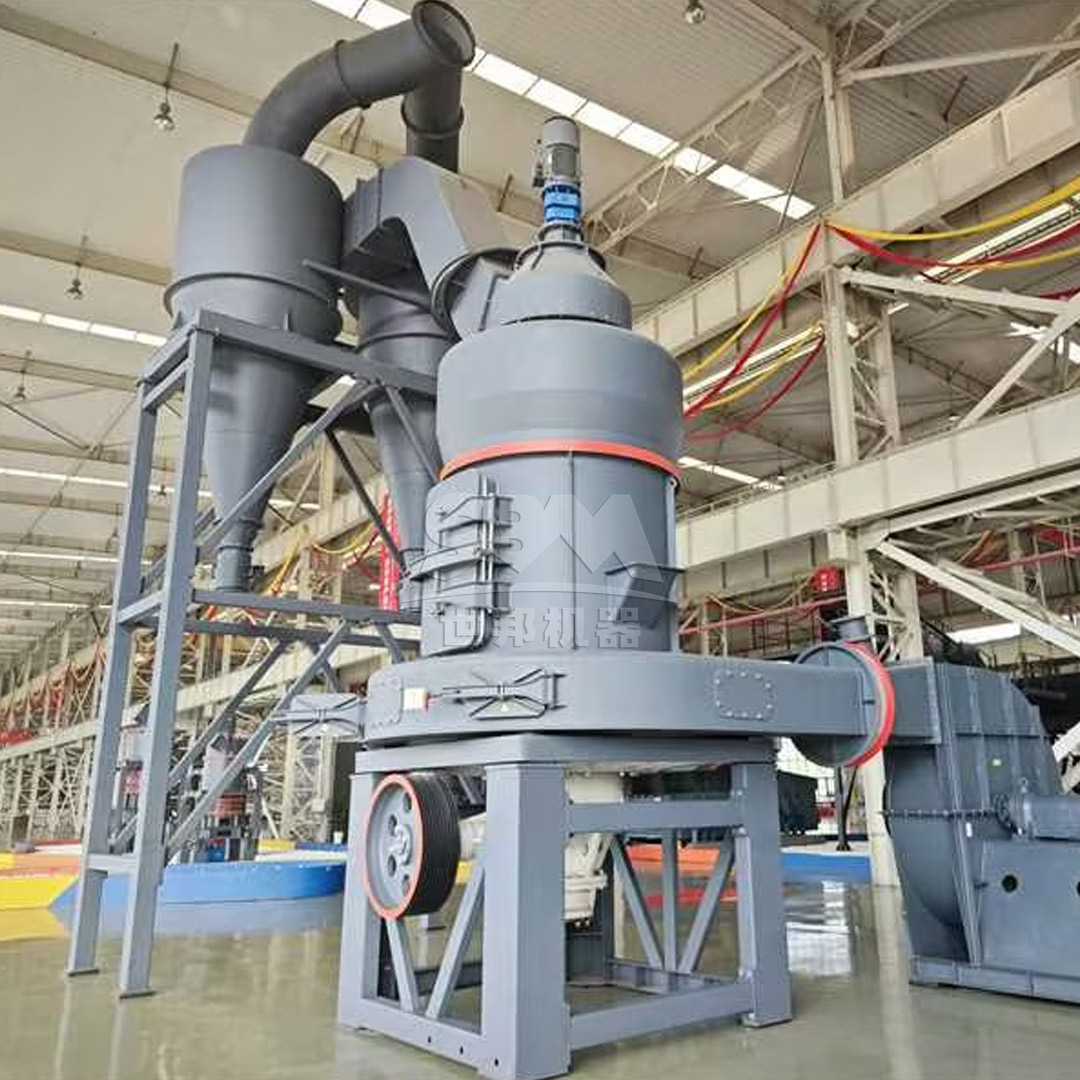
Titanium dust is pyrophoric, meaning it can ignite spontaneously when finely dispersed in air. Therefore, dust collection and containment systems are not just environmental compliance tools but critical safety components. Pulse jet dust collectors with explosion-proof design, combined with inert gas blanketing (typically argon or nitrogen), create a safe production environment. Soundproof enclosures reduce noise levels below 85 dB, while negative pressure operation prevents dust leakage into the workplace. Modern equipment also includes automated oxygen monitoring and emergency inert gas purge systems.
The first step in selection is defining the required particle size. For general powder metallurgy (45-150 microns), medium-speed mills or European trapezium mills are cost-effective. For high-end applications such as laser powder bed fusion (15-45 microns) or ultra-fine coatings (5-15 microns), ultrafine mills with 325-2500 mesh capability are necessary. Our company offers a range of solutions, and the SCM Series Ultrafine Mill is specifically designed for applications requiring output fineness between 325 and 2500 mesh (45-5 microns), making it ideal for producing high-value titanium powder for 3D printing.
| Model | Capacity (t/h) | Main Power (kW) | Feed Size (mm) | Fineness (mesh) |
|---|---|---|---|---|
| SCM800 | 0.5-4.5 | 75 | 0-20 | 325-2500 |
| SCM1000 | 1.0-8.5 | 132 | 0-20 | 325-2500 |
| SCM1250 | 2.5-14 | 185 | 0-20 | 325-2500 |
| SCM1680 | 5.0-25 | 315 | 0-20 | 325-2500 |
For small-scale research or pilot production (<5 t/h), a compact mill like the MTM Series or a pendulum mill may suffice. For large-scale industrial production (10-250 t/h), vertical roller mills provide the best balance of throughput, energy efficiency, and floor space utilization. For titanium applications, the choice often falls on models with integrated pre-grinding capability to handle the tough feedstock. Our LM Series Vertical Roller Mill offers capacities up to 250 t/h and incorporates patented technologies such as modular grinding roller assemblies and dynamic classifier systems that ensure consistent product quality.
| Model | Table Diameter (mm) | Capacity (t/h) | Fineness (μm) | Main Power (kW) |
|---|---|---|---|---|
| LM130K | 1300 | 10-28 | 170-40 | 200 |
| LM190K | 1900 | 23-68 | 170-40 | 500 |
| LM280K | 2800 | 50-170 | 170-45 | 1250 |
Equipment selection must consider the physical form of the titanium feedstock. Sponge titanium, titanium turnings, and pre-milled powder all have different flow characteristics. Mills with forced feeding systems, such as screw feeders or vibration feeders, handle cohesive materials better. For the SCM Series, the shaftless screw grinding chamber design ensures stable operation even with feed sizes up to 20mm, which is typical for pre-crushed titanium sponge. The machine’s three-layer grinding ring design ensures that materials are evenly distributed and ground layer by layer, maximizing efficiency.
In titanium milling, abrasion is accelerated due to the hardness of titanium oxide layers. Mills with replaceable wear liners, such as those using high-manganese steel or ceramic composite materials, reduce downtime. The MTW European Trapezium Mill features an anti-wear shovel design and curved grinding rollers that extend service life. For operators, the cost of replacing wear parts and the frequency of maintenance shutdowns should be factored into the total cost of ownership. Equipment with quick-change roller assemblies and hydraulic lifting systems can reduce maintenance time by up to 50%%.
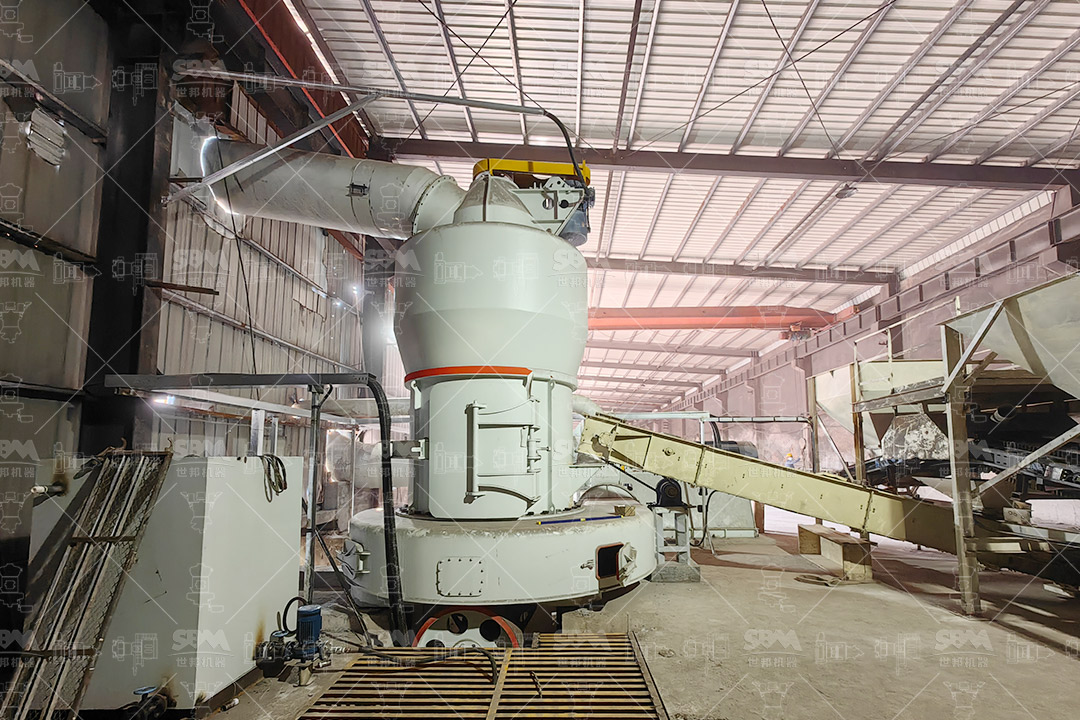
Investing in the right titanium powder production equipment requires a thorough understanding of the material’s unique behavior and the end-user’s quality expectations. For ultra-fine powder markets, the SCM Series Ultrafine Mill offers industry-leading energy efficiency and precise classification. For high-capacity, coarse-to-medium powder production, the LM Series Vertical Roller Mill provides unmatched throughput and durability. We recommend conducting pilot tests with your specific titanium feedstock using our equipment to verify performance metrics before full-scale deployment. Our engineering team provides complete system integration support, from feeder design to dust collection and inert gas systems, ensuring a turnkey solution for safe and efficient titanium powder manufacturing.