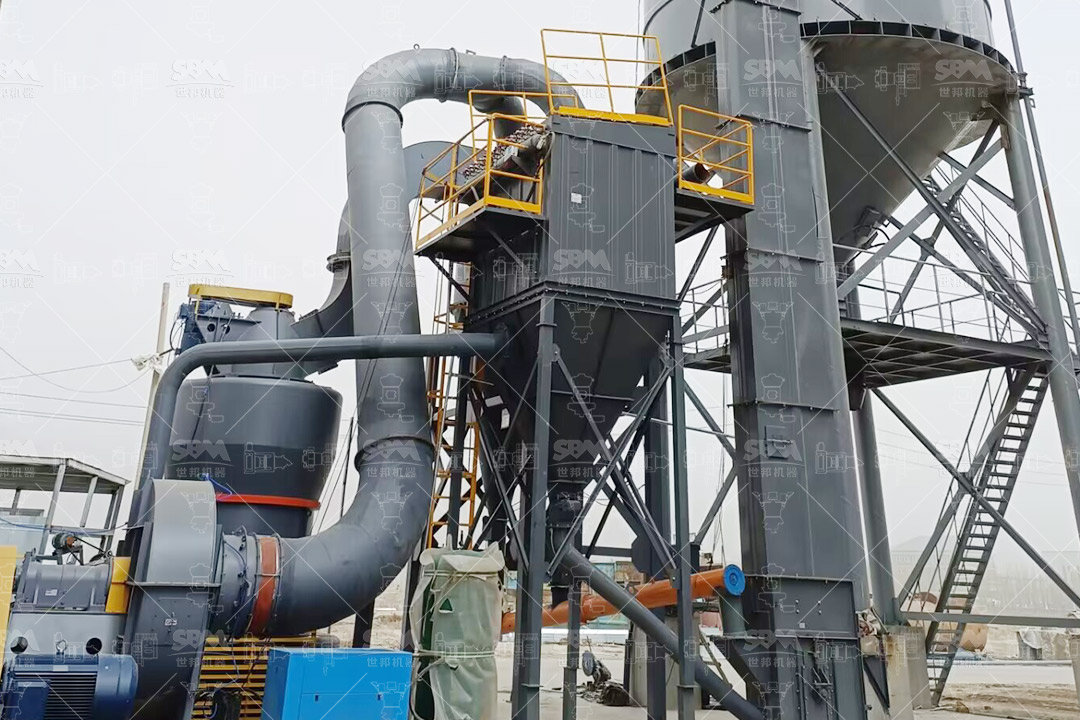
Kaolin, a hydrated aluminum silicate mineral, is one of the most important raw materials in the production of petroleum cracking catalysts (FCC catalysts). In the petrochemical industry, kaolin-based catalysts are widely used to crack heavy hydrocarbon fractions into lighter, more valuable products such as gasoline and diesel. The performance of these catalysts depends heavily on the particle size, purity, and morphology of the kaolin powder used. Consequently, selecting the right grinding mill for kaolin processing is a decision that directly impacts catalyst activity, selectivity, and overall production economics.
This article provides a comprehensive guide to choosing the appropriate grinding equipment for kaolin processing in the context of petroleum cracking catalyst manufacturing, with reference to our company’s advanced milling solutions.
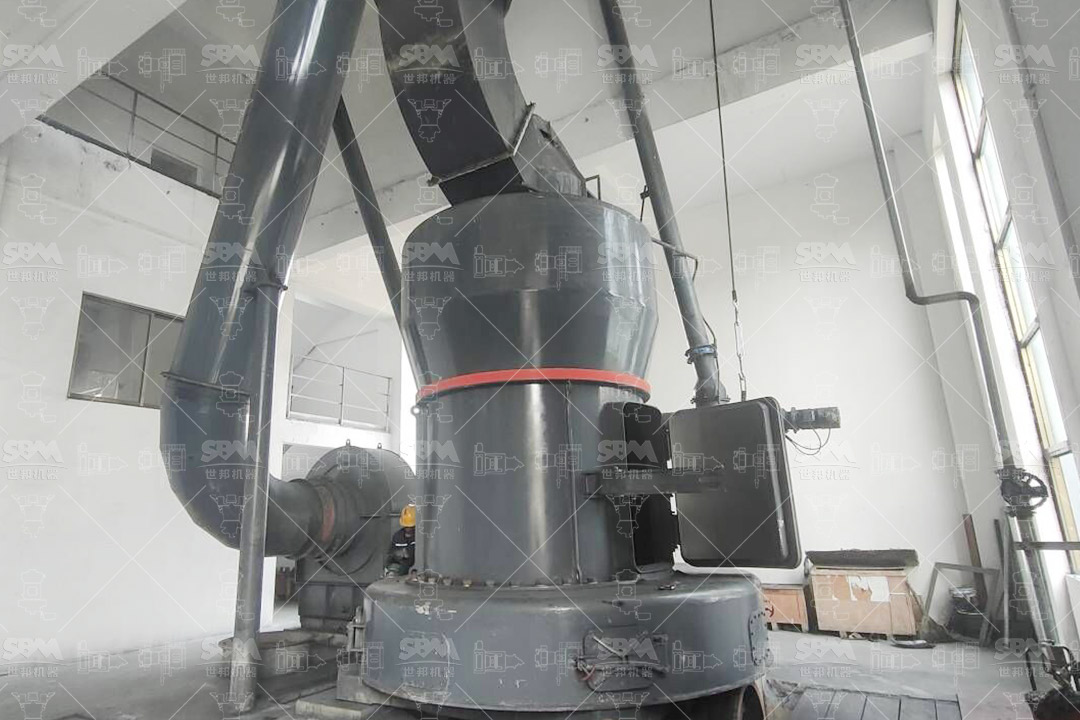
Kaolin used in FCC catalysts must meet stringent specifications. Key parameters include:
To achieve these properties, the grinding process must deliver precise control over fineness, minimize contamination, and maintain high throughput. This is where the choice of grinding mill becomes critical.
For FCC catalyst production, kaolin is often ground to a fineness between 325 mesh (45 μm) and 2500 mesh (5 μm). Ultrafine grinding is sometimes required to enhance surface area and catalytic activity. Therefore, the mill must be capable of achieving the desired fineness with a narrow particle size distribution.
Kaolin processing plants for catalyst production range from small-scale (a few tons per hour) to large-scale (tens of tons per hour). The mill selected must match the required output without compromising efficiency.
Grinding is an energy-intensive operation. Mills that offer high grinding efficiency and low energy consumption per ton of product are preferred to reduce operating costs and carbon footprint.
Iron and other metallic contamination can degrade catalyst performance. Mills with wear-resistant liners and grinding elements that minimize metal wear are essential. Additionally, dust collection systems must be efficient to prevent material loss and environmental pollution.
In continuous catalyst production, downtime is costly. Mills with durable components, easy maintenance, and long service life are highly valued.
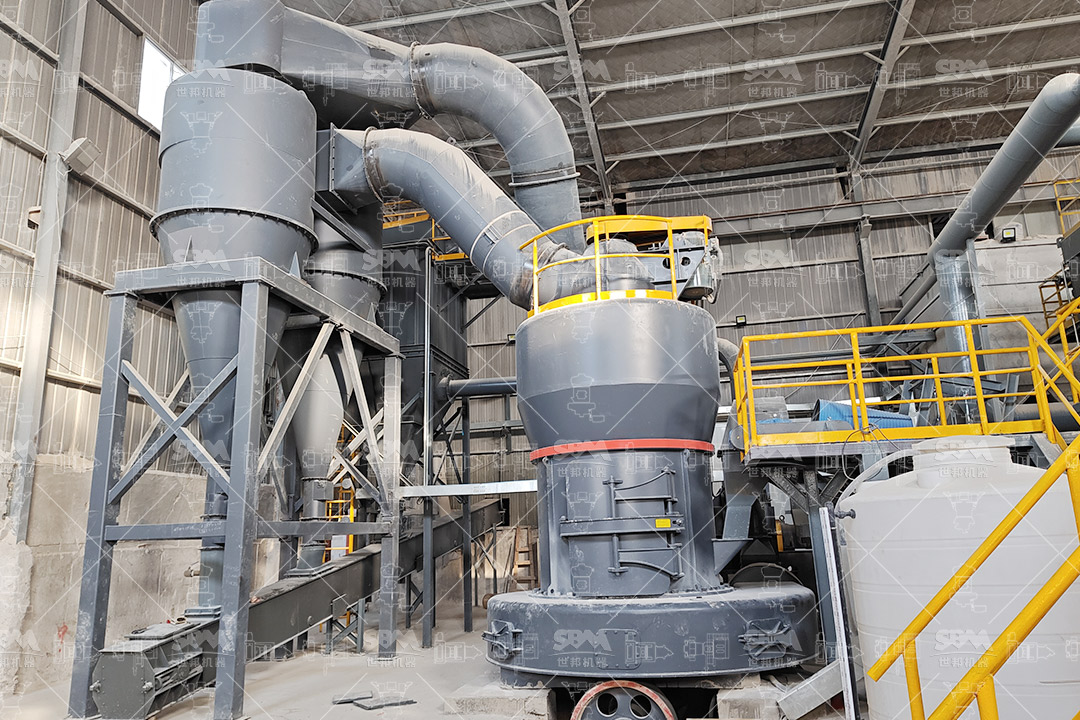
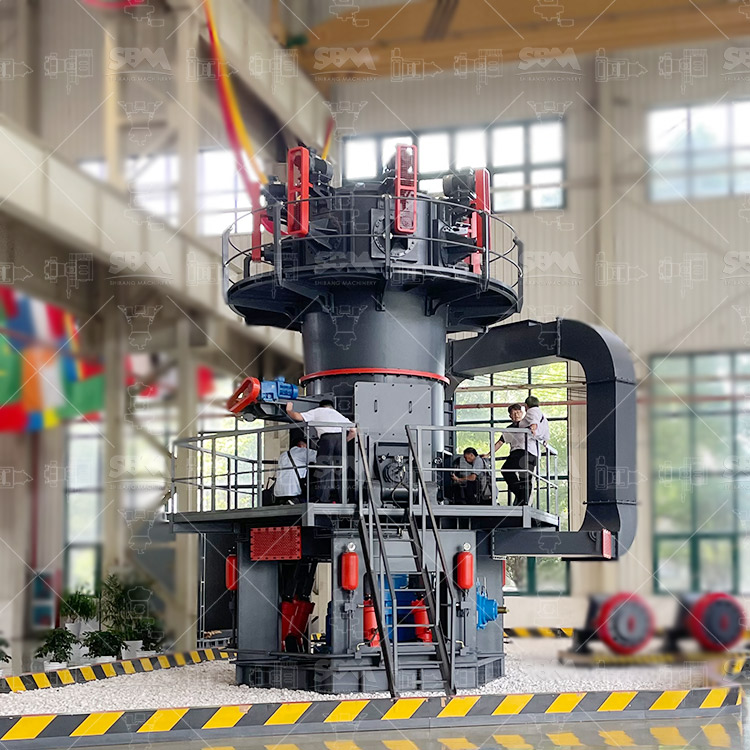
Based on our extensive experience in mineral processing and catalyst raw material preparation, we recommend two of our flagship products for kaolin grinding in FCC catalyst applications: the SCM Series Ultrafine Mill and the MTW Series European Trapezium Mill. Both are engineered to deliver superior performance, precision, and reliability.
The SCM Series Ultrafine Mill is specifically designed for ultrafine grinding of non-metallic minerals such as kaolin. With an output fineness range of 325–2500 mesh (45–5 μm), it is ideal for producing the fine, uniform kaolin powder required for advanced FCC catalysts.
Key Advantages:
Working Principle: The main motor drives three layers of grinding rings to rotate. Materials are dispersed into the grinding path by centrifugal force, crushed by roller pressure, and ground layer by layer. Finally, powder collection is completed by a cyclone collector and a pulse dust removal system.
Models & Specifications:
| Model | Capacity (t/h) | Main Power (kW) | Feed Size (mm) | Fineness (mesh) |
|---|---|---|---|---|
| SCM800 | 0.5-4.5 | 75 | 0-20 | 325-2500 |
| SCM900 | 0.8-6.5 | 90 | 0-20 | 325-2500 |
| SCM1000 | 1.0-8.5 | 132 | 0-20 | 325-2500 |
| SCM1250 | 2.5-14 | 185 | 0-20 | 325-2500 |
| SCM1680 | 5.0-25 | 315 | 0-20 | 325-2500 |
The SCM Series is particularly suited for catalyst manufacturers who require ultrafine kaolin with consistent quality and high throughput.
For kaolin processing where the target fineness is in the range of 30–325 mesh (600–45 μm), the MTW Series European Trapezium Mill offers an excellent balance of capacity, efficiency, and cost-effectiveness. It is widely used in the preparation of catalyst carriers and additives.
Key Advantages:
Working Principle: The main motor drives the grinding rollers to revolve around the central axis while self-rotating to generate centrifugal force. Shovels throw materials between the ring and rollers to form a material layer, achieving efficient crushing through extrusion. The classification system precisely controls the finished product size.
Models & Specifications:
| Model | Capacity (t/h) | Main Power (kW) | Feed Size (mm) | Fineness (mesh) |
|---|---|---|---|---|
| MTW110 | 3-9 | 55 | <30 | 10-325 |
| MTW110Z | 3-10 | 55 | <30 | 10-325 |
| MTW138Z | 6-17 | 90 | <35 | 10-325 |
| MTW175G | 9.5-25 | 160 | <40 | 10-325 |
| MTW215G | 15-45 | 280 | <50 | 10-325 |
| MRN158 | 7-21 | 132 | <40 | 10-325 |
| MRN198 | 12-33 | 220 | <45 | 10-325 |
| MRN218 | 15-45 | 280 | <50 | 10-325 |
The MTW Series is ideal for medium-to-large scale kaolin processing plants that require high capacity and consistent product quality.
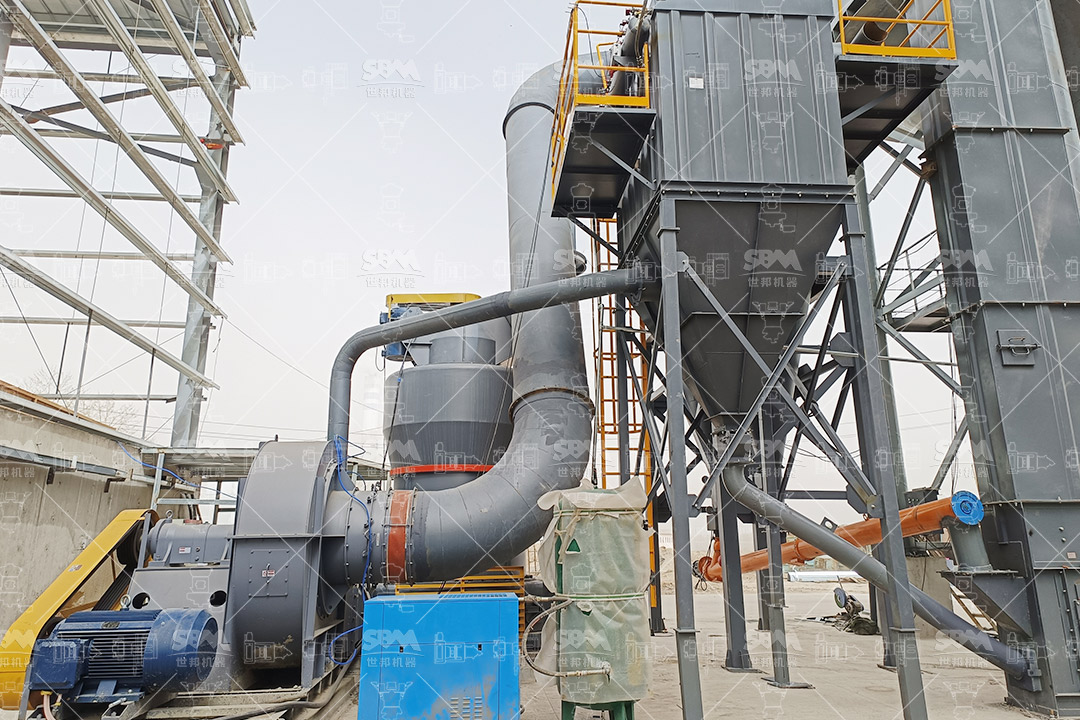
When deciding between the SCM Series and the MTW Series for kaolin processing in FCC catalyst production, consider the following:
Depending on specific requirements, other mills from our product line may also be considered:
Choosing the right grinding mill for kaolin processing in petroleum cracking catalyst production is a strategic decision that affects product quality, operational efficiency, and profitability. The SCM Series Ultrafine Mill and MTW Series European Trapezium Mill from our company represent the state of the art in mineral grinding technology, offering the precision, capacity, and reliability required by the catalyst industry.
By carefully evaluating your target fineness, production scale, and budget, you can select the optimal mill configuration. Our team of experts is ready to assist you in designing a customized grinding solution that meets your specific needs. Contact us today to learn more about how our mills can enhance your kaolin processing for FCC catalysts.