Fly ash, a fine powdery residue generated from coal combustion in thermal power plants, has become an indispensable supplementary cementitious material in modern concrete production. With the global push toward sustainable construction and carbon reduction, the efficient processing of fly ash has attracted unprecedented attention from cement manufacturers. However, selecting the appropriate milling equipment for fly ash processing is not a straightforward task. It requires a comprehensive understanding of material characteristics, fineness requirements, production capacity, energy consumption, and long-term operational costs. This article provides a professional guide to choosing the right milling solution for fly ash processing in cement production lines, while introducing two outstanding products from our company that are ideally suited for this application.
Fly ash is a pozzolanic material that, when combined with Portland cement, reacts with calcium hydroxide to form additional cementitious compounds. This reaction improves concrete durability, reduces permeability, and enhances resistance to chemical attack. In cement production, fly ash is typically used as a mineral admixture or blended into cement to produce Portland-pozzolan cement. The fineness of fly ash plays a critical role in its reactivity. Generally, the finer the fly ash particles, the greater the pozzolanic activity and the higher the early strength contribution. Therefore, selecting milling equipment that can achieve the desired fineness while maintaining consistent particle size distribution is essential.
The typical fineness required for fly ash used in cement production ranges from 325 mesh (45μm) to 2500 mesh (5μm), depending on the specific application and performance requirements. Coarser fly ash (around 325-600 mesh) is often used as a general mineral admixture, while ultrafine fly ash (1000-2500 mesh) is employed in high-performance concrete and specialty cement products.
The first and most critical factor in selecting a milling solution is the required fineness of the final product. Different cement formulations demand different fly ash fineness levels. A mill that can efficiently produce the target fineness while maintaining a narrow particle size distribution and avoiding coarse particle contamination is ideal. High-precision classification technology is essential to ensure uniform product quality.
Cement production lines operate at varying scales, from small grinding stations to large integrated plants. The milling equipment must match the production capacity requirements. For a typical cement production line with a capacity of 2000-5000 tons per day, the fly ash processing system may need to handle 20-100 tons per hour. It is important to choose equipment with a capacity range that allows for future expansion without requiring complete system replacement.
Energy consumption represents a significant portion of the total operating cost in fly ash processing. Traditional ball mills, while reliable, typically consume 30-40% more energy than modern vertical roller mills and ultrafine mills. Selecting energy-efficient equipment can result in substantial cost savings over the equipment’s lifecycle. Additionally, maintenance costs, wear part longevity, and downtime should be carefully evaluated.
Dust emissions, noise levels, and overall environmental impact are increasingly regulated in today’s cement industry. The milling solution should incorporate advanced dust collection systems, soundproofing measures, and fully enclosed negative-pressure operation to meet stringent environmental standards.
Fly ash varies significantly in chemical composition, moisture content, and grindability depending on the source coal and combustion conditions. The milling equipment must be capable of handling variations in feed material properties without compromising product quality or equipment reliability.
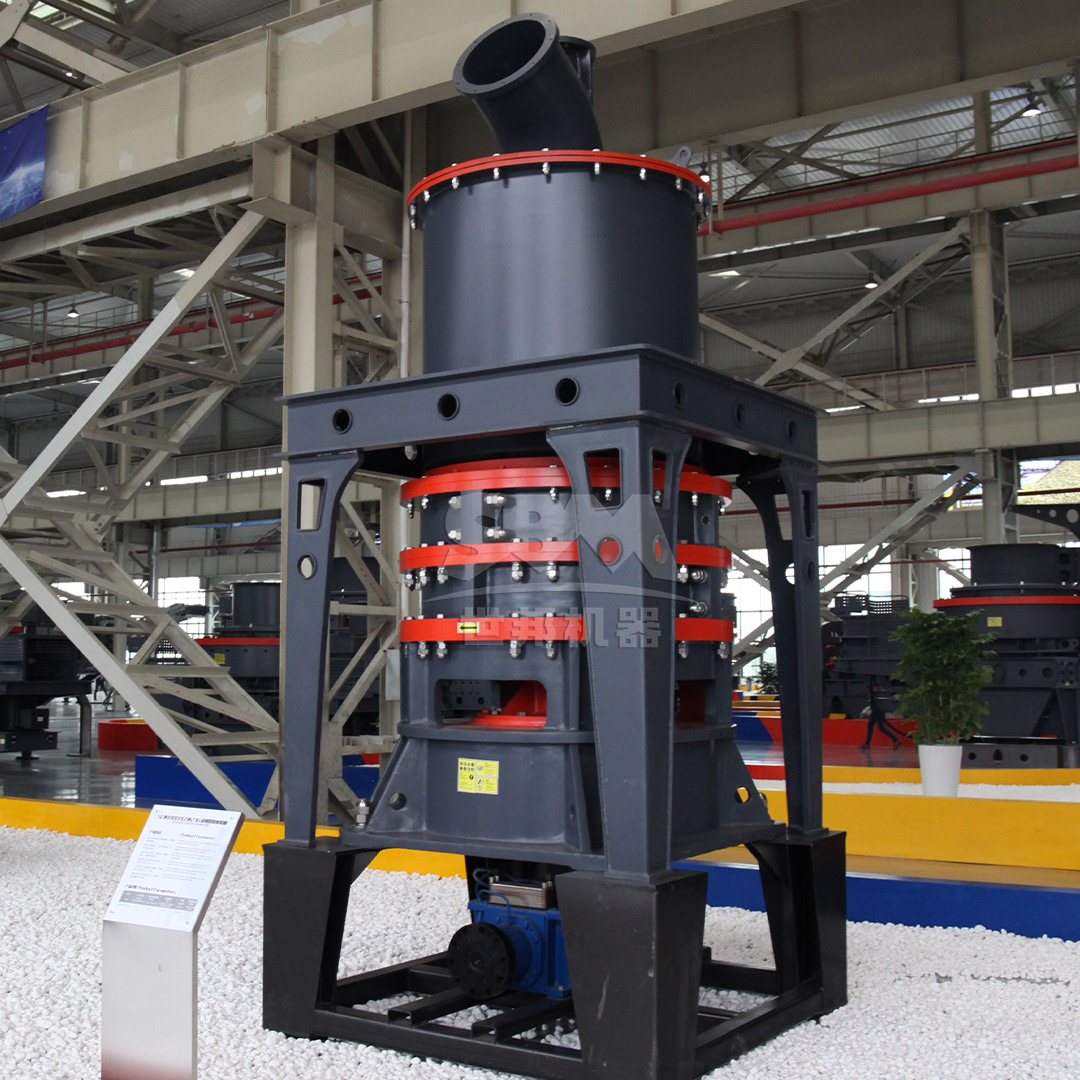
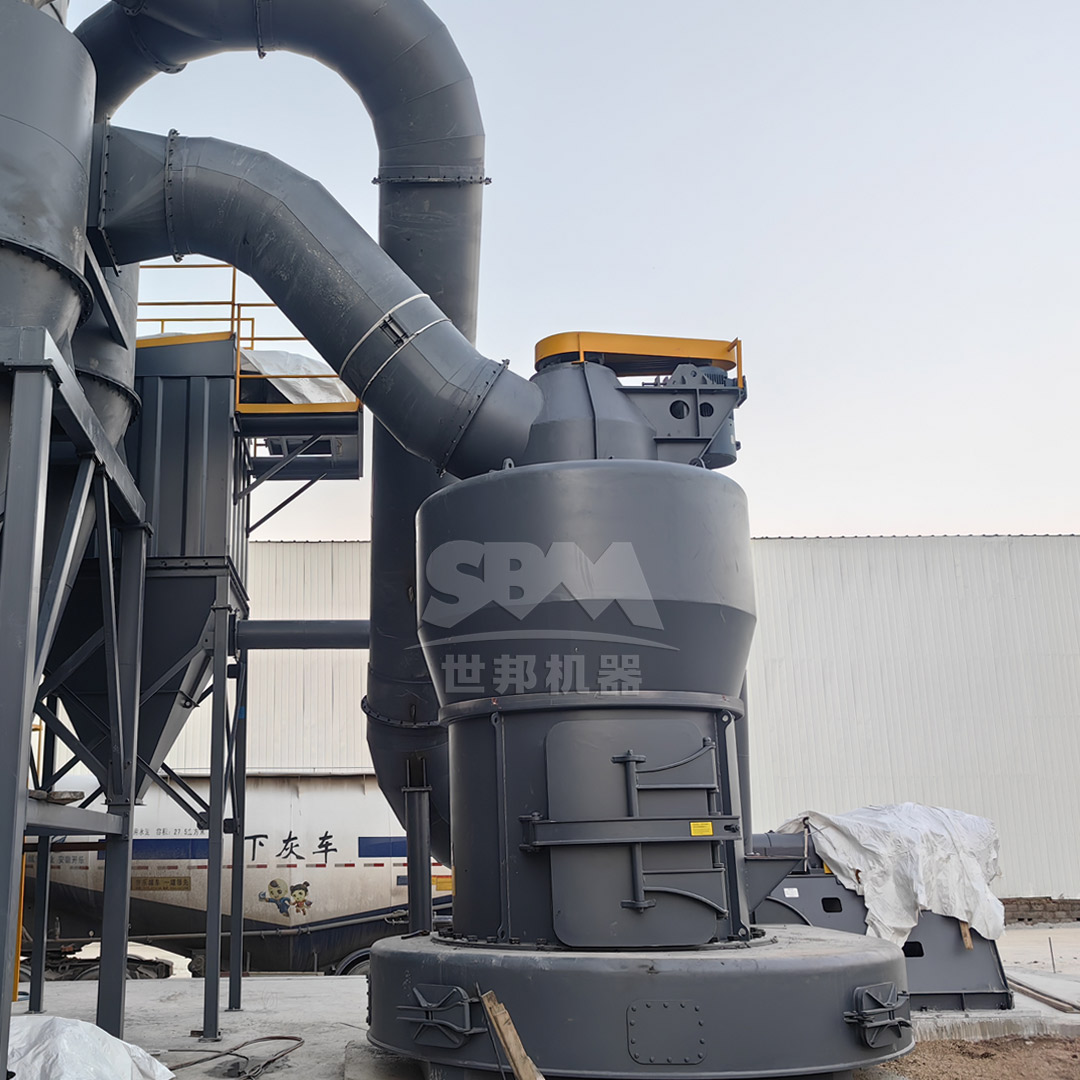
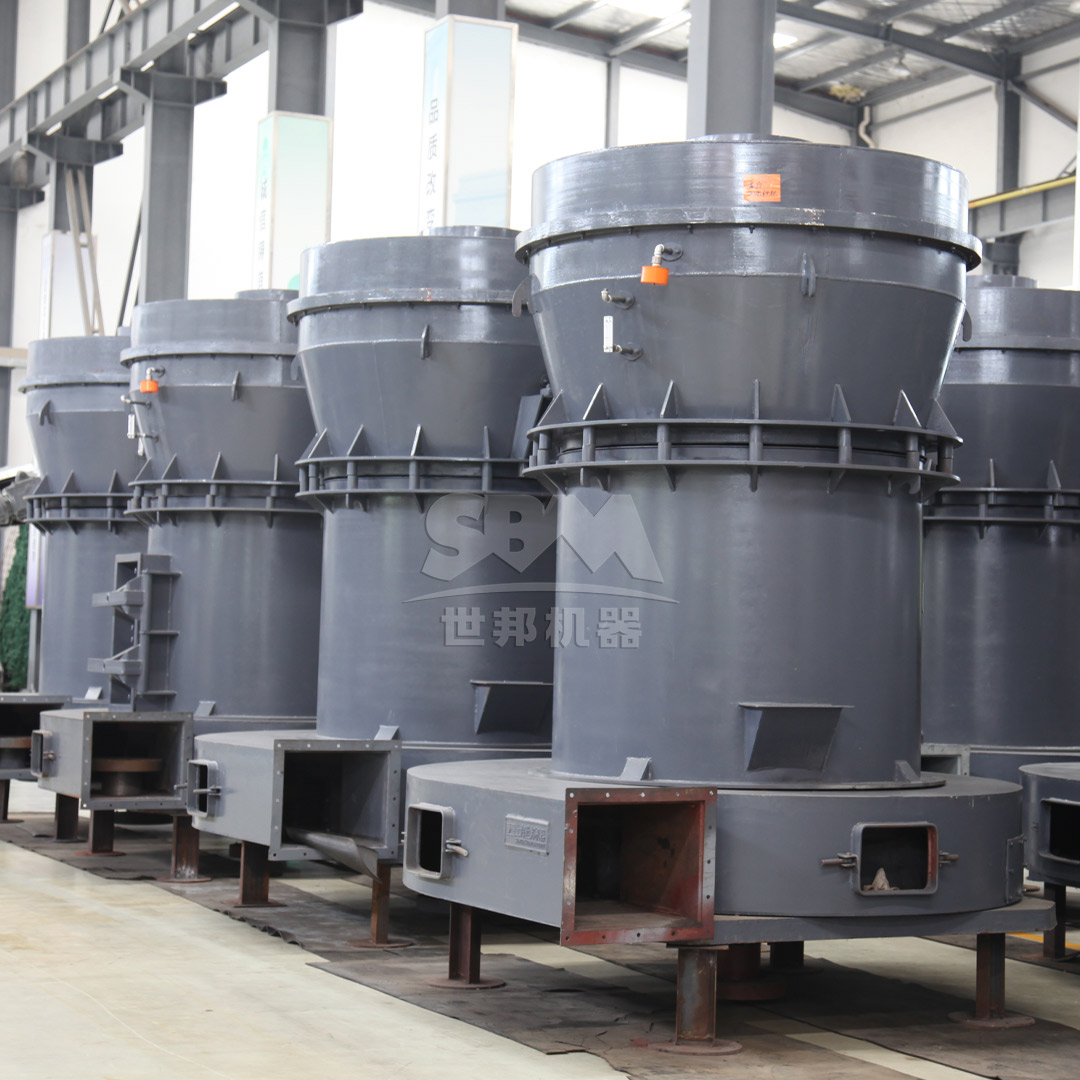
For cement manufacturers requiring ultrafine fly ash (325-2500 mesh), the SCM Series Ultrafine Mill stands out as an exceptional solution. This equipment is specifically designed to deliver high-precision, ultrafine grinding with outstanding efficiency and reliability.
The SCM Series features a vertical turbine classifier that achieves precise particle size cutting, ensuring no coarse powder mixing and uniform finished products. This is particularly important for ultrafine fly ash production, where consistency in particle size directly impacts the pozzolanic reactivity and the performance of the final cement product. The intelligent control system with automatic finished product granularity feedback allows operators to maintain precise control over product fineness without constant manual adjustment.
In terms of capacity, the SCM Series offers models ranging from 0.5 t/h to 25 t/h, with the SCM1680 model achieving up to 25 tons per hour at 325-2500 mesh fineness. Its capacity is approximately twice that of comparable jet mills, while energy consumption is reduced by 30%. This translates to significant operational cost savings for cement producers. The special material rollers and rings extend service life several times over, and the shaftless screw grinding chamber ensures stable operation with minimal maintenance requirements.
Environmental performance is equally impressive—the pulse dust collection efficiency exceeds international standards, and the soundproof room design ensures low noise levels, making the SCM Series a responsible choice for environmentally conscious cement plants.
| Model | Capacity (t/h) | Main Power (kW) | Feed Size (mm) | Fineness (mesh) |
|---|---|---|---|---|
| SCM800 | 0.5-4.5 | 75 | ≤20 | 325-2500 |
| SCM900 | 0.8-6.5 | 90 | ≤20 | 325-2500 |
| SCM1000 | 1.0-8.5 | 132 | ≤20 | 325-2500 |
| SCM1250 | 2.5-14 | 185 | ≤20 | 325-2500 |
| SCM1680 | 5.0-25 | 315 | ≤20 | 325-2500 |
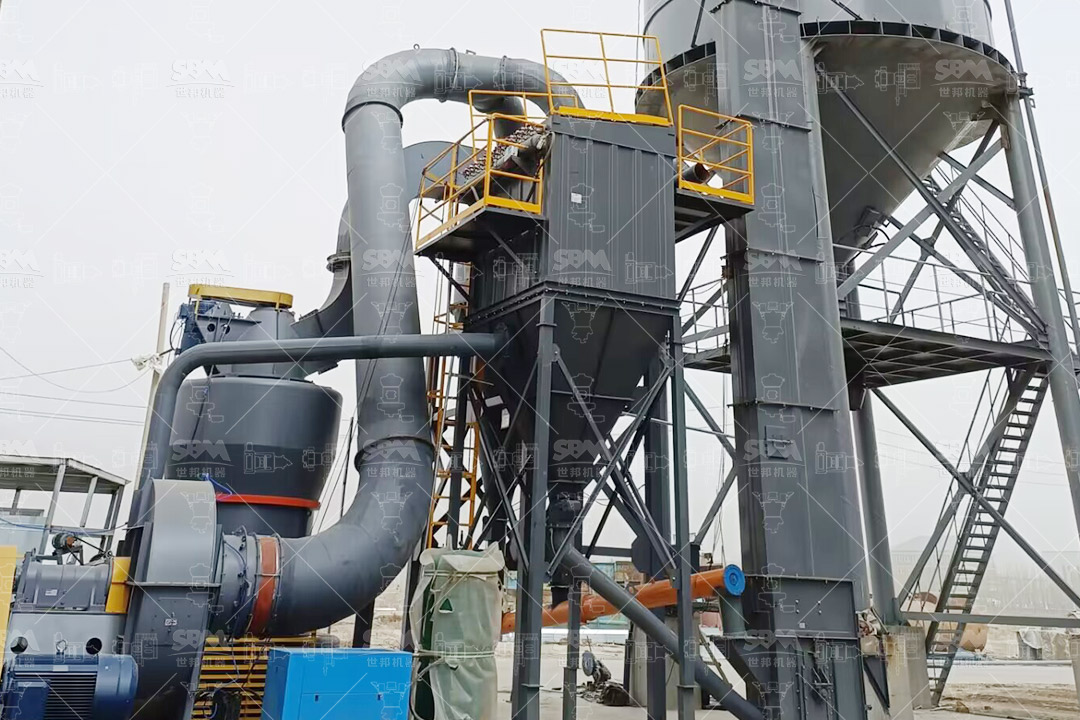
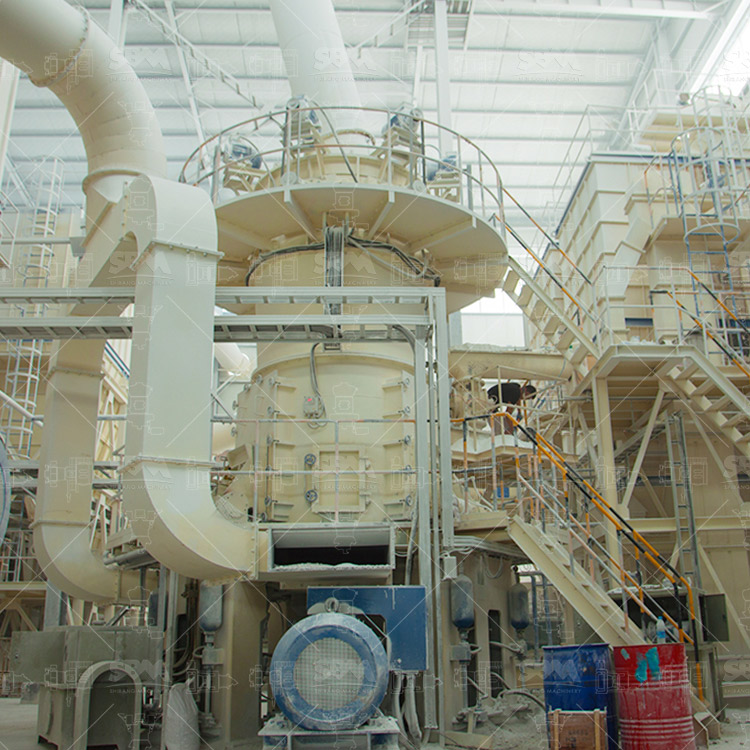
For large-scale cement production facilities that require high-capacity fly ash processing, the LM Series Vertical Roller Mill is an outstanding choice. With a capacity range of 3 to 250 tons per hour, this mill is perfectly suited for integrated cement plants that need to process large volumes of fly ash continuously.
The LM Series features an integrated design that combines crushing, grinding, and classification into a single compact unit, reducing floor space by 50% compared to traditional grinding systems. Outdoor installation is possible, further reducing infrastructure costs by up to 40%. The non-contact design between rollers and the grinding table significantly extends wear part life—typically three times longer than conventional mill designs—while reducing maintenance downtime.
Energy consumption is 30-40% lower than ball mill systems, which is a critical advantage for cement producers looking to reduce their carbon footprint and operational costs. The expert-level auto-control system supports remote and local switching, with real-time monitoring of parameters that reduces the need for manual intervention. Fully sealed negative-pressure operation ensures dust emission compliance, and operating noise is minimized to meet the most stringent environmental regulations.
For fly ash grinding, the LM Series can be configured with appropriate grinding parameters to achieve fineness ranging from 45μm down to 30μm or finer, depending on the specific model and configuration. The dynamic classifier multi-stage adjustment technology allows for precise control over product fineness, ensuring consistent quality for cement blending applications.
When deciding between the SCM Series Ultrafine Mill and the LM Series Vertical Roller Mill, cement manufacturers should consider the following guidelines:
Choose the SCM Series Ultrafine Mill when:
Choose the LM Series Vertical Roller Mill when:
Selecting the right milling solution for fly ash processing in cement production lines requires careful consideration of fineness requirements, production capacity, energy efficiency, environmental compliance, and material characteristics. The SCM Series Ultrafine Mill and the LM Series Vertical Roller Mill from our company represent the most advanced and reliable solutions available for this application. Both products incorporate patented technologies, intelligent control systems, and environmentally friendly designs that meet the demanding requirements of modern cement production. By choosing the appropriate milling equipment, cement manufacturers can maximize the value of fly ash as a supplementary cementitious material, reduce production costs, and contribute to a more sustainable construction industry.
For more information about our fly ash processing equipment or to discuss your specific requirements with our technical team, please contact us today. We are committed to providing tailored solutions that meet the unique needs of your cement production line.