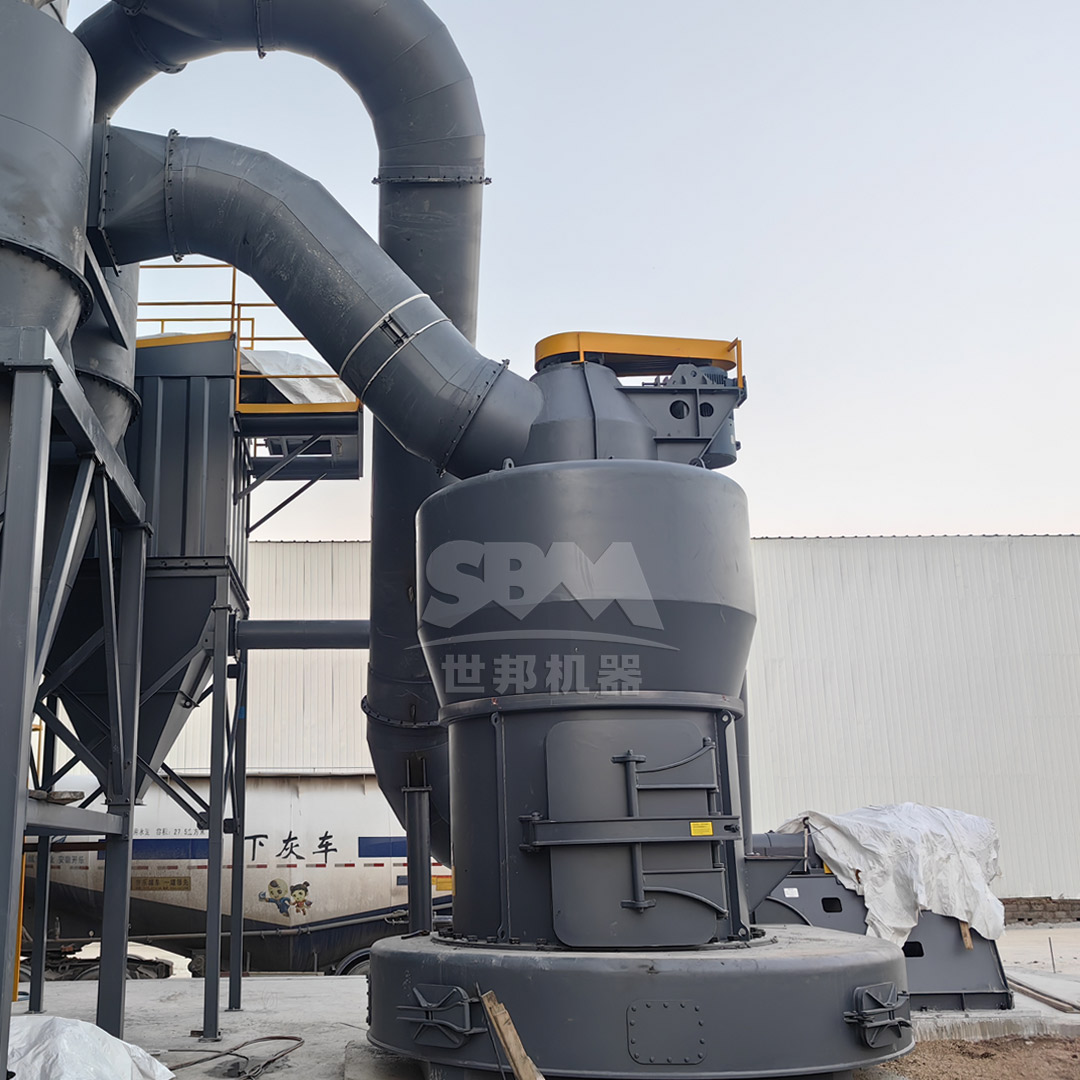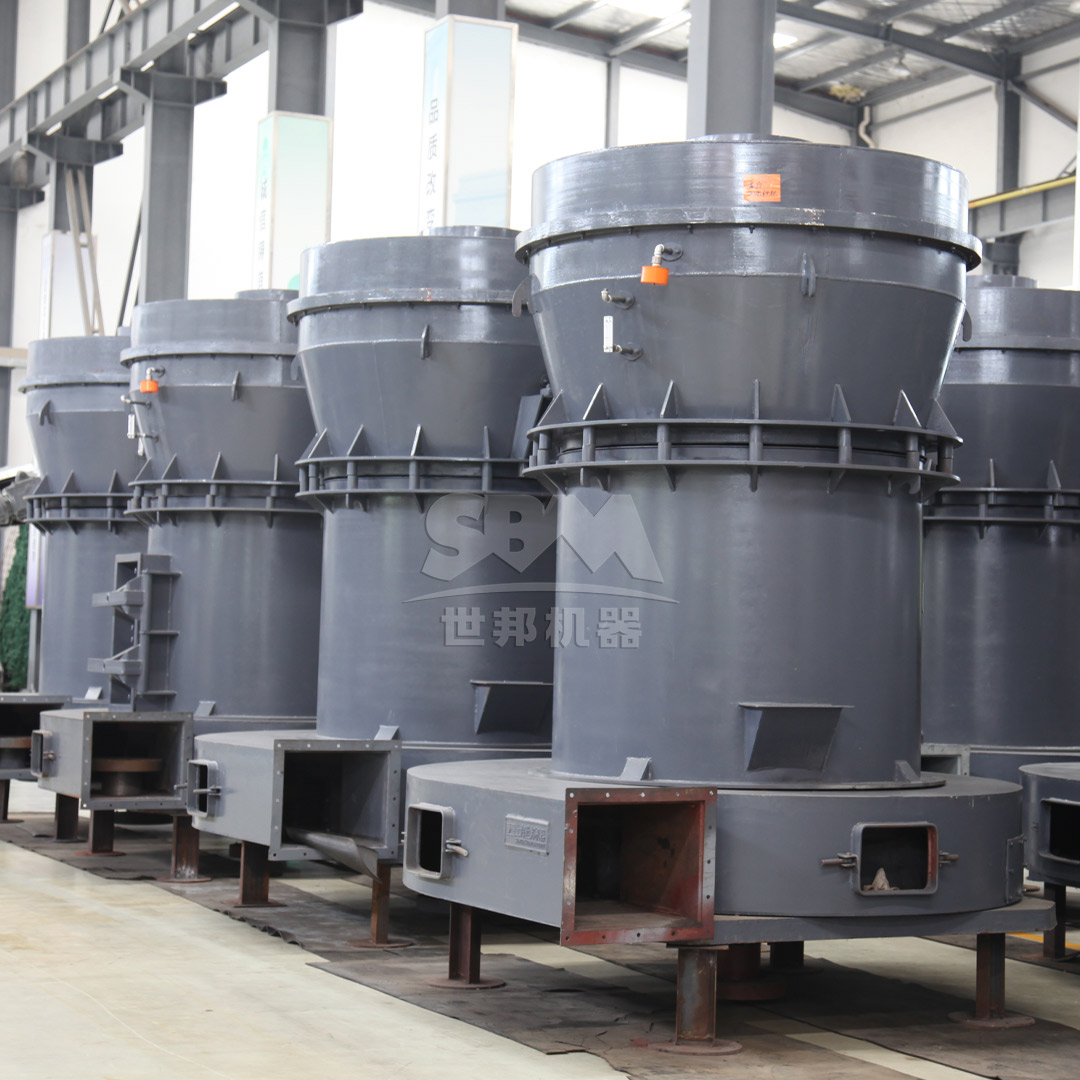
Quartz stone is one of the most versatile and widely used abrasive materials in modern industry. Its high hardness, chemical inertness, and thermal stability make it indispensable in applications ranging from construction and glass manufacturing to electronics and precision casting. However, processing quartz stone efficiently—especially when the goal is to produce abrasive-grade powders—requires careful selection of equipment. The wrong choice can lead to excessive wear, high energy consumption, inconsistent product quality, and costly downtime. This article outlines the key factors buyers should consider when choosing quartz stone processing equipment, and highlights two proven solutions from our company that excel in this demanding application.
Quartz (SiO₂) has a Mohs hardness of 7, which is significantly harder than most common minerals. This high hardness translates directly into aggressive wear on grinding surfaces, classifiers, and conveying components. Additionally, quartz tends to fracture into sharp, angular particles, which further accelerates abrasion. When selecting processing equipment, buyers must prioritize designs that incorporate wear-resistant materials, robust construction, and efficient classification to minimize recirculation of already-fine particles.
Another critical property is the desired finished particle size. Abrasive applications typically require narrow particle size distributions—often in the range of 45 μm to 5 μm (325 to 2500 mesh). Equipment must therefore offer precise classification and consistent product fineness.
The grinding chamber, rollers, rings, and liners must be made from materials that can withstand quartz’s abrasive nature. Look for equipment that uses special alloy steels, ceramic liners, or surface-hardened components. For example, our SCM Series Ultrafine Mill features special material rollers and rings that extend service life several times over compared to standard designs. Similarly, the MTW Series European Trapezium Mill employs anti-wear shovel blades and curved grinding rollers to reduce maintenance costs.
Abrasive quartz powders demand tight control over the top cut size. Coarse particles can scratch surfaces, while excessive fines reduce cutting efficiency. Equipment with high-precision classifiers—such as vertical turbine classifiers or multi-rotor dynamic classifiers—ensures that no coarse powder mixes with the finished product. The SCM Series incorporates a vertical turbine classifier that achieves precise particle size cutting, while the LUM Ultrafine Vertical Roller Mill uses multi-rotor technology to eliminate coarse particles.
Production scale varies from small batch operations to large continuous plants. Buyers should choose equipment that matches their current throughput but also offers room for expansion. Our SCM Series offers capacities from 0.5 to 25 t/h, while the MTW Series covers 3 to 45 t/h, and the LM Series Vertical Roller Mill can reach up to 250 t/h for large-scale operations.
Grinding quartz is energy-intensive. Equipment that minimizes energy waste—through optimized airflow, efficient transmission, and intelligent control—can significantly reduce operating costs. For instance, the SCM Series boasts 30% lower energy consumption than jet mills, and the LM Series Vertical Roller Mill uses 30–40% less energy than ball mill systems.
Quartz dust is a health hazard and an environmental concern. Modern equipment must be equipped with high-efficiency pulse dust collectors and negative pressure operation. Our SCM Series features pulse dust collection that exceeds international standards, and the LM Series offers fully sealed negative pressure operation with dust emissions well below regulatory limits.
Abrasive materials cause rapid wear, so equipment must be designed for easy maintenance. Quick-change roller assemblies, hydraulic systems for roller replacement, and centralized lubrication are valuable features. The MTW Series uses an integral bevel gear drive with 98% transmission efficiency and a wear-resistant volute structure that reduces maintenance costs by 30%. The LM Series includes a modular grinding roller assembly quick-change system.
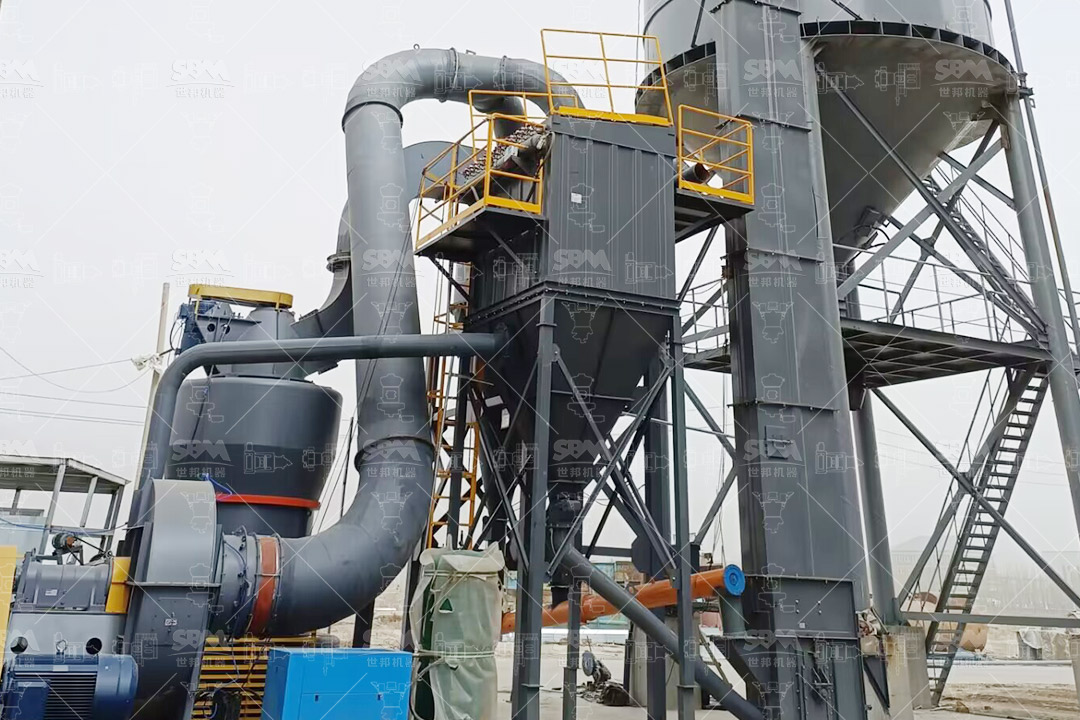
For abrasive quartz applications requiring ultrafine powders, the SCM Series is an ideal choice. With an input size of ≤20 mm and output fineness adjustable from 325 to 2500 mesh, it delivers precise products for abrasive pastes, polishes, and specialty coatings. Key advantages include:
Available models range from SCM800 (0.5–4.5 t/h) to SCM1680 (5–25 t/h), allowing scalability for different production needs.
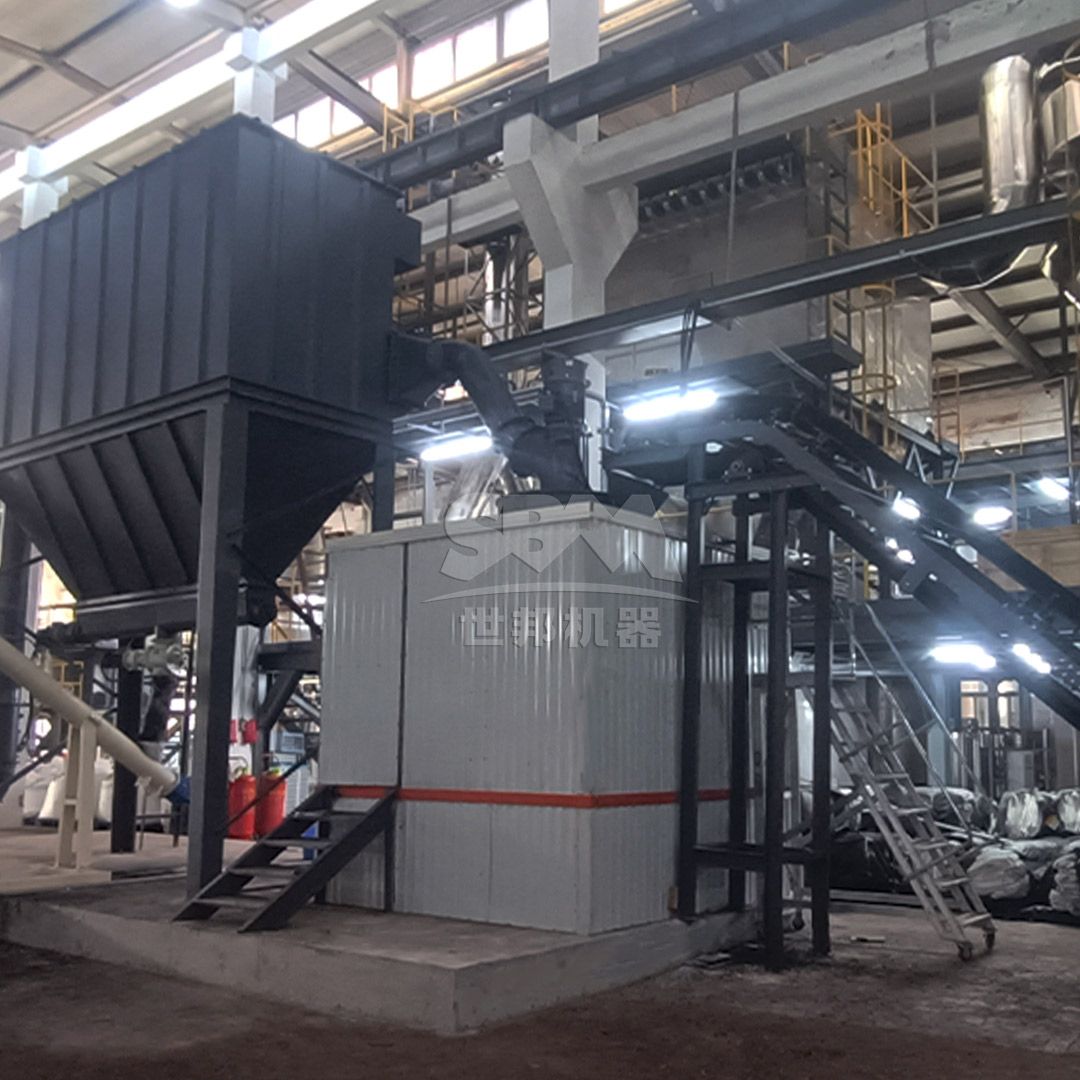
For coarse to medium-fine abrasive quartz processing, the MTW Series offers an excellent balance of capacity, efficiency, and wear resistance. With input sizes up to 50 mm and output fineness from 30 to 325 mesh (down to 0.038 mm), it is well-suited for producing abrasive grits and fillers. Notable features include:
Models range from MTW110 (3–9 t/h) to MTW215G (15–45 t/h), with additional MRN models for higher capacities.
| Factor | SCM Series Ultrafine Mill | MTW Series European Trapezium Mill |
|---|---|---|
| Input Size | ≤20 mm | ≤50 mm |
| Output Fineness | 325–2500 mesh (45–5 μm) | 30–325 mesh (600–45 μm) |
| Capacity | 0.5–25 t/h | 3–45 t/h |
| Wear Protection | Special material rollers and rings | Anti-wear shovel blades, curved rollers |
| Classification | Vertical turbine classifier | High-efficiency classifier |
| Energy Efficiency | 30% lower than jet mills | Optimized air duct and bevel gear drive |
| Dust Collection | Pulse dust collection, exceeds standards | Pulse dust removal technology |
| Best For | Ultrafine abrasive powders | Coarse to medium-fine abrasive grits |
Buyers should also evaluate the supplier’s technical support, availability of spare parts, and after-sales service. Quartz processing equipment operates under harsh conditions, so reliable support is critical. Our company provides comprehensive training, remote monitoring, and quick-response maintenance services. Furthermore, consider the total cost of ownership—not just the initial purchase price. Energy, wear parts, and downtime often constitute the majority of operating costs over the equipment’s lifespan.
For very fine abrasive applications, the LUM Ultrafine Vertical Roller Mill is another excellent option, offering 325–2500 mesh with multi-rotor classifying and PLC automation. For large-scale operations, the LM Series Vertical Roller Mill can handle up to 250 t/h with integrated crushing, grinding, and classification.
Choosing the right quartz stone processing equipment for abrasive materials requires a systematic evaluation of hardness, fineness requirements, capacity, energy efficiency, wear resistance, and environmental compliance. The SCM Series Ultrafine Mill and MTW Series European Trapezium Mill represent two of the most reliable and cost-effective solutions on the market, each tailored to different segments of the abrasive particle size spectrum. By understanding your specific production goals and matching them with equipment that offers precise classification, durable wear parts, and intelligent control, you can achieve consistent product quality, reduce operating costs, and maintain a competitive edge in the abrasive materials industry.
For more information on model selection and customized configurations, please contact our technical team.