The fiber optics industry represents one of the most technologically advanced manufacturing sectors, where material purity directly determines product performance. At the heart of this industry lies quartz powder—the fundamental raw material for manufacturing optical fibers. The quality of quartz powder, particularly its particle size distribution, chemical purity, and morphological characteristics, directly impacts the signal transmission efficiency, attenuation rates, and overall reliability of fiber optic cables.
High-purity quartz powder for fiber optics must meet exceptionally stringent specifications. Contaminants must be maintained at parts-per-billion levels, while particle size distribution must be tightly controlled to ensure uniform melting and drawing processes. Achieving these specifications requires specialized grinding equipment capable of producing ultra-fine powders with precise particle size control and minimal contamination.
The manufacturing of optical fibers demands quartz powder with specific characteristics that conventional grinding equipment cannot achieve. These requirements include:
Fiber optic manufacturing requires quartz powder with a narrow particle size distribution, typically ranging from 325 to 2500 mesh (45-5μm). The D97 value—representing the particle size below which 97% of the powder falls—must be consistently maintained at ≤5μm for premium applications. This uniform particle size ensures consistent melting behavior during the fiber drawing process and minimizes defects in the final optical fiber.
Transition metal contaminants, particularly iron, copper, and chromium, must be maintained at sub-ppm levels as they cause significant signal attenuation through absorption and scattering. The grinding process must not introduce any metallic contamination, requiring specialized wear-resistant materials in the grinding chamber.
The shape of quartz particles affects packing density and flow characteristics during preform manufacturing. Ideal particles exhibit rounded edges rather than sharp, angular shapes to minimize air entrapment and ensure uniform consolidation.
| Parameter | Standard Grade | Fiber Optic Grade | Measurement Method |
|---|---|---|---|
| Particle Size (D97) | ≤45μm | ≤5μm | Laser Diffraction |
| Iron Content | ≤50ppm | ≤1ppm | ICP-MS |
| Moisture Content | ≤1.5% | ≤0.5% | Karl Fischer |
| LOI (1000°C) | ≤0.5% | ≤0.2% | Gravimetric |
Producing quartz powder that meets fiber optic specifications presents several significant challenges that require specialized grinding solutions:
Traditional grinding mills introduce metallic contamination through wear of grinding media and chamber components. Even minute amounts of metal contamination can severely degrade optical performance. Additionally, cross-contamination between different material batches must be completely eliminated.
Quartz undergoes phase transformations at elevated temperatures, which can alter its chemical and physical properties. The grinding process must maintain temperatures below the α-β quartz transition point (573°C) to preserve material characteristics. Excessive heat can also create surface defects that affect subsequent processing.
Producing ultra-fine quartz powder is energy-intensive. Conventional ball mills may consume excessive energy while failing to achieve the required particle size distribution. Efficient grinding systems must optimize energy consumption while maintaining product quality.
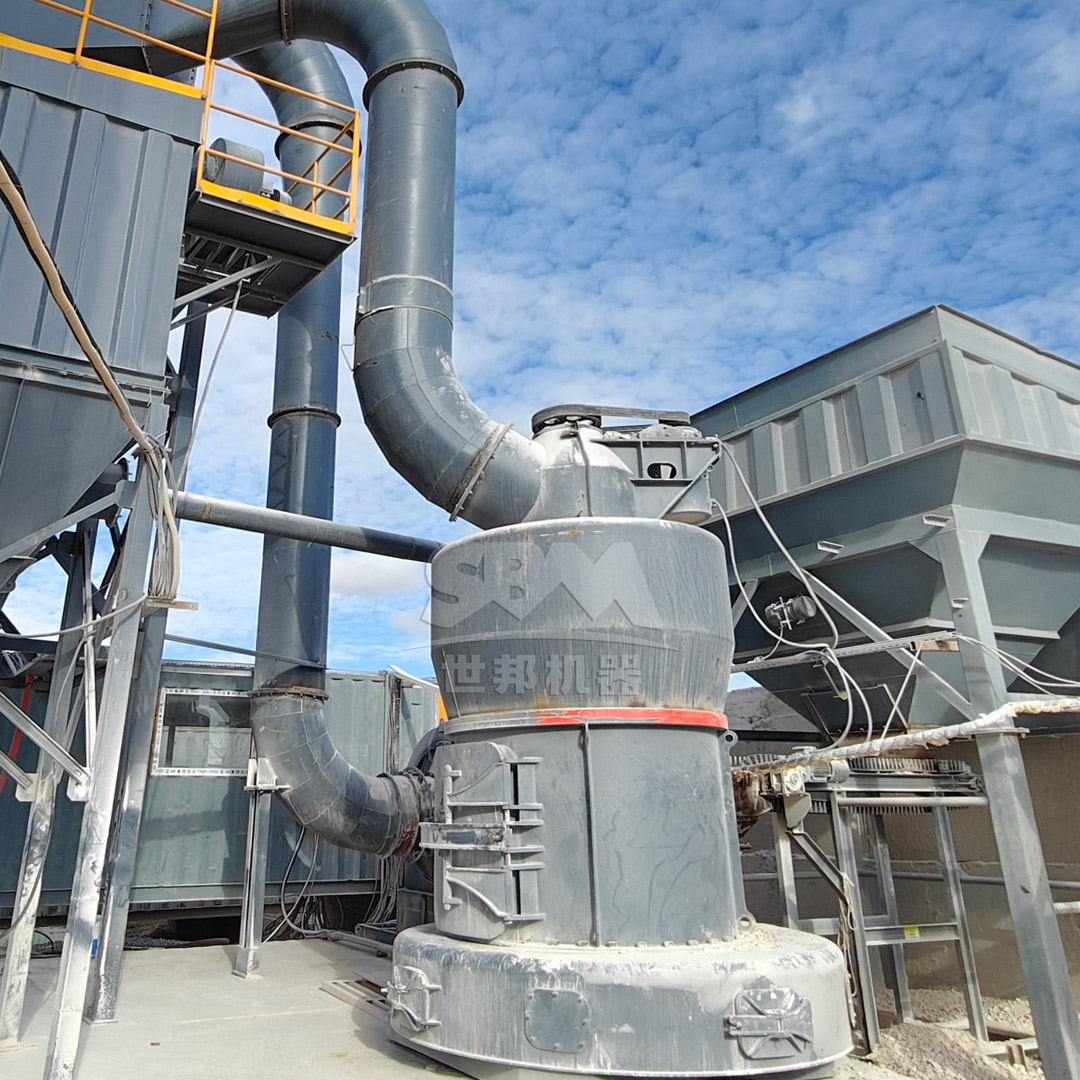
Modern quartz powder production for fiber optics employs several advanced grinding technologies, each with specific advantages for different stages of the production process.
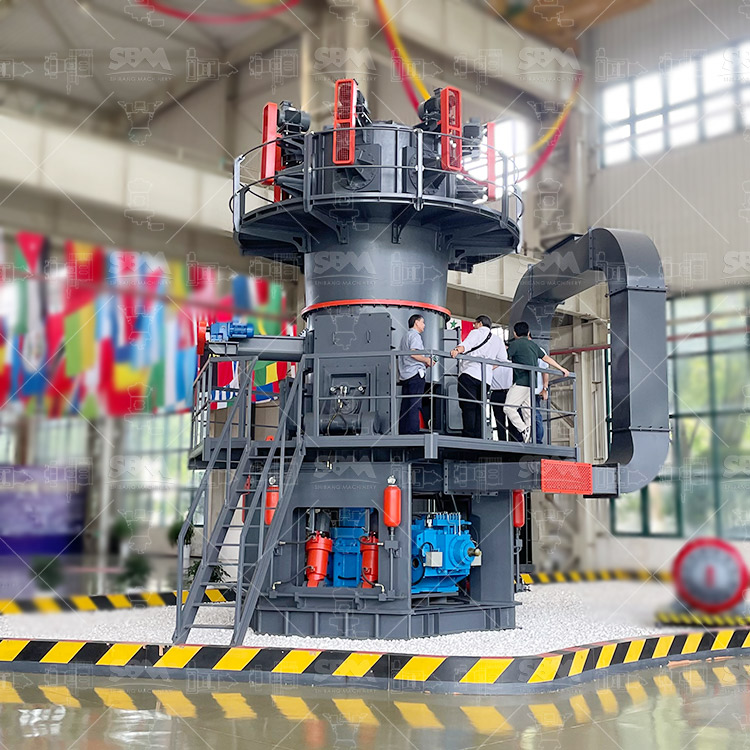
For the final grinding stage where the highest purity and finest particle sizes are required, ultra-fine grinding mills offer significant advantages. Our SCM Ultrafine Mill represents the cutting edge in quartz powder production technology, specifically engineered to meet the exacting requirements of fiber optic manufacturing.
The SCM series achieves remarkable performance through its innovative design: a vertical turbine classification system ensures precise particle size control, while special ceramic grinding components eliminate metallic contamination. With an output fineness range of 325-2500 mesh (D97≤5μm) and capacity of 0.5-25 tons per hour depending on model, this equipment sets the standard for fiber optic quartz production.
Key advantages of the SCM Ultrafine Mill for fiber optic applications include:
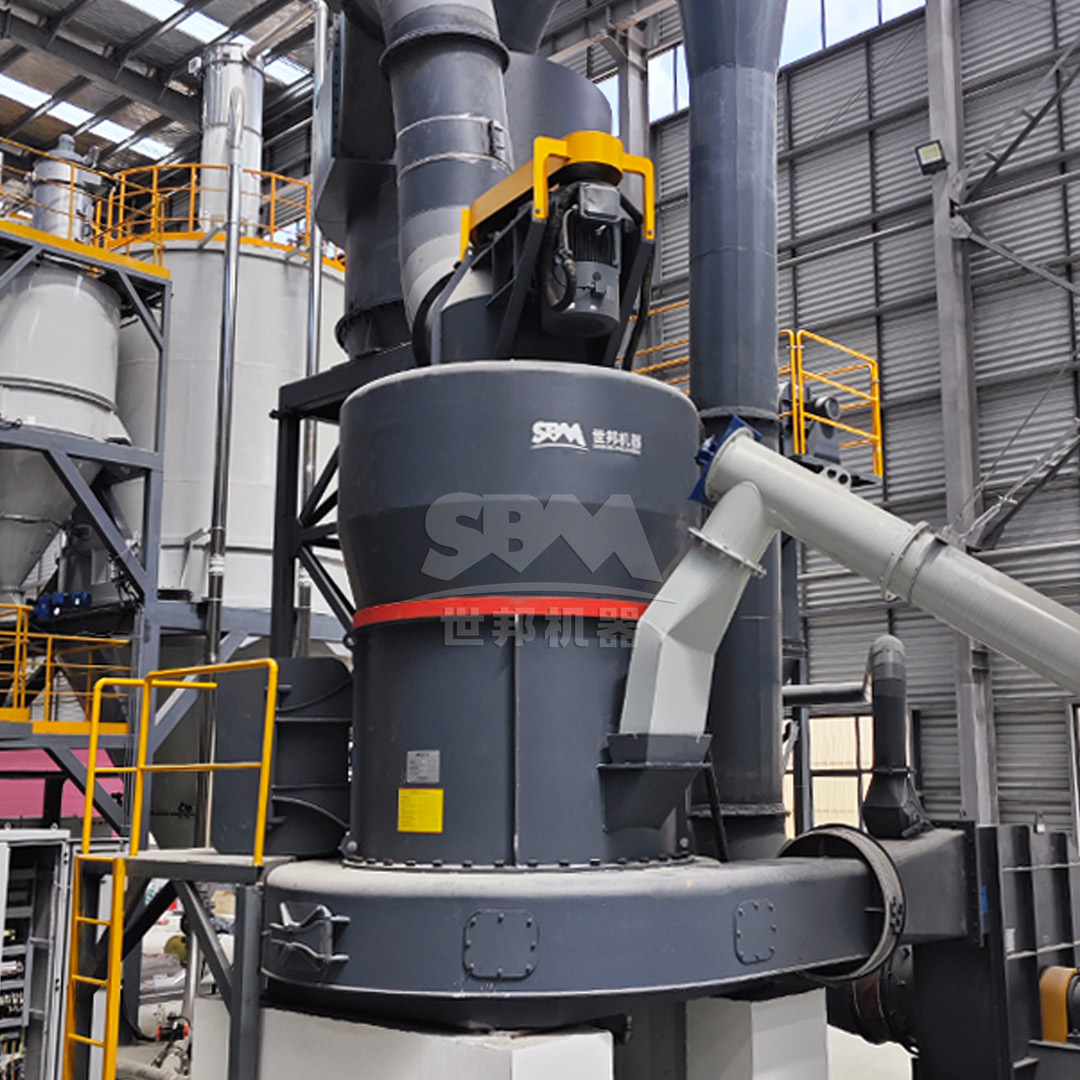
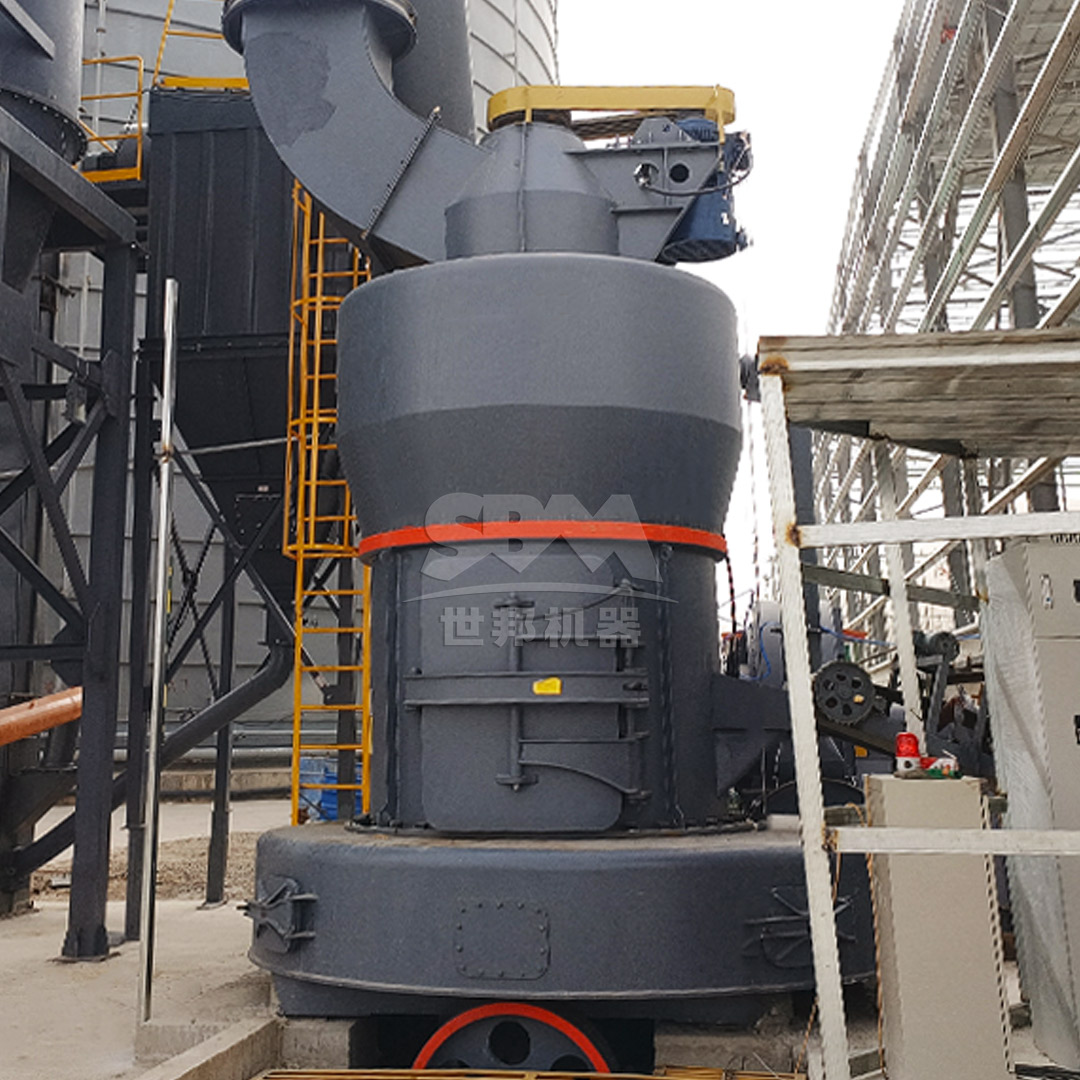
For high-volume production requirements, the MTW Series Trapezium Mill offers an optimal balance of capacity and precision. With processing capabilities ranging from 3-45 tons per hour and output fineness of 30-325 mesh, this equipment is ideal for the intermediate grinding stages in fiber optic quartz production.
The MTW series incorporates several patented technologies specifically beneficial for quartz processing:
| Model | Processing Capacity (t/h) | Main Motor Power (kW) | Output Fineness (mesh) | Recommended Application |
|---|---|---|---|---|
| SCM800 | 0.5-4.5 | 75 | 325-2500 | Premium fiber optic grade |
| SCM1000 | 1.0-8.5 | 132 | 325-2500 | High-purity fiber optic |
| SCM1680 | 5.0-25 | 315 | 325-2500 | Large-scale production |
| MTW138Z | 6-17 | 90 | 30-325 | Intermediate grinding |
| MTW215G | 15-45 | 280 | 30-325 | High-capacity processing |
Maintaining consistent quality in fiber optic quartz powder requires rigorous testing and quality control measures throughout the grinding process. Advanced grinding mills incorporate real-time monitoring systems that track critical parameters including particle size distribution, temperature, and pressure.
Modern quality control for fiber optic quartz includes:
Laser particle analyzers provide continuous feedback on particle size distribution, allowing automatic adjustment of operational parameters to maintain product consistency. Temperature sensors ensure the grinding process remains within optimal ranges to prevent phase transformations.
Regular sampling and analysis using inductively coupled plasma mass spectrometry (ICP-MS) detect trace metal contaminants at parts-per-billion levels. Magnetic separation systems integrated into the grinding process remove any ferrous contamination that may occur.
Statistical process control methods track production parameters across multiple batches to ensure long-term consistency. Automated data logging systems record all critical process parameters for each production lot, providing complete traceability.
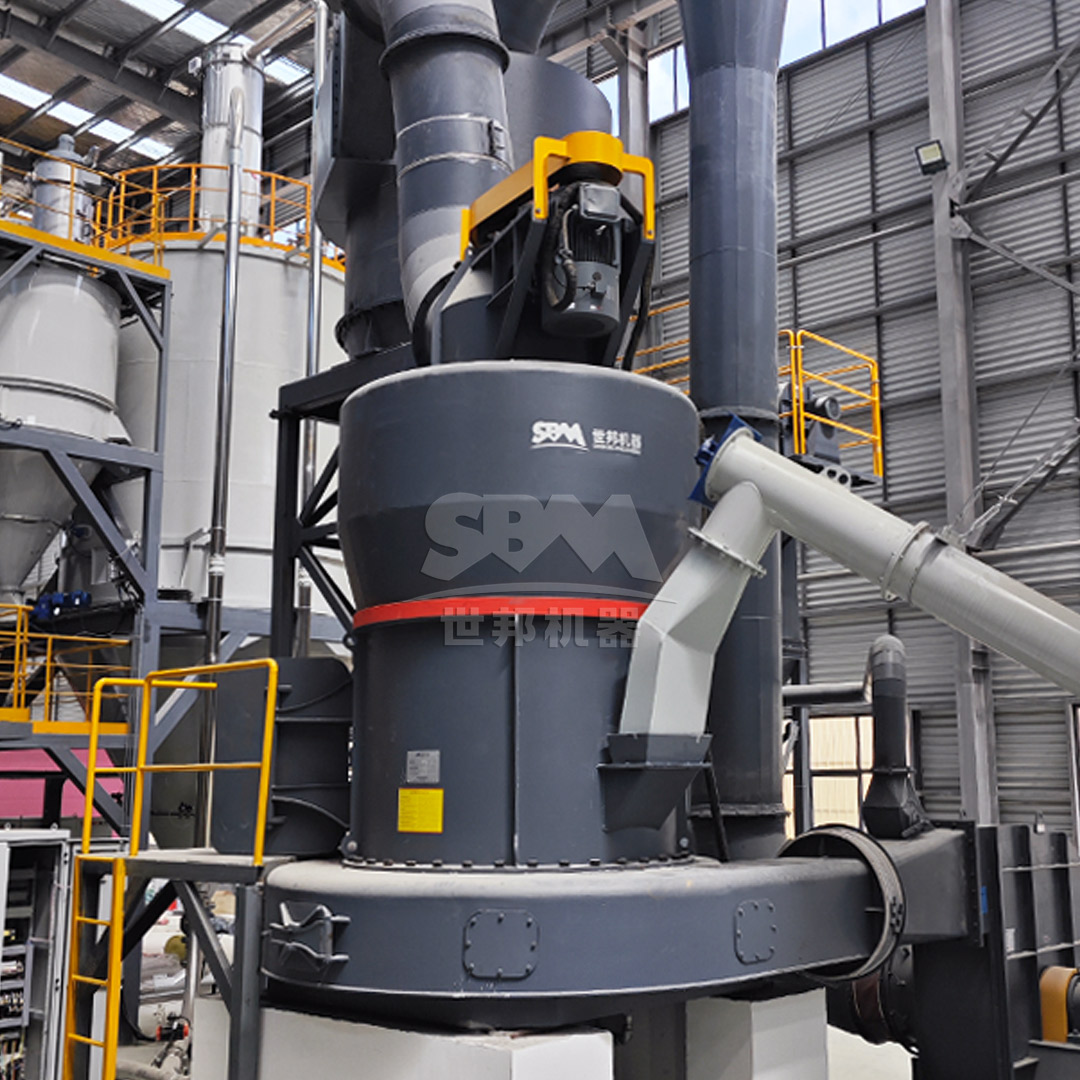
A leading fiber optic manufacturer recently upgraded their quartz powder production line by implementing our SCM1000 Ultrafine Mill. The results demonstrated significant improvements across multiple performance metrics:
The transition to the SCM system achieved a 40% reduction in energy consumption per ton of processed quartz powder while increasing production capacity by 60%. Most importantly, the quality consistency improved dramatically, with the standard deviation of D97 values reduced from ±0.8μm to ±0.2μm. Metallic contamination levels decreased below detectable limits, resulting in optical fibers with attenuation rates meeting the most stringent international standards.
The intelligent control system automatically adjusted operational parameters in response to variations in raw material characteristics, maintaining consistent product quality despite natural variations in feedstock quartz. The integrated pulse dust collection system ensured working environment dust concentrations remained below 2mg/m³, significantly improving workplace safety.
The evolving demands of fiber optic technology continue to drive innovations in quartz powder production. Several emerging trends are shaping the future of grinding technology for this critical application:
Next-generation optical fibers may require quartz powders with particle sizes in the nanometer range to enable new functionality and performance characteristics. Grinding systems capable of producing consistent nanoparticles without agglomeration represent the next frontier in quartz processing technology.
The integration of Industry 4.0 technologies enables predictive maintenance, real-time quality optimization, and complete production traceability. Advanced grinding mills increasingly incorporate IoT connectivity and machine learning algorithms that continuously optimize operational parameters based on real-time performance data.
Energy efficiency and environmental impact continue to be key focus areas. Next-generation grinding systems aim to further reduce energy consumption while implementing closed-loop water cooling systems and advanced filtration technologies to minimize environmental footprint.
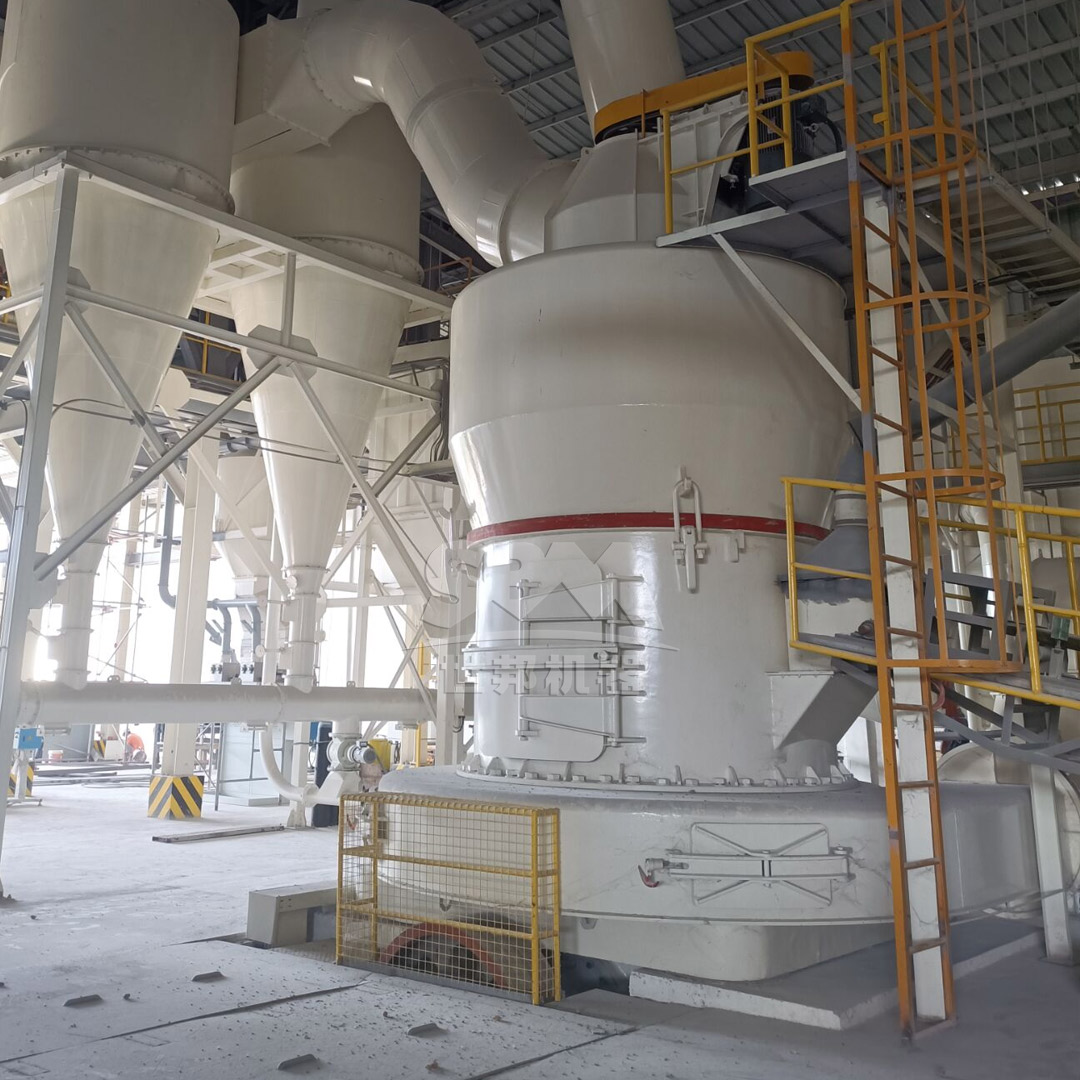
The production of high-purity quartz powder for fiber optic applications represents one of the most demanding grinding processes in industrial minerals processing. Meeting the exacting requirements of this industry requires specialized equipment designed specifically for ultra-fine grinding with minimal contamination. Our SCM Ultrafine Mill and MTW Series Trapezium Mill provide comprehensive solutions for fiber optic quartz production, combining precision particle size control with the purity, efficiency, and reliability demanded by this critical industry.
As fiber optic technology continues to evolve, driving demand for higher bandwidth and more sophisticated optical networks, the importance of high-quality quartz powder will only increase. Investing in advanced grinding technology today ensures manufacturers can meet tomorrow’s performance requirements while maintaining competitive production costs and sustainable operations.