The production of high-quality industrial lubricants requires precisely ground talc powder with specific particle size distribution and purity characteristics. Talc, a hydrated magnesium silicate mineral, serves as an excellent solid lubricant and thickening agent when processed to the correct fineness. Selecting the appropriate grinding equipment is crucial for achieving the desired product quality while maintaining operational efficiency and cost-effectiveness. This comprehensive guide examines the key factors to consider when choosing talc powder grinding machinery for industrial lubricant applications.
Talc possesses unique physical and chemical properties that make it valuable in industrial lubricant formulations. Its lamellar structure provides excellent lubricity, while its chemical inertness ensures compatibility with various base oils and additives. However, these same properties present specific challenges during the grinding process.
The optimal particle size for talc in lubricant applications typically ranges from 5 to 45 micrometers (325 to 2500 mesh), depending on the specific application. Finer particles provide better suspension stability and improved lubricity but require more energy to produce. Coarser particles may settle more quickly but can offer better extreme pressure properties in certain applications.
| Application | Recommended Fineness | Key Requirements |
|---|---|---|
| General Purpose Lubricants | 325-800 mesh | Good suspension, moderate lubricity |
| High-Performance Lubricants | 800-1250 mesh | Excellent suspension, high lubricity |
| Specialty Formulations | 1250-2500 mesh | Superior dispersion, maximum performance |
Talc’s Mohs hardness of 1 makes it relatively soft and easy to grind compared to other minerals. However, its plate-like crystal structure and natural moisture content can lead to agglomeration and packing issues during grinding. The mineral’s inherent softness also means that contamination from grinding media wear must be carefully controlled to maintain product purity.
Determining your required production capacity is the first step in selecting appropriate grinding equipment. Consider both current needs and future expansion plans. For small to medium operations (0.5-25 tons per hour), ultrafine mills provide excellent flexibility. For larger scale operations (3-45 tons per hour), trapezium mills offer higher throughput capabilities.
Industrial lubricants require precise control over particle size distribution to ensure consistent performance. Equipment with advanced classification systems is essential for producing talc powder with narrow size distributions. The presence of oversized particles can lead to abrasion in lubricated systems, while excessive fines may affect viscosity and stability.
Grinding operations typically account for a significant portion of total production costs. Modern grinding equipment incorporates various energy-saving technologies, including optimized grinding geometries, efficient classification systems, and intelligent control systems that adjust operating parameters based on feed material characteristics.
Maintaining product purity is paramount in lubricant applications. Equipment designed with minimal wear parts and easy-clean surfaces helps prevent contamination from metal wear or cross-contamination between product batches. Ceramic or special alloy grinding elements may be necessary for high-purity applications.
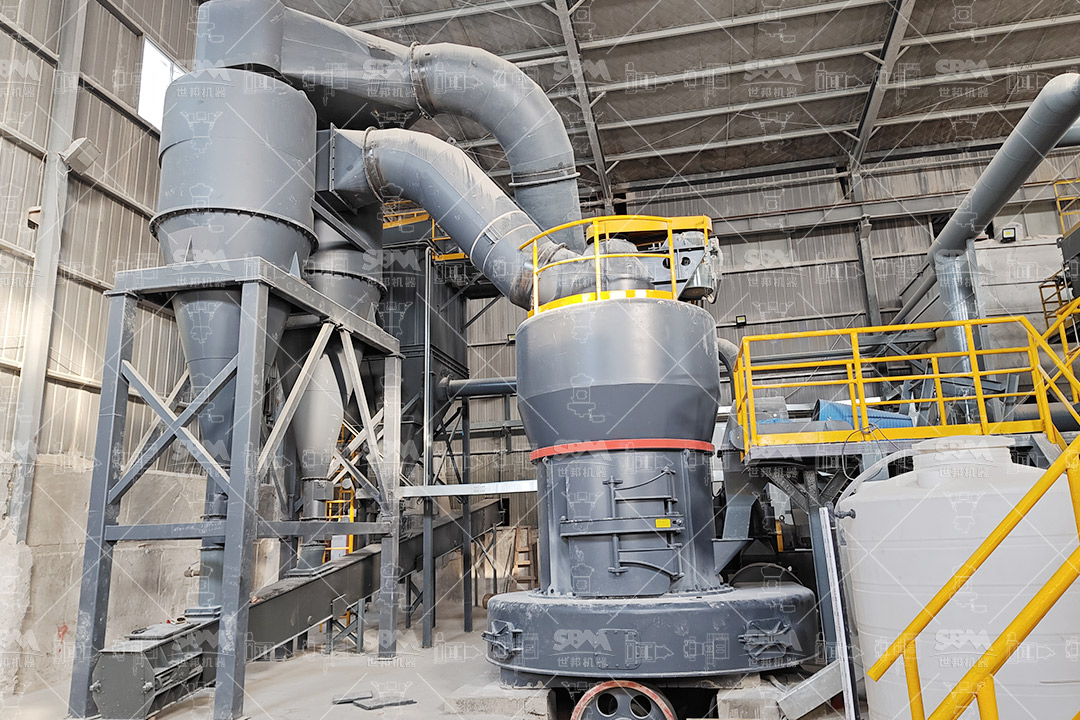
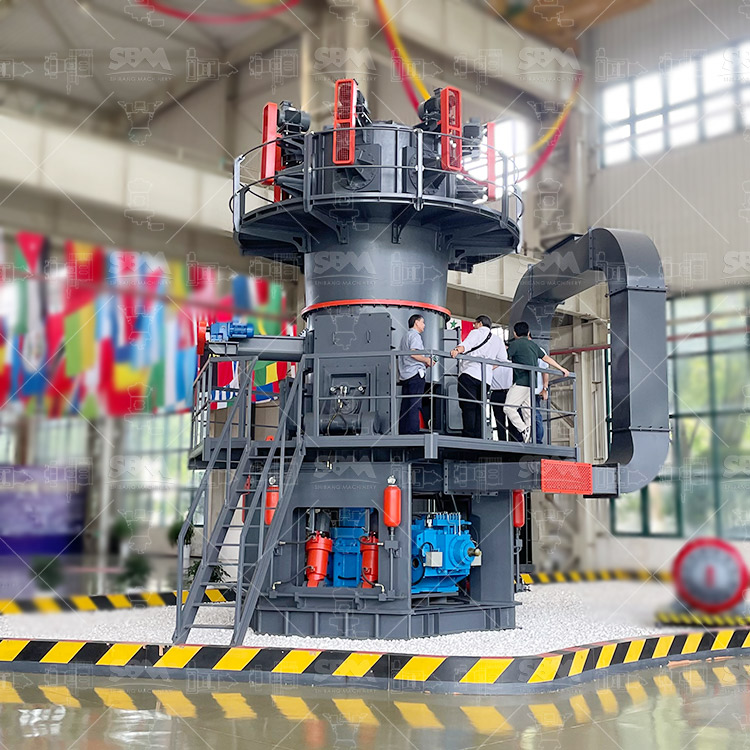
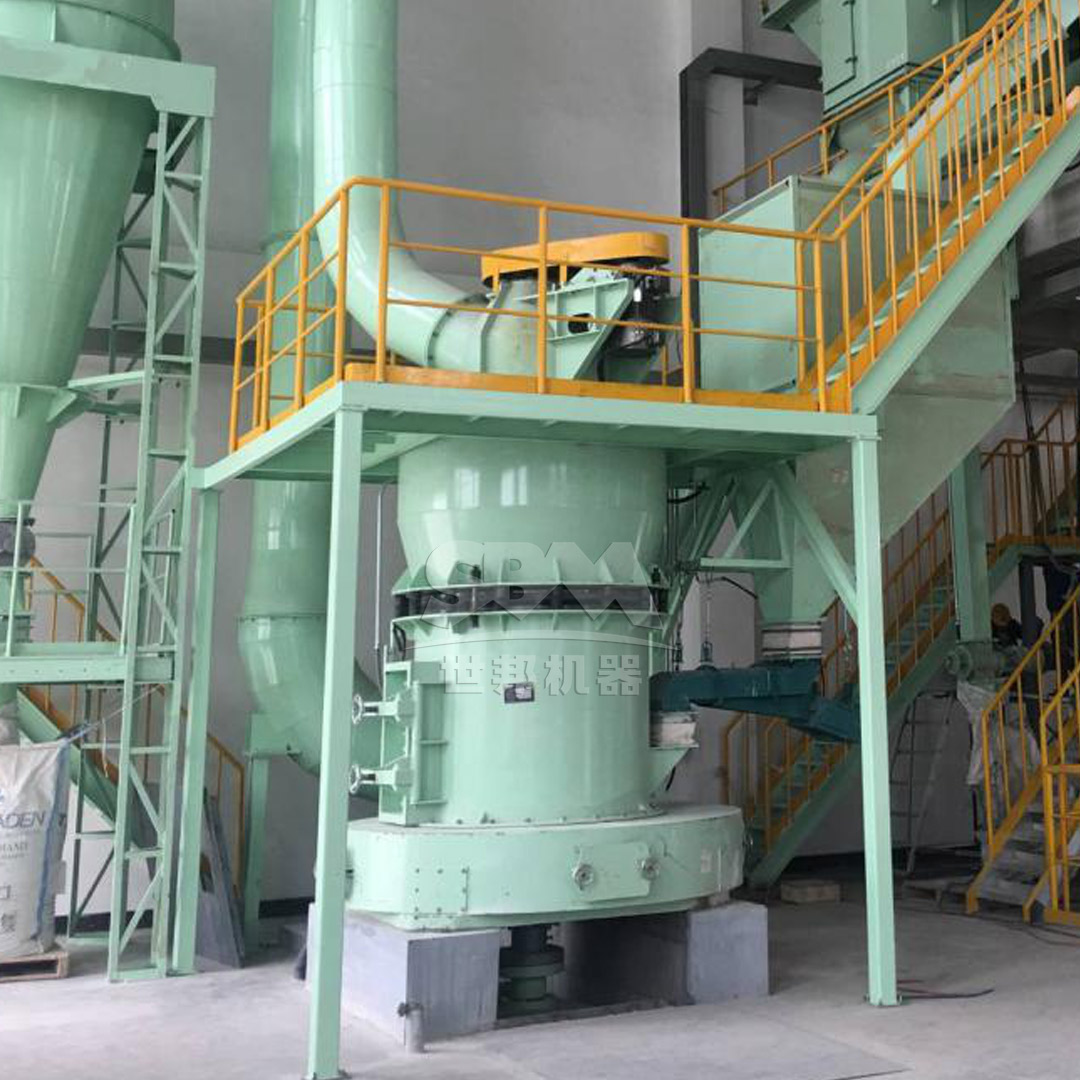
For applications requiring very fine talc powder (325-2500 mesh), ultrafine grinding mills offer superior performance. These mills utilize specialized grinding mechanisms and advanced classification systems to achieve precise particle size control.
Our SCM Ultrafine Mill represents the pinnacle of talc grinding technology for industrial lubricant applications. With an output fineness range of 325-2500 mesh (D97≤5μm) and processing capacity from 0.5 to 25 tons per hour, this equipment delivers exceptional performance for high-value lubricant formulations.
| Model | Processing Capacity (ton/h) | Main Motor Power | Output Fineness |
|---|---|---|---|
| SCM800 | 0.5-4.5 | 75 kW | 325-2500 mesh |
| SCM900 | 0.8-6.5 | 90 kW | 325-2500 mesh |
| SCM1000 | 1.0-8.5 | 132 kW | 325-2500 mesh |
| SCM1250 | 2.5-14 | 185 kW | 325-2500 mesh |
| SCM1680 | 5.0-25 | 315 kW | 325-2500 mesh |
The SCM series incorporates vertical turbine classifiers for precise particle size control, ensuring no coarse powder contamination in the final product. Its energy-efficient design provides twice the capacity of jet mills while reducing energy consumption by 30%. Special material roller and grinding ring combinations extend service life significantly, while the pulse dust collection system exceeds international environmental standards.
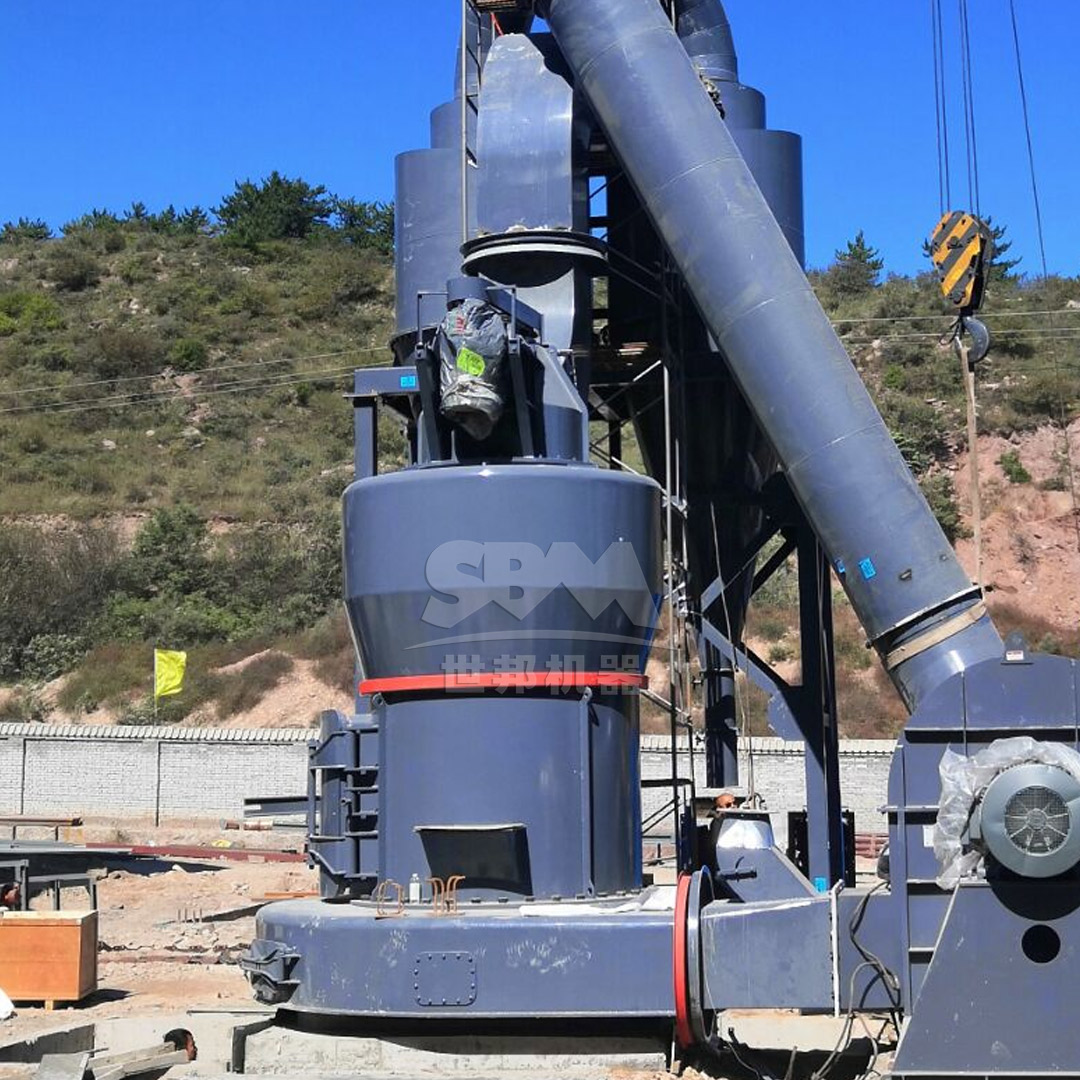
For medium-fineness applications (30-325 mesh) requiring higher throughput, trapezium mills offer an excellent balance of performance and efficiency. These mills feature robust construction and simplified operation suitable for continuous production environments.
Our MTW Series Trapezium Mill provides reliable performance for standard lubricant formulations with processing capacities from 3 to 45 tons per hour. The anti-wear shovel blade design and curved air channel optimization reduce maintenance costs while improving transmission efficiency.
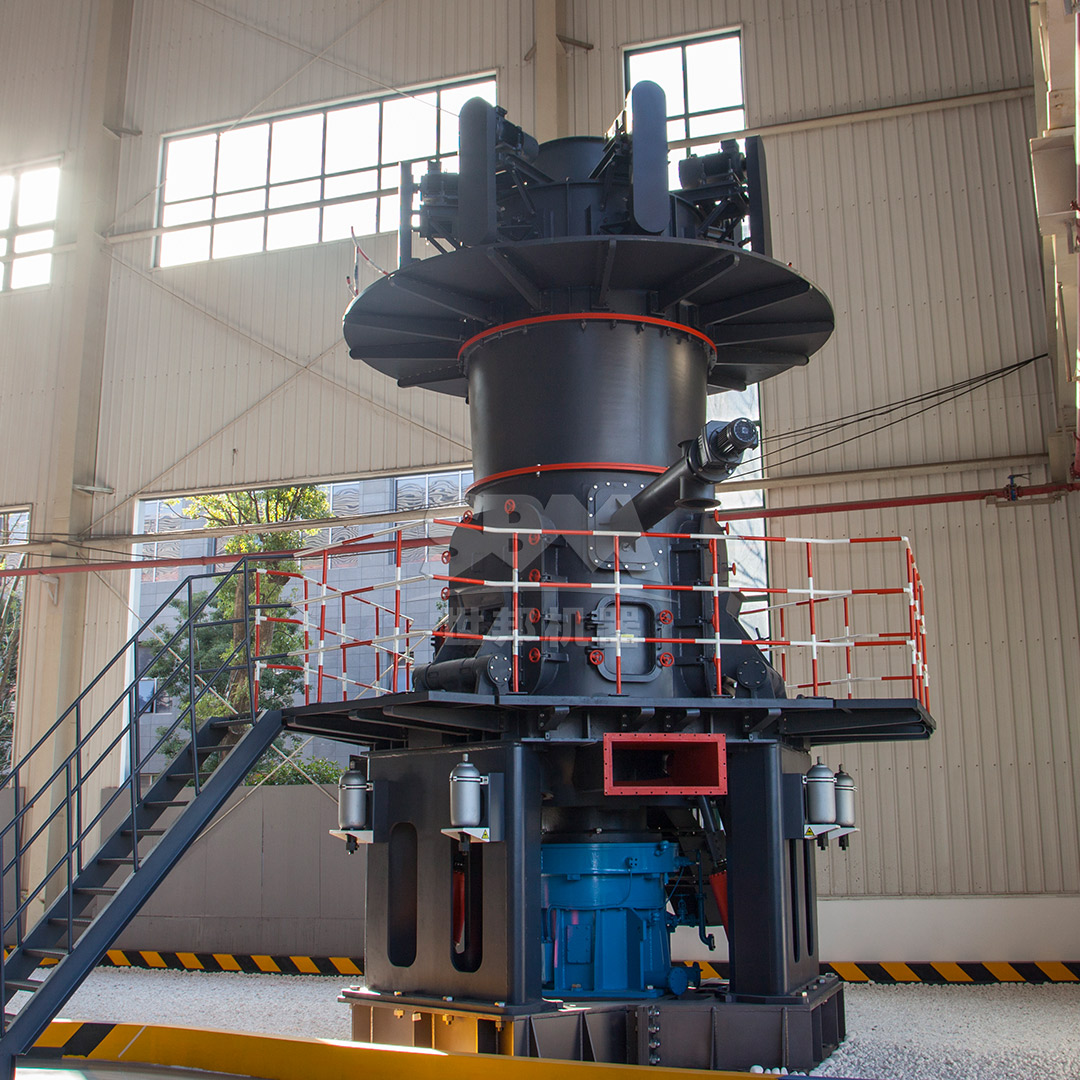
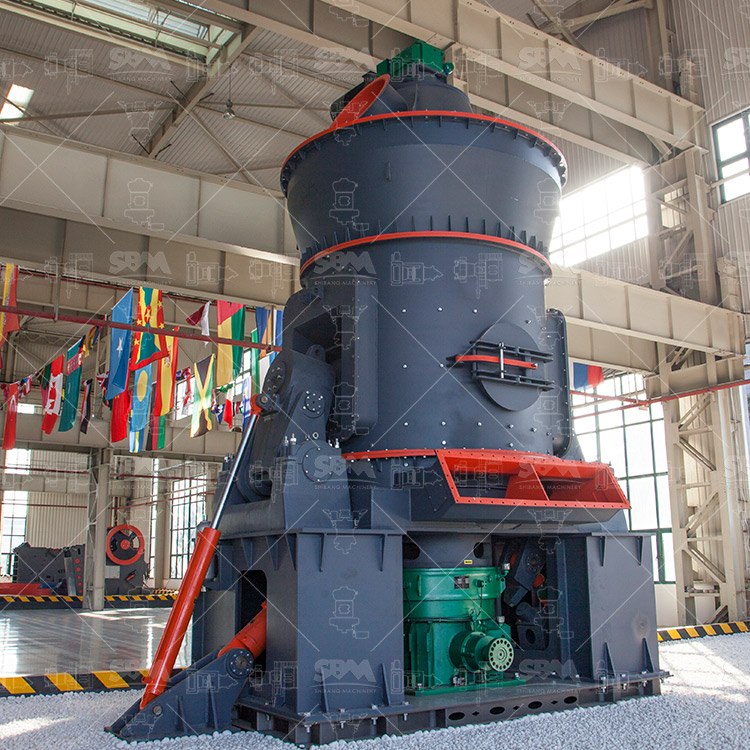
Vertical roller mills offer compact design and high efficiency for large-scale talc processing operations. Their integrated crushing, grinding, and separation functions reduce footprint requirements by up to 50% compared to traditional grinding systems.
The LM Series Vertical Roller Mill achieves output fineness from 30 to 325 mesh (with special models reaching 600 mesh) with processing capacities from 3 to 250 tons per hour. The non-contact design between grinding rollers and grinding disc extends wear part life up to three times, while energy consumption is 30-40% lower than ball mill systems.
| Technology | Fineness Range | Capacity Range | Energy Efficiency | Maintenance Requirements |
|---|---|---|---|---|
| Ultrafine Mills | 325-2500 mesh | 0.5-25 t/h | High | Moderate |
| Trapezium Mills | 30-325 mesh | 3-45 t/h | Medium-High | Low |
| Vertical Roller Mills | 30-600 mesh | 3-250 t/h | Very High | Low-Moderate |
| Ball Mills | 0.074-0.8mm | 0.65-450 t/h | Medium | High |
Consistent and controlled feeding is essential for optimal grinding performance. Vibratory feeders with variable speed control ensure uniform material distribution to the grinding chamber, preventing overload conditions and maintaining consistent product quality.
Advanced classification technology separates properly ground particles from those requiring further size reduction. Dynamic classifiers with adjustable rotor speeds provide precise control over the final product’s particle size distribution.
Efficient dust collection systems capture fine talc particles while maintaining a clean working environment. Pulse-jet baghouse filters with automatic cleaning cycles ensure continuous operation without pressure drop issues. Cyclone collectors provide primary product recovery, while final polishing filters capture sub-micron particles.
Talc’s natural moisture content can significantly impact grinding efficiency and product quality. Pre-drying systems may be necessary to reduce moisture levels before grinding, particularly in high-humidity environments. Optimal moisture content typically ranges from 0.5% to 2.0% for most grinding applications.
Implementing a proactive wear part replacement schedule minimizes unplanned downtime and maintains consistent product quality. Regular inspection of grinding elements, classifier rotors, and liner plates helps identify wear patterns before they affect production.
Modern grinding systems equipped with PLC controls allow for precise adjustment of operating parameters based on feed material characteristics and desired product specifications. Monitoring key performance indicators such as specific energy consumption, throughput rates, and product quality enables continuous process improvement.
While advanced grinding systems may require higher initial investment, their superior energy efficiency and lower maintenance requirements often result in lower total cost of ownership over the equipment’s operational lifespan. Conduct a thorough life cycle cost analysis when evaluating different equipment options.
Calculate potential ROI by considering factors such as increased production capacity, improved product quality commanding premium pricing, reduced energy consumption, lower maintenance costs, and decreased downtime. Most modern talc grinding systems achieve payback periods of 18 to 36 months.
Talc powder presents dust explosion hazards under certain conditions. Proper equipment design including explosion venting, inerting systems, and comprehensive housekeeping protocols are essential for safe operation. All electrical components should meet appropriate explosion-proof ratings for the specific application.
Grinding operations can generate significant noise levels. Modern equipment incorporates noise reduction technologies such as acoustic enclosures, vibration damping, and optimized mechanical designs to maintain noise levels below 85 dB, ensuring compliance with occupational health and safety regulations.
Advanced filtration systems ensure that particulate emissions remain well below regulatory limits. Continuous emissions monitoring systems provide real-time data for environmental compliance reporting and process optimization.
Selecting the right talc powder grinding machine for industrial lubricant applications requires careful consideration of multiple factors including production requirements, product specifications, operational costs, and safety considerations. Our SCM Ultrafine Mill stands out as an exceptional choice for applications requiring precise particle size control in the 325-2500 mesh range, while our MTW Series Trapezium Mill offers robust performance for standard lubricant formulations. By understanding your specific needs and matching them with the appropriate grinding technology, you can optimize your talc processing operations for maximum efficiency and product quality.
Consult with our technical experts to determine the ideal grinding solution for your specific application. With proper equipment selection and implementation of operational best practices, you can achieve consistent, high-quality talc powder that meets the demanding requirements of modern industrial lubricant formulations while maintaining cost-effectiveness and operational reliability.