The paper industry relies heavily on functional minerals to enhance product quality, and talc stands out as a critical component for both coating and filling applications. Its platy structure improves smoothness, opacity, ink receptivity, and reduces porosity. However, the efficacy of talc is intrinsically linked to its particle size distribution, morphology, and brightness, all of which are determined by the grinding process. Selecting the appropriate grinding mill is therefore not merely an equipment choice but a strategic decision impacting final paper quality, production efficiency, and operational costs. This guide provides a comprehensive framework for choosing the optimal talc grinding mill, focusing on key technical parameters and industry-specific requirements.
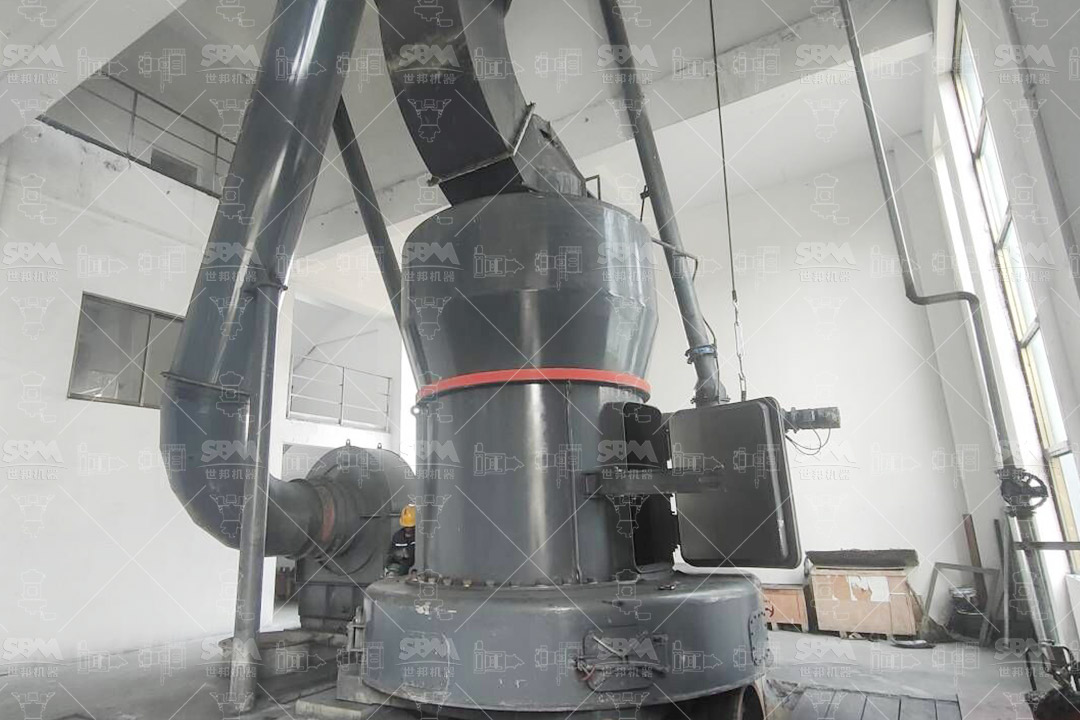
Before selecting a mill, one must understand the target specifications for talc in papermaking.
The required product fineness is the primary driver. Mills are categorized by their effective grinding ranges:
Ultrafine Grinding (< 10μm / >1250 mesh): Essential for high-grade coating applications.
Fine Grinding (10-45μm / 325-1250 mesh): Suitable for filling and standard coating grades.
Coarse-to-Fine Grinding (45-600μm / 30-325 mesh): Often used for pre-grinding or specific filler grades.
A narrow PSD is vital for consistency. The mill’s classification system must be precise and efficient to prevent coarse particles from contaminating the final product.
The grinding principle directly affects particle shape.
Compression/Attrition (e.g., Roller Mills): Ideal for talc as they tend to delaminate the platelets along cleavage planes, preserving the platy structure crucial for paper properties.
Impact (e.g., Hammer Mills, Jet Mills): Can produce more equi-axed or fractured particles, which may be less desirable for coating but acceptable for some filling applications. Jet mills, while capable of ultrafine grinding, have high energy consumption.
Match the mill’s throughput (ton/hour) with your plant’s production scale. Consider not only the peak capacity but also the energy consumption per ton of product (kWh/t). A more energy-efficient system significantly reduces long-term operating costs.
Does the mill come as a standalone unit or an integrated system with feeding, grinding, classification, and collection? Integrated systems save space (footprint) and reduce installation complexity. Consider the availability of ancillary equipment like dust collectors (essential for maintaining plant cleanliness) and automated control systems.
Evaluate the wear rate of grinding elements (rollers, rings, liners), the ease of maintenance, and the availability of spare parts. A mill with a durable design and easy-access components will minimize downtime and total cost of ownership.
| Mill Type | Typical Output Range | Key Advantages for Talc | Potential Limitations | Best Suited For |
|---|---|---|---|---|
| Ball Mill | 0.074-0.8mm (200-20 mesh) | Robust, high capacity, wet/dry grinding. | Broad PSD, high energy use, may damage platy structure. | Base filler production, pre-grinding. |
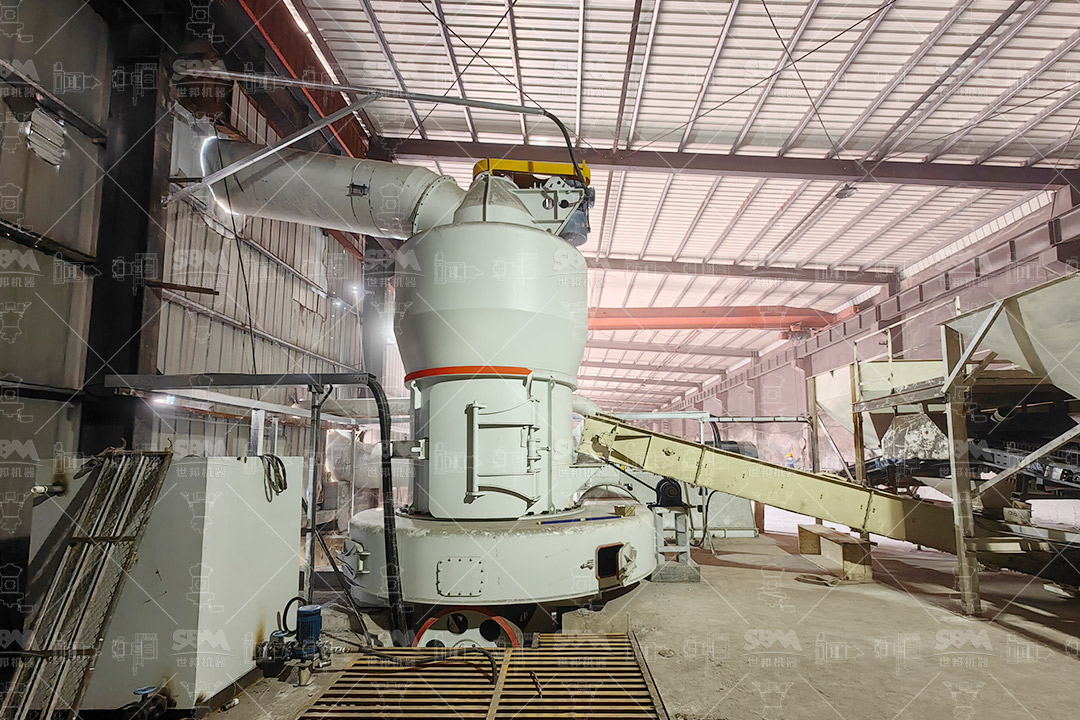
| Raymond Mill (MTW/MTM) | 45-325 mesh (30-0.045mm) | Reliable, cost-effective for fine grinding, good particle shape. | Limited to fine (not ultrafine) range. | Standard paper filler production. |
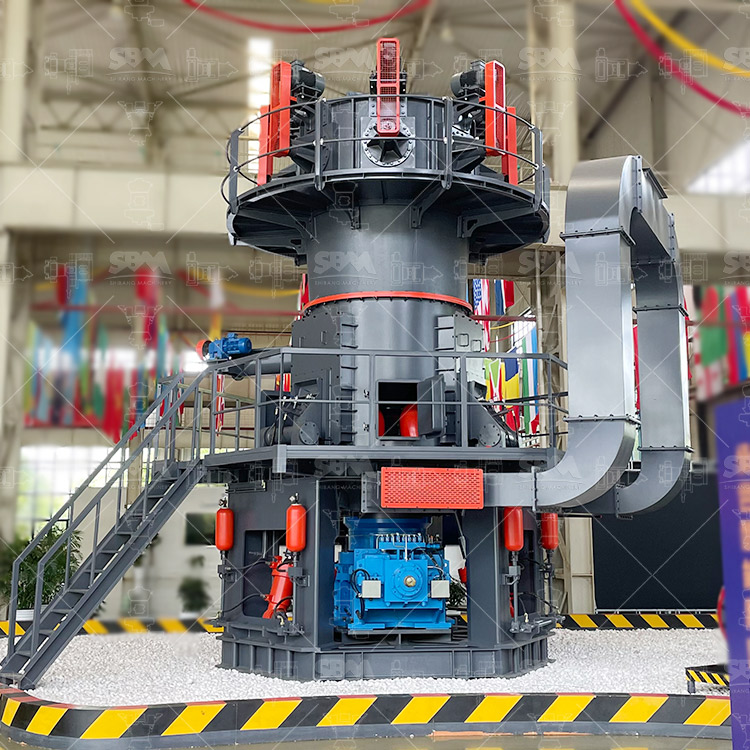
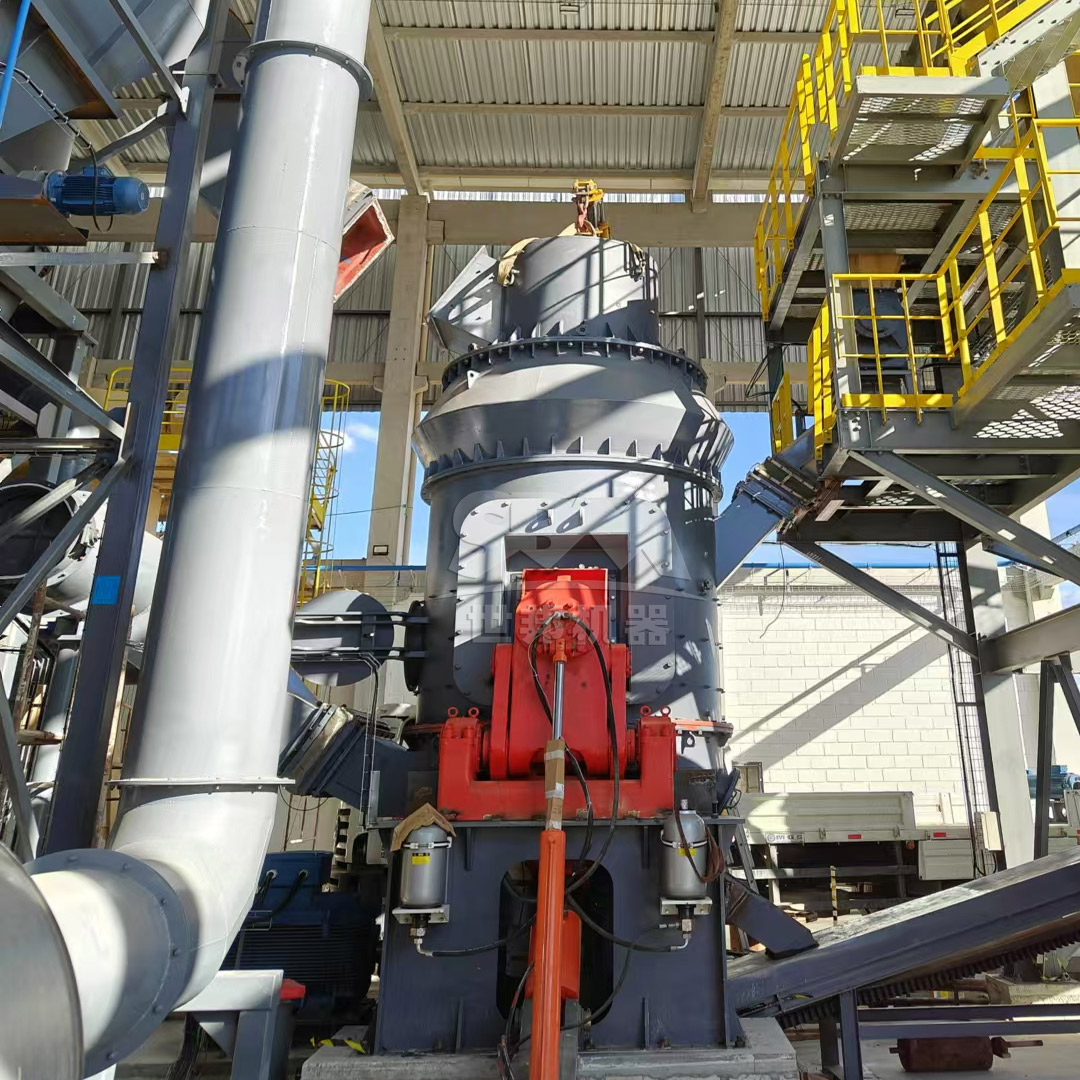
| Vertical Roller Mill (LM Series) | 30-325 mesh (600-45μm) | High efficiency, integrated system, low operating cost, good for preserving structure. | Upper limit for coating-grade fineness. | High-volume filler production, some pre-coating grades. |
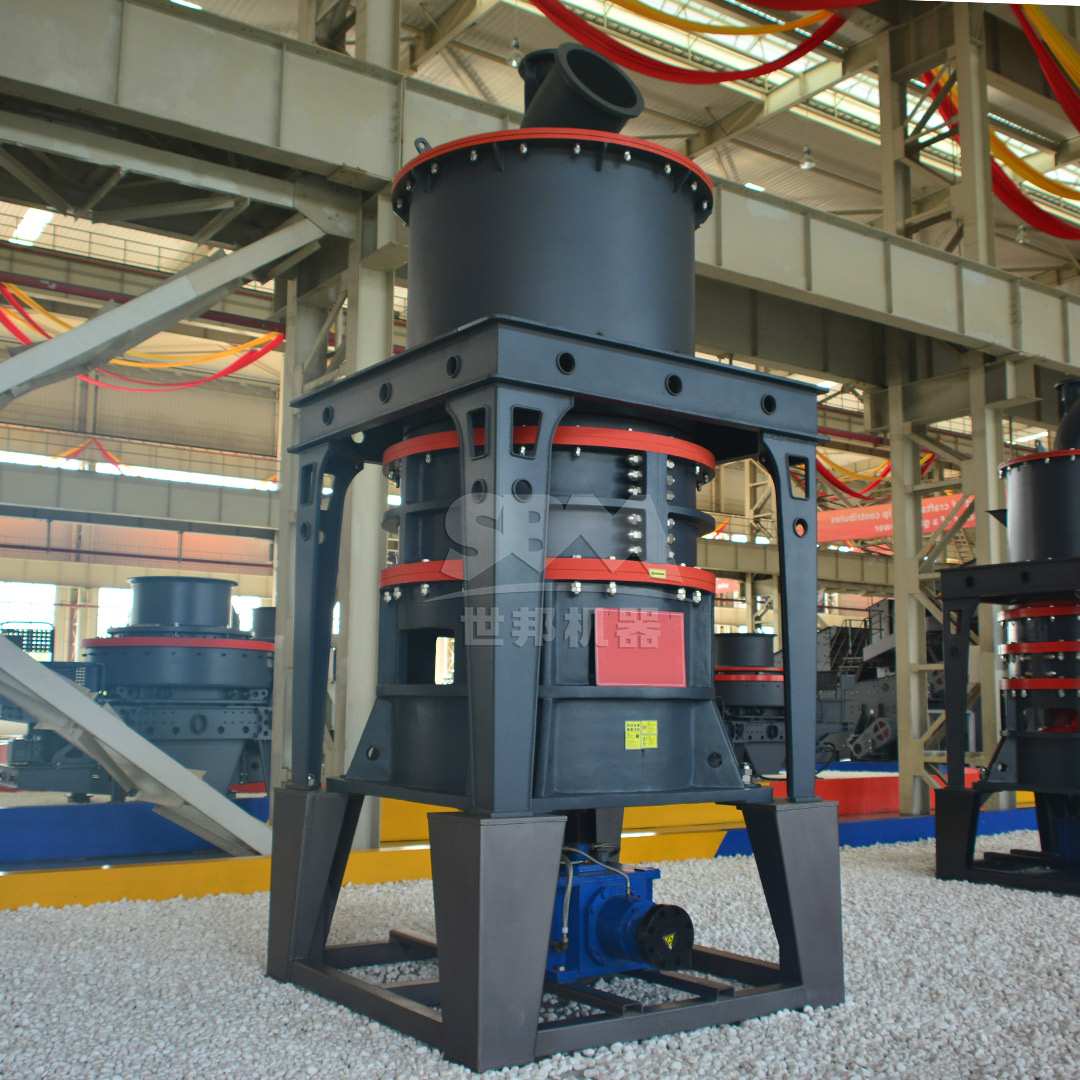
| Ultrafine Mill (SCM/LUM) | 325-2500 mesh (45-5μm) | Precise ultrafine grinding, excellent PSD control, energy-efficient, preserves morphology. | Higher initial investment. | Premium paper coating talc, high-value fillers. |
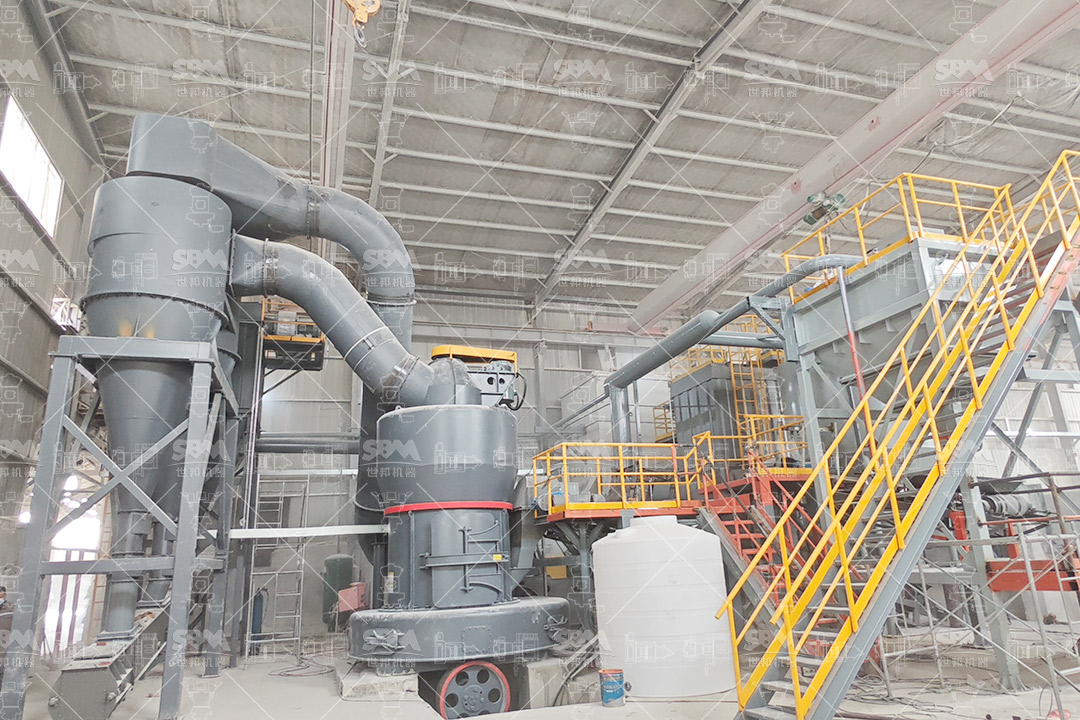
Based on the stringent requirements for paper coating and filling, two of our mill series stand out as optimal solutions.
For producing high-quality coating-grade talc where ultrafine fineness and perfect platelet structure are non-negotiable, the SCM Series Ultrafine Mill is the industry-leading choice.
For high-volume production of fine talc fillers, where the target is 30-325 mesh (600-45μm) with excellent economics, the MTW Series European Trapezium Mill is a robust and efficient workhorse.
Choosing the right talc grinding mill is a multi-faceted decision. Start by definitively establishing your product specifications: required fineness (D50 and top-cut), particle shape, brightness, and annual throughput. For ultrafine coating-grade talc (<10μm), mills like our SCM Series are purpose-built to deliver the necessary PSD and preserve platelet structure efficiently. For high-volume filler production (10-45μm), robust and economical systems like the MTW Series provide the ideal solution.
Always request sample testing with your specific talc feedstock. A reputable supplier will conduct grinding trials to provide a guaranteed fineness-capacity curve and a product sample for your quality evaluation. Consider the total cost of ownership—including purchase price, installation, energy, wear parts, and maintenance—over the equipment’s lifespan. By aligning the mill’s technical capabilities with the precise demands of paper coating and filling, you can ensure optimal paper quality, production efficiency, and profitability for your operation.