Chemical grade kaolin, distinguished by its high purity, brightness, and fine particle size, is a critical raw material in numerous industries including paper, paints, coatings, plastics, rubber, ceramics, and pharmaceuticals. The production of high-value chemical grade kaolin demands a sophisticated processing plant equipped with advanced grinding and classification technology. The core of such a plant lies in its ability to efficiently liberate kaolinite platelets, remove impurities, and achieve a tightly controlled particle size distribution (PSD) to meet stringent application-specific requirements. This article explores the key processes involved in a chemical grade kaolin powder processing plant and highlights the essential role of modern grinding mill equipment in achieving superior product quality and operational efficiency.
The transformation of raw kaolin clay into chemical grade powder involves a multi-stage process designed to enhance its physical and chemical properties.
Kaolin is mined via open-pit methods. Consistent product quality begins with careful blending of ore from different parts of the deposit to homogenize the chemical composition and physical characteristics.
Raw kaolin often contains impurities like quartz, mica, iron oxides, and titanium minerals. Beneficiation processes such as hydrocycloning, magnetic separation, and froth flotation are employed to remove these contaminants, significantly improving the brightness and chemical purity of the kaolin.
This is the heart of the process where the kaolin particles are reduced in size and the stacked kaolinite platelets are separated (delaminated). The objective is not merely to crush, but to achieve a high aspect ratio (diameter to thickness) which is crucial for properties like opacity, gloss, and reinforcement. The choice of grinding mill is paramount here, as it must provide gentle yet effective shearing and attrition to delaminate the particles without causing excessive breakage, which would reduce the aspect ratio.
After grinding, the slurry is passed through high-efficiency classifiers (e.g., centrifuges or hydrocyclones) to remove coarse particles and grit. Precise classification ensures the final product meets the target fineness specification, typically measured in terms of residue on a 325-mesh or 2-micron equivalent spherical diameter (ESD).
The purified and classified kaolin slurry is dewatered and dried using spray dryers, rotary dryers, or flash dryers. The dried material, often in the form of nodules or cakes, may require further dry grinding (pulverization) to achieve the final powder form with the desired bulk density and flow characteristics.
For specialty applications, kaolin may undergo surface modification with silanes, stearates, or other agents to improve its compatibility with polymer matrices or to impart specific functional properties.
The performance and profitability of a kaolin processing plant are heavily dependent on the grinding circuit. The ideal mill must offer high energy efficiency, precise particle size control, low wear rates, and environmental compliance. For chemical grade kaolin, which often targets fineness ranging from 325 mesh (45µm) down to 2500 mesh (5µm) or finer, advanced grinding technologies are non-negotiable.
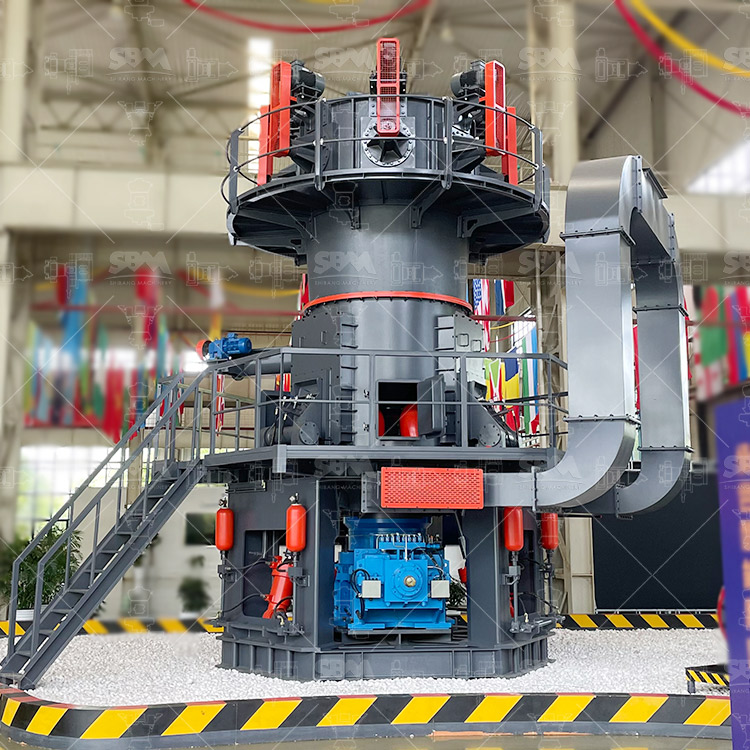
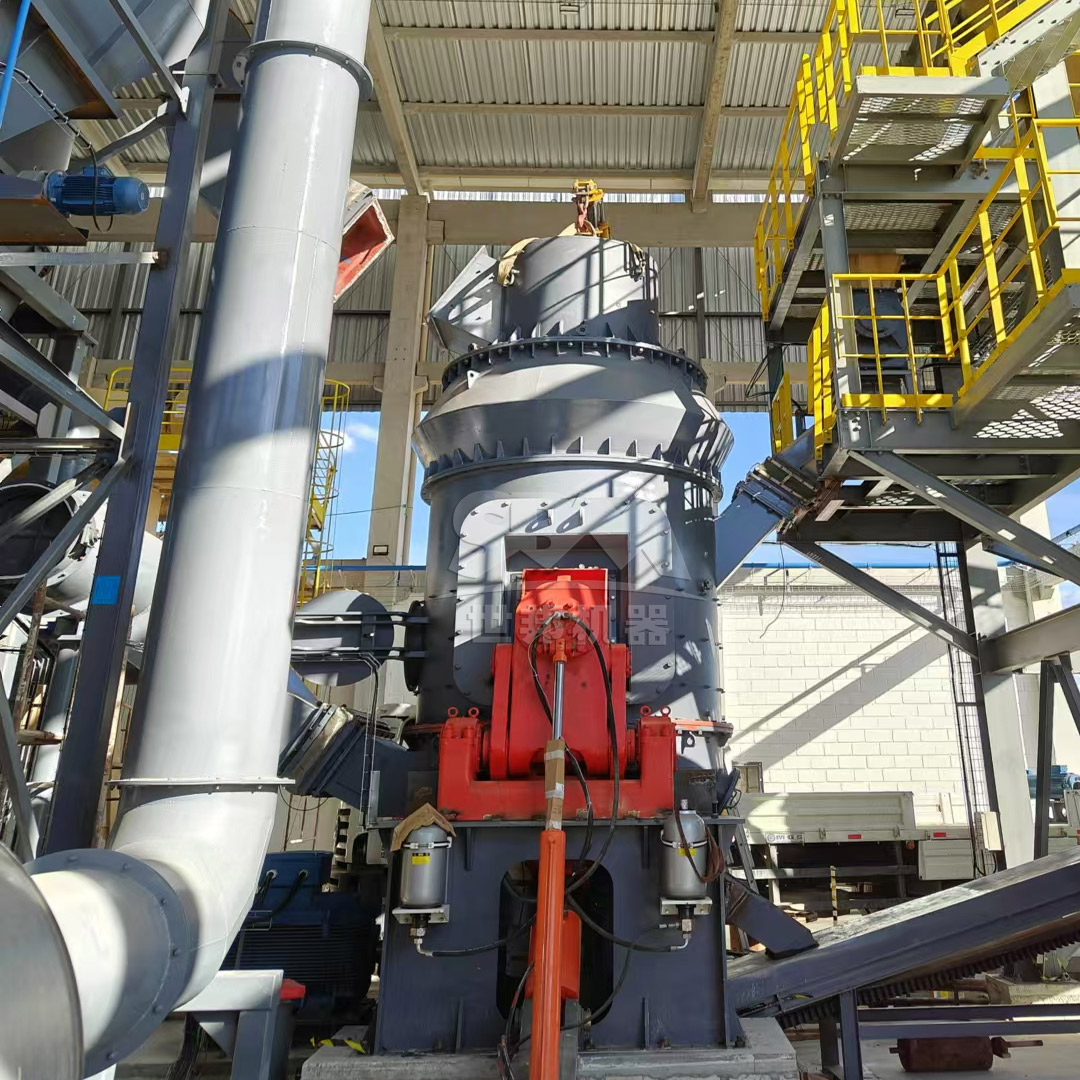
Based on the rigorous demands of chemical grade kaolin production, we recommend the following advanced milling equipment from our portfolio, engineered to deliver exceptional performance across various fineness and capacity requirements.
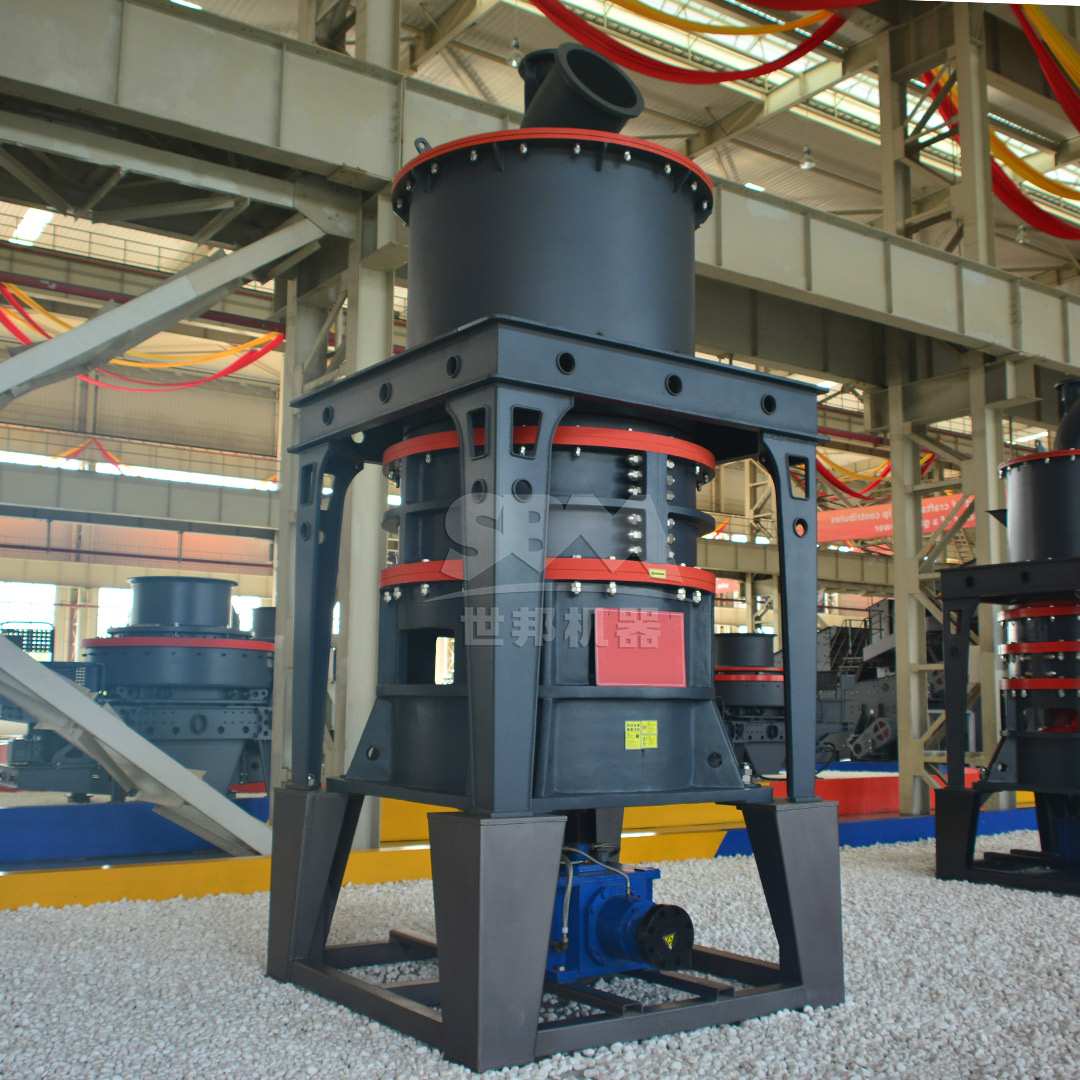
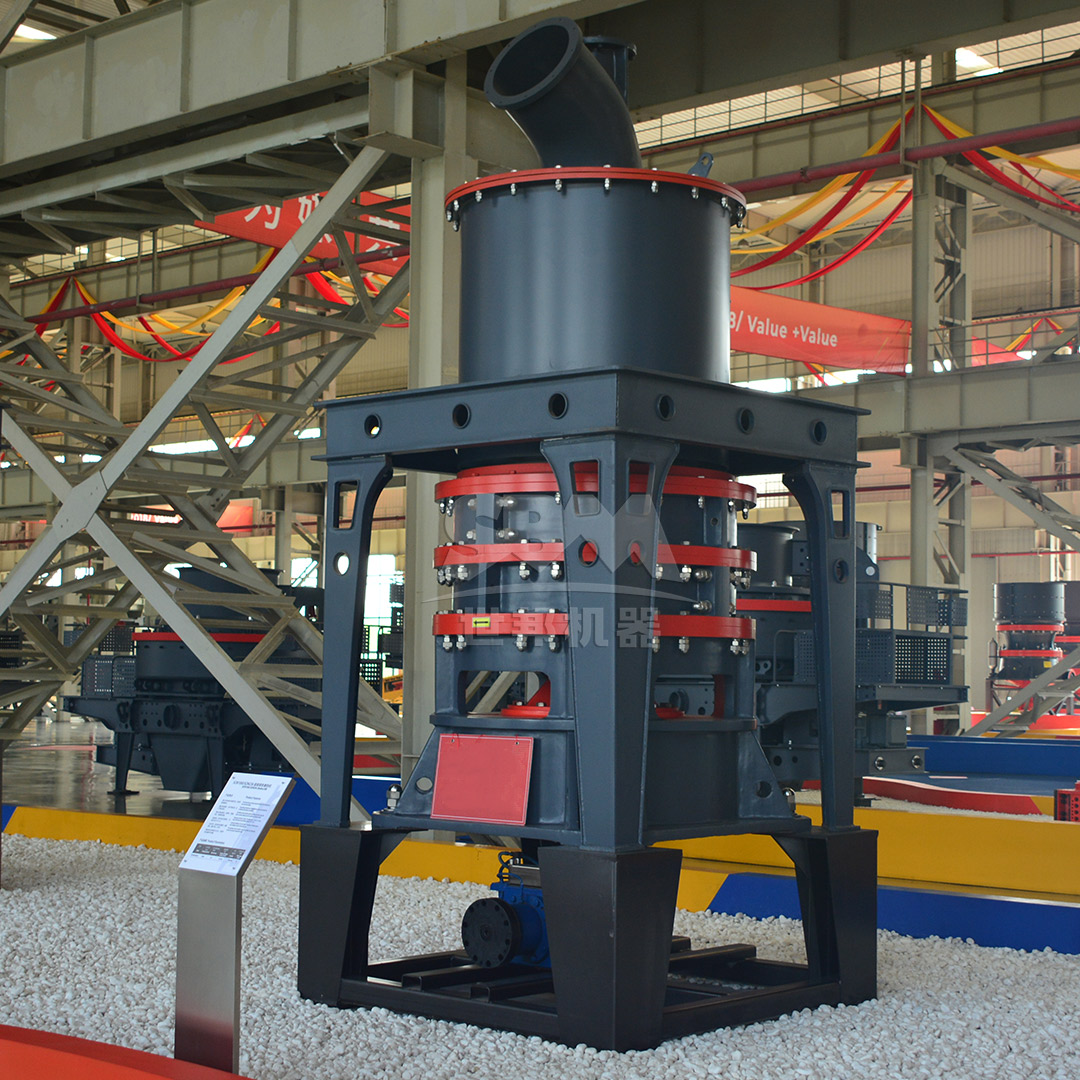
When the product specification calls for superfine powders with a high degree of delamination and a narrow particle size distribution, the SCM Series Ultrafine Mill is the optimal choice. This mill is specifically designed for high-efficiency production of fine and ultrafine powders.
Why it excels for Chemical Grade Kaolin:
| Model | Capacity (t/h) | Main Power (kW) | Output Fineness |
|---|---|---|---|
| SCM800 | 0.5 – 4.5 | 75 | 325 – 2500 mesh |
| SCM1000 | 1.0 – 8.5 | 132 | 325 – 2500 mesh |
| SCM1250 | 2.5 – 14 | 185 | 325 – 2500 mesh |
| SCM1680 | 5.0 – 25 | 315 | 325 – 2500 mesh |
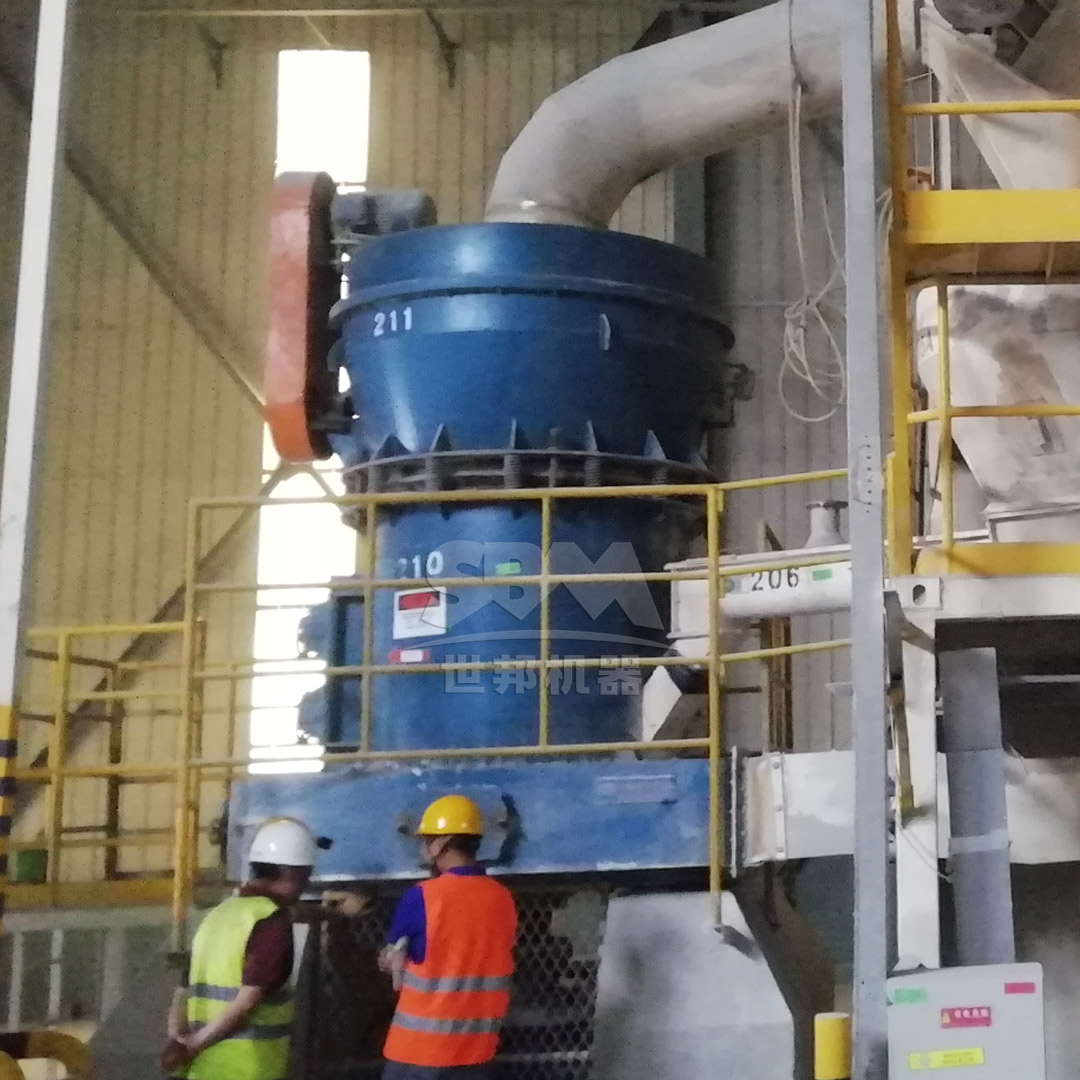
For processing lines requiring high throughput of fine kaolin powder, especially in the coarser range of chemical grade specifications or as a pre-grinding stage, the MTW Series European Trapezium Mill offers an unbeatable combination of capacity, reliability, and low operating cost.
Why it excels for Chemical Grade Kaolin:
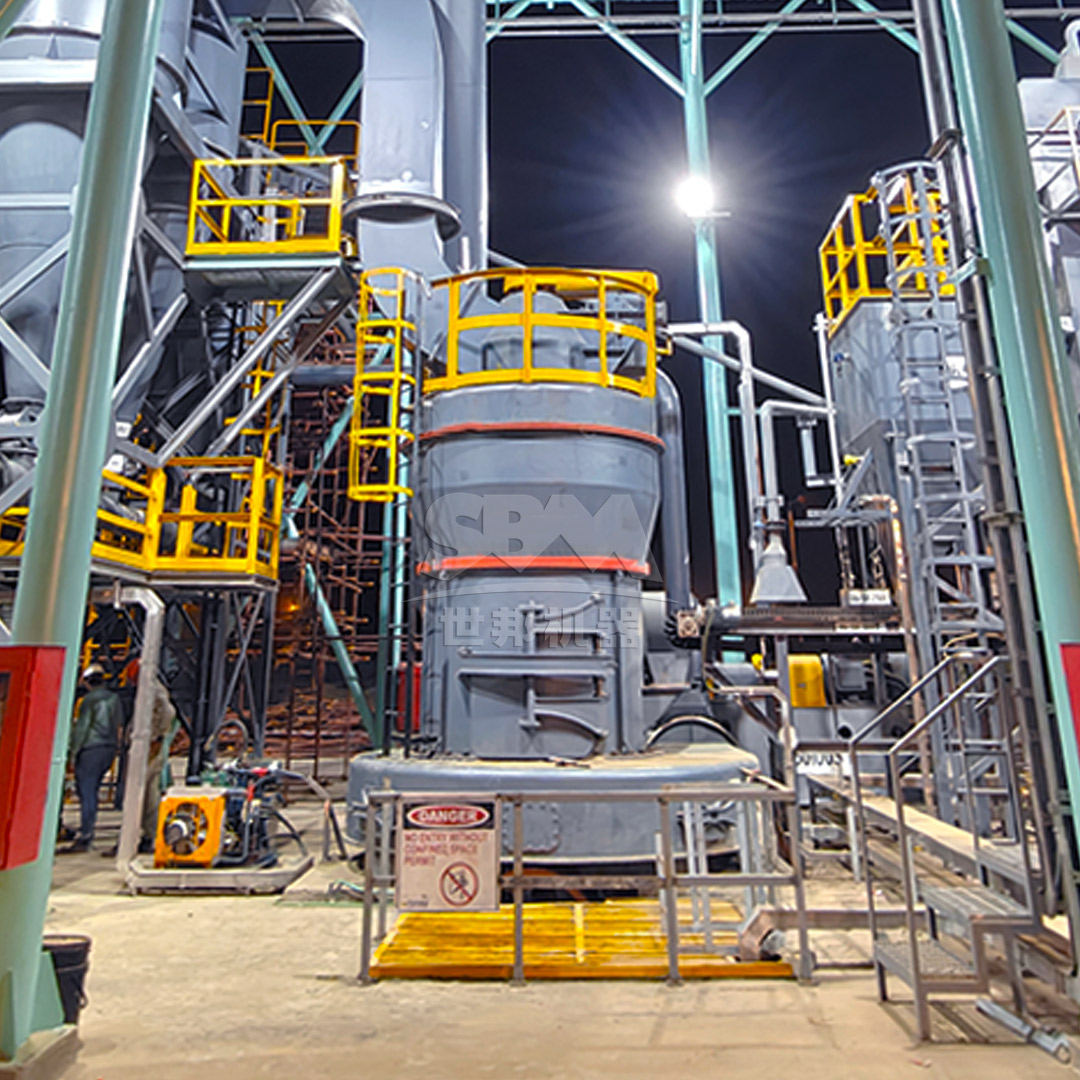
A successful chemical grade kaolin plant is more than a collection of individual machines. It requires careful system integration. The selected grinding mill must be perfectly matched with feeders, classifiers, dust collectors, dryers, and material handling systems. Modern plant design emphasizes automation, with centralized PLC/DCS control systems monitoring and adjusting key parameters like feed rate, grinding pressure, classifier speed, and temperature in real-time. This ensures optimal mill performance, maximizes yield, and guarantees batch-to-batch consistency of the final kaolin powder.
Establishing a competitive chemical grade kaolin powder processing plant hinges on the adoption of advanced, efficient, and reliable grinding technology. The process demands equipment capable of delicate delamination and precise size classification. Mills like the SCM Series Ultrafine Mill for ultrafine applications and the MTW Series European Trapezium Mill for high-capacity fine grinding represent the forefront of such technology. By investing in the right grinding solution, producers can achieve superior product quality, reduce specific energy consumption, minimize maintenance downtime, and meet the ever-growing and stringent demands of the global market for high-performance chemical grade kaolin.