The production of high-quality kaolin powder for the building materials industry demands a sophisticated and precise processing approach. Kaolin, or china clay, is valued for its whiteness, plasticity, and chemical inertness, making it a critical component in ceramics, paints, coatings, adhesives, and fiberglass. To transform raw kaolin ore into a consistent, fine powder meeting stringent industry specifications, a carefully selected and integrated processing plant is essential. This article explores the key stages of kaolin processing and the critical equipment required, with a focus on achieving the optimal particle size distribution, brightness, and purity for building material applications.
The journey from mined kaolin to a premium-grade powder involves several sequential stages, each designed to remove impurities, control particle size, and enhance specific properties.
Raw kaolin ore, often containing hard lumps and associated rock, must first be reduced to a manageable size. A robust primary crusher, such as a jaw crusher, breaks down large chunks. For secondary crushing to a finer feed size suitable for grinding mills, equipment like hammer mills are highly effective. A Hammer Mill operates by impacting the material with high-speed rotating hammers, efficiently reducing feed sizes of 0-40mm down to 0-3mm. Its advantages of high capacity, stable operation, and compact structure make it an ideal choice for this preparatory stage, ensuring a consistent feed for subsequent fine grinding circuits.
This stage is crucial for removing impurities like quartz, iron oxides, and titanium minerals that affect color and performance. Processes may include:
After wet beneficiation, the kaolin slurry (typically 60-70% moisture) must be dried. Spray dryers are commonly used, producing a fine, free-flowing powder or granules. Proper drying is vital to prevent agglomeration before fine grinding.
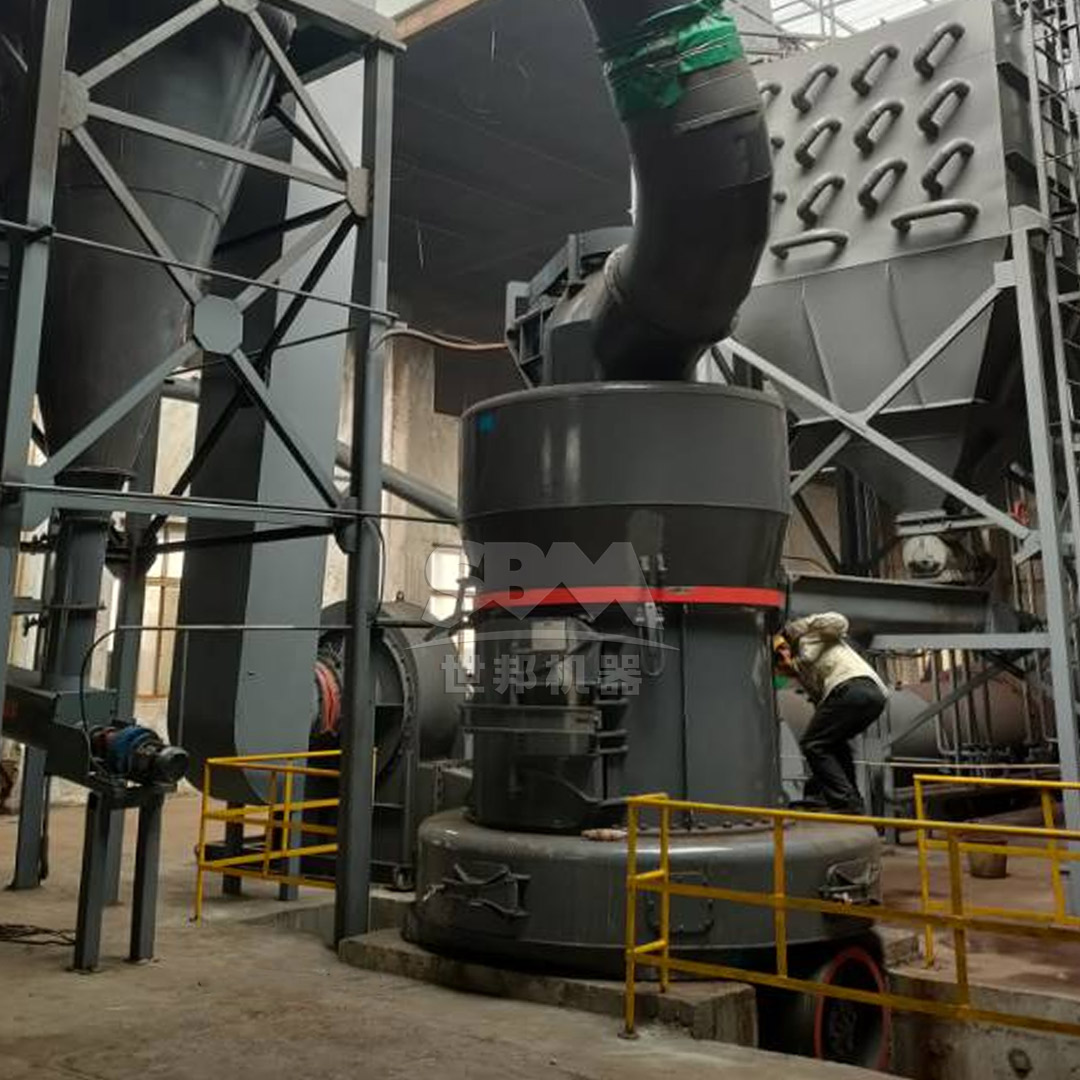
This is the most critical stage for determining the final product’s fineness and particle size distribution (PSD). Building material applications often require specific top cuts and a high percentage of particles within a tight size range. For medium-fineness requirements (e.g., 30-325 mesh / 600-45μm), a highly efficient and reliable solution is the MTW Series European Trapezium Mill. This mill is engineered for high-capacity, precision grinding with significant operational advantages.
| Model | Capacity (t/h) | Output Fineness (mesh) | Main Motor Power |
|---|---|---|---|
| MTW138Z | 6-17 | 10-325 | 90 kW |
| MTW175G | 9.5-25 | 10-325 | 160 kW |
| MTW215G | 15-45 | 10-325 | 280 kW |
The MTW mill’s technical strengths directly address kaolin processing needs. Its anti-wear shovel design and wear-resistant volute structure significantly reduce maintenance costs when processing abrasive minerals. The optimized arc air duct and integral bevel gear drive (98% transmission efficiency) ensure energy-efficient operation, lowering the cost per ton of product. Most importantly, its advanced internal classification system allows for precise control over the finished product size, which is paramount for consistent quality in building material formulations.
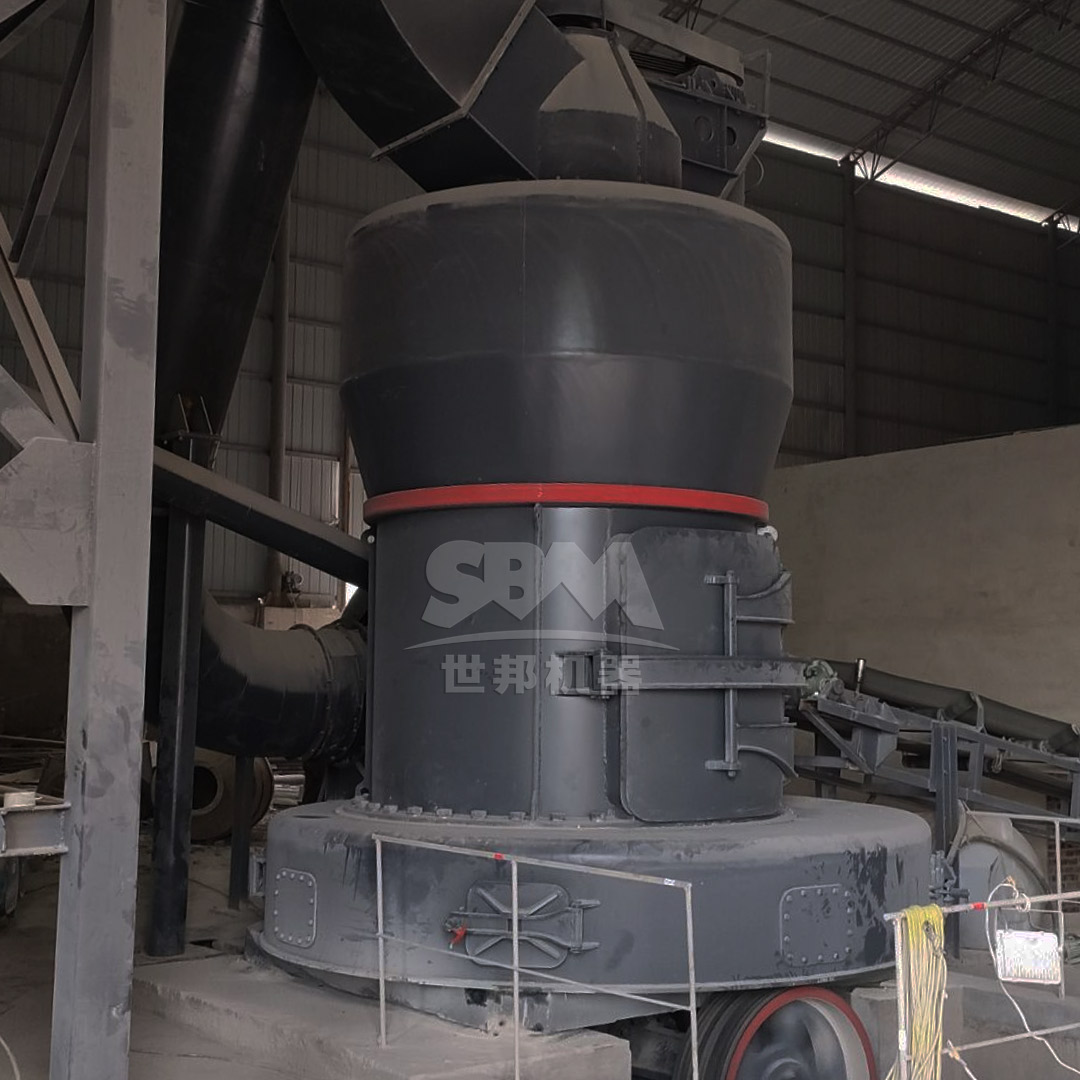
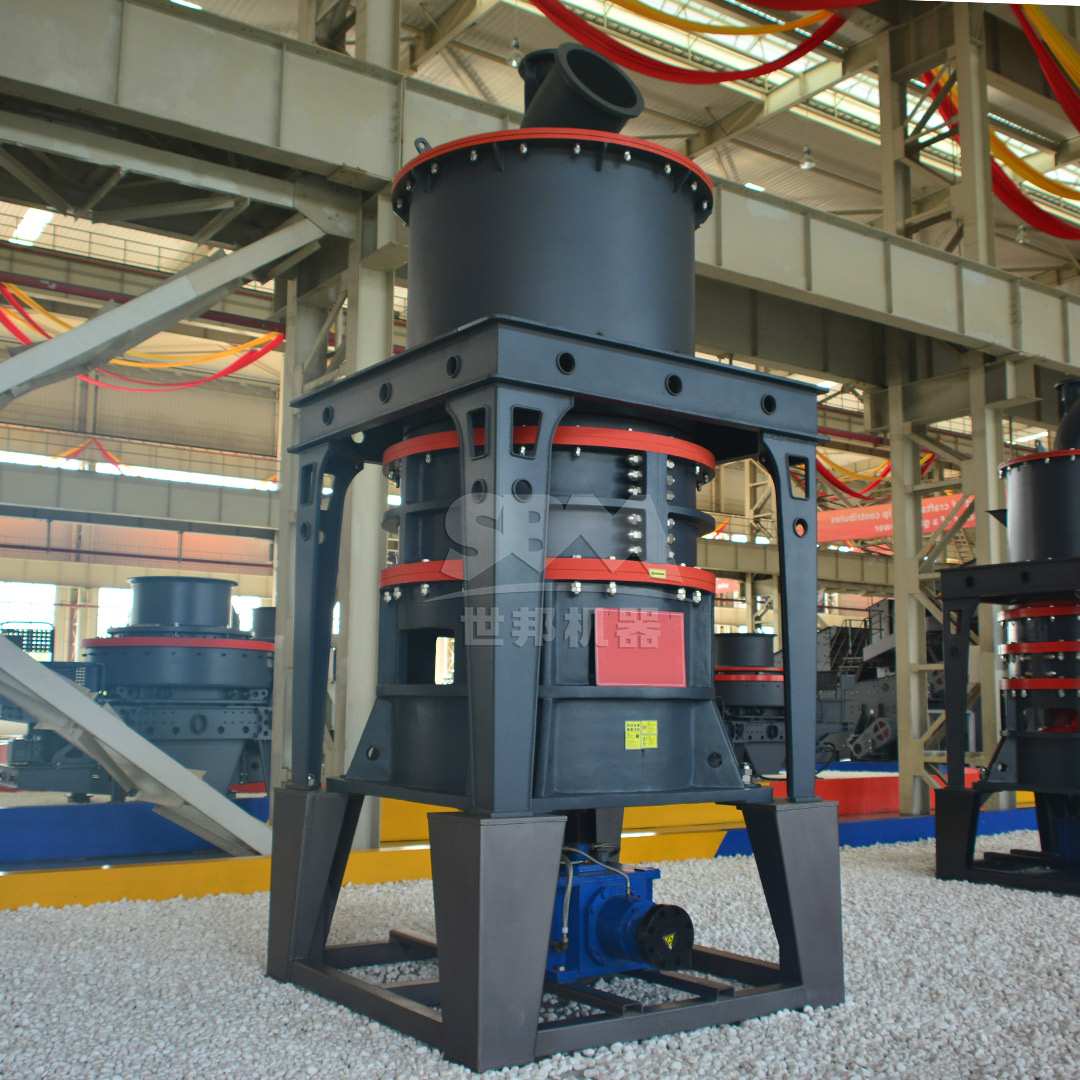
For high-end applications such as high-gloss paints, specialty coatings, or polymer fillers, ultrafine kaolin (below 10μm, or 1250 mesh and finer) is required. Achieving this level of fineness demands advanced grinding technology. The SCM Series Ultrafine Mill is specifically designed for this purpose, capable of producing powder in the range of 325-2500 mesh (45-5μm).
Its high-efficiency & energy-saving design offers capacity twice that of jet mills while consuming 30% less energy. The high-precision vertical turbine classifier is key, ensuring a sharp particle size cut with no coarse powder mixing, resulting in a uniform and high-quality product. For kaolin processors targeting the premium segment of the building materials market, integrating an SCM Ultrafine Mill into the production line enables the creation of high-value-added products.
The final powder is conveyed to silos and packaged via automated systems into bags or bulk containers, with careful attention to preventing contamination and moisture uptake.
Beyond selecting individual machines, a successful plant design integrates all units into a cohesive system. Key considerations include:
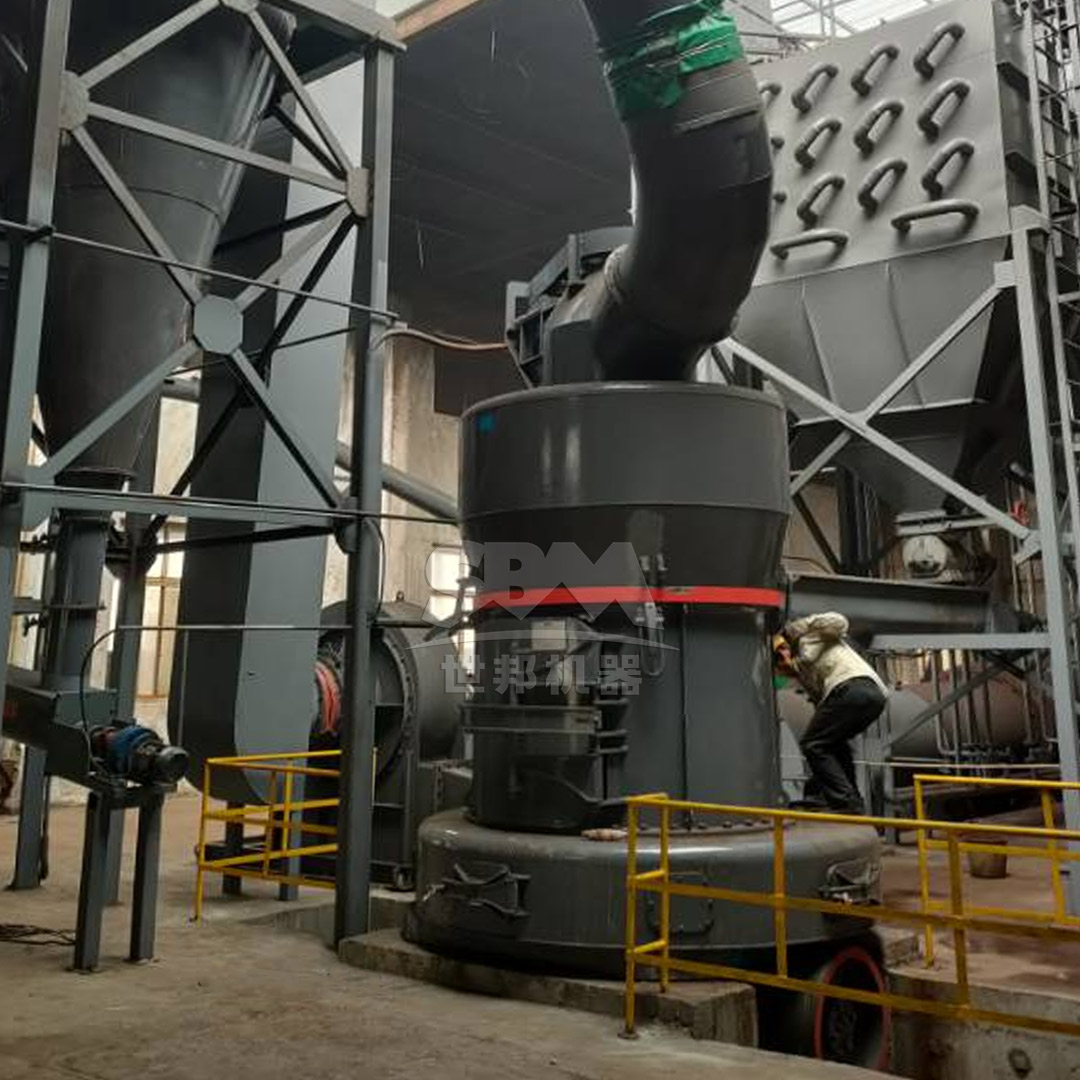
Establishing a kaolin powder processing plant for the building material industry requires a strategic combination of robust beneficiation, precise grinding, and efficient classification technology. The choice of grinding equipment is particularly decisive for product quality and operational economics. For producers seeking reliable, high-capacity production of fine kaolin powders (30-325 mesh), the MTW Series European Trapezium Mill stands out for its durability, energy efficiency, and precise classification. For those aiming to capture the ultrafine market and produce specialty high-value grades, the SCM Series Ultrafine Mill offers unparalleled fineness control and energy efficiency. By investing in such advanced, purpose-built machinery and integrating it into a well-designed plant, processors can consistently deliver high-quality kaolin powder that meets the exacting standards of the global building materials sector.