Barite (barium sulfate) plays a critical role in oil and gas pipeline coatings, where it serves as a functional filler providing density, corrosion resistance, and mechanical strength. The effectiveness of barite in these specialized coatings depends heavily on achieving precise particle size distribution and chemical purity through proper grinding and processing. This article explores the technical requirements for barite processing in pipeline coating applications and presents optimal grinding solutions.
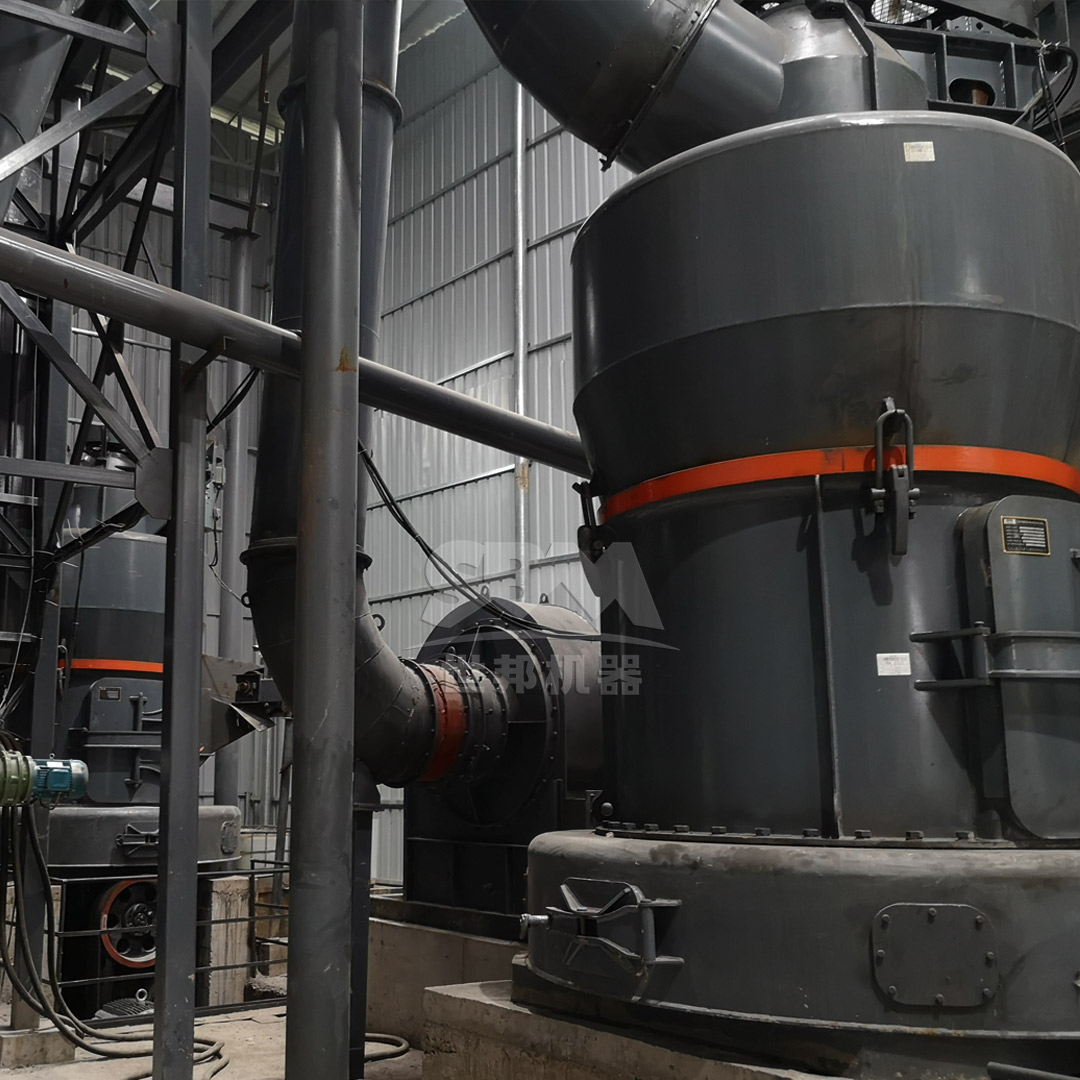
Pipeline coatings demand barite with specific characteristics to ensure long-term protection in harsh environments. The material must meet stringent standards for particle size, chemical composition, and physical properties.
The transformation of raw barite ore into coating-grade material involves multiple stages, each requiring specialized equipment and process control.
Selecting the appropriate grinding equipment is crucial for achieving the required barite properties while maintaining economic viability. Different applications within the pipeline coating industry may require varying fineness levels, from standard filler grades to high-performance specialty coatings.
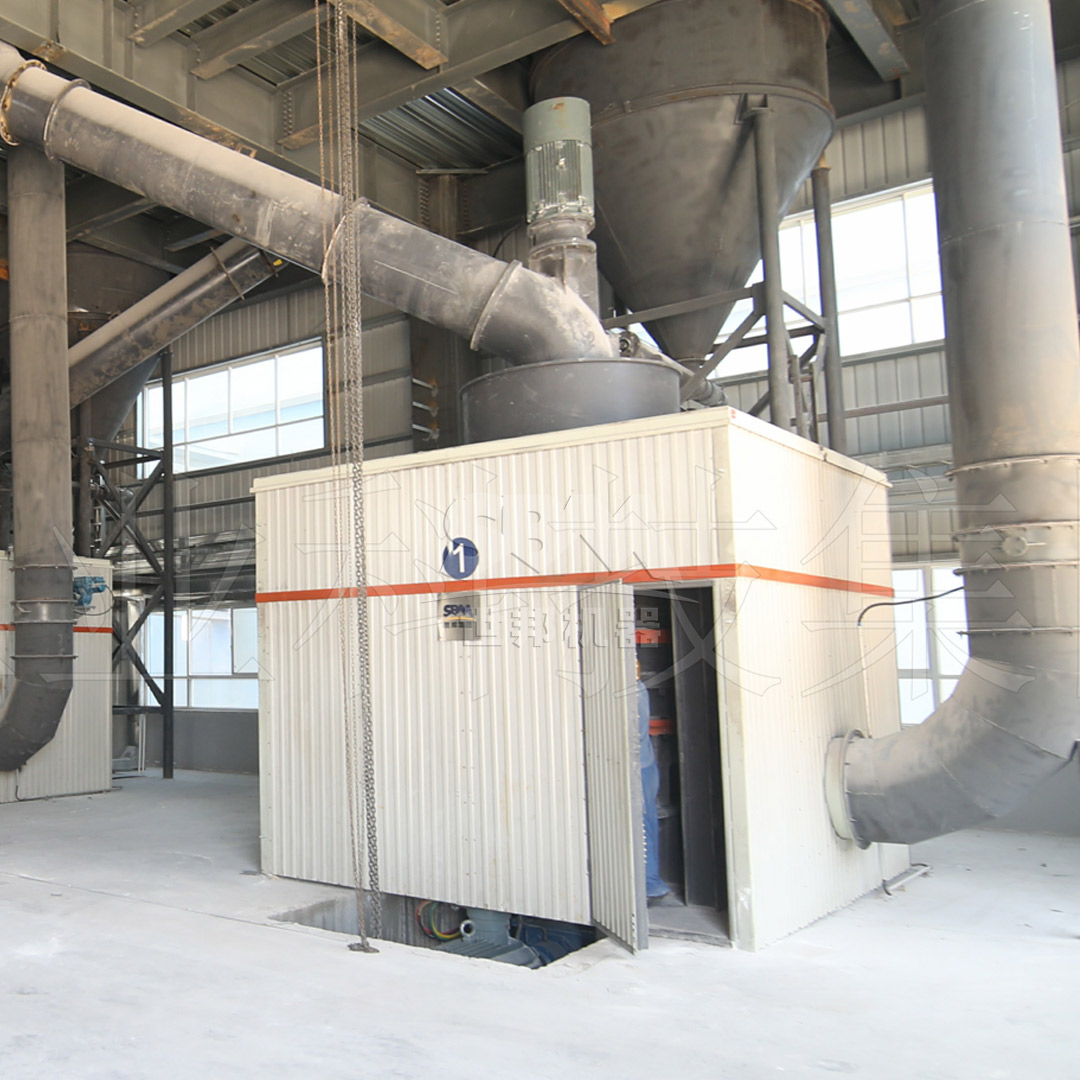
For pipeline coatings requiring the finest barite powders with superior particle size distribution, the SCM Ultrafine Mill represents the optimal solution. This advanced grinding system delivers exceptional performance for barite processing with outputs ranging from 325 to 2500 mesh (45-5μm).
| Model | Processing Capacity (ton/h) | Main Motor Power (kW) | Output Fineness (mesh) |
|---|---|---|---|
| SCM800 | 0.5-4.5 | 75 | 325-2500 |
| SCM900 | 0.8-6.5 | 90 | 325-2500 |
| SCM1000 | 1.0-8.5 | 132 | 325-2500 |
| SCM1250 | 2.5-14 | 185 | 325-2500 |
| SCM1680 | 5.0-25 | 315 | 325-2500 |
The SCM series offers significant advantages for barite processing, including 30% lower energy consumption compared to jet mills and double the production capacity. Its vertical turbine classifier ensures precise particle size control with no coarse powder contamination, while special material roller and ring designs extend service life significantly. The integrated pulse dust collection system exceeds international environmental standards, and noise levels remain below 75dB.
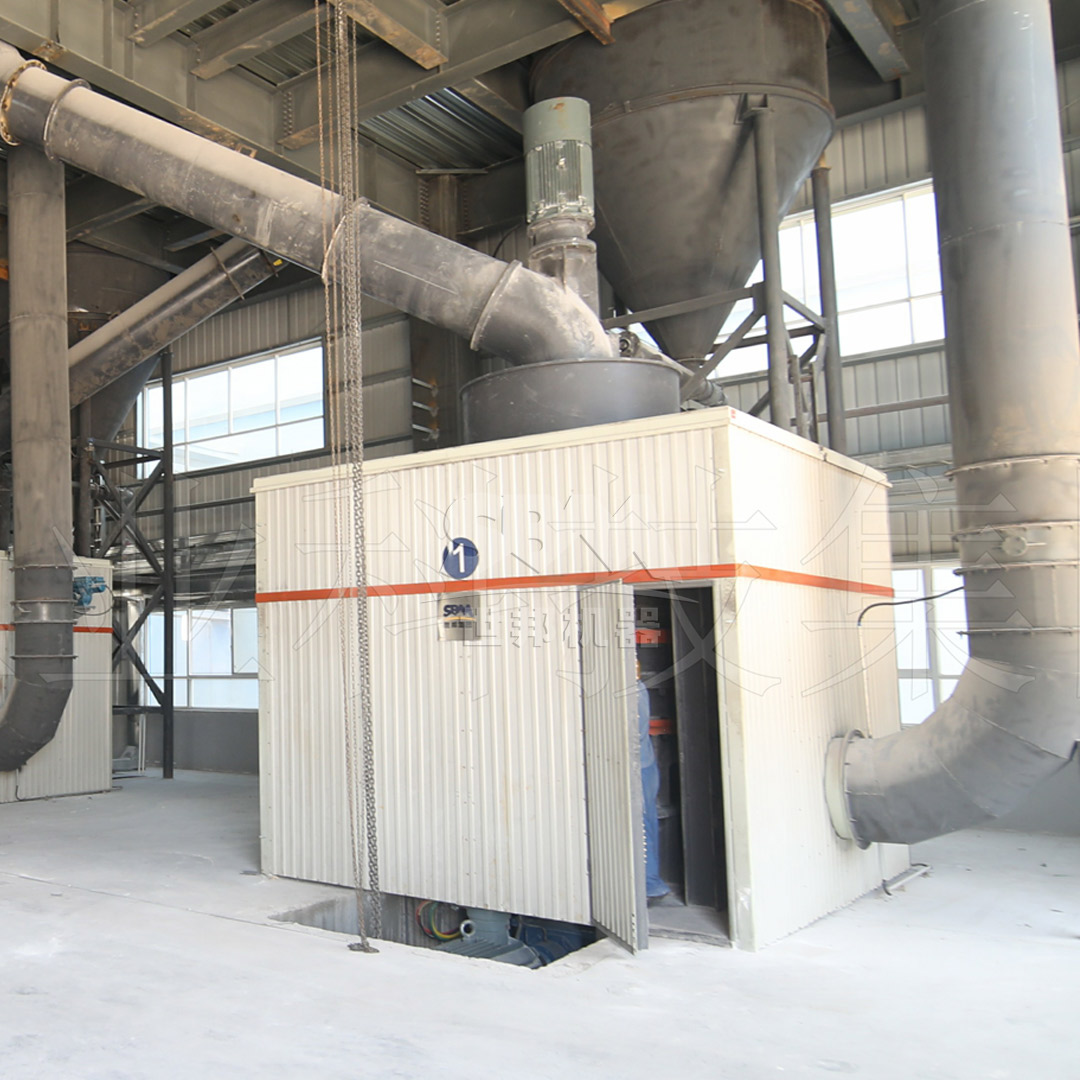
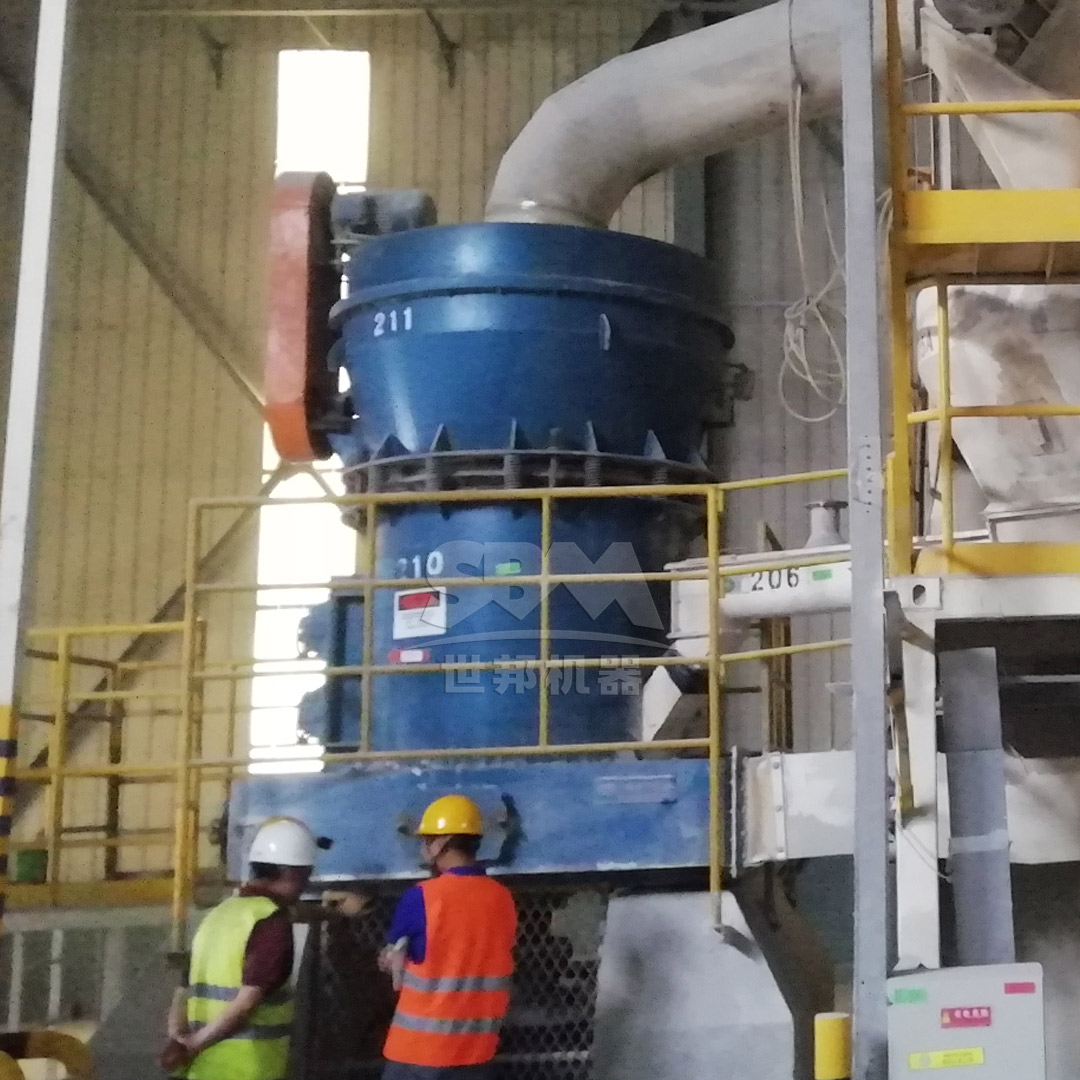
For pipeline coating applications requiring barite in the 30-325 mesh range, the MTW Series Trapezium Mill provides an efficient and cost-effective solution. This robust grinding system handles input materials up to 50mm and delivers processing capacities from 3 to 45 tons per hour.
| Model | Processing Capacity (ton/h) | Main Motor Power (kW) | Output Fineness (mesh) |
|---|---|---|---|
| MTW110 | 3-9 | 55 | 30-325 |
| MTW138Z | 6-17 | 90 | 30-325 |
| MTW175G | 9.5-25 | 160 | 30-325 |
| MTW215G | 15-45 | 280 | 30-325 |
The MTW series features innovative wear-resistant shovel design with combined blades that reduce maintenance costs. Its curved air channel design minimizes energy loss while improving transmission efficiency. The integrated bevel gear overall transmission achieves 98% transmission efficiency, saving space and reducing installation costs. The wear-resistant volute structure enhances air classification efficiency while reducing maintenance costs by 30%.
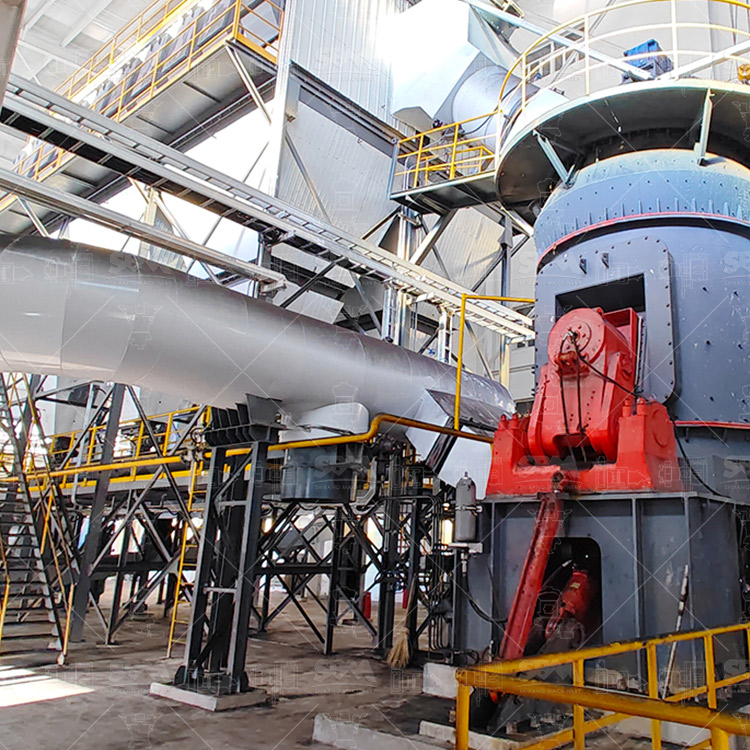
A comprehensive barite processing plant for pipeline coating applications integrates multiple equipment components into a seamless production system. The plant design must consider raw material characteristics, production capacity requirements, and final product specifications.
Maintaining consistent quality is paramount for barite used in pipeline coatings. The grinding process must be carefully controlled and monitored to ensure the final product meets the rigorous standards of the oil and gas industry.
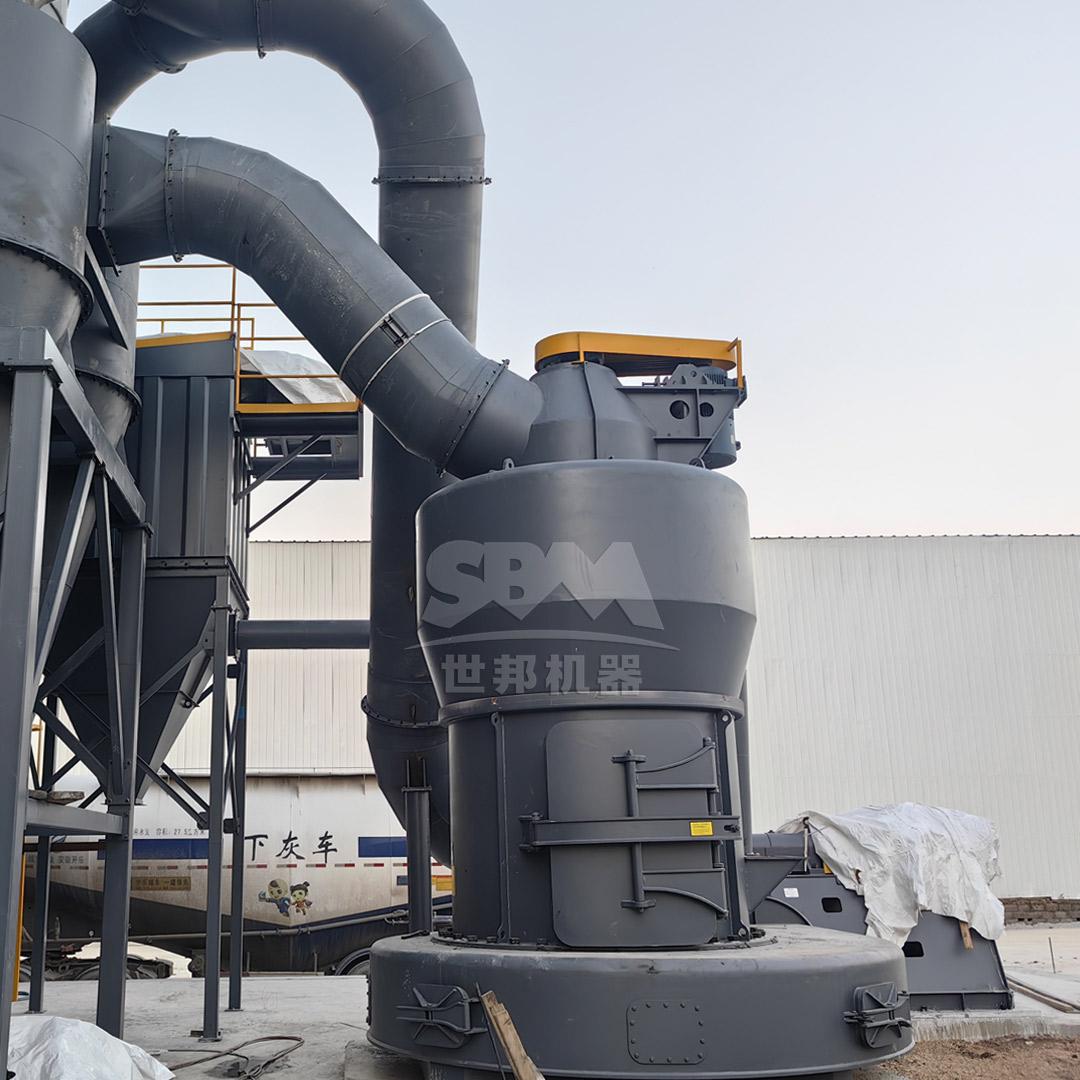
The selection of grinding equipment significantly impacts the overall economics of barite processing for pipeline coatings. Factors such as energy consumption, maintenance requirements, and operational flexibility must be carefully evaluated.
The barite processing industry continues to evolve with advancing technology and changing requirements from the pipeline coating sector. Emerging trends include increased automation, improved energy efficiency, and enhanced product quality control.
Barite grinding for oil and gas pipeline coatings requires precise technical solutions that balance product quality, production efficiency, and economic viability. The SCM Ultrafine Mill and MTW Series Trapezium Mill offer complementary solutions for different segments of the pipeline coating market, from standard filler applications to high-performance specialty coatings. By selecting appropriate grinding technology and implementing comprehensive quality control measures, producers can consistently deliver barite products that meet the exacting standards of the global pipeline industry.
As pipeline projects continue to demand higher performance coatings for increasingly challenging environments, the role of properly processed barite becomes ever more critical. Investing in advanced grinding technology represents a strategic decision that pays dividends through superior product quality, reduced operating costs, and enhanced market competitiveness.