Ceramic insulators represent one of the most demanding applications in advanced materials engineering, requiring exceptional electrical resistance, mechanical strength, and environmental durability. At the heart of high-performance ceramic insulator manufacturing lies feldspar – a group of aluminum silicate minerals that serve as vital fluxing agents in ceramic compositions. The transformation of raw feldspar into precisely controlled powder forms through advanced milling technology directly determines the quality, reliability, and performance characteristics of the final insulator products.
Modern feldspar processing has evolved beyond simple size reduction to encompass sophisticated particle engineering, where specific size distributions, particle morphologies, and chemical purity are meticulously controlled. This article examines how state-of-the-art feldspar powder milling systems enhance ceramic insulator production through improved material properties, manufacturing efficiency, and product performance.
Feldspar’s unique properties make it indispensable in ceramic insulator formulations. As a flux material, feldspar lowers the vitrification temperature of ceramic bodies, promoting densification and strength development during firing. The potassium, sodium, and calcium content in different feldspar varieties directly influences the thermal expansion characteristics, dielectric strength, and mechanical properties of the finished insulators.
The transition from traditional ball milling to advanced vertical grinding and ultrafine milling technologies has revolutionized feldspar processing. Modern mills achieve unprecedented control over particle size distribution, with narrow ranges that eliminate both oversized particles (which can create weak points) and excessive fines (which increase shrinkage and warping). This precision directly translates to improved insulator reliability and reduced manufacturing defects.
Research has demonstrated that feldspar particle size distribution significantly impacts the dielectric strength of ceramic insulators. Optimal distributions in the range of 325-1250 mesh (approximately 45-10μm) create homogeneous microstructures that minimize electrical field concentration points. Advanced milling systems achieve these specifications consistently, whereas traditional methods often produce broad distributions with detrimental coarse fractions.
| Particle Size Range | Dielectric Strength (kV/mm) | Mechanical Strength (MPa) | Application Suitability |
|---|---|---|---|
| Coarse (>45μm) | 12-15 | 80-100 | Low voltage applications |
| Medium (20-45μm) | 16-20 | 100-130 | Medium voltage applications |
| Fine (5-20μm) | 21-26 | 130-160 | High voltage applications |
| Ultrafine (<5μm) | 27-35 | 160-200+ | Ultra-high voltage applications |
The evolution of feldspar milling technology has progressed through several generations, each offering distinct advantages for ceramic insulator production. Modern mills incorporate sophisticated classification systems, precision grinding mechanisms, and intelligent control systems that collectively elevate feldspar powder quality to levels previously unattainable.
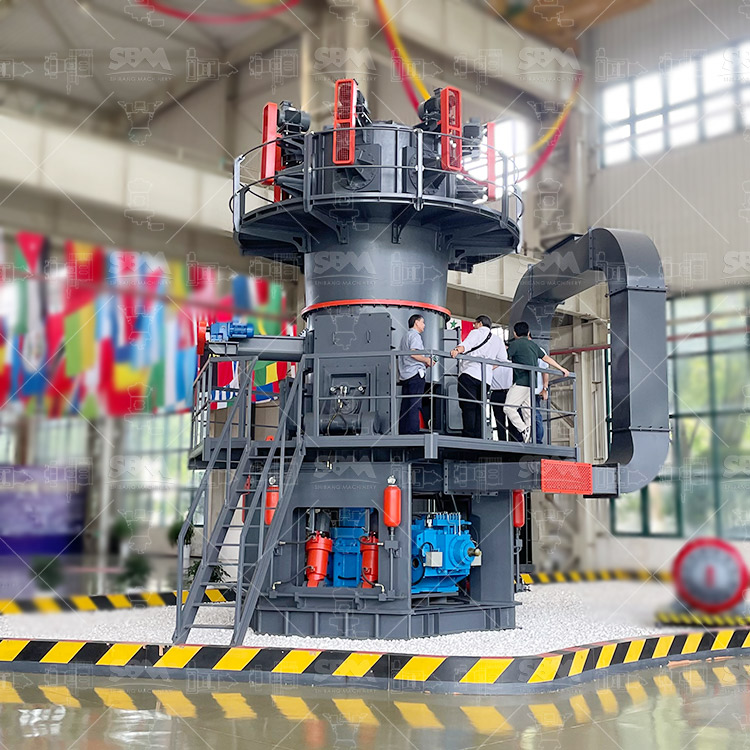
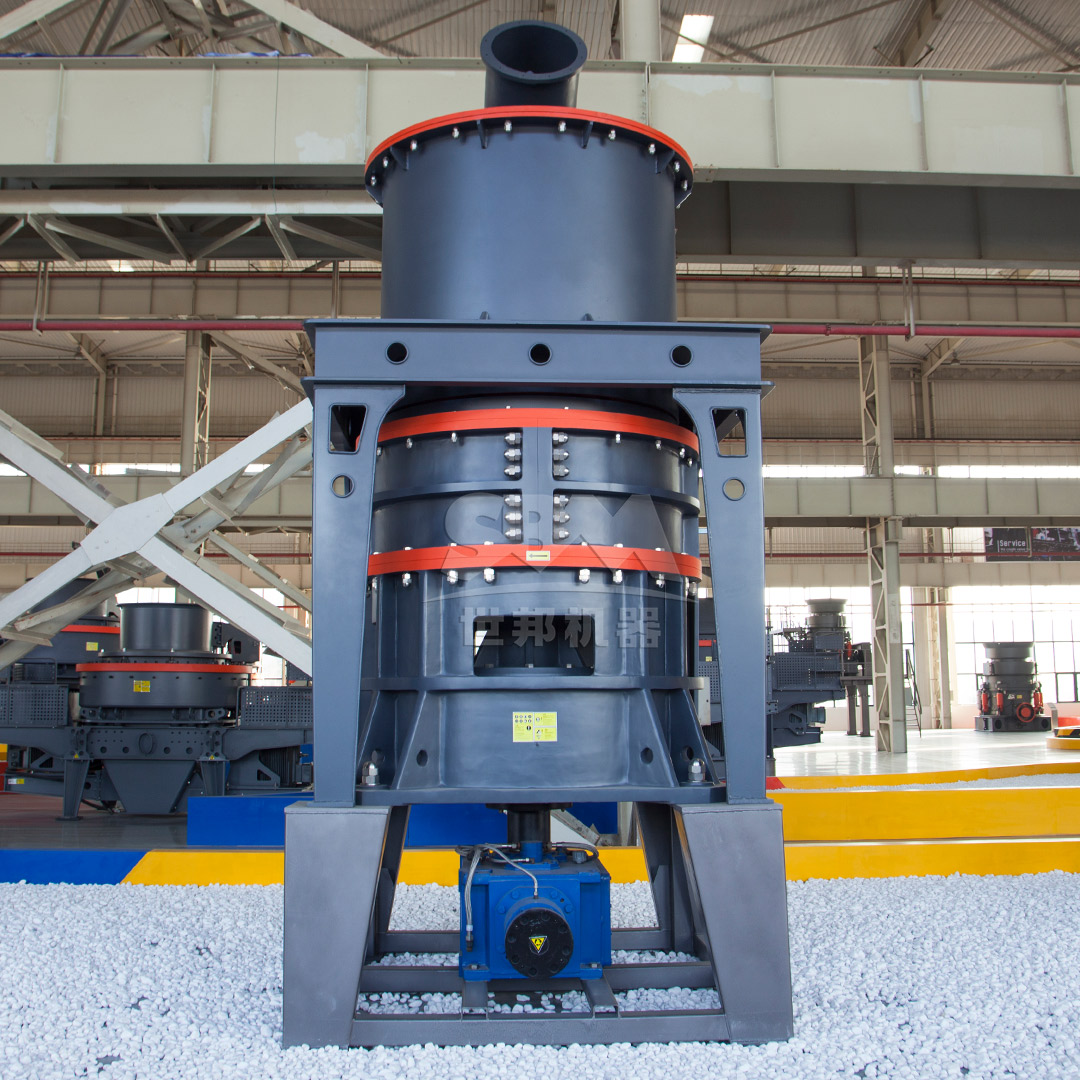
For high-performance ceramic insulators requiring exceptional homogeneity and fine microstructure, ultrafine milling represents the technological frontier. Our SCM Ultrafine Mill series achieves remarkable fineness levels of 325-2500 mesh (D97≤5μm) while maintaining excellent production efficiency. The technological superiority of these systems stems from several key innovations:
The vertical turbine classifier ensures precise particle size切割, eliminating coarse particle contamination that can compromise insulator integrity. This precision classification is particularly critical for high-voltage applications where microscopic defects can lead to catastrophic failure. The intelligent control system automatically monitors and adjusts operational parameters to maintain consistent product quality, even with variations in raw material characteristics.
With capacity ranging from 0.5-25 tons per hour across different models, the SCM series accommodates production scales from specialized high-performance insulator manufacturing to large-volume industrial operations. The SCM1250 model, with its 185kW main motor and 2.5-14 ton/hour capacity, has proven particularly effective for medium-to-large insulator production facilities seeking to balance output with exceptional powder quality.
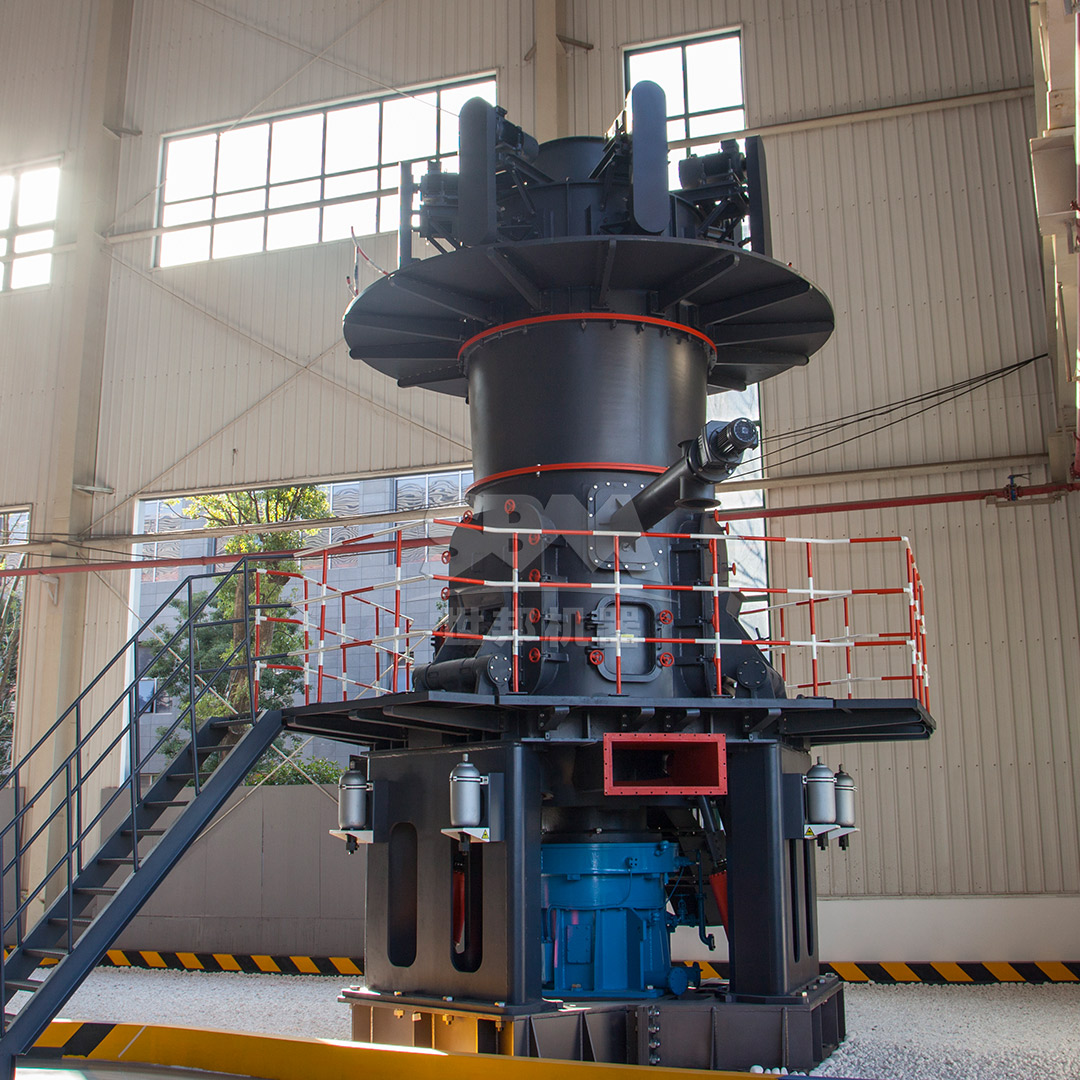
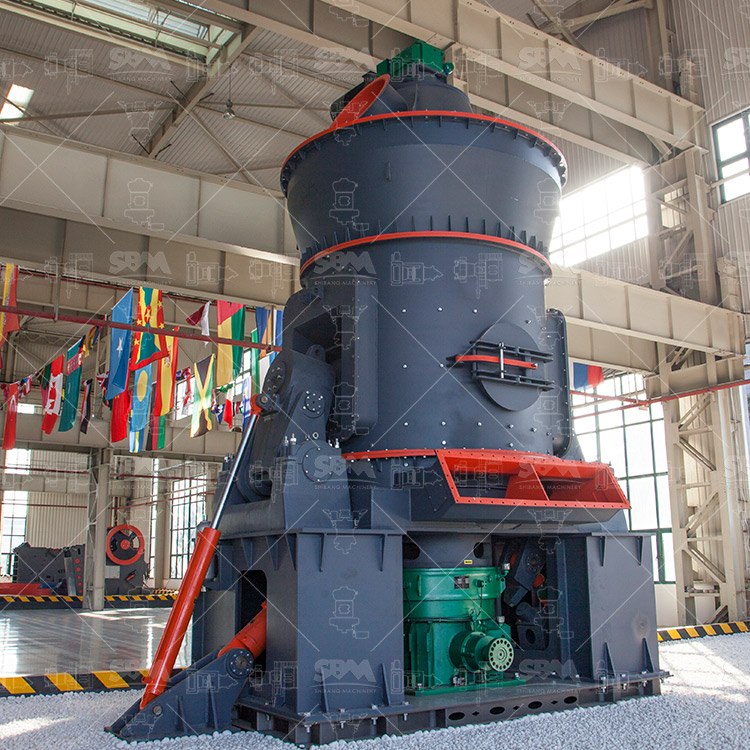
For manufacturers requiring high-volume feldspar processing with excellent energy efficiency, vertical roller mills represent an optimal solution. Our LM Vertical Roller Mill series integrates crushing, grinding, and classification functions within a compact footprint, reducing installation space requirements by up to 50% compared to traditional systems.
The non-contact grinding design between rollers and grinding table significantly extends wear part lifespan while reducing energy consumption by 30-40% compared to ball mill systems. This combination of durability and efficiency makes vertical roller mills particularly advantageous for large-scale insulator manufacturing operations where production costs significantly impact competitiveness.
The LM series accommodates feed sizes up to 50mm and produces feldspar powders in the 30-325 mesh range, with specialized models extending to 600 mesh for finer applications. The expert automatic control system supports remote operation and real-time parameter monitoring, reducing operator intervention while maintaining consistent product quality across extended production runs.
Choosing the appropriate feldspar milling technology requires careful consideration of production requirements, quality specifications, and economic factors. The following analysis compares key milling technologies for ceramic insulator applications:
| Technology | Output Fineness | Capacity Range | Energy Efficiency | Optimal Application |
|---|---|---|---|---|
| SCM Ultrafine Mill | 325-2500 mesh | 0.5-25 t/h | High (30% savings) | High-performance insulators |
| LM Vertical Mill | 30-600 mesh | 3-250 t/h | Excellent (30-40% savings) | Large-volume production |
| MTW Trapezium Mill | 30-325 mesh | 3-45 t/h | Very Good | General purpose insulators |
| Ball Mill | 0.074-0.8mm | 0.65-450 t/h | Moderate | Cost-sensitive applications |
For ceramic insulator manufacturers seeking an optimal balance between capital investment, operating costs, and product quality, the MTW Series Trapezium Mill offers compelling advantages. With output fineness ranging from 30-325 mesh (adjustable to 0.038mm) and capacities from 3-45 tons per hour, this technology suits a broad spectrum of insulator production requirements.
The curved air channel design minimizes energy losses while improving material transport efficiency, and the combined shovel blade design reduces maintenance requirements. The integral transmission with bevel gears achieves remarkable 98% transmission efficiency, contributing to overall energy savings. These features make the MTW series particularly suitable for medium-scale insulator production facilities where versatility and operational economy are prioritized.
Consistent feldspar powder quality is paramount for reliable ceramic insulator manufacturing. Modern milling systems incorporate multiple quality assurance mechanisms that maintain strict specifications throughout production cycles. Advanced classification systems ensure narrow particle size distributions, while intelligent monitoring continuously tracks critical parameters including moisture content, chemical composition, and particle morphology.
The transition to automated milling systems has dramatically improved batch-to-batch consistency, reducing quality variations that previously necessitated frequent formulation adjustments. Real-time monitoring of motor load, grinding pressure, and classifier speed enables immediate detection of process deviations, while automated adjustment systems maintain optimal operating conditions despite raw material variations.
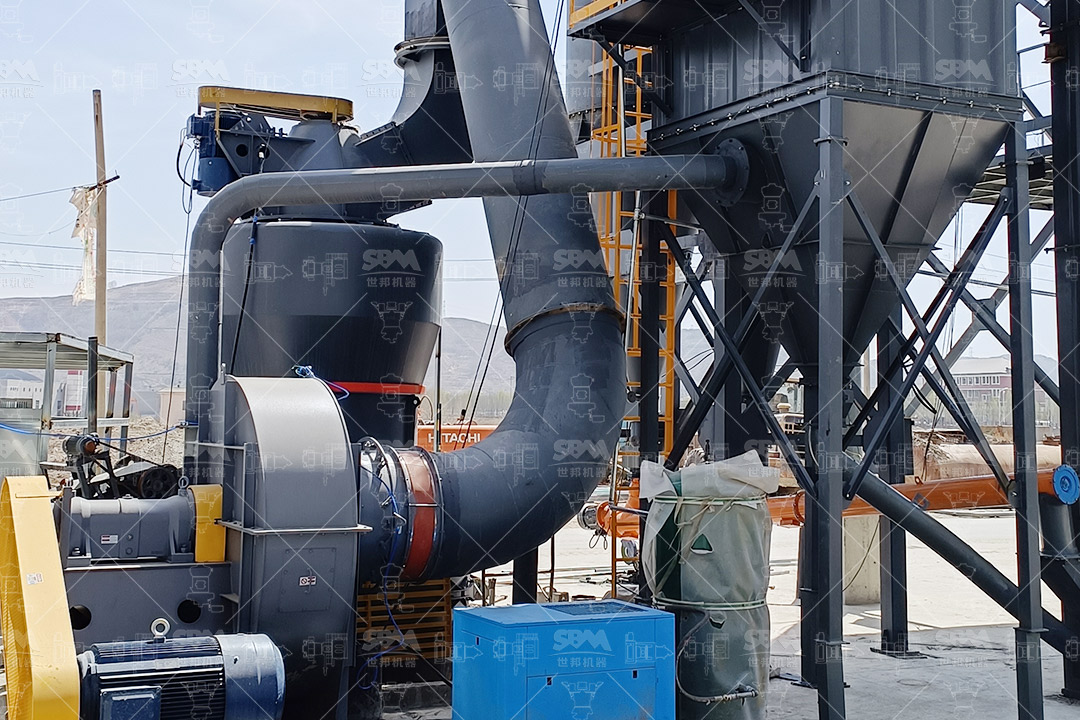
Modern feldspar milling technologies address increasingly stringent environmental regulations while improving operational efficiency. Pulse dust collection systems achieve filtration efficiencies exceeding international standards, with emissions typically below 20mg/m³. Advanced noise reduction technologies, including acoustic enclosures and vibration damping systems, maintain operational noise levels below 75-80dB, creating safer working environments while meeting regulatory requirements.
These environmental controls simultaneously enhance product quality by preventing cross-contamination and maintaining clean processing conditions. The fully enclosed negative-pressure operation of advanced mills like the SCM and LM series ensures that feldspar powders remain uncontaminated throughout the milling process, contributing to the exceptional purity required for high-performance ceramic insulators.
The adoption of advanced feldspar milling technologies delivers substantial economic benefits throughout the ceramic insulator manufacturing value chain. While capital investment requirements for modern mills exceed those of traditional technologies, the operational advantages generate compelling returns through multiple mechanisms:
Energy efficiency improvements of 30-50% significantly reduce electricity costs, which typically represent a major portion of milling operational expenses. Reduced maintenance requirements and extended wear part lifespan decrease both spare parts inventories and production downtime. Most importantly, the improved powder quality directly enhances manufacturing yield by reducing firing defects, dimensional variations, and electrical performance failures in the finished insulators.
For a typical medium-scale insulator manufacturer processing 10,000 tons of feldspar annually, upgrading from traditional ball milling to advanced vertical milling can generate annual savings exceeding $150,000 through combined energy, maintenance, and quality improvements, typically achieving return on investment within 2-3 years.
The evolution of feldspar milling technology continues to advance, with several emerging trends poised to further enhance ceramic insulator production. Hybrid milling systems combining multiple grinding mechanisms offer unprecedented control over particle size distribution and morphology. Artificial intelligence and machine learning applications enable predictive maintenance and self-optimizing operation, further improving consistency and efficiency.
Nanotechnology applications are pushing the boundaries of ultrafine milling, with experimental systems producing feldspar powders with controlled nanoparticle fractions. These advanced materials enable ceramic insulators with exceptional dielectric properties for next-generation ultra-high voltage transmission systems. Simultaneously, sustainability initiatives are driving development of milling technologies with reduced carbon footprints through optimized energy recovery and alternative power sources.
The selection and implementation of appropriate feldspar milling technology represents a strategic decision with far-reaching implications for ceramic insulator manufacturers. Advanced milling systems directly enhance product performance, manufacturing efficiency, and competitive positioning in global markets. The SCM Ultrafine Mill series delivers exceptional precision for high-performance applications, while the LM Vertical Mill series offers outstanding efficiency for large-volume production.
As ceramic insulator technology advances to meet increasingly demanding application requirements, the role of precisely engineered feldspar powders becomes ever more critical. Manufacturers who strategically implement advanced milling technologies position themselves to lead in developing the next generation of high-performance ceramic insulators for global energy infrastructure.