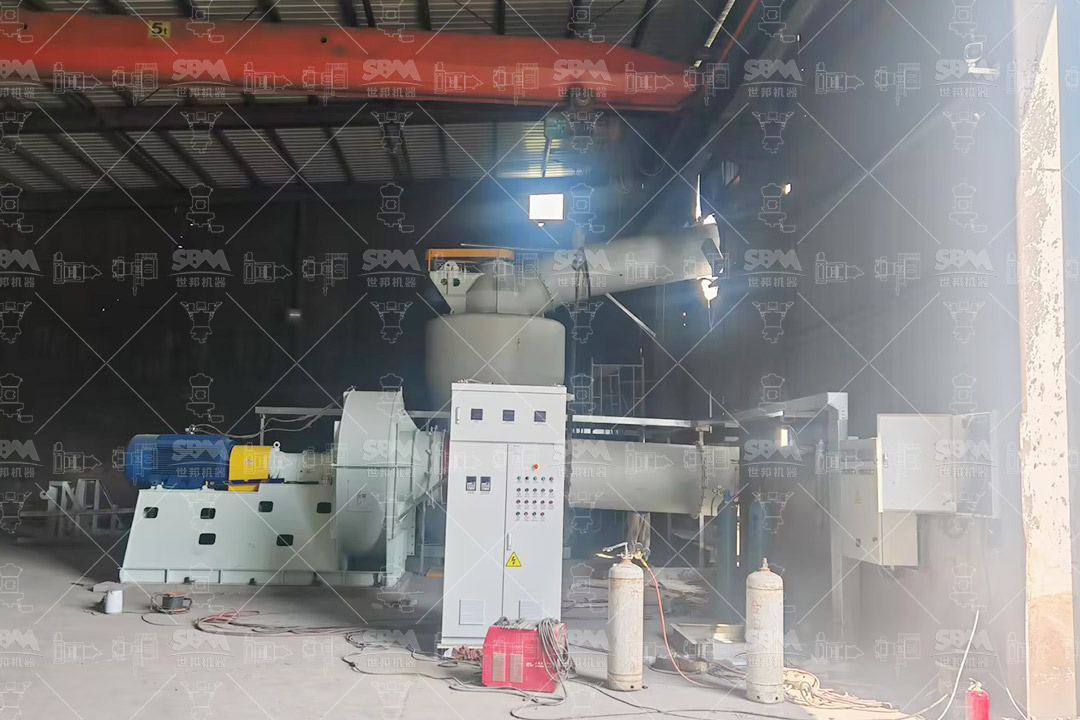
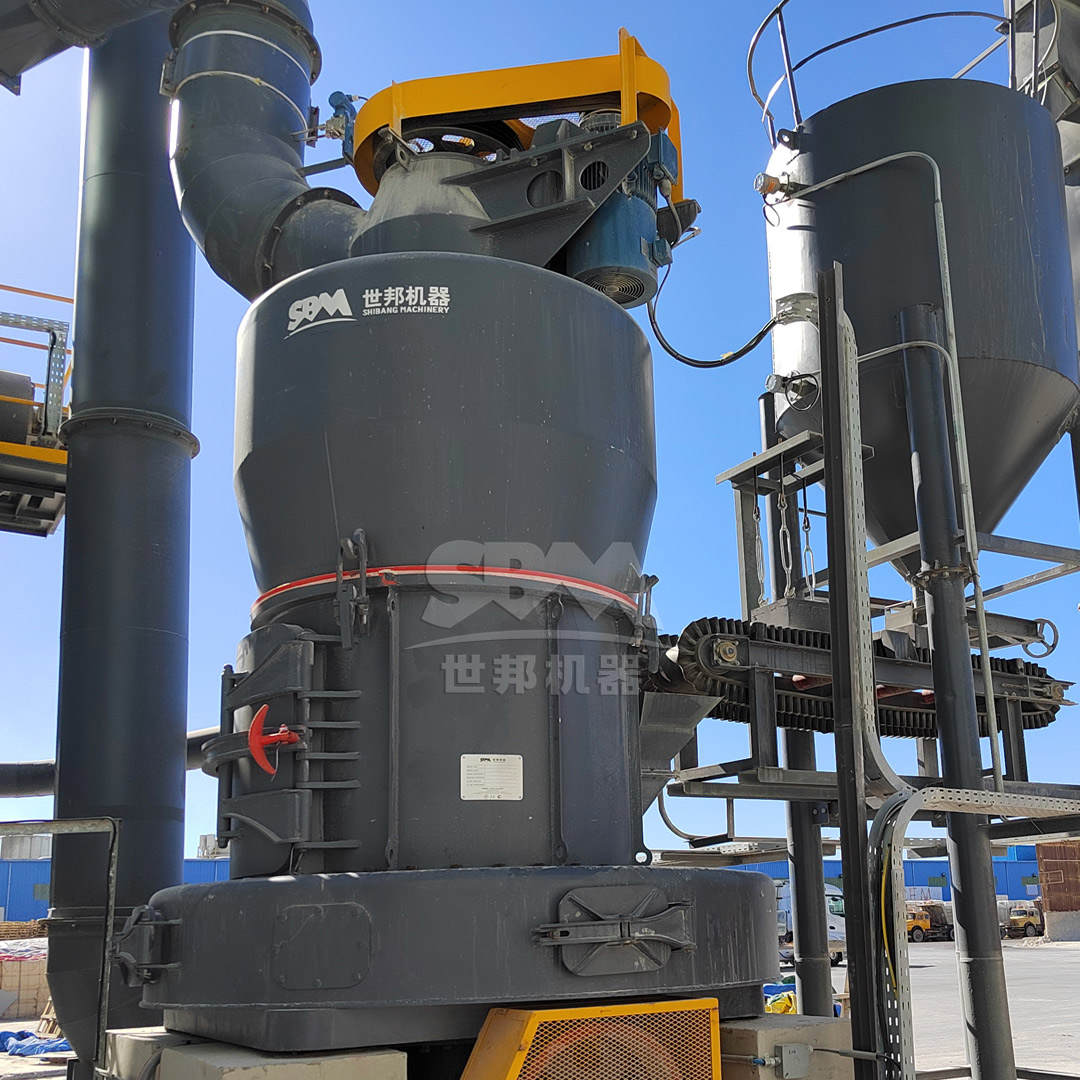
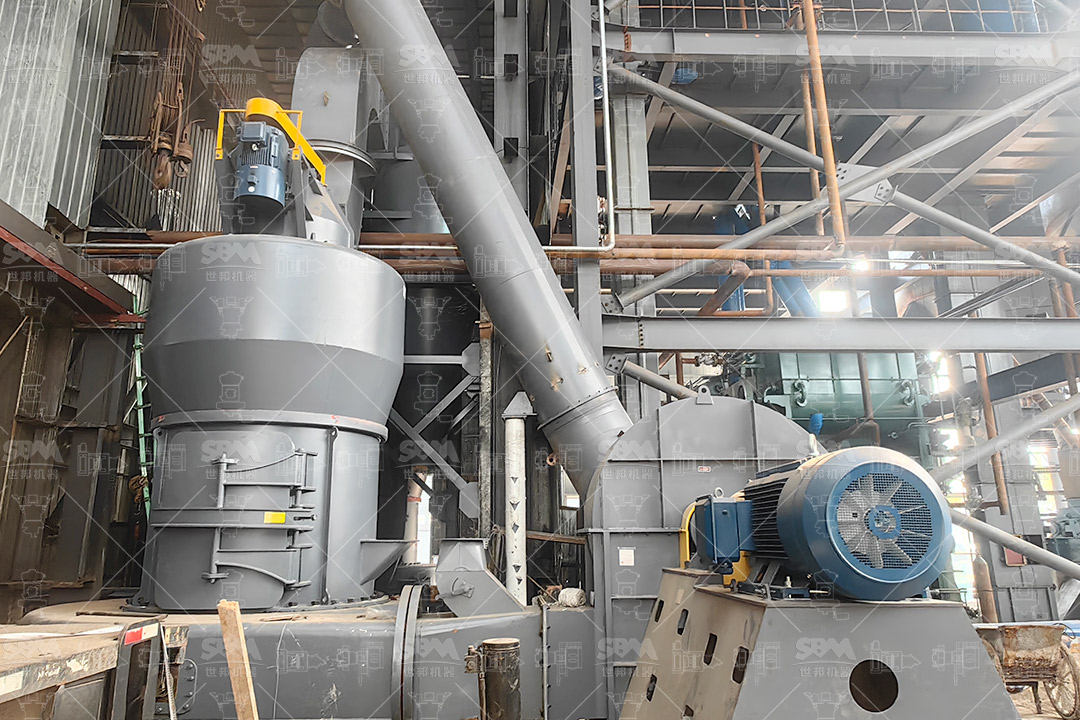
Gypsum powder, a versatile material widely used in construction, agriculture, and industrial applications, requires precise processing to meet specific fineness standards. A 150 mesh (approximately 100 microns) product is a common specification for many industrial uses, demanding a balance between production efficiency, energy consumption, and product quality. Establishing a reliable and efficient 150 mesh gypsum powder production line involves a systematic process flow and the selection of appropriate key equipment. This guide provides a comprehensive overview of the production process and highlights critical machinery, with a focus on achieving optimal performance for your investment.
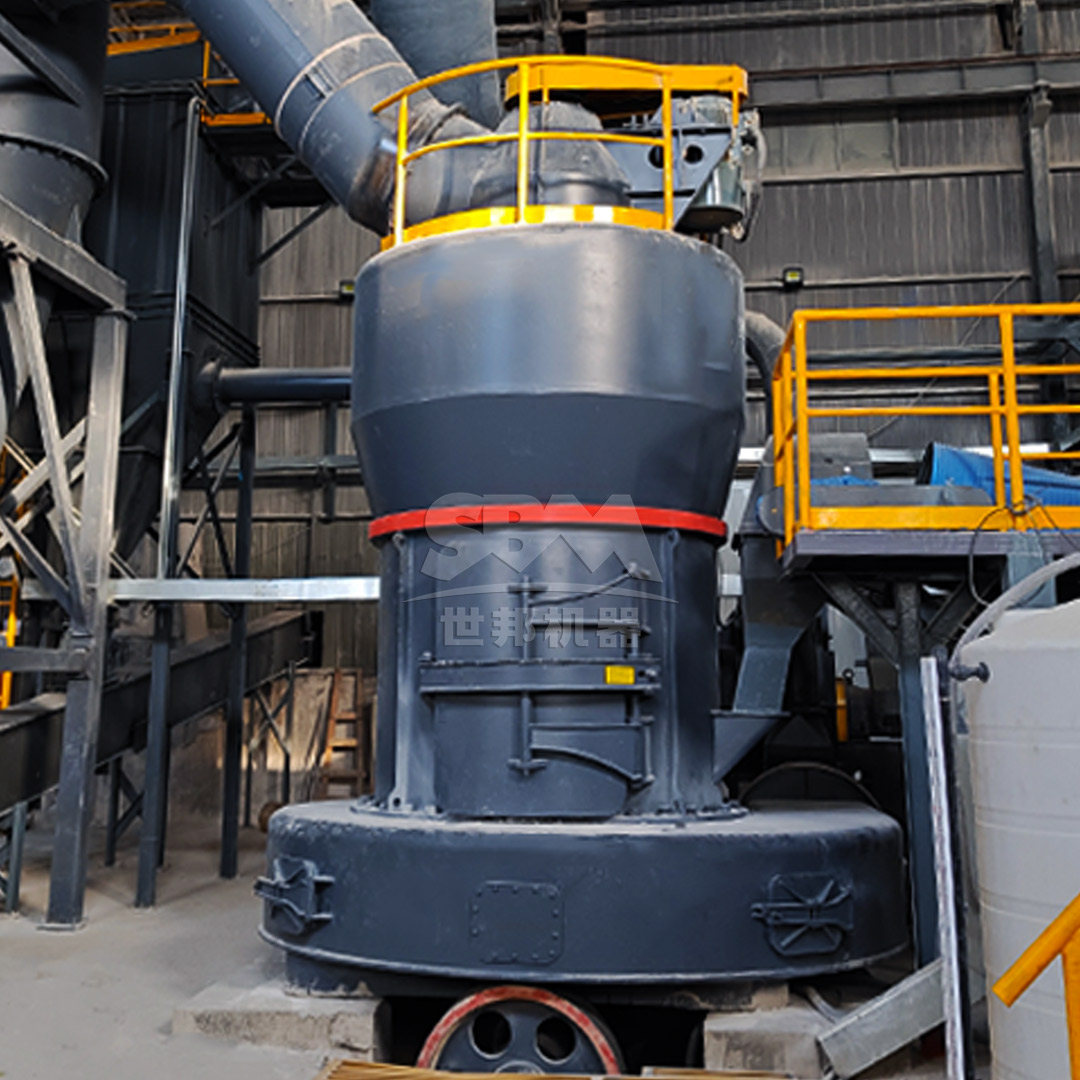
The transformation of raw gypsum rock into fine 150 mesh powder follows a logical sequence of size reduction, drying, grinding, and collection. Each stage is crucial for ensuring final product quality and line efficiency.
Large raw gypsum rocks (typically 0-300mm) are first fed into a primary crusher, such as a jaw crusher or hammer crusher, to reduce their size to a manageable dimension, usually below 50mm. This step is essential for facilitating subsequent drying and grinding processes.
Raw gypsum often contains inherent moisture. A rotary dryer or vertical flash dryer is employed to reduce the moisture content to below 1-2%. Efficient drying is critical, as excessive moisture can lead to clogging in the grinding mill and reduce overall system efficiency.
This is the core stage for achieving the target 150 mesh fineness. The pre-crushed and dried gypsum is fed into a grinding mill. For a 150 mesh product, medium-fine grinding equipment is ideal. The choice of mill significantly impacts productivity, energy use, and product particle size distribution.
Integrated within or attached to the grinding mill, a classifier (often a dynamic turbo classifier) separates the ground powder. Particles meeting the 150 mesh specification are carried away by airflow to the collection system, while oversized particles are returned to the grinding chamber for further milling. This closed-circuit system ensures precise size control.
The fine powder-air mixture enters a high-efficiency cyclone collector and a bag filter or pulse dust collector. Here, the finished 150 mesh gypsum powder is separated from the air stream. The collected powder is then conveyed to storage silos and finally packaged for shipment.
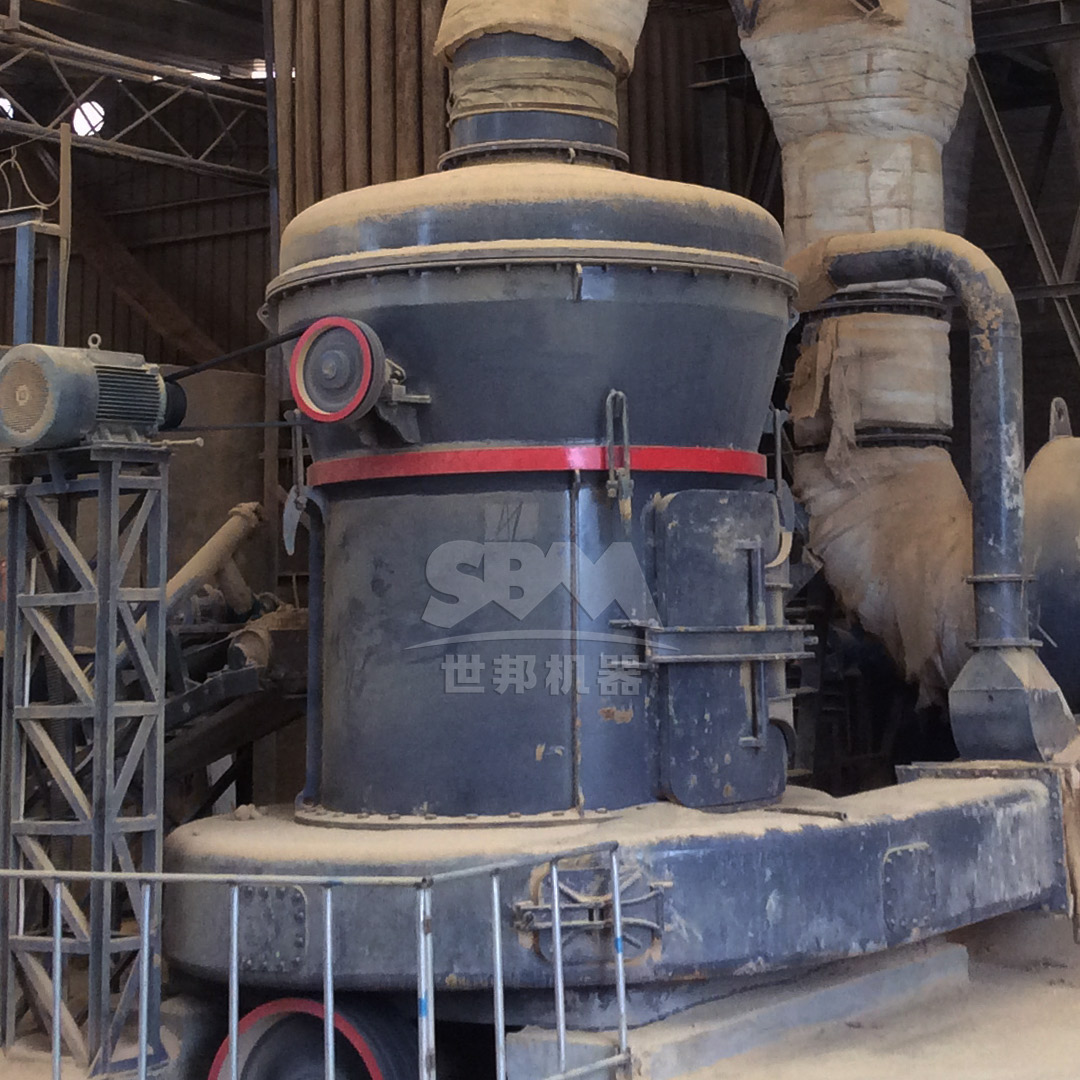
Selecting the right grinding mill is paramount. While ball mills are a traditional choice, modern roller mill technology offers superior energy efficiency and control for applications like 150 mesh gypsum production.
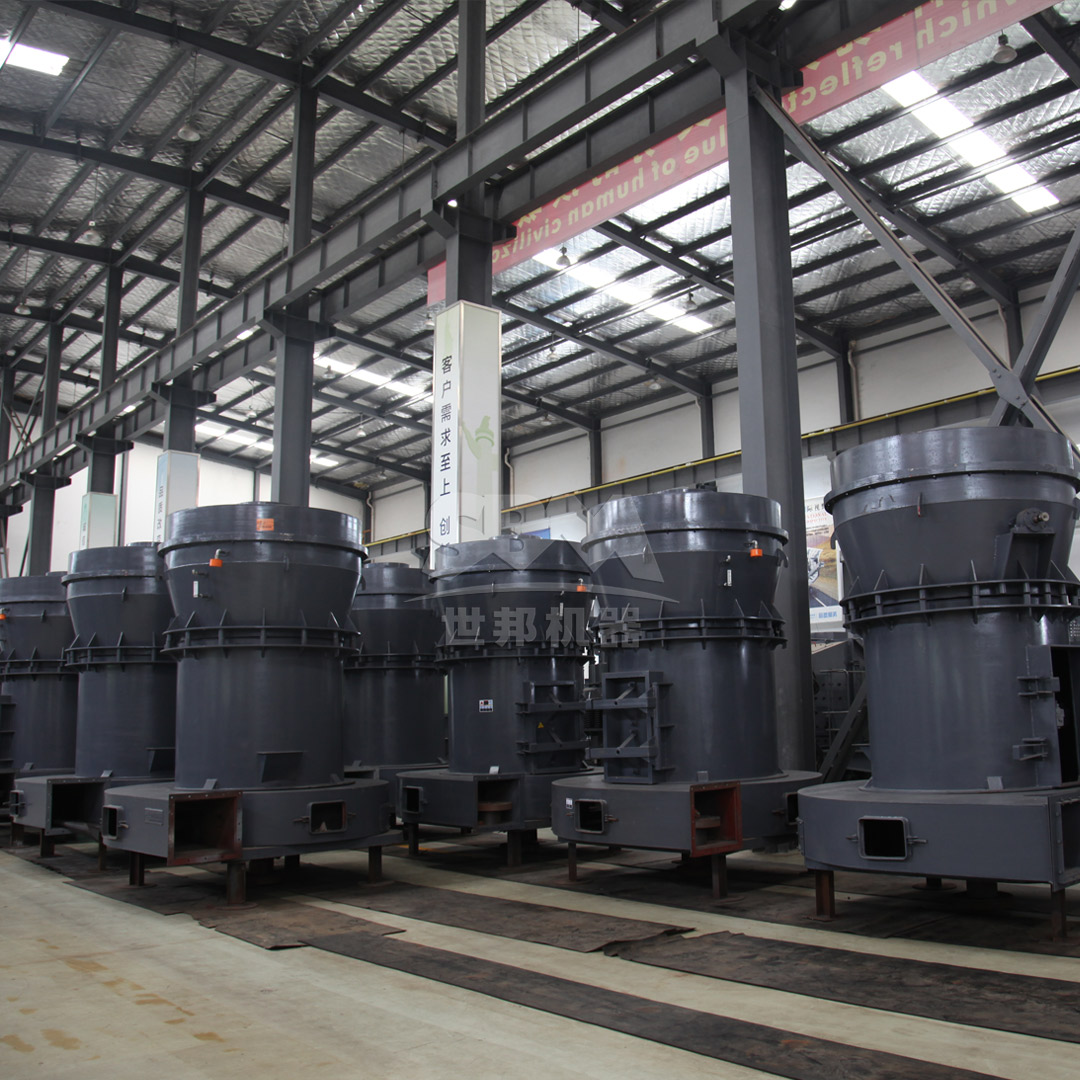
For producing 150 mesh gypsum powder with excellent efficiency and reliability, our MTW Series European Trapezium Mill is an outstanding solution. Its design is particularly well-suited for medium-fine grinding applications in the 30-325 mesh range.
| Model | Capacity (t/h)* | Main Power (kW) | Max. Feed Size (mm) | Output Fineness (mesh) |
|---|---|---|---|---|
| MTW138Z | 6-17 | 90 | <35 | 10-325 |
| MTW175G | 9.5-25 | 160 | <40 | 10-325 |
| MTW215G | 15-45 | 280 | <50 | 10-325 |
*Capacity varies based on material characteristics and fineness requirements.
Why the MTW Mill is Ideal for 150 Mesh Gypsum:
For producers aiming at higher-value markets or considering future expansion into ultra-fine gypsum products (e.g., 325-2500 mesh for specialized plastics or paints), investing in a more advanced platform from the start can be strategic.
Our SCM Series Ultrafine Mill represents the forefront of fine and ultra-fine grinding technology. While capable of producing 150 mesh powder with exceptional efficiency, its true advantage lies in its ability to seamlessly produce much finer products without major system changes.
Key Advantages for Future-Proofing Your Line:
Building a successful 150 mesh gypsum powder production line requires careful planning of the process flow and, most importantly, the informed selection of core grinding equipment. While several mill types can achieve the target fineness, the choice between a highly efficient medium-fine mill like the MTW Series and a versatile, future-ready ultra-fine mill like the SCM Series depends on your specific production goals, product portfolio strategy, and operational priorities. Focusing on energy efficiency, maintenance costs, and product quality consistency will ensure your production line remains competitive and profitable in the long term. Consulting with experienced equipment suppliers to analyze your raw material and market requirements is a critical step in this process.