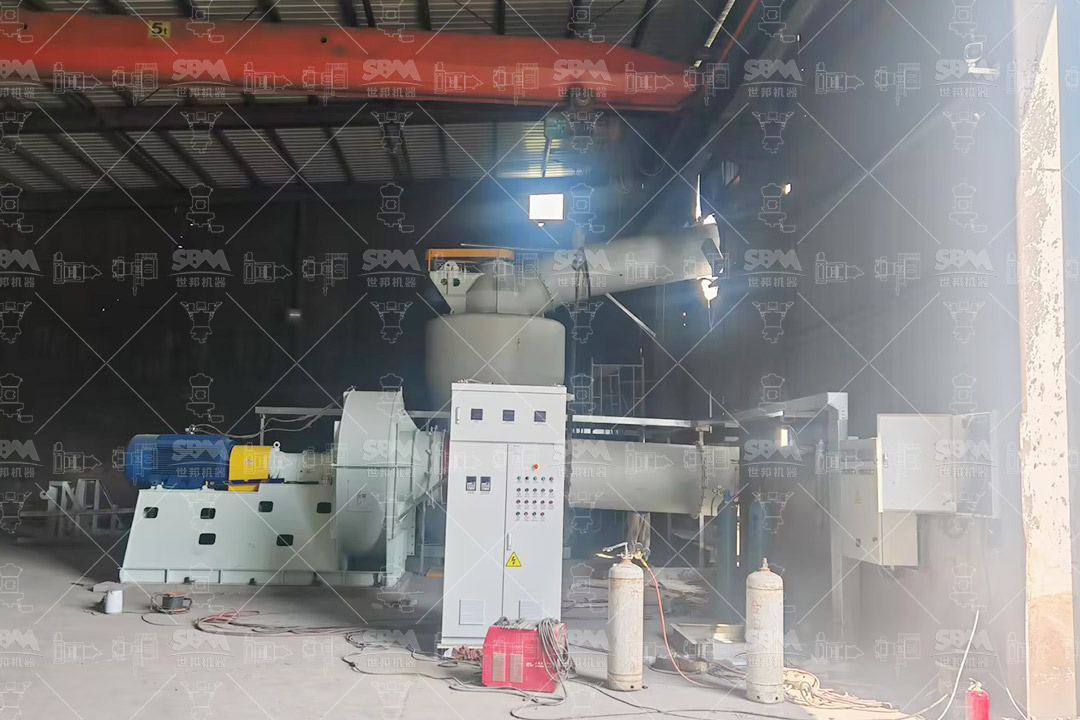
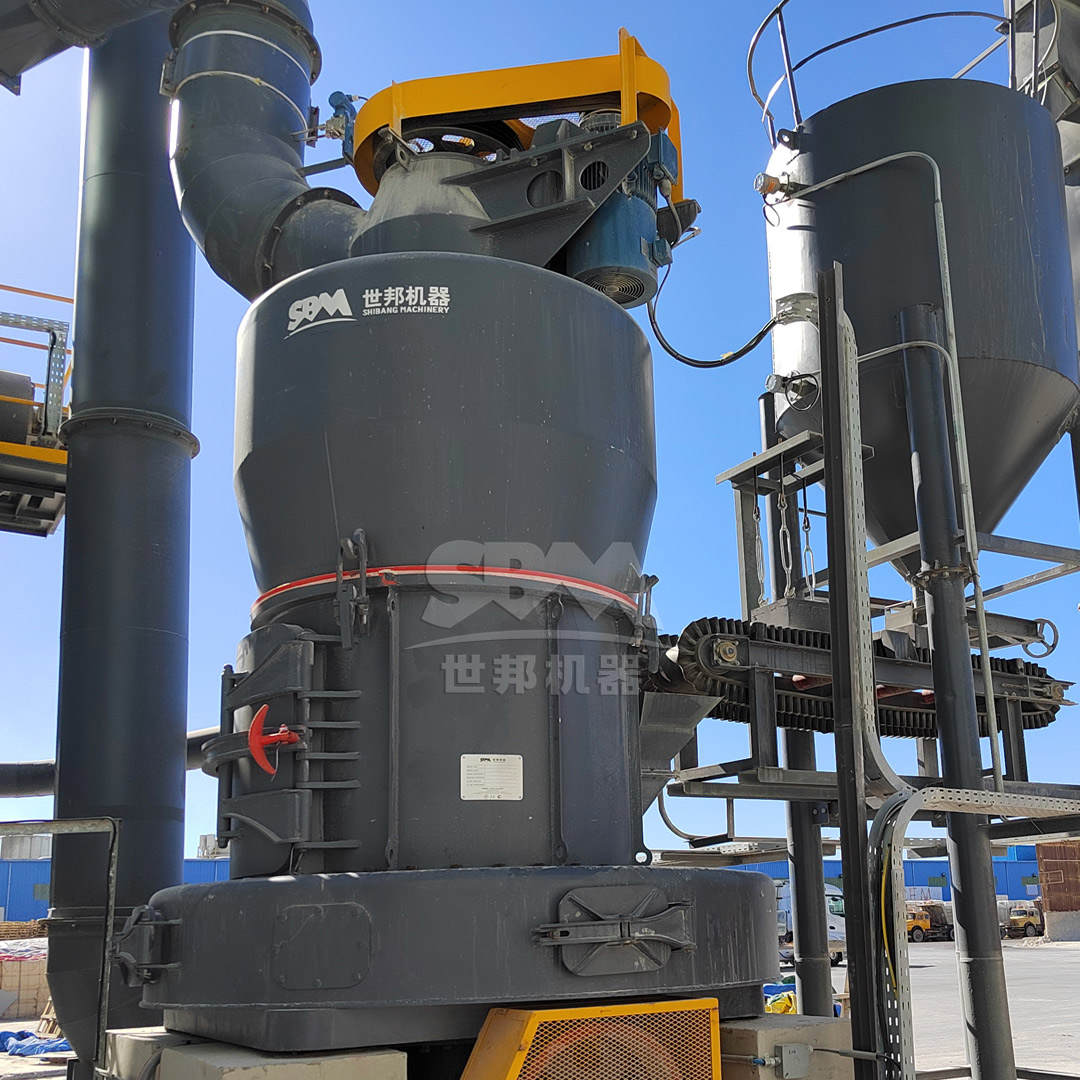
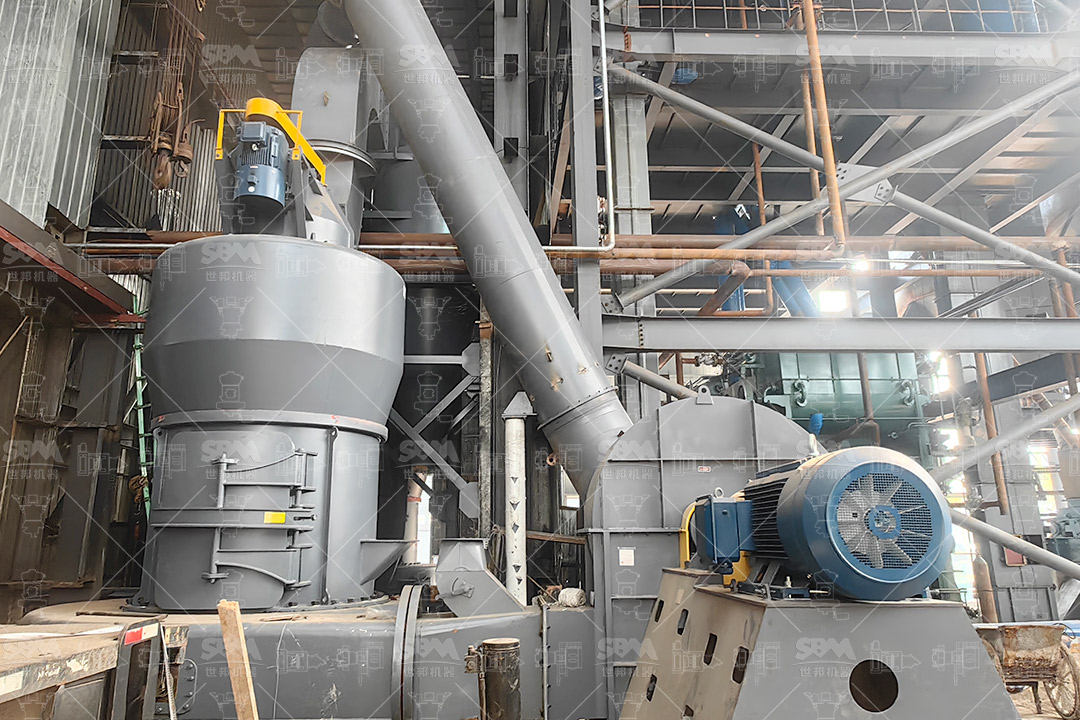
The production of high-quality marble powder, particularly at a fineness of 150 mesh (approximately 100 microns), is a cornerstone process in industries such as plastics, paints, coatings, paper, and construction. Achieving consistent particle size, high whiteness, and optimal production efficiency requires a carefully designed grinding plant with the right core equipment. This guide provides a comprehensive overview of the key considerations, process flow, and equipment selection for establishing a reliable and profitable 150-mesh marble powder production line.
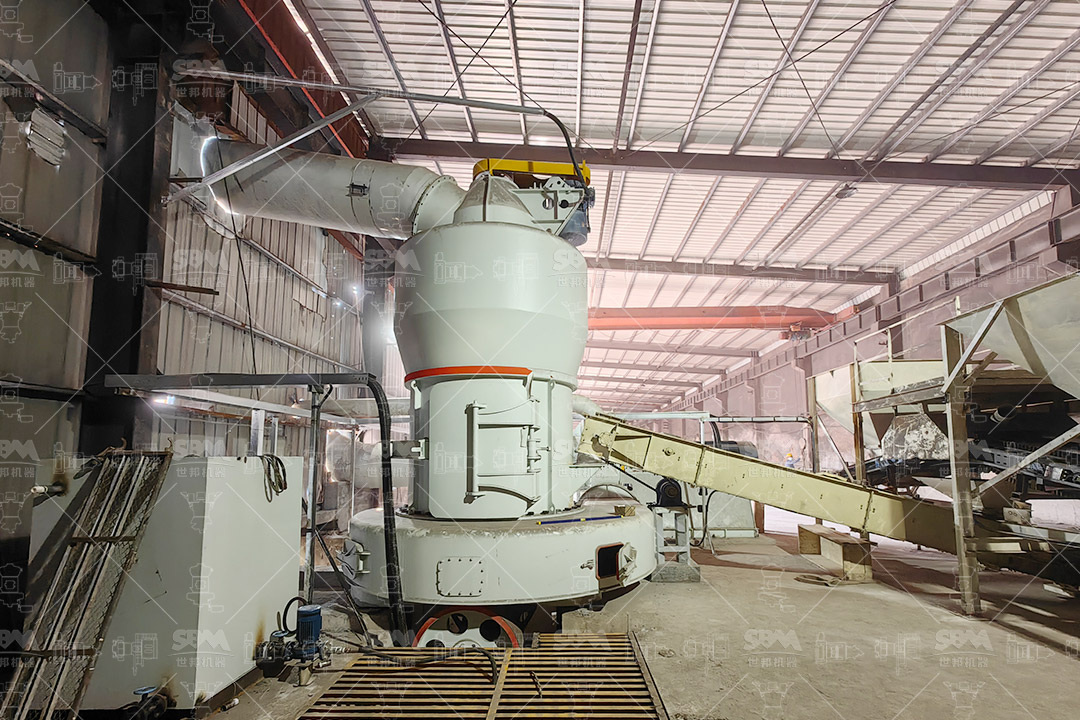
150 mesh refers to a particle size that can pass through a screen with 150 openings per linear inch. In practical terms, this translates to a top particle size of about 106 microns. Powder at this fineness offers an excellent balance between specific surface area (which affects properties like brightness, opacity, and reinforcement in composites) and production cost. It is a widely demanded specification for fillers and functional additives.
The properties of the feed marble significantly influence equipment choice. Key factors include:
Determine the required annual or hourly output (e.g., 5 tons per hour, 40,000 tons per year). This dictates the scale of equipment, from crushers to mills and classifiers. The plant layout must logically sequence the stages of size reduction and incorporate efficient material handling, dust collection, and packaging systems.
Grinding is an energy-intensive process. Selecting mills with high grinding efficiency and low specific energy consumption (kWh/ton) is critical for long-term profitability. Wear part longevity also directly impacts maintenance costs and operational uptime.
A modern plant must integrate effective dust collection at every transfer point and from the main mill. Systems should meet or exceed local emission standards. Noise control measures are also an important consideration.
A standard dry processing plant for 150 mesh marble powder generally follows these stages:
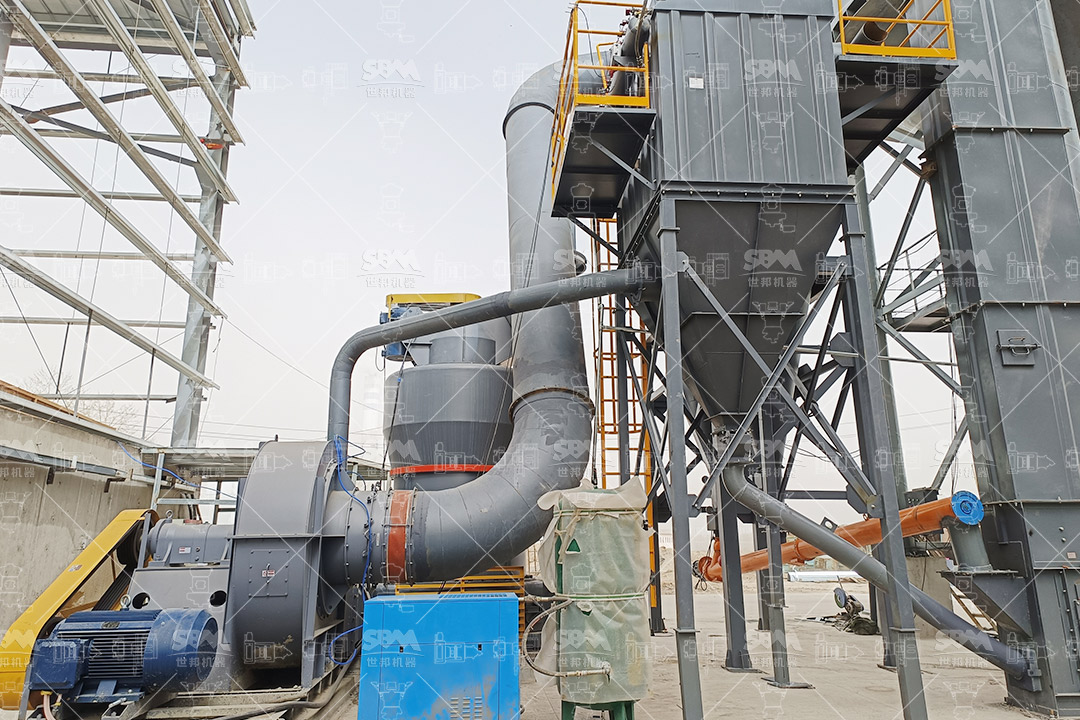
Selecting the right grinding mill is paramount. For 150-mesh production, several mill types are applicable, each with its own advantages.
| Mill Type | Typical Output Range | Key Advantages for 150 Mesh | Considerations |
|---|---|---|---|
| Raymond Mill (MTW Series) | 30-325 mesh | Mature technology, cost-effective for mid-range fineness, reliable operation. | May have higher energy consumption per ton compared to newer vertical mills for the same output. |
| Vertical Roller Mill (LM Series) | 30-325 mesh (up to 600 mesh) | High grinding efficiency, lower energy consumption, integrated drying (if needed), compact footprint. | Higher initial investment, but lower operating cost. Excellent for large-capacity plants. |
| Ball Mill | 0.074-0.8mm (170-20 mesh) | Versatile, can handle wet or dry grinding, simple operation. | Lower energy efficiency compared to vertical roller mills, higher wear media consumption, broader particle size distribution. |
| Ultrafine Mill (SCM Series) | 325-2500 mesh (45-5μm) | Produces very fine and narrow particle distributions, high classification precision. | Optimal for products finer than 400 mesh. Can be used for 150 mesh with high precision. |
For a balanced approach focusing on reliability, efficiency, and cost-effectiveness for 150-mesh production, our MTW Series European Trapezium Mill is an outstanding choice. It is engineered to excel in the 30-325 mesh range, making it perfectly suited for your target fineness.
Why the MTW Series is Ideal for 150 Mesh Marble:
If your product specifications demand an exceptionally tight particle size distribution at 150 mesh or you anticipate future needs for even finer marble powders (e.g., for high-end coatings or plastics), our SCM Series Ultrafine Mill is the superior technology.
Advantages of the SCM Series for Premium Products:
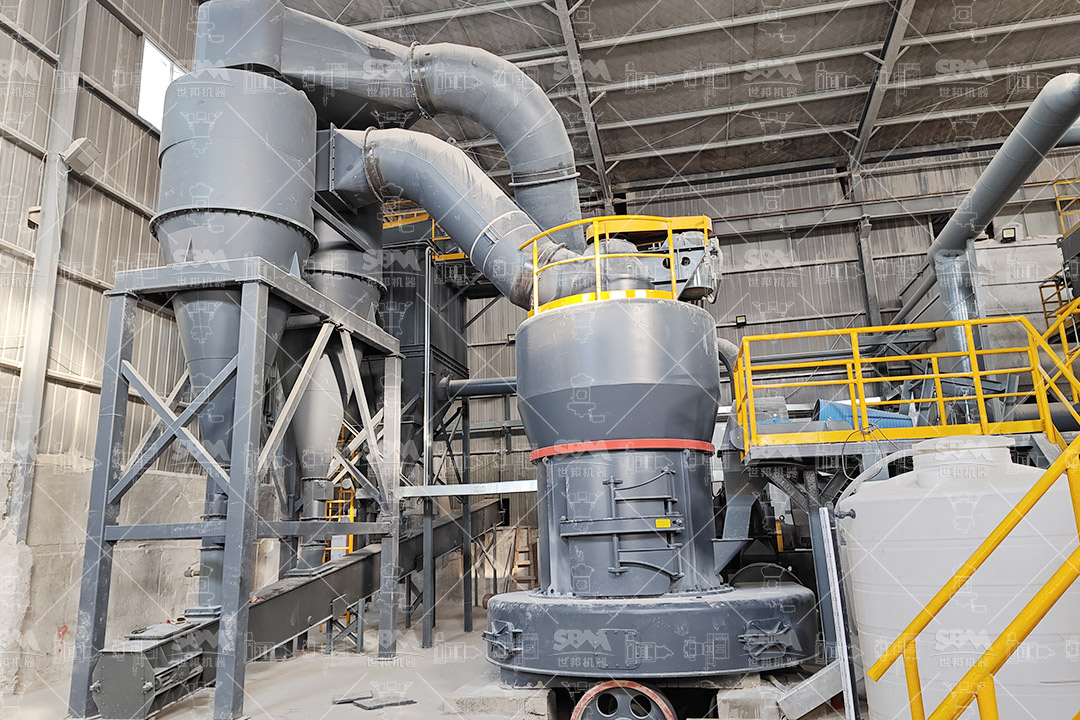
A successful plant relies on more than just the main mill. Key auxiliary systems include:
Building an efficient 150-mesh marble powder grinding plant requires a holistic approach that balances raw material properties, target capacity, product quality, and total operational cost. While several grinding technologies are viable, the MTW Series European Trapezium Mill stands out as a robust, efficient, and cost-optimized solution specifically engineered for this application. For operations prioritizing the ultimate in product uniformity and planning for future upgrades into ultrafine powders, the SCM Series Ultrafine Mill represents the cutting edge in grinding and classification technology. Careful selection of this core equipment, integrated with a well-designed system of crushers, feeders, and dust collectors, will form the foundation of a productive and profitable marble powder processing facility.