Barite (barium sulfate) is a critical industrial mineral prized for its high density, chemical inertness, and brightness. Achieving a consistent 200-mesh (approximately 74 microns) product is a fundamental requirement for many applications, including oil & gas drilling fluids, paints, coatings, plastics, and rubber. A well-designed production line is essential to ensure product quality, operational efficiency, and cost-effectiveness. This article outlines the core process flow and key equipment considerations for a modern 200-mesh barite powder production line, highlighting optimal technological solutions.
The production of 200-mesh barite powder typically follows a sequential process of size reduction, classification, and collection. The general flow can be summarized as follows:
| Stage | Primary Function | Typical Equipment | Output Size Target |
|---|---|---|---|
| 1. Primary Crushing | Reduce raw ore (0-300mm) to manageable size | Jaw Crusher | <50mm |
| 2. Secondary Crushing / Pre-grinding | Further reduce feed size for grinding mill | Hammer Mill, Impact Crusher | <20mm |
| 3. Grinding & Classification | Pulverize material to target fineness and separate fines | Raymond Mill, Vertical Roller Mill, Ball Mill | 200 mesh (74μm) |
| 4. Powder Collection | Collect finished product from air stream | Cyclone Separator, Pulse Bag Dust Collector | Final Product |
| 5. Storage & Packaging | Store and package finished powder | Silo, Packing Machine | Market-ready |
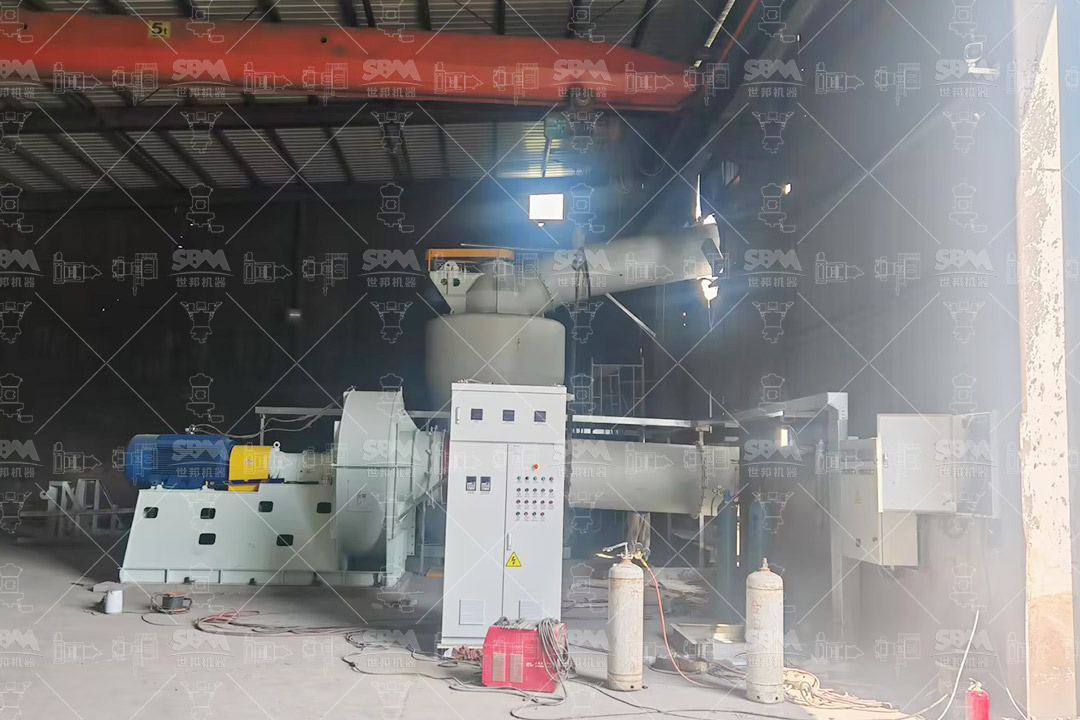
The heart of the production line is the grinding and classification stage. For a 200-mesh product, the equipment must offer precise particle size control, high throughput, and low energy consumption.
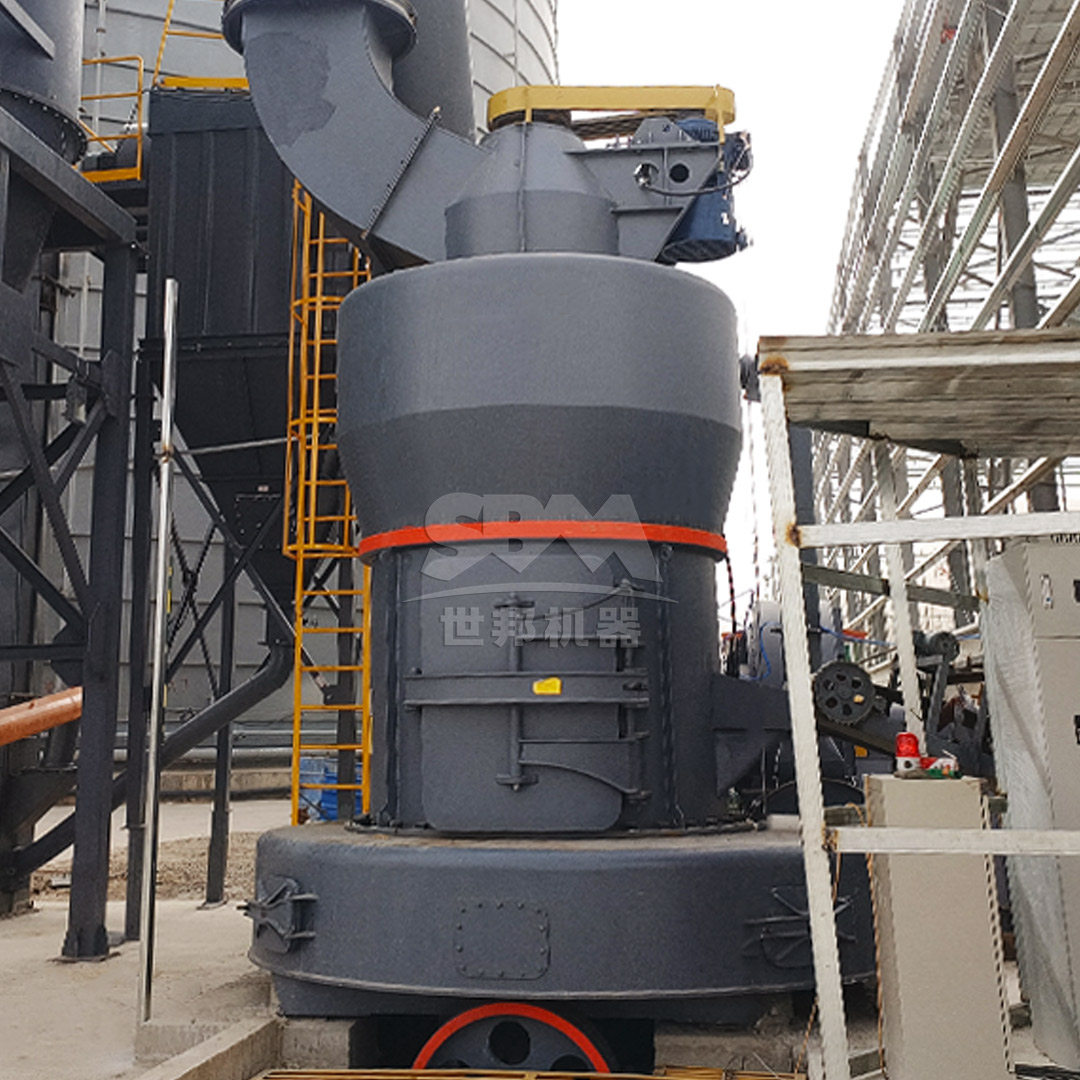
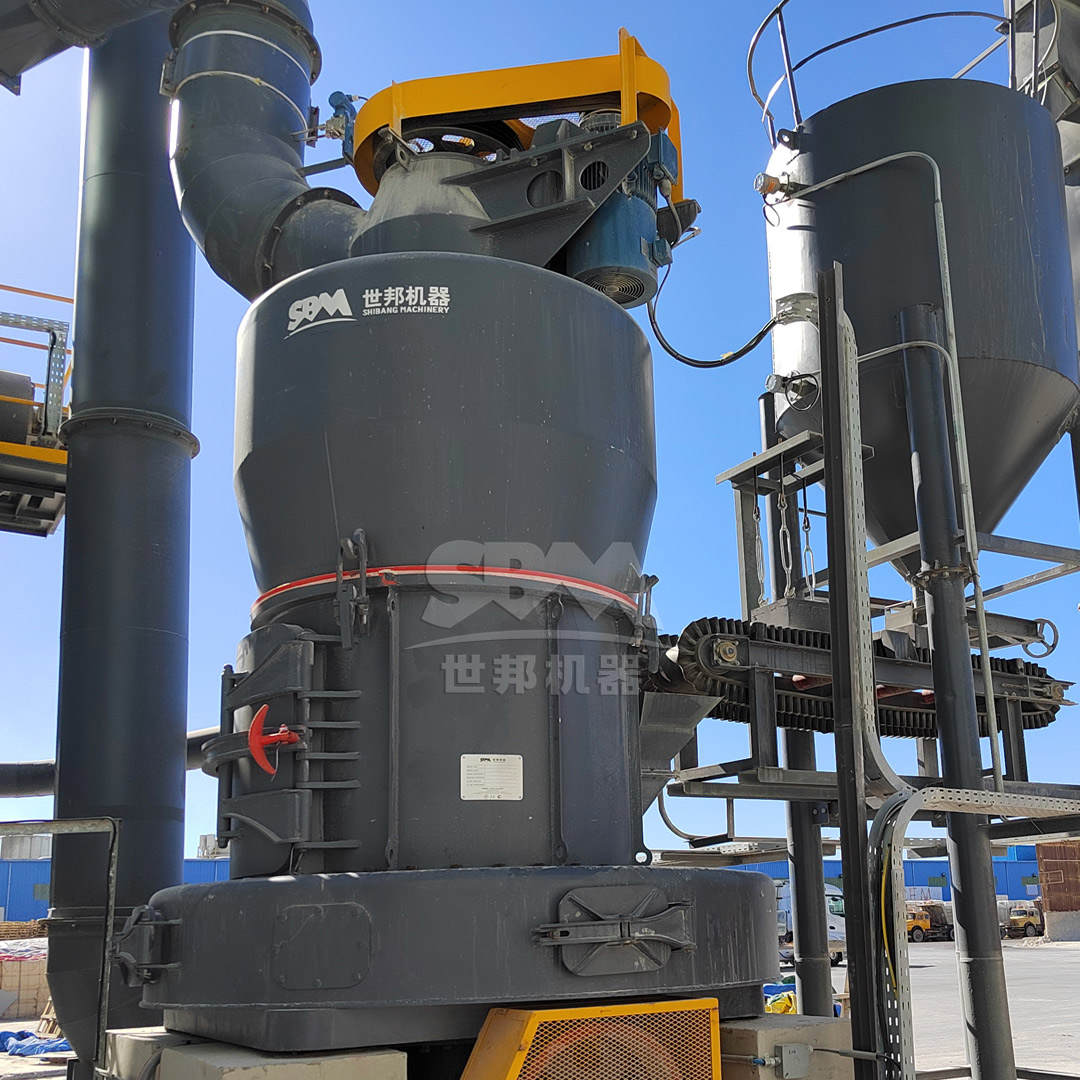
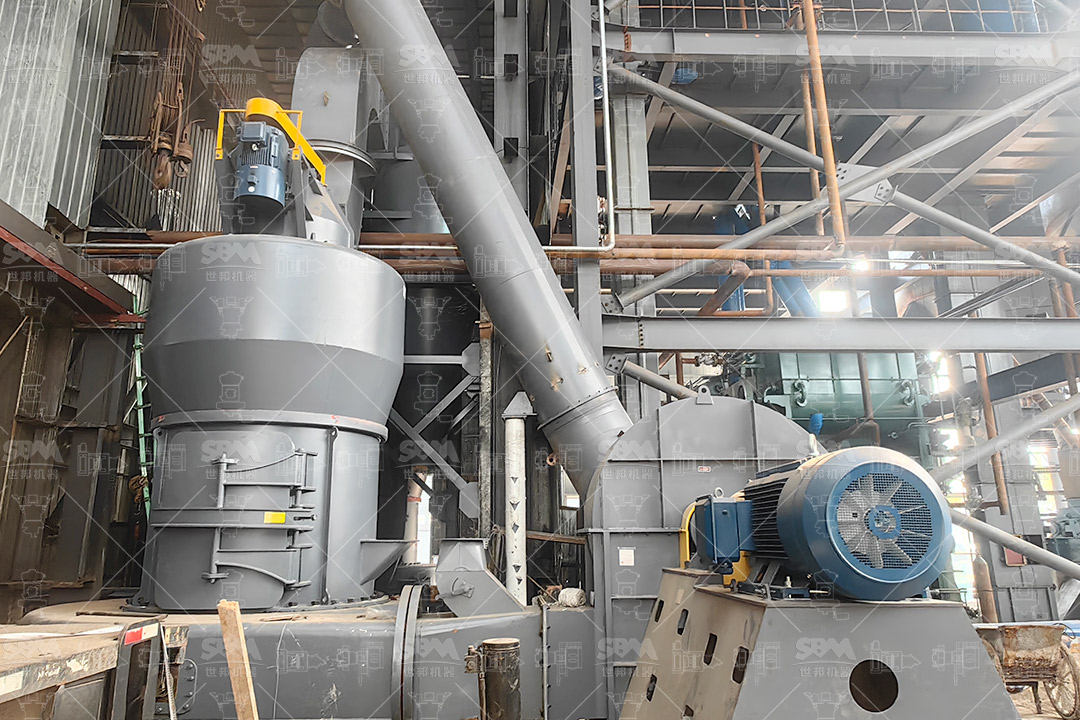
Selecting the right grinding mill is paramount. Several mill types are capable of producing 200-mesh barite powder, each with its own advantages.
For producing 200-mesh barite powder, the MTW Series European Trapezium Mill represents an excellent and widely adopted solution. Its design is particularly well-suited for mid-range fineness applications like 200 mesh (30-325 mesh range).
Why MTW Mill is Ideal for 200 Mesh Barite:
For a production line targeting 200 mesh with capacities ranging from 3 to 45 tons per hour, the MTW Series offers models like the MTW138Z (6-17 t/h) or MTW175G (9.5-25 t/h) that provide an optimal balance of performance, energy efficiency, and operational cost.
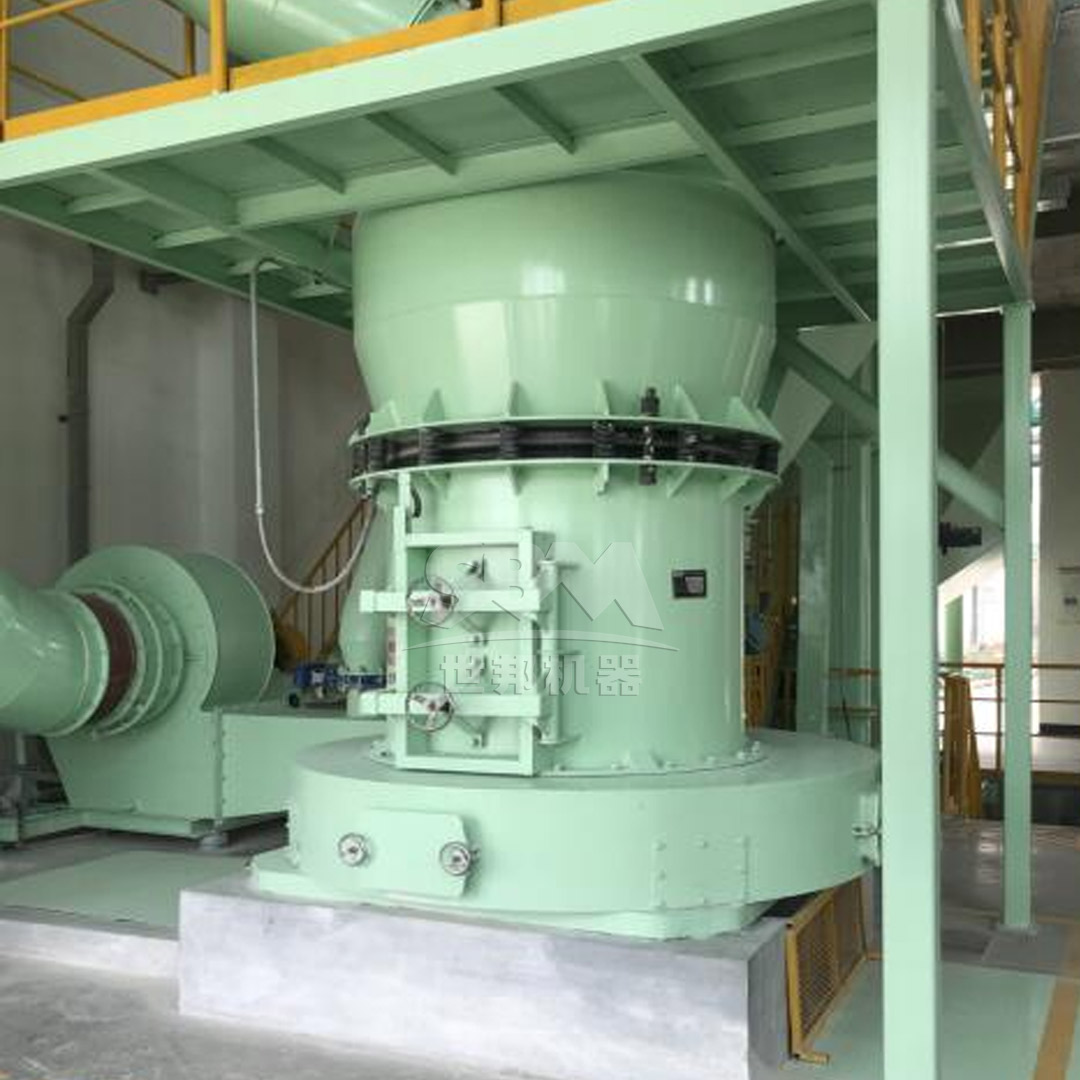
The LM Series Vertical Roller Mill is another powerful contender, especially for larger-scale production lines. It integrates crushing, grinding, drying, and classification in a single unit.
Advantages for Barite Grinding:
Ball mills are a traditional and reliable technology for grinding barite. They are highly versatile and can produce a wide range of fineness. For a dedicated 200-mesh line, they are sometimes used in closed circuit with classifiers. However, they generally have higher energy consumption per ton compared to advanced roller mills and require more infrastructure.
A successful production line depends on more than just the main mill.
A two-stage crushing system is standard. A jaw crusher performs primary crushing, followed by a hammer mill or impact crusher to achieve the optimal feed size (typically <20mm) for the grinding mill, ensuring maximum grinding efficiency.
While mills like the MTW and LM have internal classifiers, external cyclone separators and pulse-jet baghouse dust collectors are critical. They ensure high product collection efficiency (>99.9%), protect the environment, and allow for the recovery of valuable product. Modern pulse dust collectors with automatic cleaning are essential for continuous operation.
An intelligent control system is key to stable quality and efficiency. It should monitor and regulate feed rate, grinding pressure (for roller mills), classifier speed, and fan airflow. Automation reduces manual intervention, minimizes human error, and ensures the product consistently meets the 200-mesh specification.
To maintain consistent 200-mesh quality, several factors must be controlled:
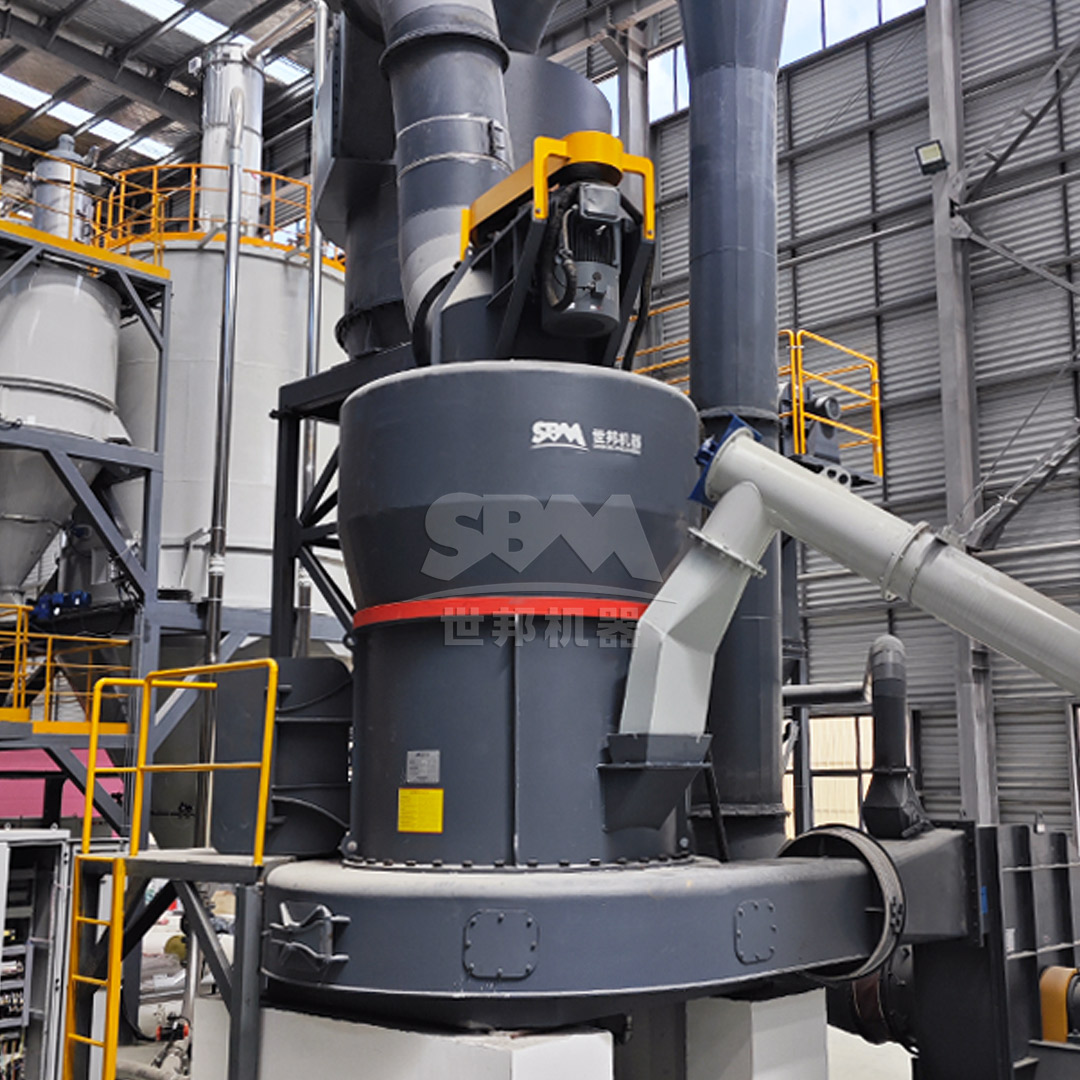
For producers looking to create higher-value barite products with fineness beyond 325 mesh (e.g., for premium paints or plastics fillers), the SCM Series Ultrafine Mill is the ideal technology. While over-qualified for a standard 200-mesh product, it represents the next step in product development.
This mill is engineered to produce powders in the range of 325 to an impressive 2500 mesh (5μm). Its core advantages include a high-precision vertical turbine classifier that ensures sharp particle size cuts without coarse powder mixing, and a high-efficiency, energy-saving design that offers capacity double that of some jet mills with 30% lower energy consumption. If your market strategy includes diversifying into ultrafine barite powders, integrating the SCM Series Ultrafine Mill provides a formidable technological edge.
Establishing an efficient and reliable 200-mesh barite powder production line requires careful selection of technology centered on a robust grinding and classification system. For most operations targeting this specific fineness, the MTW Series European Trapezium Mill stands out as a proven, efficient, and cost-effective core solution, offering the perfect balance of precision, durability, and capacity. For larger-scale or moisture-sensitive projects, the LM Series Vertical Roller Mill offers superior energy efficiency and integration. Ultimately, a successful line combines the right main equipment with optimized crushing, collection, and intelligent control systems to ensure consistent product quality and long-term profitability in the competitive barite market.