February 21, 2026
Introduction
Producing high-quality 200-mesh gypsum powder is a cornerstone process for industries ranging from construction and building materials to agriculture and pharmaceuticals. Achieving consistent fineness, high throughput, and operational efficiency requires a carefully designed production line with the right selection of equipment. This guide provides a comprehensive overview of the key stages in a 200-mesh gypsum powder production line and offers detailed insights into the core equipment, with a focus on grinding technology.
Production Line Process Overview
A typical gypsum powder production line consists of several interconnected stages:
- Raw Material Crushing: Large gypsum rocks are reduced to a manageable size (typically ≤30mm) using primary crushers like jaw crushers or hammer mills.
- Pre-homogenization & Storage: Crushed material is stockpiled to ensure consistent feed quality for the subsequent grinding process.
- Grinding (The Core Stage): The pre-crushed gypsum is fed into a grinding mill to be pulverized to the target fineness of 200 mesh (approximately 74 microns). This is the most critical and energy-intensive part of the line.
- Classification: The ground powder is separated by an integrated or external classifier. Particles meeting the 200-mesh specification proceed, while oversized particles are returned to the mill for further grinding.
- Calcination (If Required): For producing plaster of Paris (stucco) or other modified gypsum products, the powder may be calcined in a kettle or rotary calciner.
- Dust Collection & Packaging: A high-efficiency dust collection system captures airborne particles, ensuring a clean plant environment and maximizing product yield. The finished powder is then packaged or stored in silos.
| Process Stage |
Key Equipment |
Primary Function |
| Primary Crushing |
Jaw Crusher, Hammer Mill |
Reduce raw gypsum size to ≤30mm |
| Grinding |
Raymond Mill, Vertical Roller Mill, Ultrafine Mill |
Pulverize material to target fineness (e.g., 200 mesh) |
| Classification |
Dynamic Classifier, Cyclone Separator |
Separate fine product from coarse material for regrinding |
| Calcination |
Rotary Calciner, Kettle |
Dehydrate gypsum to produce hemihydrate or anhydrite |
| Dust Collection |
Pulse Bag Filter, Cyclone Collector |
Capture fine particles, ensure environmental compliance |
Core Equipment: The Grinding Mill
The selection of the grinding mill is paramount for determining the final product quality, energy consumption, and overall operational cost. For a 200-mesh gypsum powder specification, several mill types are applicable.
1. Raymond Mill (MTW Series European Trapezium Mill)
A traditional and widely used choice for medium-fine grinding. Modern versions like the MTW Series European Trapezium Mill offer significant improvements in efficiency and durability.
- Optimal Fineness Range: 30-325 mesh, perfectly encompassing the 200-mesh target.
- Advantages: Mature technology, stable operation, relatively lower initial investment, and easy maintenance. The MTW series features an integral bevel gear drive for high transmission efficiency and an optimized air duct system for energy savings.
- Considerations: May have higher energy consumption per ton compared to newer vertical mill designs for larger capacity requirements.
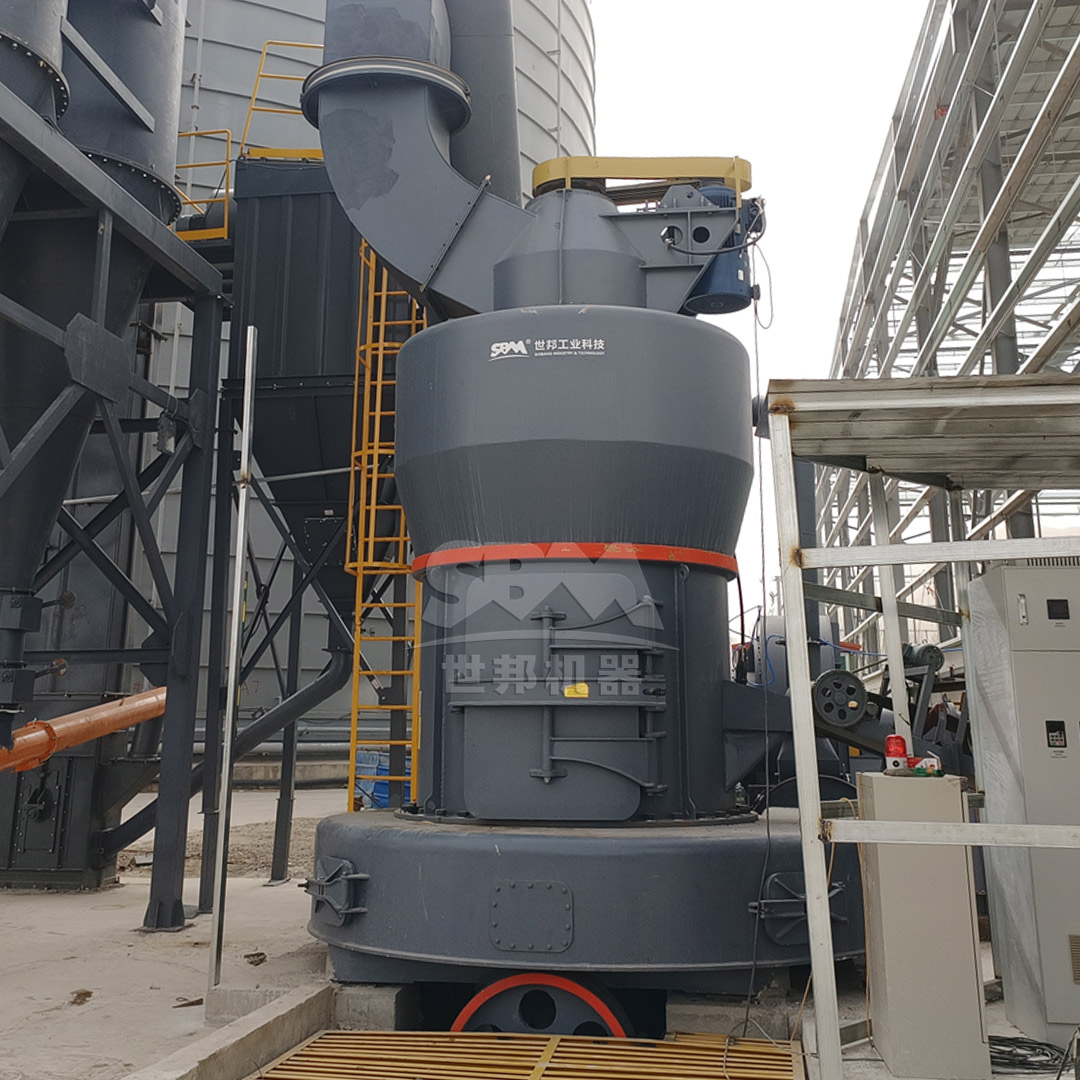
2. Vertical Roller Mill (LM Series)
This has become the preferred technology for large-scale gypsum powder production due to its outstanding energy efficiency.
- Optimal Fineness Range: 30-325 mesh (can reach 600 mesh for special models).
- Advantages: Integrated grinding, drying, and classification in a single unit. It boasts 30-40% lower energy consumption than traditional ball mills, lower noise levels, and a compact footprint. Its ability to handle moist material with integrated drying is a major benefit.
- Considerations: Higher initial investment and more complex maintenance procedures for the grinding rollers and table.
3. Ultrafine Mill (SCM Series)
For producers aiming for higher-value gypsum products or requiring the flexibility to produce finer powders beyond 200 mesh, the SCM Series Ultrafine Mill is an excellent solution.
- Optimal Fineness Range: 325-2500 mesh. It can easily and efficiently produce 200-mesh powder while offering the capability to grind much finer if needed.
- Advantages: Exceptional for producing high-purity, uniform powders. It features a high-precision turbine classifier that ensures no coarse particles are mixed into the final product. Its grinding chamber design and special material rollers enhance durability.
- Considerations: Higher investment cost focused on achieving ultra-fine capabilities.
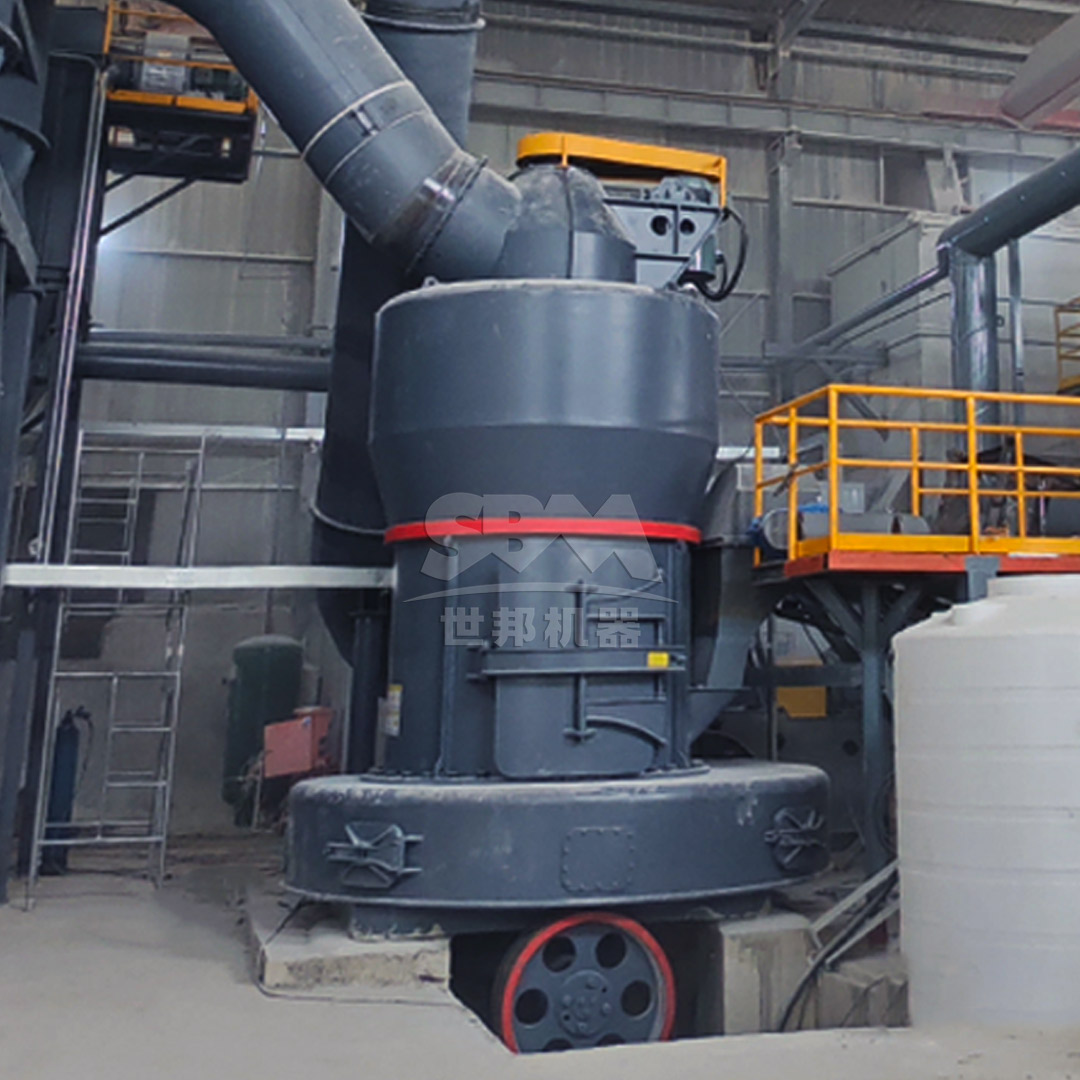
Product Recommendation: SCM Series Ultrafine Mill
For investors seeking a future-proof and high-performance solution for 200-mesh gypsum production with the potential for product diversification, we highly recommend our SCM Series Ultrafine Mill.
This mill is engineered to deliver superior performance where it matters most:
- High Efficiency & Energy Saving: Its innovative grinding mechanism achieves a capacity twice that of jet mills while consuming 30% less energy, directly lowering your operational costs.
- Precise Product Control: The vertical turbine classifier provides exact particle size cutting. For 200-mesh production, this means a consistently on-spec product with a narrow particle size distribution and excellent uniformity, which is critical for downstream applications like gypsum board production.
- Robust and Low Maintenance: Constructed with special wear-resistant materials for rollers and grinding rings, the SCM mill significantly extends service life and reduces downtime for part replacement.
| Model |
Capacity (t/h)* |
Main Power (kW) |
Output Fineness |
| SCM800 |
0.5 – 4.5 |
75 |
325 – 2500 mesh |
| SCM900 |
0.8 – 6.5 |
90 |
| SCM1000 |
1.0 – 8.5 |
132 |
| SCM1250 |
2.5 – 14 |
185 |
| SCM1680 |
5.0 – 25 |
315 |
*Capacity depends on material characteristics and final fineness.
Product Recommendation: MTW Series European Trapezium Mill
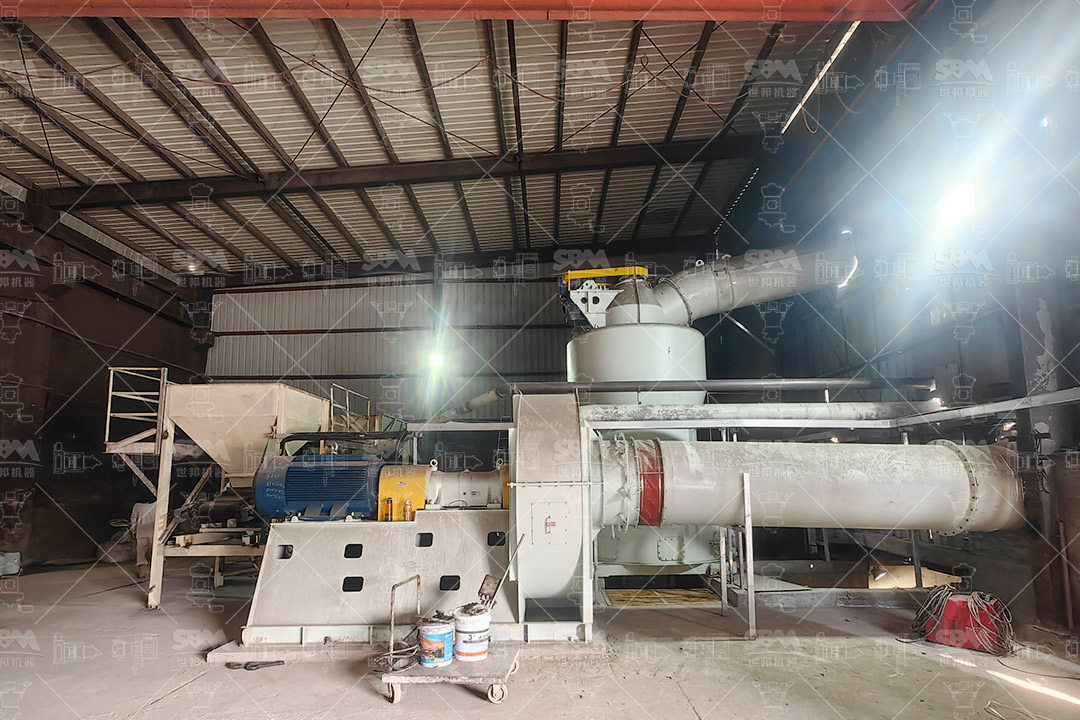
For operations prioritizing proven reliability, ease of maintenance, and cost-effectiveness for dedicated 200-mesh production, our MTW Series European Trapezium Mill is the ideal workhorse.
This mill combines traditional Raymond mill principles with modern European technological advancements:
- Durable, Low-Cost Operation: Its patented anti-wear shovel design and wear-resistant volute structure directly reduce maintenance frequency and costs by up to 30%.
- Energy Efficient Transmission: The integral bevel gear drive achieves up to 98% transmission efficiency, saving space and reducing power losses compared to traditional worm gear systems.
- Stable Quality Output: The curved air duct and efficient classifier ensure stable grinding conditions and consistent product fineness at 200 mesh.
Auxiliary Equipment Selection
A successful production line relies on well-matched auxiliary equipment.
- Feeder: Vibrating or screw feeders ensure a stable and controlled feed rate into the mill, which is crucial for stable grinding operation and product consistency.
- Classifier: While often integrated, an independent high-efficiency dynamic classifier can provide even tighter control over the top-size of the 200-mesh product.
- Dust Collector: A pulse-jet baghouse filter is essential. It must be correctly sized to handle the air volume from the mill, with a collection efficiency of 99.9% to meet environmental standards and recover valuable product.
- Packing Machine: For bagged products, an automatic valve bagger with weighing system ensures accurate and efficient packaging.
Conclusion
Designing an efficient 200-mesh gypsum powder production line requires a holistic approach, balancing process knowledge with intelligent equipment selection. The core decision revolves around the grinding mill. For versatile, high-precision grinding with an eye on future product development, the SCM Series Ultrafine Mill offers unparalleled performance. For robust, high-volume production focused on operational economy and reliability, the MTW Series European Trapezium Mill stands as a proven champion. By integrating these core grinders with correctly engineered auxiliary systems, producers can build a line that delivers optimal productivity, product quality, and long-term profitability.