Producing high-quality 200 mesh limestone powder is a cornerstone process for numerous industries, including construction, agriculture, plastics, and coatings. Achieving consistent fineness, high throughput, and operational efficiency requires a carefully designed production line with the right equipment. This comprehensive guide outlines the key stages of a 200 mesh limestone powder production line and provides detailed insights into selecting the optimal machinery for each step, ensuring profitability and product excellence.
A typical 200 mesh limestone powder production line consists of four main stages: primary crushing, secondary crushing & pre-grinding, fine grinding & classification, and dust collection & packaging. The selection of equipment at each stage is interdependent and crucial for the final product’s quality and the line’s overall efficiency.
Large limestone blocks (≤1000mm) from the quarry are fed into a primary crusher, such as a jaw crusher, to reduce them to a manageable size, typically below 200-300mm. This stage focuses on high capacity and robust construction to handle abrasive raw material.
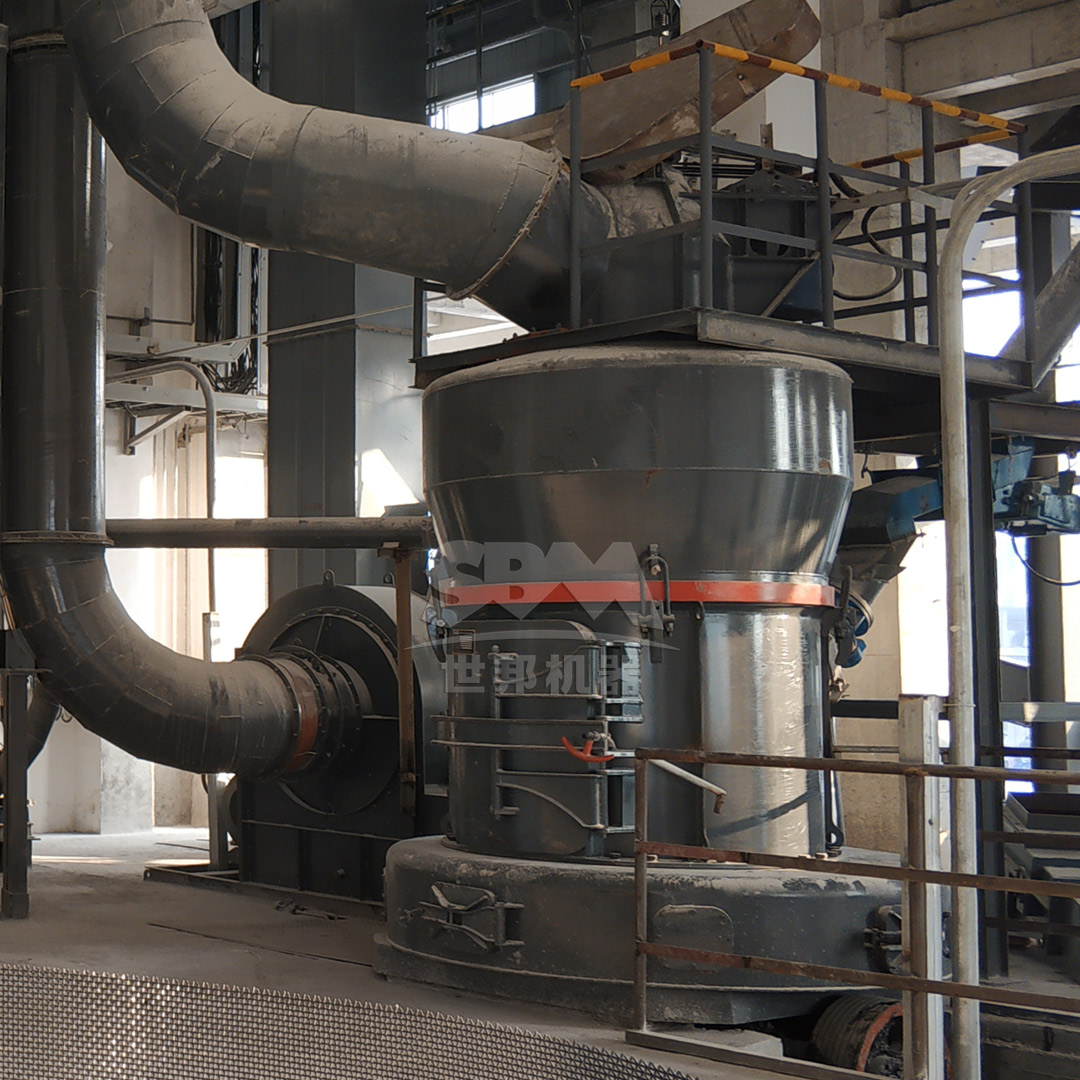
The coarsely crushed limestone is further reduced to a feed size suitable for the fine grinding mill (usually ≤20-50mm). Equipment like impact crushers, hammer mills, or cone crushers are used here. For higher efficiency, a Vertical Pre-grinding Roller Mill can be an excellent choice. For instance, our LM-Y series Vertical Pre-grinding Roller Mill utilizes a bed grinding principle, offering 30-50% lower energy consumption compared to traditional systems. Its integrated design and hydraulic roller system allow for quick maintenance and stable production of a well-graded intermediate product, perfectly preparing the material for the final grinding stage.
| Pre-grinding Mill Model | Grinding Table Diameter | Main Power (kW) | Capacity (t/h) | Max Feed Size |
|---|---|---|---|---|
| LM150Y | Φ1500mm | 280 | 6-10 | ≤20mm |
| LM340Y | Φ3400mm | 2500 | 80-100 | ≤20mm |
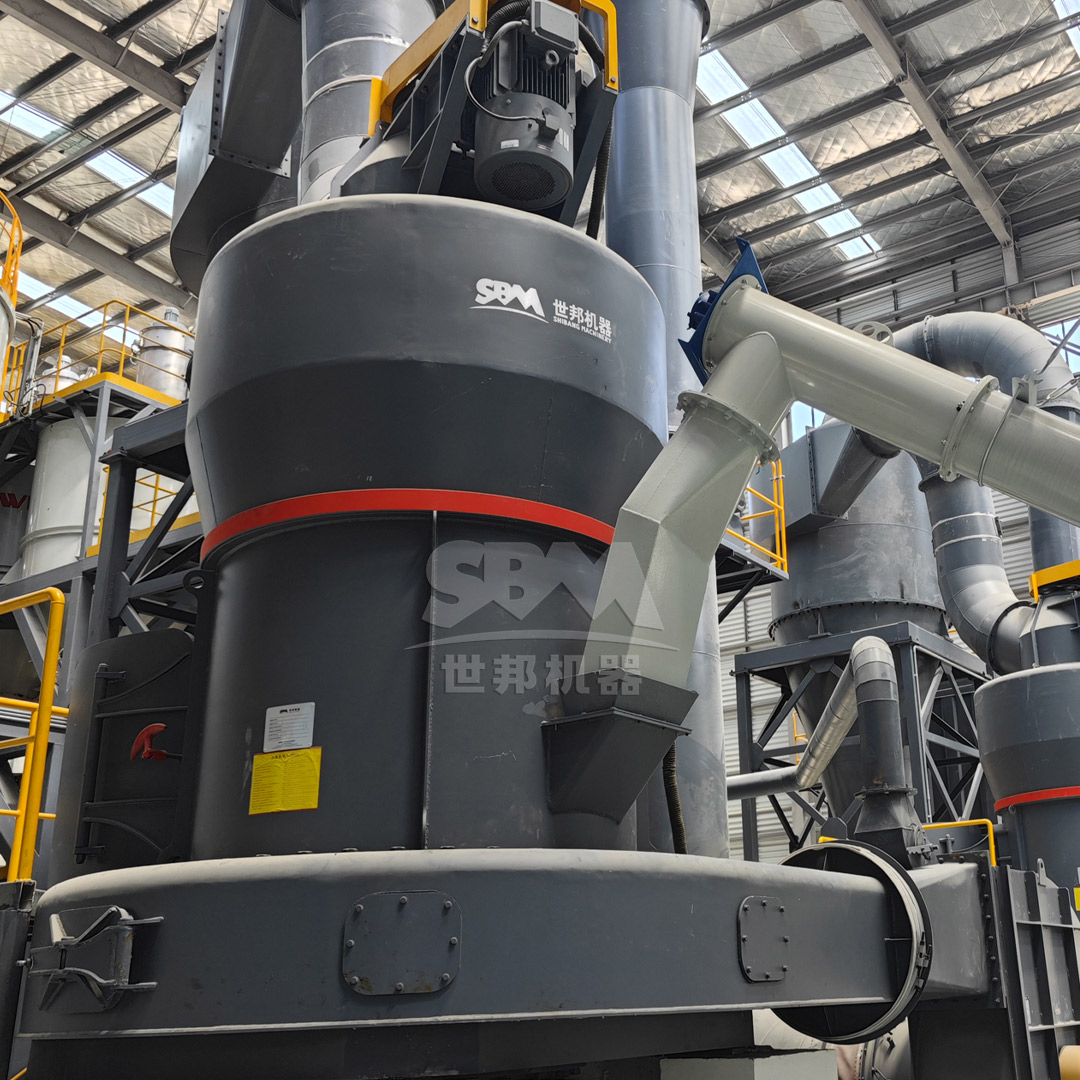
This is the most critical stage for achieving the target 200 mesh (74μm) fineness. The pre-ground material is fed into a fine grinding mill equipped with a high-precision classifier. The classifier acts as a gatekeeper, allowing only particles of the desired size to pass through as product, while oversized particles are returned for further grinding. For 200 mesh production, several mill types are applicable.
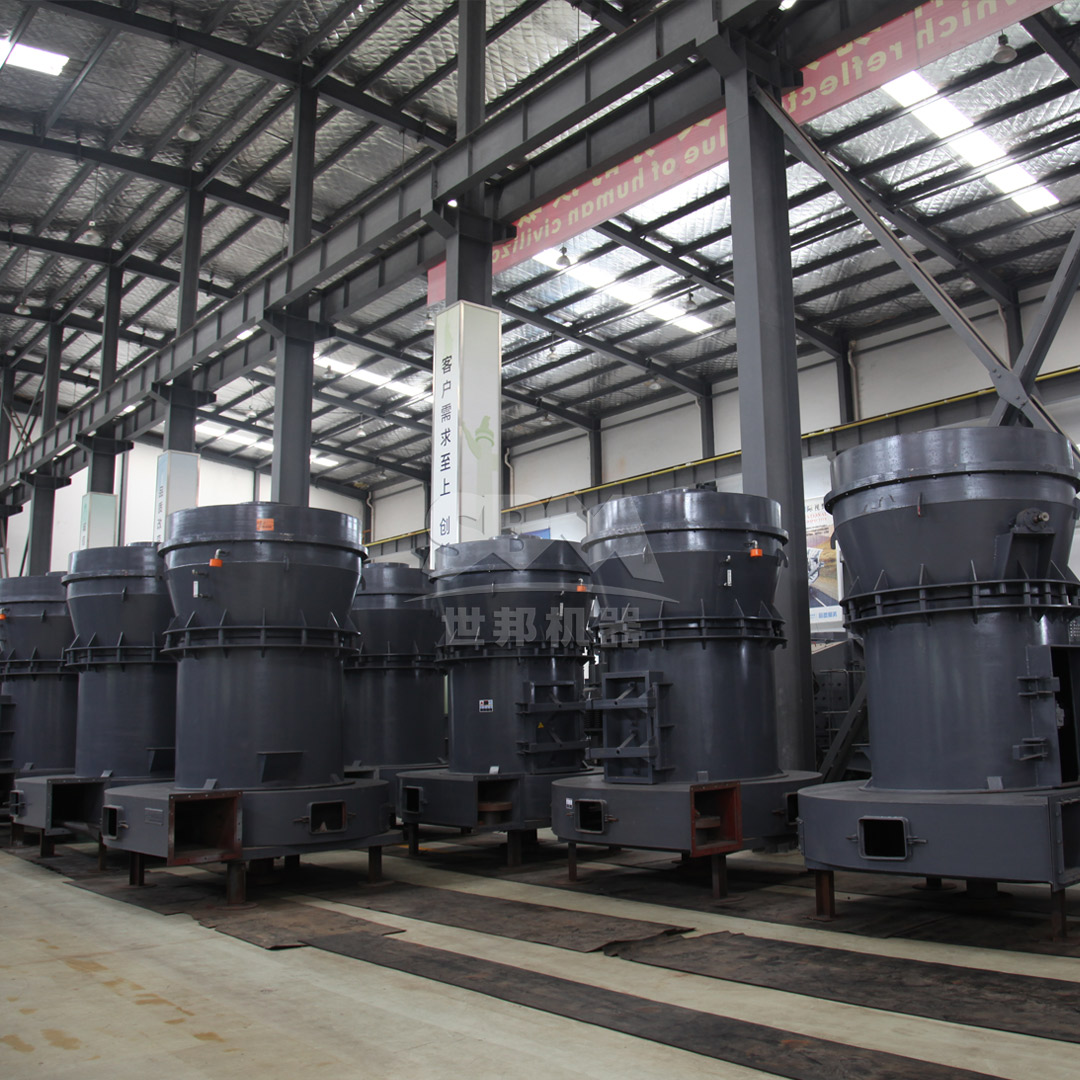
A high-efficiency pulse jet baghouse dust collector is essential to meet environmental standards and recover product. The collected fine powder is then conveyed to silos and finally packaged by automatic valve bag packers or bulk loaders.
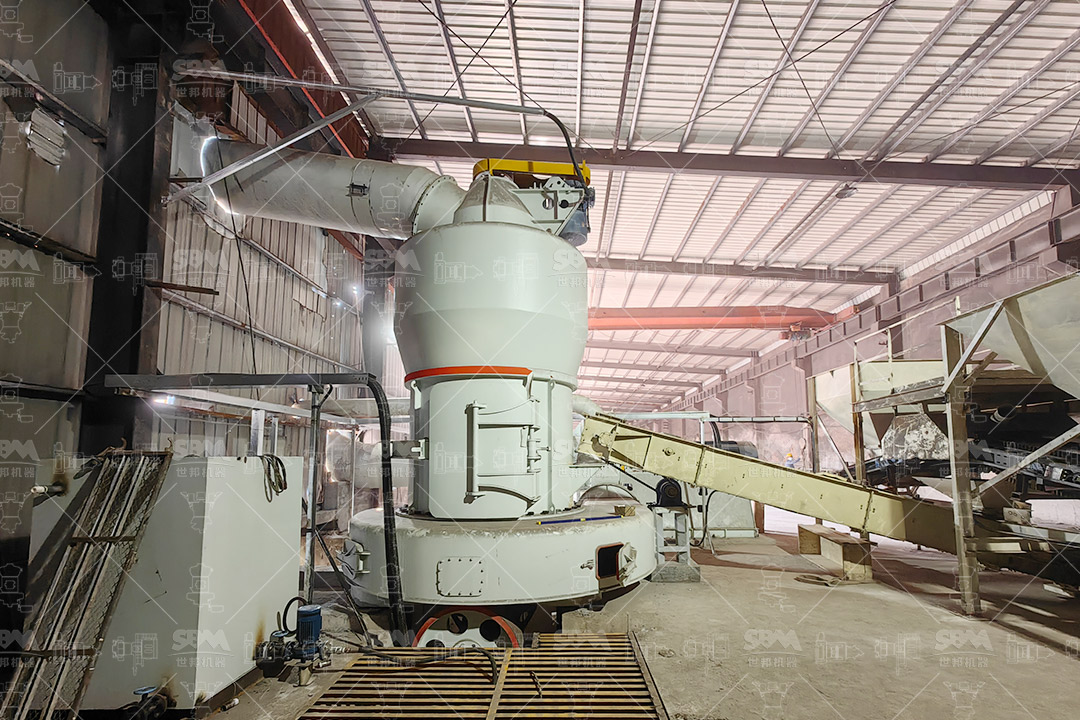
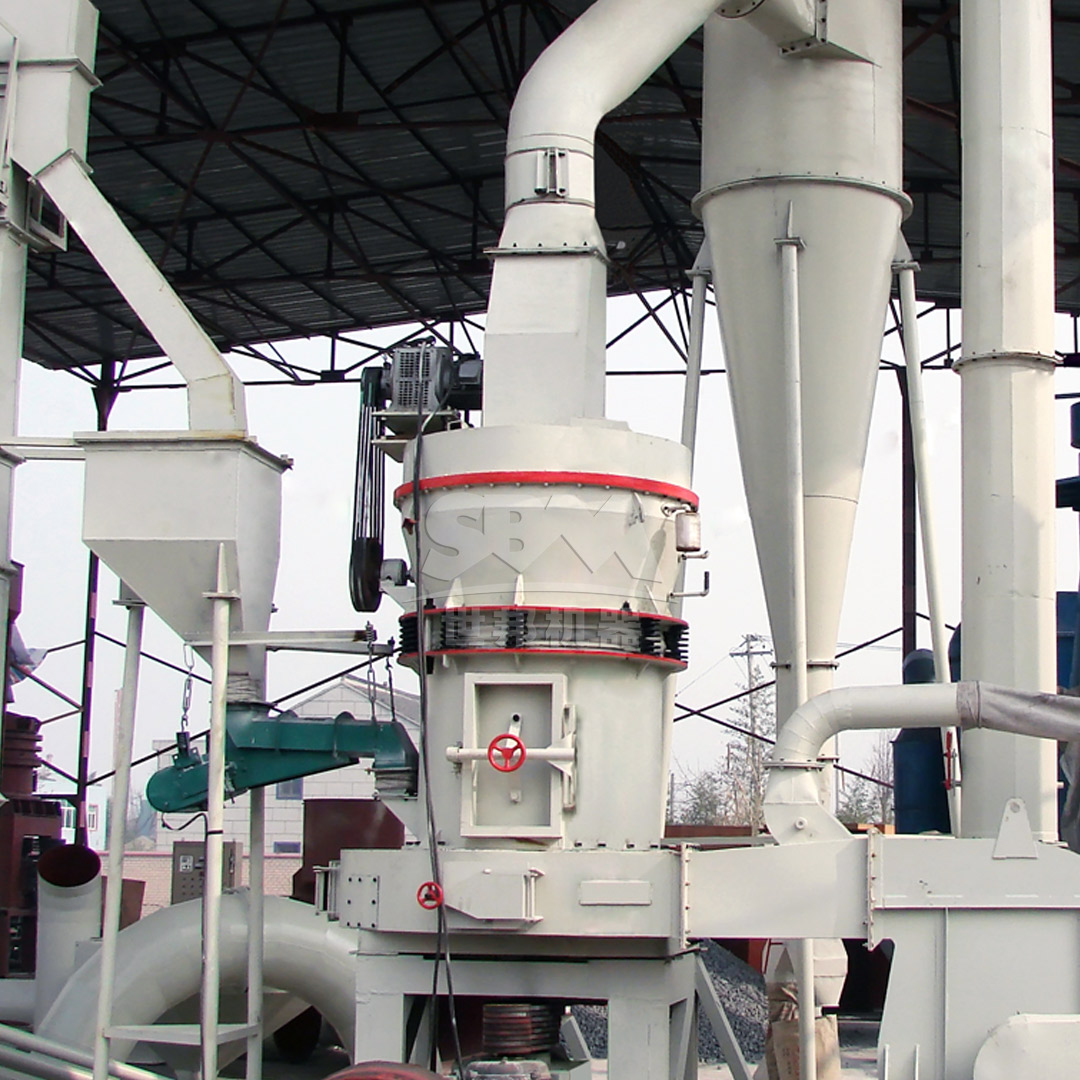
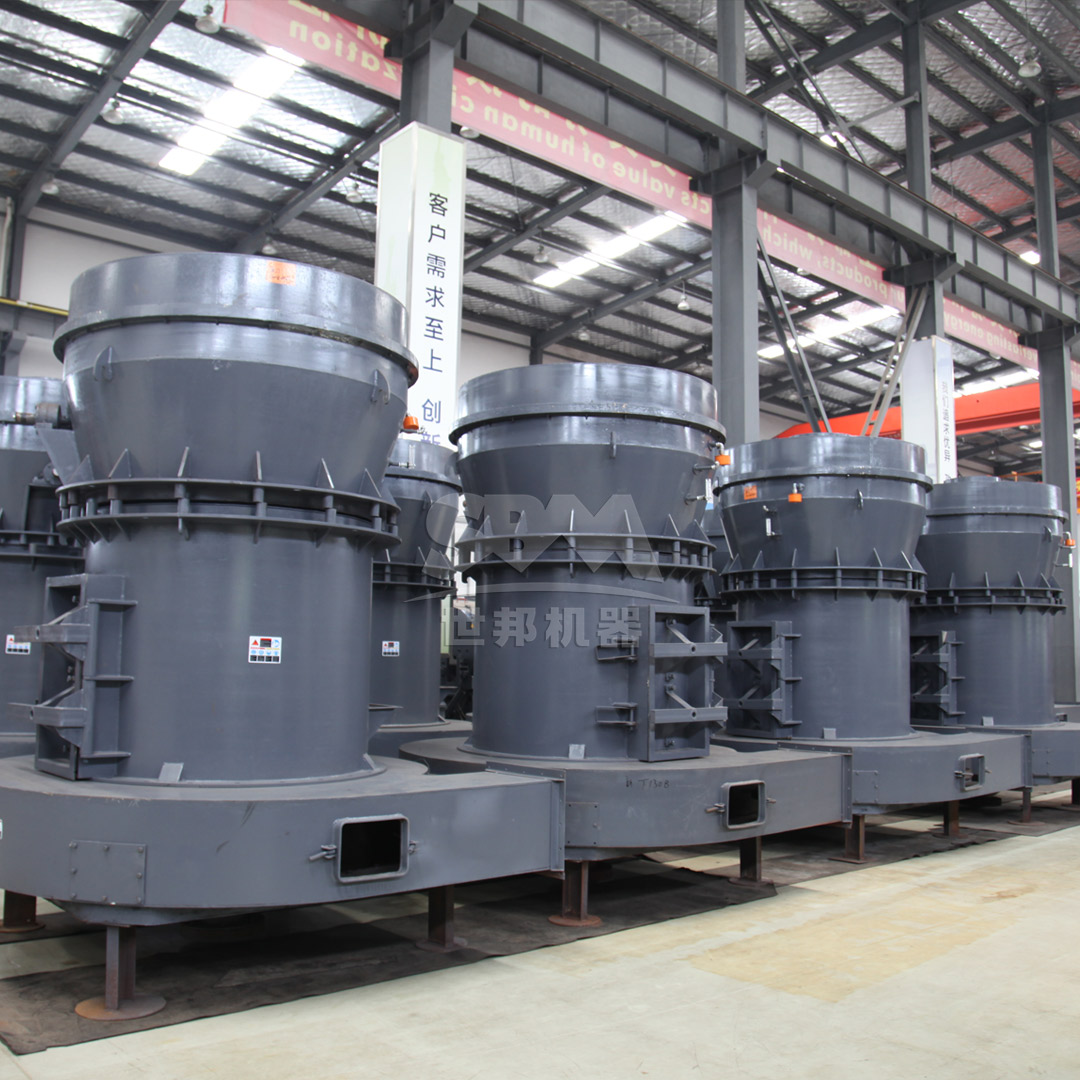
Based on efficiency, energy savings, and product quality, our MTW Series European Trapezium Mill stands out as a top recommendation for dedicated 200 mesh limestone powder production.
| Recommended Model | Capacity (t/h) for ~200 mesh | Main Power (kW) | Feed Size | Key Advantage |
|---|---|---|---|---|
| MTW175G | 9.5 – 25 | 160 | <40mm | Ideal balance of output and power for mid-scale plants |
| MTW215G | 15 – 45 | 280 | <50mm | High-capacity solution for large-scale production lines |
For projects requiring even finer powders or ultra-high efficiency in a compact design, our SCM Series Ultrafine Mill is another premier choice. Although capable of producing powder up to 2500 mesh, it is exceptionally efficient at the 200-400 mesh range. Its unique grinding chamber design and high-precision vertical turbine classifier yield products with excellent particle size distribution. The SCM series operates with 30% lower energy consumption than traditional jet mills and features a fully sealed, negative-pressure system for dust-free operation.
Designing a successful 200 mesh limestone powder production line hinges on a holistic approach that balances crushing efficiency, grinding precision, energy consumption, and environmental compliance. While various equipment combinations are possible, selecting technologically advanced core grinding machinery like the MTW Series European Trapezium Mill or the SCM Ultrafine Mill provides a foundation for high productivity, superior product quality, and long-term operational economy. A well-planned line, from primary crushing to final packaging, ensures your investment delivers consistent returns in the competitive limestone powder market.