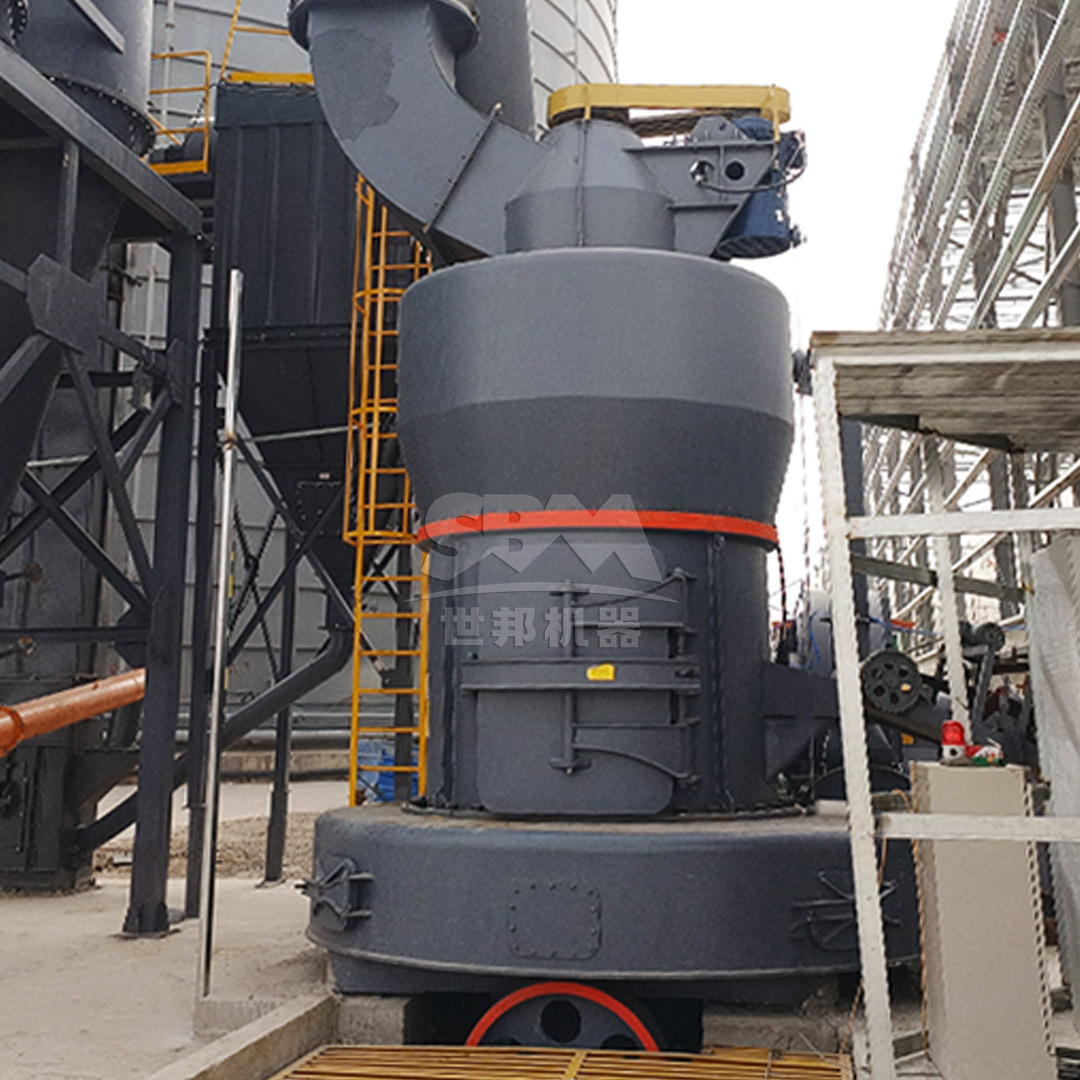
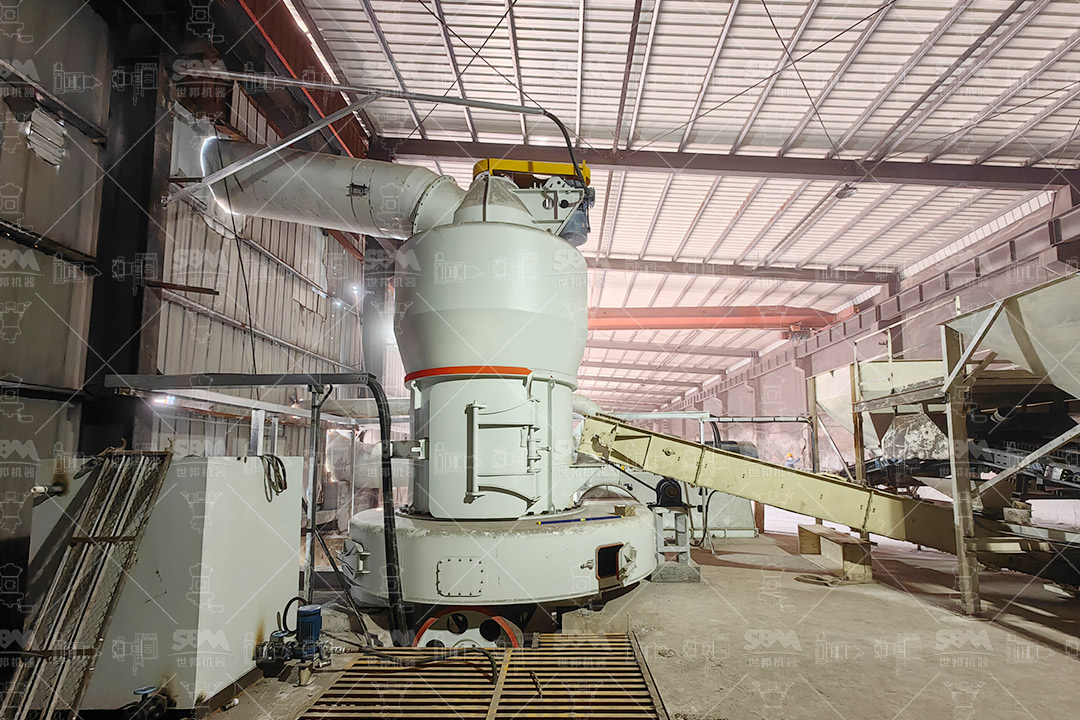
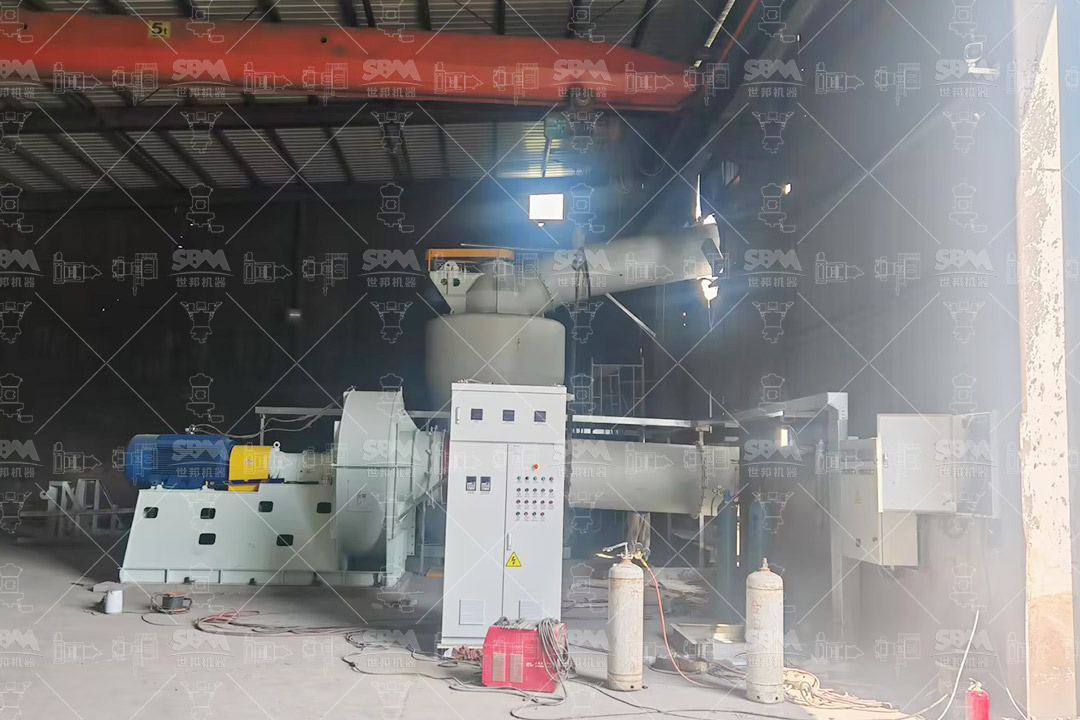
Bentonite grinding is a critical process in industries ranging from construction to pharmaceuticals. Optimizing mill operations for bentonite requires a combination of advanced equipment, process adjustments, and maintenance strategies. This article explores five scientifically validated methods to boost grinding efficiency while highlighting cutting-edge solutions from our product line.
| Technology | Energy Efficiency | Output Fineness | Maintenance Frequency |
|---|---|---|---|
| Ball Mill | Medium | 45-150μm | High |
| Raymond Mill | Low-Medium | 30-325 mesh | Medium |
| SCM Ultrafine Mill | High | 325-2500 mesh | Low |
Our SCM Ultrafine Mill demonstrates that maintaining feed size ≤20mm reduces grinding energy by 18-22%. The mill’s patented three-layer grinding ring design progressively refines material from coarse to fine particles, achieving D97≤5μm with 30% less energy than conventional systems.
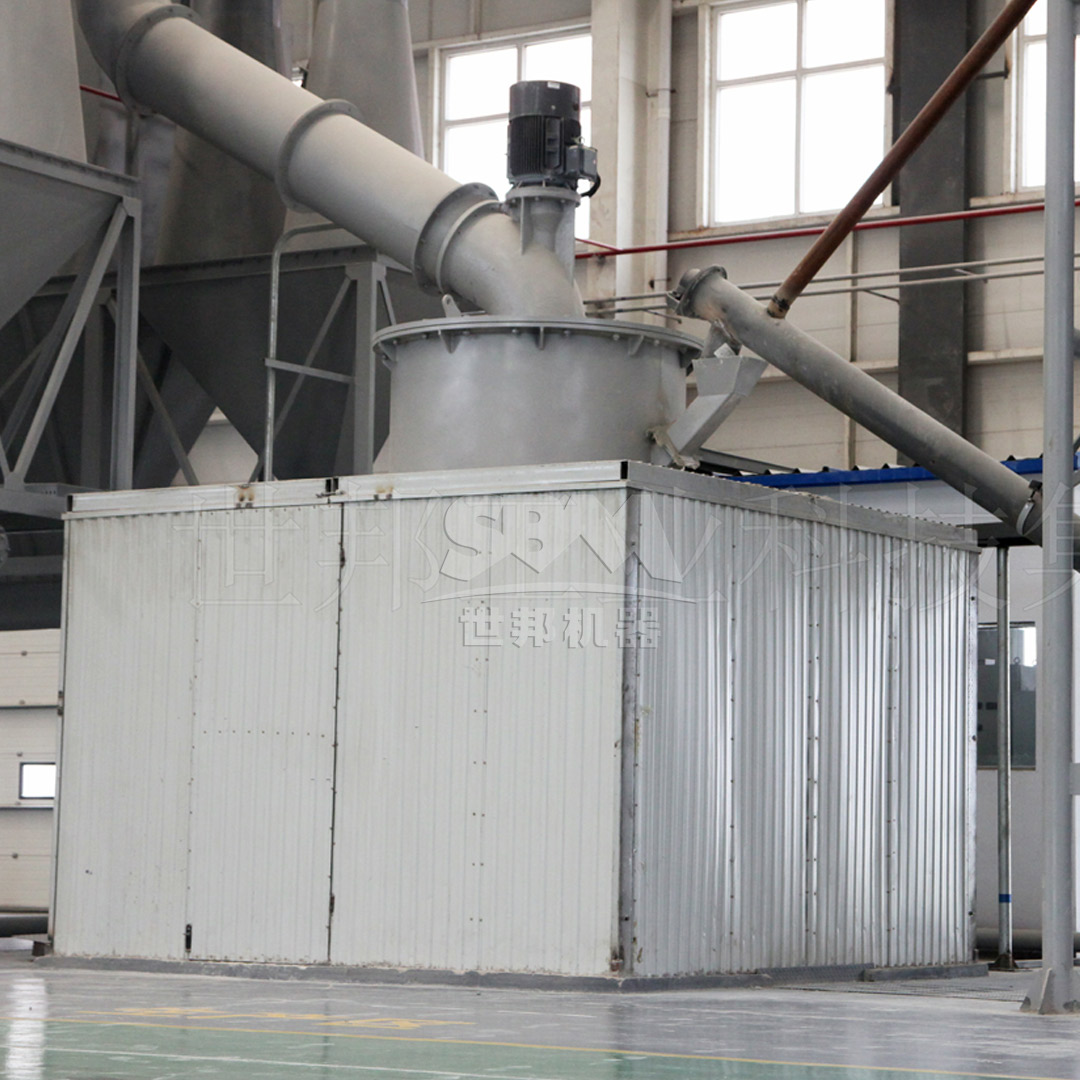
The integrated vertical turbine classifier in our SCM series eliminates coarse particle contamination through:
Our MTW Series Trapezium Mill features revolutionary wear solutions:
| Component | Material | Service Life | Replacement Cost |
|---|---|---|---|
| Grinding Roller | Alloy Steel 65Mn | 8,000-10,000 hrs | Reduced by 40% |
| Curved Blade | High-Chrome Composite | 12,000+ hrs | Reduced by 60% |
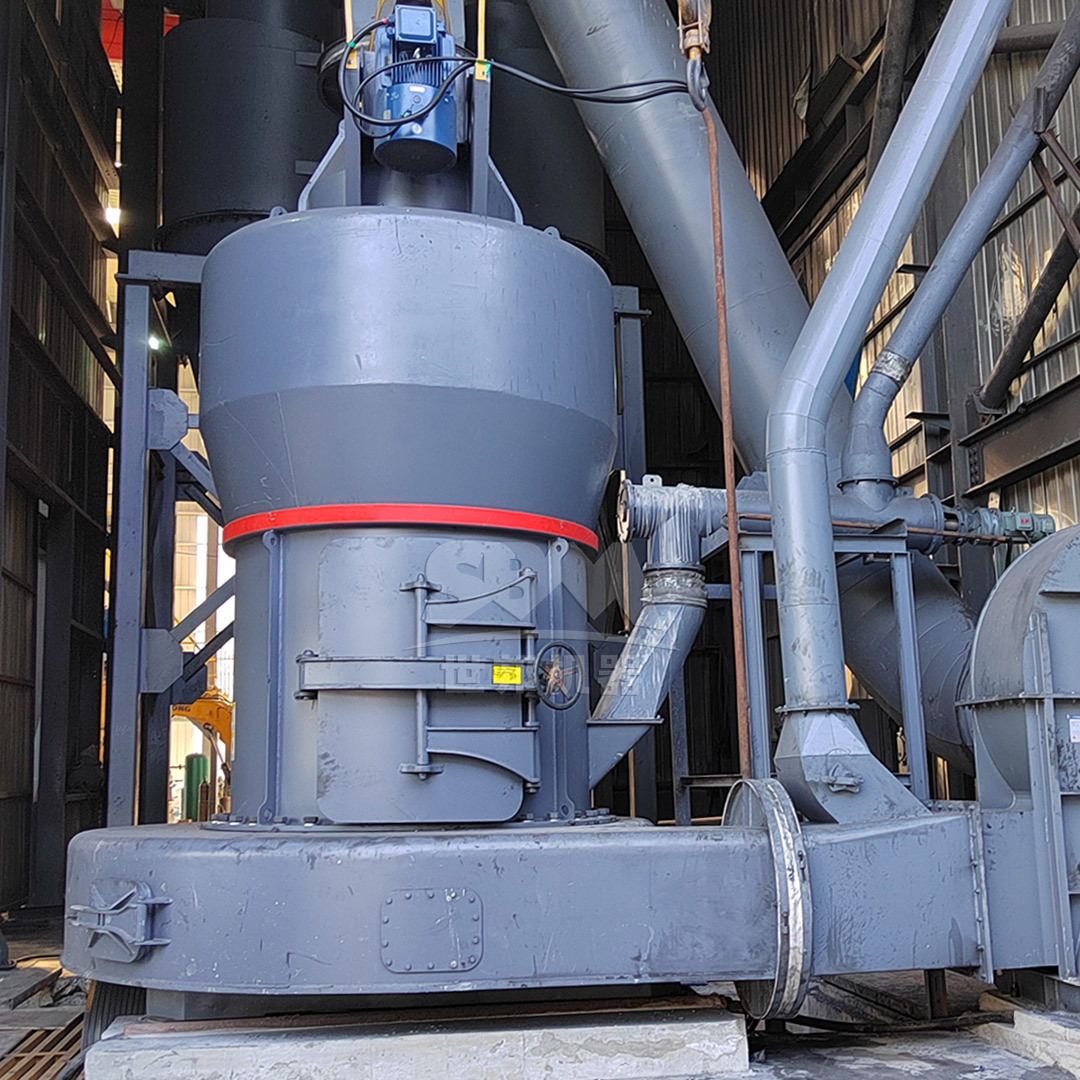
Both SCM and MTW mills incorporate AI-driven monitoring that:
Our mills achieve <10mg/m³ dust emissions through:
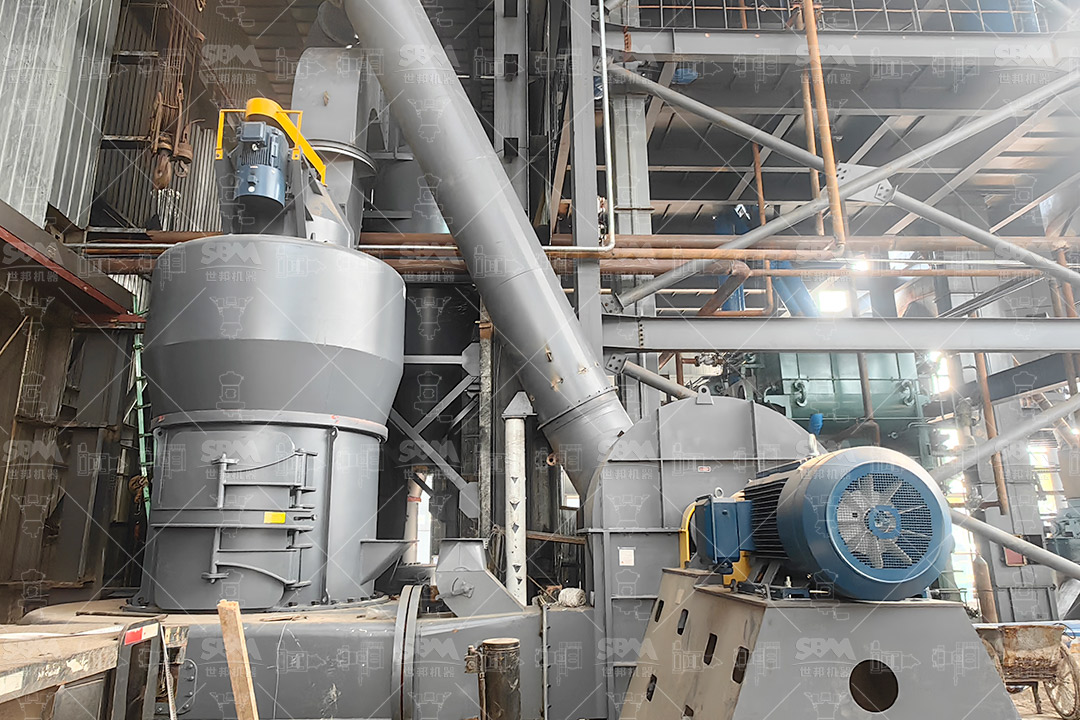
By implementing these five methods with our SCM Ultrafine Mill (for superfine applications) or MTW Series Trapezium Mill (for high-capacity operations), operators can achieve:
Contact our technical team to select the ideal grinding solution for your bentonite processing requirements.