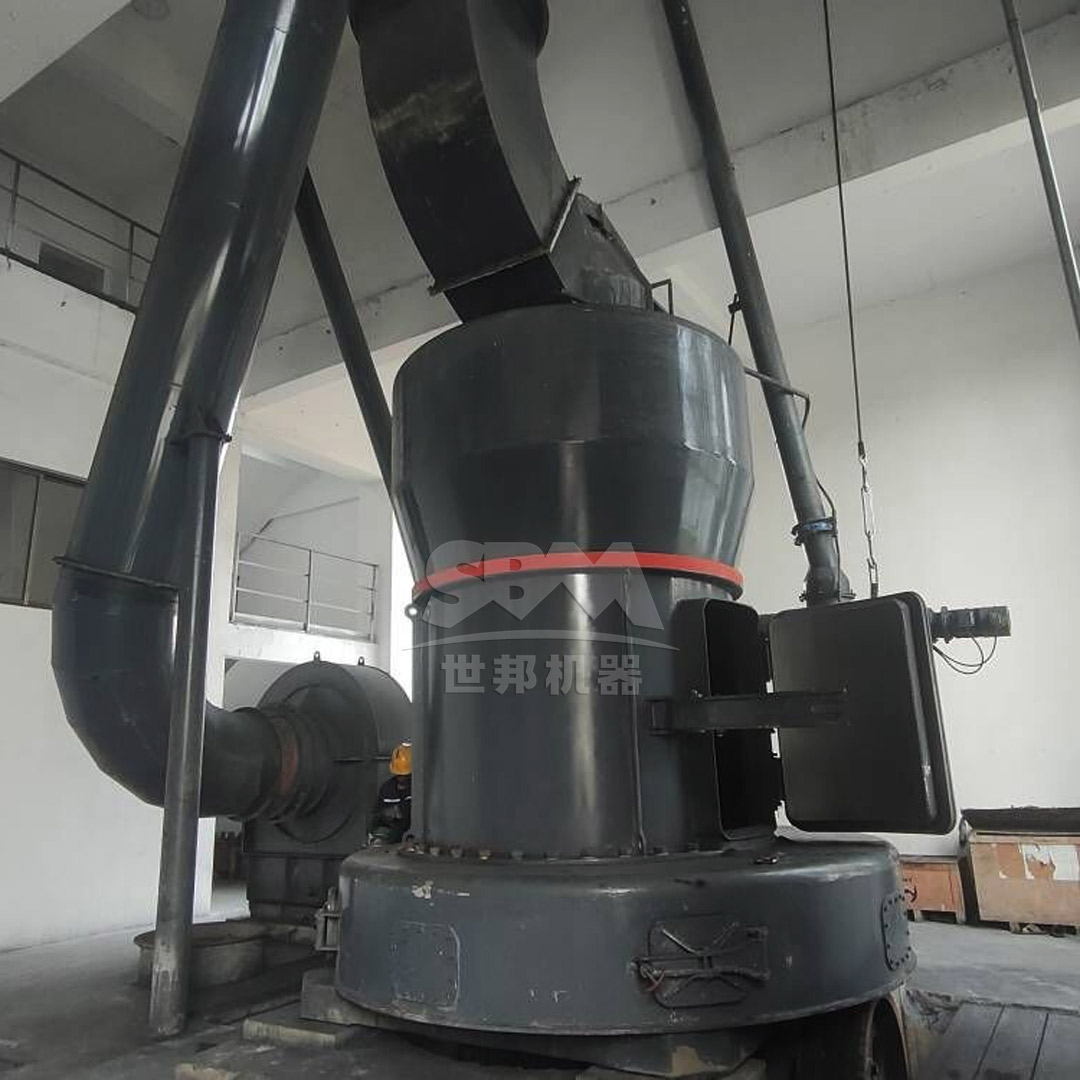
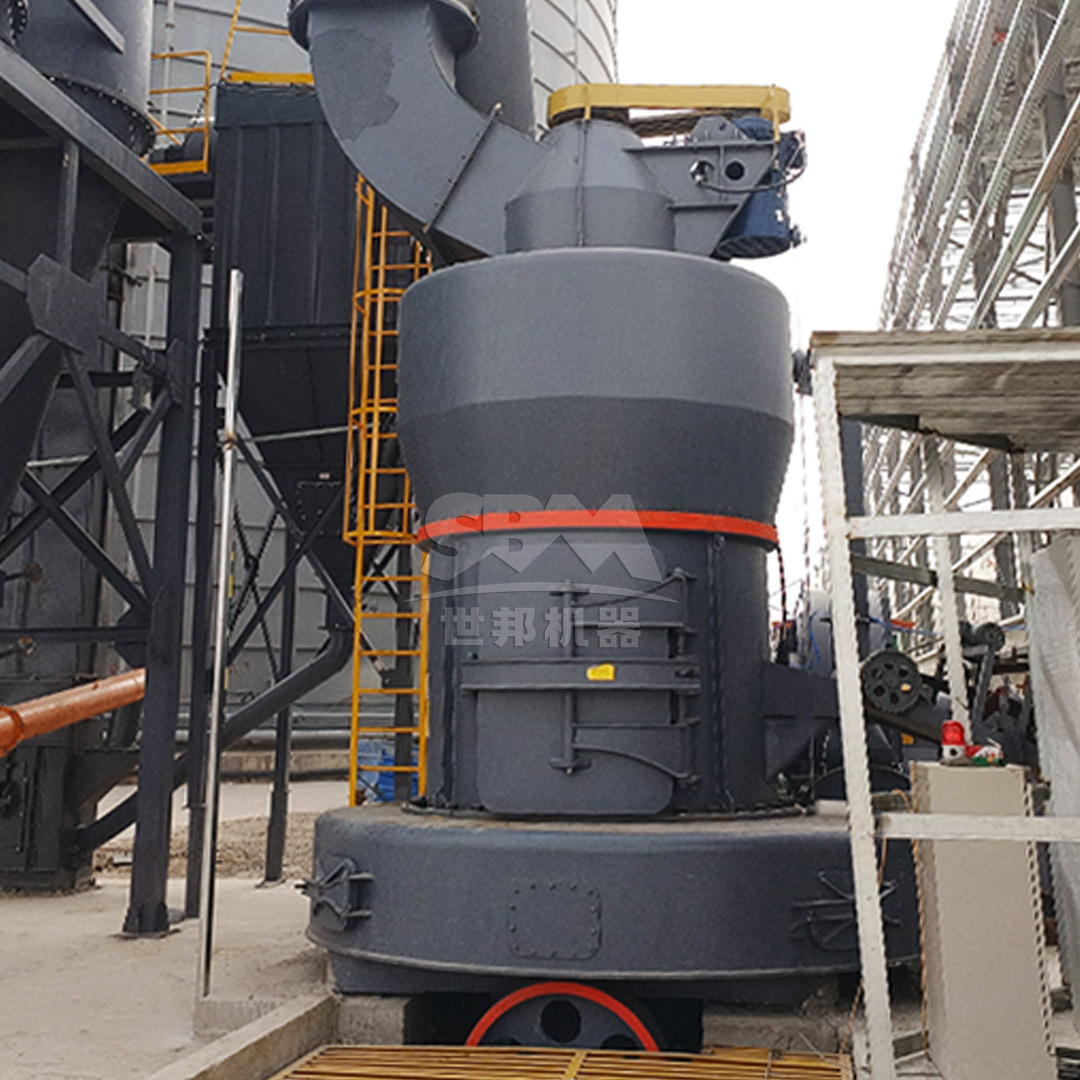
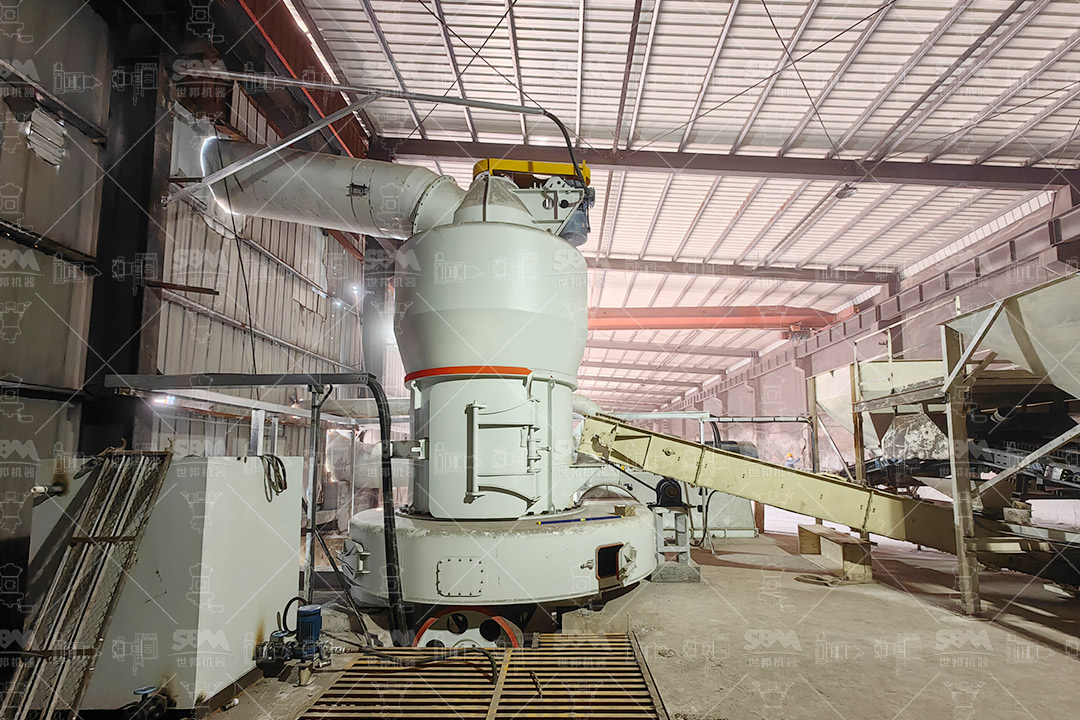
Activated carbon, a highly porous material with an extensive internal surface area, is indispensable in modern purification, filtration, and catalysis applications. Its production is a sophisticated process that transforms carbon-rich raw materials—such as coconut shells, wood, coal, and peat—into a powerful adsorbent. The efficiency, quality, and economic viability of the final product are directly determined by the performance of the processing machinery used. This guide provides a comprehensive overview of the key equipment involved in activated carbon production, from raw material preparation to final micronization, highlighting critical technological considerations and machinery selection criteria.
The manufacturing of activated carbon typically involves three core stages: Carbonization, Activation, and Post-Processing. Carbonization involves heating the raw material in an oxygen-deficient environment to drive off volatile components and create a primary char structure. Activation, either physical (using steam or CO2) or chemical (using agents like phosphoric acid), develops the porous network. The post-processing stage, which includes crushing, grinding, and classification, is crucial for achieving the desired particle size distribution and surface properties for specific applications.
| Production Stage | Primary Objective | Key Equipment Involved |
|---|---|---|
| Raw Material Preparation | Size reduction & drying | Hammer Mills, Dryers |
| Carbonization & Activation | Creating porosity | Rotary Kilns, Multiple Hearth Furnaces |
| Post-Processing | Particle size control & classification | Crushers, Grinding Mills, Classifiers |
| Final Processing & Packaging | Ultra-fine grinding, dedusting | Ultrafine Mills, Dust Collectors |
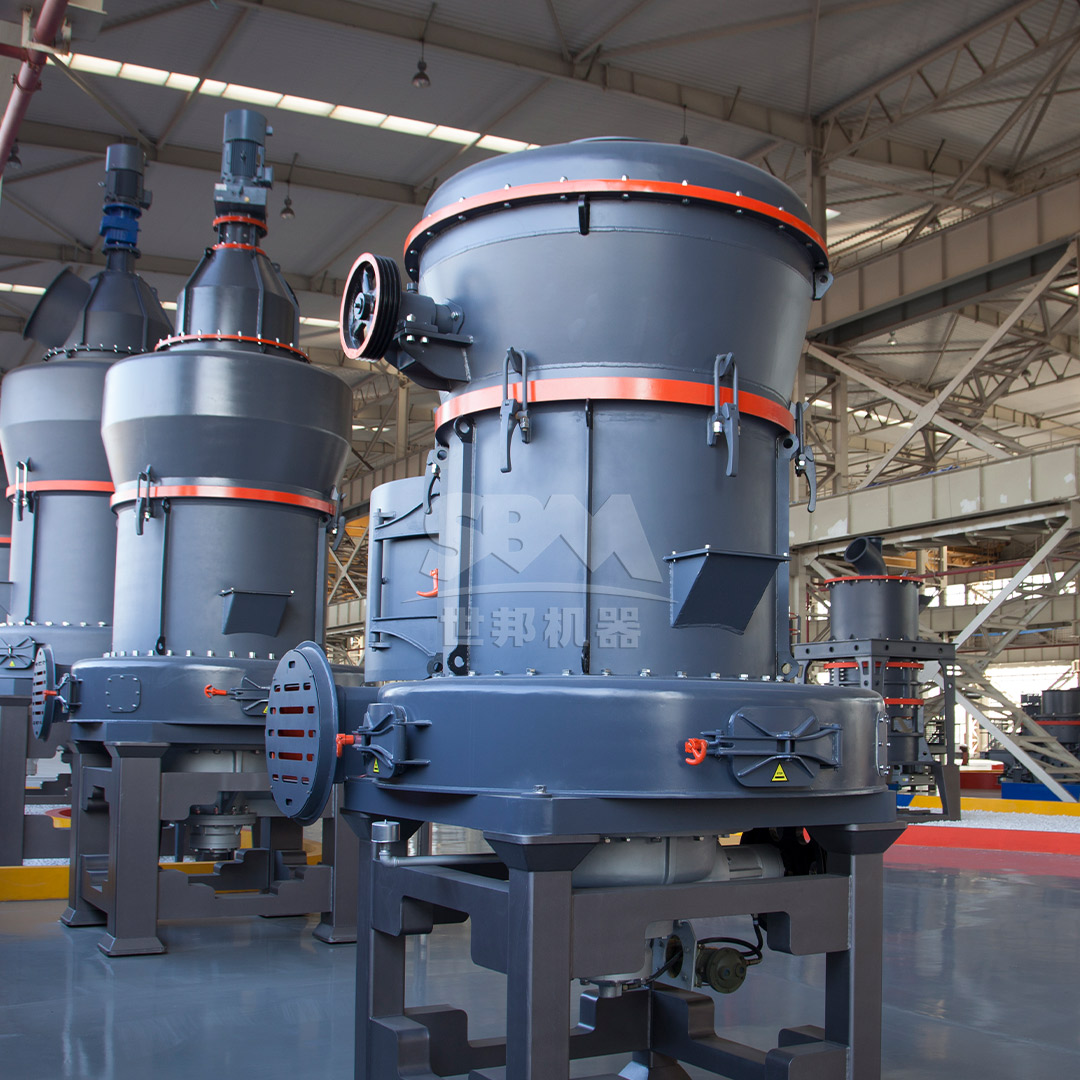
Precise particle size control is paramount, as it directly influences the adsorption kinetics, flow characteristics, and application suitability of the activated carbon. The choice of grinding equipment depends on the required feed size, target fineness, capacity, and the hardness/abrasiveness of the carbonized material.
For initial size reduction of carbonized chunks, robust equipment like Hammer Mills and Jaw Crushers are employed. Our Hammer Mill series, for instance, features high manganese steel liners and an optimized crushing chamber to efficiently reduce feed sizes from 0-40mm down to 0-3mm, offering high capacity and stable operation with minimal downtime, making it ideal for the preparatory stage.
This is the most critical step for producing powdered (PAC) and super-fine activated carbon. The machinery must deliver precise fineness, high classification accuracy, and energy efficiency.
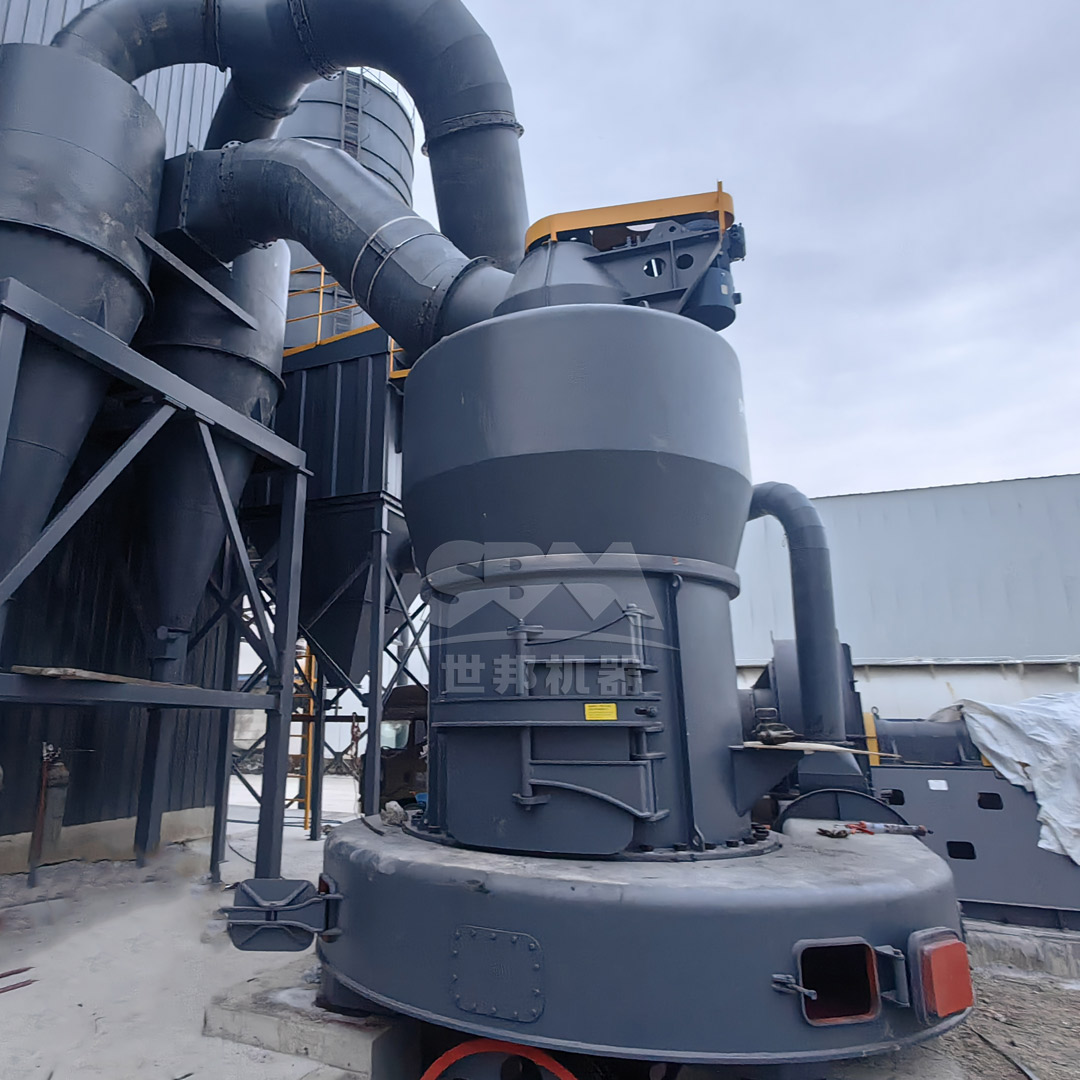
For advanced applications in pharmaceuticals, high-end water treatment, or catalysis, activated carbon often requires fineness reaching 2500 mesh (5μm). This demands specialized ultrafine grinding technology. For this critical application, we highly recommend our flagship SCM Series Ultrafine Mill.
Engineered for high-precision micronization, the SCM Mill operates on a layered grinding principle with a vertical turbine classifier. Its core advantages make it uniquely suited for premium activated carbon production:
With models ranging from the SCM800 (0.5-4.5t/h) to the high-capacity SCM1680 (5-25t/h), this mill provides a scalable solution for producing ultra-fine activated carbon powder from 325 to 2500 mesh, meeting the most stringent application requirements.
| Mill Type | Best For Fineness | Typical Capacity Range | Key Advantage for Activated Carbon |
|---|---|---|---|
| Hammer Mill | 0-3mm (Coarse) | 8-70 t/h | Primary crushing, high throughput |
| MTW European Mill | 30-325 mesh | 3-45 t/h | Efficient fine grinding, low wear |
| SCM Ultrafine Mill | 325-2500 mesh | 0.5-25 t/h | Ultra-fine precision, high quality, energy-saving |
| LM Vertical Mill | 30-325 mesh (up to 600) | 3-250 t/h | Large-scale integrated grinding & drying |
A complete production line relies on more than just grinding mills.
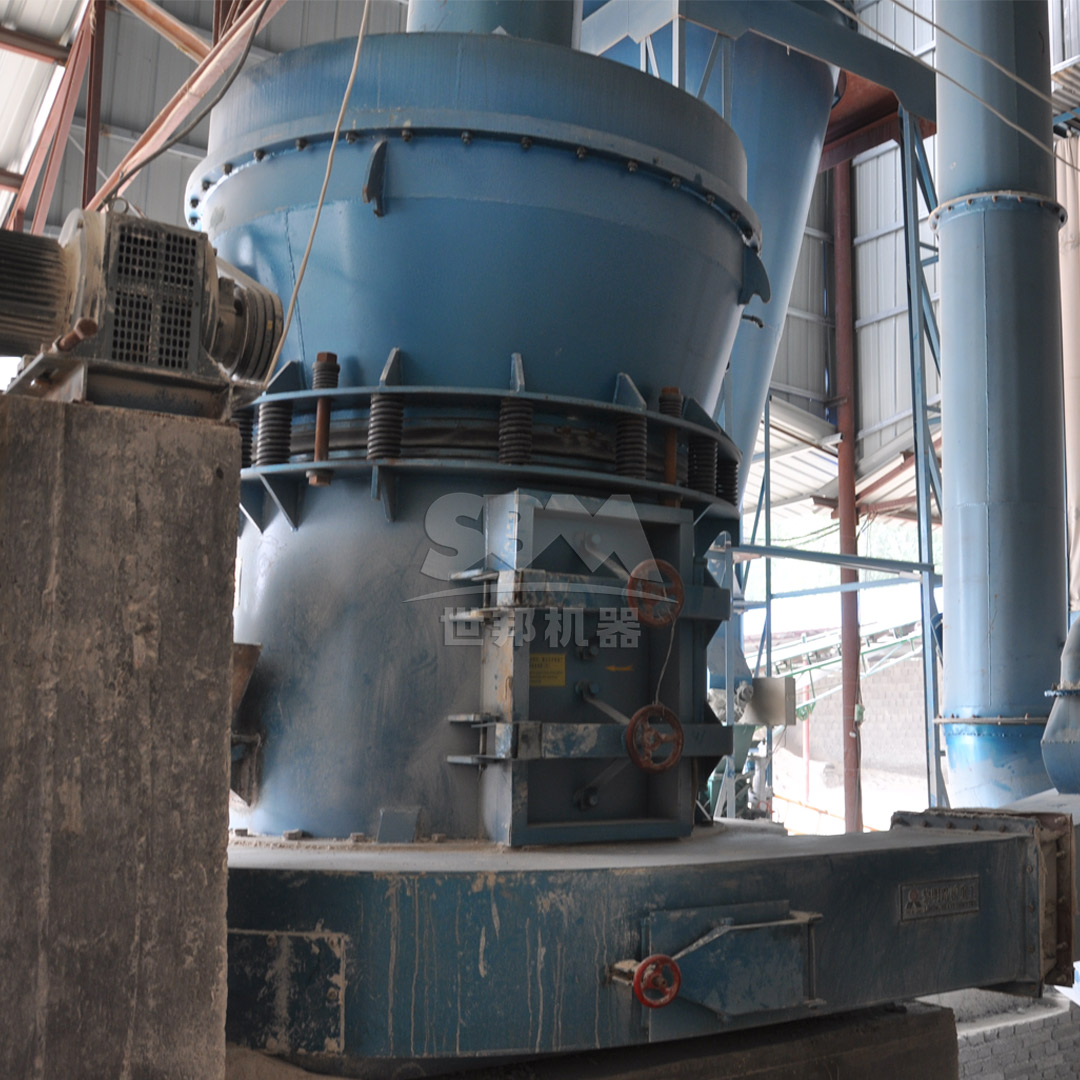
Choosing the optimal machinery requires a detailed analysis of your project parameters:
Investing in the right activated carbon processing machinery is an investment in product quality, operational efficiency, and market competitiveness. From the robust crushing of raw carbon to the precise science of ultra-fine micronization, each stage demands equipment engineered for performance and reliability. For producers aiming to achieve the finest grades of activated carbon, advanced solutions like the SCM Series Ultrafine Mill are indispensable. By understanding the capabilities of different grinding systems—from the high-capacity LM Vertical Roller Mill to the precision-focused SCM mill—manufacturers can build a processing line that delivers optimal results for their specific application needs, ensuring a superior product that stands out in a demanding global market.