Agricultural limestone, also known as aglime, is a fundamental soil amendment used to correct soil acidity and improve crop productivity. Acidic soils, prevalent in many agricultural regions, lock up essential nutrients like phosphorus, potassium, and calcium, making them unavailable to plants. By applying finely ground limestone powder, farmers can neutralize soil acidity, enhance nutrient availability, promote beneficial microbial activity, and ultimately boost yields. The efficacy of aglime is directly tied to its fineness and purity. Finer particles react more quickly with the soil, providing a faster corrective action. This underscores the importance of selecting the right grinding technology for processing agricultural limestone. A dedicated grinding plant is not just an investment in equipment; it’s an investment in agricultural efficiency and sustainability.
Designing or selecting a grinding plant for agricultural limestone requires careful consideration of several technical and operational factors:
A complete plant is more than just a mill. It is an integrated system designed for efficiency and quality control.
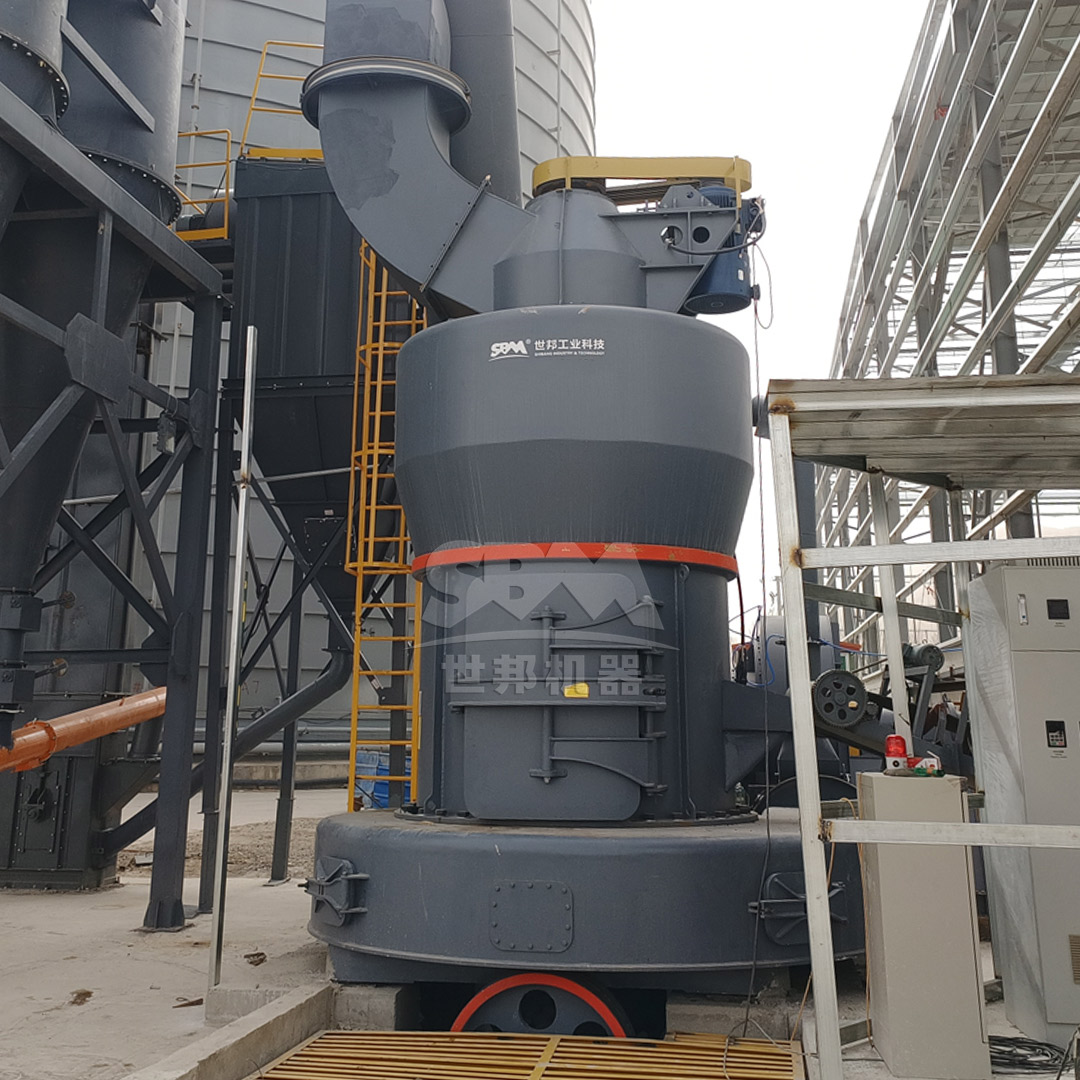
The choice of mill is the most critical decision. Different technologies offer varying balances of fineness, capacity, and energy use. Here’s a comparative analysis of common mill types for agricultural limestone:
| Mill Type | Typical Output Range | Key Advantages for Aglime | Considerations |
|---|---|---|---|
| Ball Mill | 0.074-0.8mm (200-20 mesh) | Proven technology, high capacity, suitable for both dry/wet grinding, reliable. | Higher energy consumption, coarser product range, larger footprint, higher noise. |
| Raymond Mill (MTW Series) | 30-325 mesh (0.6-0.045mm) | Excellent for medium-fine powder, stable operation, lower capital cost for its range. | Limited to fine/ultrafine grinding, ring and roller wear parts. |
| Vertical Roller Mill (LM Series) | 30-325 mesh (up to 600 mesh) | Extremely energy-efficient, integrated drying/grinding/classification, low noise, small footprint. | Higher initial investment, more complex operation and maintenance. |
| Ultrafine Mill (SCM Series) | 325-2500 mesh (45-5μm) | Produces superfine powder for premium/high-reactivity aglime, high classification precision. | For specialized high-value products, lower capacity compared to larger VRMs. |
Based on the common requirements for high capacity, energy efficiency, and the ability to produce a range of fineness (from standard agricultural grades to premium fine powders), two of our flagship products stand out as ideal solutions.
For operations targeting the core agricultural limestone market (30-325 mesh) with demands for reliability, high capacity, and lower operational costs, the MTW Series European Trapezium Mill is an outstanding choice. It builds upon the classic Raymond mill design with significant European technological advancements.
Why it’s ideal for Aglime:
For a standard, high-volume agricultural limestone powder plant, the MTW175G or MTW215G models would be highly recommended for their exceptional balance of output and efficiency.
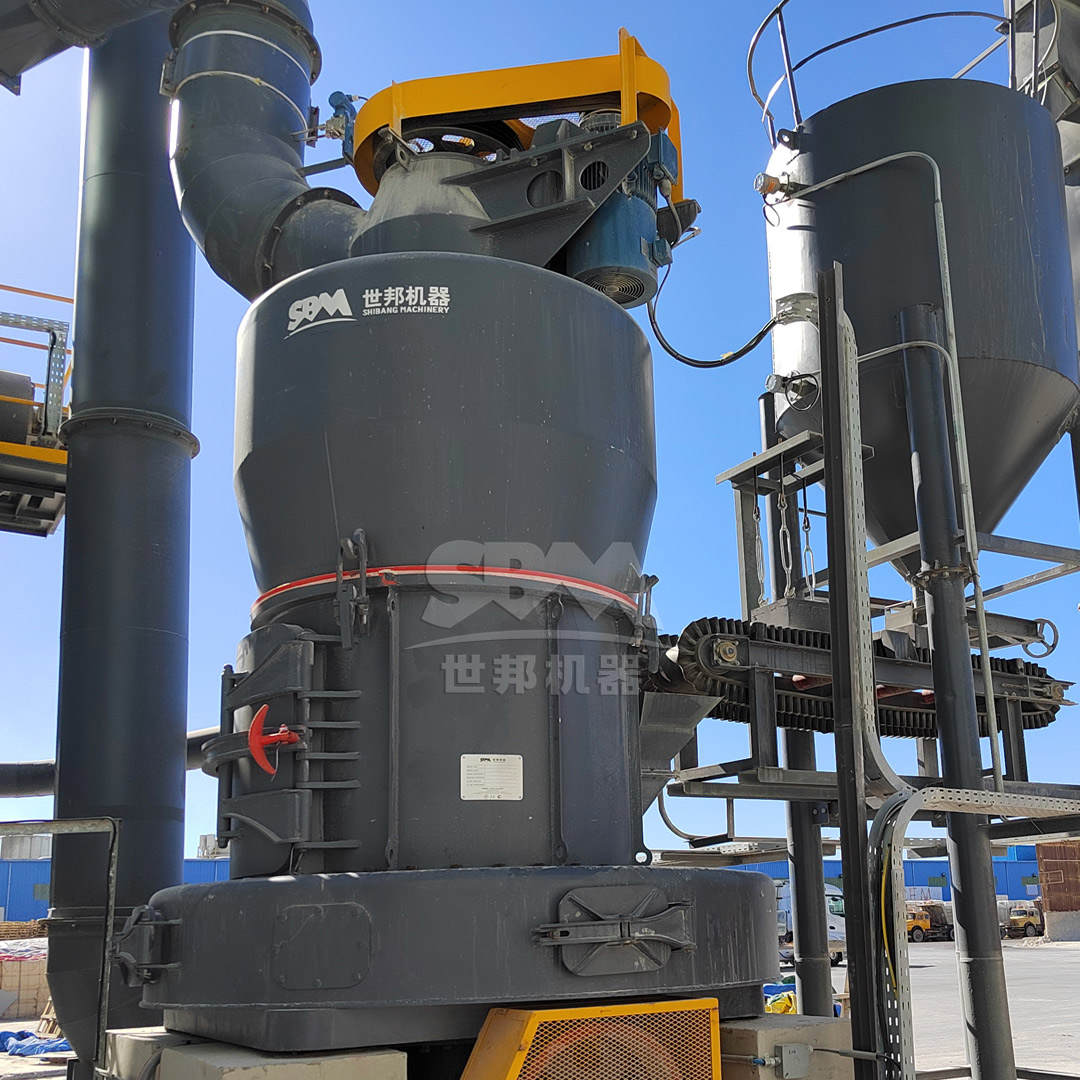
For investors and operators who prioritize minimizing long-term operating costs, maximizing space utilization, and potentially integrating drying for limestone with higher moisture content, the LM Series Vertical Roller Mill represents the industry benchmark.
Why it’s a top-tier choice for Aglime:
For large-scale, modern agricultural limestone plants where total cost of ownership and environmental performance are key, the LM190K or LM220K Vertical Roller Mill is an investment that pays dividends over its entire lifecycle.
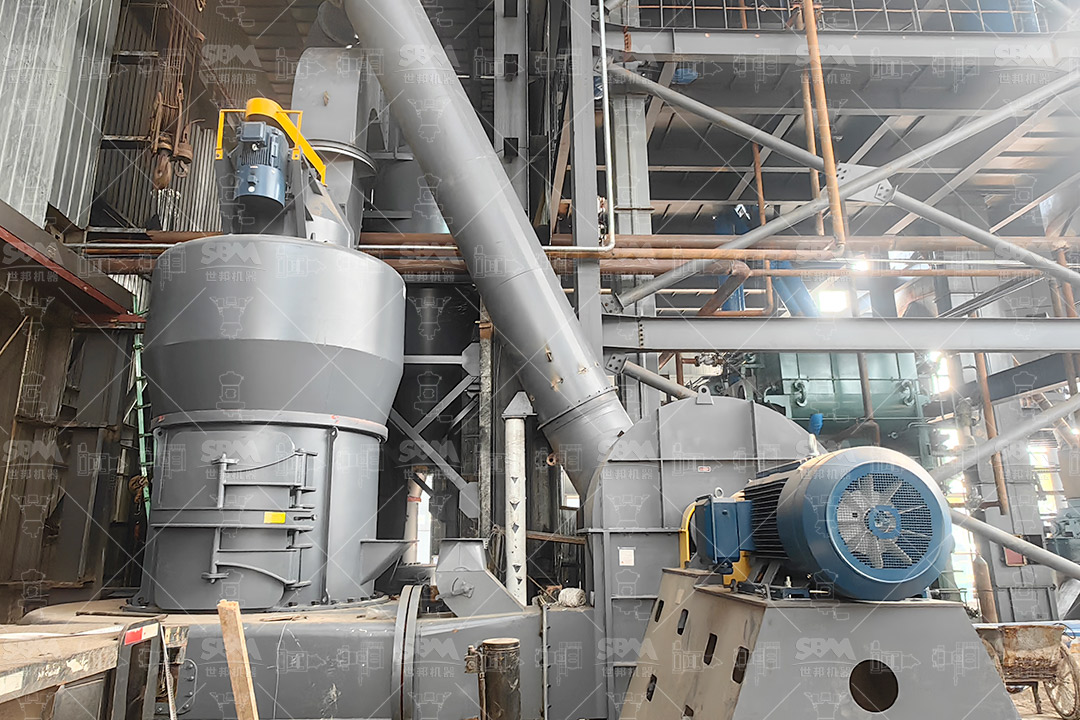
The success of an agricultural limestone grinding operation hinges on selecting technology that is not only capable today but also efficient and reliable for decades to come. While hammer mills and ball mills have their place, the evolution towards more efficient, integrated, and intelligent grinding systems like the MTW European Trapezium Mill and the LM Vertical Roller Mill is clear. These technologies directly address the core challenges of the aglime industry: producing a consistent, high-quality product at the lowest possible energy cost while maintaining strict environmental controls.
Investing in a well-designed plant centered on the right mill is an investment in the productivity of the farmland it serves. By providing farmers with effective, rapidly reacting limestone powder, these grinding plants play a silent but crucial role in global food security and sustainable agricultural development.