Attapulgite, also known as palygorskite, is a unique magnesium aluminum phyllosilicate clay mineral characterized by its fibrous morphology and high surface area. Its exceptional adsorption, colloidal, and rheological properties make it a valuable material in diverse industries, including pet litter, drilling fluids, paints, adhesives, pharmaceuticals, and environmental remediation. The performance of attapulgite in these applications is critically dependent on its particle size distribution, purity, and the preservation of its fibrous structure during processing. Therefore, selecting the appropriate milling and production equipment is paramount to achieving the desired product quality, operational efficiency, and cost-effectiveness.
The primary challenge in attapulgite processing lies in its fibrous nature. Unlike brittle minerals, attapulgite requires equipment that can effectively separate and individualize the fibrils without causing excessive shortening or generating excessive heat that can degrade its structure. The process typically involves stages of crushing, drying, milling, classification, and collection. This article focuses on the core milling stage, examining the key equipment types and highlighting optimal solutions for producing high-quality attapulgite powder across a range of fineness requirements.
The choice of milling equipment dictates the final product’s characteristics. Different mill types apply distinct forces—impact, compression, shear, or attrition—to achieve size reduction. For attapulgite, the goal is often to achieve ultra-fine powders (from 325 mesh to 2500 mesh or 45μm to 5μm) while maintaining fiber integrity.
Ball mills are workhorses in mineral processing, utilizing the impact and attrition of grinding media (steel balls) inside a rotating cylinder. While capable of handling attapulgite, they are often less efficient for achieving ultra-fine sizes. The prolonged grinding times can lead to increased energy consumption, potential contamination from media wear, and possible over-grinding that damages the fibrous structure. They are better suited for preliminary size reduction or applications where a coarser product (e.g., 0.074-0.8mm) is acceptable.
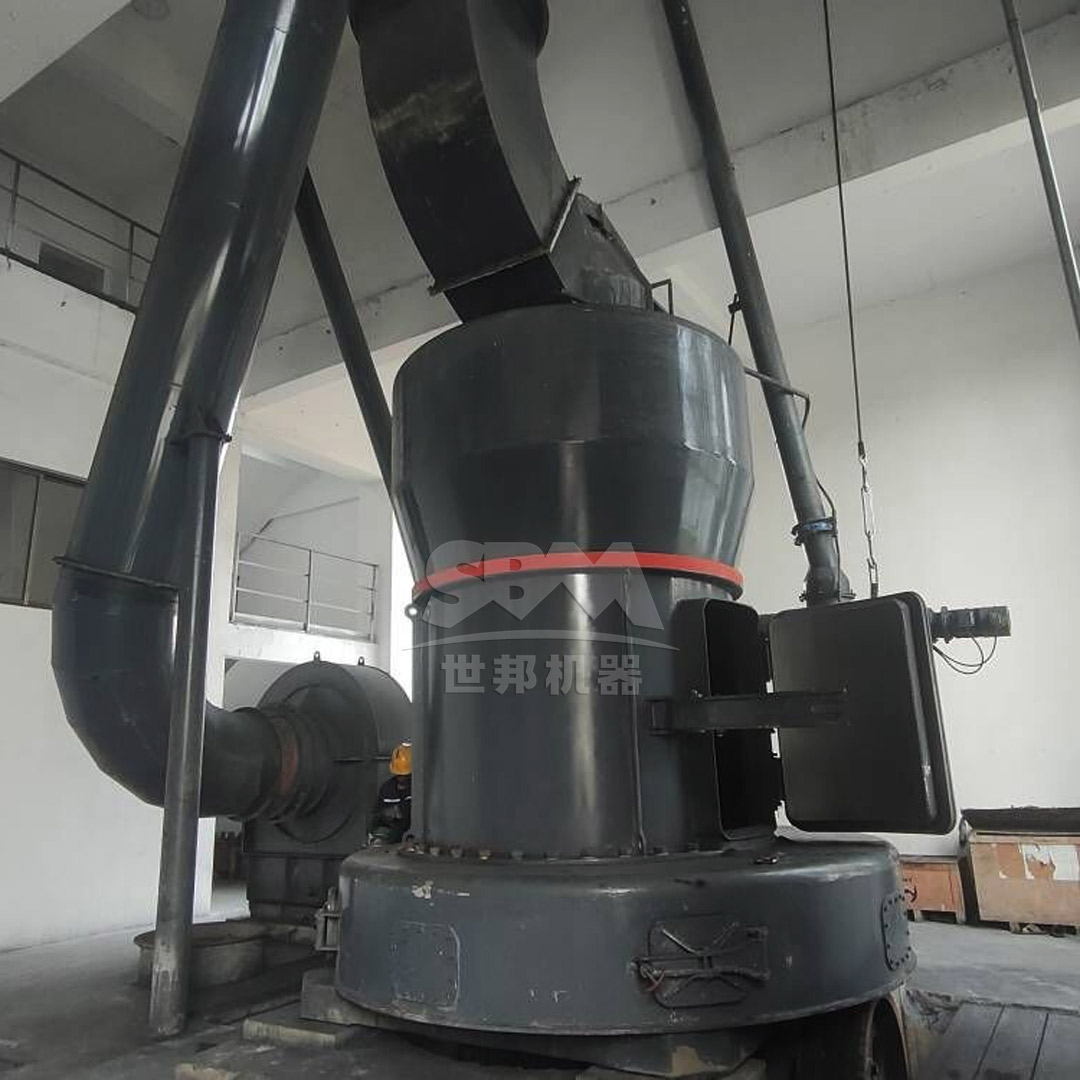
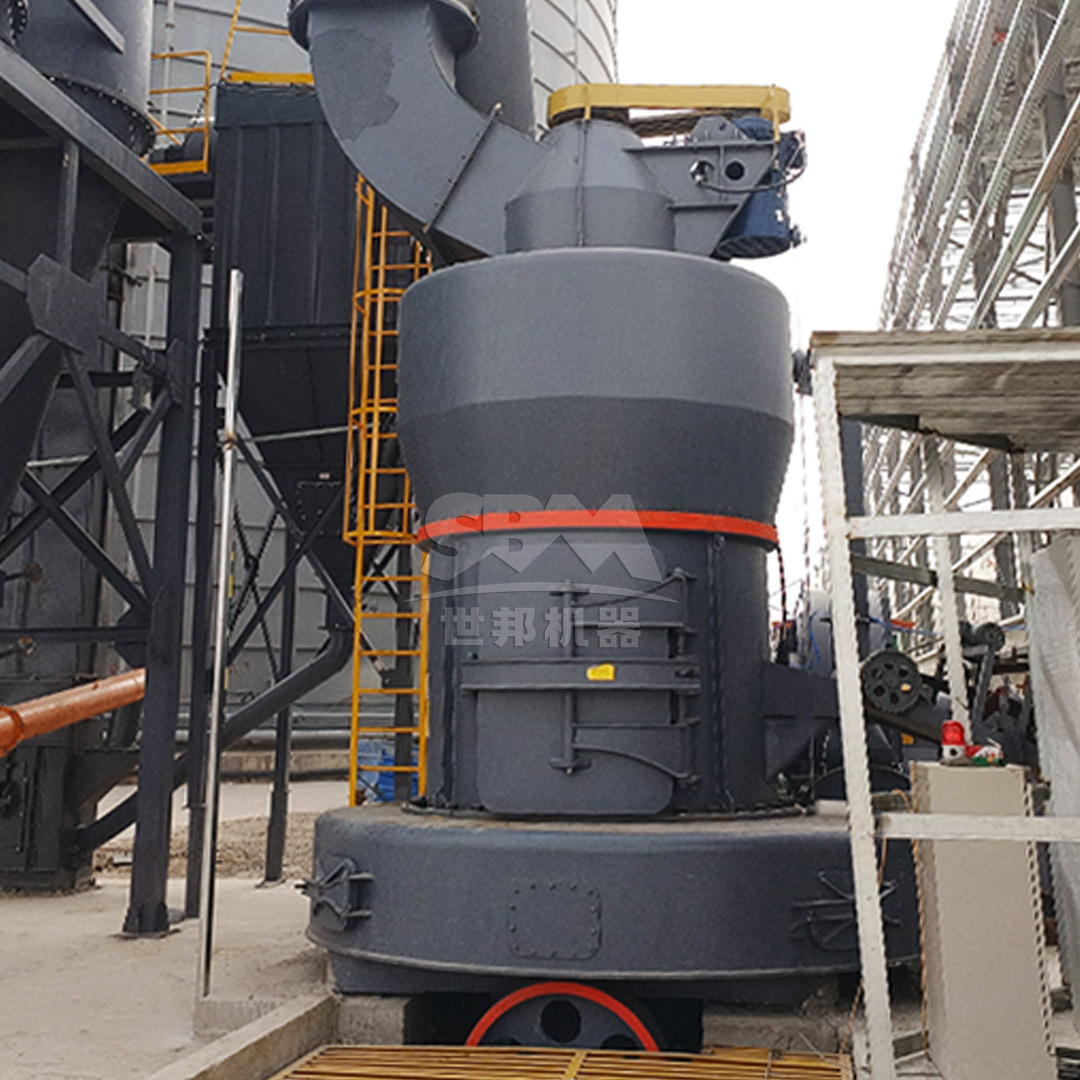
Raymond or pendulum roller mills, such as the MTM or MRN series, operate on the principle of spring-loaded rollers rotating against a stationary grinding ring. They are excellent for medium-fine grinding (30-325 mesh / 600-45μm). Their advantages include stable operation, relatively low capital cost, and ease of maintenance. However, for producing attapulgite powders finer than 325 mesh, their efficiency may drop, and the mechanical contact can generate more heat.
Vertical Roller Mills, like the LM and MTW series, represent a significant advancement. Material is ground between rollers and a rotating table under hydraulic pressure. This “bed grinding” principle is highly efficient, offering lower energy consumption (30-50% less than ball mills), excellent drying capability (if hot air is introduced), and integrated classification. The LM series, with its集约化设计 (integrated design), combines crushing, grinding, drying, and classifying in a single unit, significantly reducing footprint and基建成本 (infrastructure cost). Its ability to handle feed sizes up to 50mm and produce powders from 30 to 600 mesh makes it a versatile choice for large-scale attapulgite processing lines aiming for high throughput.
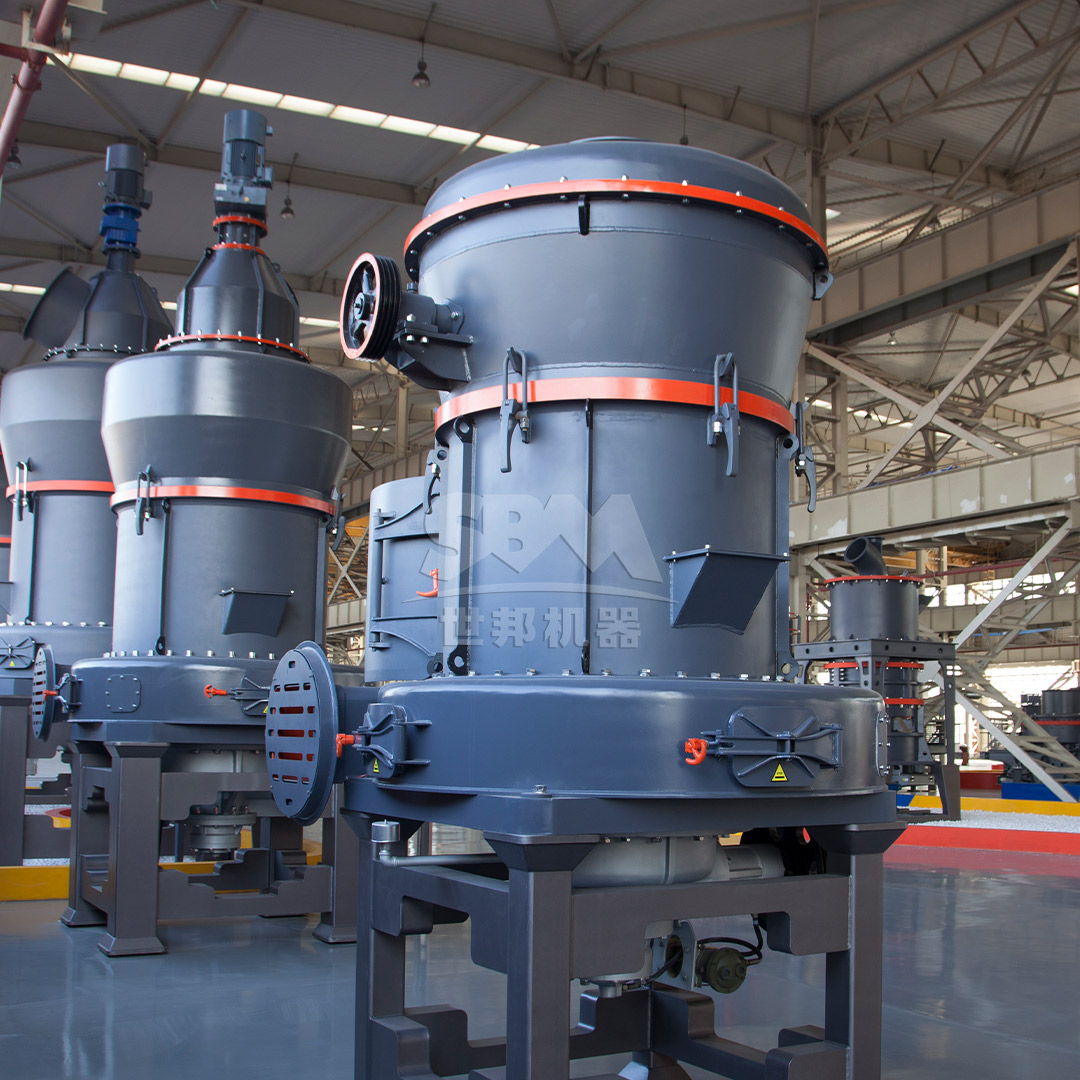
For the most demanding applications requiring sub-10-micron or even纳米级 (nanoscale) powders, specialized ultrafine mills are essential. These mills often combine intense mechanical forces with precise air classification.
For producers targeting the high-value market of ultra-fine attapulgite powder (325-2500 mesh / 45-5μm), where preserving fiber structure and achieving a narrow particle size distribution are critical,我们强烈推荐 (we strongly recommend) our SCM Series Ultrafine Mill.
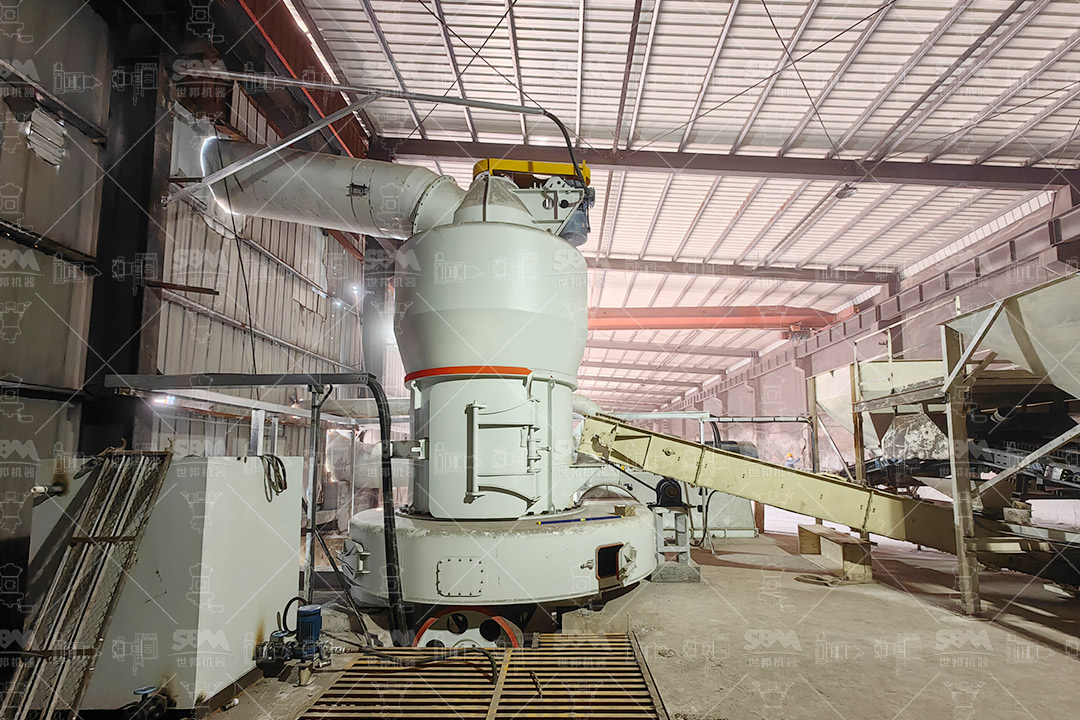
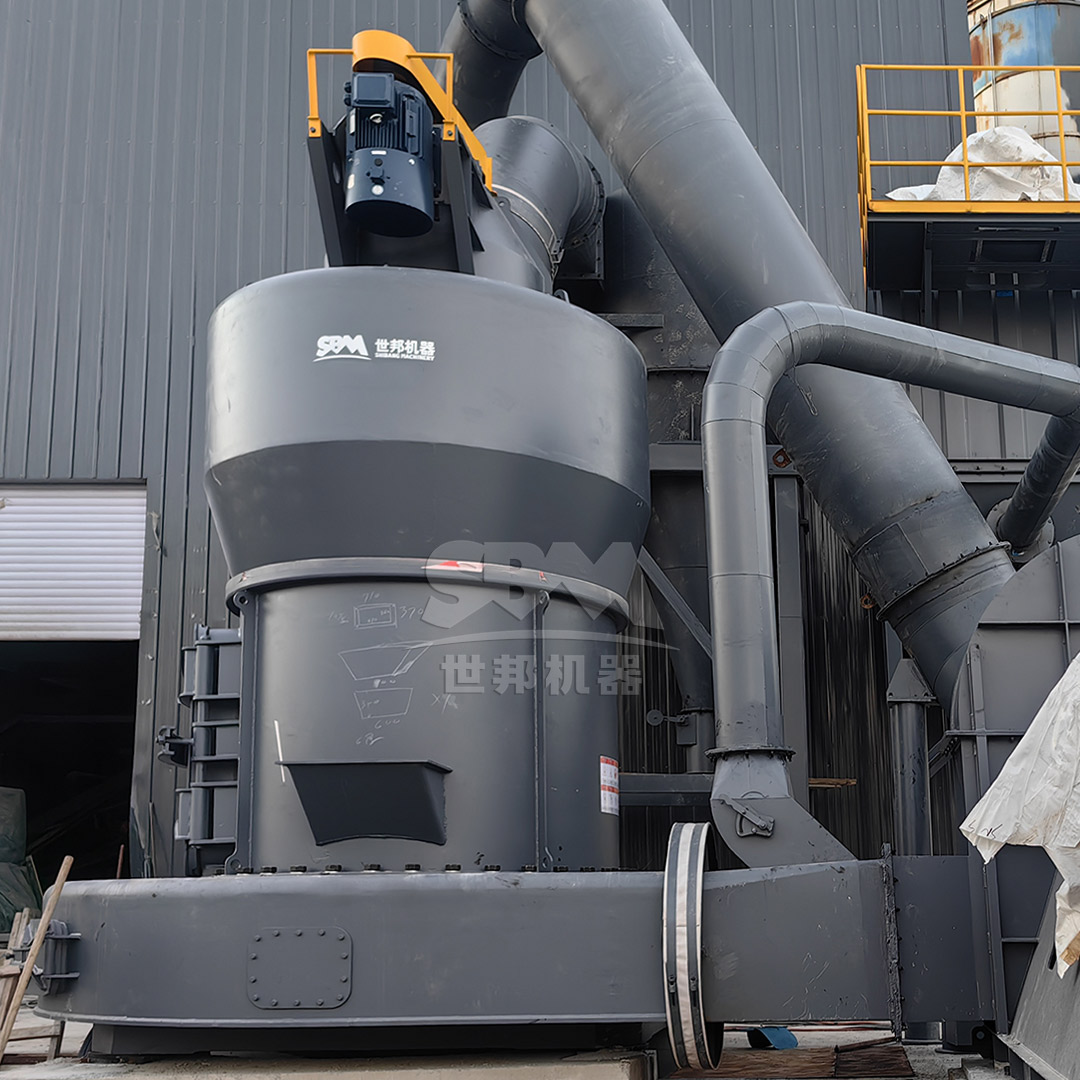
The SCM Ultrafine Mill is engineered specifically for the challenges of processing materials like attapulgite. Its design focuses on gentle yet effective grinding and precise classification to produce consistent, high-purity powders.
The主电机 (main motor) drives a multi-layer磨环 (grinding ring) to rotate. Attapulgite feed (≤20mm) is dispersed into the grinding track by centrifugal force. It is subjected to rolling and pressing between the磨辊 (rollers) and the rings, undergoing progressive, layered grinding. The finely ground attapulgite fibrils are carried by the airflow to the classifier. Qualified fine powder passes through and is collected by the旋风收集器 (cyclone collector) and脉冲除尘系统 (pulse dust collection system), while oversized particles are returned for further grinding. This closed-circuit system maximizes yield and quality.
| Model | 处理量 (Capacity) ton/h | 主电机功率 (Main Motor Power) kW | 入料粒度 (Feed Size) mm | 成品细度 (Product Fineness) mesh |
|---|---|---|---|---|
| SCM800 | 0.5 – 4.5 | 75 | 0-20 | 325-2500 |
| SCM900 | 0.8 – 6.5 | 90 | 0-20 | 325-2500 |
| SCM1000 | 1.0 – 8.5 | 132 | 0-20 | 325-2500 |
| SCM1250 | 2.5 – 14 | 185 | 0-20 | 325-2500 |
| SCM1680 | 5.0 – 25 | 315 | 0-20 | 325-2500 |
For projects requiring processing of larger feed material or producing attapulgite powder in the medium-fine range (30-325 mesh) with very high throughput (up to 45 ton/h), our MTW Series Trapezium Mill is an excellent alternative. Its锥齿轮整体传动 (integral bevel gear transmission, 98% efficiency),弧形风道优化 (optimized curved air duct), and耐磨蜗壳结构 (wear-resistant volute structure) make it a robust and efficient choice for large-scale operations, offering lower维护成本 (maintenance cost) and reliable performance.
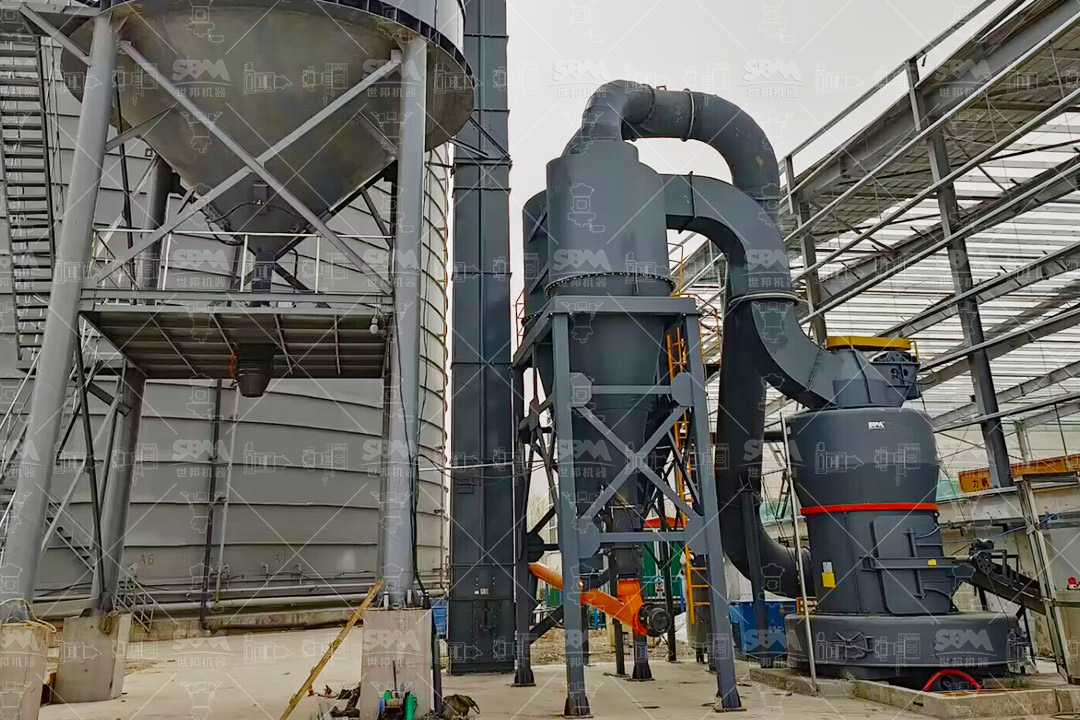
The successful processing of attapulgite into high-value powder products hinges on selecting milling equipment that balances grinding efficiency, product quality, energy consumption, and operational cost. While various mills can be applied, the specific requirements for ultra-fine grades and fiber preservation point towards advanced solutions like ultrafine grinding mills.
Our SCM Ultrafine Mill stands out as a key equipment recommendation for attapulgite producers aiming for the premium market. Its combination of high-precision classification, energy-efficient operation, durable construction, and environmental compliance provides a comprehensive solution for producing consistent, ultra-fine attapulgite powder that meets the stringent demands of modern applications. For coarser or very high-capacity requirements, the MTW Series Trapezium Mill offers a powerful and reliable alternative. Investing in the right technology is the foundational step towards building a competitive and sustainable attapulgite powder processing operation.