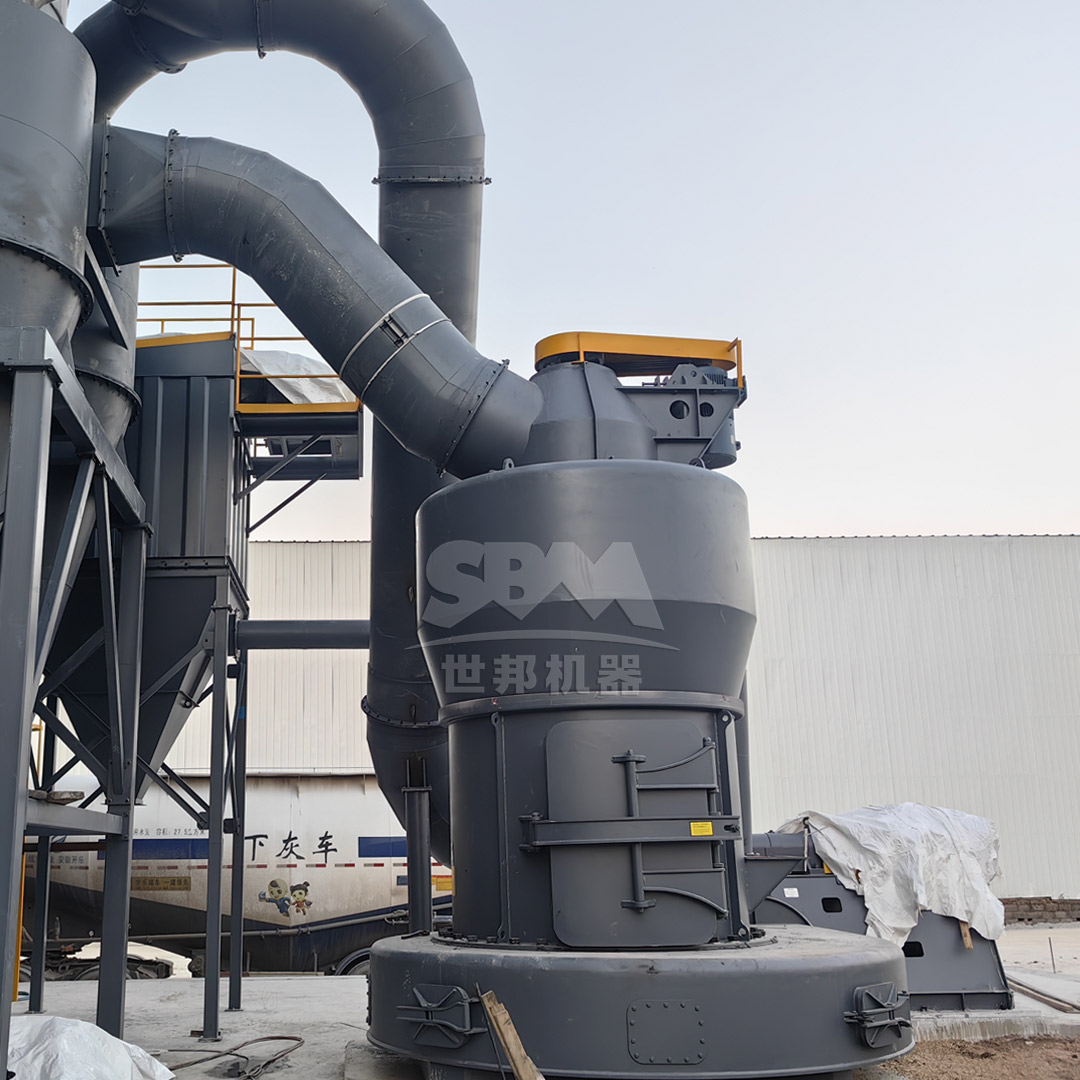
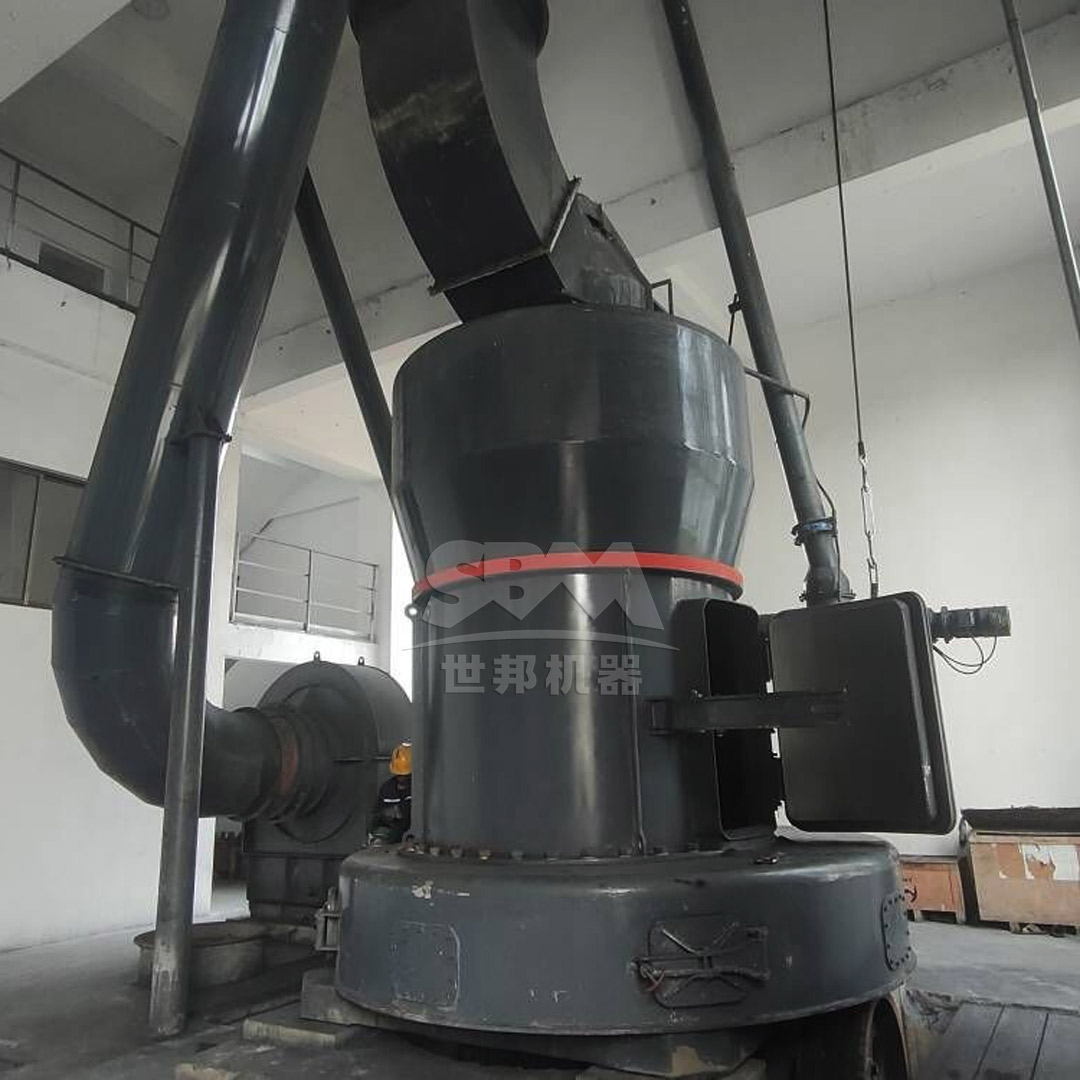
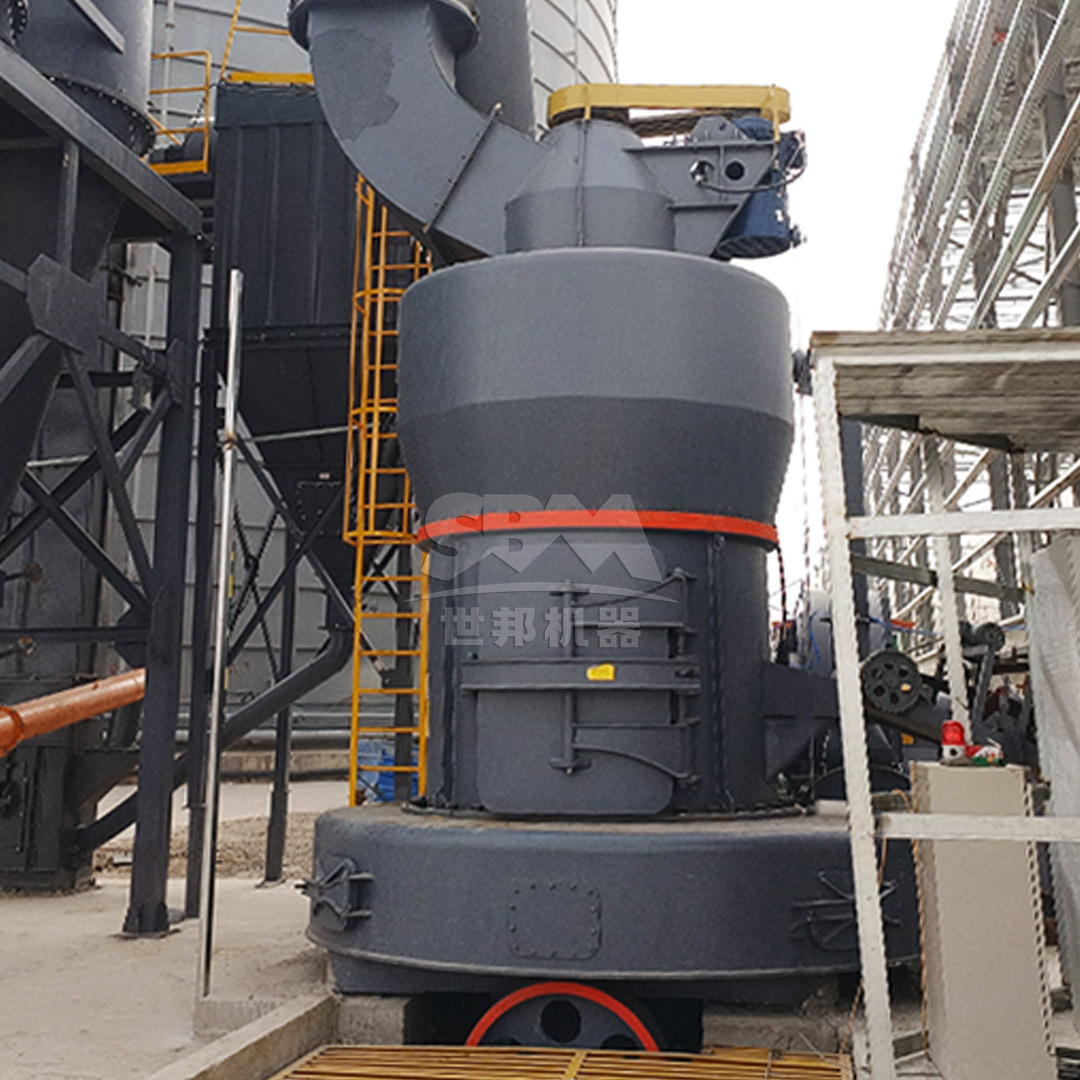
The production of high-quality bamboo charcoal powder is a sophisticated process that hinges on the selection of appropriate grinding technology. Bamboo charcoal, prized for its adsorption properties, large surface area, and environmental benefits, requires precise particle size control to maximize its efficacy in applications ranging from air and water purification to cosmetics and textiles. The transformation of raw bamboo charcoal chunks into fine, uniform powder is not merely a matter of crushing; it is a controlled process of size reduction where the choice of grinding mill directly impacts product quality, production efficiency, and operational cost. This guide delves into the critical considerations for selecting grinding equipment and highlights advanced solutions tailored for the bamboo charcoal industry.
Grinding bamboo charcoal presents unique challenges distinct from processing minerals or metals. The material is relatively soft but can be abrasive. The primary goals are:
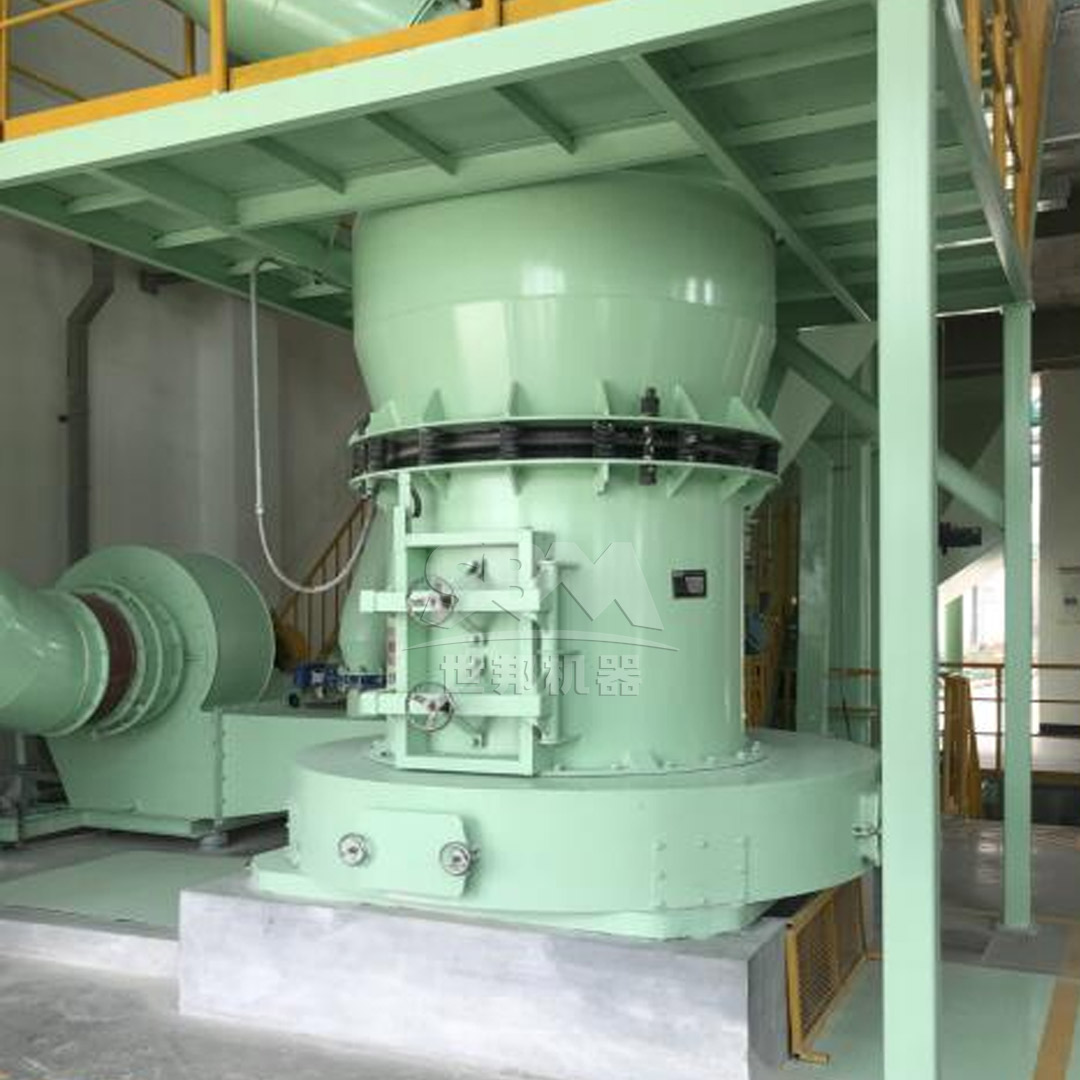
Several grinding technologies can be applied to bamboo charcoal, each with its own operating principle and suitability for different final product specifications.
Traditional Raymond or pendulum roller mills are a common choice for medium-fine grinding. They work on the principle of spring-loaded rollers rotating against a stationary ring. While suitable for producing powder in the 30-325 mesh range, they may lack the precision for consistent ultra-fine output (<400 mesh) and can have higher wear rates on abrasive materials.
Ball mills operate by tumbling steel balls inside a rotating cylinder, impacting and abrading the material. They are versatile and can achieve fine grinds. However, for bamboo charcoal, they are often less energy-efficient for very fine grinding, can introduce iron contamination from ball wear, and require significant space and infrastructure.
Hammer mills are impact-based grinders excellent for preliminary size reduction of charcoal chunks into a coarse granulate (0-3mm). They are high-capacity and simple in design. However, they are not suitable for producing the fine, uniform powders required for most bamboo charcoal applications and generate a broad particle size distribution.
Vertical roller mills represent a significant advancement. Material is fed onto a rotating grinding table and crushed under hydraulically loaded rollers. The ground material is then blown by an air stream to an integrated classifier. VRMs are highly energy-efficient, have a small footprint, and offer good drying capability if needed. They are excellent for high-capacity production of powders in the 30-325 mesh range.
For the most demanding applications requiring powder finer than 400 mesh (D97 < 20μm) and into the micron range, specialized ultrafine grinding mills are essential. These mills often combine mechanical grinding forces (like roller pressure) with advanced, high-precision air classification in a closed-loop system. This technology is key to producing high-surface-area bamboo charcoal powder for premium markets.
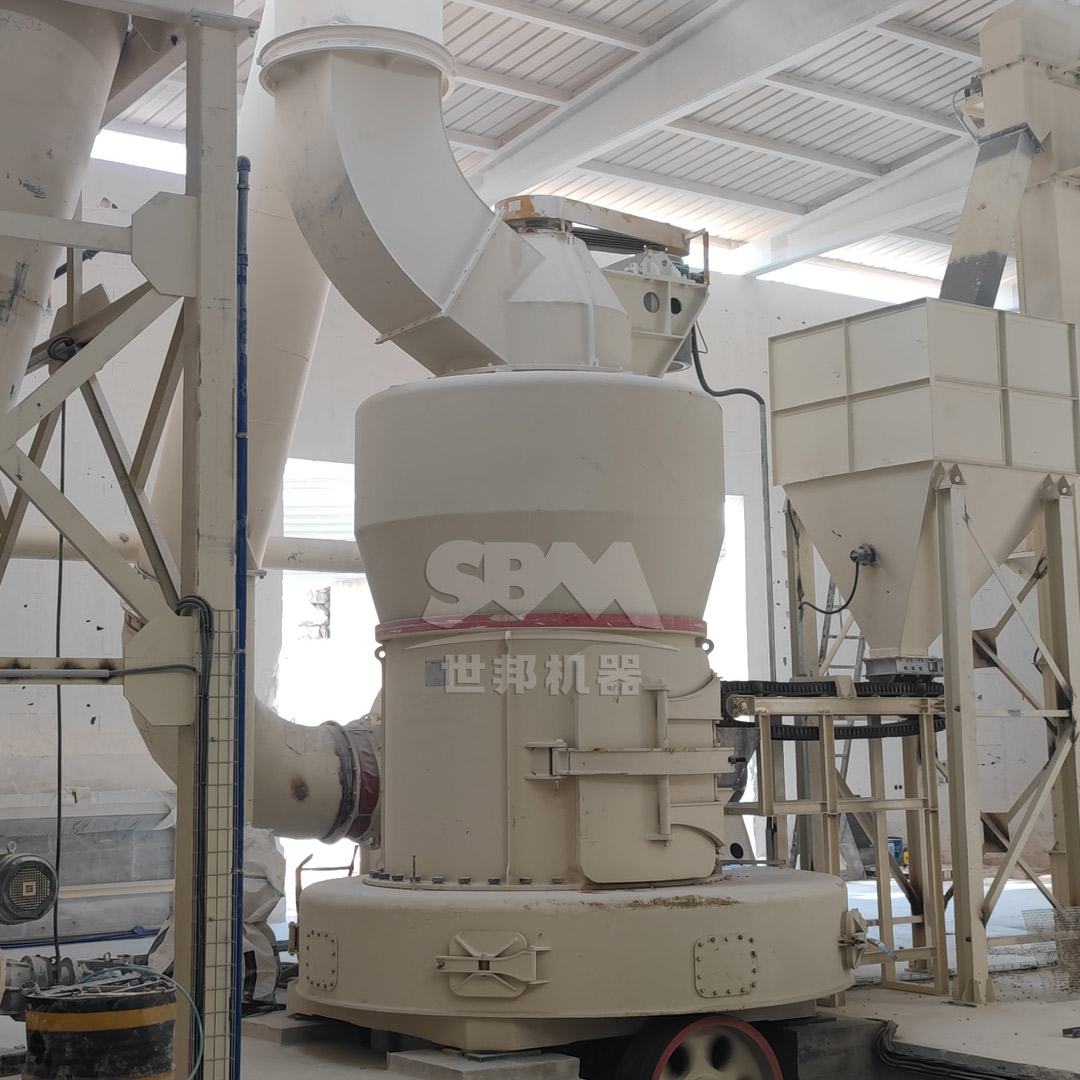
Based on the stringent requirements for fineness, purity, and efficiency, our company’s advanced grinding solutions stand out as ideal choices for modern bamboo charcoal processing plants.
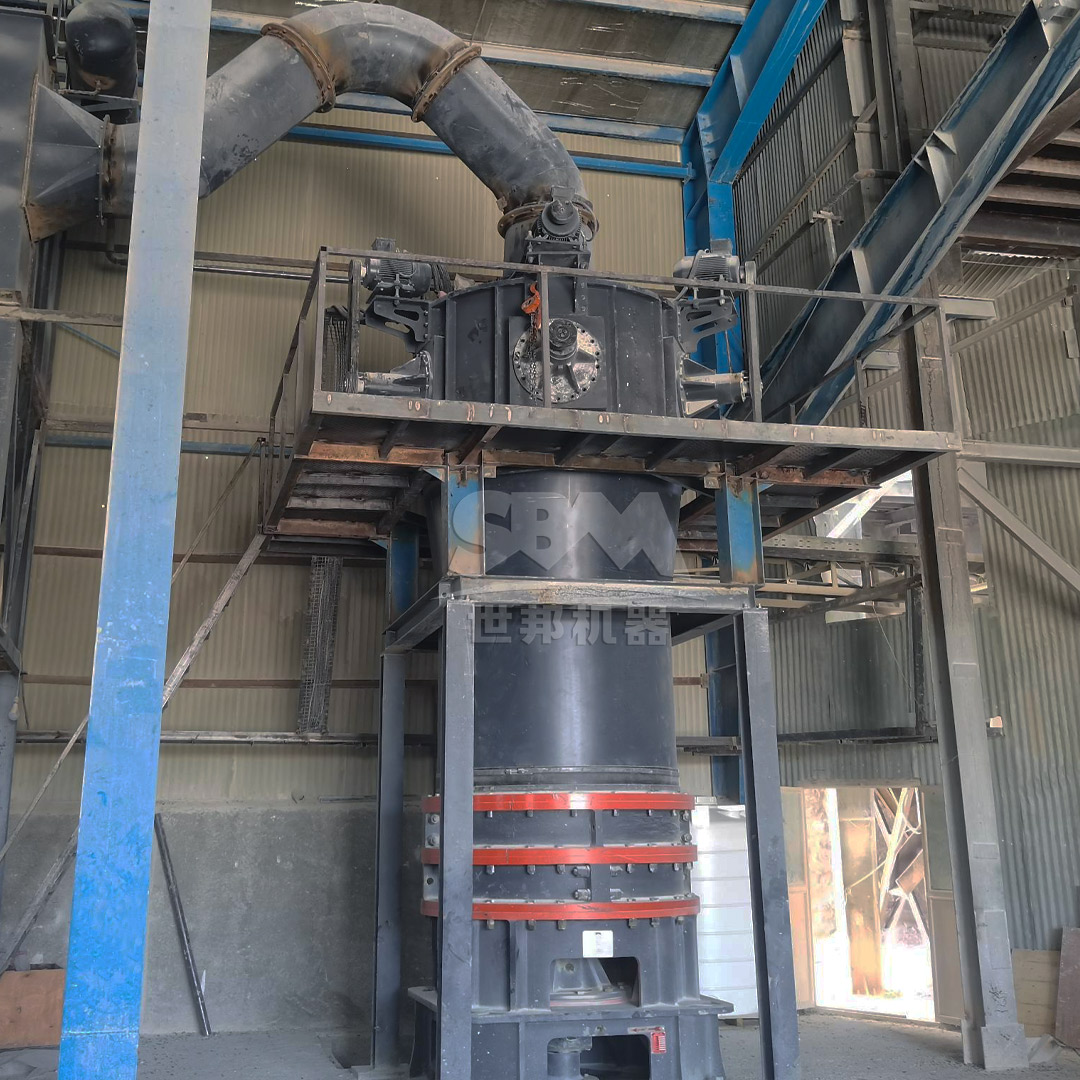
For producers targeting the high-value, ultra-fine bamboo charcoal powder market, the SCM Ultrafine Mill is the engineered solution. It is specifically designed to overcome the limitations of traditional mills when processing materials to micron-level fineness.
Why it’s ideal for Bamboo Charcoal:
| Model | Handling Capacity (ton/h) | Main Motor Power (kW) | Feed Size (mm) | Final Fineness (mesh) |
|---|---|---|---|---|
| SCM800 | 0.5 – 4.5 | 75 | ≤20 | 325-2500 |
| SCM900 | 0.8 – 6.5 | 90 | ≤20 | 325-2500 |
| SCM1000 | 1.0 – 8.5 | 132 | ≤20 | 325-2500 |
| SCM1250 | 2.5 – 14 | 185 | ≤20 | 325-2500 |
| SCM1680 | 5.0 – 25 | 315 | ≤20 | 325-2500 |
Workflow: Bamboo charcoal feedstock (≤20mm) is fed into the mill. The main motor drives multiple grinding rings to rotate. Material is centrifugally dispersed into the grinding track and is progressively pulverized by the rollers through compression. The finely ground powder is carried by the air stream to the classifier, where oversized particles are rejected and returned for further grinding. The qualified fine powder is collected by the cyclone and bag filter system.
For operations focusing on high-volume production of fine bamboo charcoal powder in the 30-325 mesh range, the MTW Series Trapezium Mill offers an outstanding balance of capacity, efficiency, and reliability.
Why it’s a strong choice:
This mill is an excellent option for producing bamboo charcoal powder for common industrial applications, soil amendments, or as a feedstock for further ultra-fine processing.
A successful bamboo charcoal powder production line involves more than just the grinding mill. A complete system includes:
Selecting the right bamboo charcoal powder making machine is a strategic decision that defines product quality and plant profitability. While several grinding technologies exist, advanced vertical roller mills and specialized ultrafine mills offer the performance metrics necessary for today’s market. Our SCM Ultrafine Mill, with its unparalleled ability to produce consistent, sub-5μm powder at high energy efficiency, is the definitive choice for manufacturers aiming at the premium segment. For high-tonnage production of fine powders, the robust and efficient MTW Series Trapezium Mill provides a reliable and cost-effective solution. Investing in such tailored technology ensures not only superior bamboo charcoal powder but also a sustainable, clean, and competitive production operation.