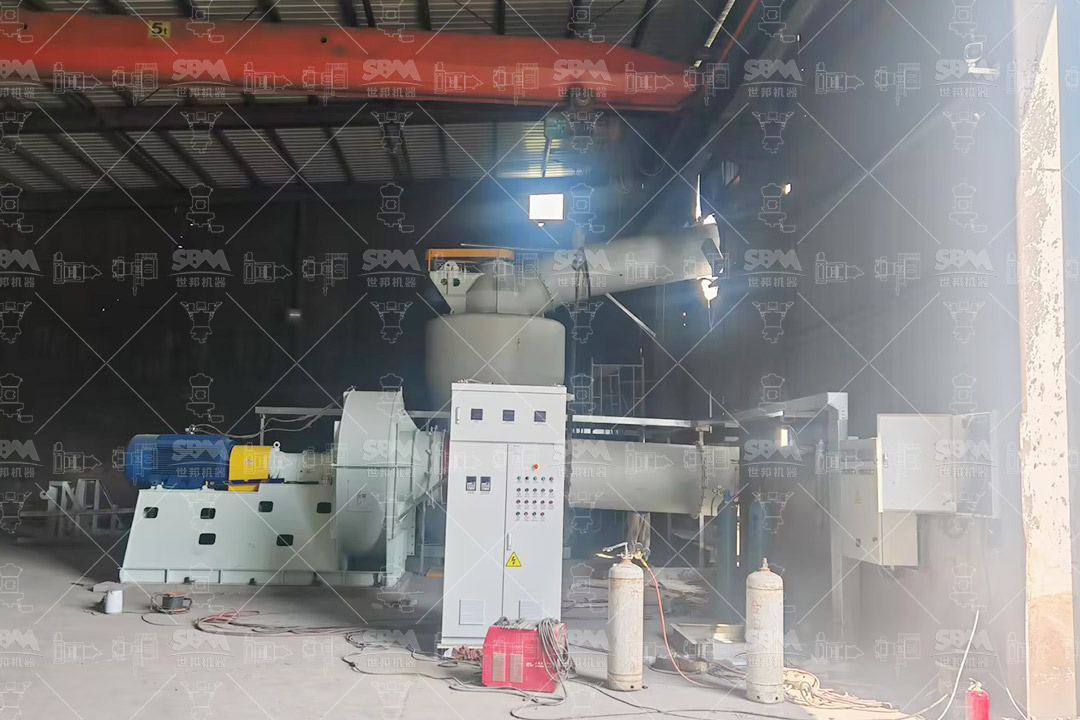
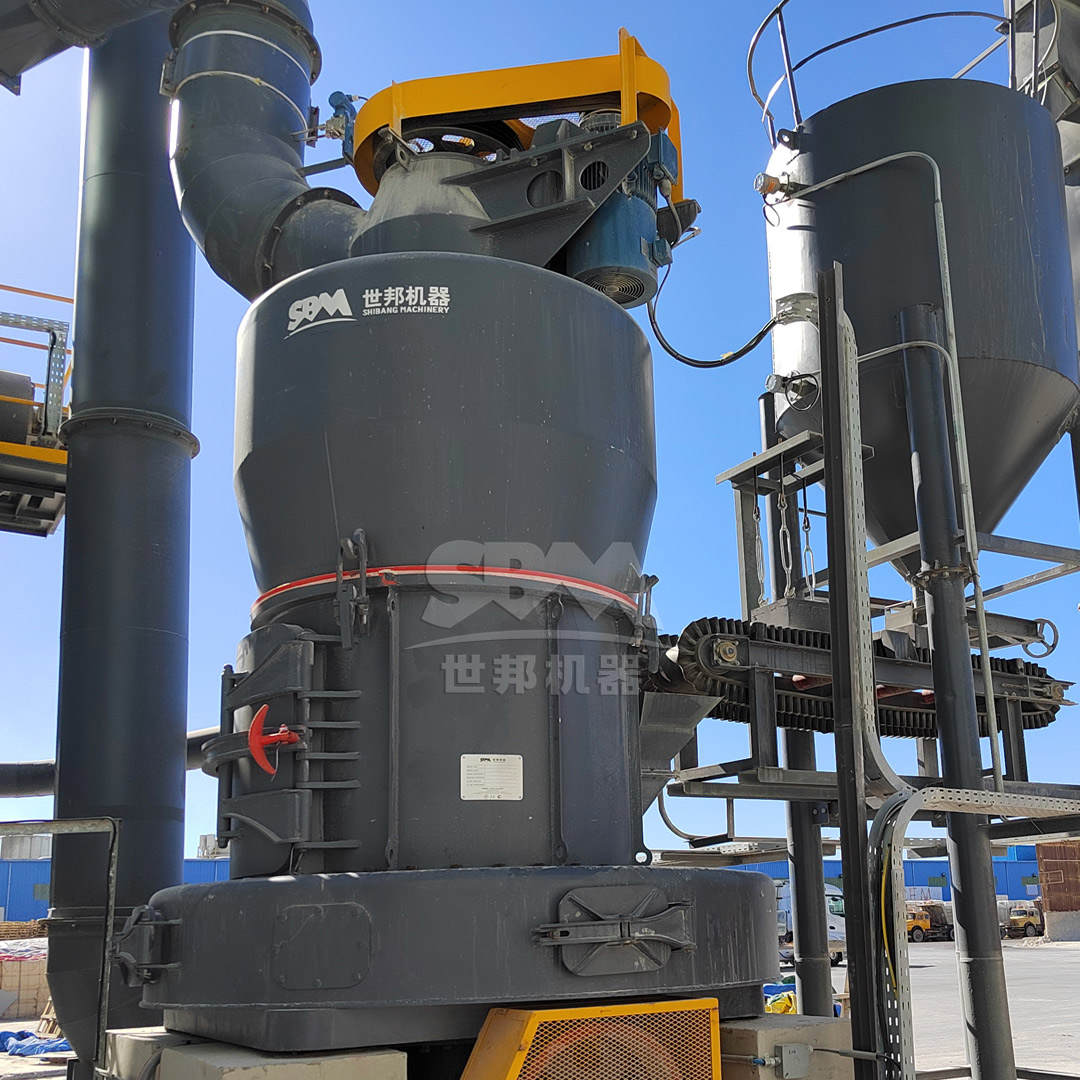
The rubber industry is a cornerstone of modern manufacturing, producing essential components for automotive, construction, medical, and consumer goods. A critical factor in achieving the desired performance characteristics of rubber products—such as tensile strength, abrasion resistance, dimensional stability, and cost-effectiveness—is the incorporation of functional fillers. Among these, barite (barium sulfate, BaSO4) holds a distinguished position. Its high density, chemical inertness, low oil absorption, and excellent dispersion properties make it an invaluable additive for producing high-quality, dense rubber compounds for applications like sound insulation, vibration damping, and radiation shielding. However, the efficacy of barite as a filler is intrinsically linked to its particle size distribution, fineness, and purity, which are directly determined by the processing machinery used. This article delves into the critical role of advanced grinding and classification equipment in producing barite powder tailored for the stringent demands of the rubber industry.
Barite is not merely an inert extender; it is a performance-enhancing functional filler. Its primary benefits in rubber formulations include:
The transition from raw barite ore to a high-performance rubber filler requires precise comminution to achieve the target particle size, typically ranging from coarse grades (100-325 mesh) for general weighting to ultrafine grades (1250 mesh and above) for applications requiring smooth surface finish and superior reinforcement.
Processing barite for rubber applications presents unique challenges that conventional mills may not adequately address:
Overcoming these challenges necessitates a new generation of intelligent, high-precision grinding systems.
The evolution of grinding technology has led to the development of mills specifically designed to meet the high standards of mineral fillers. Two primary technological pathways exist for processing barite for the rubber industry: one for high-capacity production of fine powders and another for specialized, high-value ultrafine powders.
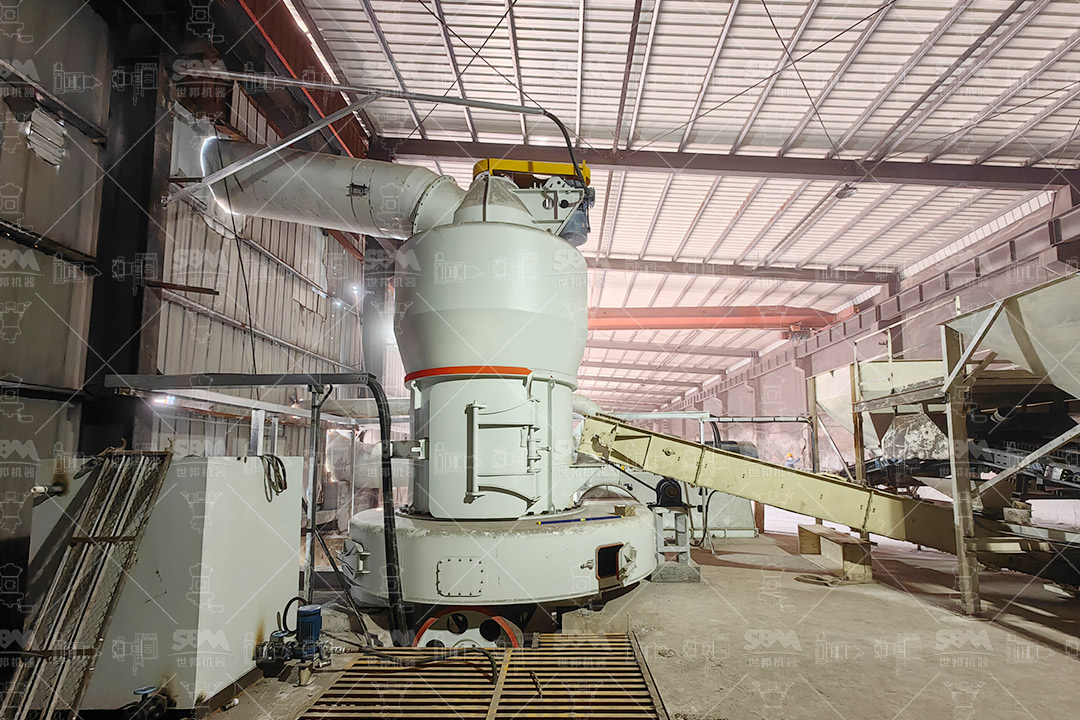
When the production focus is on large volumes of barite powder in the fine to medium-fine range, robust and efficient vertical roller mills represent the optimal solution.
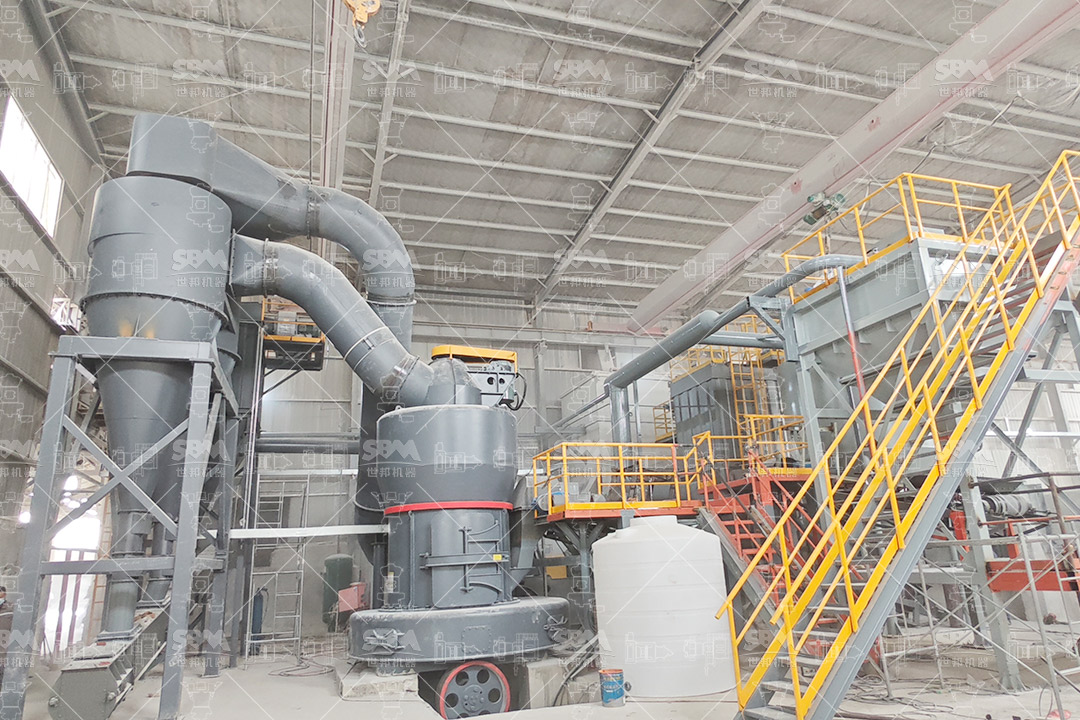
Our LM Series Vertical Roller Mill is engineered for this exact purpose. It excels in transforming ≤50mm barite feed into consistent powder ranging from 30 to 325 mesh, with capacities scaling from 3 to 250 tons per hour. Its integrated design combines crushing, grinding, drying, and classification in a single unit, reducing the plant footprint by 50% and infrastructure costs by 40%. A key advantage for rubber filler production is its low operating cost and cleanliness. The non-contact grinding principle and wear-resistant materials extend component life significantly, while the fully sealed negative pressure operation ensures dust emissions are kept far below regulatory limits. The intelligent control system allows for real-time monitoring and adjustment of fineness, guaranteeing batch-to-batch consistency that rubber compounders rely on.
| Model | Grinding Table Diameter | Capacity (t/h) | Output Fineness | Main Power (kW) |
|---|---|---|---|---|
| LM190K | Φ1900mm | 23-68 | 170-45μm (approx. 80-325 mesh) | 500 |
| LM220K | Φ2200mm | 36-105 | 170-45μm (approx. 80-325 mesh) | 800 |
| LM280K | Φ2800mm | 50-170 | 170-45μm (approx. 80-325 mesh) | 1250 |
For high-end rubber applications where ultrafine barite is required to act as a semi-reinforcing filler, improve surface finish, or achieve maximum density in thin sheets, an ultrafine grinding system is indispensable.
Our flagship solution for this niche is the SCM Series Ultrafine Mill. This mill is a technological leap forward, capable of producing barite powder with fineness adjustable between 325 and 2500 mesh (5-45μm). Its core strength lies in its high-precision classification system. The integrated vertical turbine classifier ensures precise particle size切割, eliminating coarse powder contamination and delivering a uniformly fine product essential for homogeneous rubber compounding. Furthermore, it operates with remarkable efficiency, offering a capacity twice that of traditional jet mills while consuming 30% less energy. The mill’s durable design, featuring special material rollers and rings, and its comprehensive pulse dust collection system (exceeding 99.9% efficiency) make it not only productive but also reliable and environmentally sound—a perfect match for modern, quality-conscious rubber filler producers.
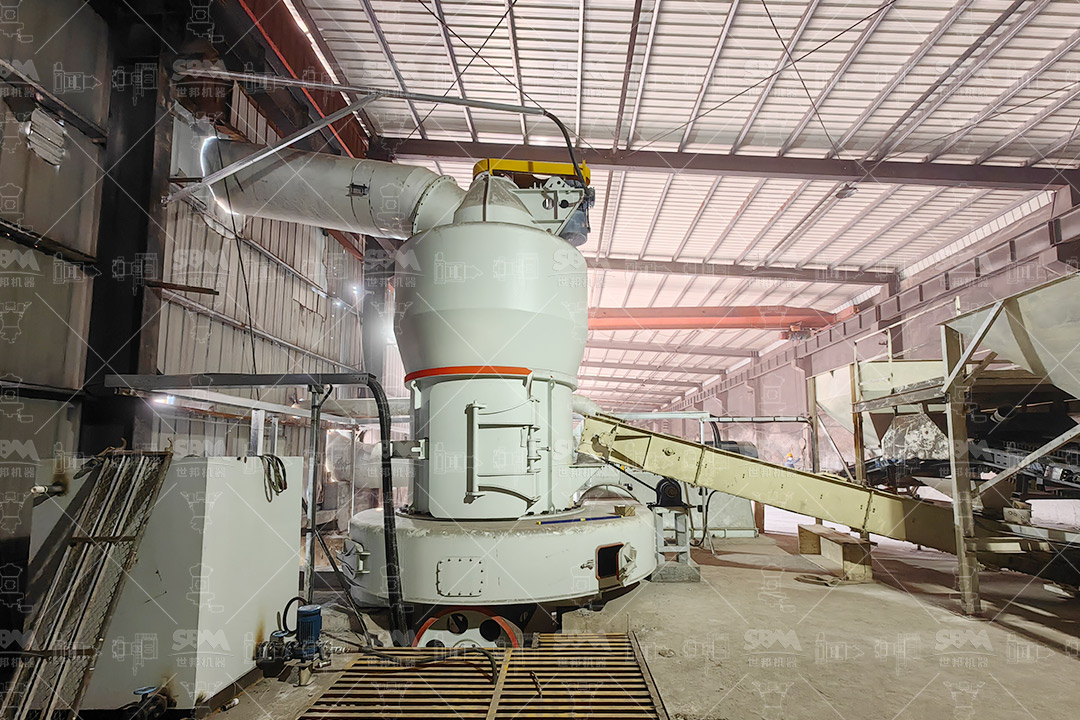
| Model | Capacity (t/h) | Output Fineness | Main Power (kW) | Key Feature for Rubber |
|---|---|---|---|---|
| SCM1000 | 1.0-8.5 | 325-2500 mesh | 132 | Uniform fineness for smooth compound dispersion |
| SCM1250 | 2.5-14 | 325-2500 mesh | 185 | High capacity for ultrafine filler production |
| SCM1680 | 5.0-25 | 325-2500 mesh | 315 | Industrial-scale output of premium-grade barite |
The choice between a vertical roller mill (LM Series) and an ultrafine mill (SCM Series) depends on the specific business goals and product portfolio of the barite processor.
Many successful processors employ a two-stage strategy, using an LM mill for primary size reduction and an SCM mill for final polishing and ultrafine production, creating a comprehensive product range.
The transformation of raw barite into a high-performance rubber filler is a sophisticated engineering process where the machinery is the decisive factor. It is no longer sufficient to simply “grind”; modern processors must precisely “engineer” particle size distributions to meet exacting compound specifications. Investing in advanced technology like the LM Series Vertical Roller Mill for high-capacity fine powder production or the SCM Series Ultrafine Mill for specialized, high-value ultrafine products is an investment in product quality, market competitiveness, and operational sustainability.
By partnering with a technology provider that understands the nuanced needs of both mineral processing and rubber chemistry, barite producers can ensure their material becomes an ingredient of choice for rubber manufacturers worldwide, enabling the development of safer, more durable, and higher-performing rubber products for the future.