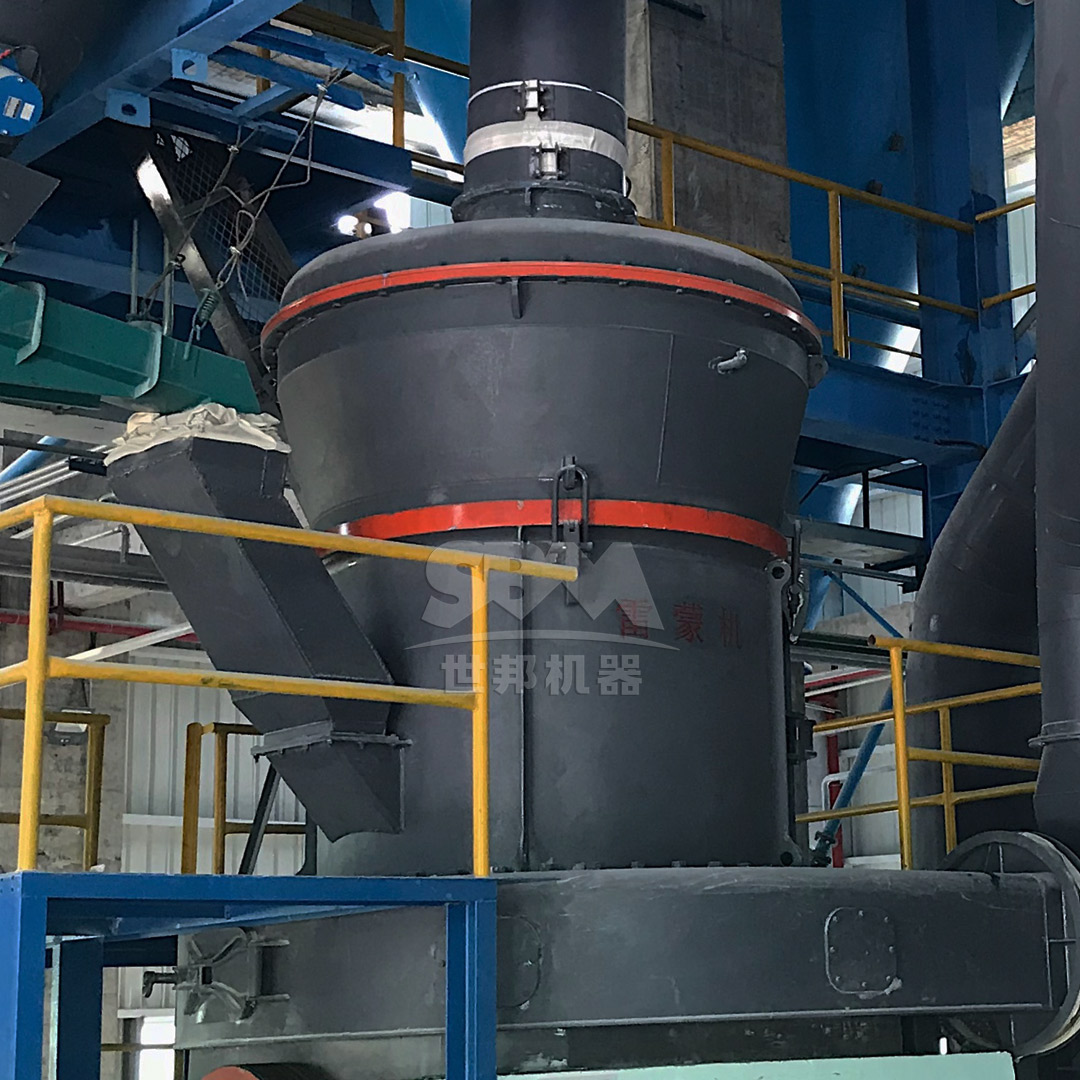
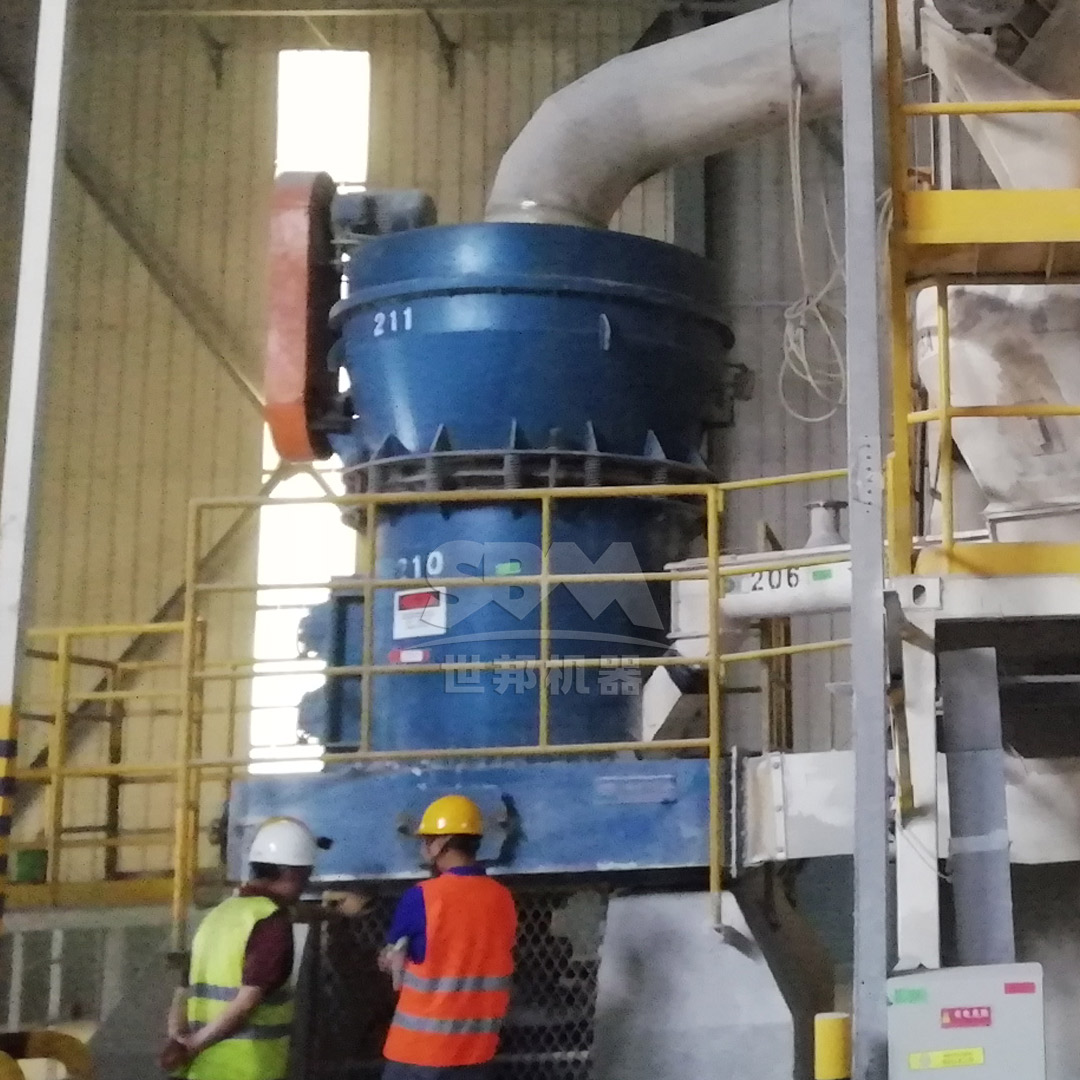
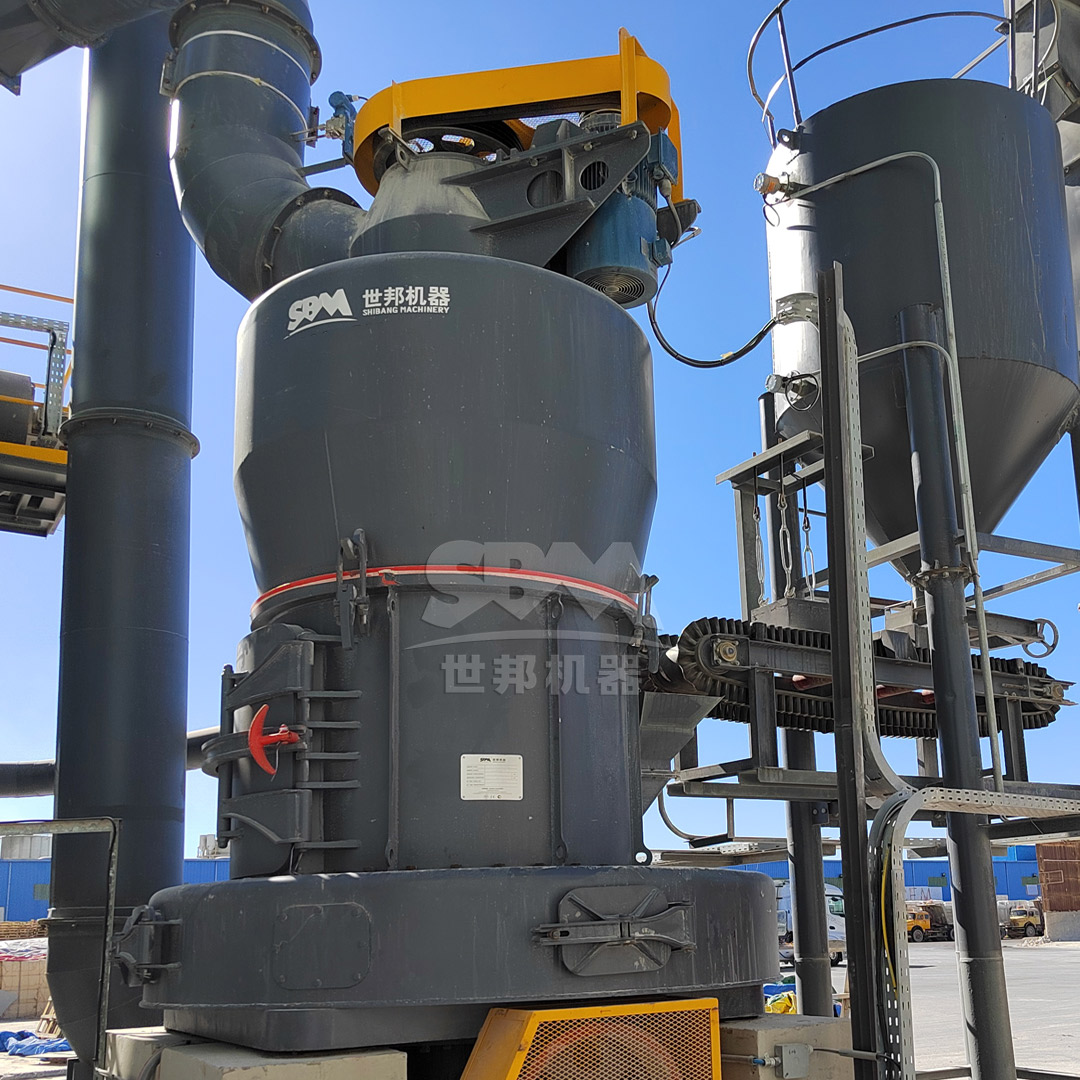
Barite (barium sulfate) is a critical industrial mineral prized for its high density, chemical inertness, and brightness. Its primary applications span the oil & gas industry (as a weighting agent in drilling muds), paints, plastics, rubber, and medical imaging. To meet the stringent quality specifications of these diverse markets, raw barite ore must undergo a series of processing steps, including crushing, grinding, and beneficiation. The selection of appropriate equipment is paramount to achieving the desired fineness, purity, and production efficiency. This guide provides a comprehensive overview of the essential machinery involved in barite processing, from primary crushing to ultra-fine grinding.
The journey of barite from mine to market begins with size reduction and purification. Run-of-mine barite ore often contains gangue minerals like quartz, calcite, and sulfides, and its size can be highly variable.
Primary crushing is typically handled by robust jaw crushers, which reduce large lumps (up to 1 meter) to a manageable size of 150-250 mm. For softer ores or secondary crushing, impact crushers or hammer mills are effective. A Hammer Mill is particularly suitable for intermediate crushing, capable of reducing 0-40mm feed to a fine product of 0-3mm in a single stage, making it an efficient choice for pre-grinding preparation.
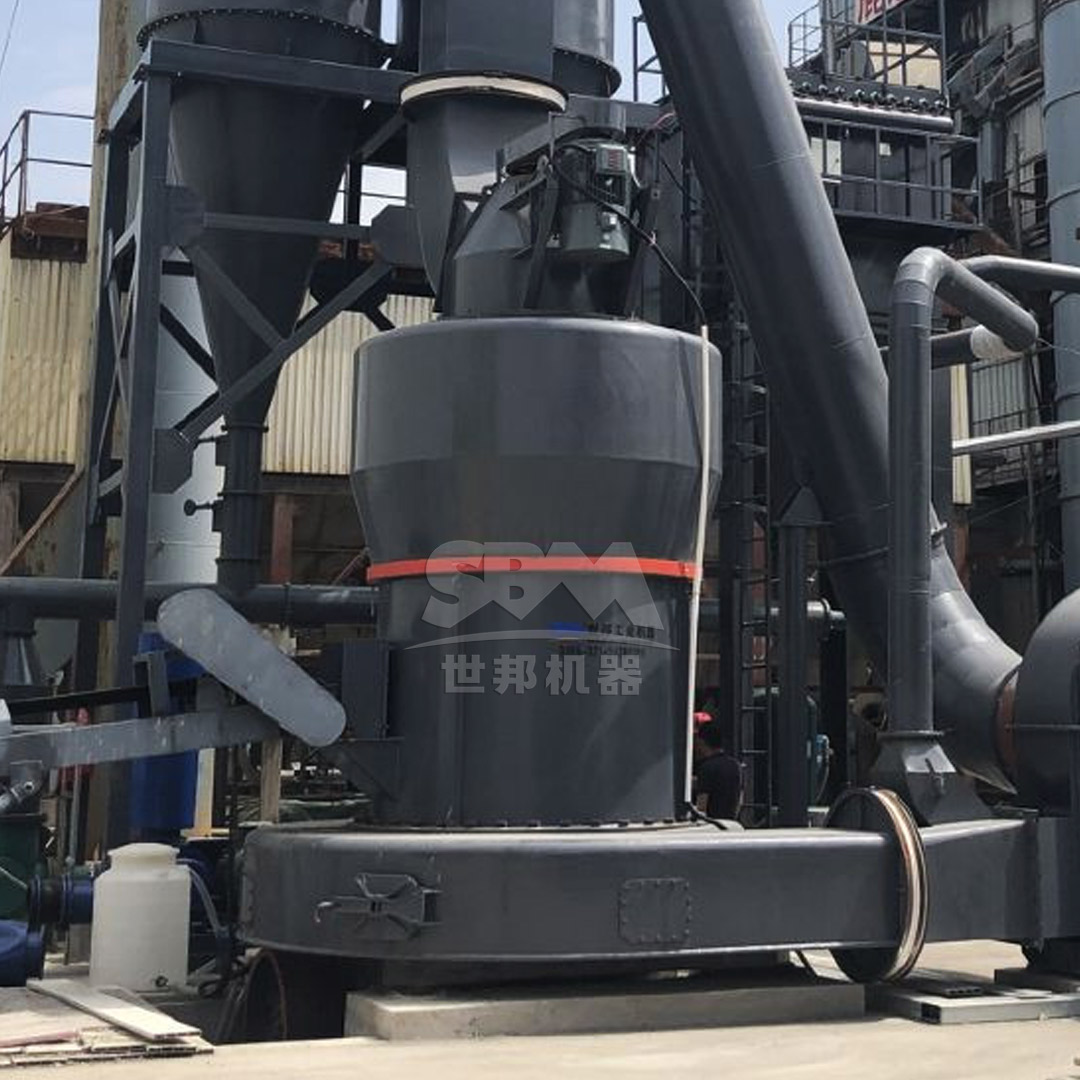
To increase the specific gravity and BaSO₄ content, barite ore often undergoes gravity separation. This process exploits the density difference between barite (4.2-4.5 g/cm³) and lighter gangue. Key equipment includes:
The beneficiated barite concentrate, now with a BaSO₄ content often exceeding 92-96%, is then ready for fine grinding.
Most barite applications require a fine powder. The choice of grinding mill depends on the target fineness (mesh size), required capacity, and energy efficiency goals.
For producing barite powder in the range of 30-325 mesh (600-45μm), the Raymond mill, particularly the modernized MTW Series European Trapezium Mill, is an industry staple. It excels in grinding non-metallic minerals with medium hardness.
| Model Example | Capacity (t/h) | Output Fineness | Main Power |
|---|---|---|---|
| MTW175G | 9.5 – 25 | 30-325 mesh | 160 kW |
| MTW215G | 15 – 45 | 30-325 mesh | 280 kW |
For larger-scale production with a focus on energy savings, the LM Series Vertical Roller Mill is a superior choice. It integrates crushing, grinding, drying, and classification in a single unit.
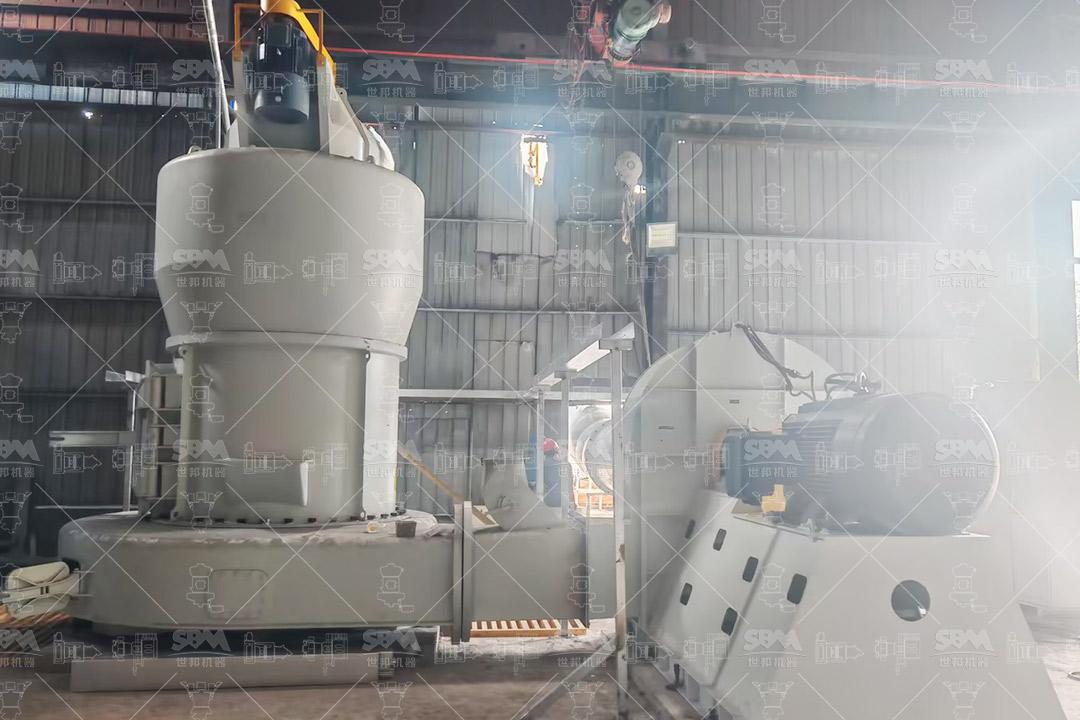
The traditional workhorse for grinding, ball mills are versatile and can operate in both dry and wet modes. They are capable of producing a wide range of fineness, typically from 0.074mm to 0.8mm (200-20 mesh).
Applications such as high-grade paints, premium plastics, and specialty chemicals demand barite powder with fineness exceeding 1250 mesh (10μm). This requires advanced ultra-fine grinding technology.
For producing barite powder in the 325-2500 mesh (45-5μm) range, the SCM Series Ultrafine Mill represents the pinnacle of efficiency and precision. It is specifically engineered to meet the most demanding specifications for brightness and particle size distribution.
For operations aiming to supply the high-value barite market, investing in the SCM Series Ultrafine Mill is a strategic decision that guarantees product superiority and operational economy.
| Model | Capacity (t/h) | Output Fineness | Main Power |
|---|---|---|---|
| SCM1000 | 1.0 – 8.5 | 325-2500 mesh | 132 kW |
| SCM1680 | 5.0 – 25 | 325-2500 mesh | 315 kW |
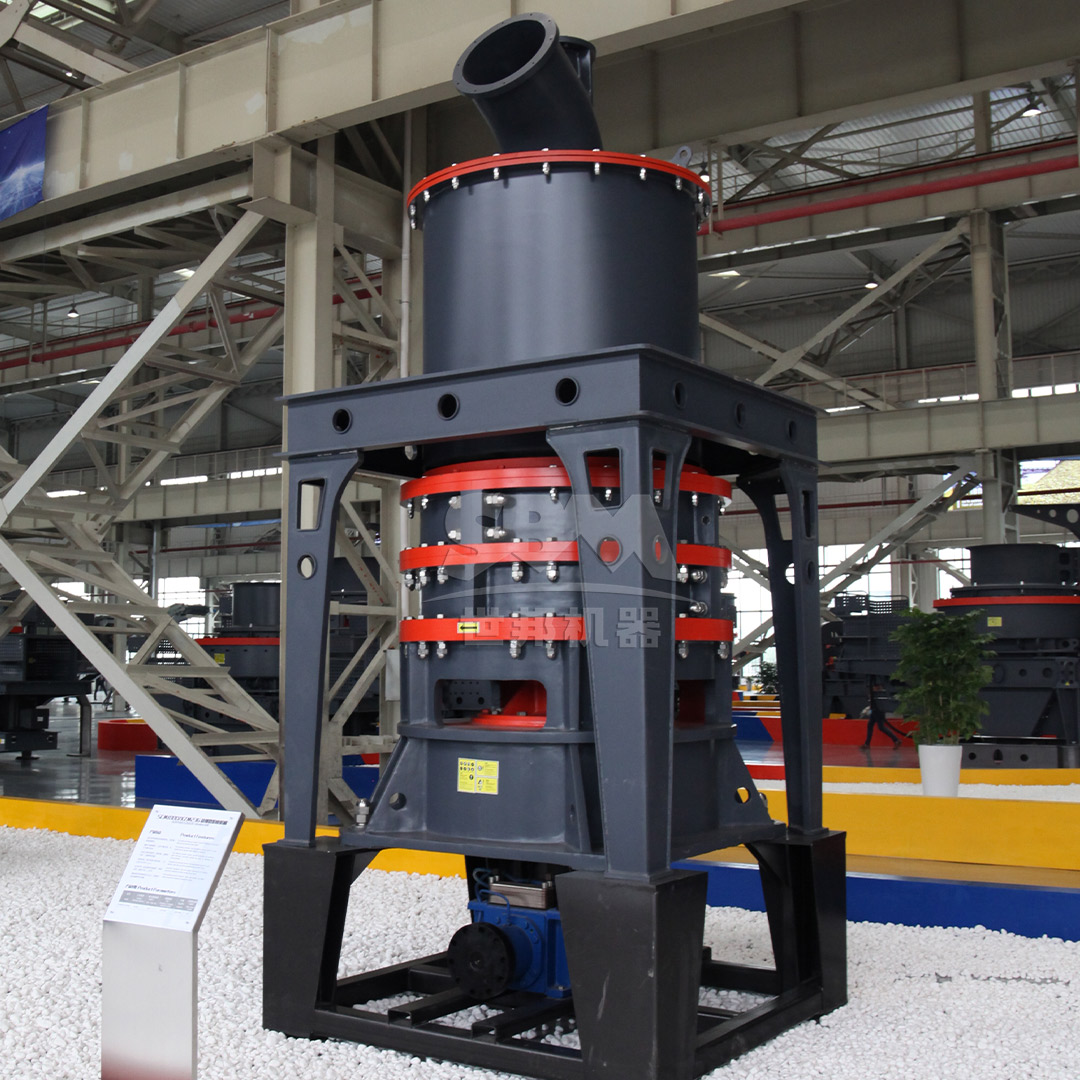
Another excellent option for ultra-fine grinding is the LUM Ultrafine Vertical Roller Mill. It combines the advantages of vertical roller mill stability with ultra-fine classification technology, suitable for producing barite powder from 325 to 2500 mesh.
A successful barite processing plant is more than a collection of machines; it is an integrated system. Key considerations include:
The path from raw barite ore to a refined industrial product requires a carefully selected sequence of crushers, beneficiation equipment, and grinding mills. For coarse to medium-fine grinding, MTW Series and LM Series mills offer robust and efficient solutions. For the high-stakes production of ultra-fine barite powder that commands premium prices, the SCM Series Ultrafine Mill stands out as a technologically advanced, energy-efficient, and reliable solution. By understanding the capabilities of each equipment type and aligning them with your target product specifications and production goals, you can build a barite processing plant that is both competitive and profitable in the global market.