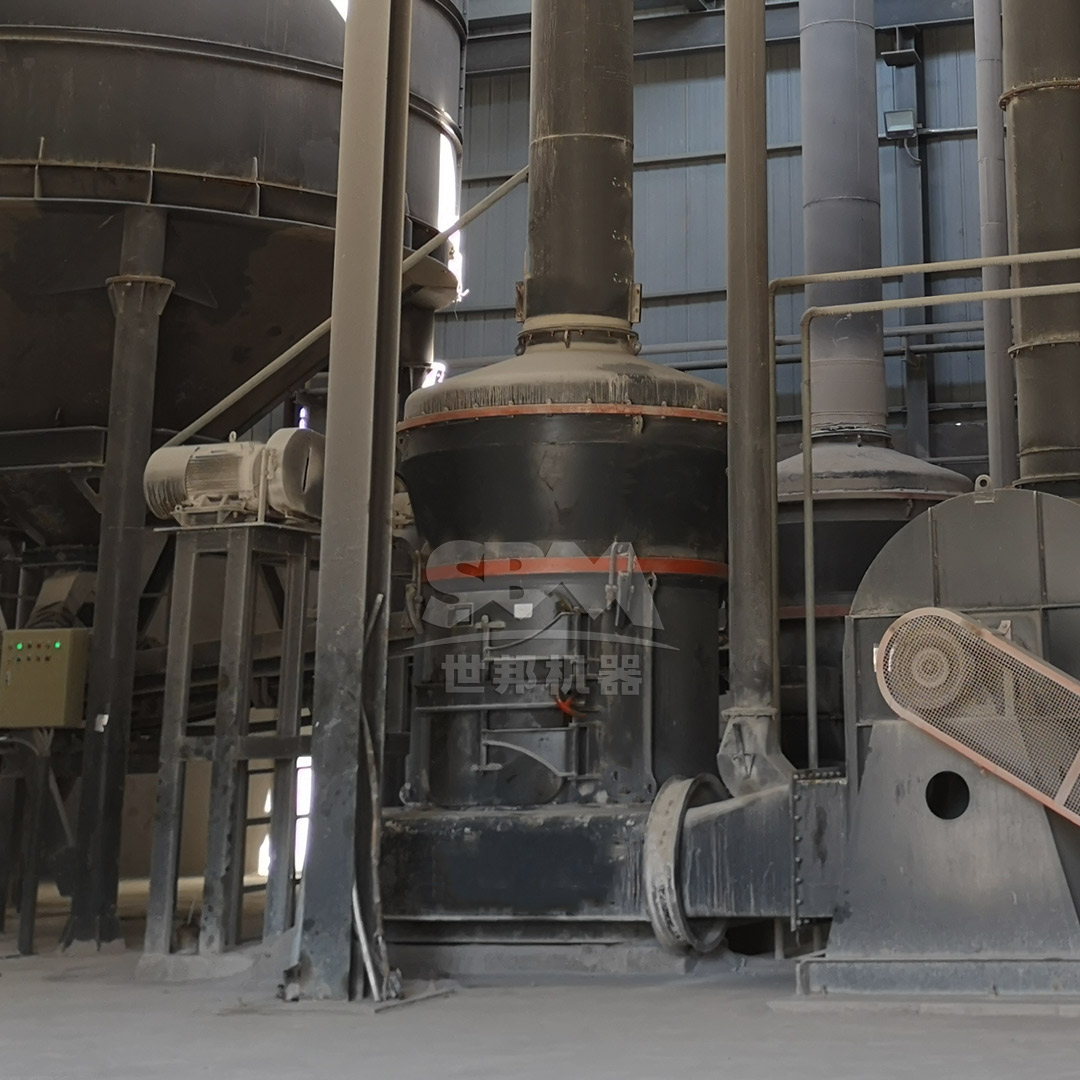
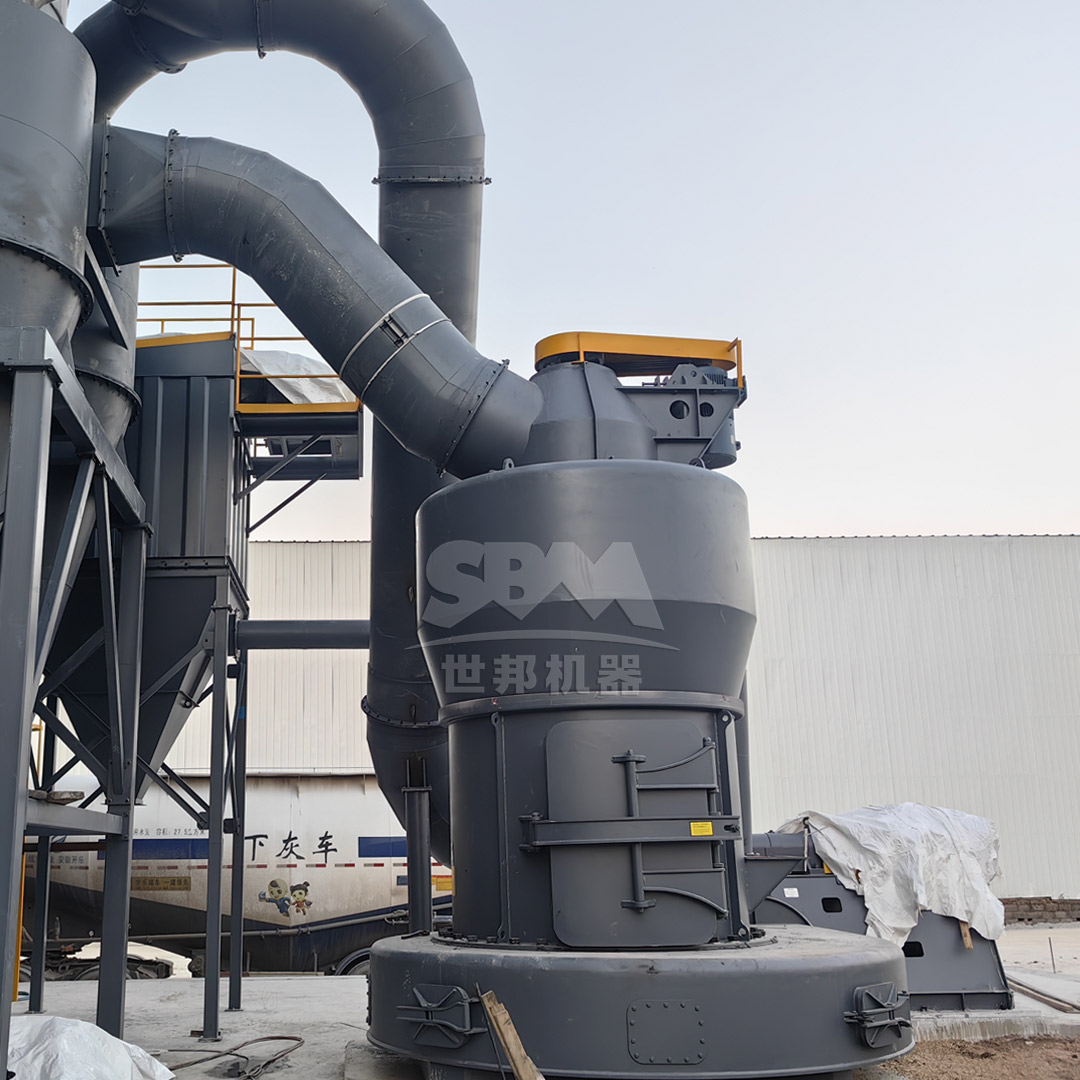
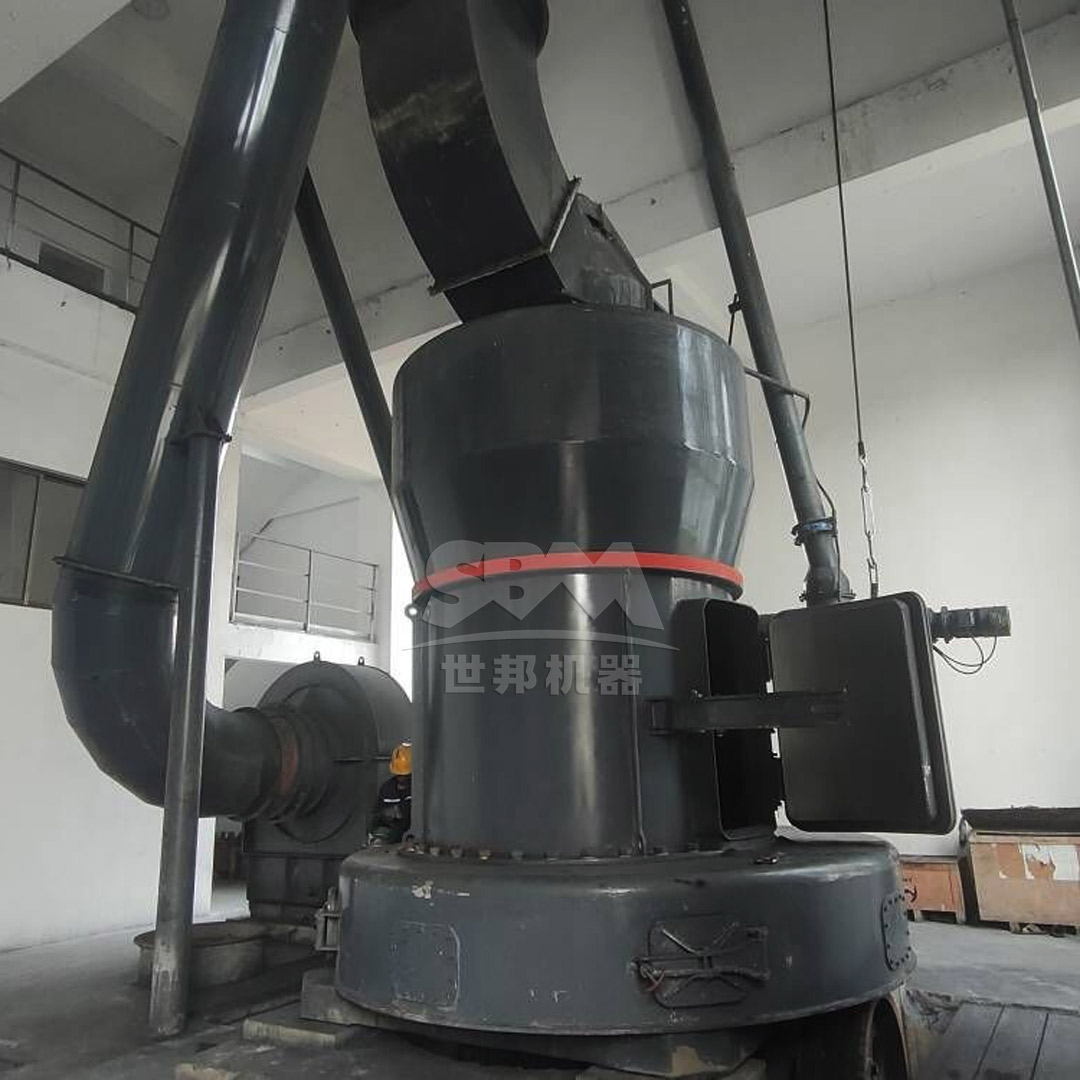
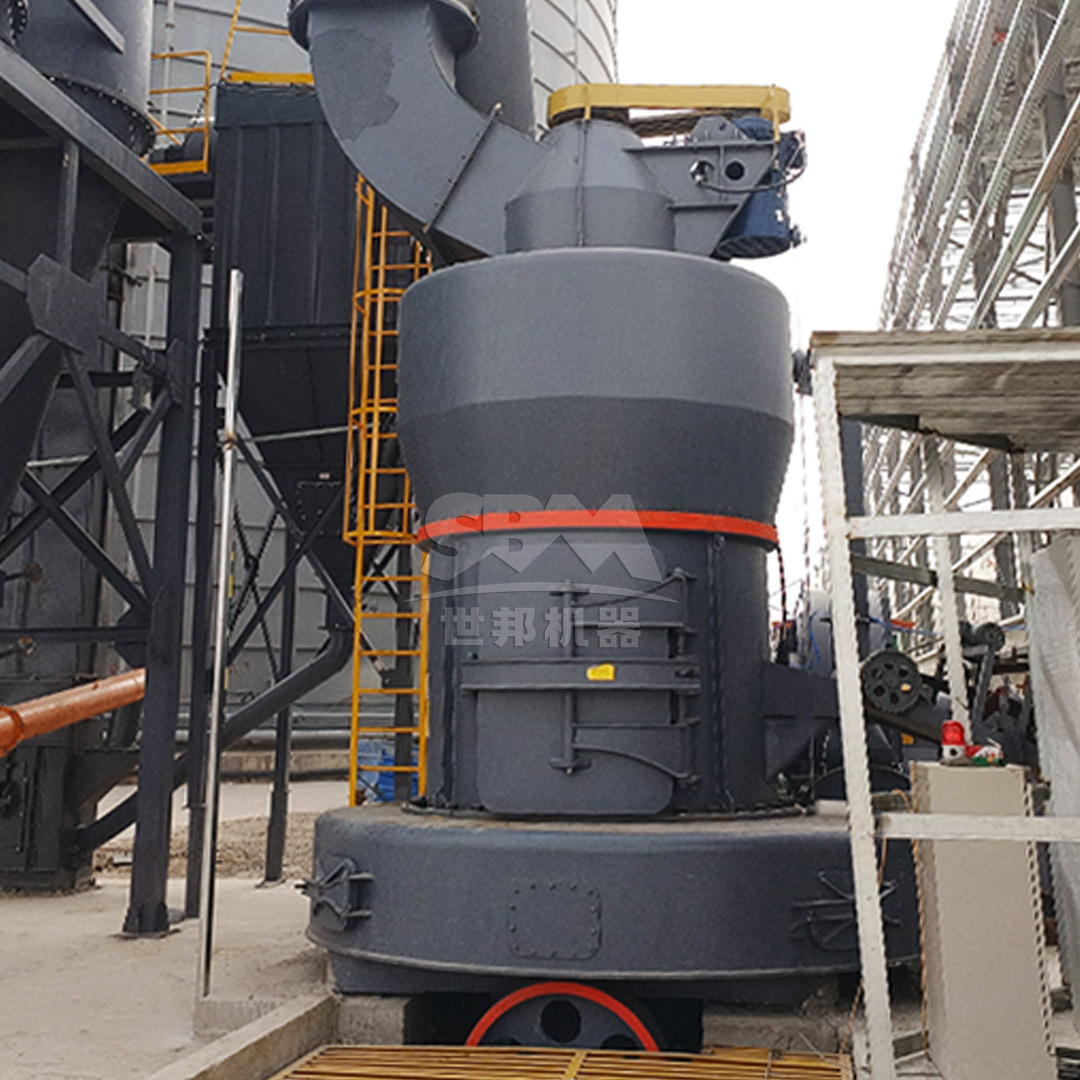
Bauxite, the primary ore of aluminum, is a crucial raw material for industries ranging from metallurgy to refractories and abrasives. The production of high-quality aluminum and its compounds heavily relies on the efficient processing of bauxite into fine powders. The grinding stage is particularly critical, as it directly influences the reactivity, purity, and final application properties of the processed material. Selecting the appropriate grinding mill is therefore not merely an operational decision but a strategic one that impacts production efficiency, product quality, and overall economic viability. This article delves into the technical requirements for bauxite grinding and explores the key equipment solutions that can meet these demanding industrial needs.
Bauxite is a heterogeneous material primarily composed of aluminum hydroxide minerals like gibbsite, boehmite, and diaspore, mixed with impurities such as silica, iron oxides, and titania. Its physical properties—including hardness, abrasiveness, and moisture content—can vary significantly depending on the deposit. These variations present distinct challenges for grinding equipment:
Overcoming these challenges necessitates grinding mills that are not only robust and durable but also capable of precise classification and energy-efficient operation.
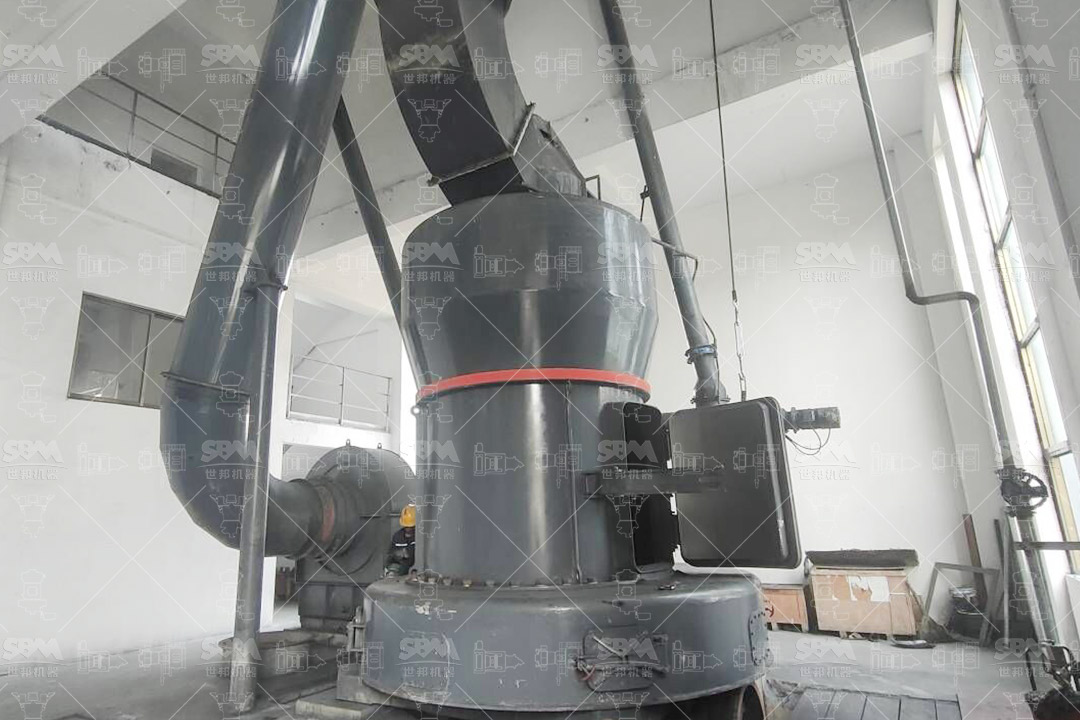
The choice of grinding mill depends on the target fineness, required capacity, and the specific properties of the bauxite feed. Modern grinding technology offers several advanced solutions tailored for mineral processing.
Applications requiring extremely fine bauxite powder, such as advanced ceramics or high-purity chemical synthesis, demand mills with integrated high-precision classification systems. In this domain, the SCM Ultrafine Mill stands out as an exemplary solution. Engineered to produce powders in the range of 325 to 2500 mesh (45-5μm), this mill is specifically designed to handle the demanding requirements of ultra-fine processing.
The SCM series excels due to its vertical turbine classifier, which ensures precise particle size切割 and prevents coarse particles from contaminating the final product. Its grinding mechanism, utilizing multiple grinding rings and rollers, applies layered grinding force, which is both efficient and helps manage the abrasive nature of bauxite. Furthermore, its high-efficiency pulse dust collector exceeds international standards, ensuring an environmentally friendly operation with minimal product loss. For operations prioritizing ultra-fine output with tight PSD control and energy savings—reportedly 30% lower energy consumption compared to jet mills—the SCM Ultrafine Mill is a top-tier choice. Its models, such as the SCM1000 with a capacity of 1.0-8.5 ton/h and a 132kW main motor, offer scalable solutions for various production scales.
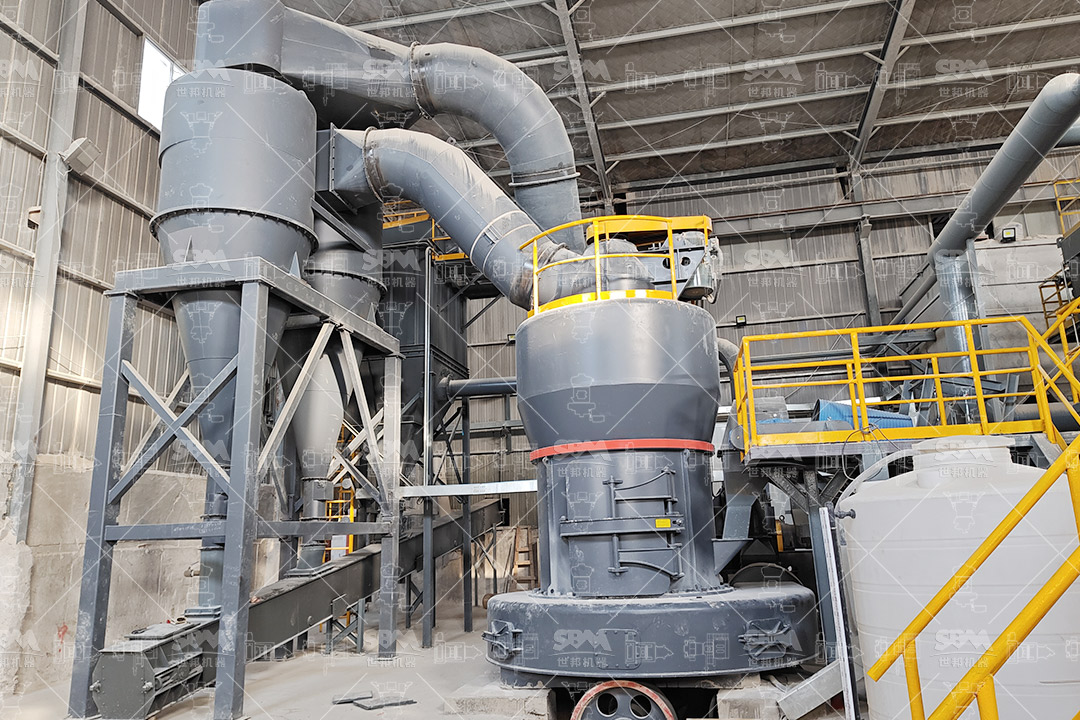
For large-scale production of bauxite powder used in alumina refineries or for cement additive production, where capacities can reach tens of tons per hour, robust and high-throughput mills are essential. The MTW Series Trapezium Mill is engineered for this purpose. Capable of handling feed sizes up to 50mm and producing powders from 30 to 325 mesh, it combines high capacity with reliability.
Its technological advantages directly address bauxite grinding challenges. The curved air duct minimizes air flow resistance and energy loss, enhancing overall system efficiency. The integral transmission with bevel gear achieves a remarkable 98% transmission efficiency, ensuring stable power delivery and lower installation costs. The wear-resistant design of components like the combined shovel blade reduces maintenance frequency—a critical factor when processing abrasive bauxite. Models like the MTW215G, with a capacity of 15-45 tons per hour and a 280kW main motor, are perfectly suited for high-volume bauxite processing lines, offering a balance of performance, durability, and operational cost.
When processing bauxite with moderate moisture content or when seeking the highest possible energy efficiency for large-scale fine grinding, Vertical Roller Mills (VRMs) like the LM Series offer a compelling solution. VRMs integrate grinding, drying, and classification in a single compact unit. The material is ground between rollers and a rotating table, with hot air simultaneously drying and transporting the fine powder to the classifier.
This design offers a 30-40% reduction in energy consumption compared to traditional ball mill systems. The non-contact design between rollers and the grinding table in certain configurations also significantly extends the life of wear parts. Their fully sealed negative-pressure operation guarantees dust emissions below 20mg/m³, meeting stringent environmental standards. For massive production needs, models like the LM220K (36-105 t/h) or the specialized LM series for slag and fine powder provide the necessary throughput and control.
| Mill Type | Typical Output Fineness | Key Strength for Bauxite | Ideal Application Scale |
|---|---|---|---|
| SCM Ultrafine Mill | 325-2500 mesh (5-45μm) | Precision classification, Energy efficiency for ultra-fine powder | Medium scale, High-value products |
| MTW Trapezium Mill | 30-325 mesh (45-500μm) | High capacity, Robustness, Low maintenance cost | Large-scale production |
| LM Vertical Roller Mill | 30-600 mesh (25-500μm) | Integrated drying, Highest energy efficiency, Massive capacity | Very large-scale, integrated plants |
The successful grinding of bauxite into quality powder hinges on matching the ore’s characteristics and the product specifications with the correct milling technology. For operations focused on ultra-fine bauxite powder where particle size distribution, purity, and energy consumption are paramount, the SCM Ultrafine Mill is a technologically superior choice. Its ability to deliver a consistent product down to 5μm (D97), coupled with its significant energy savings and environmentally friendly design, makes it a key asset for advanced material production.
Conversely, for high-tonnage operations aiming for fine to medium bauxite powders, such as those feeding the Bayer process, the MTW Series Trapezium Mill provides the necessary durability, capacity, and operational economy. Its advanced design features directly combat the abrasiveness of bauxite, ensuring high availability and lower cost per ton.
Investing in the right grinding technology is an investment in the entire production chain’s efficiency and product quality. By leveraging advanced mills like the SCM and MTW series, producers can optimize their bauxite processing, reduce their environmental footprint, and secure a competitive edge in the market.