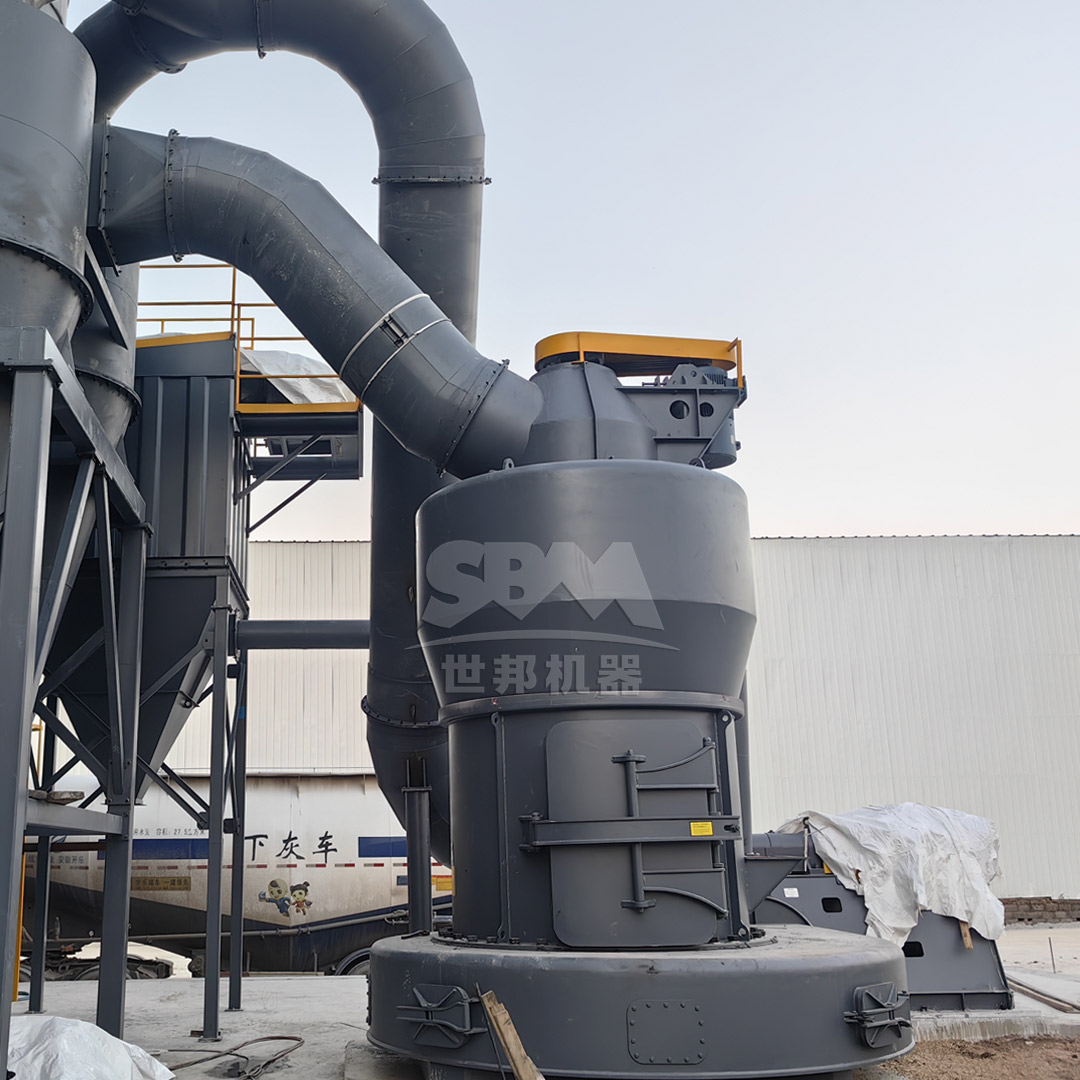
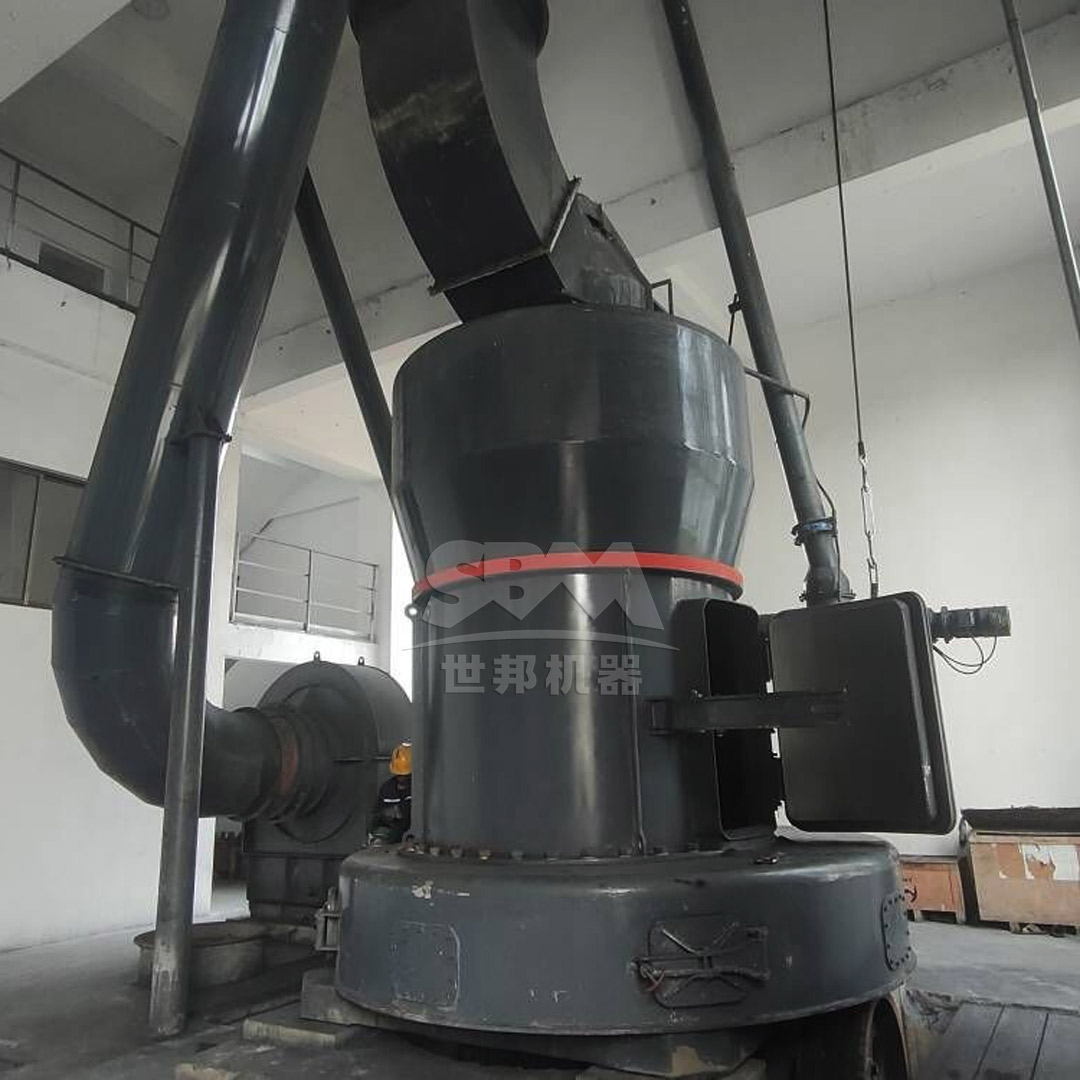
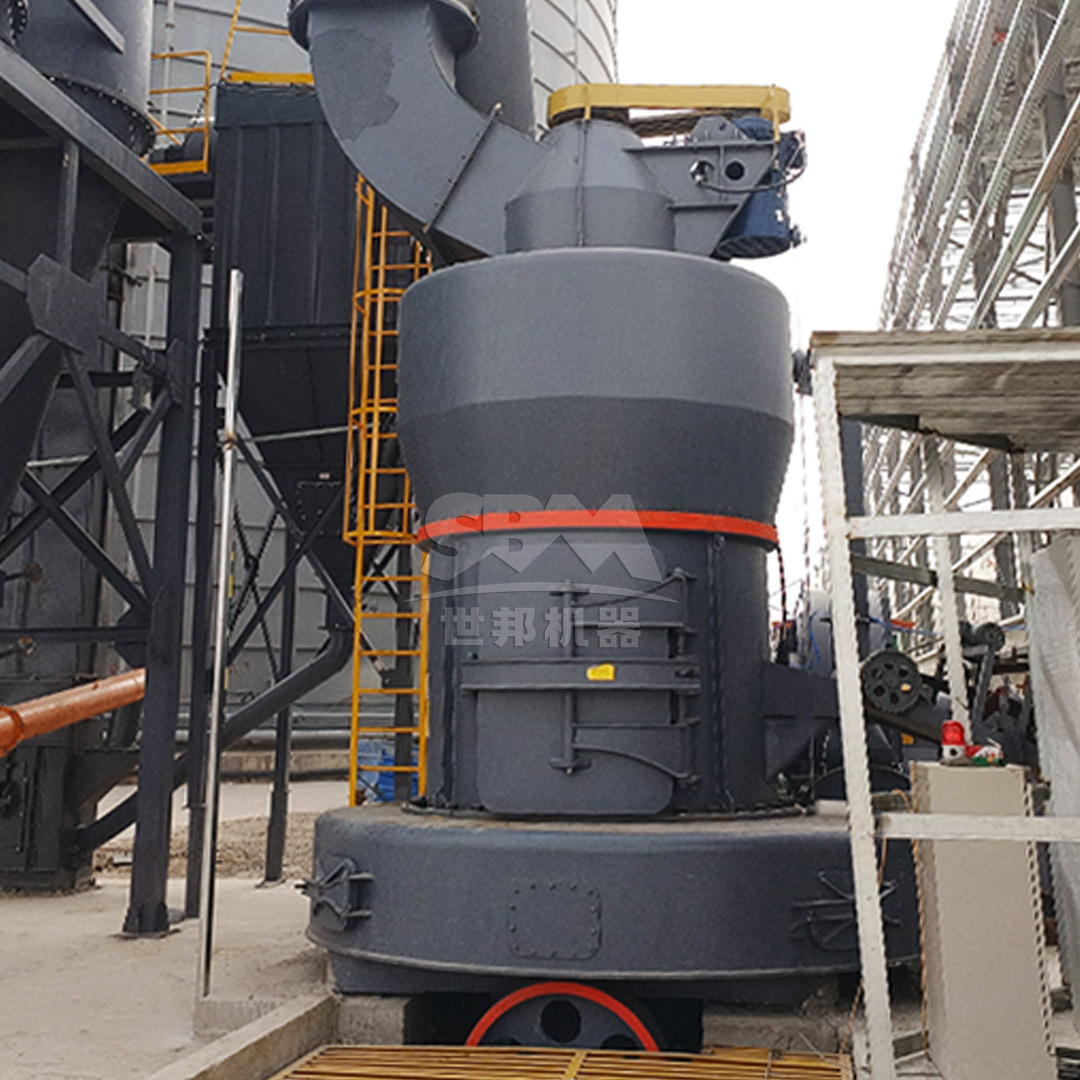
Bentonite, a versatile clay mineral primarily composed of montmorillonite, is a critical raw material in numerous industries, including foundry, drilling, construction, agriculture, and environmental engineering. Its value is intrinsically linked to its fineness, purity, and specific properties (e.g., swelling capacity, viscosity). Therefore, establishing an efficient and reliable bentonite powder production line is paramount for product quality and economic viability. This article provides a comprehensive overview of a modern bentonite processing line, detailing the key stages, essential equipment, and technological considerations, with a focus on achieving optimal particle size distribution and product consistency.
Bentonite ore is typically mined in lumps or chunks with varying moisture content (often 15-25% or higher). The first step in any production line is effective pre-processing to prepare the material for fine grinding.
High moisture content can clog crushing and grinding equipment, reduce efficiency, and affect final product quality. Rotary dryers are commonly employed. They consist of a large, rotating cylinder through which hot gases pass, efficiently evaporating moisture from the bentonite fed into the drum. The target moisture after drying is usually below 10-12% for subsequent crushing.
Dried bentonite lumps need to be reduced to a manageable size for grinding mills. A two-stage crushing system is often optimal:
| Process Stage | Input Size | Output Size | Typical Equipment |
|---|---|---|---|
| Drying | Lumps, High Moisture | Lumps, Moisture <12% | Rotary Dryer |
| Primary Crushing | ≤ 500 mm | ~100-150 mm | Jaw Crusher |
| Secondary Crushing | ~100-150 mm | ≤ 30-50 mm | Hammer Crusher |
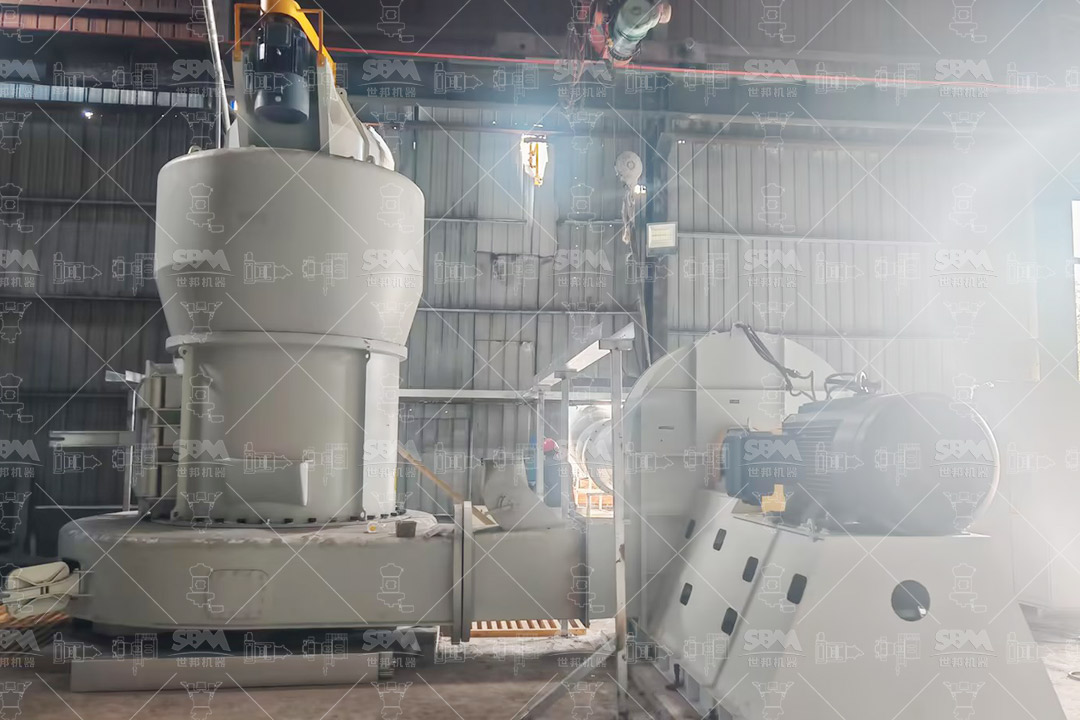
This is the heart of the bentonite powder production line, where the material is pulverized to the target fineness (commonly ranging from 200 mesh/75μm for foundry applications to 325 mesh/45μm or even finer for high-value uses). The choice of grinding mill is critical and depends on the required capacity, final fineness, energy efficiency, and product characteristics.
1. Raymond Mill (MTW Series Trapezium Mill): A traditional and widely used technology for medium-fine grinding (30-325 mesh/0.6-0.045mm). Modern versions like the MTW Series European Trapezium Mill offer significant improvements. Its advantages include a curved air duct for reduced flow resistance, a geared transmission system for high efficiency (up to 98%), and wear-resistant components like combined shovels. It is suitable for medium to large-scale production lines requiring fineness up to 325 mesh. For example, the MTW215G model can handle up to 45 tons per hour with an input size of ≤50mm.
2. Vertical Roller Mill (LM Series): This technology represents a leap in efficiency for large-scale bentonite grinding. It integrates grinding, drying, and classification in a single unit. Material is ground between rollers and a rotating table, with hot air simultaneously drying and transporting the fines to a classifier. Its benefits are profound: energy savings of 30-40% compared to ball mills, a compact footprint (reducing plant area by 50%), low noise, and excellent environmental performance with dust emissions below 20mg/m³. The LM series offers models like the LM220K with capacities up to 105 t/h, making it ideal for high-tonnage bentonite processing plants.
3. Ultrafine Grinding Mill (SCM Series / LUM Series): For producing high-value, superfine bentonite powders (325-2500 mesh/45-5μm), specialized ultrafine mills are essential. The SCM Ultrafine Mill is a standout solution in this category. It features a vertical turbine classifier that enables precise particle size cuts, ensuring a uniform product without coarse grain contamination. Its grinding mechanism, utilizing multiple grinding rings and rollers, achieves high efficiency with energy consumption reported to be 30% lower than jet mills while offering double the capacity. Models like the SCM1680 can produce 5-25 tons per hour of powder with a fineness D97 ≤ 5μm. This makes it perfect for applications demanding extreme fineness and high purity, such as high-performance drilling muds or advanced ceramic composites.
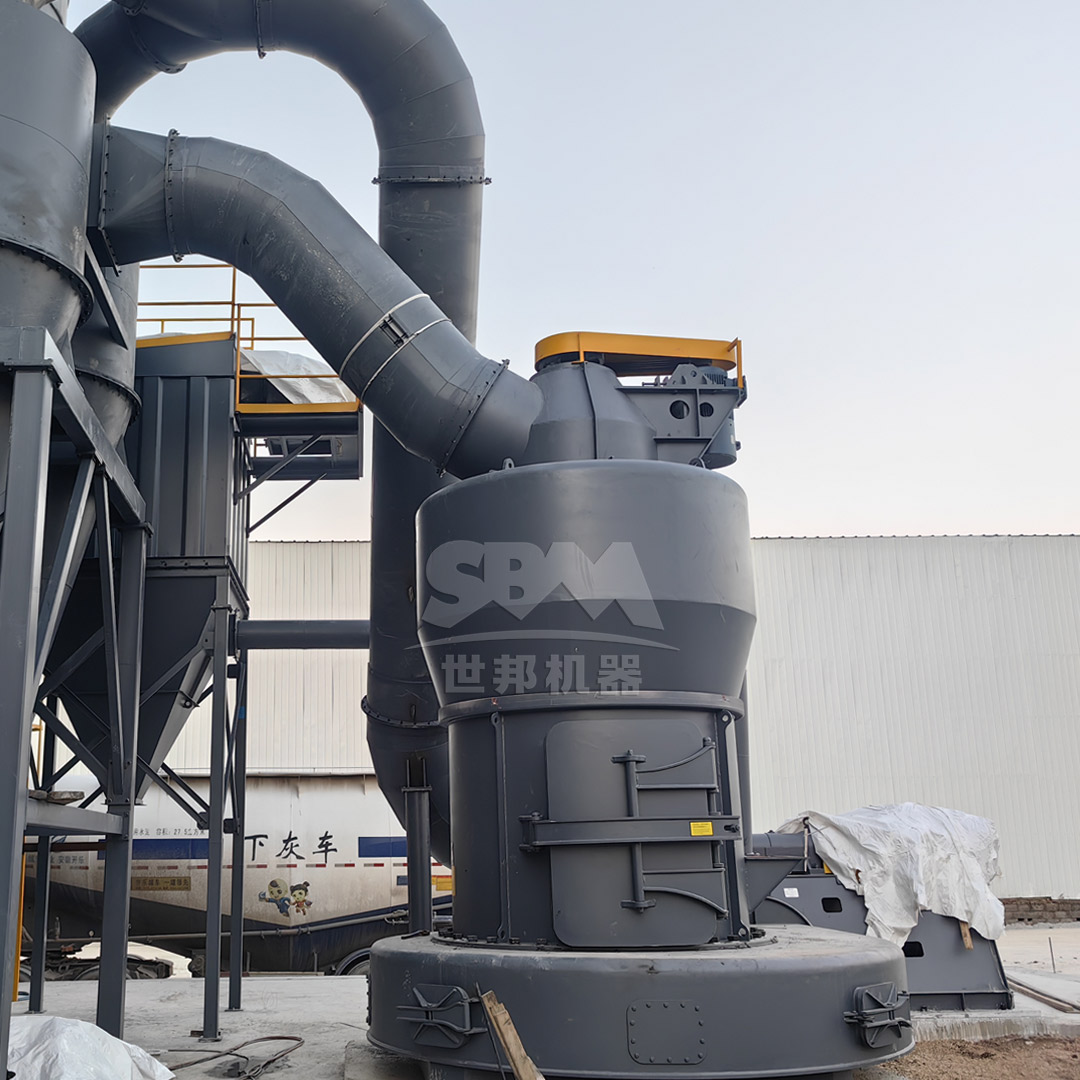
Integrated with or separate from the grinding mill, classifiers (e.g., dynamic air classifiers, turbo classifiers) are crucial for controlling the top particle size. They separate fine particles that meet the specification from coarse ones, which are returned to the mill for further grinding. This closed-circuit operation ensures product consistency and maximizes mill efficiency.
Once the bentonite is ground and classified, the fine powder must be efficiently collected, potentially modified, and prepared for shipment.
The air-powder mixture from the mill/classifier enters a collection system, typically a two-stage setup:
Depending on the product grade, sodium activation (for sodium bentonite) or organic modification (for organoclays) may be required. This involves mixing the powder with additives (e.g., sodium carbonate, quaternary ammonium salts) in specialized mixers or paddlers, sometimes with heating, to enhance specific properties like swelling or compatibility with organic systems.
The finished bentonite powder is conveyed to storage silos. From there, it is automatically weighed and packed into bags (25kg, 50kg, 1-ton big bags) by valve bag packers or big bag filling stations. The packaging area should be equipped with local dust extraction to maintain a clean working environment.
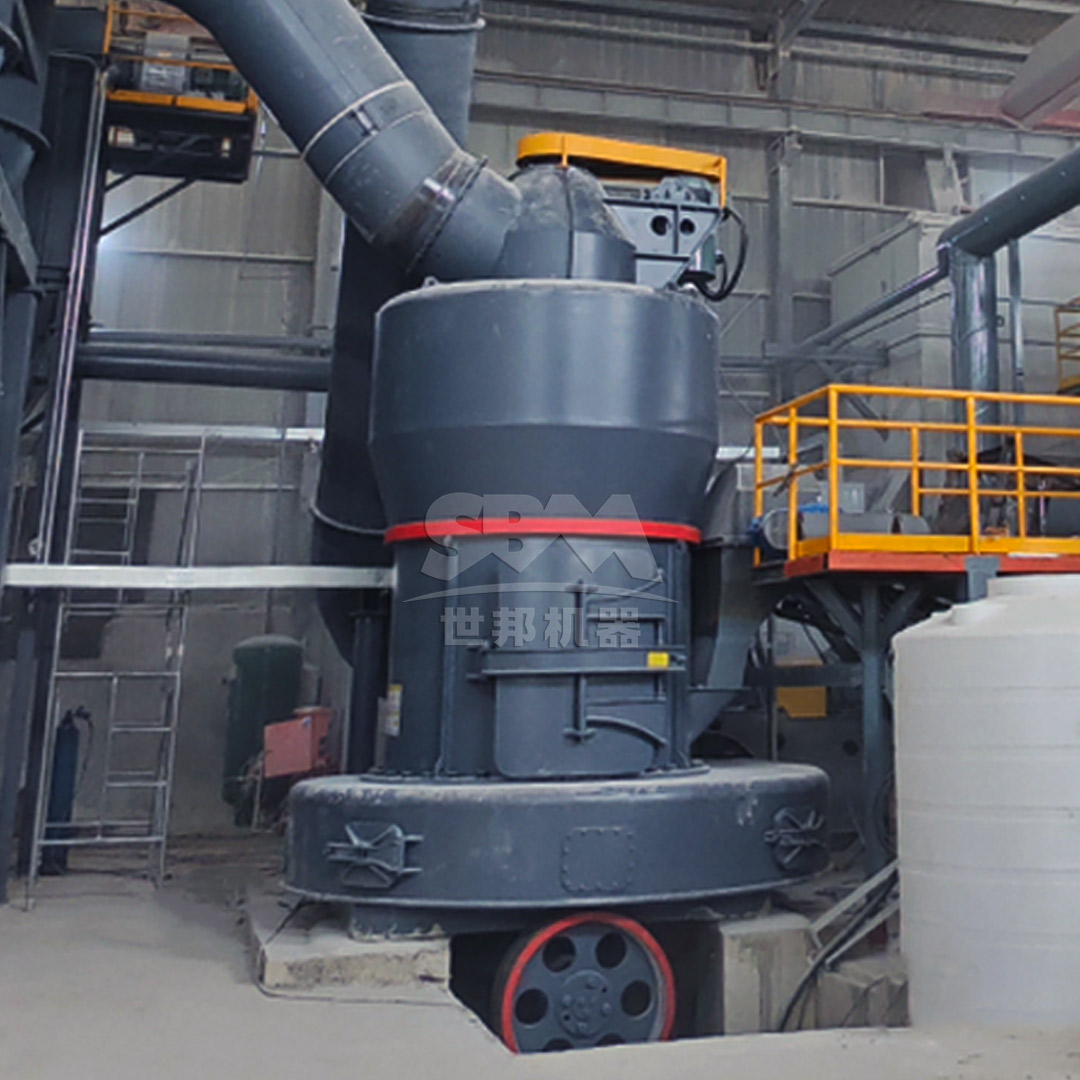
A typical integrated bentonite powder production line follows this sequence: Raw Bentonite Ore → Drying → Primary Crushing → Secondary Crushing → Fine Grinding & Classification (Core) → Powder Collection → (Modification) → Packaging & Storage.
Selecting the right core grinding equipment is the most significant decision. For a large-scale plant (e.g., > 50 TPH) producing standard 200-325 mesh powder, the LM Vertical Roller Mill is highly recommended for its unparalleled energy efficiency and low operating cost. For a specialized plant targeting superfine and high-value products (325-2500 mesh), the SCM Ultrafine Mill is the superior choice, offering precise classification, high yield of fine particles, and robust construction for stable, long-term operation. The MTW Trapezium Mill remains a reliable and cost-effective option for medium-scale, general-purpose production.
Designing a successful bentonite powder production line requires a holistic understanding of material properties, product specifications, and available technologies. The trend is moving towards integrated, energy-efficient, and environmentally friendly systems. Key to this is the selection of advanced grinding equipment like Vertical Roller Mills for bulk processing and Ultrafine Mills for premium products. Coupled with automated control systems, efficient dust collection, and robust packaging, a modern bentonite line can deliver consistent, high-quality powder that meets the stringent demands of global markets while ensuring operational sustainability and profitability.