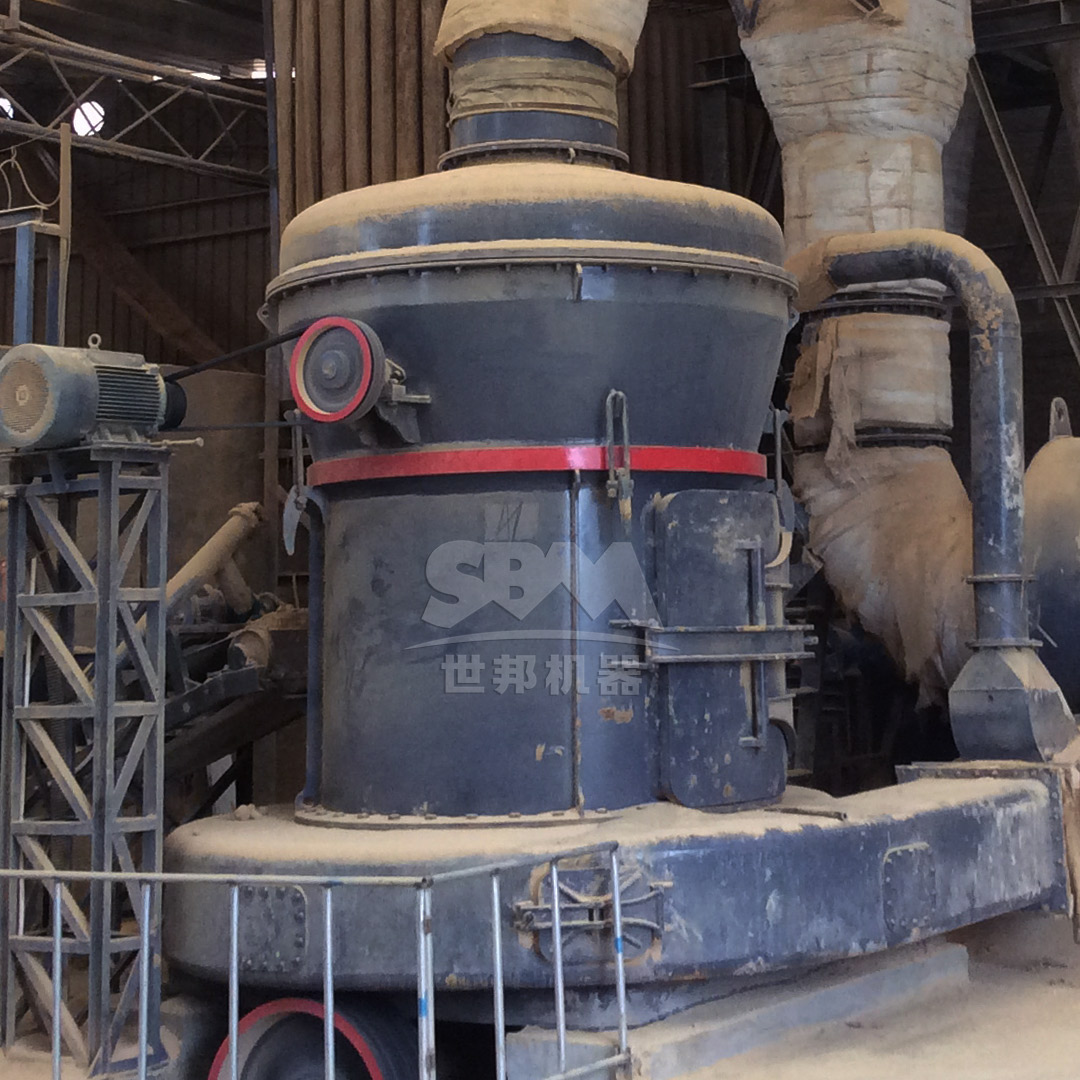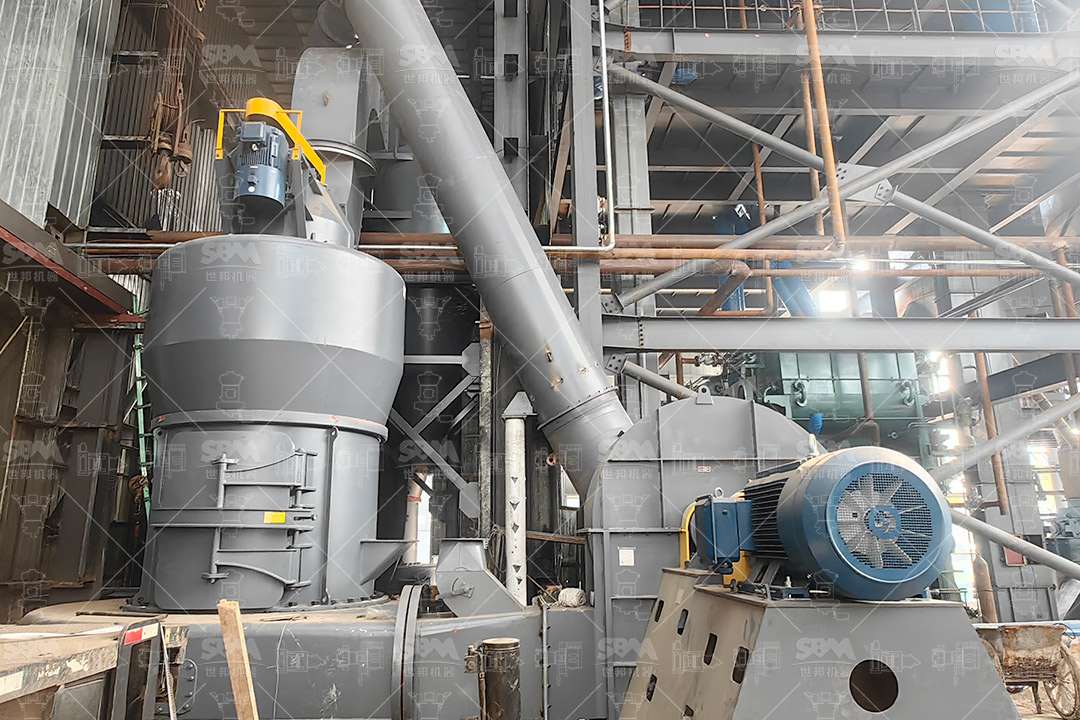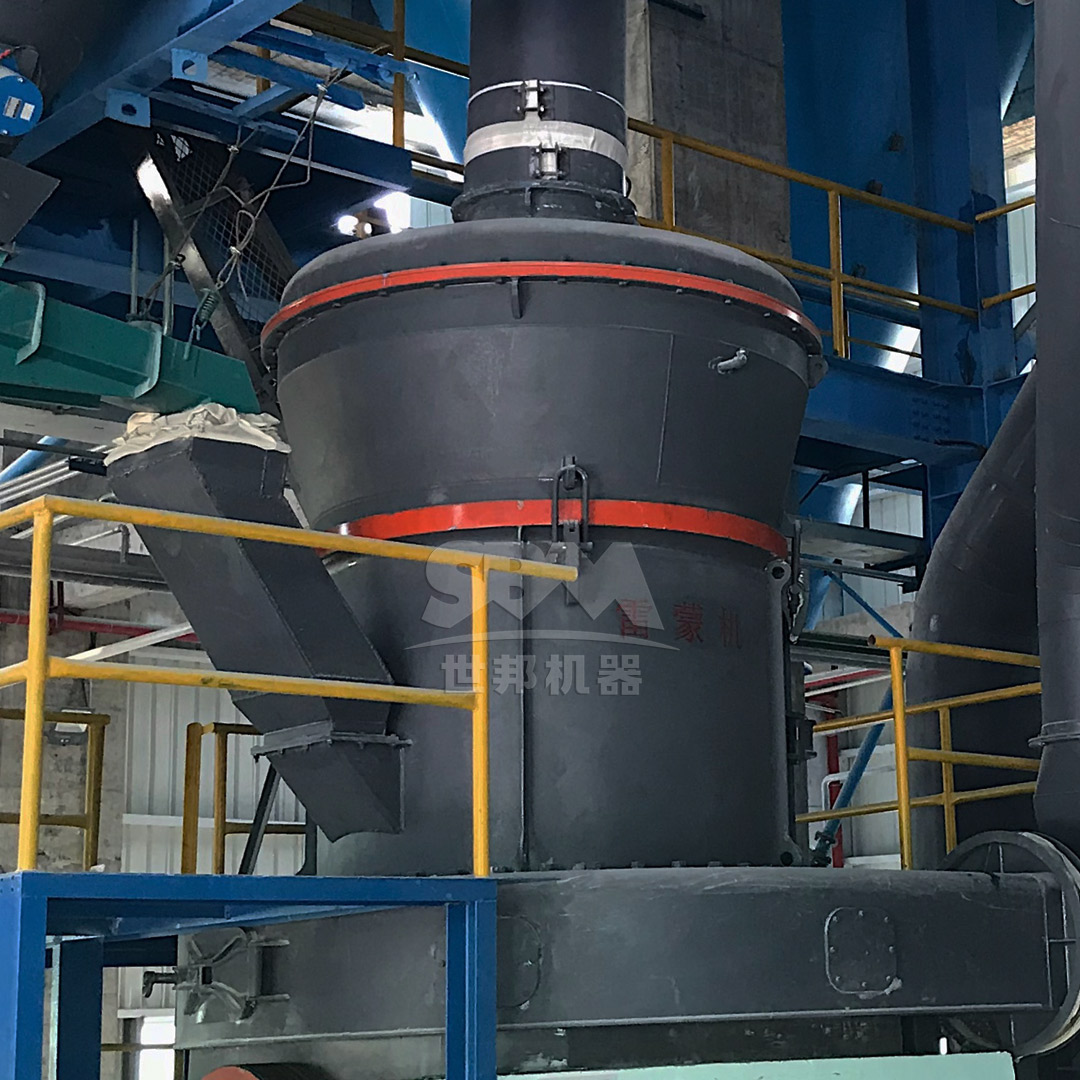
The efficient processing of bentonite, a versatile clay mineral prized for its swelling, adsorption, and binding properties, is critical to its performance in applications ranging from foundry sands and drilling muds to cat litter and environmental remediation. A successful bentonite processing plant hinges on selecting the right equipment for drying, grinding, and classification to achieve the desired fineness, moisture content, and activation level. This article explores the core equipment requirements and presents advanced, integrated solutions for modern bentonite processing.
Raw bentonite ore typically contains 25-35% moisture and requires a series of mechanical and thermal processes to transform it into a saleable product. The standard flow involves:
| Process Stage | Key Equipment | Primary Function | Target Output |
|---|---|---|---|
| Drying | Rotary Dryer, Flash Dryer | Moisture Reduction | Moisture <15% |
| Coarse Grinding | Hammer Mill, Raymond Mill (MTW Series) | Particle Size Reduction to 30-100 mesh | Feed for fine mills |
| Fine & Ultrafine Grinding | Ball Mill, Vertical Roller Mill (LM Series), Ultrafine Mill (SCM Series) | Production of 200-2500 mesh powders | High-value specialty products |
| Classification | Air Classifiers (Integrated or Standalone) | Particle Size Control & Separation | Narrow particle size distribution |
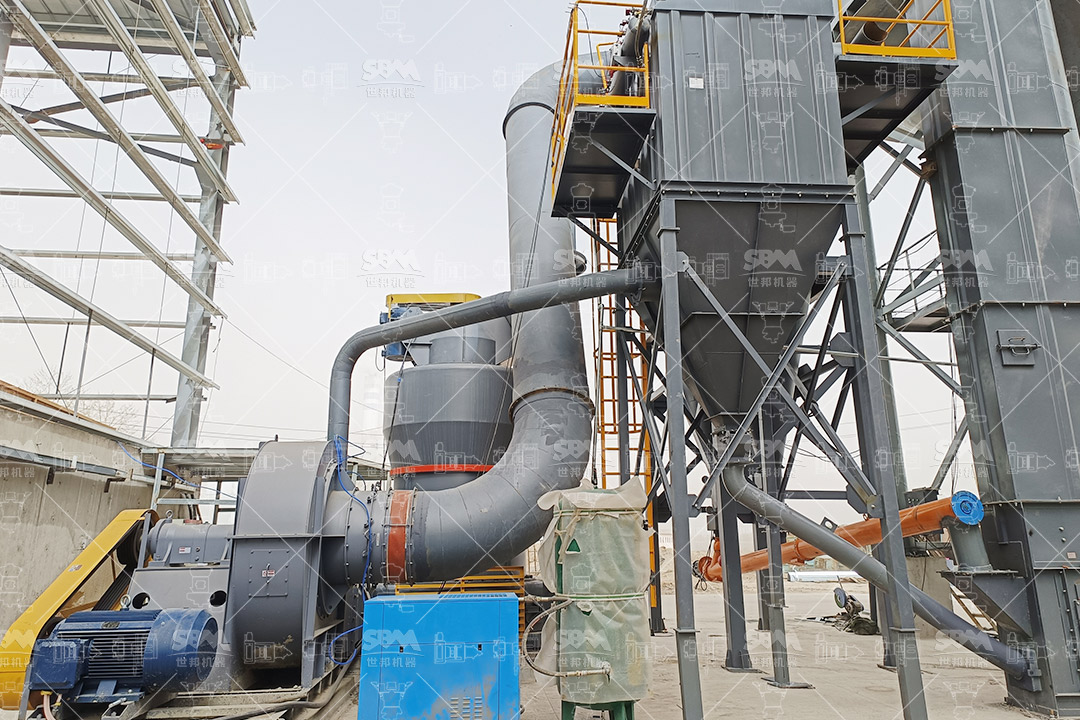
Selecting the optimal grinding mill is paramount, as it directly impacts product quality, energy consumption, and operational cost. The choice depends on the target fineness, capacity, and desired particle shape.
For producing foundry-grade bentonite or drilling mud materials in large volumes, robust and efficient mills are required.

High-value applications in polymers, cosmetics, and advanced ceramics demand ultrafine powders with tight particle size control. For this, specialized equipment is essential.
Our flagship solution for this segment is the SCM Series Ultrafine Mill. Engineered to produce powders between 325 and 2500 mesh (45-5μm), it represents the pinnacle of fine grinding technology for bentonite. The mill operates on a layered grinding principle where material is crushed by roller pressure against rotating grinding rings. Its defining feature is the high-precision vertical turbine classifier, which ensures sharp particle size cuts and a uniform finished product without coarse powder mixing. Furthermore, the mill is designed for durability and sustainability: special material rollers and rings extend service life, while the pulse dust collection system and soundproof design ensure emissions and noise are kept well below international standards. With capacities ranging from 0.5 to 25 tons per hour, the SCM Series offers a scalable solution for producing high-purity, ultrafine bentonite.
| Model | Capacity (t/h) | Main Power (kW) | Output Fineness | Typical Application |
|---|---|---|---|---|
| SCM800 | 0.5 – 4.5 | 75 | 325-2500 mesh | Pilot plant, Specialty chemicals |
| SCM1000 | 1.0 – 8.5 | 132 | 325-2500 mesh | Medium-scale nanoclay production |
| SCM1680 | 5.0 – 25.0 | 315 | 325-2500 mesh | Large-scale ultrafine bentonite |
A complete plant relies on robust supporting equipment.
Beyond supplying individual machines, the greatest value lies in a complete, optimized plant solution. This involves:
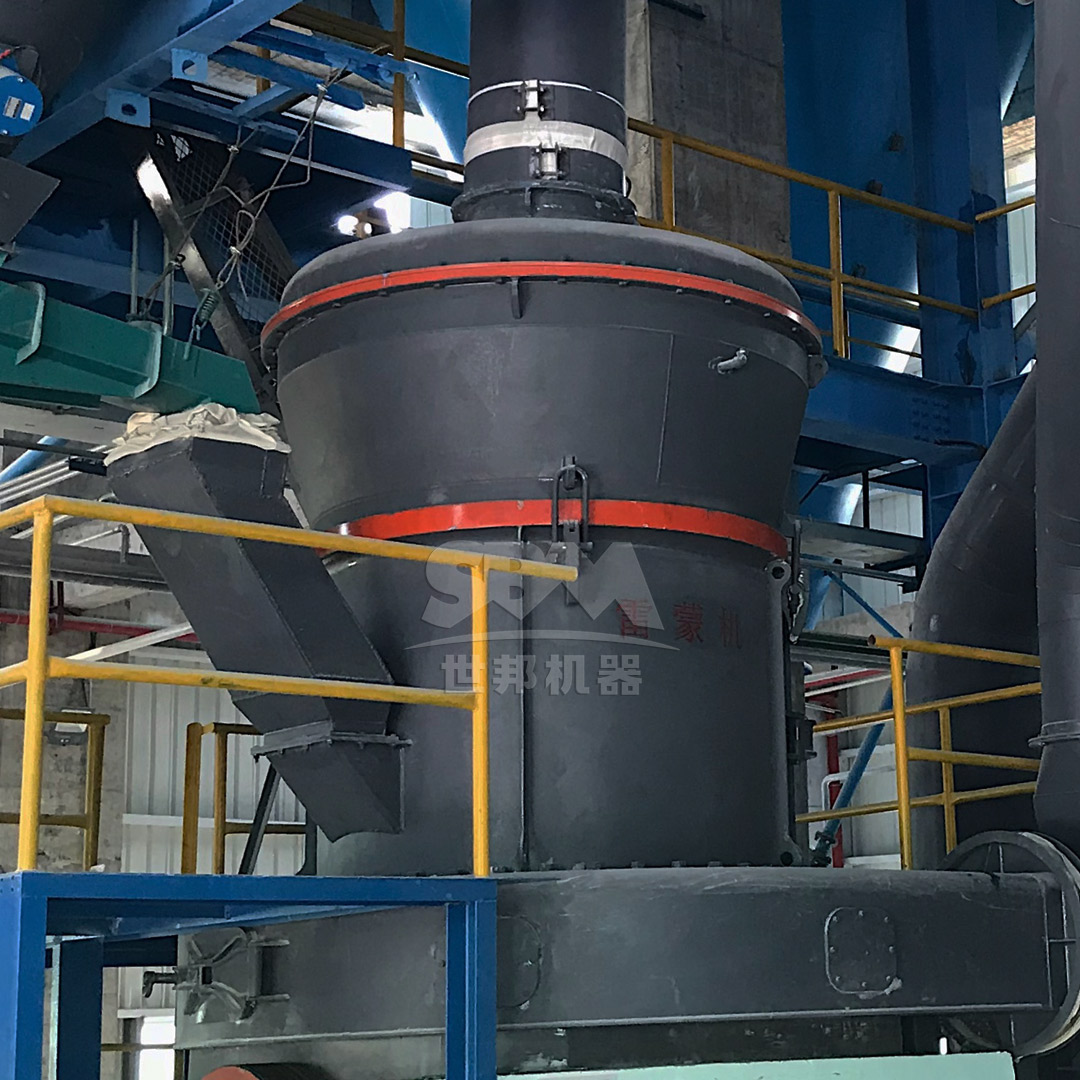
The transformation of raw bentonite into a consistent, high-quality product demands a sophisticated combination of drying and grinding technologies. From the high-efficiency, large-scale capabilities of the LM Vertical Roller Mill for standard grades to the precision ultrafine grinding of the SCM Series Ultrafine Mill for premium markets, selecting the right core milling technology is the first critical step. By partnering with a supplier capable of integrating these advanced mills with auxiliary systems into a coherent, automated plant solution, producers can achieve optimal productivity, product quality, and long-term profitability in the competitive bentonite market.