Bituminous coal, a vital energy resource and industrial feedstock, requires precise size reduction to unlock its full potential. Whether for pulverized coal injection (PCI) in blast furnaces, combustion in power plants, or as a precursor for carbon materials, the efficiency of the grinding process directly impacts energy consumption, combustion efficiency, and final product quality. Selecting the appropriate grinding mill is therefore not merely an operational choice but a strategic decision affecting the entire production chain’s economics and environmental footprint. This article explores the technological landscape of bituminous coal grinding, focusing on the key equipment that drives efficient processing.
Bituminous coal presents unique challenges for grinding systems. Its properties, such as Hardgrove Grindability Index (HGI), moisture content, volatile matter, and ash composition, vary significantly. A mill must handle feed sizes up to 50mm and reliably produce a fine, consistent powder, often with a fineness requirement of 70-90% passing 200 mesh (74 μm) for combustion or even finer for specialized applications. The abrasive nature of mineral matter within the coal also demands robust, wear-resistant designs to ensure operational continuity and low maintenance costs.
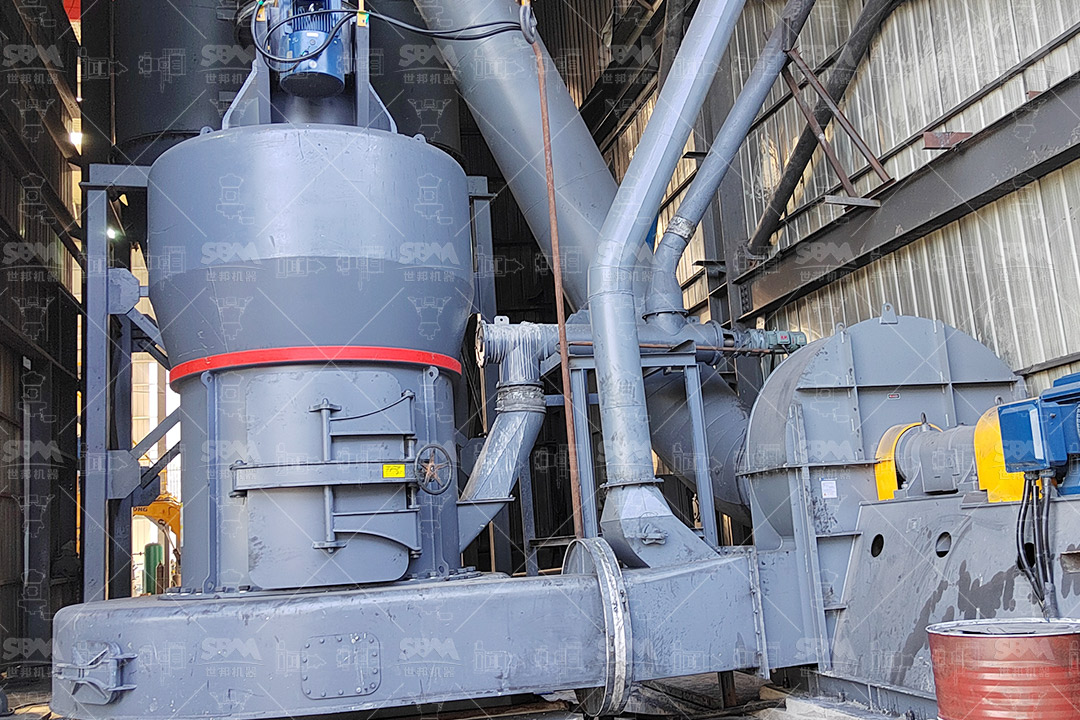
The evolution of grinding technology has moved from traditional ball mills to more efficient, specialized systems. Each technology offers distinct advantages tailored to different capacity and fineness requirements.
An efficient grinding system is more than just the mill itself. It encompasses the entire circuit, including:
Choosing the right mill involves a careful analysis of multiple factors:
| Selection Criteria | Key Considerations | Impact on Operation |
|---|---|---|
| Capacity & Feed Size | Required throughput (TPH); Maximum incoming coal lump size. | Determines mill model size and upstream crusher requirements. |
| Product Fineness | Target particle size distribution (e.g., % passing 200 mesh). | Dictates mill type, classifier design, and grinding pressure. |
| Coal Characteristics | HGI, Moisture Content, Abrasiveness (Ash). | Influences grinding force, wear rate, and potential need for drying. |
| Energy Efficiency | Specific power consumption (kWh/ton). | Major contributor to long-term operational costs. |
| System Integration | Footprint, Drying needs, Automation level. | Affects plant layout, ancillary equipment, and manpower. |
| Total Cost of Ownership | Capital cost, maintenance cost, wear part life. | Defines the economic viability over the equipment’s lifecycle. |
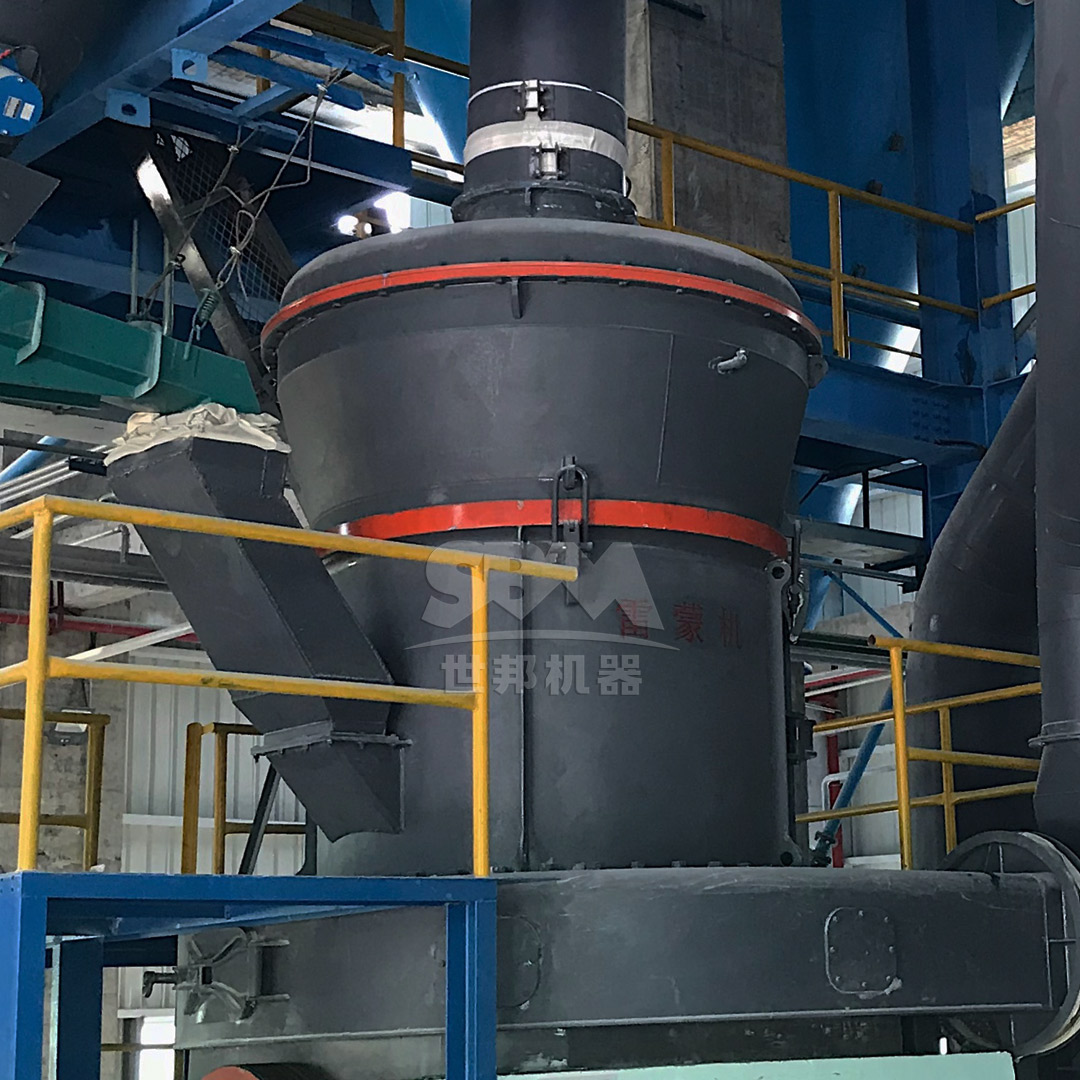
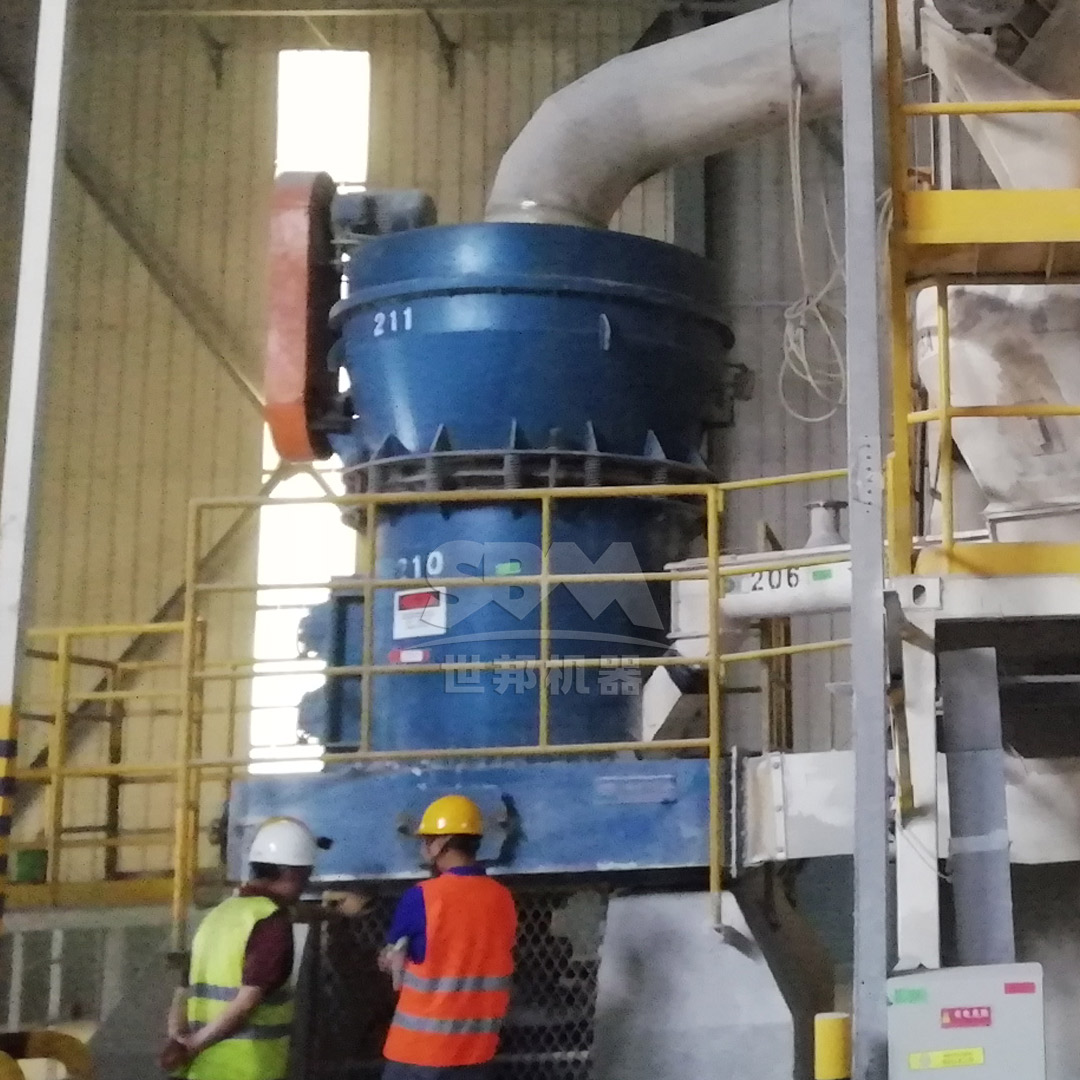
To meet the dual demands of high efficiency and environmental sustainability, advanced grinding systems have been developed. Among these, vertical roller mills have established themselves as the benchmark for large- to medium-scale bituminous coal pulverization. Their integrated design combines grinding, drying, classification, and conveying into a single, compact unit.
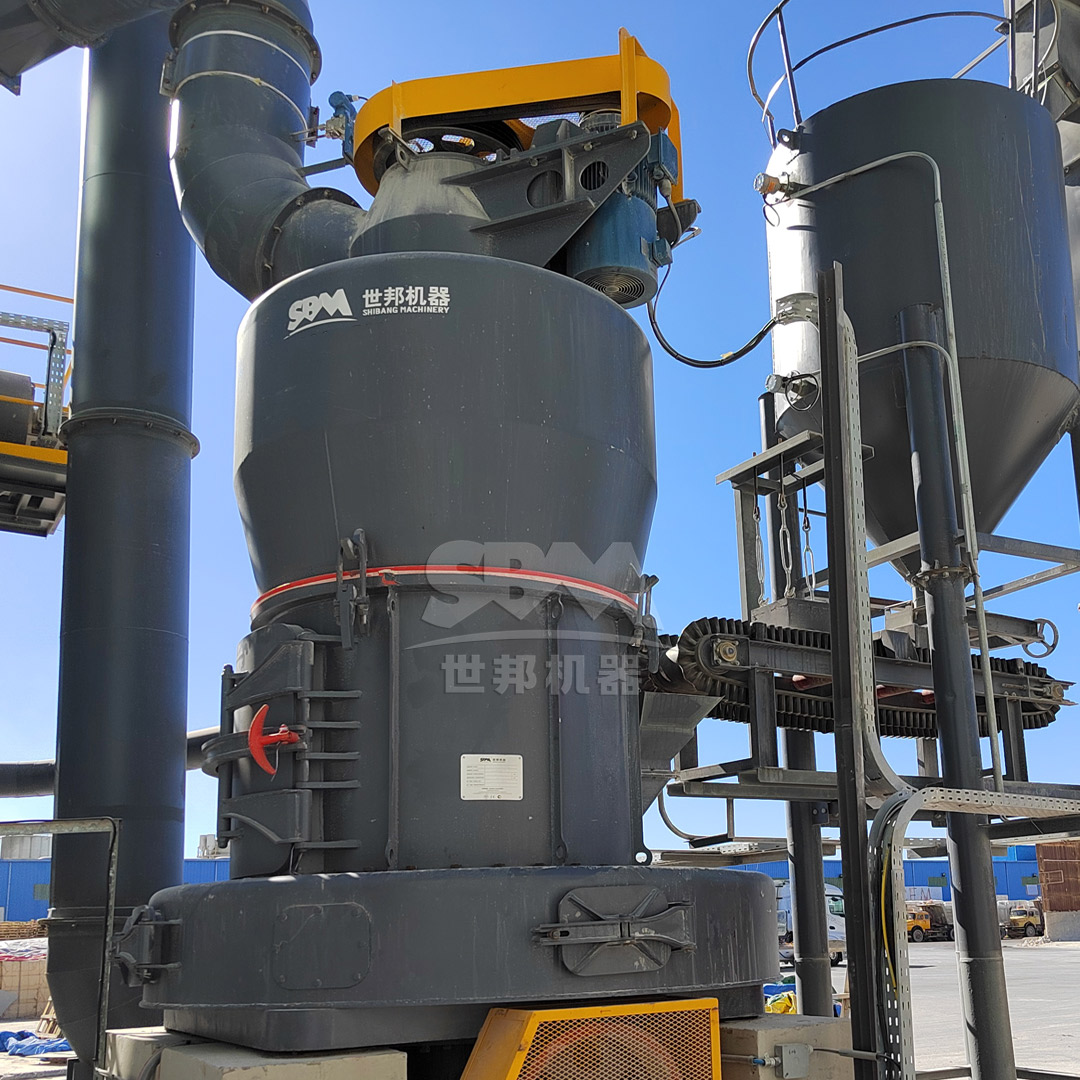
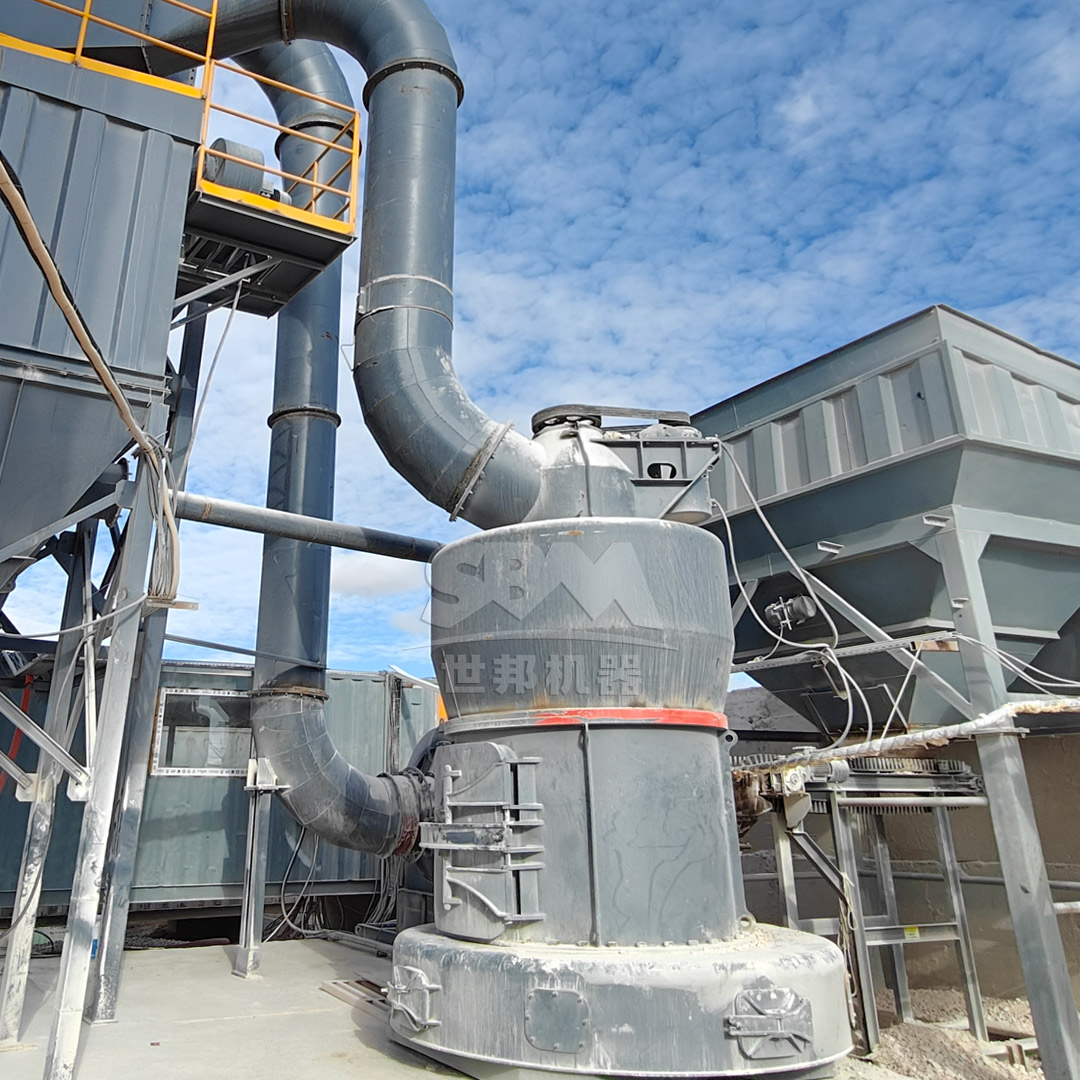
For operations requiring exceptional efficiency and reliability in bituminous coal grinding, our LM Series Vertical Roller Mill stands out as a premier solution. Engineered specifically for mineral and coal grinding, it features an integrated design that reduces floor space by 50% and can lower infrastructure costs by 40% through potential outdoor installation. Its non-contact design between rollers and the grinding table dramatically increases wear part life, while the system consumes 30-40% less energy than traditional ball mill circuits. With intelligent control for automated operation and full-sealed negative pressure design ensuring dust emissions meet the strictest standards, the LM Series is built for modern, responsible production.
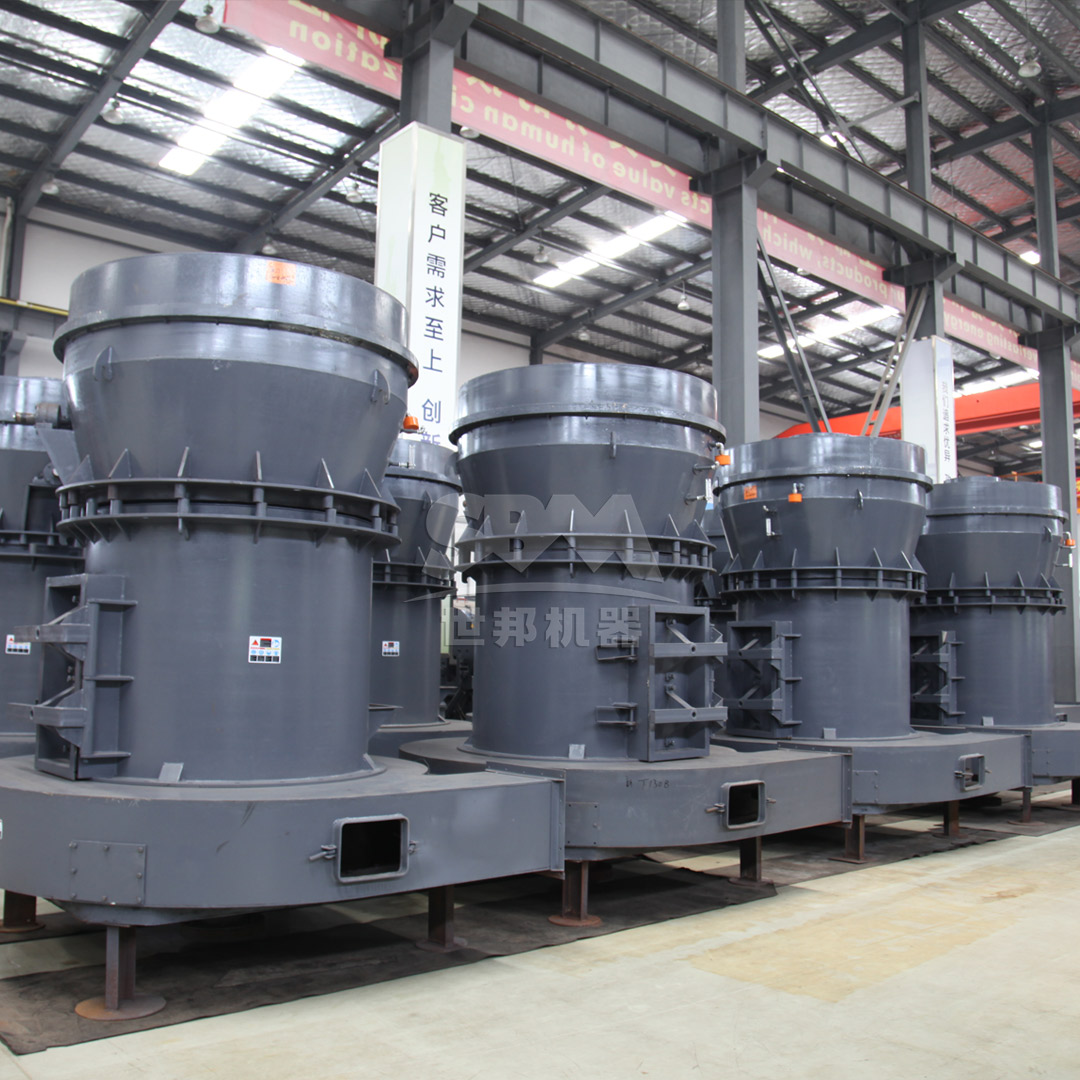
When the process demands ultrafine pulverization of bituminous coal for specialized applications such as advanced carbon materials or ultra-clean combustion, our SCM Series Ultrafine Mill delivers unparalleled performance. Capable of achieving fineness between 325 and 2500 mesh (45-5μm), this mill combines high efficiency with precision. Its vertical turbine classifier ensures sharp particle size cuts without coarse powder mixing, guaranteeing a uniform product. The mill is designed for durability with special material rollers and rings, and its operation is both eco-friendly, with pulse dust collection exceeding international standards, and quiet. With capacities ranging from 0.5 to 25 tons per hour, it offers a scalable solution for high-value, fine coal powder production.
| Model | Capacity (t/h) | Main Power (kW) | Output Fineness |
|---|---|---|---|
| SCM800 | 0.5 – 4.5 | 75 | 325-2500 mesh |
| SCM1000 | 1.0 – 8.5 | 132 | 325-2500 mesh |
| SCM1680 | 5.0 – 25 | 315 | 325-2500 mesh |
The future trajectory of grinding technology is clear: greater integration of IoT sensors for real-time monitoring of wear and performance, advanced AI-driven process optimization to minimize energy use per ton of product, and even tighter coupling with emission control systems. The goal is to achieve autonomous operation that maximizes yield and quality while minimizing environmental impact and operational costs. The mills highlighted above, with their intelligent control systems and eco-friendly designs, are already paving this path forward.
The efficient processing of bituminous coal is fundamentally dependent on the performance of its grinding mill. Moving beyond outdated, energy-intensive technologies to modern, integrated systems like Vertical Roller Mills and specialized Ultrafine Mills is no longer an option but a necessity for competitive and sustainable operation. By carefully considering coal properties, product requirements, and total lifecycle costs, and by investing in advanced equipment designed for efficiency, durability, and environmental stewardship, producers can ensure their bituminous coal processing operations are optimized for the demands of today and the challenges of tomorrow.