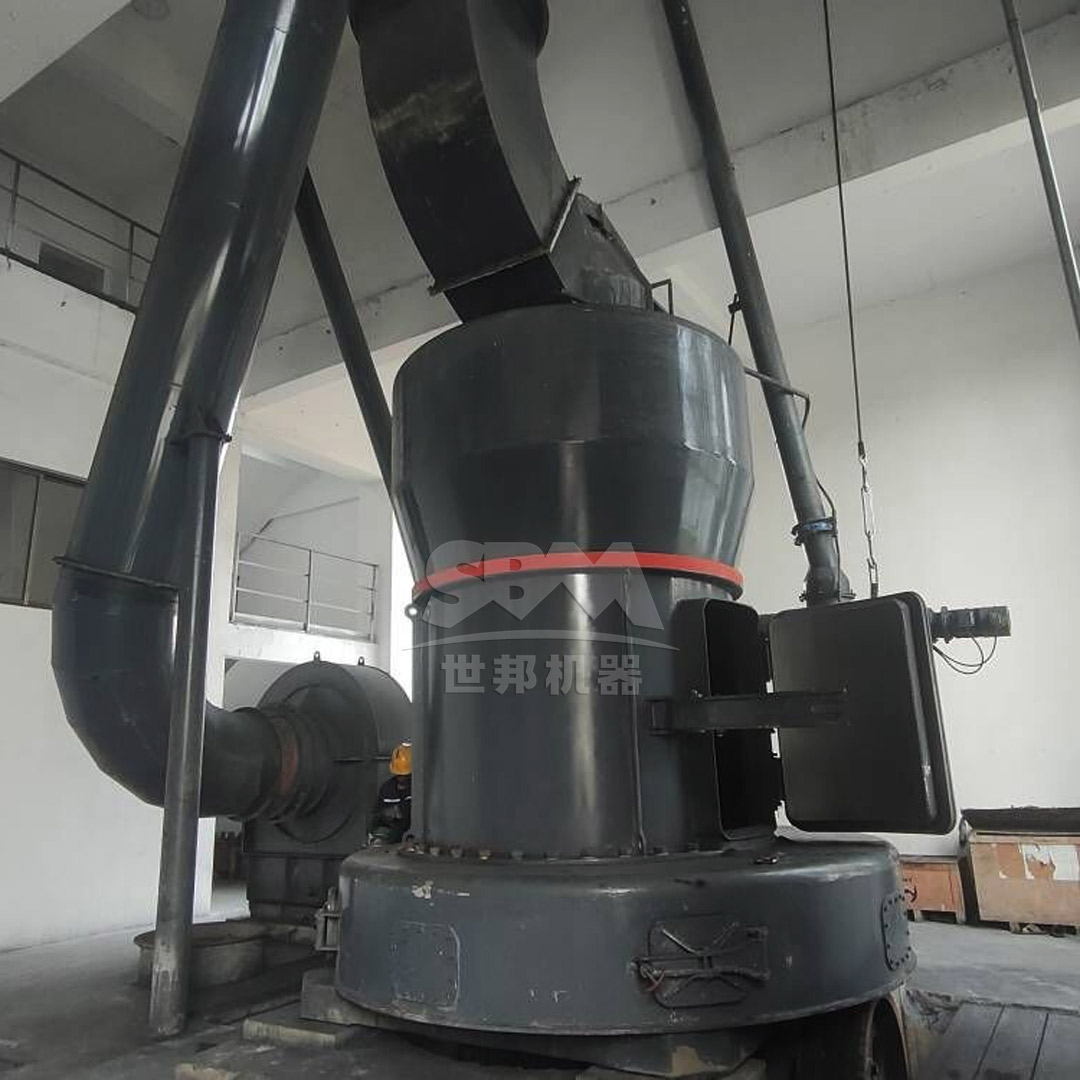
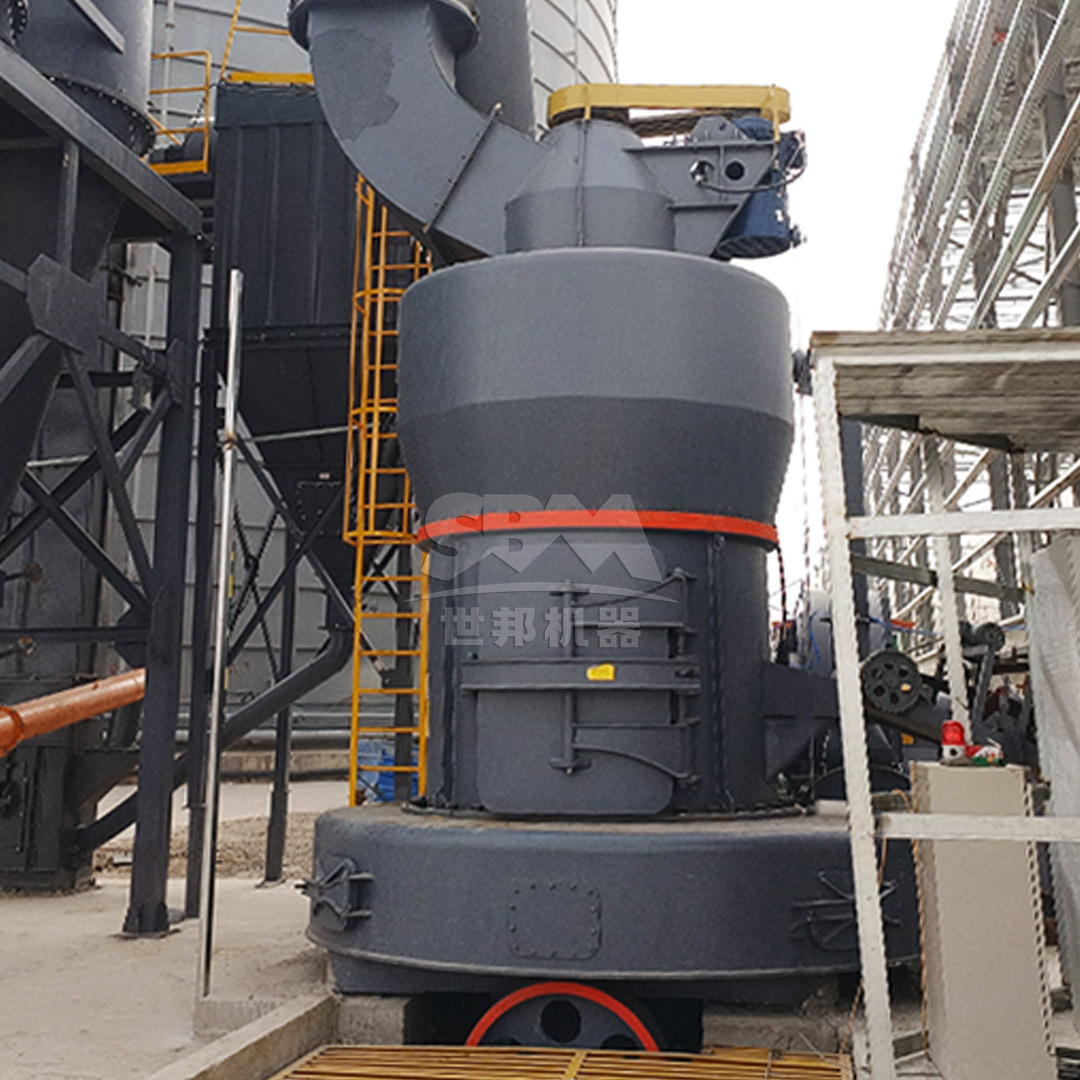
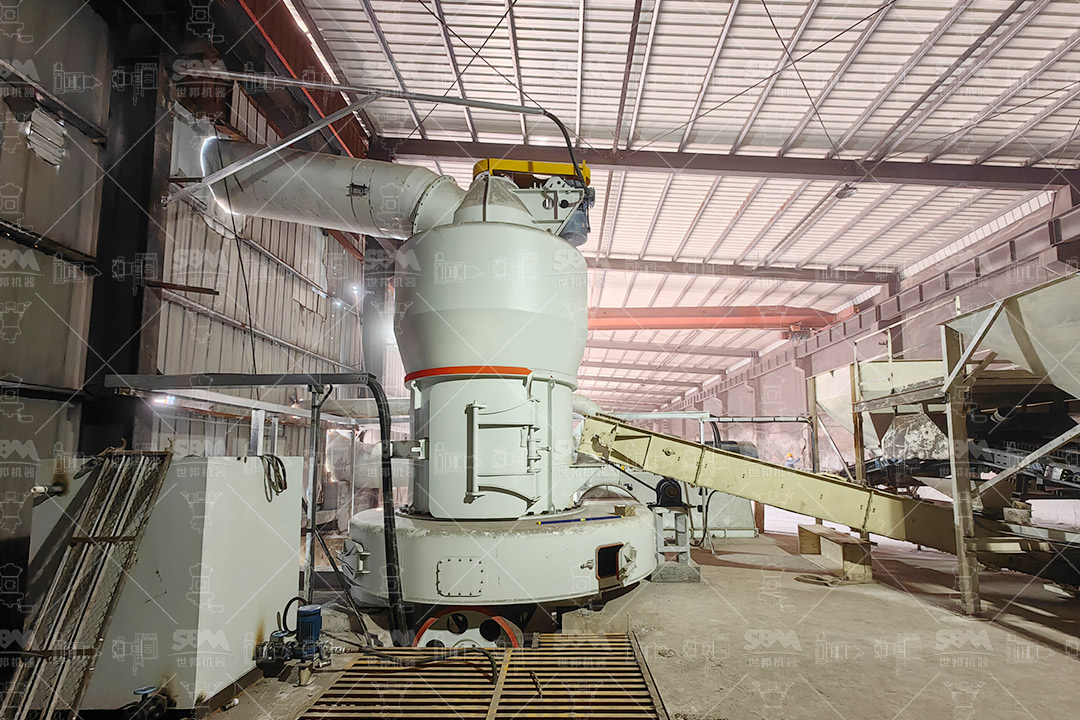
Bluestone, a versatile and durable natural stone, finds extensive applications in construction, landscaping, and as a raw material for industrial fillers and aggregates. The production of high-quality bluestone powder requires a sophisticated and efficient grinding process. Selecting the right equipment is paramount to achieving the desired particle size distribution, production capacity, and operational efficiency while controlling costs and environmental impact. This article explores the core machinery involved in bluestone powder production and presents comprehensive plant solutions, highlighting key technological considerations.
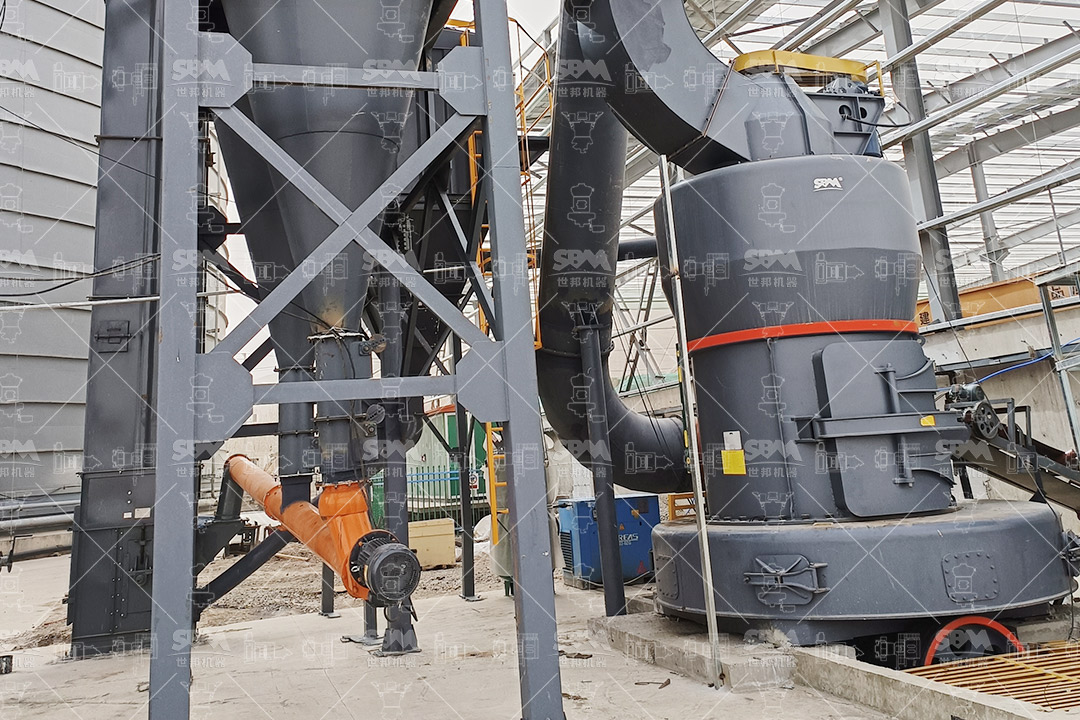
The transformation of raw bluestone into fine powder involves several critical stages, each demanding specific types of equipment.
Raw bluestone blocks are first reduced to a manageable size (typically below 50mm) through primary crushers like jaw crushers. For finer pre-grinding, secondary crushing equipment such as hammer mills or impact crushers are employed to achieve a feed size suitable for the main grinding mill. The Hammer Mill (0-3mm) is particularly effective for this stage, offering a high crushing ratio to produce uniformly small particles, which significantly enhances the efficiency of the subsequent grinding process.
This is the heart of the powder production line. The choice of mill depends primarily on the target fineness and required throughput.
| Equipment Type | Target Fineness | Key Advantage | Typical Capacity Range |
|---|---|---|---|
| MTW Trapezium Mill | 30-325 mesh | High efficiency, curved air duct | 3 – 45 t/h |
| LM Vertical Roller Mill | 30-600 mesh | Low operating cost, integrated system | 3 – 250 t/h |
| SCM Ultrafine Mill | 325-2500 mesh | Precision classification, energy-saving | 0.5 – 25 t/h |
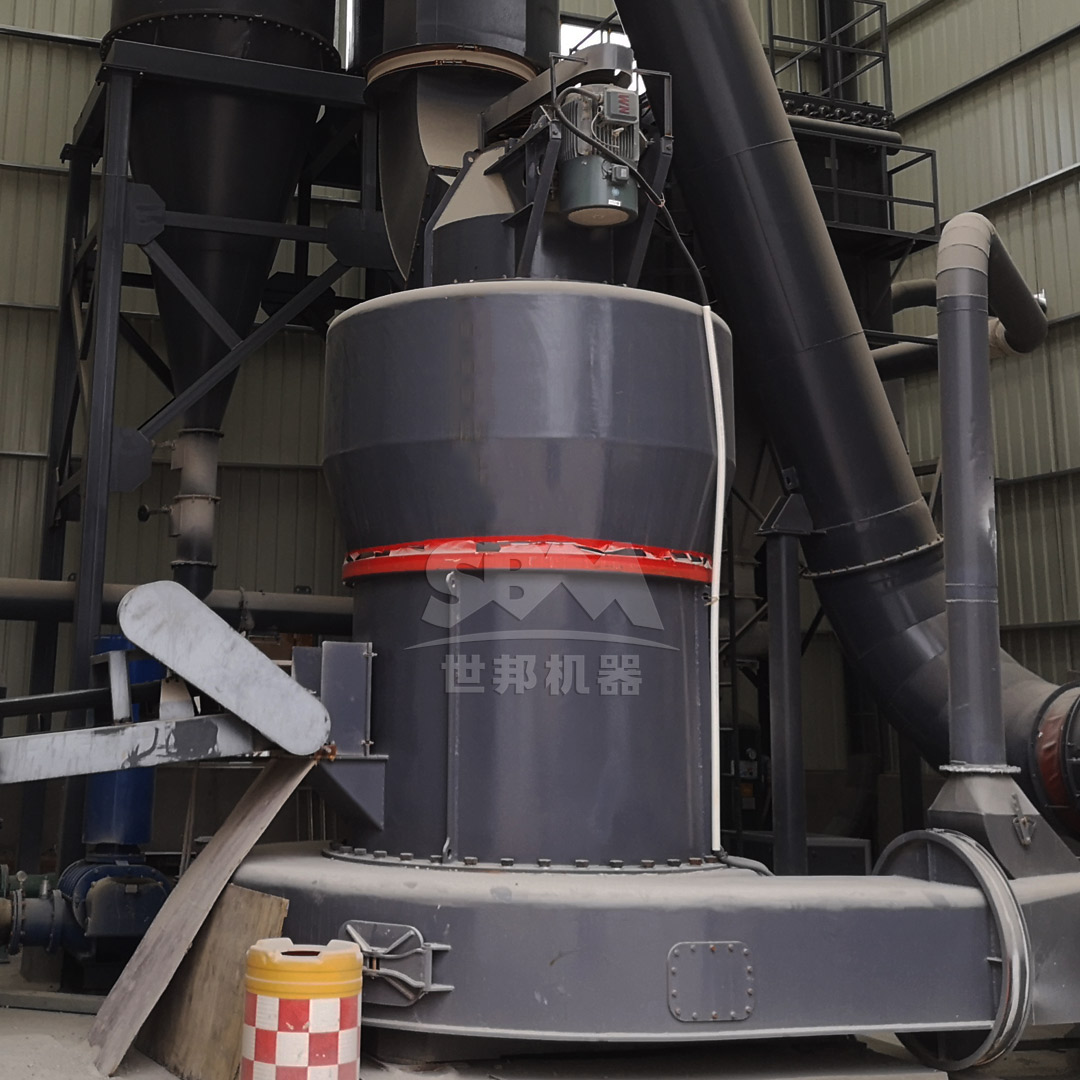
Modern mills integrate highly efficient classifiers (often dynamic turbo classifiers) that separate fine product from coarse material, which is returned for further grinding. The collection system, typically comprising cyclone separators and pulse-jet baghouse dust collectors, ensures a clean working environment with dust emissions often below 20mg/m³, exceeding international environmental standards.
Bucket elevators, screw conveyors, or pneumatic conveying systems transport the finished powder to storage silos. Automated packing machines then bag the product for shipment. This stage is crucial for maintaining product quality and ensuring dust-free handling.
A successful bluestone powder plant is more than a sum of its machines. It requires a holistic solution encompassing process design, equipment selection, installation, and ongoing support.
A standard layout follows a logical sequence: Raw Material Yard → Primary Crushing → Pre-homogenization Storage → Secondary Crushing/Grinding Feed → Main Grinding Mill (with integrated classification) → Product Collection → Storage Silos → Packing & Dispatch. The layout must prioritize smooth material flow, easy maintenance access, and safety.
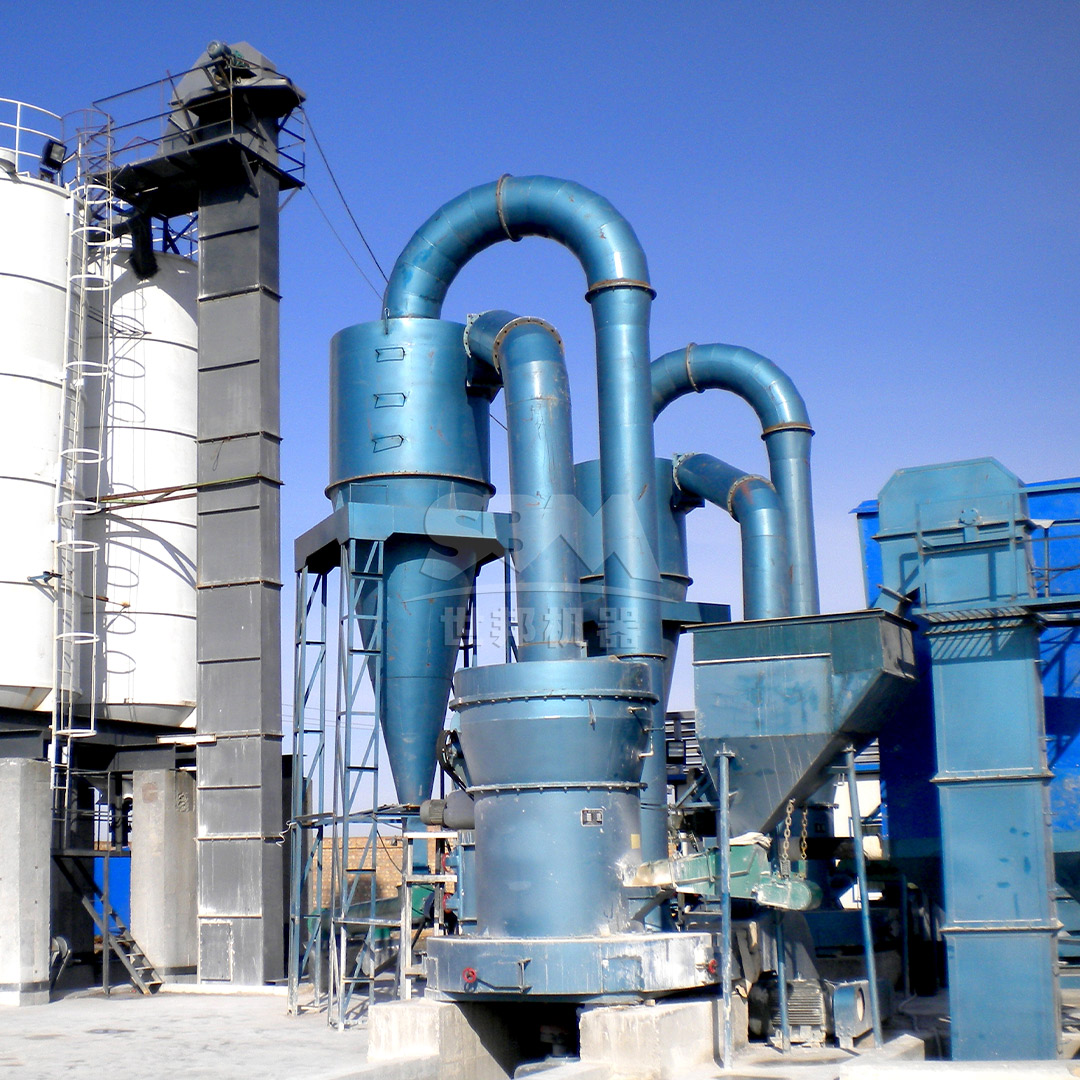
Modern plants feature centralized control systems (DCS/PLC) that monitor and regulate the entire process. Key parameters like mill load, classifier speed, fan flow, and temperature are controlled automatically, ensuring consistent product quality, optimizing energy use, and reducing manpower requirements.
A responsible plant design integrates comprehensive dust suppression at transfer points and highly efficient final dust collection. Noise control measures, such as acoustic enclosures for mills (ensuring noise levels ≤75-80 dB), and water recycling systems (for wet processes) are standard. Energy-efficient drives and mills, like the SCM series which reduces energy consumption by 30% compared to some traditional systems, contribute directly to sustainability goals.
Investing in a bluestone powder production line is a significant decision that hinges on selecting the right technology partners and equipment. Understanding the distinct roles of crushing, grinding, and classification equipment is essential. For operations targeting the lucrative ultrafine powder market, advanced mills like the SCM Ultrafine Mill offer a compelling combination of precision, efficiency, and durability. A successful project requires a partner capable of delivering not just individual machines, but a complete, optimized plant solution—from initial feasibility studies and detailed engineering to commissioning and lifetime technical support—ensuring long-term profitability and operational excellence.