Calcined petroleum coke (CPC) is a critical raw material in industries such as aluminum anode production, steelmaking (as a recarburizer), and carbon products. Its performance heavily depends on particle size distribution, purity, and morphology, making the grinding process a pivotal stage in its value chain. Selecting the appropriate grinding mill and designing an efficient, integrated production line are paramount for achieving optimal product quality, maximizing yield, and minimizing operational costs. This article delves into the technical requirements for calcined coke grinding and presents comprehensive solutions featuring advanced milling technologies.
Calcined coke is characterized by its high carbon content (typically >98%), low volatile matter, and high hardness/abrasiveness. Its structure can range from porous to dense, depending on the calcination temperature. These properties present specific challenges for size reduction:
A well-designed production line must address these challenges through equipment selection, system integration, and intelligent control.
A modern, turnkey production line extends far beyond the core grinder. It is a synchronized system comprising several stages:
| Stage | Function | Typical Equipment |
|---|---|---|
| 1. Raw Material Feeding & Pre-Crushing | Receive bulk CPC, remove tramp metal, and perform primary size reduction to a suitable feed size for the main mill. | Vibrating Feeder, Magnetic Separator, Jaw Crusher, Hammer Mill. |
| 2. Grinding & Classification | The heart of the line. Reduces particle size and separates fines from oversize material via an integrated or external classifier. | Ultrafine Mill, Vertical Roller Mill, Trapezium Mill, with Dynamic Classifier. |
| 3. Product Collection & Dedusting | Efficiently collects finished powder and ensures plant emissions meet environmental standards. | Cyclone Separator, Pulse Jet Bag Filter (with explosion venting), Screw Conveyor. |
| 4. Storage & Packaging | Stores finished product in silos and packages it into bags or bulk containers. | Storage Silos, Rotary Valve, Packing Machine, Palletizer. |
| 5. Electrical Control & Automation | Monitors and controls the entire process for stability, safety, and efficiency. | PLC Control System, Instrumentation, MCC Panels. |
The synergy between these components determines the line’s overall reliability, energy efficiency, and final product consistency.
The choice of grinding mill is the most critical decision. Different technologies offer varying benefits in terms of fineness range, capacity, wear resistance, and system complexity.
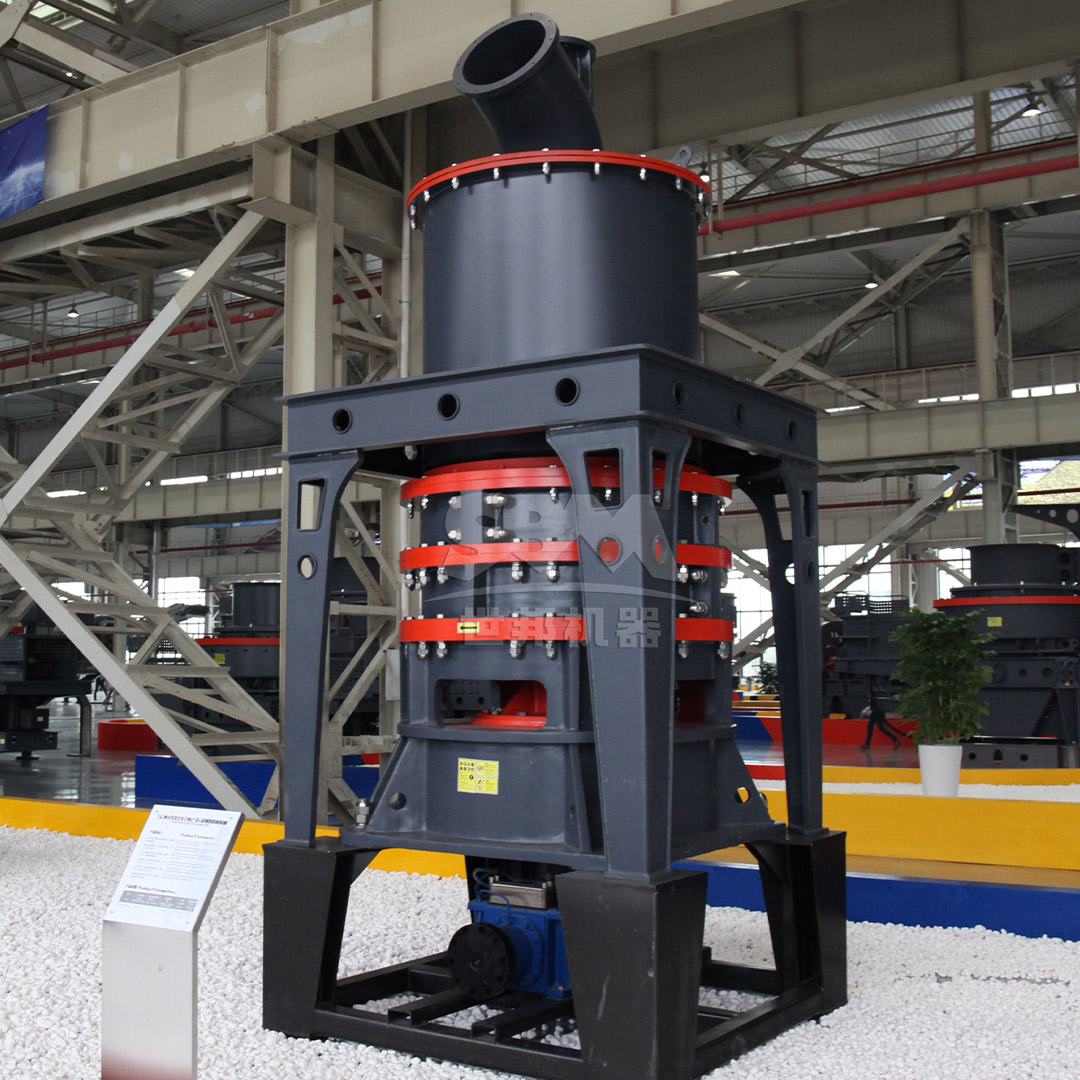
Applications requiring extremely high surface area or sub-micron particles demand specialized ultrafine grinding technology. For such demanding specifications, our SCM Ultrafine Mill series stands as an exemplary solution.
Recommended Product: SCM Ultrafine Mill
Engineered for high-performance fine and ultra-fine powder processing, the SCM mill is particularly suited for high-purity, high-value calcined coke grades. Its core advantages directly address coke grinding challenges:
Technical Snapshot: Feed size ≤20mm; Output fineness 325-2500 mesh (D97≤5μm); Capacity range from 0.5 to 25 ton/h across models (SCM800 to SCM1680).
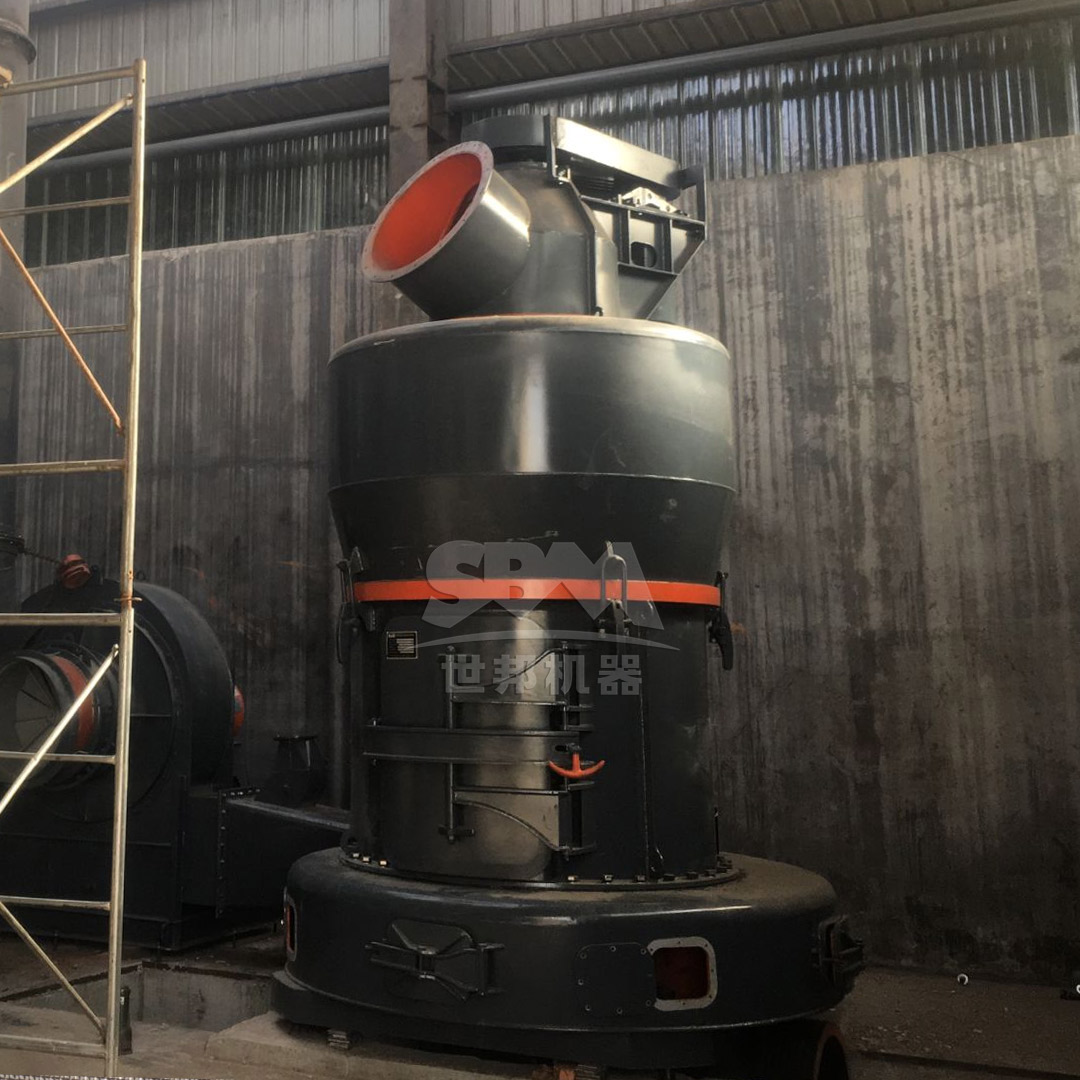
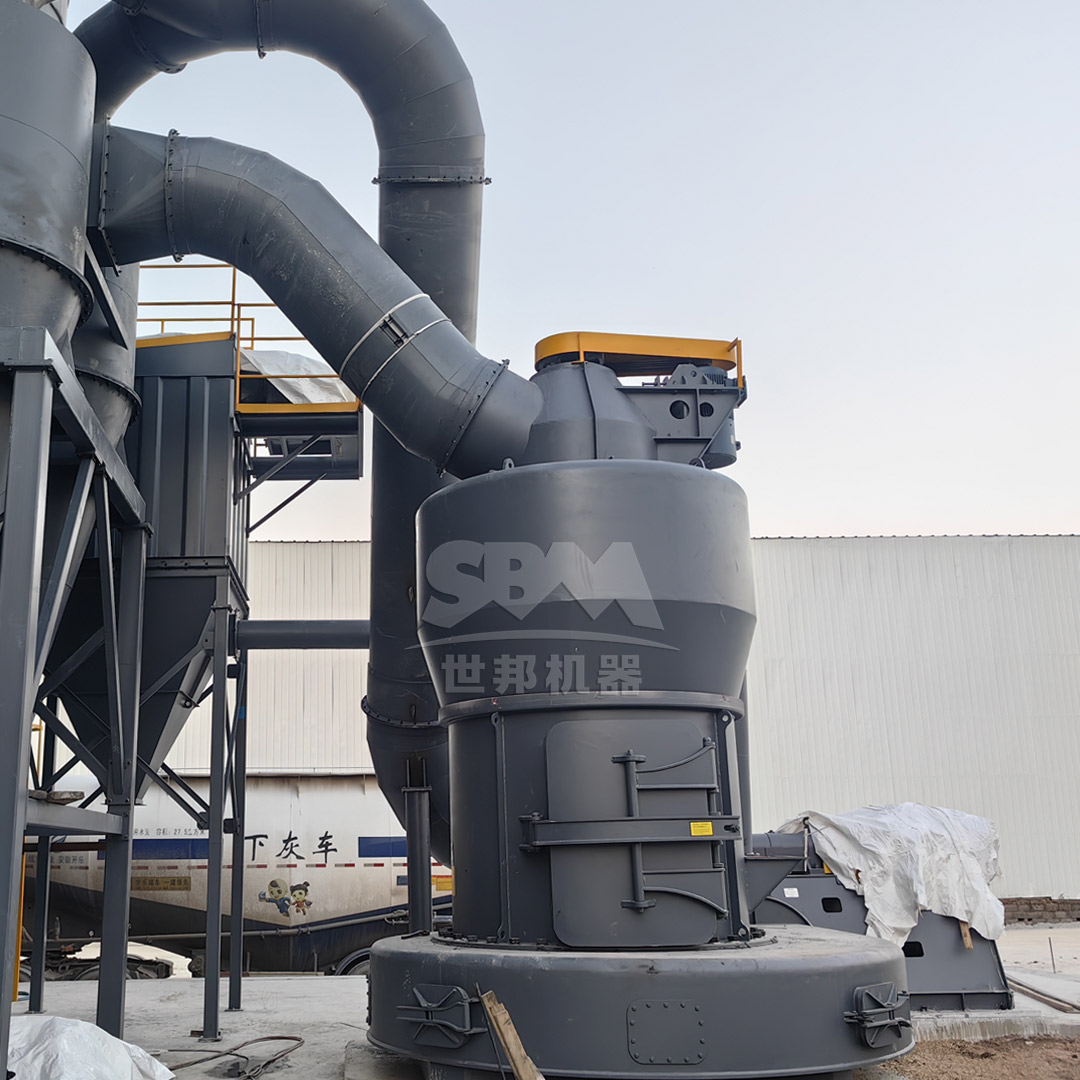
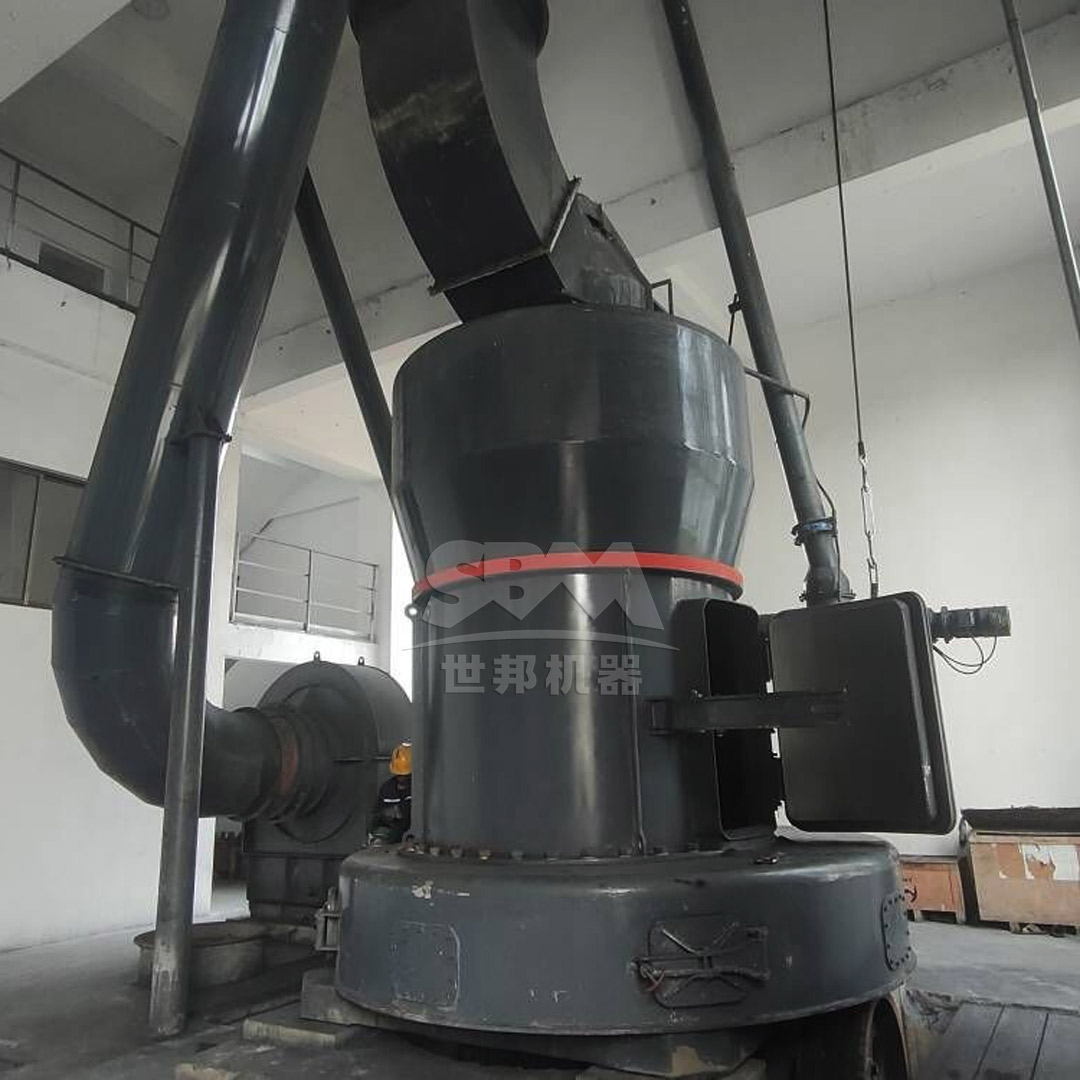
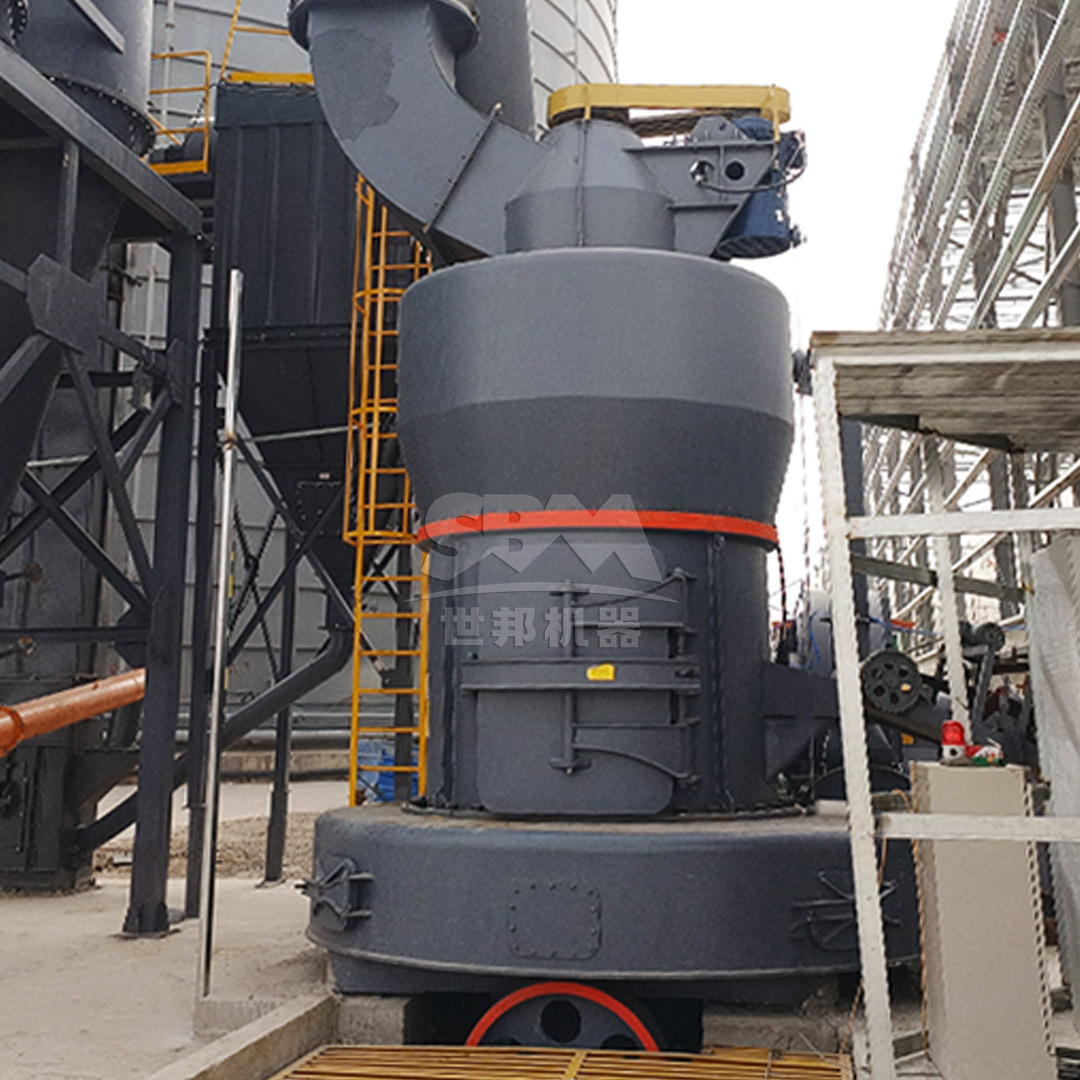
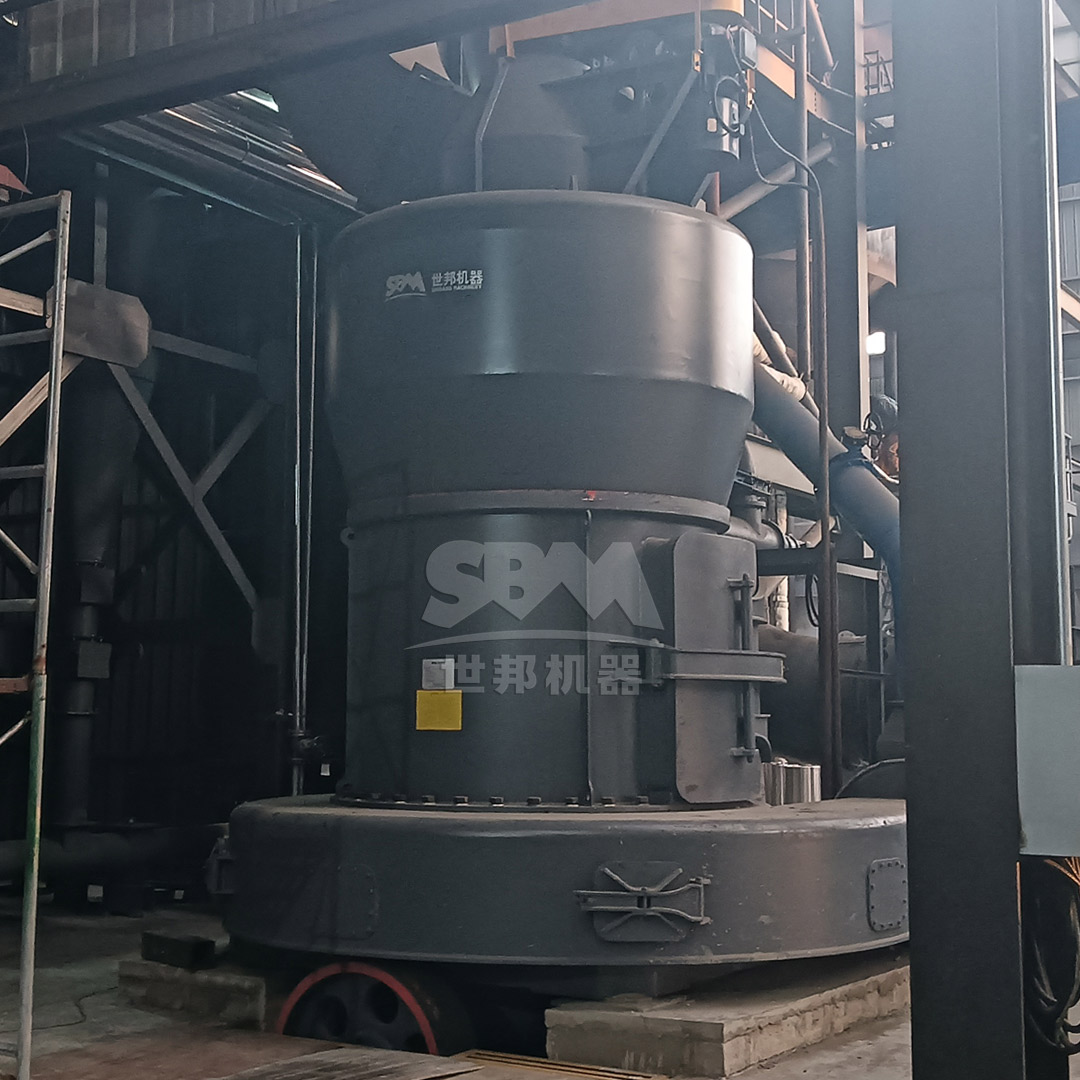
For large-scale production of recarburizer or other coarse-to-fine coke powders, reliability, high throughput, and low operating cost are key. Our MTW Series Trapezium Mill is a robust and efficient choice.
Recommended Product: MTW Series Trapezium Mill
This European-style grinding mill combines large capacity with advanced technological features for stable, low-maintenance operation ideal for abrasive materials like CPC.
Technical Snapshot: Feed size ≤50mm; Output fineness 30-325 mesh; Capacity range from 3 to 45 ton/h across models (MTW110 to MTW215G/MRN218).
Integrating the chosen mill into a complete line requires careful engineering. A typical layout for a medium-to-fine CPC line using an MTW mill might include:
For an ultra-fine line based on the SCM Ultrafine Mill, the pre-crusher stage is equally important to achieve the ≤20mm feed requirement, and the dust collection system must be designed for very fine, low-density powder.
The production of high-quality calcined coke powder is a sophisticated process that demands a holistic approach. Success hinges not only on selecting a grinding mill with the right technological profile—such as the high-precision SCM Ultrafine Mill for ultra-fine products or the high-capacity MTW Trapezium Mill for bulk fine powders—but also on the seamless integration of that mill into a fully automated, safe, and environmentally compliant production line. Partnering with an equipment supplier capable of providing both advanced machinery and comprehensive engineering support for the complete system is essential for achieving operational excellence, product superiority, and a strong return on investment in the competitive carbon materials market.