Calcined Petroleum Coke (CPC) is a critical raw material for industries such as aluminum, steel, graphite electrodes, and lithium-ion battery anodes. Its value is directly linked to its purity and, more importantly, its particle size distribution. Achieving the desired fineness—from coarse filler grades to ultra-fine conductive additives—requires specialized grinding technology and a well-engineered production line. This article delves into the technical considerations for selecting grinding equipment and designing an efficient, cost-effective CPC powder processing plant.
CPC is produced by heating green petroleum coke to high temperatures (1200-1350°C) to remove volatile matter and increase carbon content. The resulting material is hard, abrasive, and often has a needle-like or layered structure. Grinding CPC presents specific challenges:
Therefore, the chosen grinding system must offer high wear resistance, efficient heat dissipation, precise particle classification, and low contamination risk.
A complete production line extends beyond the core grinder. A typical setup includes:
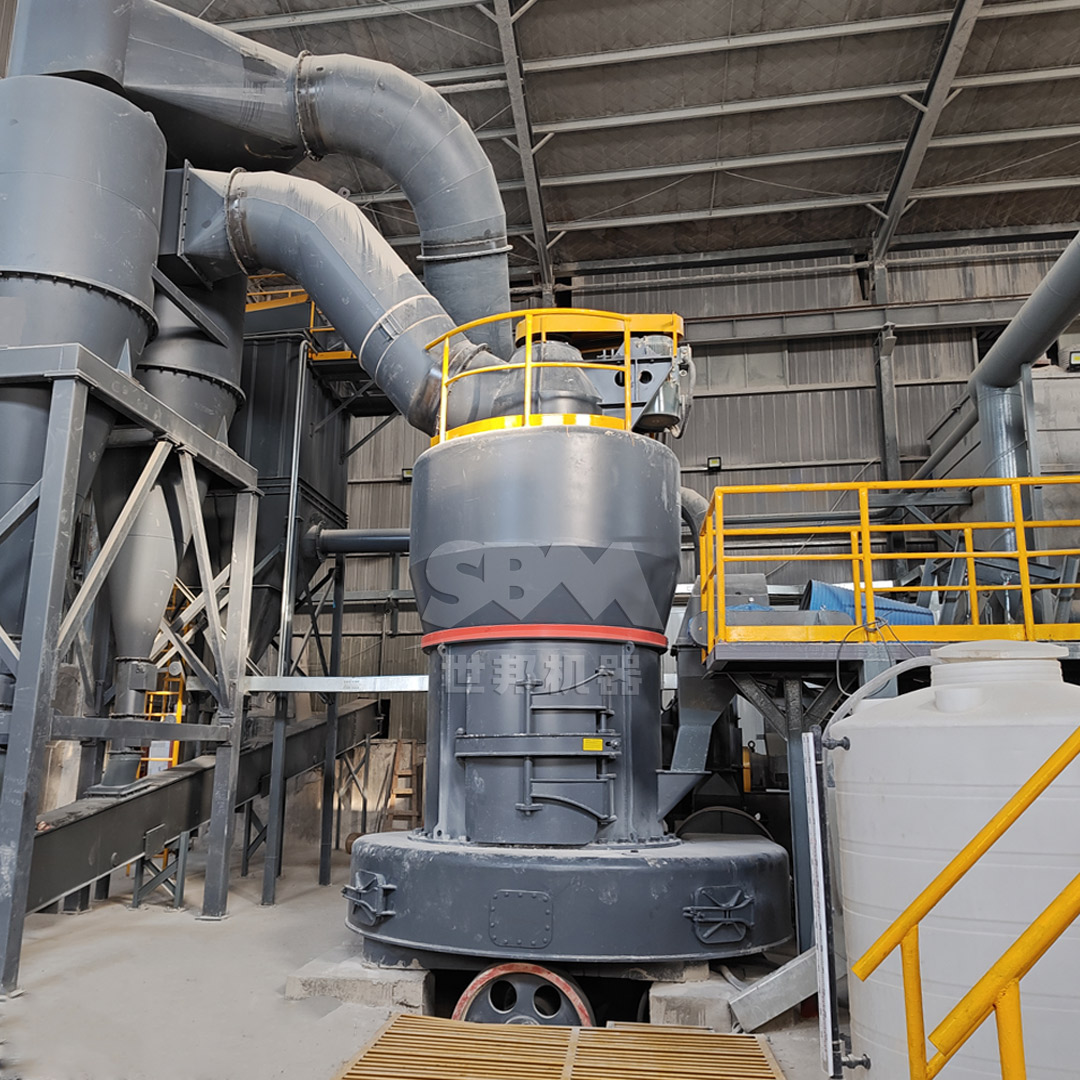
The choice of mill depends on the target fineness, required capacity, and investment budget. Here’s a comparison of suitable technologies:
| Mill Type | Typical Output Fineness | Key Advantages for CPC | Considerations |
|---|---|---|---|
| Raymond Mill (MTW Series) | 80-325 mesh (180-45μm) | Robust, cost-effective for coarse to medium fines. Good for filler-grade CPC. | Limited to finer applications. Wear parts replacement needed. |
| Vertical Roller Mill (LM Series) | 80-600 mesh (180-23μm) | High efficiency, low energy consumption, integrated drying/grinding/classification. | Higher initial investment. Excellent for large-scale production. |
| Ultrafine Mill (SCM/LUM Series) | 325-2500 mesh (45-5μm) | Produces ultra-fine powder with narrow distribution. Essential for high-value applications like batteries. | Higher operational precision required. |
| Ball Mill | 170-800 mesh (90-18μm) | Versatile, can produce wide range of sizes. Well-established technology. | Higher energy consumption, potential for iron contamination from balls. |
For modern, high-efficiency CPC processing, two of our flagship products stand out, covering the spectrum from high-capacity fine grinding to ultra-fine precision milling.
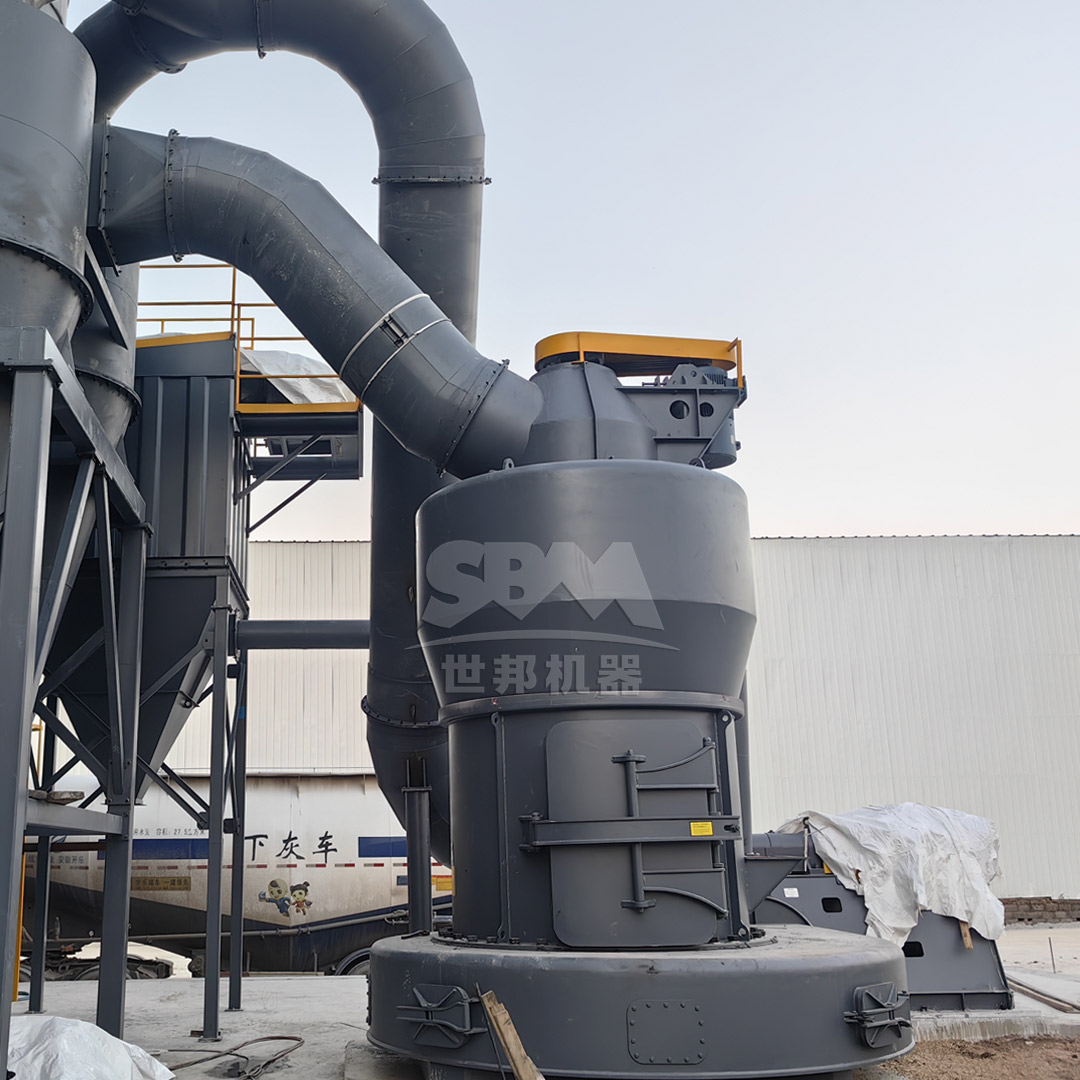
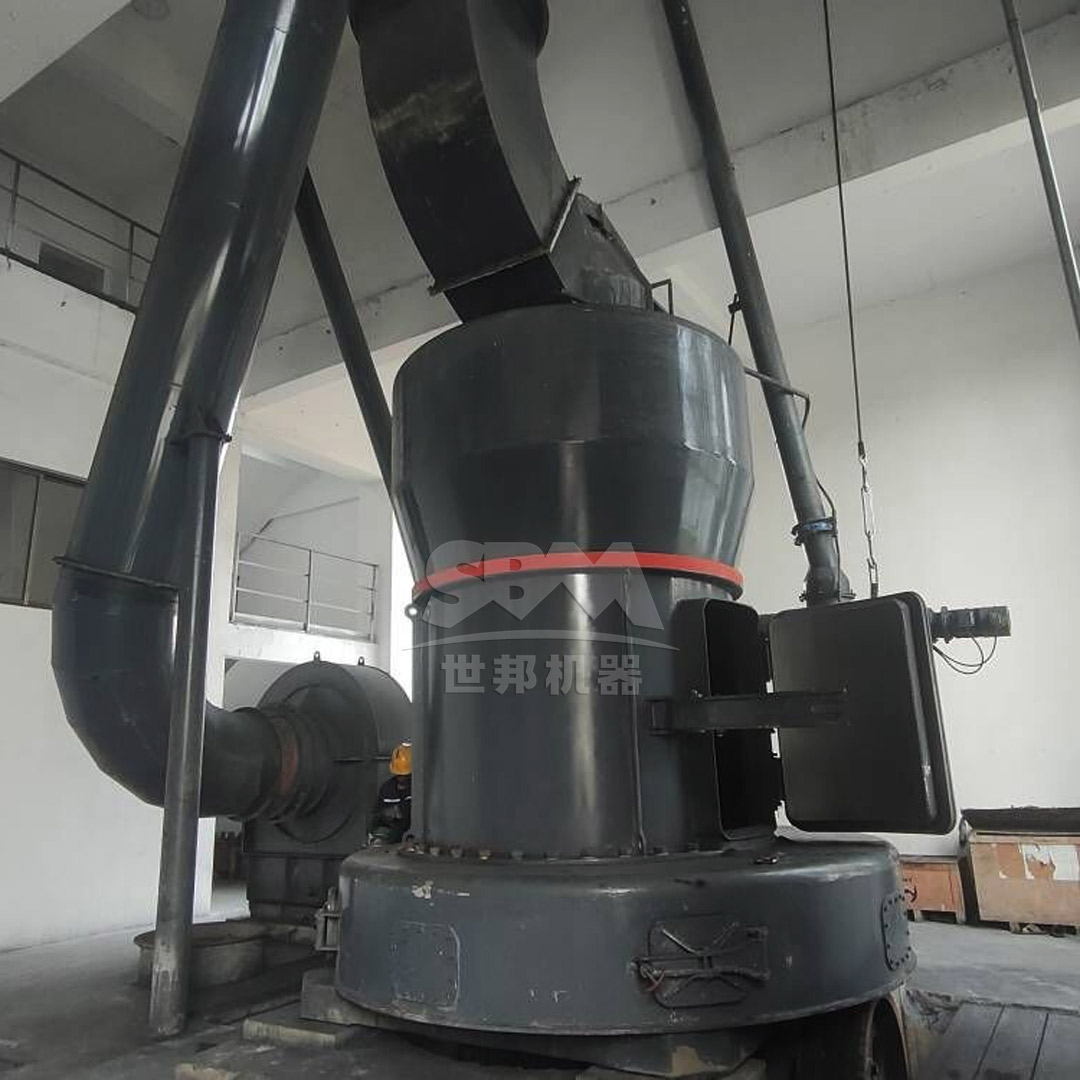
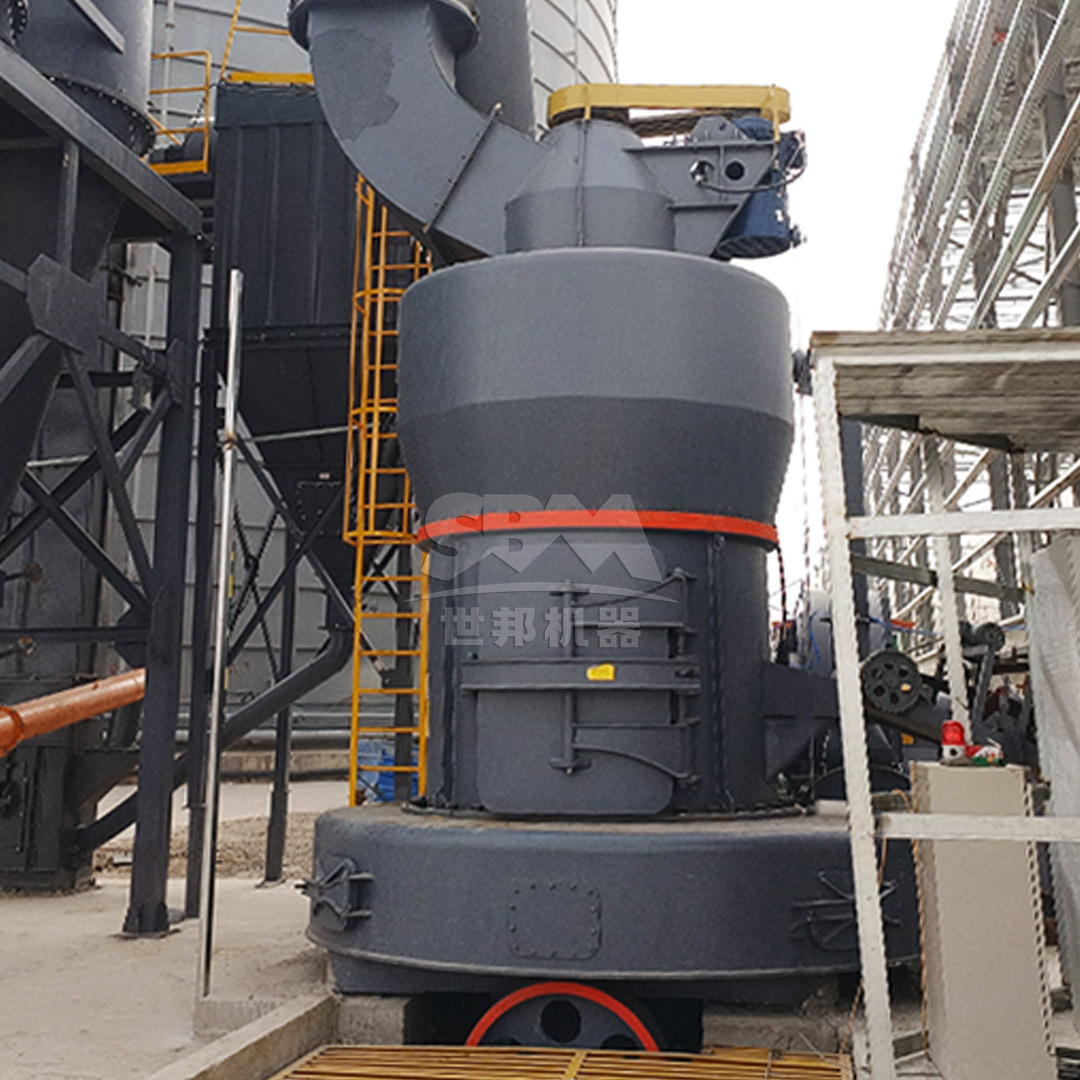
When your target is high-volume production of fine CPC powder in the 30-325 mesh (0.6-0.045mm) range, the MTW Series Trapezium Mill is an optimal choice. It builds upon traditional Raymond mill technology with significant European-style upgrades.
Why it excels for CPC:
Technical Highlight: The modular design of wear parts like the shovel blade reduces replacement time and cost. The mill’s sturdy construction ensures stable operation under the continuous load of hard, abrasive coke.
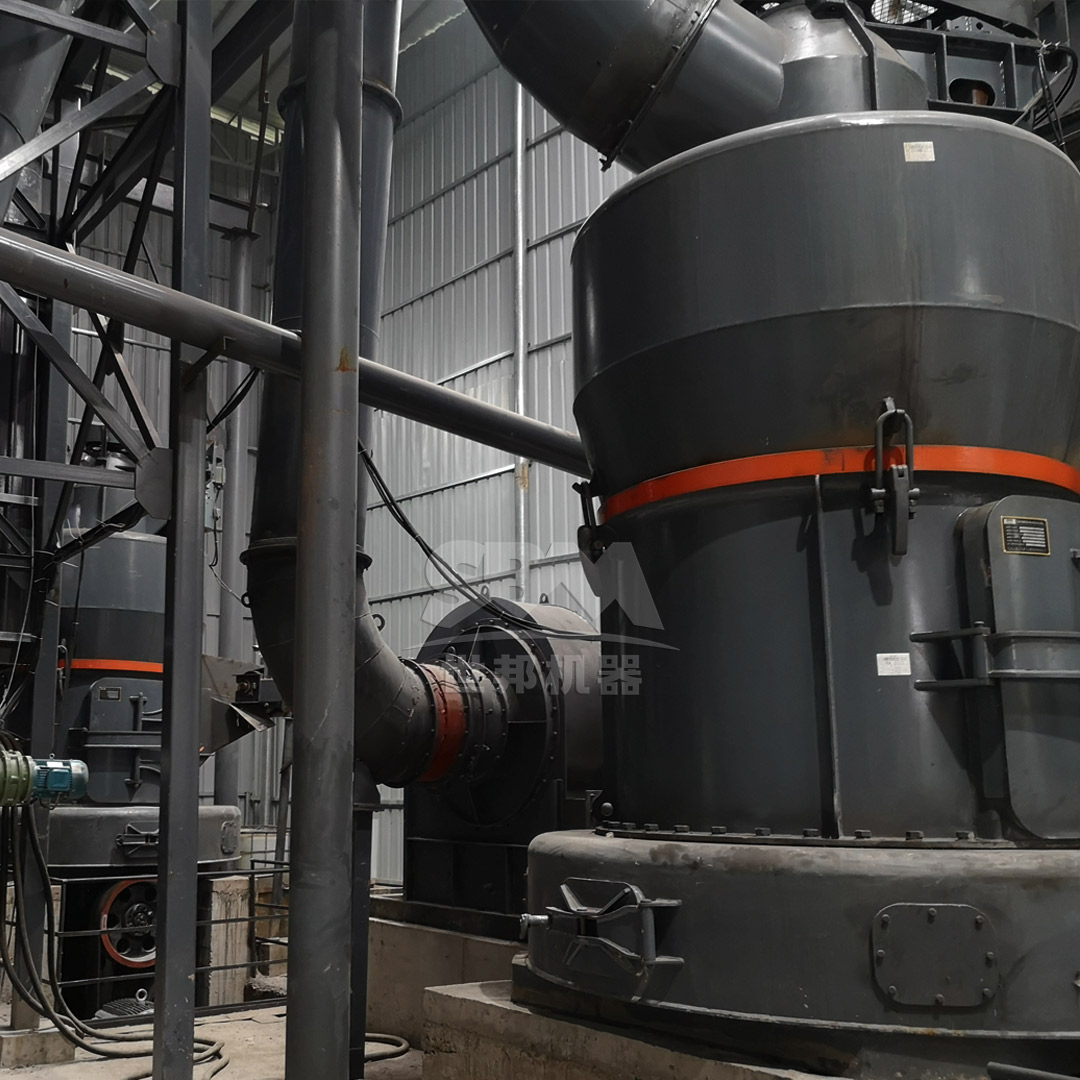
For producing high-value CPC used in lithium-ion battery anodes, premium graphite electrodes, or specialty carbons, where fineness of 325-2500 mesh (45-5μm) and superior particle shape are paramount, the SCM Ultrafine Mill is the industry-leading solution.
Why it’s the preferred technology for premium CPC:
Technical Specifications Example: The SCM1000 model, with a 132kW main motor, can process 1.0-8.5 tons per hour down to 2500 mesh, offering a perfect balance of capacity and ultra-fine capability for mid-sized specialty carbon plants.
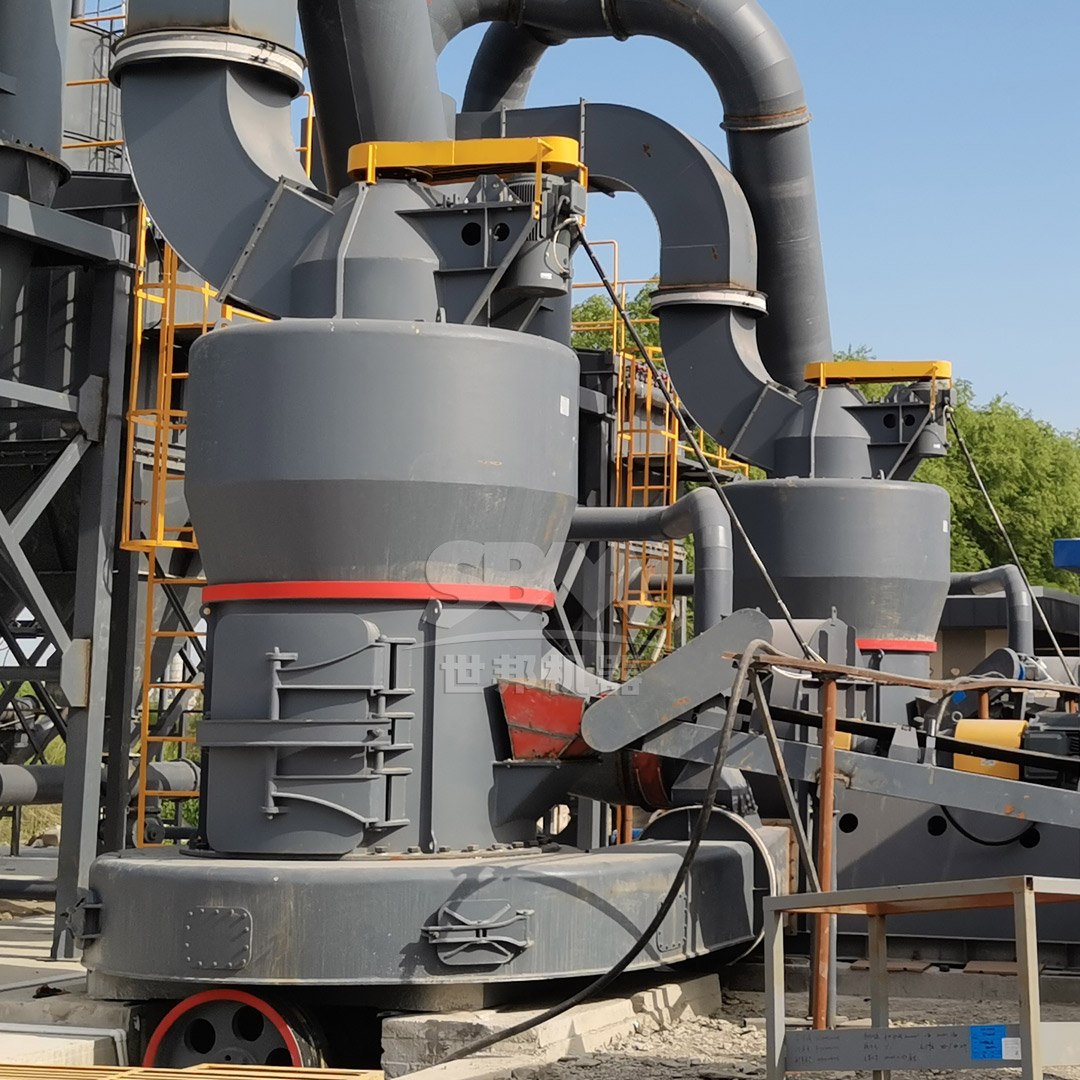
Integrating the right mill into a seamless line is key. A typical layout using an SCM Ultrafine Mill for premium powder might be:
The entire process should be controlled by an automated PLC system, monitoring feed rate, mill load, classifier speed, and baghouse pressure to ensure consistent product quality.
Investing in the correct grinding technology and production line design for Calcined Petroleum Coke is a strategic decision that impacts product quality, operational cost, and market competitiveness. For high-tonnage fine powder, the robust and efficient MTW Series Trapezium Mill offers a reliable solution. For the demanding requirements of ultra-fine, high-purity CPC essential in advanced industries, the SCM Series Ultrafine Mill provides unparalleled precision, efficiency, and durability. A holistic approach, considering the entire process from raw material to packaged powder, is essential for building a profitable and sustainable CPC processing operation.