Calcium Carbonate Powder Production Line: Complete Grinding Mill Plant & Equipment Guide

Calcium Carbonate Powder Production Line: Complete Grinding Mill Plant & Equipment Guide

Introduction

The production of high-quality calcium carbonate powder is a cornerstone of numerous industries, including plastics, paints, coatings, paper, and construction. Selecting the right grinding equipment is paramount to achieving the desired particle size distribution, production capacity, and operational efficiency while controlling costs. This comprehensive guide explores the complete process flow of a calcium carbonate powder production line and provides an in-depth analysis of the core grinding equipment, helping you make an informed decision for your project.

Calcium Carbonate Powder Production Process Overview

A typical production line involves several key stages, from raw material handling to final packaging. The heart of the line is the grinding and classification system.

  1. Raw Material Crushing: Large limestone or marble blocks are first reduced to a manageable size (typically <50mm) using primary crushers like jaw crushers or hammer mills.
  2. Pre-Homogenization & Storage: Crushed material is stored in silos to ensure consistent feed quality.
  3. Grinding & Classification: This is the core stage where the material is ground to the target fineness. The ground powder is simultaneously classified; fine product proceeds, while coarse material is returned for further grinding.
  4. Surface Modification (Optional): For applications in polymers, the powder may be coated with stearic acid or other agents to improve compatibility.
  5. Dedusting & Collection: Advanced baghouse filters or pulse jet dust collectors ensure a clean working environment and high powder recovery.
  6. Packaging & Storage: The final product is conveyed to packing machines and stored in成品 silos.
Process Stage Key Equipment Purpose
Primary Crushing Jaw Crusher, Hammer Mill Reduce raw ore to <50mm
Grinding Ball Mill, Vertical Roller Mill, Ultrafine Mill Achieve target particle size
Classification Dynamic Classifier, Cyclone, Air Separator Separate fine powder from coarse material
Dedusting Pulse Jet Bag Filter Collect dust, ensure clean emission
Conveying & Storage Bucket Elevator, Screw Conveyor, Silos Transport and store material between stages

\"Flowchart

Core Grinding Equipment Selection Guide

The choice of grinding mill depends primarily on the required product fineness (micron or mesh size) and the desired production capacity. The market offers a range of technologies, each with its own advantages.

1. For Coarse to Medium Fineness (45-600μm / 30-325 mesh)

This range is common for fillers in plastics, rubber, and construction materials like putty.

  • Ball Mill: A traditional and robust option. It offers high reliability and a wide particle size range but suffers from higher energy consumption and larger footprint. Suitable for both dry and wet grinding.
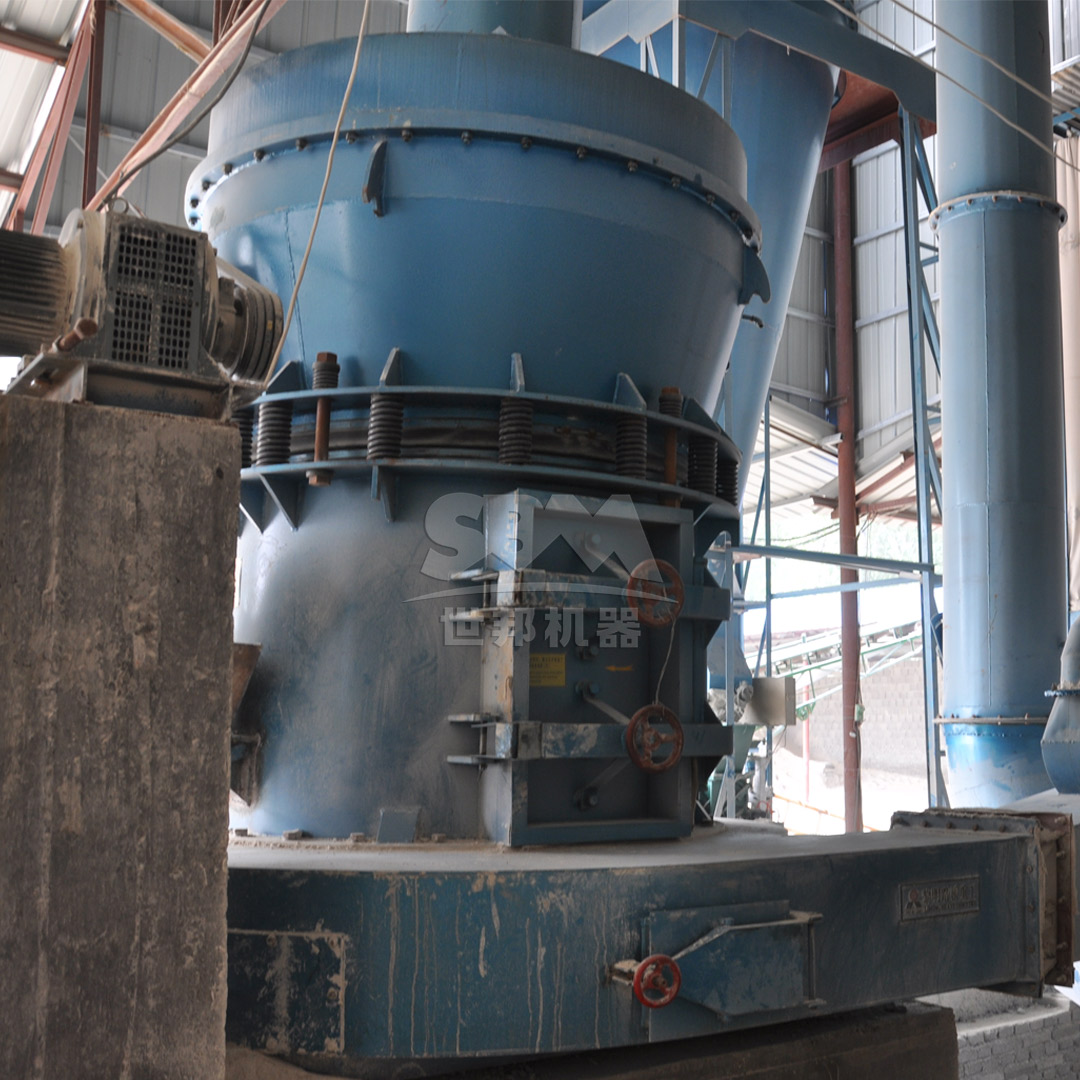
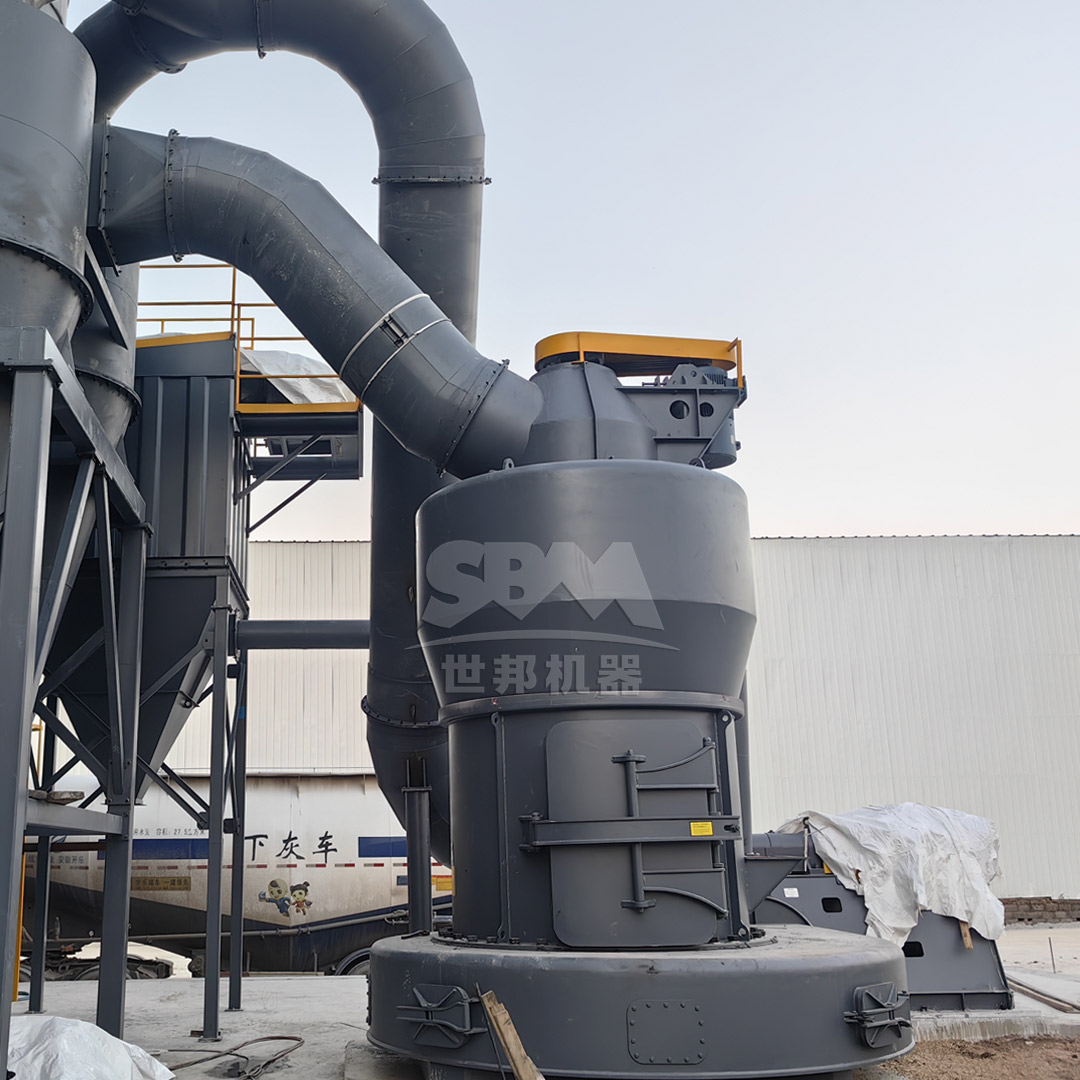
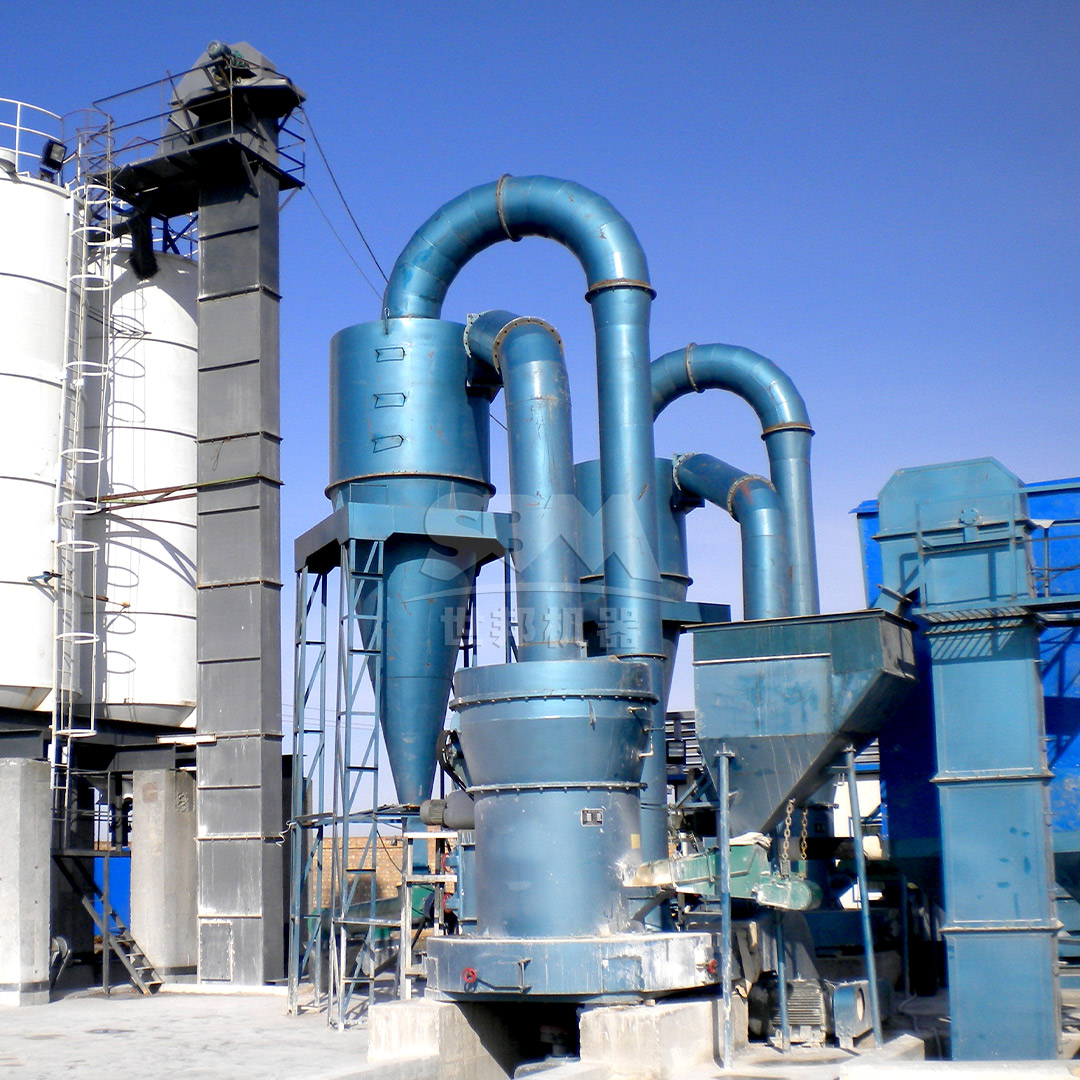
  • Raymond Mill (MTW Series Trapezium Mill): An evolved version of the traditional pendulum mill. It is highly efficient for producing powder in the 30-325 mesh range. Its advantages include high drying capacity (can handle moisture up to 6%), stable operation, and a relatively compact system.

For projects requiring high capacity and consistent quality in the 30-325 mesh range, our MTW Series European Trapezium Mill stands out as an excellent choice. It incorporates advanced features like a conical gear overall transmission with 98% efficiency, curved air duct technology to minimize resistance, and wear-resistant components that significantly reduce maintenance costs. Its modular design allows for capacities from 3 to 45 tons per hour, making it a versatile and economical solution for large-scale calcium carbonate production.
\"Installation

2. For Medium to High Fineness (600-45μm / 325-800 mesh)

Applications include high-grade paper coating, high-solid paints, and premium sealants.

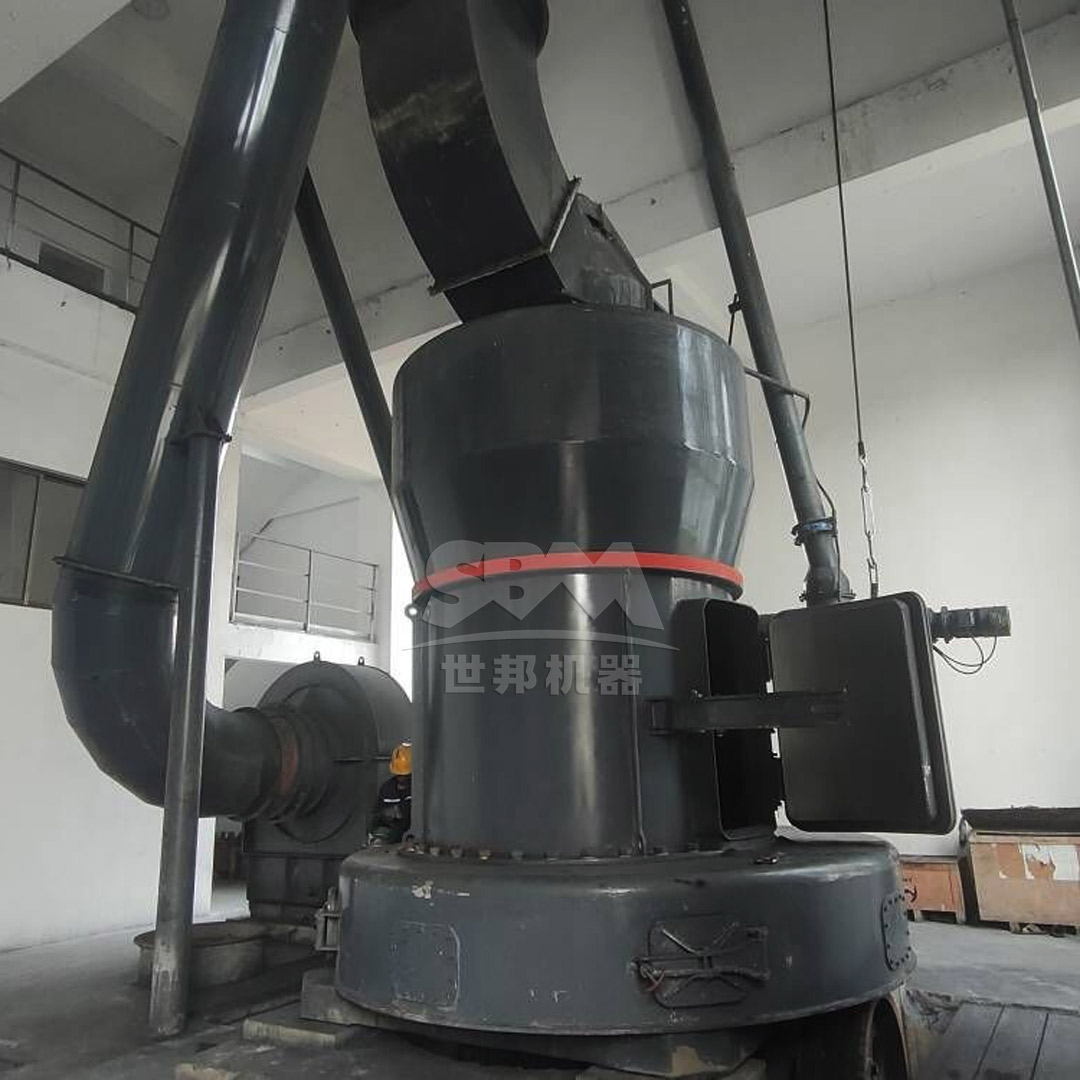
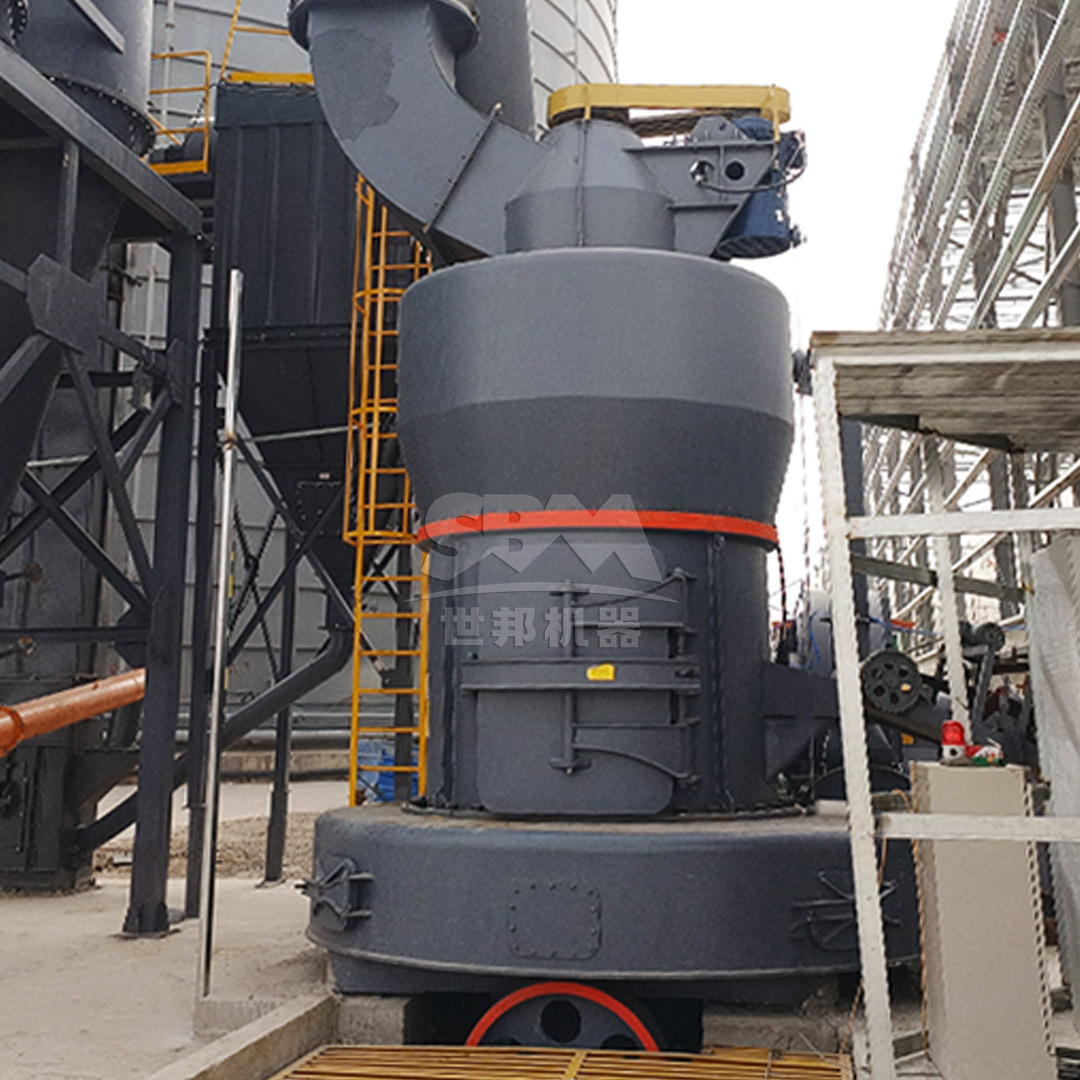
  • Vertical Roller Mill (LM Series): This is the dominant technology for large-scale production in this fineness range. It integrates grinding, drying, and classification in a single unit, offering remarkable energy savings (30-50% less than ball mills), lower noise, and excellent drying capability. It is ideal for producing ground calcium carbonate (GCC) with high whiteness and uniform particle shape.
3. For Ultrafine & Superfine Fineness (5-45μm / 800-2500 mesh)

This is the domain of specialty applications such as high-performance plastics, advanced inks, pharmaceuticals, and food-grade additives.

  • Ultrafine Mill (SCM Series): This mill type is specifically engineered to produce powders with a narrow particle size distribution in the sub-10-micron range. It utilizes a combination of grinding rollers and a high-precision turbo classifier.

When the target product is high-value ultrafine calcium carbonate with a D97 fineness of 5-45 microns (325-2500 mesh), our flagship SCM Ultrafine Mill is the optimal technology. Its high-efficiency turbo classifier ensures precise particle size cuts without coarse powder contamination. The mill’s unique grinding chamber design with special wear-resistant materials for rollers and rings extends service life by several times. Furthermore, its integrated pulse dust collector exceeds international emission standards, and the soundproof cabin design keeps operational noise below 75dB, making it an efficient, durable, and environmentally friendly solution for premium powder production.

Equipment Type Typical Output Fineness Key Advantages Considerations
Ball Mill 45-250μm (60-325 mesh) High reliability, wide size range, wet/dry High energy use, large footprint
MTW Trapezium Mill 45-325 mesh (30-425 mesh) Energy efficient, good drying, stable Limited to medium-fine range
LM Vertical Roller Mill 45-325 mesh (special to 600 mesh) Very energy efficient, integrated system, large capacity Higher initial investment
SCM Ultrafine Mill 5-45μm (325-2500 mesh) Precise classification, high fineness, eco-friendly For high-value ultrafine products
Auxiliary & Supporting Equipment

A successful production line relies on more than just the main mill.
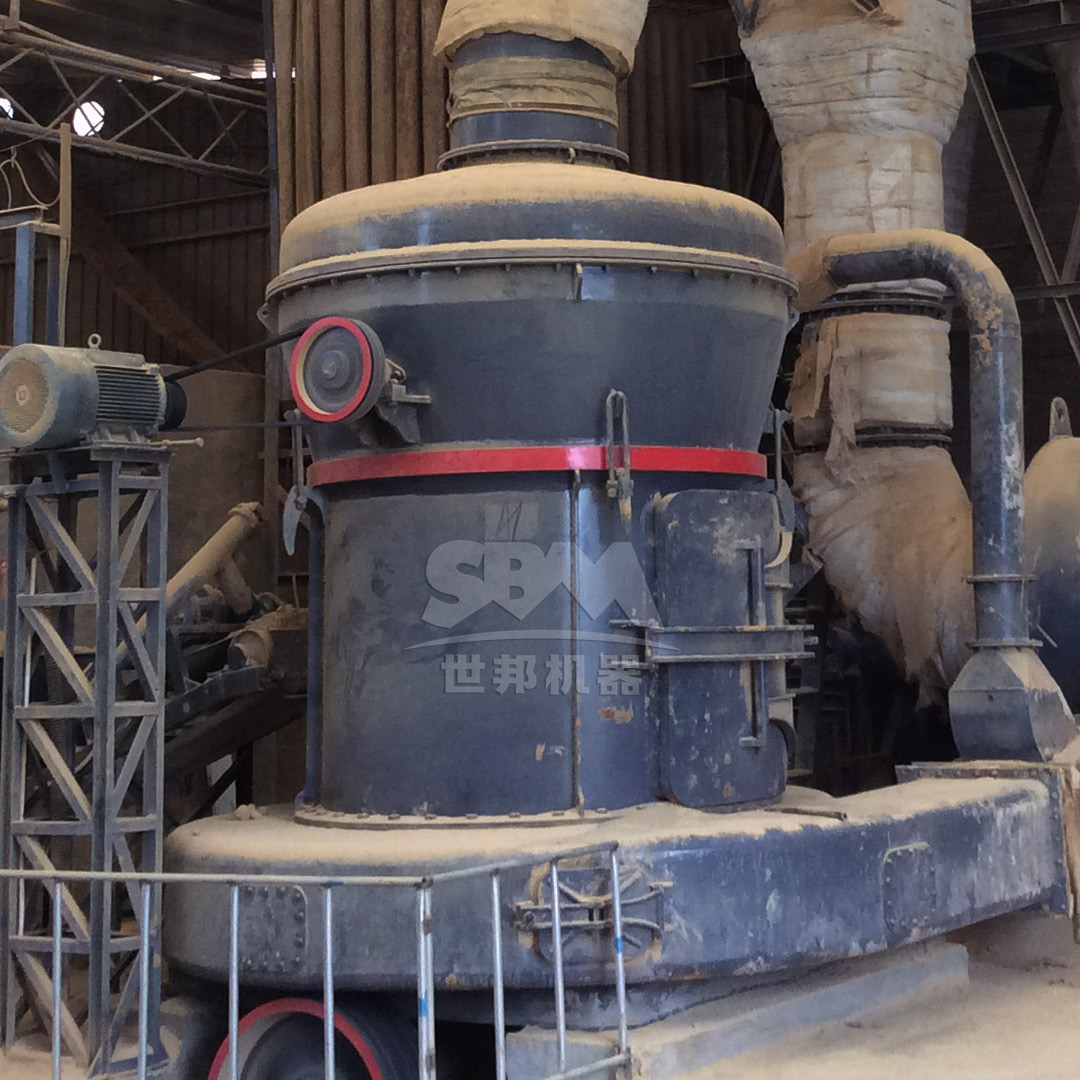
  • Feeding System: Vibrating feeders or screw feeders ensure a consistent and controlled feed rate to the mill, which is critical for stable operation and product consistency.
  • Classification System: Dynamic classifiers (often integrated with the mill) or independent air separators are essential for controlling the top size of the product and improving grinding efficiency by recycling coarse particles.
  • Dust Collection System: Pulse-jet bag filters are standard. They must be correctly sized to handle the mill’s air volume and ensure emissions are well below regulatory limits.
  • Product Conveying & Storage: Dense phase pneumatic conveying systems or screw conveyors and bucket elevators transport the powder. Storage silos should be equipped with fluidization pads to prevent compaction and ensure easy discharge.
  • Control System: A modern PLC-based control system allows for automatic operation, remote monitoring, data logging, and adjustment of key parameters like feed rate, classifier speed, and mill pressure.

\"Modern

Key Considerations for Plant Design & Investment
  1. Raw Material Analysis: Conduct a thorough analysis of the limestone/marble source (hardness, moisture, chemical composition) as it directly impacts mill selection and wear rates.
  2. Product Specification: Clearly define the target fineness (D50, D97, specific surface area), brightness, and particle shape requirements for your market.
  3. Capacity Planning: Consider both immediate needs and future expansion. Select equipment that can operate efficiently at your base capacity but has some overhead.
  4. Total Cost of Ownership (TCO): Look beyond the initial purchase price. Evaluate energy consumption (the largest operating cost), wear part costs and lifespan, maintenance requirements, and manpower needs.
  5. Supplier Expertise: Choose a supplier with proven experience in calcium carbonate plant engineering. They should offer not just equipment, but process design, installation supervision, commissioning, and after-sales support.
Conclusion

Building an efficient and profitable calcium carbonate powder production line requires a holistic approach that balances process knowledge with the correct selection of grinding technology. For high-volume production of coated and uncoated GCC in the coarse to medium-fine range, the MTW Series Trapezium Mill offers an outstanding balance of performance and economy. For ventures targeting the premium ultrafine powder market, the SCM Ultrafine Mill provides the technological edge necessary to produce consistent, high-quality product with superior energy efficiency and environmental performance. Partnering with an experienced equipment manufacturer who can provide a complete system solution—from initial design to ongoing support—is the most critical step toward ensuring the long-term success of your investment.