January 07, 2026
Introduction
The production of high-quality calcium hydroxide (Ca(OH)₂) powder, also known as hydrated lime or slaked lime, is a critical process for numerous industries including water treatment, construction (mortar, plaster), chemical manufacturing, and environmental applications (flue gas desulfurization, soil stabilization). The quality, consistency, and fineness of the final powder directly impact its reactivity and effectiveness in these applications. Therefore, selecting the right grinding and processing equipment is paramount. This article delves into the key equipment required for a modern calcium hydroxide powder production line and presents comprehensive plant solutions, highlighting advanced technologies that ensure efficiency, precision, and environmental compliance.
From Quicklime to Powder: The Production Process
The transformation of limestone (CaCO₃) into calcium hydroxide powder involves two primary stages:
- Calcination: Limestone is heated in a kiln (e.g., rotary or vertical shaft kiln) at temperatures above 900°C to drive off carbon dioxide (CO₂), producing calcium oxide (CaO), or quicklime.
CaCO₃ (heat) → CaO + CO₂
- Hydration & Grinding: The quicklime is then carefully reacted with a controlled amount of water in a hydrator (slaker). This exothermic reaction produces calcium hydroxide.
CaO + H₂O → Ca(OH)₂
The resulting hydrate, often in a coarse or putty form, must be dried (if necessary) and finely ground to achieve the desired particle size distribution for its end use.
The grinding stage is where the physical properties of the powder are defined. The choice of grinding mill depends on the required fineness, capacity, moisture content of the feed, and overall energy efficiency goals.
Key Equipment for Grinding Calcium Hydroxide
Different grinding technologies cater to different output specifications and production scales. Below is an analysis of the most suitable mill types for calcium hydroxide processing.
1. For Coarse to Medium-Fine Grinding (30-325 mesh / 600-45μm)
This range is common for construction materials and certain chemical processes. High-capacity, robust mills are ideal.
- MTW Series Trapezium Mill: This European-style grinding mill is an excellent choice for medium to large-scale production requiring consistent output in the 30-325 mesh range. Its advantages for lime grinding include:
- Durable Wear Parts: The modular shovel design and curved wear plates reduce maintenance costs and extend service life, crucial for abrasive materials.
- Optimized Airflow: The curved air duct minimizes resistance, improving conveying efficiency and reducing energy loss.
- High Transmission Efficiency: The integral bevel gear transmission achieves up to 98% efficiency, saving space and power.
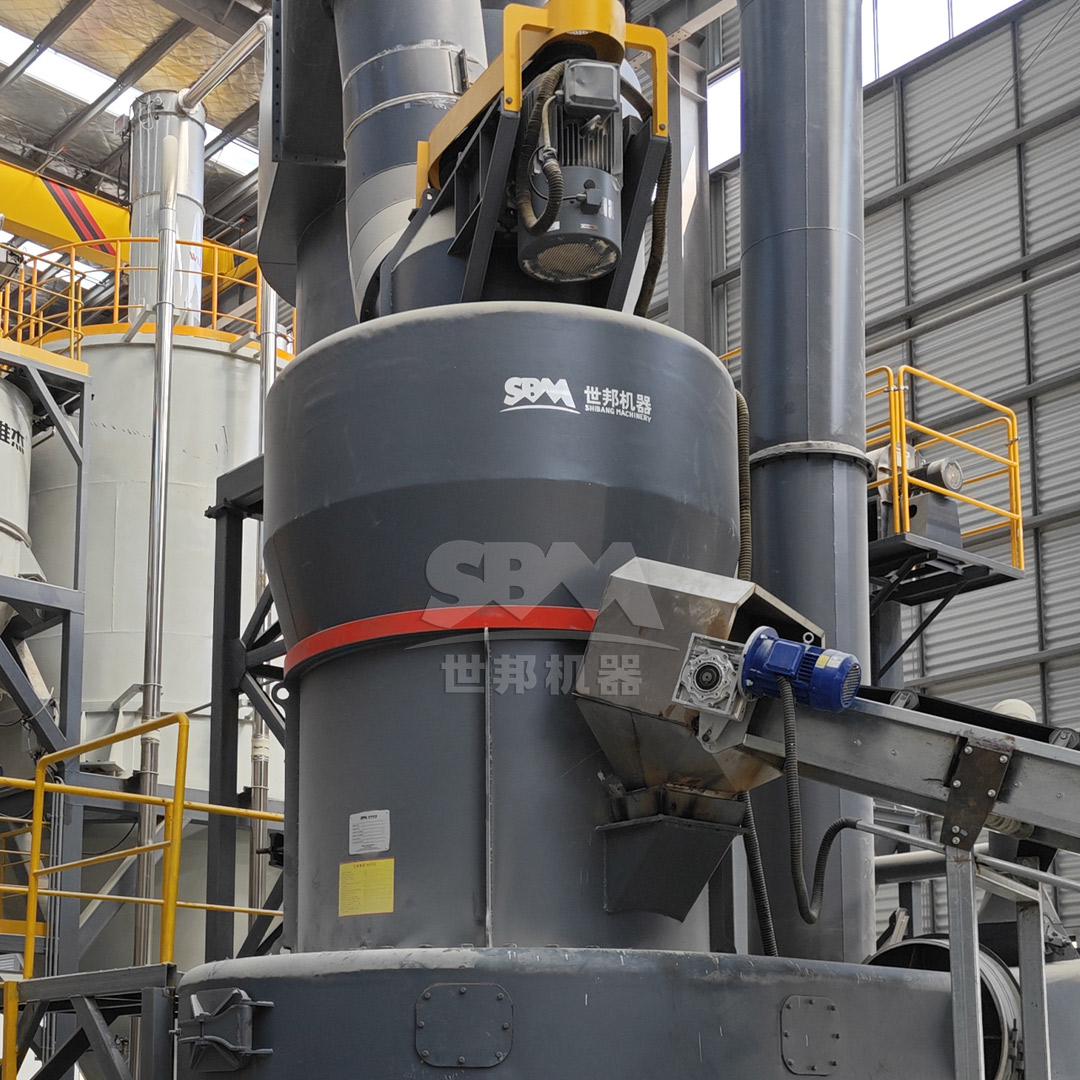
For projects requiring reliable, high-tonnage output of standard fineness calcium hydroxide, the MTW Series Trapezium Mill offers a perfect balance of performance, durability, and operational cost. Models like the MTW215G can handle capacities up to 45 tons per hour, making it suitable for major industrial supply lines.
- Ball Mill: A traditional and versatile option, suitable for both dry and wet grinding. It offers a very high size reduction ratio and is capable of producing powders down to 0.074mm. Its large capacity (up to 450 t/h) makes it fit for massive, continuous operations, though it is generally less energy-efficient than more modern roller mill systems.
2. For Fine and Ultra-Fine Grinding (325-2500 mesh / 45-5μm)
Applications in advanced polymers, high-purity chemical synthesis, or specialized environmental scrubbing often demand ultra-fine, highly reactive calcium hydroxide. This requires specialized fine-grinding technology.
- SCM Series Ultrafine Mill: This mill is engineered specifically for producing ultra-fine powders with tight particle size distributions. It is the premier choice for high-value, super-fine calcium hydroxide.
- High-Efficiency Classification: Its vertical turbine classifier provides precise particle size cuts, ensuring a uniform product without coarse grain contamination—a critical factor for reactivity.
- Energy Saving: Compared to traditional jet mills, it can double the capacity while reducing energy consumption by approximately 30%, thanks to its layered grinding principle and intelligent control system.
- Environmental Performance: With a high-efficiency pulse dust collector exceeding international standards and noise levels below 75dB, it supports clean, low-impact production.
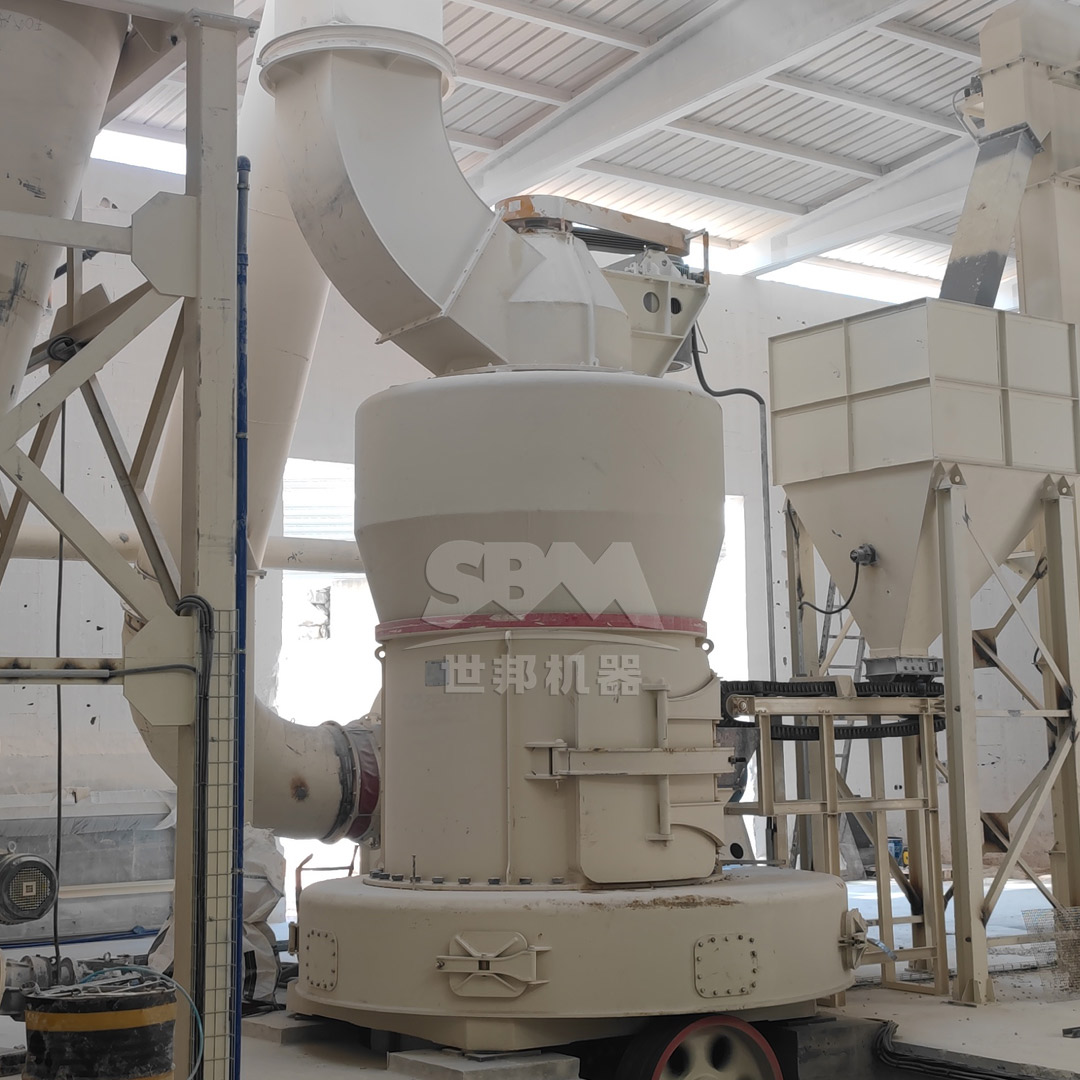
When the product specification calls for exceptional fineness and uniformity, such as D97 ≤ 5μm (2500 mesh), the SCM Ultrafine Mill is the definitive solution. Its robust construction with special material rollers and rings ensures stable, long-term operation when processing calcium hydroxide to its most reactive state.
- LUM Ultrafine Vertical Mill: Another excellent option for fine grinding, integrating grinding, classification, and conveying. Its multi-rotor classification system ensures sharp cuts, and its fully sealed negative-pressure operation guarantees no dust leakage.
3. For Integrated, Large-Scale Grinding (30-325 mesh)
For greenfield projects or major upgrades where footprint, energy consumption, and automation are top priorities.
- LM Series Vertical Roller Mill: This is a flagship system for large-scale mineral grinding. It integrates crushing, grinding, drying, classification, and conveying in a single unit, offering significant advantages:
- Space and Cost Savings: The compact design can reduce footprint by 50% and lower civil engineering costs by 40%.
- Low Operating Cost: The non-contact grinding principle (roller and disc) and high grinding efficiency can reduce energy consumption by 30-40% compared to ball mill systems.
- Intelligent Control: Features expert automatic control systems for remote operation and real-time parameter monitoring.
Complete Plant Solution Considerations
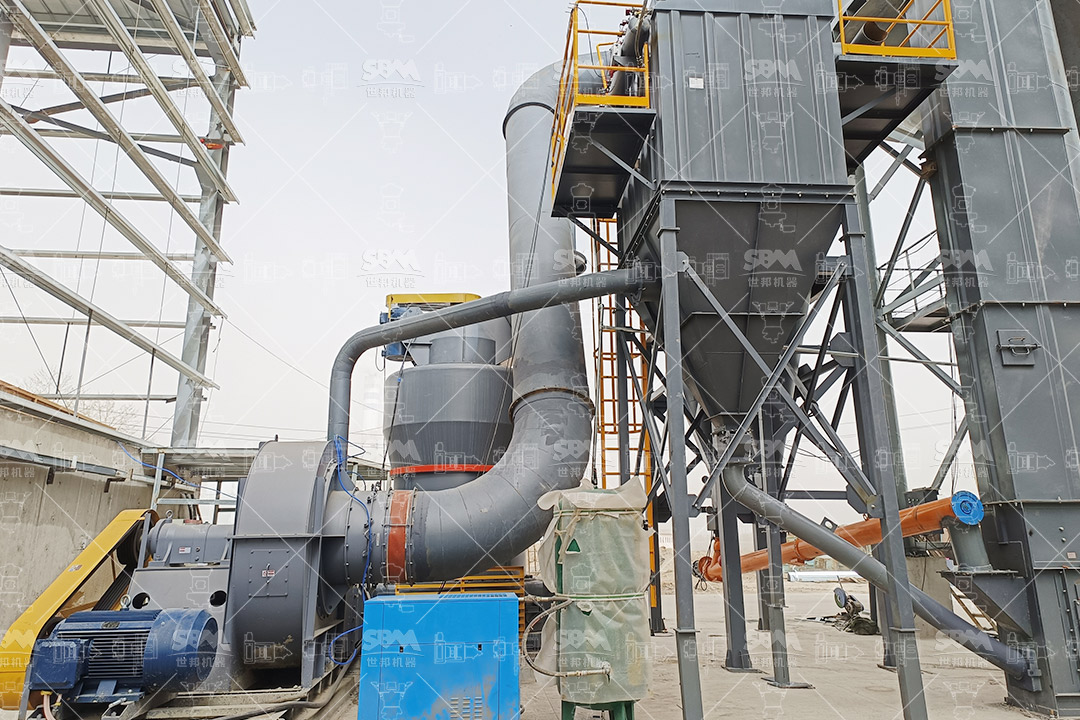
A successful calcium hydroxide powder plant involves more than just the grinding mill. A holistic solution encompasses:
- Raw Material Handling & Pre-Crushing: Systems for receiving, storing, and pre-crushing limestone before calcination. Equipment may include dumpers, stackers/reclaimers, and jaw or hammer crushers to reduce limestone to a suitable kiln feed size (e.g., 40-80mm).
- Calcination System: The heart of the quicklime production. Selection between energy-efficient parallel flow regenerative kilns, long rotary kilns, or smaller shaft kilns depends on capacity, fuel type, and product quality requirements.
- Hydration (Slaking) System: Critical for converting CaO to Ca(OH)₂. Paste or slurry slakers must provide precise water control and sufficient retention time for complete, safe reaction. The moisture content of the hydrate feed dictates the downstream drying needs.
- Drying System (if applicable): If the hydrate from the slaker is too wet for dry grinding, a rotary dryer or flash dryer is integrated to reduce moisture to an optimal level (typically below 1-2%).
- Grinding & Classification System: The core section, as detailed above. The chosen mill is paired with appropriate feeders, classifiers, and product cyclones.
- Powder Handling & Storage: Includes pneumatic conveying systems, silos, big-bag filling stations, and bagging machines. Dust containment is essential throughout.
- Electrical & Automation Control: A centralized PLC/SCADA system to monitor and control the entire process from crushing to packaging, ensuring consistent quality, safety, and operational efficiency.
- Dust Collection & Environmental Protection: Comprehensive dust collection networks (bag filters, cartridge filters) at all transfer points, along with sound enclosures for mills, are non-negotiable for modern, compliant plants.
| Process Stage |
Key Equipment Examples |
Primary Function |
| Raw Material Prep |
Hammer Crusher, Vibrating Feeder |
Reduce limestone size for kiln |
| Calcination |
Rotary Kiln, Shaft Kiln |
Convert CaCO₃ to CaO (Quicklime) |
| Hydration |
Paste Slaker, Hydrator |
React CaO with water to form Ca(OH)₂ |
| Grinding |
MTW Mill, SCM Mill, Ball Mill |
Achieve target particle size |
| Product Handling |
Pneumatic Conveyor, Silo, Packer |
Store and dispatch final powder |
| Environmental Control |
Pulse Bag Dust Collector, Silencer |
Capture dust and reduce noise |
Conclusion
The production of calcium hydroxide powder is a sophisticated chain of processes where each link must be optimally designed. While calcination and hydration define the chemical product, the grinding stage defines its physical and performance characteristics. Investing in the correct grinding technology—whether it’s the high-capacity MTW Series Trapezium Mill for standard grades or the precision-focused SCM Series Ultrafine Mill for premium super-fine products—is a decisive factor for product quality and plant profitability. A complete plant solution integrates this core equipment with robust upstream and downstream systems under a unified automation platform, ensuring a reliable, efficient, and environmentally sound operation that meets the stringent demands of today’s markets. Partnering with an equipment supplier capable of providing both the key machinery and the comprehensive engineering know-how is essential for project success.