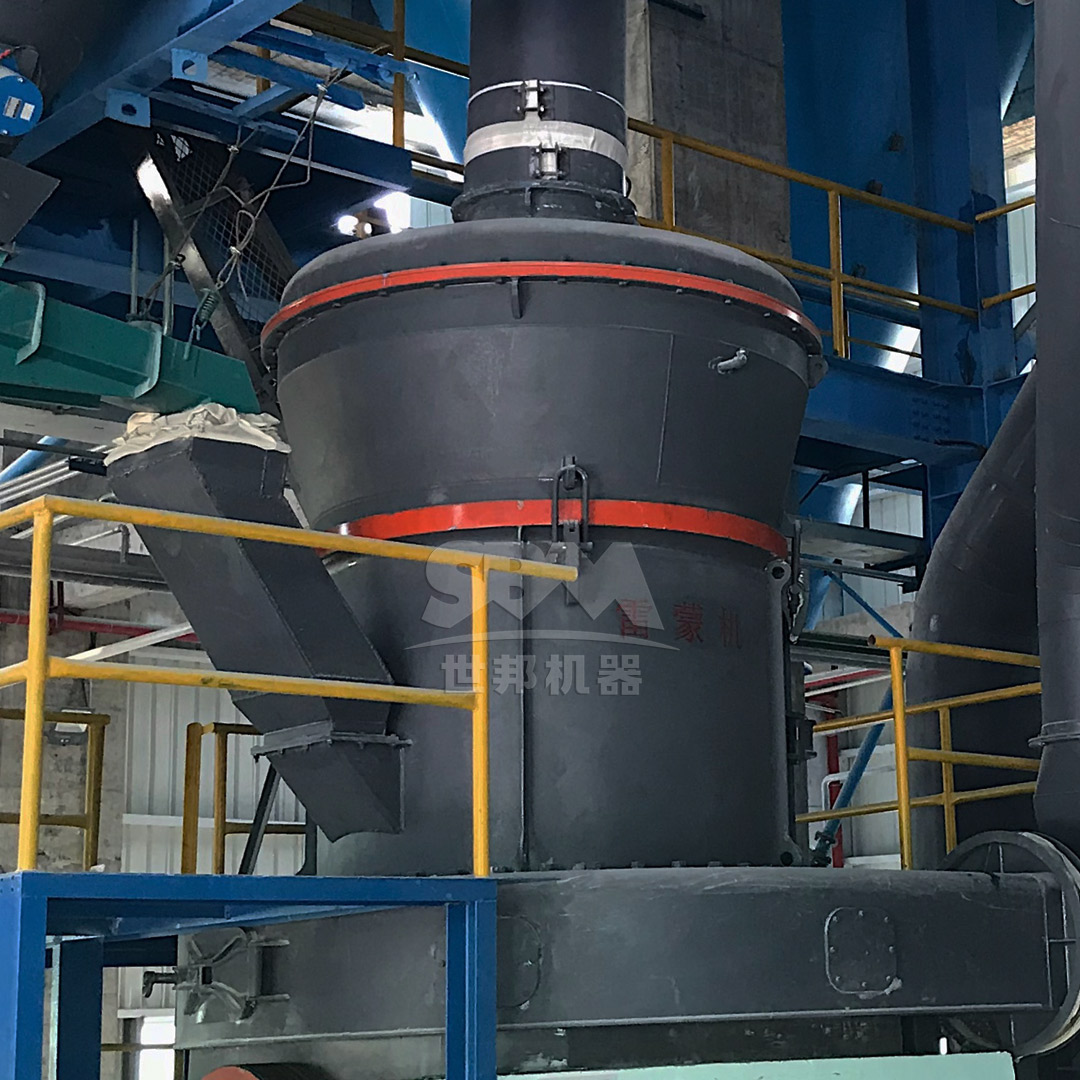
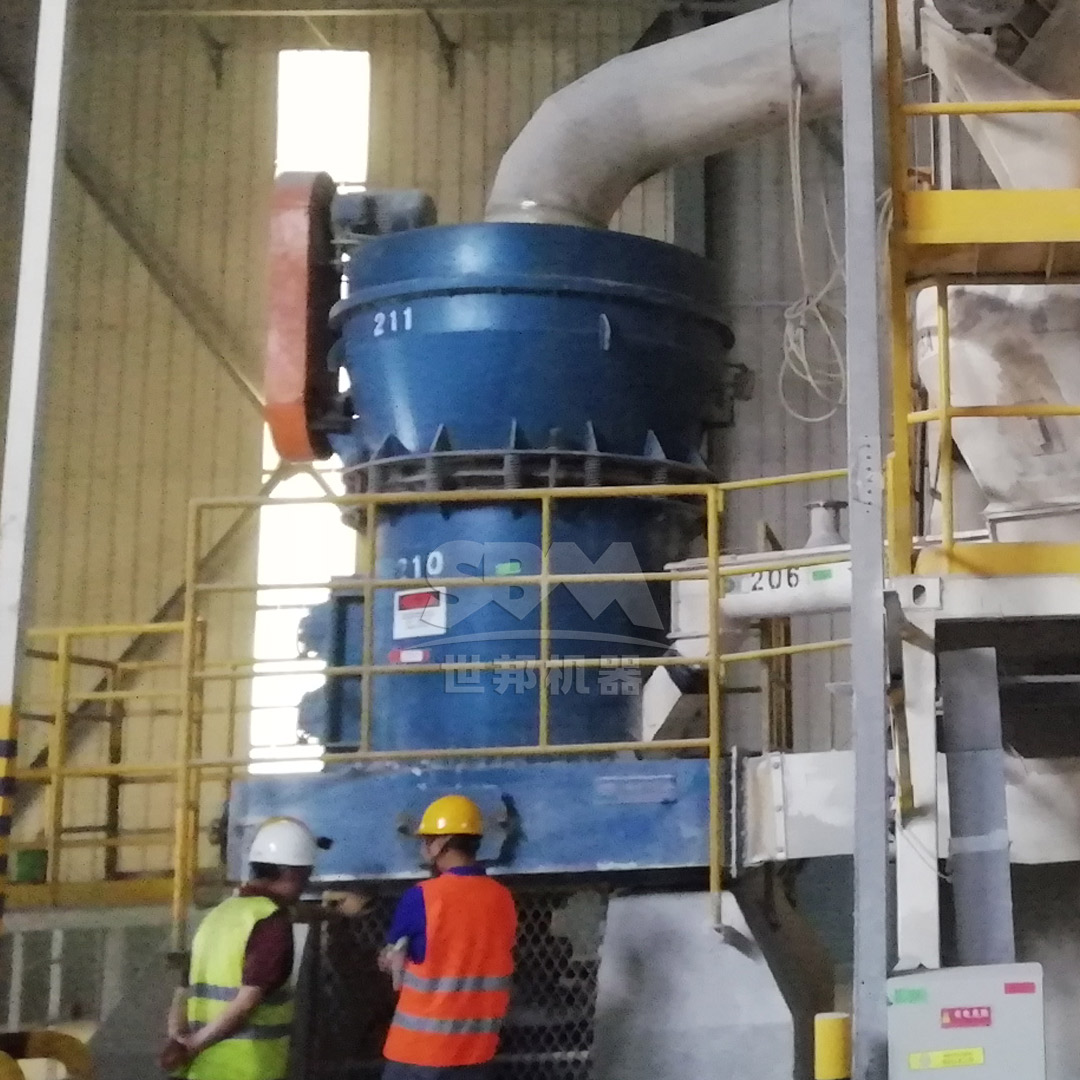
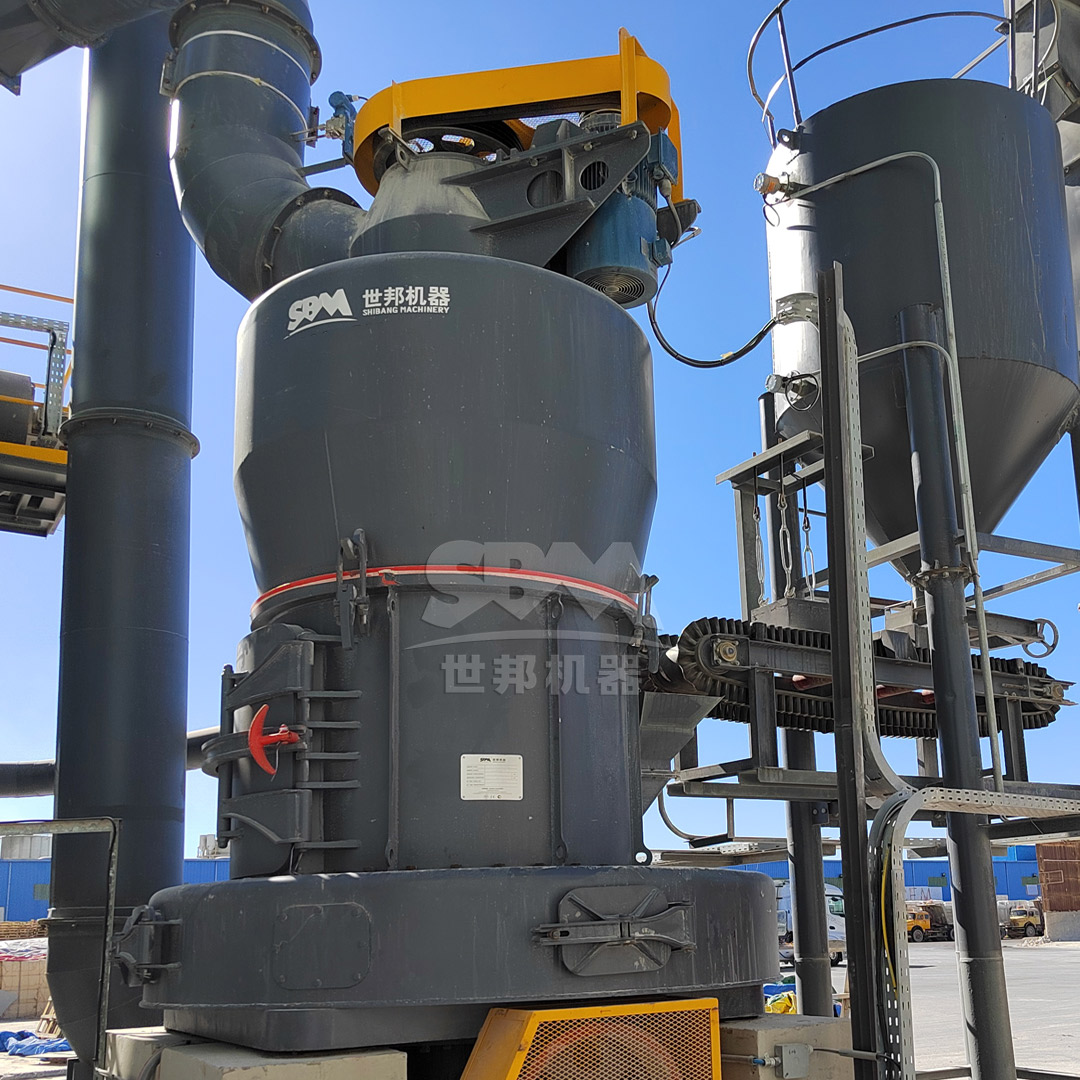
The production of high-quality carbon black, a critical material for the rubber, plastics, ink, and coatings industries, hinges on advanced grinding and processing technology. Achieving the desired fineness, particle size distribution, and surface characteristics requires specialized equipment designed for efficiency, precision, and reliability. This article explores the core equipment and systems essential for modern carbon black processing, from coarse grinding to ultrafine micronization, and highlights key technological considerations for building a successful production line.
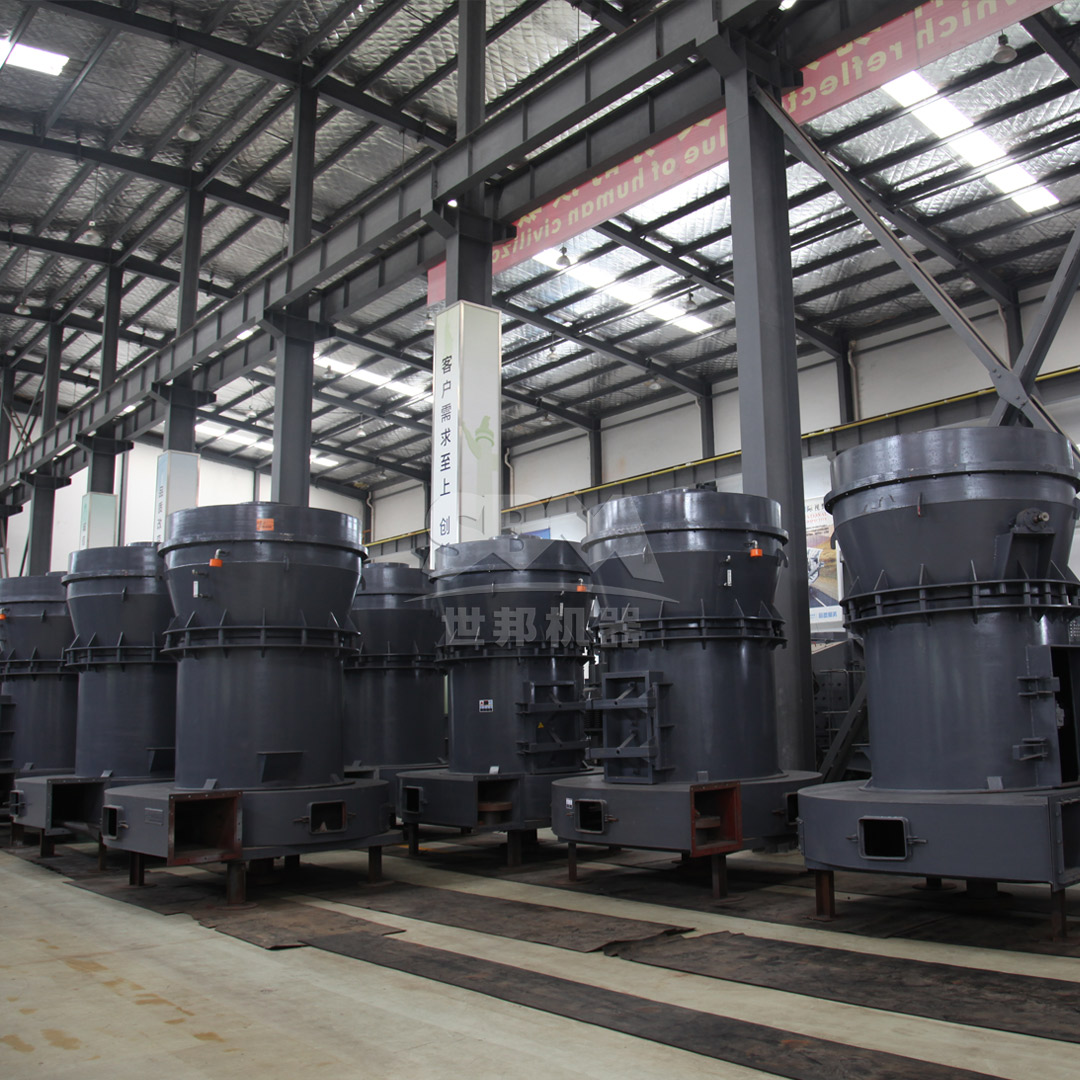
Carbon black processing typically involves several stages: primary crushing of feedstock or pelletized carbon black, intermediate grinding, fine or ultrafine milling, precise classification, and finally, collection and packaging. Each stage demands equipment with specific capabilities. The initial size reduction of larger agglomerates is often handled by robust crushers or hammer mills. The subsequent grinding stages are the heart of the process, where mills like trapezium mills, vertical roller mills, and specialized ultrafine mills come into play. The choice of grinding system directly impacts product quality, energy consumption, and overall operational cost.
Selecting the right mill is paramount. The equipment must handle the abrasive nature of carbon black while delivering consistent particle size control.
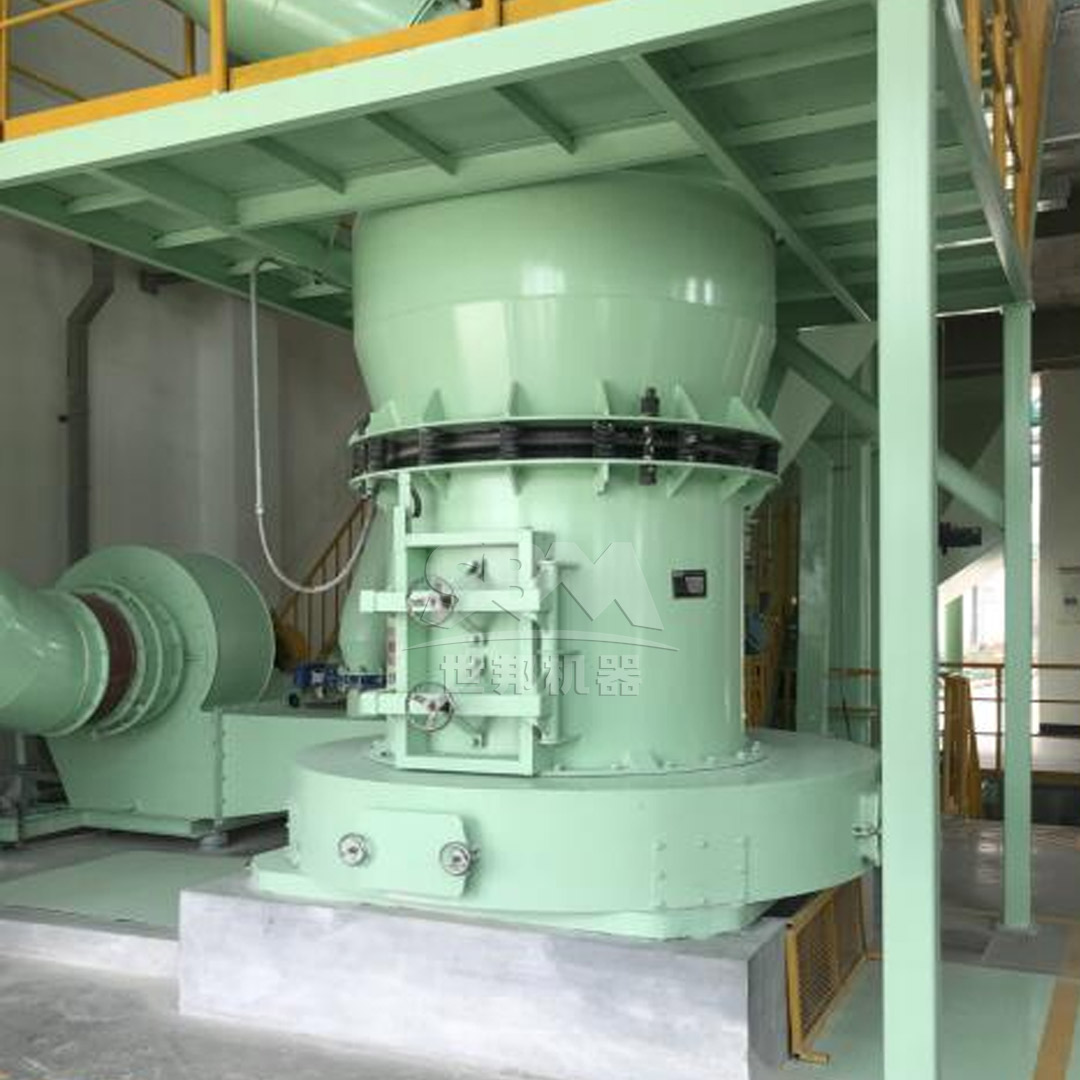
This range is common for many industrial-grade carbon blacks. Equipment like the MTW Series European Trapezium Mill and the LM Series Vertical Roller Mill are excellent choices. The MTW series, for instance, features an anti-wear shovel design and an optimized arc air duct that reduces energy loss, making it a durable and efficient option for capacities ranging from 3 to 45 tons per hour. Its integral bevel gear drive achieves up to 98% transmission efficiency.
| Model | Capacity (t/h) | Output Fineness (mesh) | Main Power (kW) |
|---|---|---|---|
| MTW138Z | 6-17 | 10-325 | 90 |
| MTW175G | 9.5-25 | 10-325 | 160 |
| MTW215G | 15-45 | 10-325 | 280 |
Vertical Roller Mills (VRMs), such as the LM series, offer significant advantages in large-scale production. Their integrated design combines crushing, grinding, and classification in a single unit, reducing footprint by 50% and lowering energy consumption by 30-40% compared to traditional ball mill systems. They operate under fully sealed negative pressure, ensuring environmental compliance.
Producing specialty carbon blacks with superior tinting strength or conductivity requires pushing into the ultrafine spectrum. For this demanding application, conventional mills fall short. This is where advanced ultrafine grinding technology becomes critical.
We highly recommend our flagship SCM Series Ultrafine Mill for high-value carbon black production. Engineered for precision and efficiency, it is specifically designed to produce fine powders between 325 and 2500 mesh (45-5μm). Its core advantages make it ideal for carbon black:
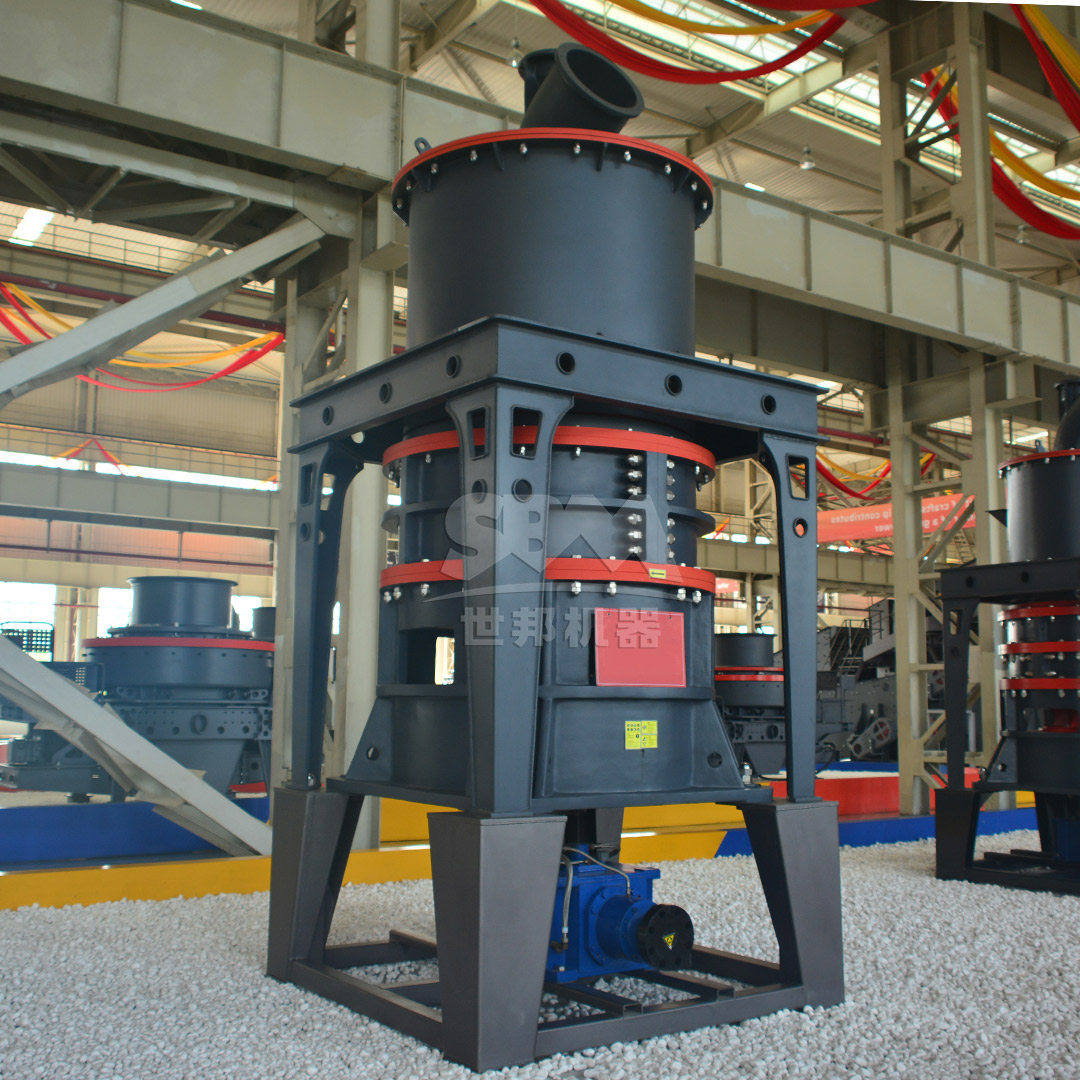
| Model | Capacity (t/h) | Output Fineness | Main Power (kW) |
|---|---|---|---|
| SCM800 | 0.5-4.5 | 325-2500 mesh | 75 |
| SCM1000 | 1.0-8.5 | 325-2500 mesh | 132 |
| SCM1250 | 2.5-14 | 325-2500 mesh | 185 |
| SCM1680 | 5.0-25 | 325-2500 mesh | 315 |
A complete production system extends beyond the mill. Efficient classifiers (often integrated) are vital for separating particles to the target size. High-efficiency cyclone collectors and pulse-jet baghouse dust removal systems are mandatory for product recovery and air pollution control, with modern systems achieving collection efficiencies over 99.9%. Furthermore, intelligent control systems are no longer a luxury but a necessity. They enable remote monitoring, automatic adjustment of operational parameters based on feedback, and significant reduction in manual intervention, leading to consistent quality and lower labor costs.
Building an efficient line requires a holistic approach. Key considerations include:
The evolution of carbon black processing is driven by demands for finer, more consistent products and more sustainable, cost-effective production. Success in this field depends on partnering with technology providers that offer not just individual machines, but integrated system solutions. From the robust grinding of the MTW Series for general purposes to the exceptional precision of the SCM Series Ultrafine Mill for high-end applications, the right equipment forms the foundation of a competitive and profitable carbon black operation. Investing in advanced grinding mills and intelligent production systems is an investment in product quality, operational efficiency, and long-term market leadership.