January 06, 2026
Introduction to Carbon Powder Processing
The production of high-quality carbon powder, a critical material in industries ranging from batteries and lubricants to polymers and metallurgy, demands precision grinding technology. The choice of grinding equipment directly impacts product fineness, particle size distribution, energy consumption, and overall operational efficiency. This comprehensive guide explores the complete production line for carbon powder, from primary crushing to ultra-fine milling, and highlights key equipment selections for optimal performance.
The Carbon Powder Production Line: A Systematic Overview
A typical carbon powder production line is not a single machine but an integrated system. It generally follows these stages:
- Primary Crushing: Raw carbon materials (e.g., petroleum coke, graphite) are reduced from large lumps to a manageable size (typically below 50mm) using crushers like jaw crushers or hammer mills.
- Drying (if required): A dryer may be employed to reduce moisture content before grinding to improve efficiency and prevent clogging.
- Grinding & Milling: The core stage where the pre-crushed material is pulverized to the target fineness. This stage may involve coarse grinding followed by fine or ultra-fine grinding.
- Classification: Integrated or standalone air classifiers separate the ground powder into fine product and coarse material that requires re-grinding.
- Collection & Dedusting: Cyclone collectors and bag filter dust collectors (pulse jet type) capture the final product and ensure environmentally clean operation.
- Packaging & Storage: The finished carbon powder is conveyed to silos or packing machines.
| Production Stage |
Typical Equipment |
Key Function |
| Primary Crushing |
Hammer Crusher, Jaw Crusher |
Reduce raw material to <50mm |
| Grinding |
Raymond Mill, Vertical Roller Mill, Ultrafine Mill |
Achieve target fineness (45μm to 5μm) |
| Classification |
Dynamic Air Classifier |
Separate fine powder from coarse particles |
| Collection |
Cyclone + Pulse Bag Filter |
Collect product & control dust emission |
Selecting the Right Grinding Mill for Carbon
The heart of the production line is the grinding mill. The selection depends primarily on the required final fineness and production capacity.
For Coarse to Medium Fineness (600 – 45μm / 30 – 325 mesh)
For applications like carbon additives in steelmaking or foundry facings, where fineness between 30 and 325 mesh is sufficient, robust and high-capacity mills are ideal.
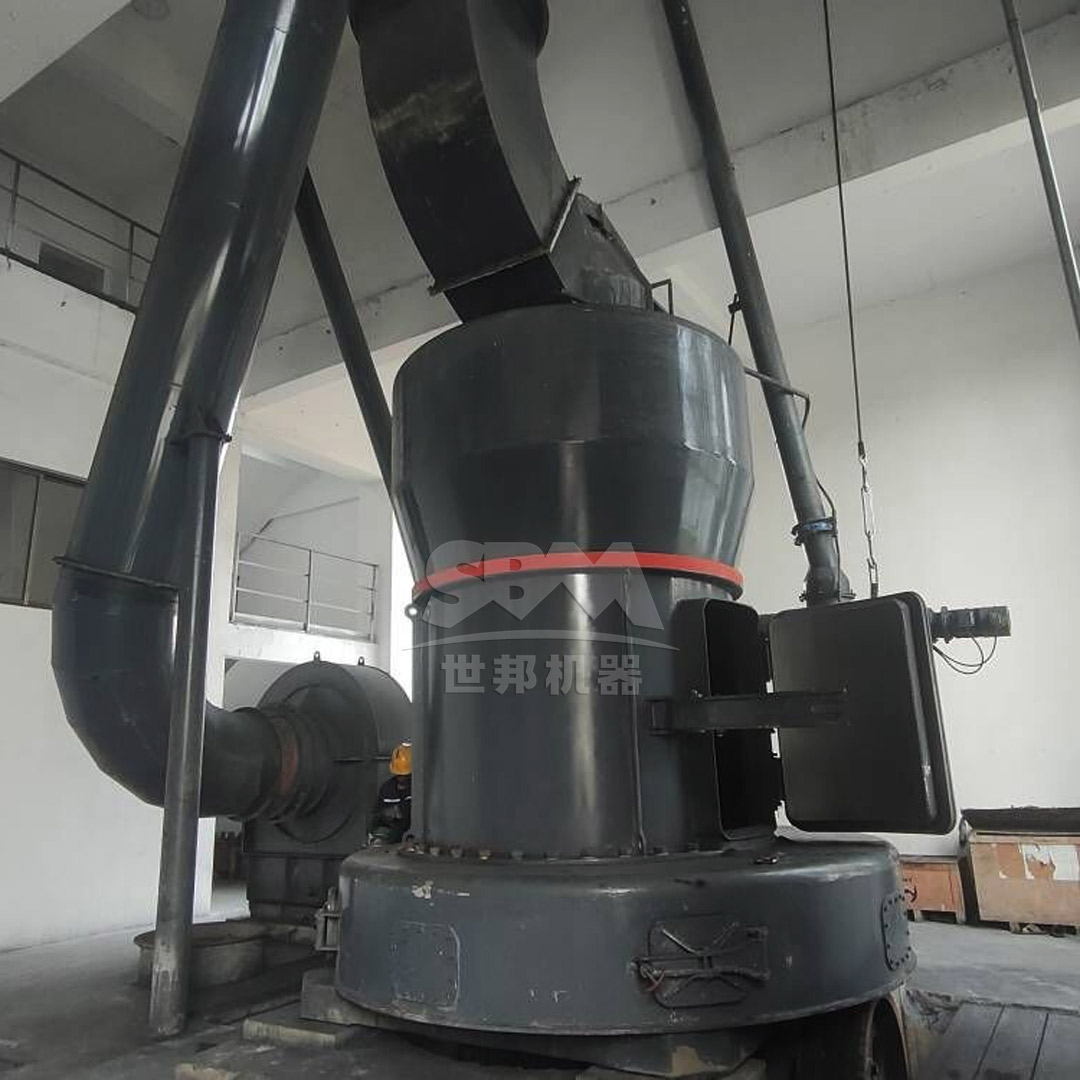
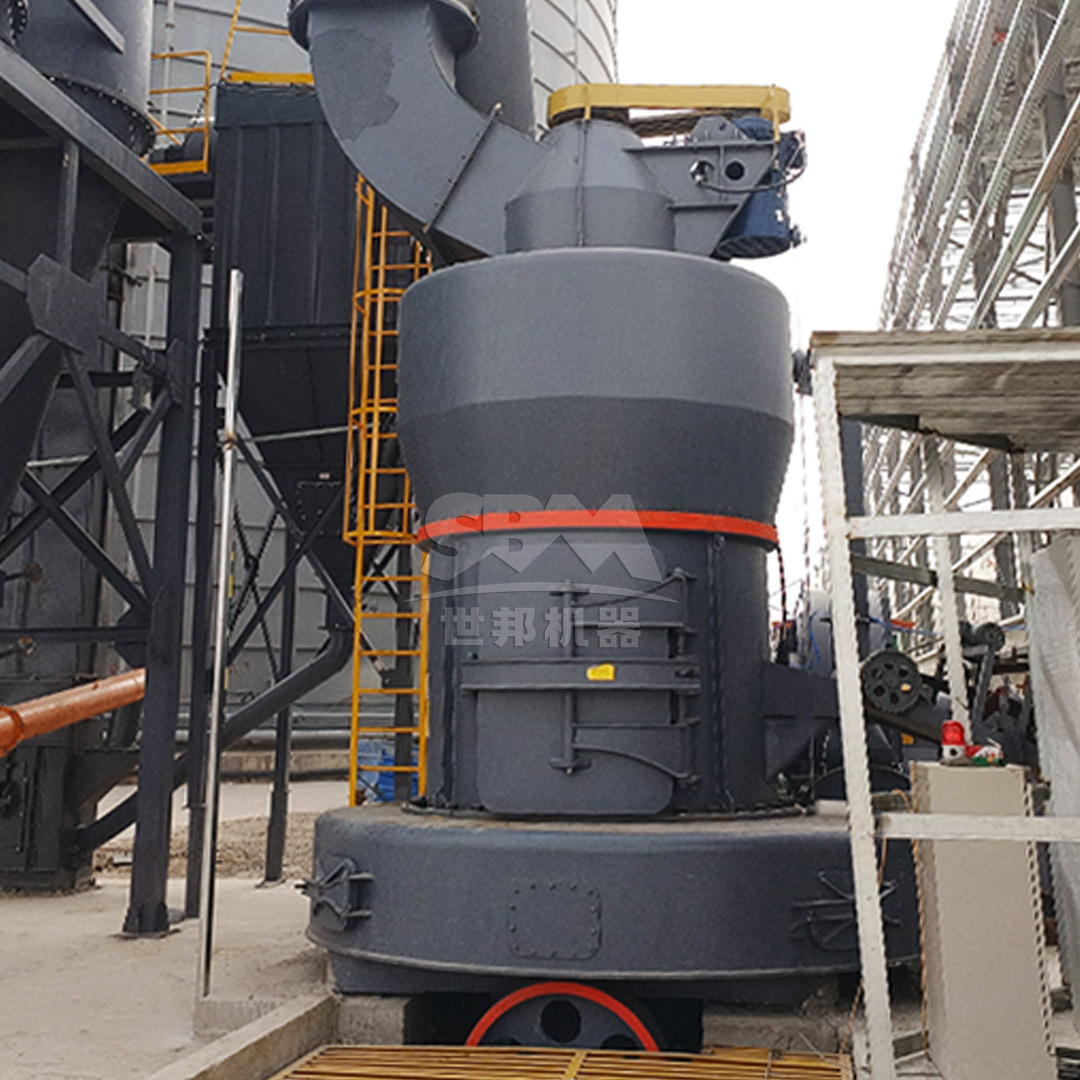
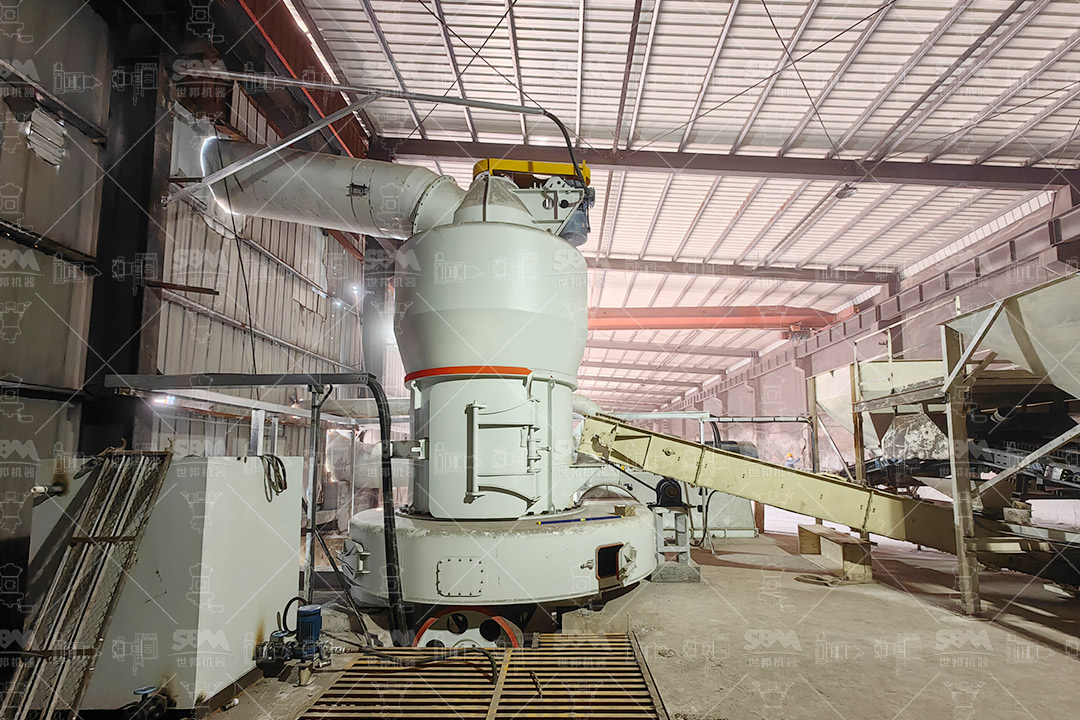
- MTW Series Trapezium Mill: This European-style grinding mill is an excellent choice for high-capacity production of carbon powder in this range. Its advantages include a curved air duct for lower energy loss, an integral transmission with bevel gear for 98% efficiency, and wear-resistant components like combined shovel blades. With a capacity range of 3-45 TPH and the ability to handle feed sizes up to 50mm, it offers reliability and efficiency for large-scale operations.
- Ball Mill: A traditional and versatile option suitable for both dry and wet grinding. It offers a high size reduction ratio and is capable of producing powders from 0.074mm to 0.8mm. Large models can handle capacities up to 450 TPH, making them suitable for massive production lines, though they are generally less energy-efficient than vertical roller mills for dry grinding.
For Fine to Ultra-Fine Fineness (45 – 5μm / 325 – 2500 mesh)
Advanced applications in lithium-ion battery anodes, conductive coatings, and high-performance composites require carbon powder in the micron and sub-micron range. This demands advanced grinding technology.
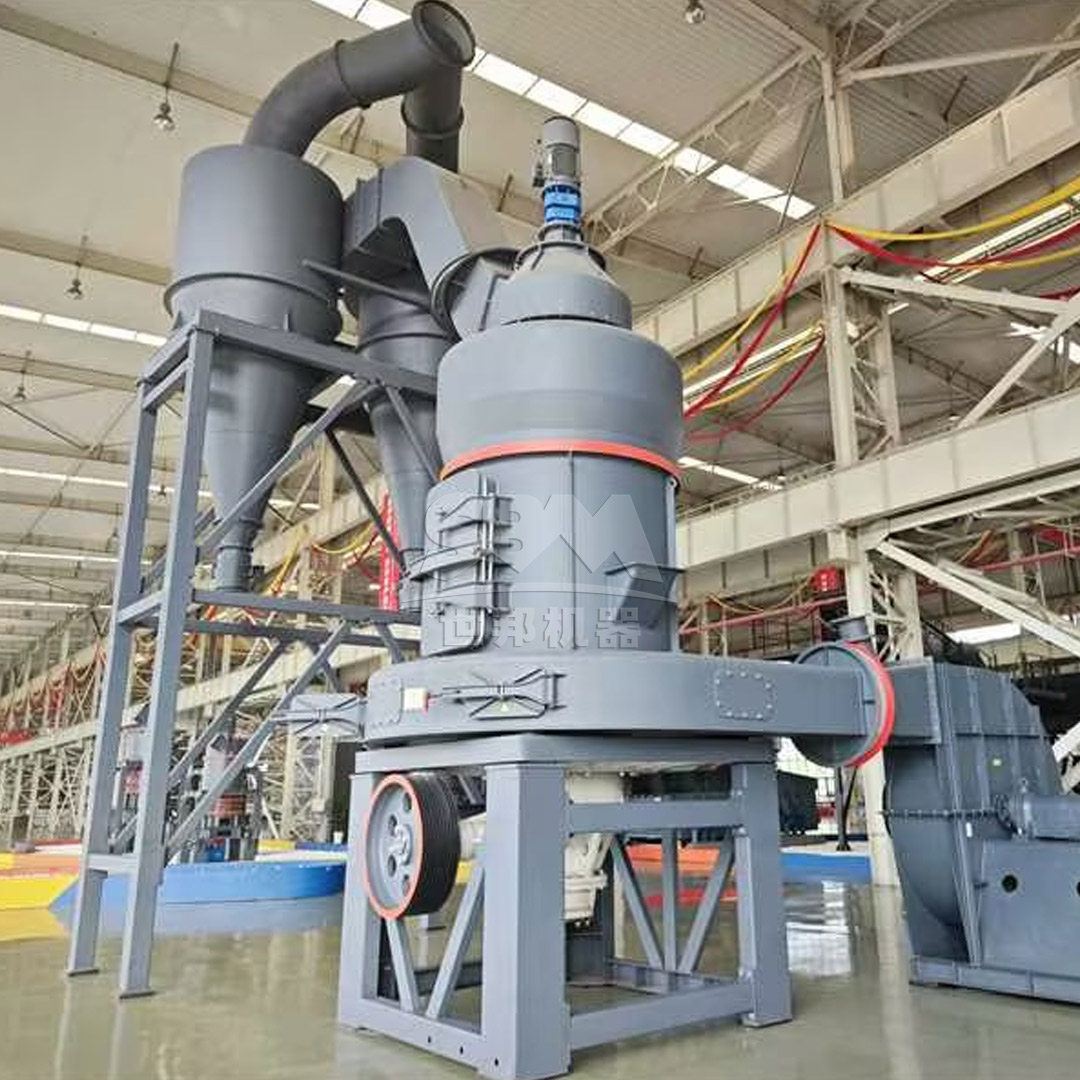
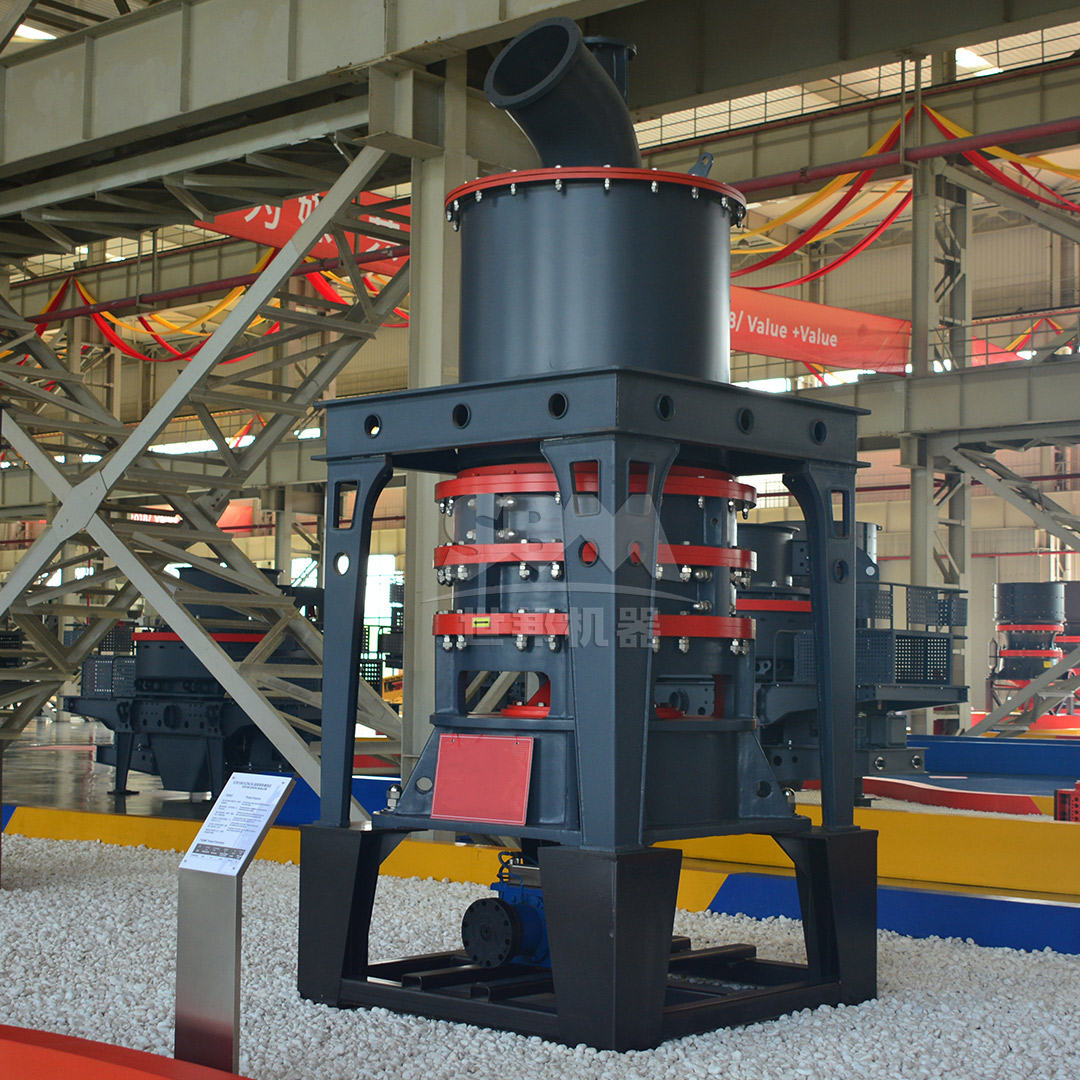
For these demanding applications, we highly recommend our flagship SCM Series Ultrafine Mill. Engineered specifically for producing fine and ultra-fine powders, the SCM mill is a top-tier solution for high-value carbon products.
Why the SCM Ultrafine Mill is Ideal for Premium Carbon Powder:
- Exceptional Fineness & Uniformity: It can achieve a fineness range from 325 to 2500 mesh (D97 ≤ 5μm). Its vertical turbine classification system ensures precise particle size cuts and a uniform product with no coarse powder contamination.
- High Efficiency & Energy Saving: Compared to traditional jet mills, the SCM mill can double the production capacity while reducing energy consumption by approximately 30%. Its intelligent control system automatically adjusts operations based on real-time feedback of product fineness.
- Durable & Stable Design: Key wear parts like grinding rollers and rings are made from special materials, extending service life multiple times. The innovative bearing-less screw design in the grinding chamber enhances operational stability.
- Environmental Compliance: The system integrates a high-efficiency pulse dust collector that exceeds international emission standards. Soundproofing measures ensure noise levels are kept below 75dB.
| Model |
Capacity (ton/h) |
Main Motor Power (kW) |
Feed Size (mm) |
Final Fineness (mesh) |
| SCM800 |
0.5 – 4.5 |
75 |
≤20 |
325-2500 |
| SCM900 |
0.8 – 6.5 |
90 |
≤20 |
325-2500 |
| SCM1000 |
1.0 – 8.5 |
132 |
≤20 |
325-2500 |
| SCM1250 |
2.5 – 14 |
185 |
≤20 |
325-2500 |
| SCM1680 |
5.0 – 25 |
315 |
≤20 |
325-2500 |
For Large-Scale Integrated Grinding (600 – 45μm)
For mega-projects requiring extremely high throughput for materials like carbon black or pre-ground feedstock, vertical roller mills offer an unbeatable combination of capacity and efficiency.
- LM Series Vertical Roller Mill: This is a highly integrated system that combines grinding, drying, classification, and conveying. Its集约化设计 (intensive design) reduces footprint by 50% and can lower infrastructure costs by 40%. It is exceptionally energy-efficient, consuming 30-40% less power than traditional ball mill systems, and is capable of handling capacities from 3 to over 250 TPH. Its intelligent control system allows for remote monitoring and operation.
Auxiliary Equipment: The Supporting Cast
No mill operates in isolation. The performance of the entire line depends on well-matched auxiliary equipment.
- Hammer Crusher (for Primary Crushing): A reliable pre-crusher like our PC series hammer mill is perfect for reducing raw carbon to below 30-40mm. Its high manganese steel liners and optimized crushing chamber ensure stable operation and long service life for this high-impact stage.
- Air Classifier: Critical for controlling the top size of the product. Modern dynamic classifiers with adjustable rotor speeds allow for precise cuts and flexibility in product specification.
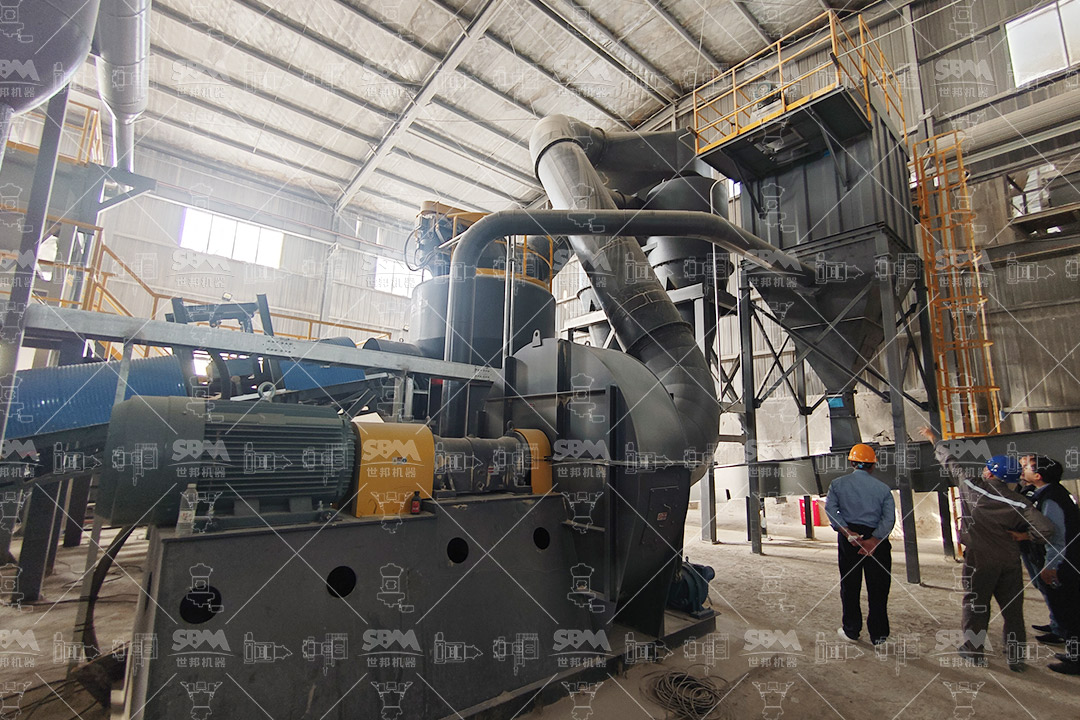
- Dust Collection System: A two-stage system with a cyclone pre-collector and a pulse-jet bag filter is standard. It ensures product recovery rates over 99.9% and keeps dust emissions well below 20 mg/m³, meeting strict environmental regulations.
- Feeding & Conveying: Vibrating feeders, screw conveyors, and bucket elevators must be sized correctly to ensure a steady, controlled feed to the mill, which is crucial for stable grinding conditions and product consistency.
Conclusion: Building an Optimized Carbon Powder Plant
Designing an efficient carbon powder production line requires a holistic approach. It begins with a clear definition of product specifications (fineness, capacity, purity) and extends to selecting a synergistic set of equipment. For coarse grinding, the MTW Series Trapezium Mill offers robust performance. For the critical ultra-fine grinding segment that defines high-tech applications, the SCM Series Ultrafine Mill stands out with its precision, efficiency, and reliability. Integrating these core grinders with correctly sized crushers, classifiers, and dedusting systems will result in a plant that delivers consistent, high-quality carbon powder with optimal operational economics and full environmental compliance. Partnering with an experienced supplier who can provide this full spectrum of equipment and engineering support is key to a successful project.