Cement clinker production is a complex and energy-intensive process that forms the core of the cement manufacturing industry. The quality, efficiency, and environmental footprint of the final product are heavily influenced by the raw materials, the additives used, and the performance of the processing equipment. This guide delves into the critical additives employed in modern clinker production and provides a comprehensive overview of the essential processing machinery, with a focus on grinding technology—a stage that accounts for a significant portion of a plant’s energy consumption.
While limestone and clay provide the primary calcium and silicate components, various additives are crucial for optimizing the clinker’s chemical composition, lowering production costs, and utilizing industrial by-products. These materials are finely ground and blended with the raw meal before entering the kiln.
These are used to adjust the chemical composition of the raw mix to achieve the desired clinker phases (C3S, C2S, C3A, C4AF). Common examples include:
These additives lower the formation temperature of clinker minerals, reducing energy consumption in the kiln.
Modern cement plants increasingly use industrial by-products to replace virgin materials, enhancing sustainability.
The effective utilization of these additives hinges on one critical process: fine and uniform grinding. Inconsistent particle size can lead to poor homogenization, inefficient chemical reactions in the kiln, and ultimately, subpar clinker quality.
| Additive Type | Primary Function | Key Component(s) | Typical Feed Size Requirement |
|---|---|---|---|
| Corrective (e.g., Iron Ore) | Adjust chemical composition (Fe2O3) | Iron Oxides | < 30mm (pre-crushed) |
| Mineralizer (e.g., Fluorite) | Lower clinkering temperature | CaF2 | < 20mm |
| SCM (e.g., Slag, Fly Ash) | Replace raw materials, improve sustainability | Calcium Silicates, Aluminosilicates |
The journey from quarry to clinker involves a series of interconnected machines. The grinding stage is particularly vital, as it prepares both the raw meal and the final cement product.
Jaw crushers, gyratory crushers, and impact crushers reduce quarried limestone and other additives from meter-sized blocks down to fragments less than 50-100mm.
This stage prepares the finely ground, homogenous raw meal for the kiln. The choice of grinding system is paramount for efficiency.
The heart of the plant, typically a rotary kiln with a multi-stage preheater and calciner, where the raw meal is heated to ~1450°C to form clinker nodules.
Grate coolers rapidly quench the hot clinker, recovering heat to the kiln and improving the clinker’s grindability for the final stage.
This final grinding step, where clinker is ground with gypsum and other SCMs like slag or fly ash, is the most energy-intensive process in cement manufacturing. The technology selection directly impacts product quality, cost, and flexibility.
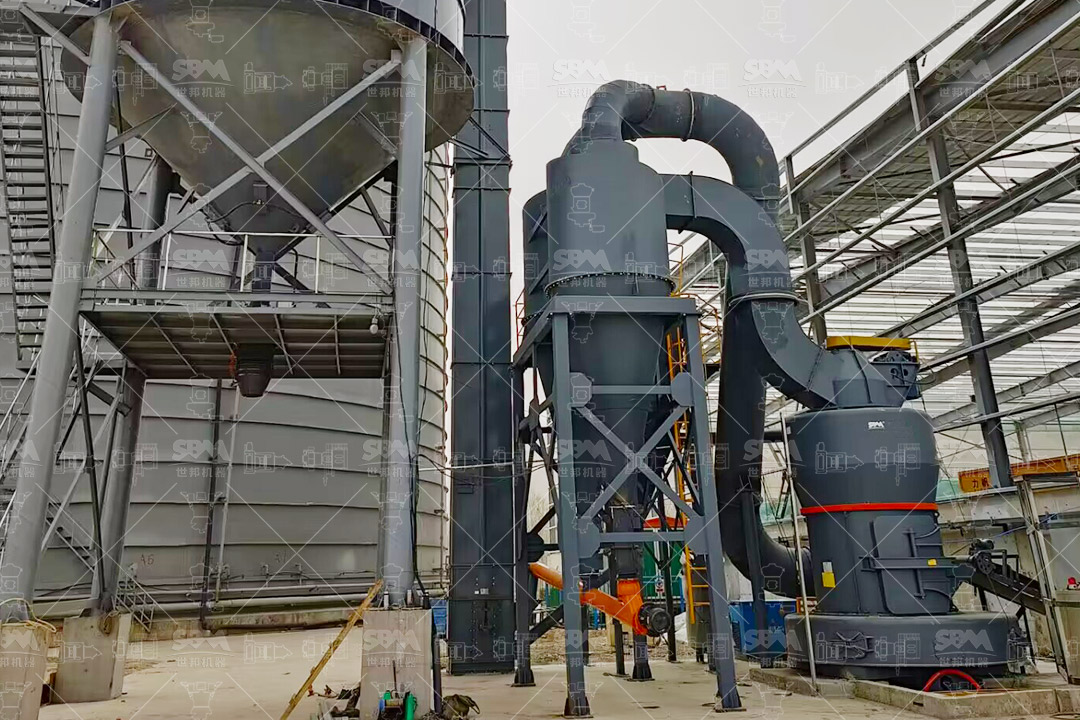
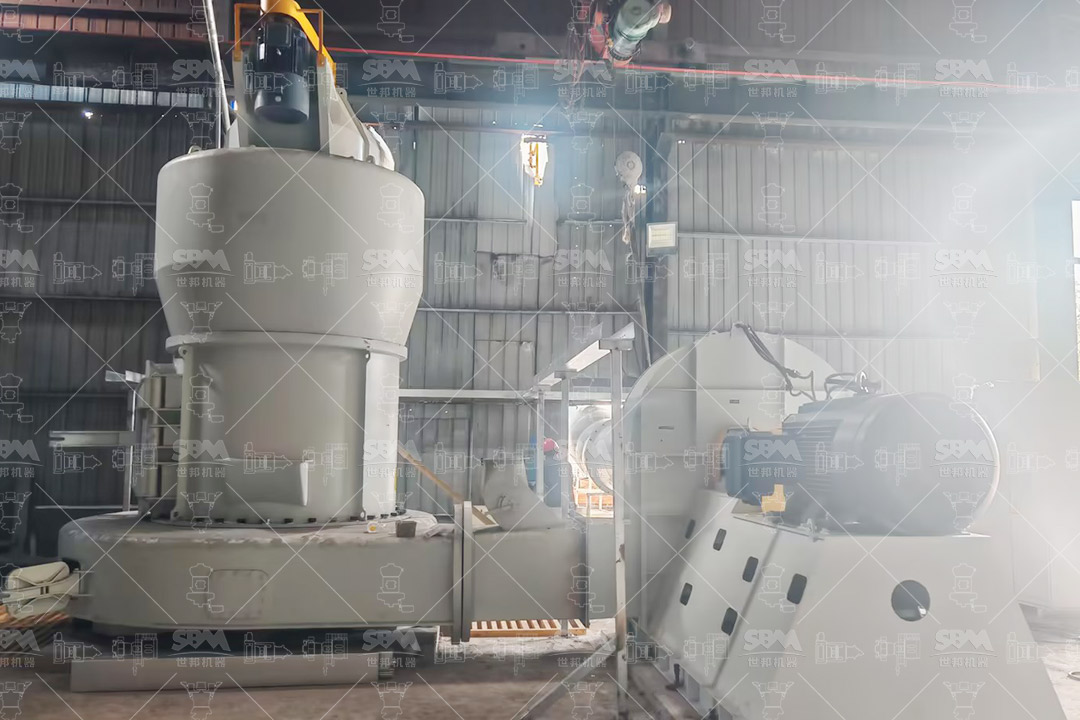
Selecting the right grinding equipment is critical for operational profitability. For the demanding requirements of both raw material and cement grinding—particularly when incorporating harder additives like slag or aiming for a wide range of product fineness—modern vertical roller mills offer unparalleled advantages.
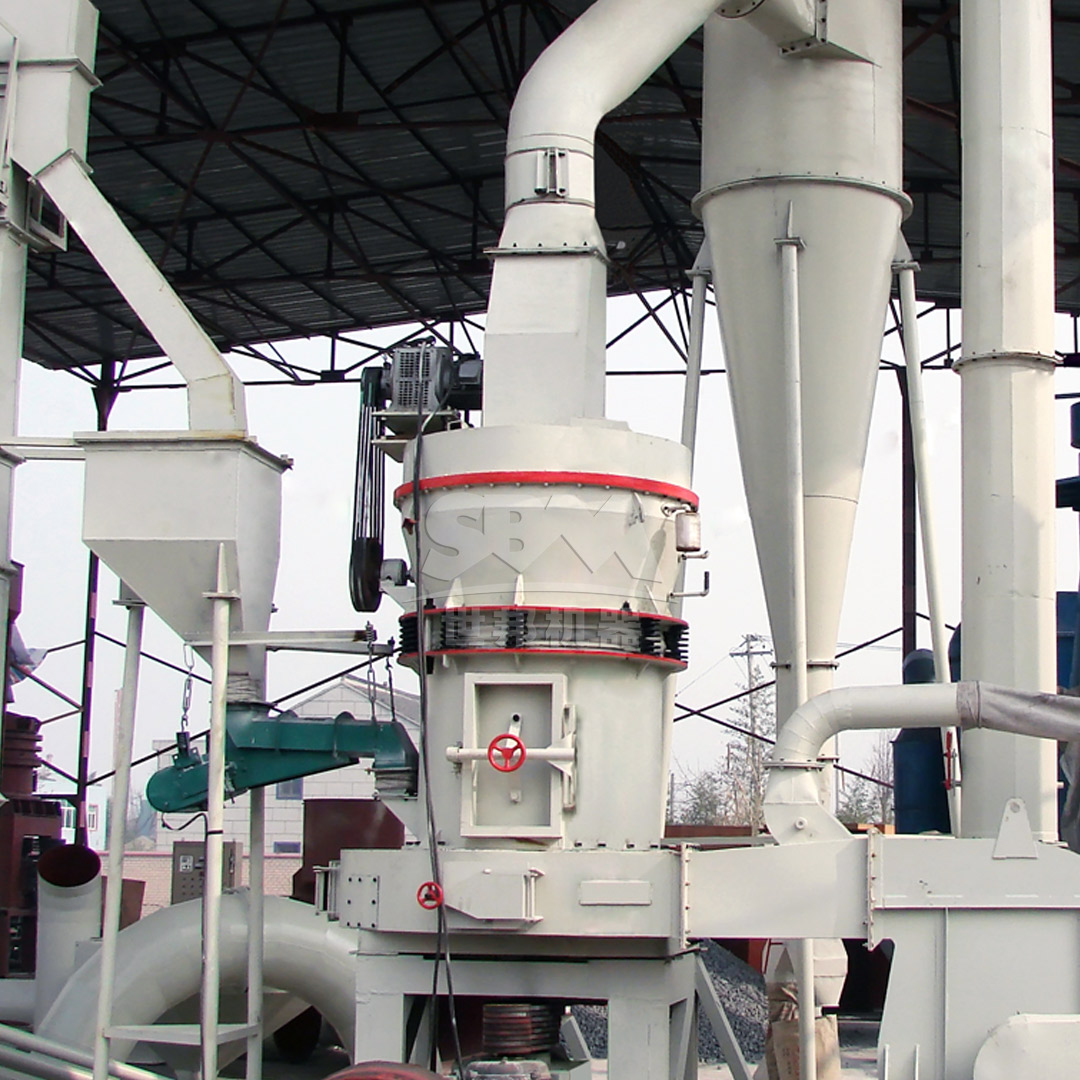
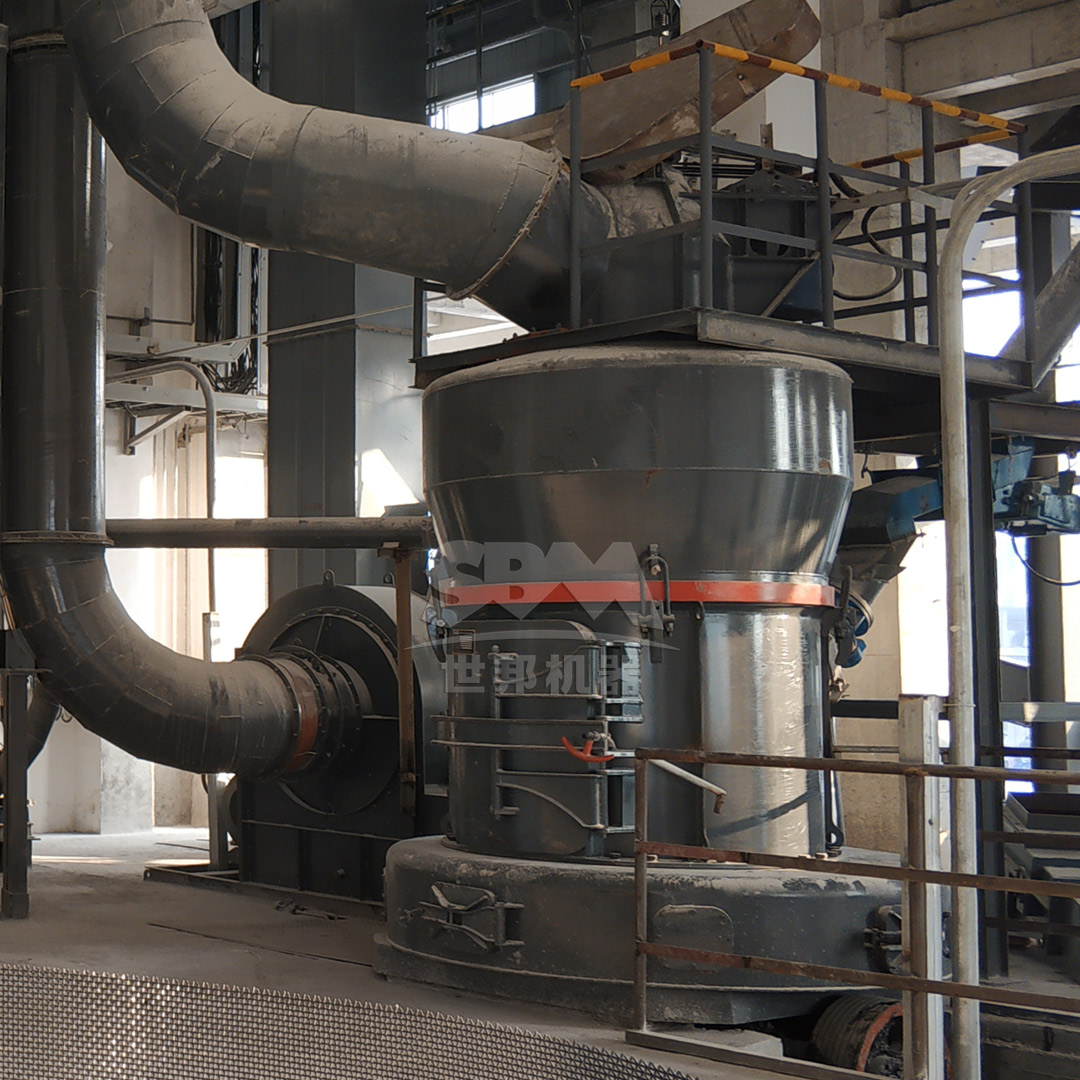
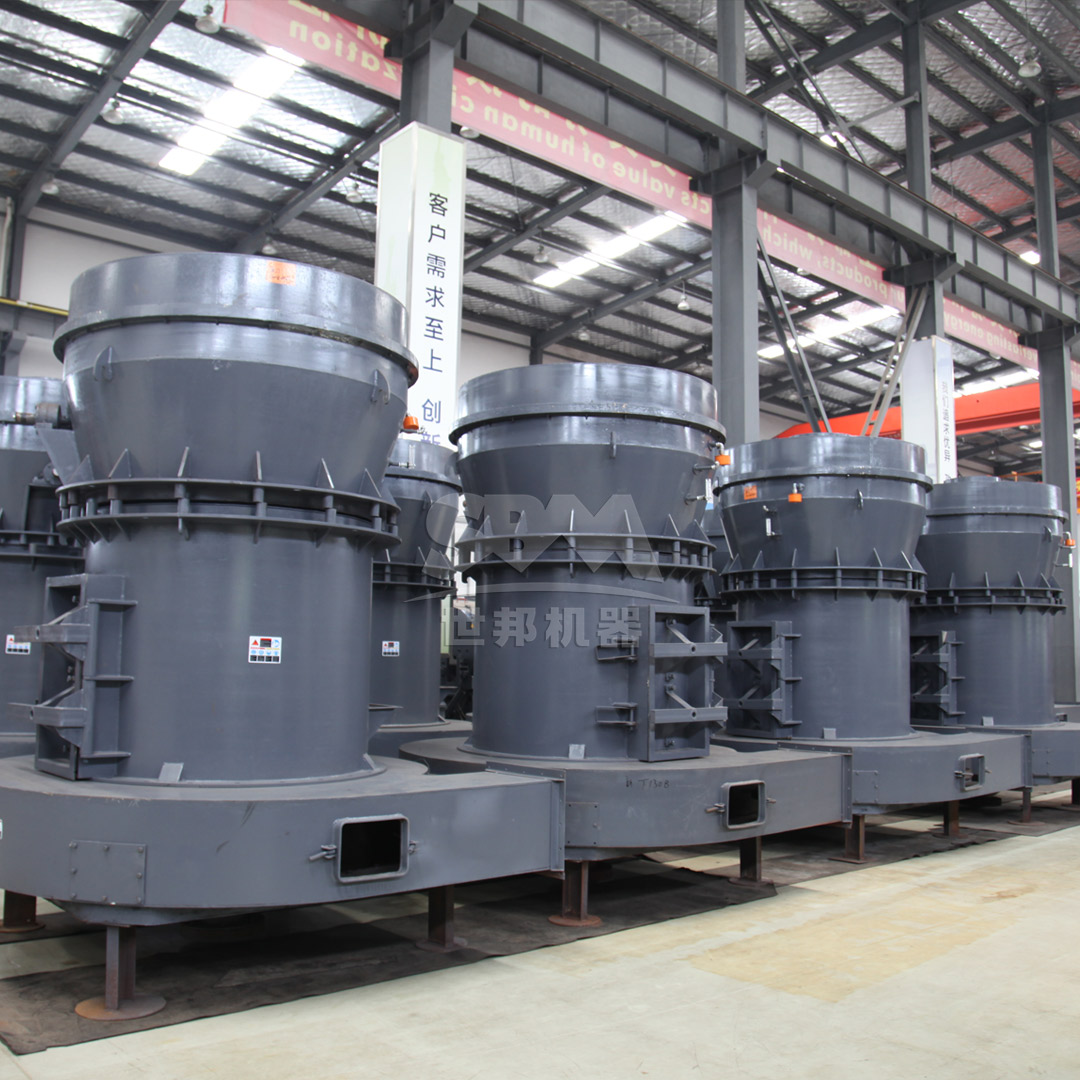
For raw meal preparation and the grinding of cement clinker, our LM Series Vertical Roller Mill stands out as a premier solution. Its integrated design combines crushing, grinding, drying, and classifying in a single unit, reducing footprint by 50% and infrastructure costs by 40%. With a capacity range of 3-250 tons per hour and the ability to produce fineness between 30-325 mesh (and up to 600 mesh for special models), it offers exceptional flexibility. Key advantages include a 30-40% lower energy consumption compared to traditional ball mill systems, an intelligent control system for reduced manual intervention, and fully sealed negative pressure operation ensuring environmental compliance. Its non-contact design between rollers and the grinding table extends the life of wear parts significantly, lowering operating costs.
For producers aiming to create high-value specialty cements or achieve ultra-fine grinding of SCMs, the SCM Series Ultrafine Mill is the ideal choice. Engineered to produce powders in the range of 325-2500 mesh (45-5μm), it is perfect for processing slag, fly ash, or producing ultra-high fineness cement. Its high-efficiency & energy-saving design delivers capacity twice that of jet mills with 30% lower energy consumption. The vertical turbine classifier ensures high-precision particle size cuts with no coarse powder mixing, guaranteeing a uniform and high-quality product. Furthermore, its durable construction with special material rollers and rings, coupled with an eco-friendly pulse dust collection system that exceeds international standards, makes it a reliable and sustainable asset for advanced cement production.
| Equipment | Best Application in Clinker Production | Key Advantage | Typical Output Fineness |
|---|---|---|---|
| LM Vertical Roller Mill | Raw meal grinding, Cement finish grinding (OPC, PPC) | High Efficiency, Integrated Drying & Grinding | 30-325 mesh (600 mesh special) |
| SCM Ultrafine Mill | Grinding SCMs (Slag, Fly Ash), Specialty Cements | Ultra-Fine Grinding, Precise Classification | 325-2500 mesh |
| Ball Mill | Traditional cement grinding, Robust general-purpose use | Proven Technology, Wide Applicability | 0.074-0.8mm |
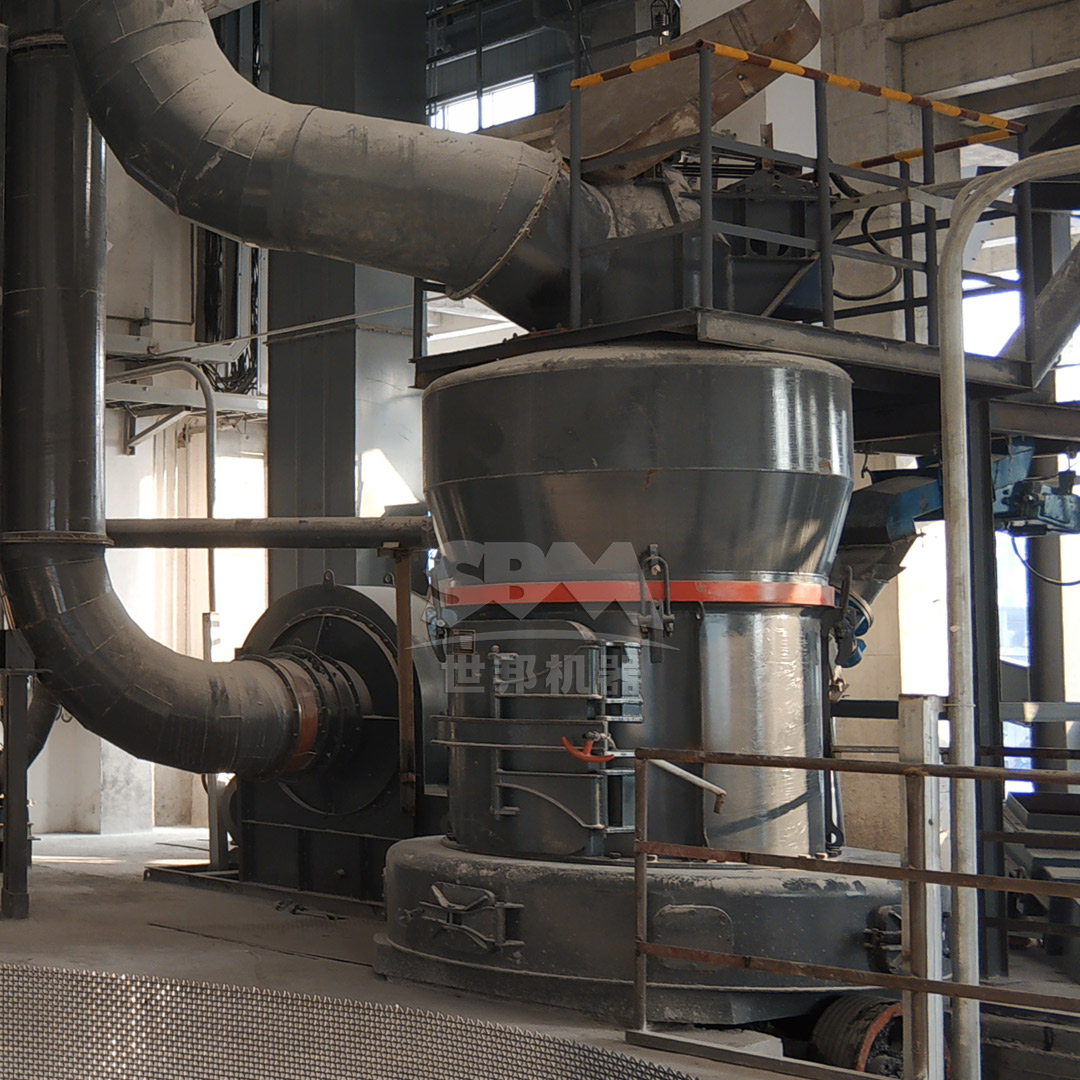
The production of high-quality cement clinker is a sophisticated balance of chemistry and mechanical processing. The strategic use of corrective additives, mineralizers, and SCMs allows for optimization of both process and product. However, the full benefits of these materials can only be realized with advanced, efficient processing equipment. Investing in modern grinding technology, such as high-performance vertical roller mills and ultrafine mills, is no longer a luxury but a necessity for cement producers seeking to reduce energy costs, enhance product quality, expand their product range with SCMs, and meet stringent environmental regulations. By carefully selecting equipment tailored to their specific raw material profile and product goals, manufacturers can secure a significant competitive advantage in the global cement market.