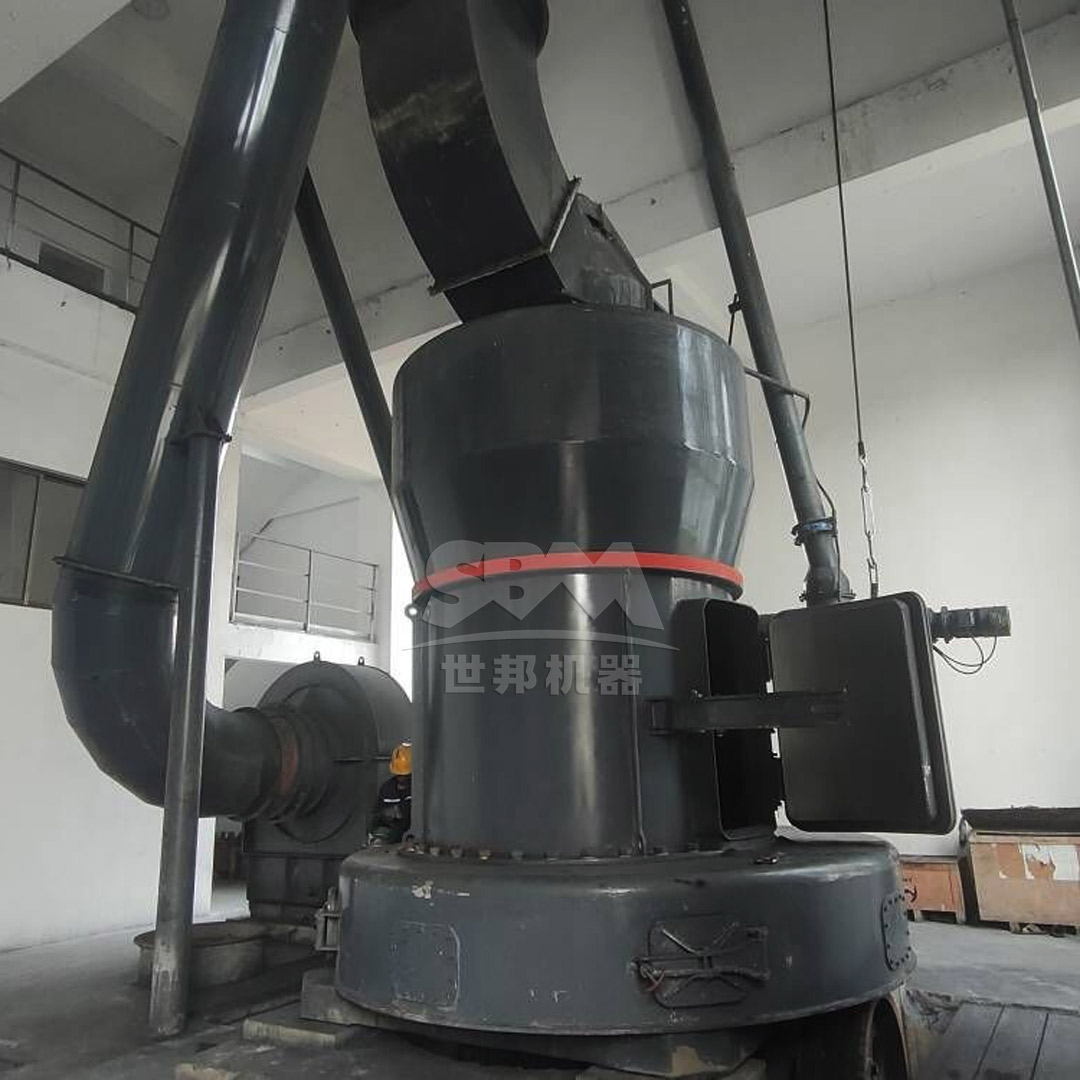
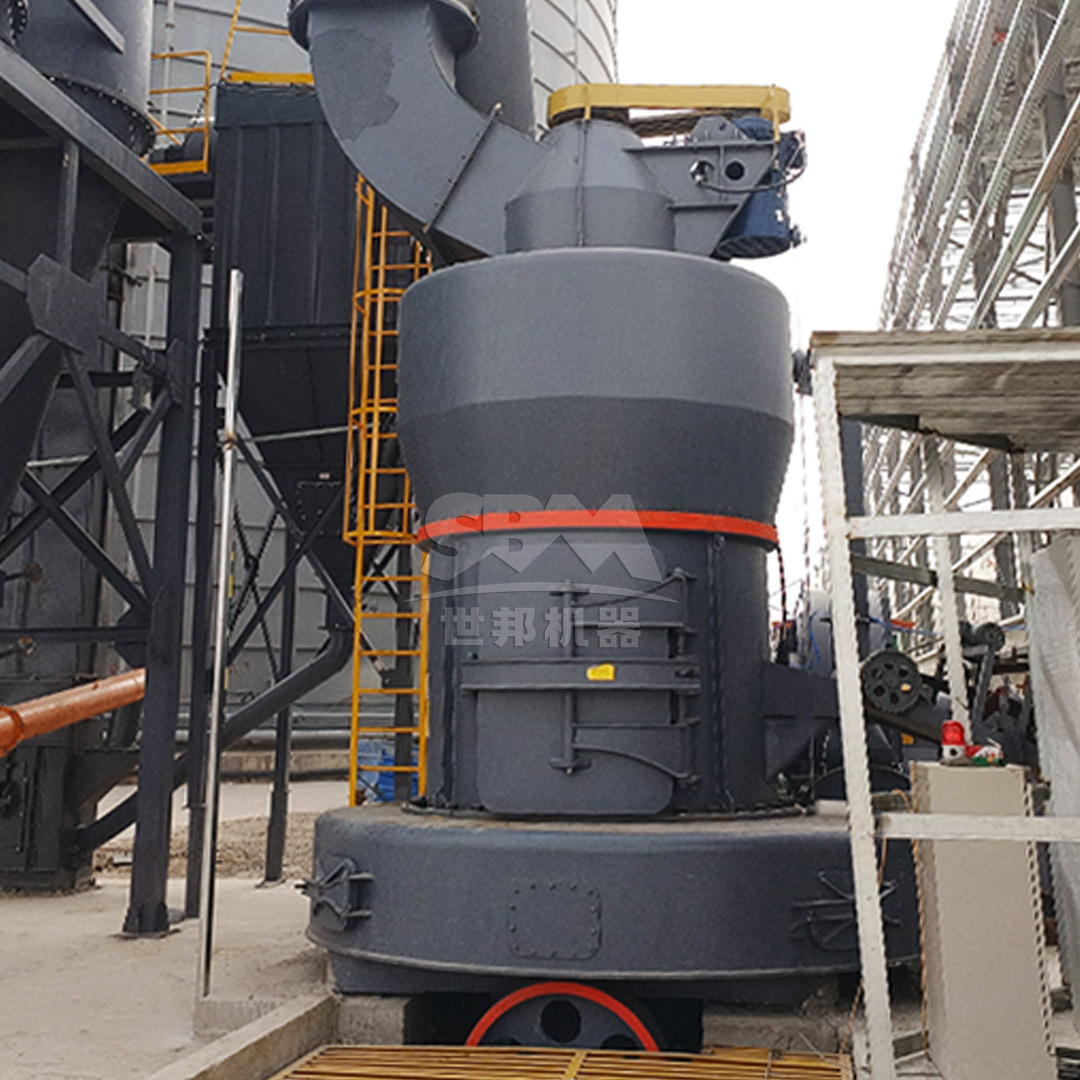
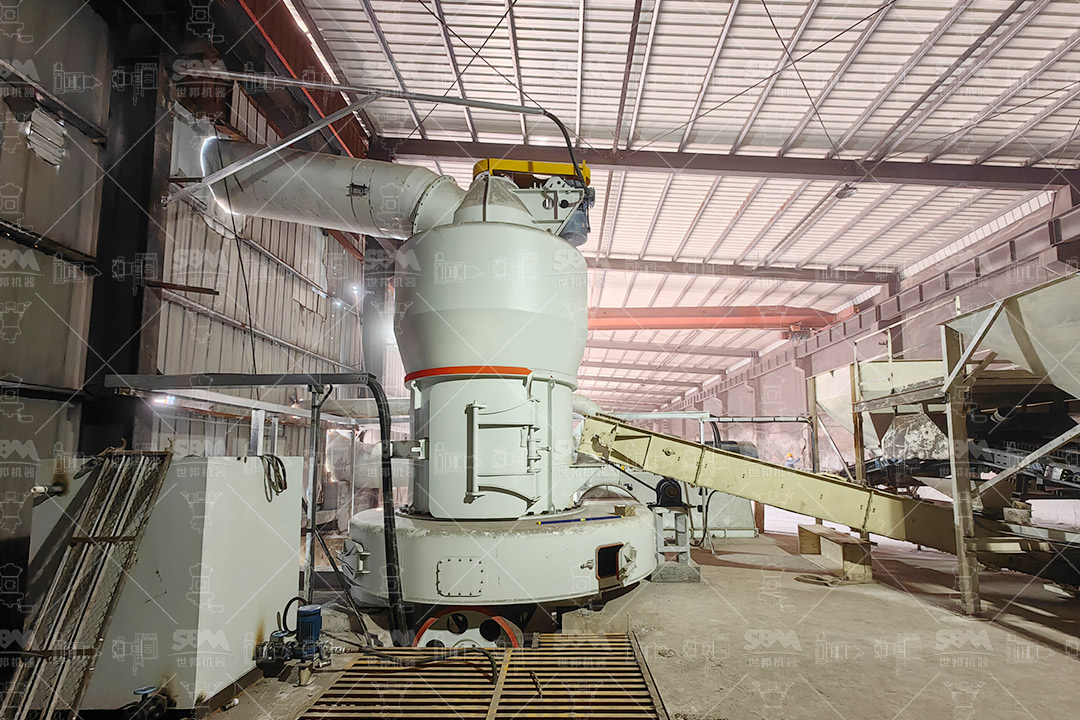
The cement grinding plant is the final and crucial stage in cement manufacturing, where clinker, along with additives like gypsum, slag, or fly ash, is ground into the fine powder we recognize as cement. The efficiency, quality, and cost-effectiveness of this grinding process are predominantly determined by the selection and performance of the core grinding equipment. Modern plants demand equipment that not only delivers high throughput and precise particle size distribution but also achieves significant energy savings, operational stability, and environmental compliance. This article explores the technological landscape of cement grinding, focusing on the principles and advancements in key milling machinery, and highlights how the right equipment selection can optimize production.
Grinding in a cement plant involves reducing the particle size of clinker (typically 5-25 mm) to a fine powder where a high percentage falls below 90 microns. Several mill types have been developed, each with distinct mechanisms and optimal application ranges.
For decades, the ball mill has been the standard for cement grinding. It consists of a rotating horizontal cylinder partially filled with steel grinding media. As the mill rotates, the balls are lifted and then cascade down, impacting and abrading the clinker particles. While robust and capable of producing a wide range of fineness, traditional ball mills are known for their high specific energy consumption (often exceeding 40 kWh/t) and significant heat generation, which can affect gypsum dehydration.
| Key Characteristic | Advantage | Limitation |
|---|---|---|
| Impact & Abrasion Grinding | Proven reliability, wide product range | High energy consumption, high wear |
| Simple Operation | Easy to maintain and operate | Low grinding efficiency, high noise |
| Wet/Dry Process Compatible | Versatility in application | Large footprint, high thermal load |
Modern upgrades include high-efficiency separators in closed-circuit systems and improved liner designs, but the fundamental efficiency ceiling remains a challenge.
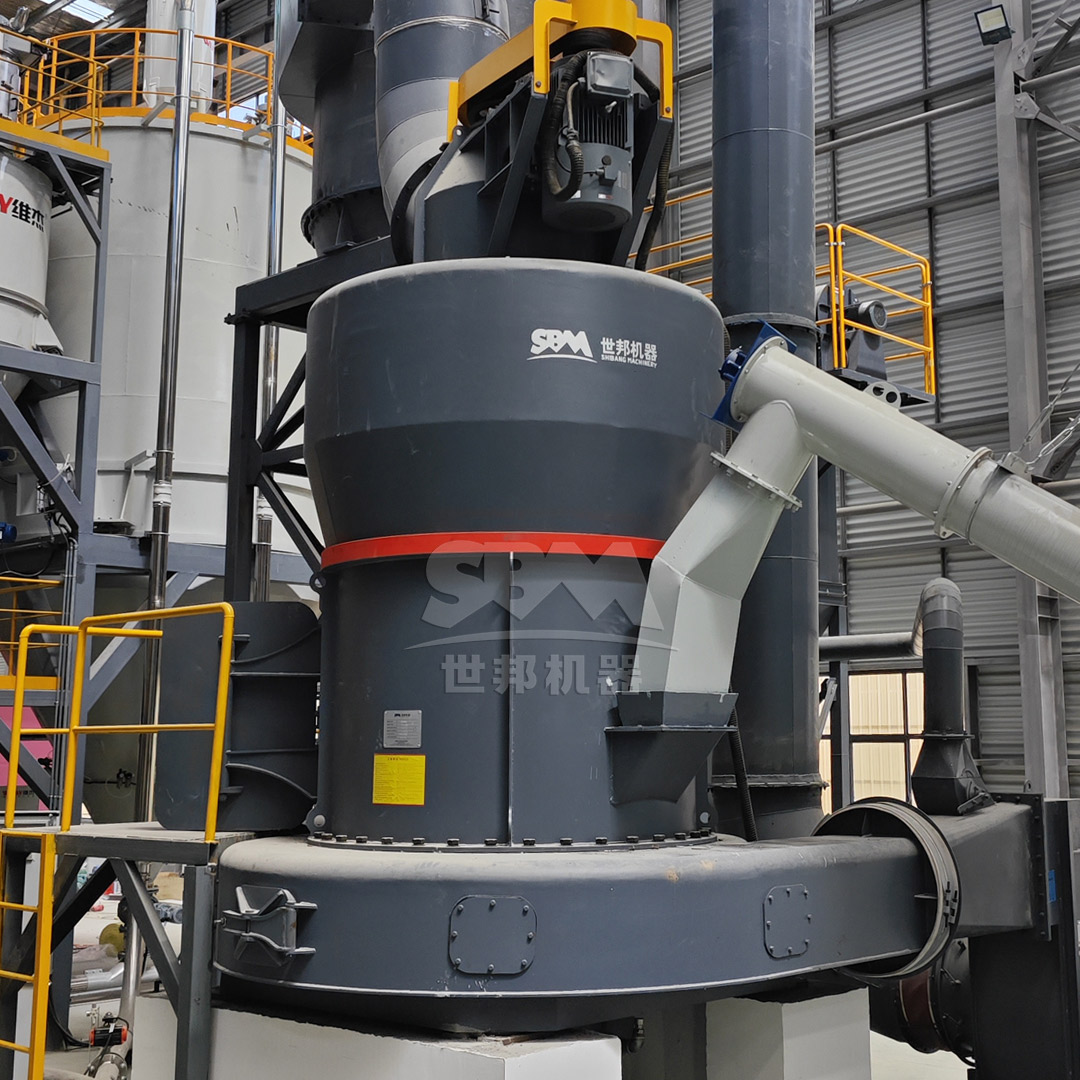
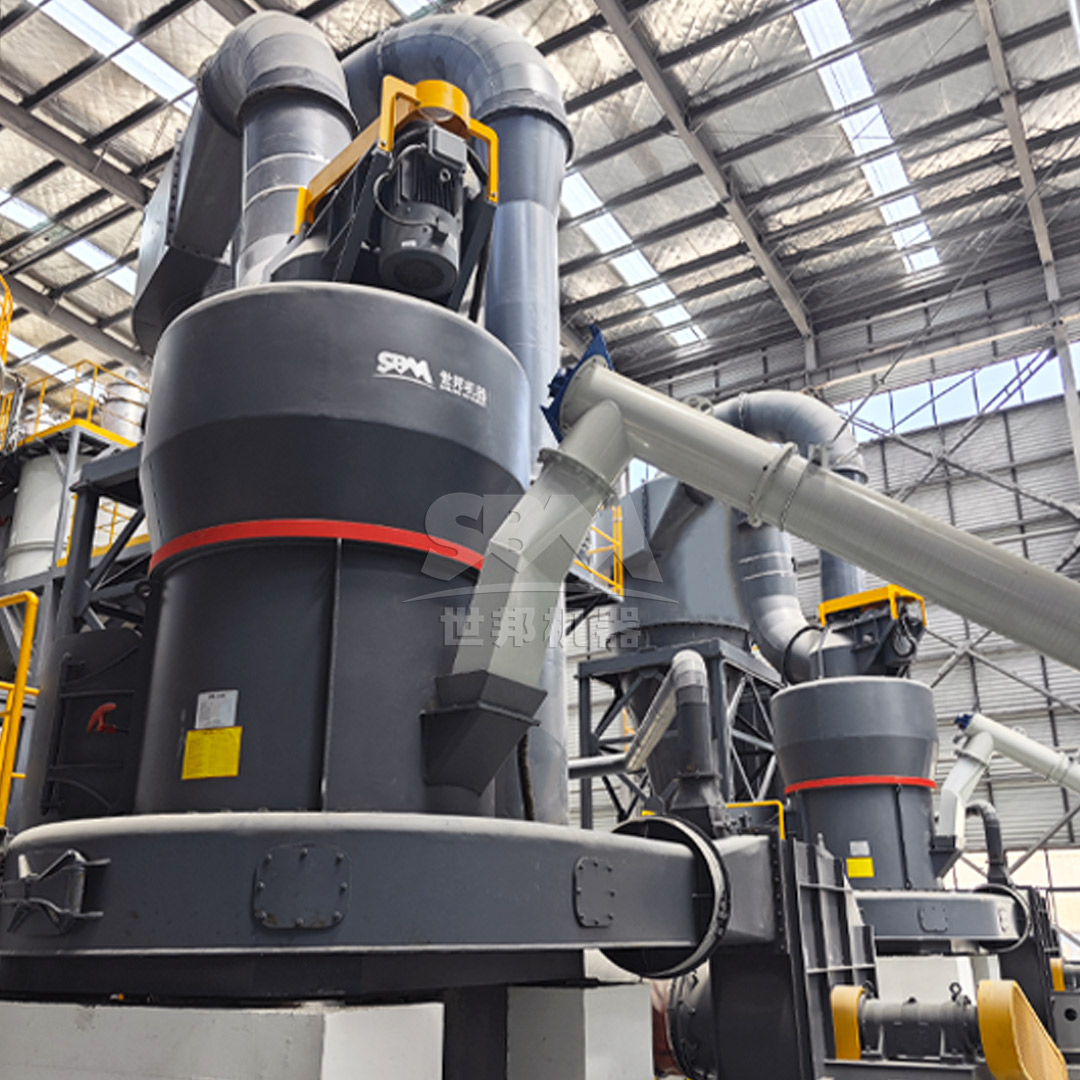
Vertical Roller Mills have revolutionized cement grinding by offering superior efficiency. In a VRM, material is fed onto a rotating grinding table and is ground under rollers pressed against the table. Ground material is transported by air to an integrated classifier, where coarse particles are separated and returned to the table.
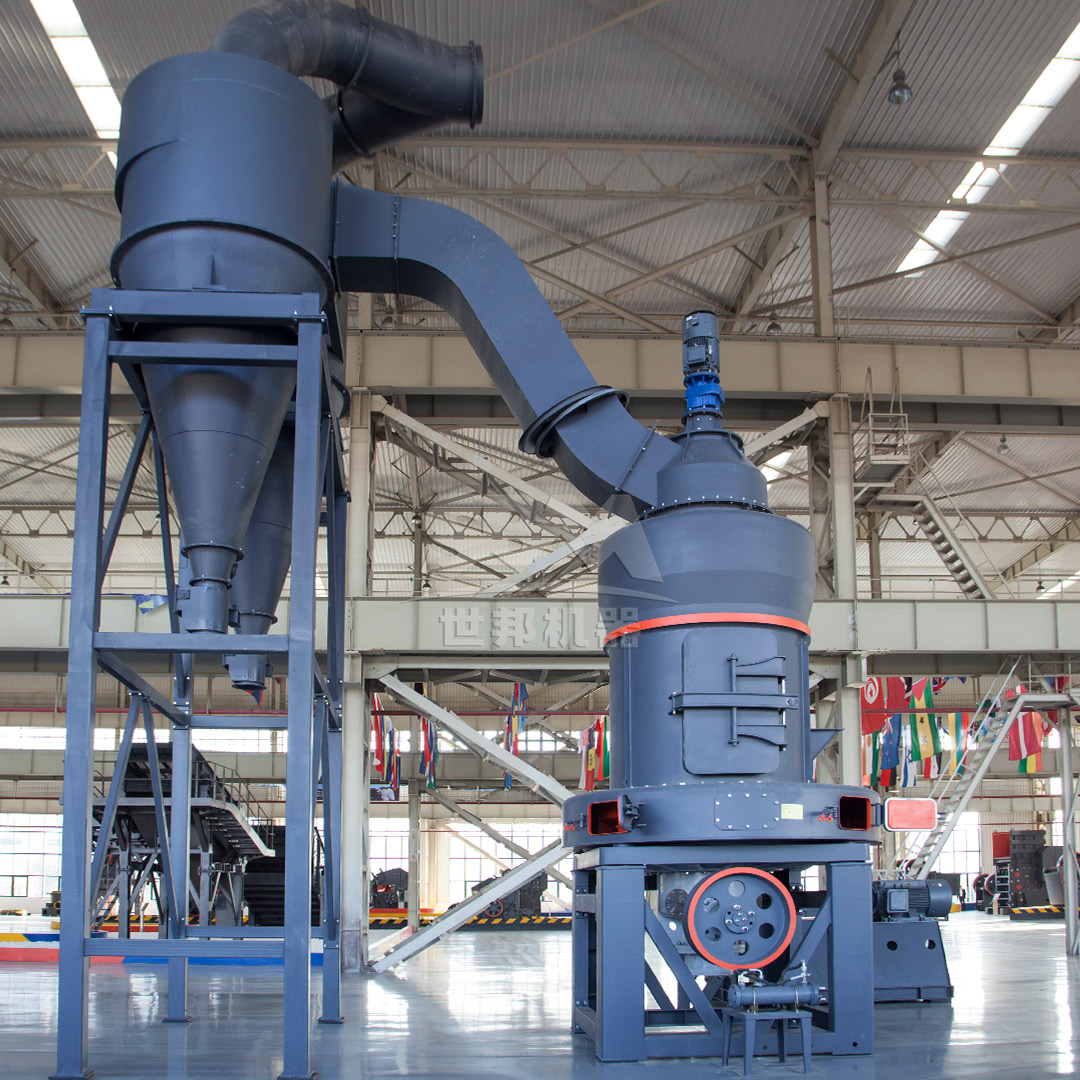
The LM Series Vertical Roller Mill exemplifies this advanced technology. Its集约化设计 integrates crushing, grinding, drying, and classifying into a single unit, reducing plant footprint by up to 50% compared to ball mill systems. A key advantage is its significantly lower energy consumption, typically 30-40% less than a ball mill for the same duty, due to the efficient bed-compression grinding principle. Furthermore, its intelligent control system allows for stable operation with real-time monitoring and remote access. For large-scale cement grinding lines requiring high capacity (from 3 to over 250 t/h) and excellent energy metrics, the LM Series, with its models like the LM220K or LM280K for mineral grinding, presents a compelling solution.
Often used in combination with a ball mill (semi-finish or finish grinding) or as a stand-alone unit with a downstream ball mill, the roller press applies extremely high pressure to a bed of material, causing inter-particle crushing. This is a very energy-efficient pre-grinding or grinding method. The partially ground product (press cake) contains many micro-cracks, making subsequent grinding in a ball mill much easier and less energy-intensive.
This technology combines the principles of the roller press and the ball mill into a single horizontal cylinder. It operates with a similar efficiency profile to the VRM and is another excellent modern alternative to traditional ball milling.
A modern cement plant often produces blended cements and may also have lines for grinding industrial minerals. This requires flexibility to handle materials with different grindabilities, such as granulated blast furnace slag (GGBS), pozzolans, and limestone.
The production of ultra-high-performance concrete (UHPC) or supplementary cementitious materials (SCMs) like silica fume or ultra-fine GGBS demands grinding to micron and sub-micron levels. For this specialized application, conventional mills reach their limits. SCM Series Ultrafine Mill is engineered precisely for this purpose. Capable of producing powders in the range of 325 to 2500 mesh (D97 ≤5μm), it utilizes a unique three-ring medium-speed micro-grinding mechanism coupled with a high-precision vertical turbine classifier. This ensures a narrow, consistent particle size distribution with no coarse grit contamination. Its efficiency is notable, offering approximately twice the capacity of a jet mill while reducing energy consumption by about 30%. For plants looking to diversify into high-value mineral powders or produce specialty cements, integrating an SCM Ultrafine Mill, such as the SCM1250 or SCM1680 model, into their portfolio can unlock new market opportunities.
An efficient grinding circuit relies on more than just the mill. Key auxiliary systems include:
Choosing the optimal grinding system is a complex decision based on multiple factors:
| Selection Factor | Considerations | Technology Implications |
|---|---|---|
| Product Portfolio | Types of cement (OPC, PPC, PSC), fineness requirements, potential mineral products. | May necessitate a flexible VRM or a combination system (Roller Press + Ball Mill). Ultrafine needs point to specialized mills like the SCM series. |
| Production Capacity | Required annual output and plant flexibility for future expansion. | VRMs and large ball mills cater to high-capacity lines. Modular designs can facilitate expansion. |
| Energy Costs | Local electricity price and availability. | High-efficiency VRMs or roller press systems offer the greatest savings in high-energy-cost regions. |
| Capital & Operating Costs | Initial investment vs. long-term operational expenses (power, wear parts, maintenance). | While VRMs have a higher capex, their lower opex often leads to a better lifecycle cost. |
| Plant Space & Layout | Available footprint and height restrictions. | VRMs have a significantly smaller footprint than equivalent ball mill circuits. |
The evolution of cement grinding technology is driven by the relentless pursuit of efficiency, quality, and sustainability. While the traditional ball mill still has its place, the shift towards vertical roller mills and hybrid systems is unmistakable for mainline clinker grinding due to their substantial energy savings and compact design. For ventures into ultra-fine or specialized mineral powders, advanced mills like the SCM Ultrafine Mill are indispensable. Ultimately, a successful cement grinding plant is built on a foundation of correctly selected, high-performance equipment that is seamlessly integrated with intelligent control and robust auxiliary systems. Investing in the right grinding technology is not merely an equipment purchase; it is a strategic decision that defines the plant’s operational excellence and profitability for decades to come.