The modern cement industry relies heavily on the precise processing of raw materials and additives to achieve the desired chemical composition, fineness, and reactivity. Additives such as limestone, pozzolans, slag, and gypsum are integral to controlling setting times, enhancing strength, and improving durability. The efficiency and quality of the final cement product are directly influenced by the grinding and processing equipment used for these materials. This article explores the critical production processes for cement additives and highlights the advanced equipment that drives efficiency, consistency, and sustainability in modern plants.
Cement additives, or supplementary cementitious materials (SCMs), are not merely fillers. They perform specific functions: limestone fine-tunes the chemistry and aids in early strength development; pozzolans like fly ash react with calcium hydroxide to form additional cementitious compounds; slag enhances long-term strength and sulfate resistance; gypsum controls the setting time of cement. To activate their latent hydraulic or pozzolanic properties, these materials must be ground to a specific fineness and particle size distribution (PSD). The choice of grinding technology is therefore paramount, impacting reactivity, blend homogeneity, energy consumption, and overall plant economics.
| Additive Type | Primary Function | Typical Target Fineness (Blaine, cm²/g) | Key Processing Challenge |
|---|---|---|---|
| Limestone | Filler, Strength Enhancer | 4,000 – 6,000 | Achieving high brightness (low iron contamination) |
| Fly Ash / Pozzolans | Pozzolanic Reactivity | 4,500 – 7,000+ | Deagglomeration & precise classification |
| Granulated Blast Furnace Slag (GBFS) | Latent Hydraulicity | 4,000 – 6,000 | High hardness, high energy demand for grinding |
| Gypsum (Setting Regulator) | Control Setting Time | 3,000 – 4,500 | Preventing dehydration (over-grinding heat) |
The journey from raw additive to a perfectly blended cement component involves several stages: primary crushing, drying (if necessary), fine grinding, classification, and collection. Each stage presents opportunities for optimization.
For additives like slag or large limestone, primary crushers (jaw crushers, impact crushers) reduce the material to a feed size suitable for fine grinding mills, typically below 50mm. Hammer mills are excellent for softer materials like gypsum, providing a pre-homogenized product.
Moist materials like certain slags or fly ash require drying. This is often integrated into the grinding circuit using hot gas generators, with the grinding mill itself (like a vertical roller mill) acting as a highly efficient dryer.
This is the most critical and energy-intensive stage. The equipment must deliver the target PSD reliably and efficiently. The industry has moved from traditional ball mills to more advanced technologies.
After classification, the fine powder is collected in high-efficiency baghouse filters or electrostatic precipitators. The collected product is then conveyed to homogenization silos using pneumatic or mechanical systems, ensuring a consistent feed to the cement blending process.
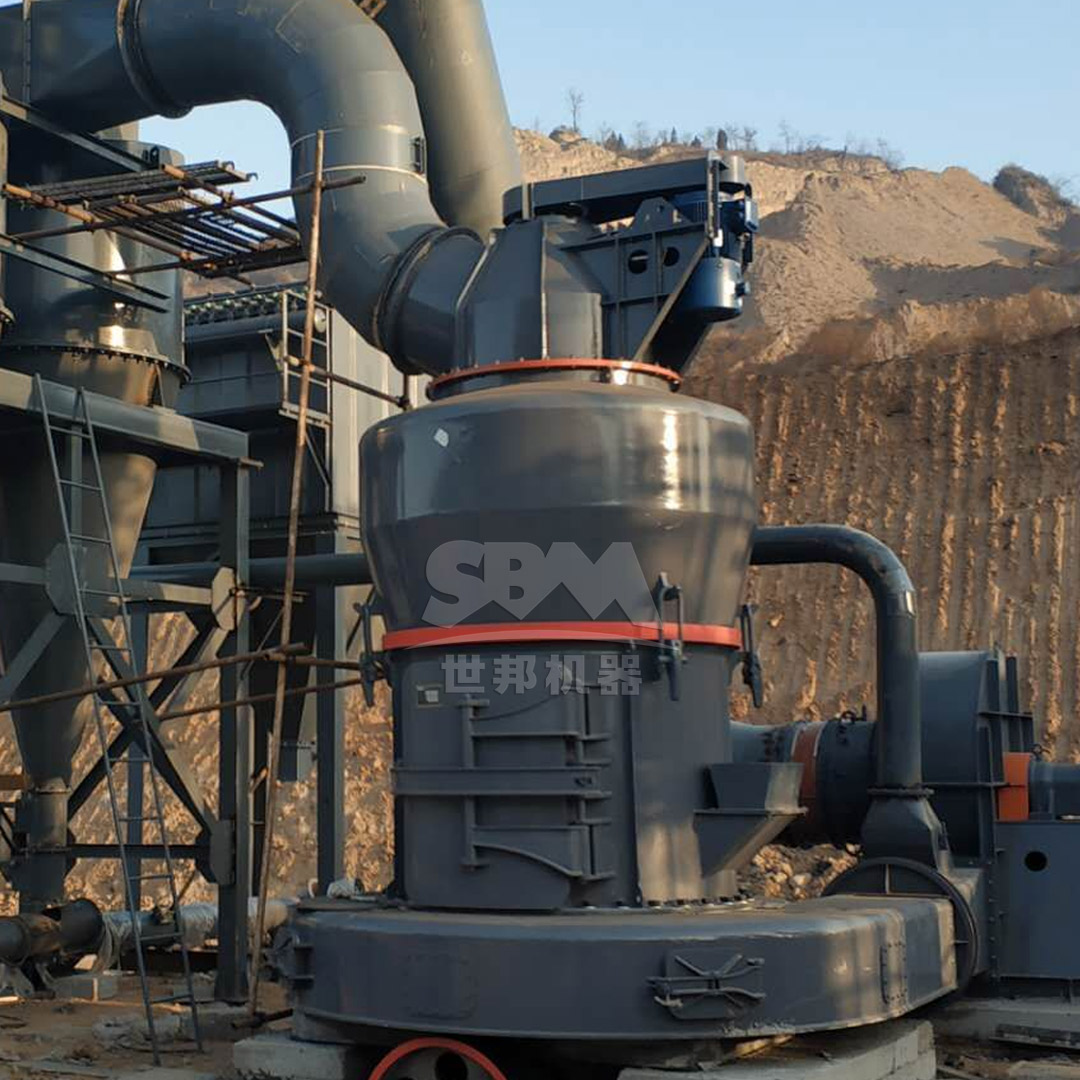
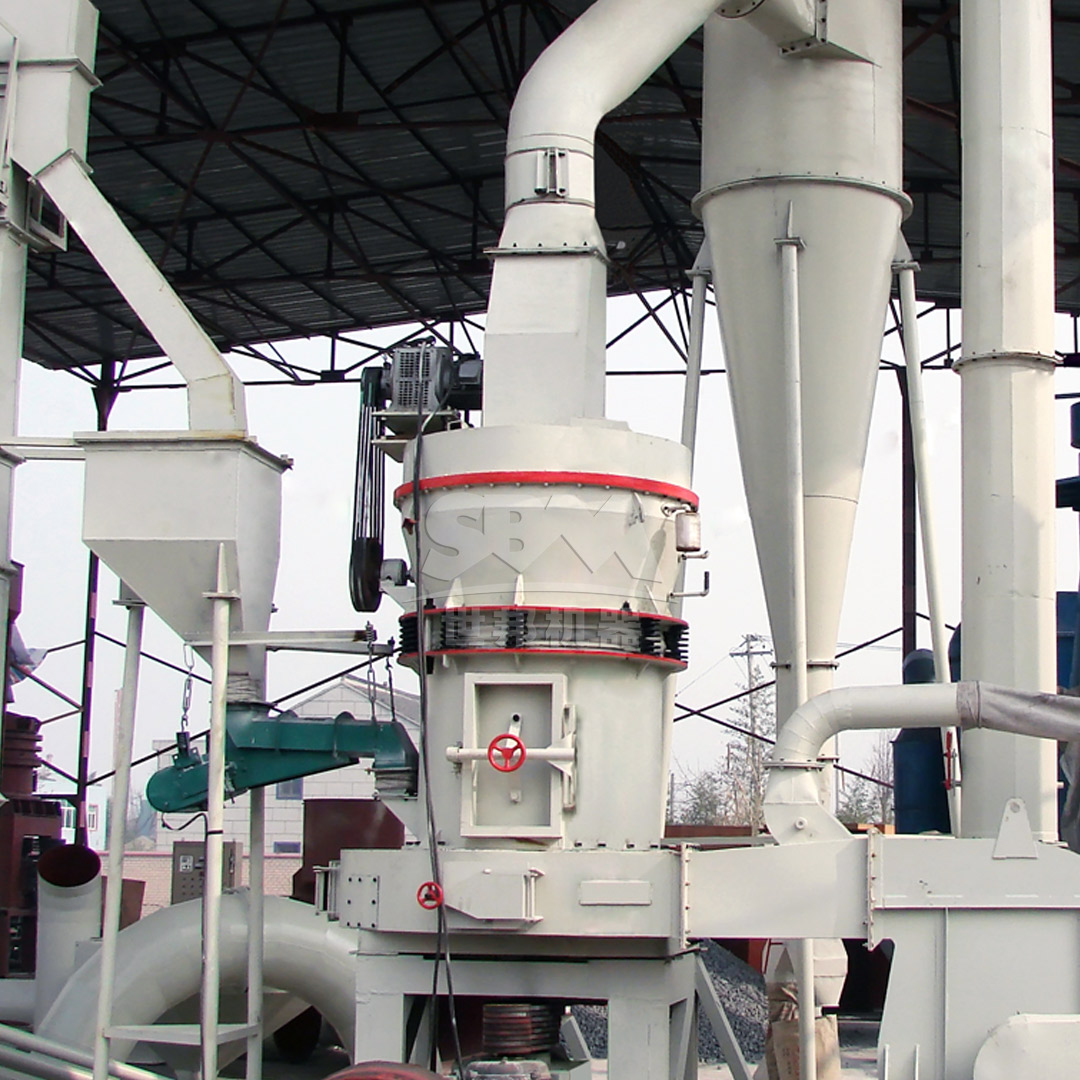
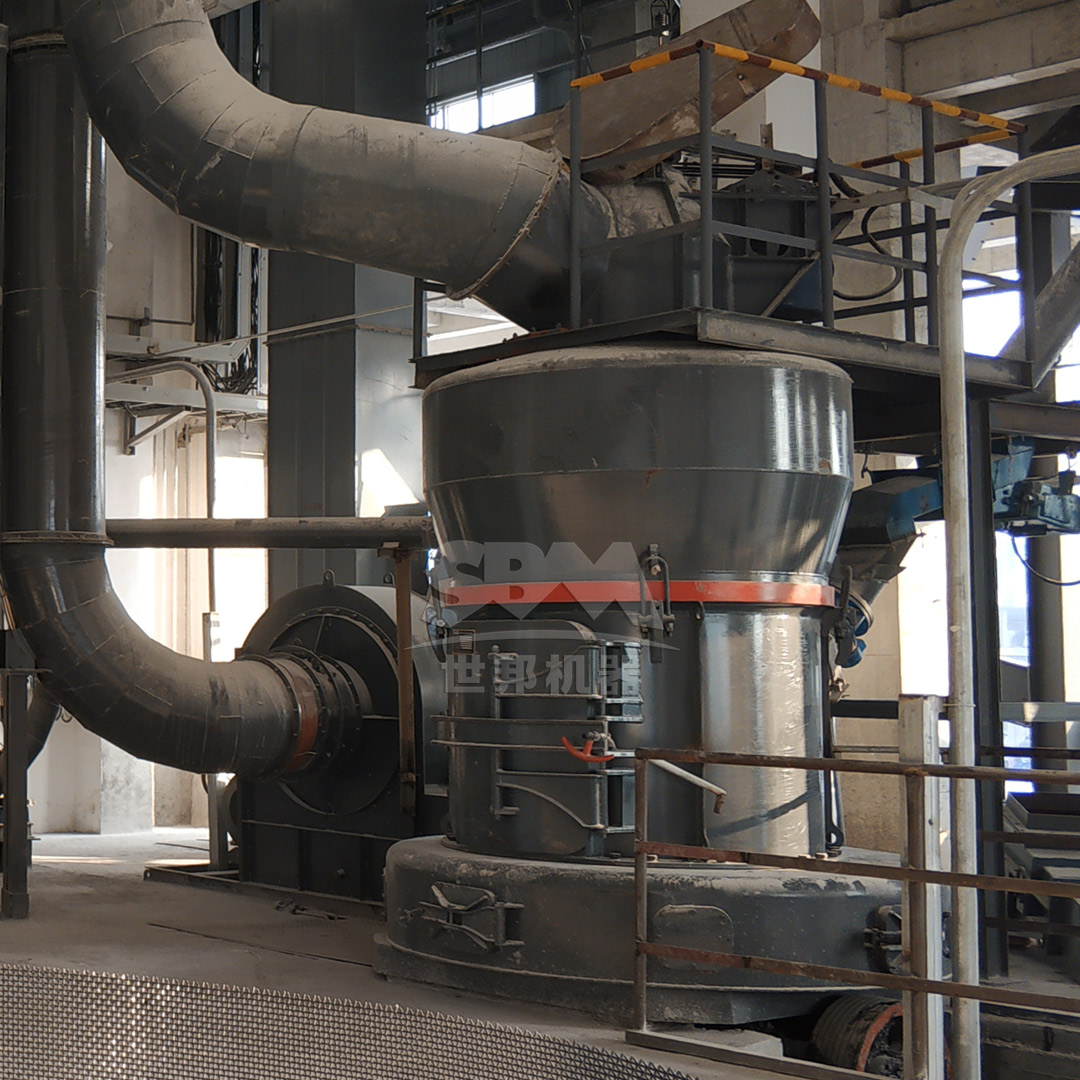
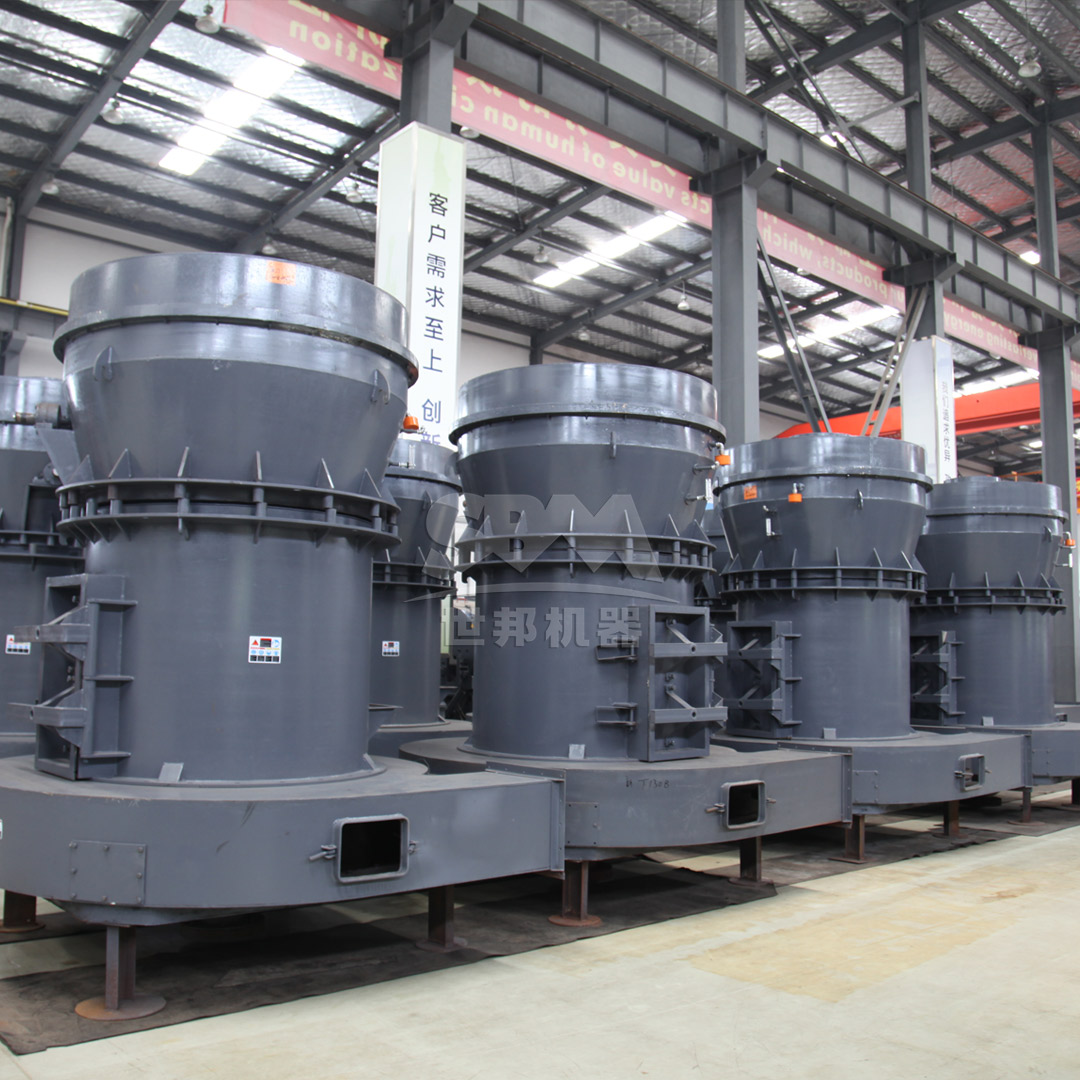
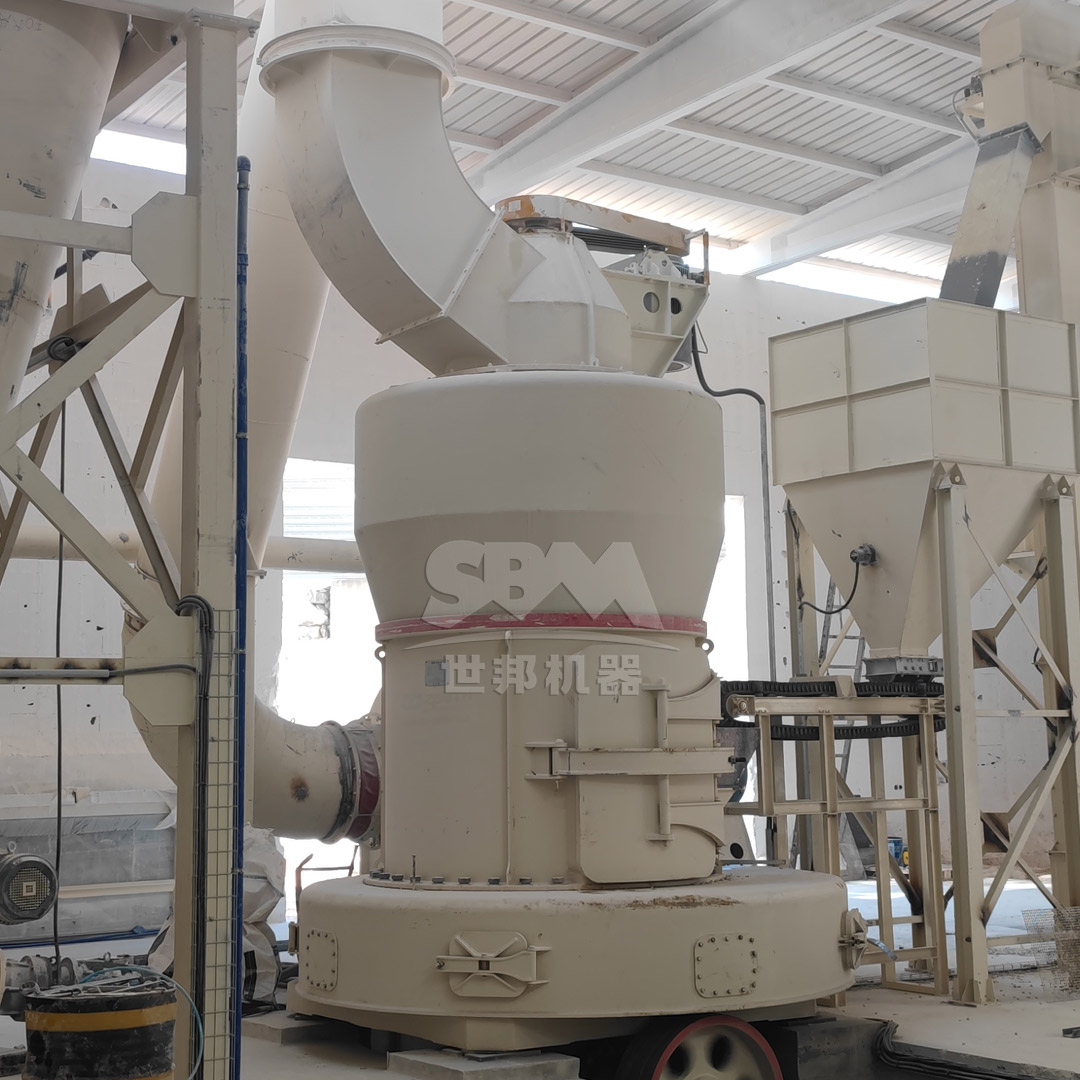
To meet the demands for higher efficiency, product quality, and lower operational costs, advanced milling solutions are essential. For the processing of standard to medium-fineness additives like limestone, pozzolans, and slag, the MTW Series European Trapezium Mill represents a significant technological leap.
This mill series is engineered for robust performance and energy savings. Its integral bevel gear drive achieves a remarkable 98% transmission efficiency, directly reducing power consumption. The anti-wear shovel design and wear-resistant volute structure are specifically tailored to handle abrasive materials, slashing maintenance costs by up to 30%. Furthermore, the optimized arc air duct minimizes airflow resistance, enhancing the efficiency of the internal classification system which precisely controls product fineness from 30 to 325 mesh. With capacities ranging from 3 to 45 tons per hour, the MTW Series is an ideal, reliable workhorse for dedicated additive grinding circuits or standalone processing plants.
| Model Example (MTW Series) | Capacity (t/h) | Main Power (kW) | Max Feed Size | Fineness Range (mesh) |
|---|---|---|---|---|
| MTW138Z | 6 – 17 | 90 | <35mm | 10 – 325 |
| MTW175G | 9.5 – 25 | 160 | <40mm | 10 – 325 |
| MTW215G | 15 – 45 | 280 | <50mm | 10 – 325 |
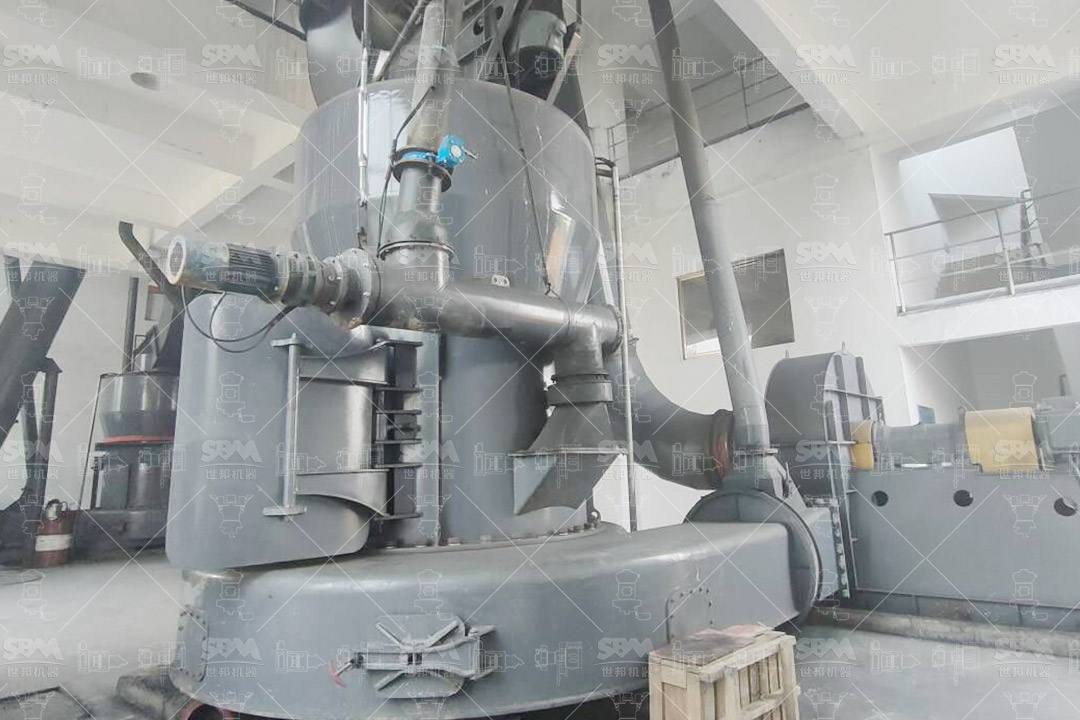
For applications requiring ultra-fine additives to enhance early strength or act as high-performance fillers, such as processed limestone or silica fume blends, the SCM Series Ultrafine Mill is the definitive solution. This mill excels in producing powders in the range of 325 to 2500 mesh (45-5μm). Its core advantage lies in its high-precision vertical turbine classifier, which ensures a sharp particle size cut and eliminates coarse powder contamination, resulting in a uniform and highly reactive product.
Despite its capability for extreme fineness, the SCM Mill is designed for efficiency. It boasts a capacity twice that of traditional jet mills while consuming 30% less energy. Durability is addressed through special material rollers and rings and a shaftless screw grinding chamber design. From an environmental standpoint, its pulse dust collection system exceeds international emission standards, and soundproofing ensures low-noise operation. Models like the SCM1000 (1.0-8.5 t/h) or SCM1680 (5.0-25 t/h) allow plants to integrate ultra-fine additive production seamlessly into their value chain.
Modern equipment is only as good as its control system. Advanced mills now feature expert-level automation with PLC/DCS integration. These systems enable:
This level of control ensures consistent product quality, optimizes energy use, and maximizes equipment availability.
The processing of cement raw material additives is a sophisticated engineering challenge that balances product quality, energy efficiency, and operational cost. Moving beyond traditional ball mills to advanced solutions like the MTW European Trapezium Mill for standard grinding and the SCM Ultrafine Mill for high-value, ultra-fine products is key to maintaining competitiveness. By investing in equipment that offers high-precision classification, durable wear protection, intelligent control, and environmentally friendly operation, cement producers can significantly enhance the performance of their blends, reduce their carbon footprint, and improve their bottom line. The future of additive processing lies in integrated, automated, and highly efficient grinding systems that deliver unparalleled consistency and value.