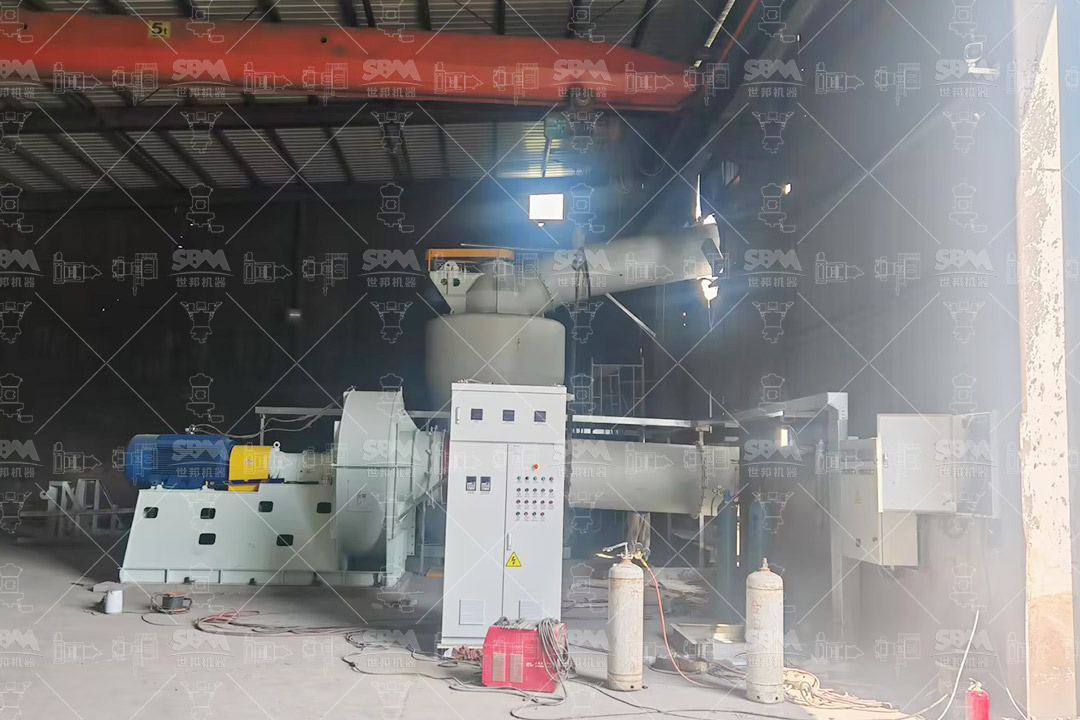
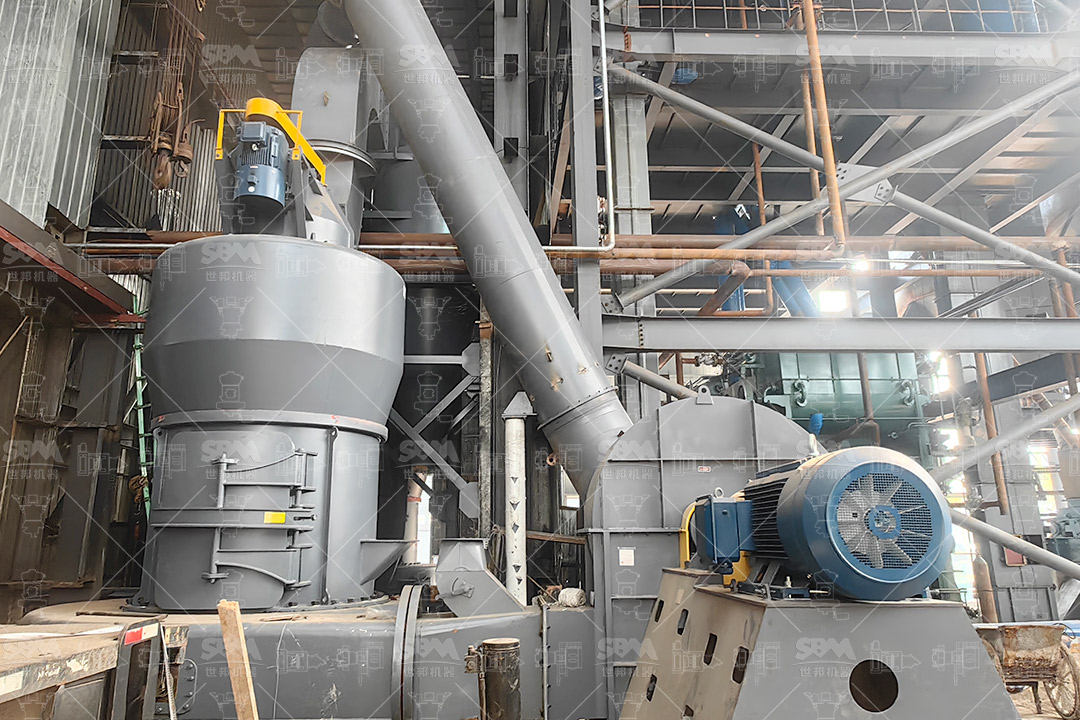
Cement retarders, also known as set retarders, are critical chemical admixtures used to delay the initial setting time of concrete. This is essential for large-scale pours, hot weather concreting, and long-distance transportation. The production of high-quality retarders relies heavily on precise raw material processing, particularly the grinding of key components like gypsum, lignosulfonates, or synthetic polymers to a specific fineness. The choice of grinding and processing equipment directly impacts product performance, consistency, and production economics. This guide provides a comprehensive overview of the complete plant and machinery required for efficient cement retarder manufacturing.
The typical production line for powdered cement retarders involves several key stages: raw material reception, crushing, grinding, classification, mixing, packaging, and dust collection. The heart of the operation is the grinding system, where raw materials are reduced to the required micron-level fineness to ensure chemical reactivity and uniform dispersion in concrete.
The process flow can be summarized as follows:
Selecting the right grinding mill is paramount. The equipment must offer precise particle size control, high energy efficiency, low wear, and stable operation. Different stages and material hardness may require different mill types.
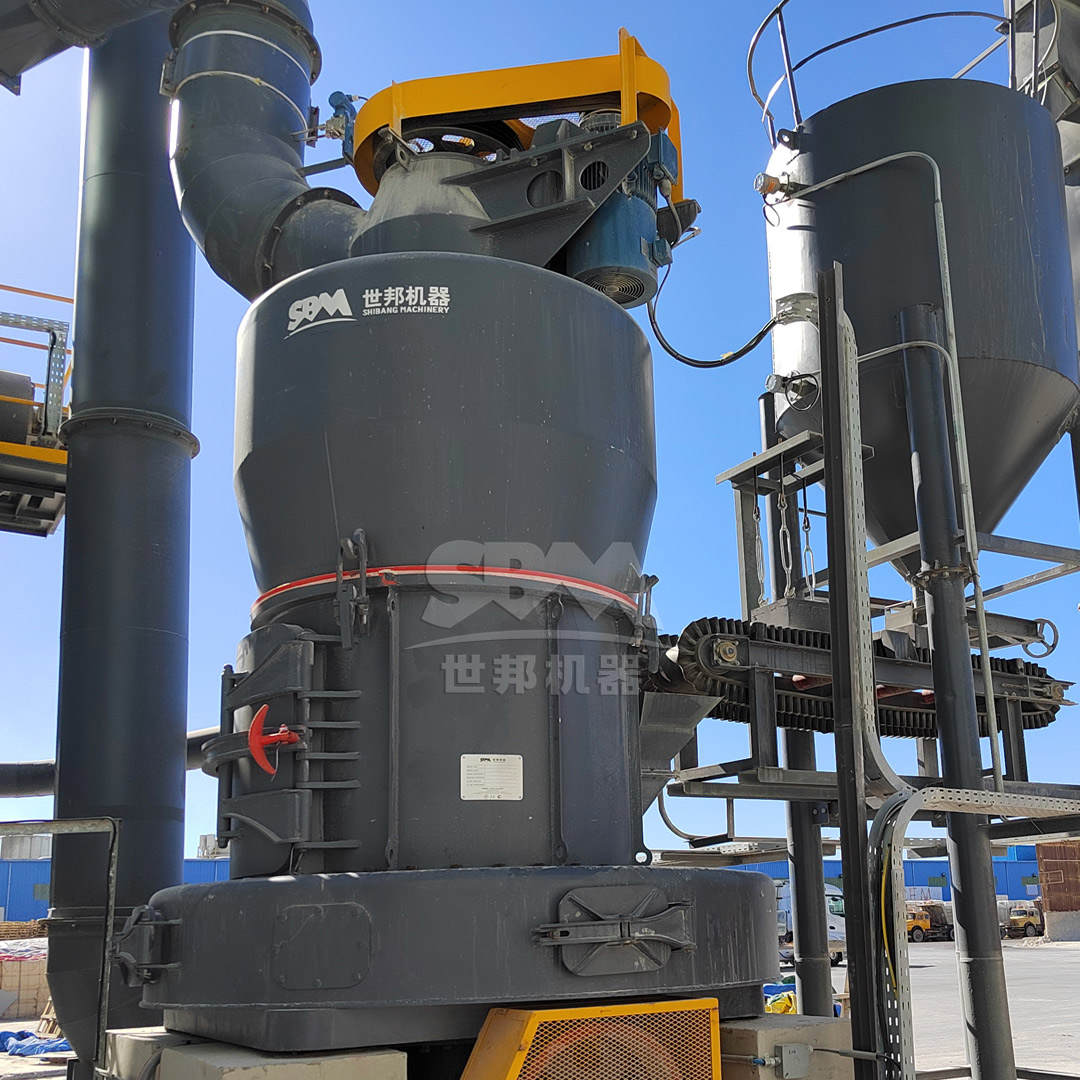
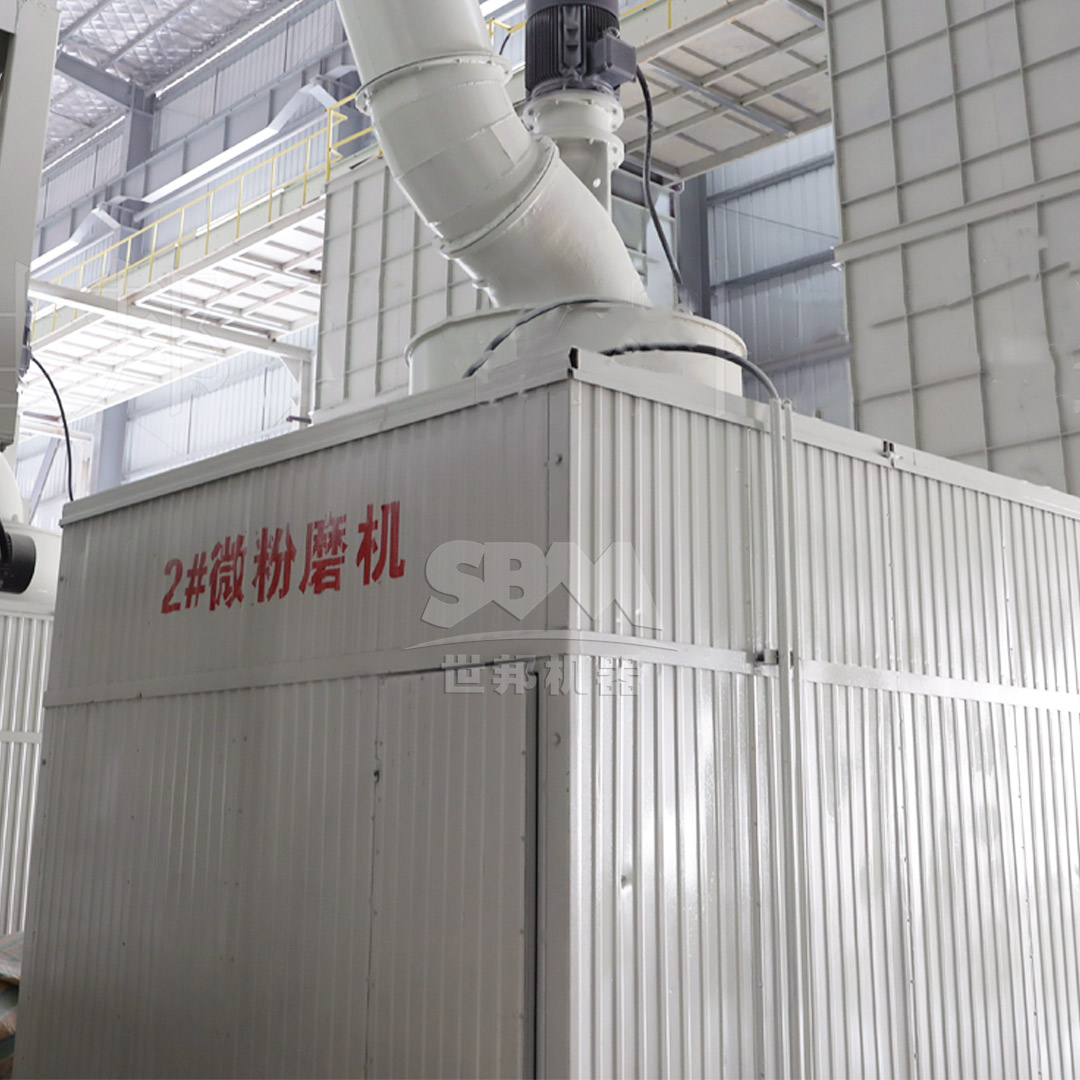
For grinding gypsum, sucrose, or other core retarder agents to very high fineness (above 325 mesh), an ultrafine mill is indispensable. Our SCM Series Ultrafine Mill is engineered specifically for this demanding application.
This mill excels in producing powders in the range of 325-2500 mesh (45-5μm), which is often required for highly reactive retarders. Its vertical turbine classifier ensures precise particle size cuts, eliminating coarse powder contamination and guaranteeing a uniform final product—a critical factor for consistent retarder performance. The mill’s high efficiency is notable; it offers capacity twice that of traditional jet mills while consuming 30% less energy. Furthermore, its durable design, featuring special material rollers and rings, and its eco-friendly operation with high-efficiency pulse dust collection make it an ideal, reliable core component for any modern retarder production plant.
| Model | Capacity (t/h) | Main Power (kW) | Output Fineness (mesh) |
|---|---|---|---|
| SCM800 | 0.5 – 4.5 | 75 | 325-2500 |
| SCM900 | 0.8 – 6.5 | 90 | 325-2500 |
| SCM1000 | 1.0 – 8.5 | 132 | 325-2500 |
| SCM1250 | 2.5 – 14 | 185 | 325-2500 |
| SCM1680 | 5.0 – 25 | 315 | 325-2500 |
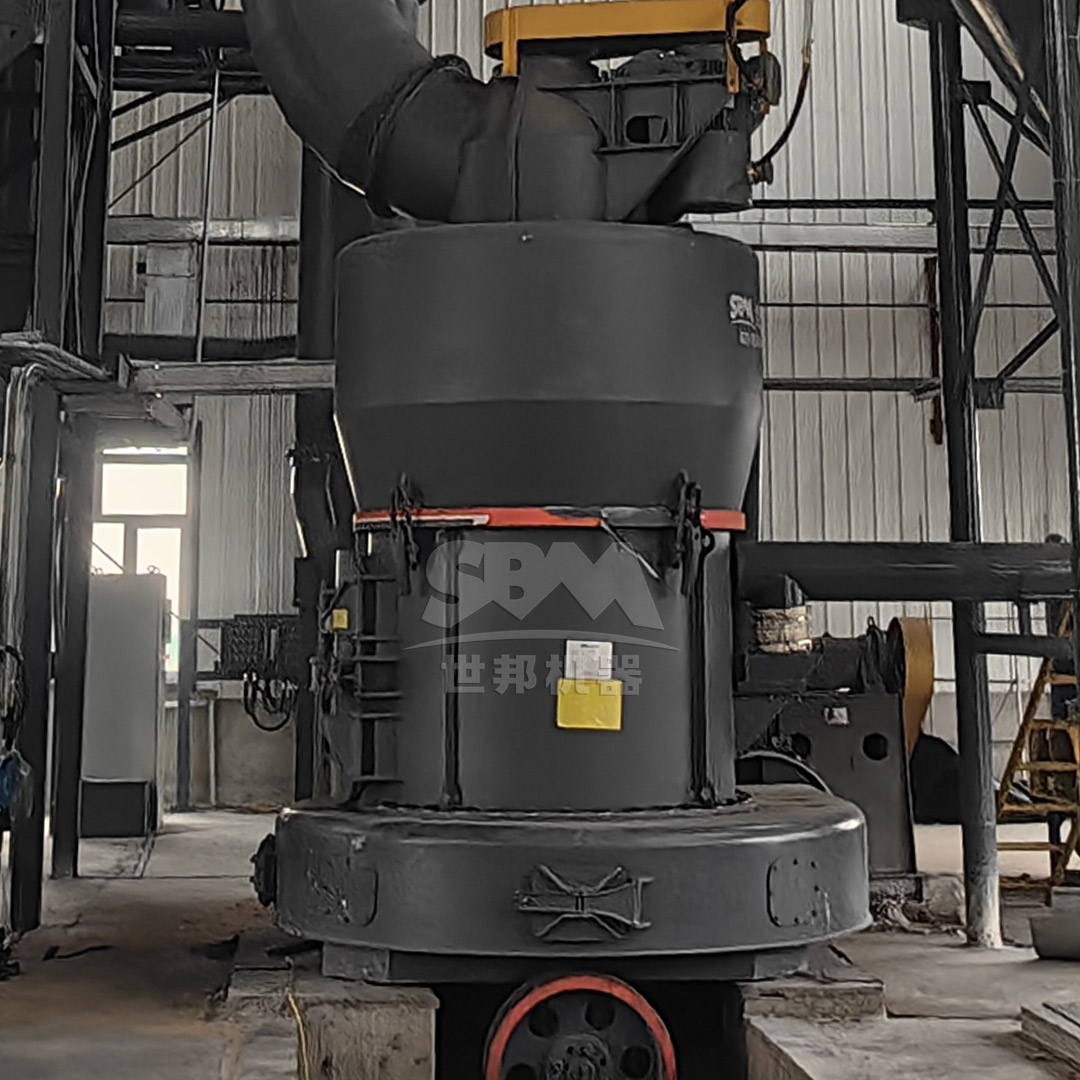
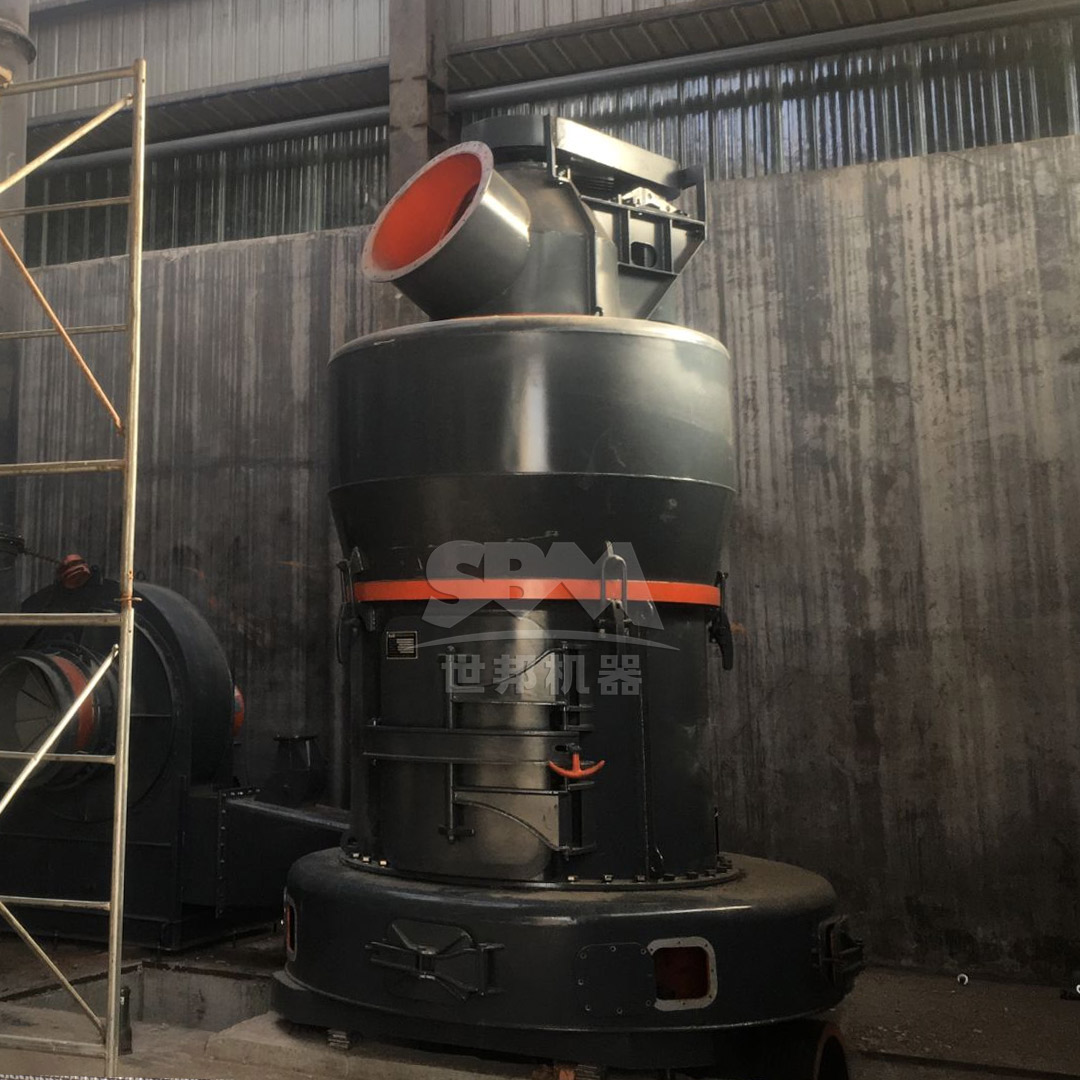
For processing larger volumes of materials like limestone or clinker-based retarder components to a medium fineness (30-325 mesh), a robust and efficient trapezium mill or vertical roller mill is more suitable. Our MTW Series European Trapezium Mill is a top choice for this duty.
The MTW series handles feed sizes up to 50mm and delivers capacities from 3 to 45 tons per hour. Its advantages include an anti-wear shovel design that lowers maintenance costs and an integral bevel gear drive with 98% transmission efficiency, saving space and energy. The optimized arc air duct and wear-resistant volute structure work together to improve classification efficiency and reduce system resistance. This mill is perfect for the cost-effective, high-volume production of base materials used in retarder formulations.
A well-designed plant layout optimizes workflow, minimizes material handling, and ensures safety. Key considerations include:
Beyond capital investment, operational costs define profitability. The grinding mill is the largest consumer of energy.
Establishing a successful cement retarder production plant requires careful selection of technology centered around an efficient and precise grinding system. Investing in advanced machinery like the SCM Series Ultrafine Mill for critical ultrafine grinding or the MTW Series European Trapezium Mill for high-capacity medium grinding forms a solid foundation for quality and profitability. A holistic approach—integrating the right equipment with smart plant design, robust auxiliary systems, and automation—will result in a competitive, reliable, and sustainable production operation capable of meeting the stringent demands of the modern construction materials industry.