The global ceramics industry, encompassing tiles, sanitaryware, tableware, and technical ceramics, generates substantial volumes of waste at various stages—from manufacturing rejects and off-cuts to post-consumer demolition debris. Traditionally landfilled, this inert yet bulky material represents a significant environmental burden and a lost economic opportunity. Modern recycling paradigms, however, view this ceramic waste not as an endpoint but as a valuable secondary raw material. Effective processing transforms it into high-quality powders and aggregates suitable for reintegration into new ceramic bodies, construction materials (like concrete and terrazzo), or even advanced applications. The cornerstone of this circular economy model is advanced, efficient, and precise grinding and classification equipment.
The journey of ceramic waste from debris to reusable material follows a systematic processing chain. Initial stages involve manual or mechanical sorting to remove contaminants (metals, plastics, other construction materials), followed by primary crushing to reduce large pieces to a manageable size (typically below 50mm). The most critical and technologically demanding phase is the fine grinding and precise size classification, which determines the final product’s quality and market value. This stage requires mills capable of handling hard, abrasive materials while delivering consistent particle size distribution (PSD) and high throughput with controlled energy consumption.
Selecting the right milling technology is paramount. The equipment must offer durability against abrasive wear, energy efficiency for economic viability, and precise control over fineness to meet specific application requirements. Two dominant technologies stand out for their suitability in ceramic waste processing: Vertical Roller Mills (VRMs) for medium-fine grinding and Ultrafine Mills for producing high-value superfine powders.
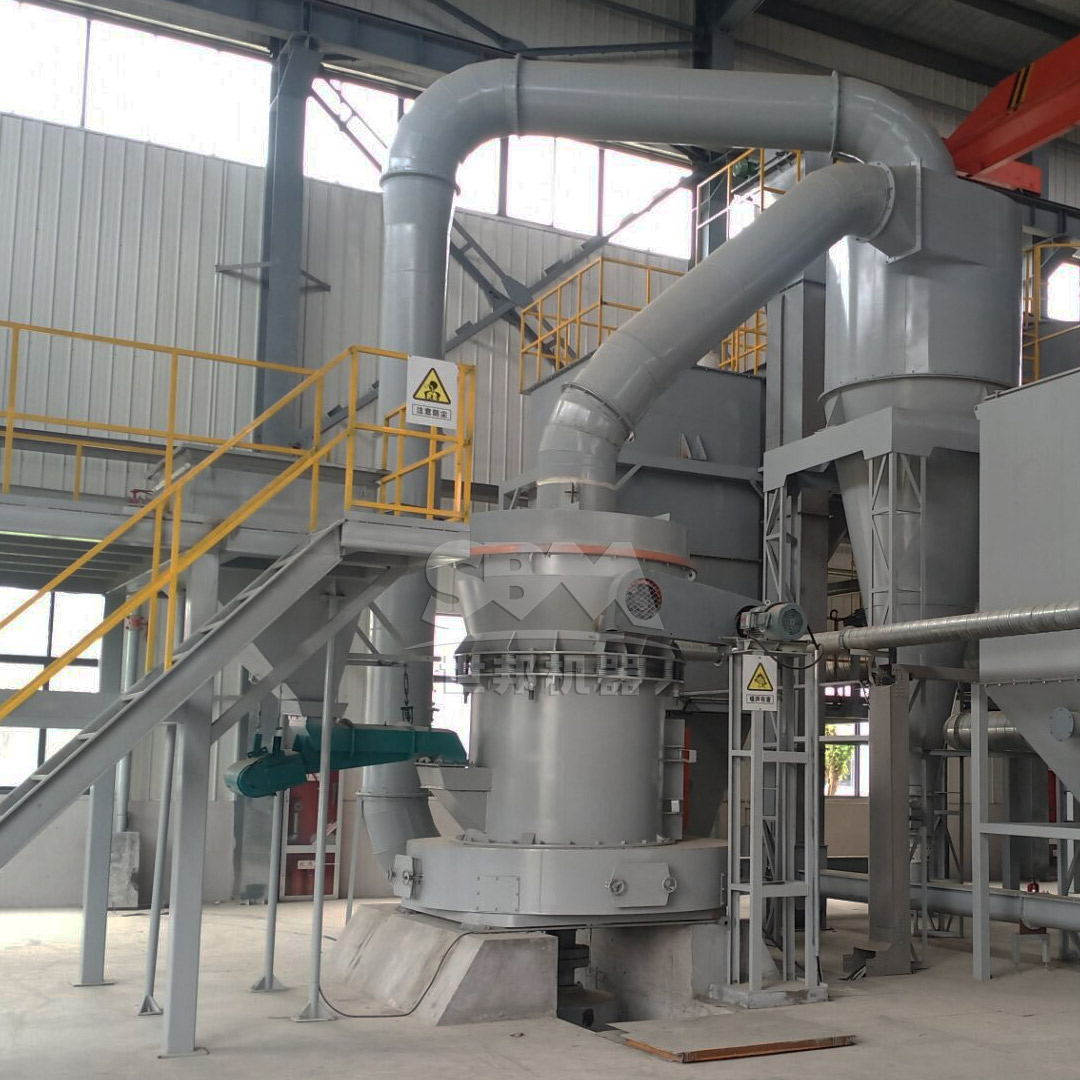
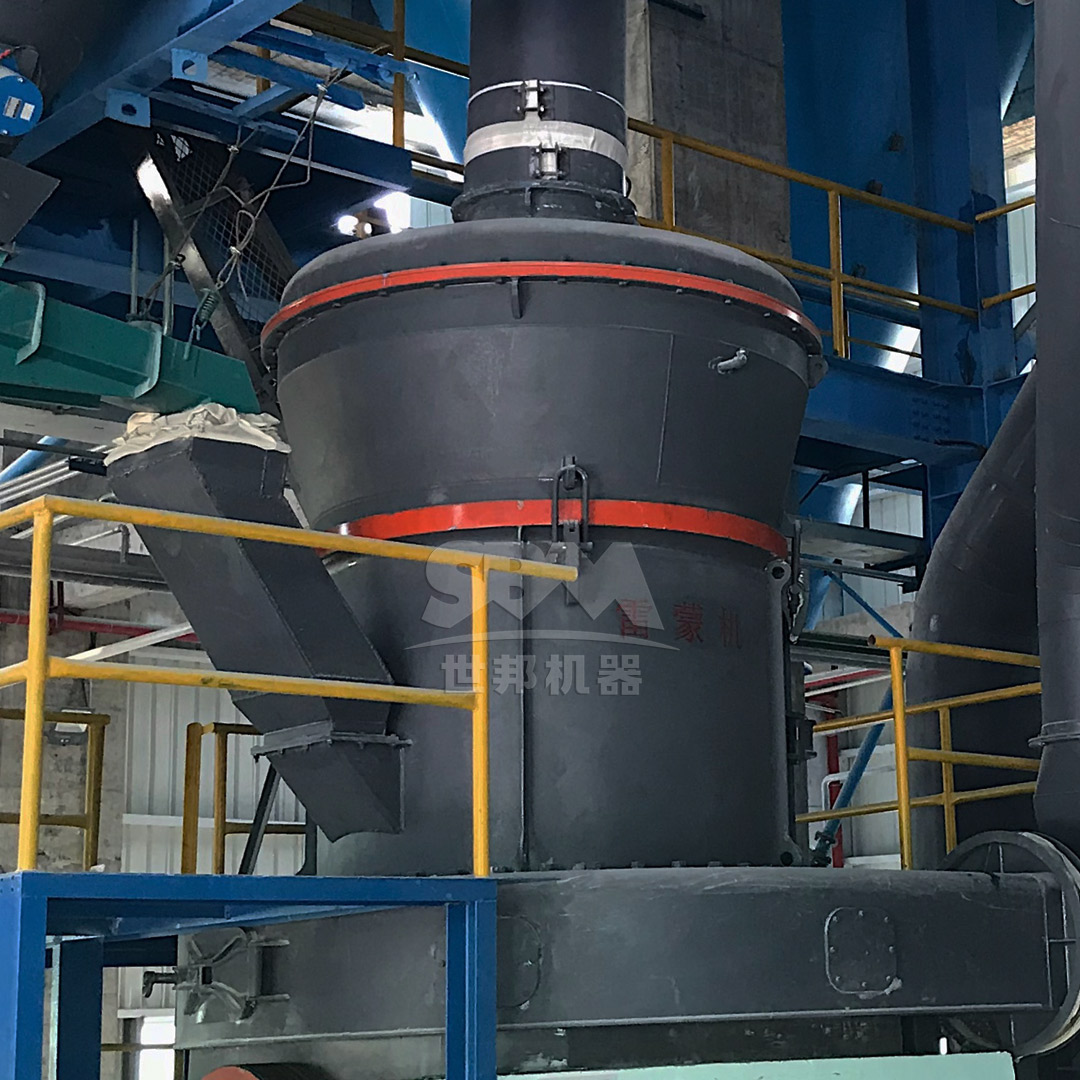
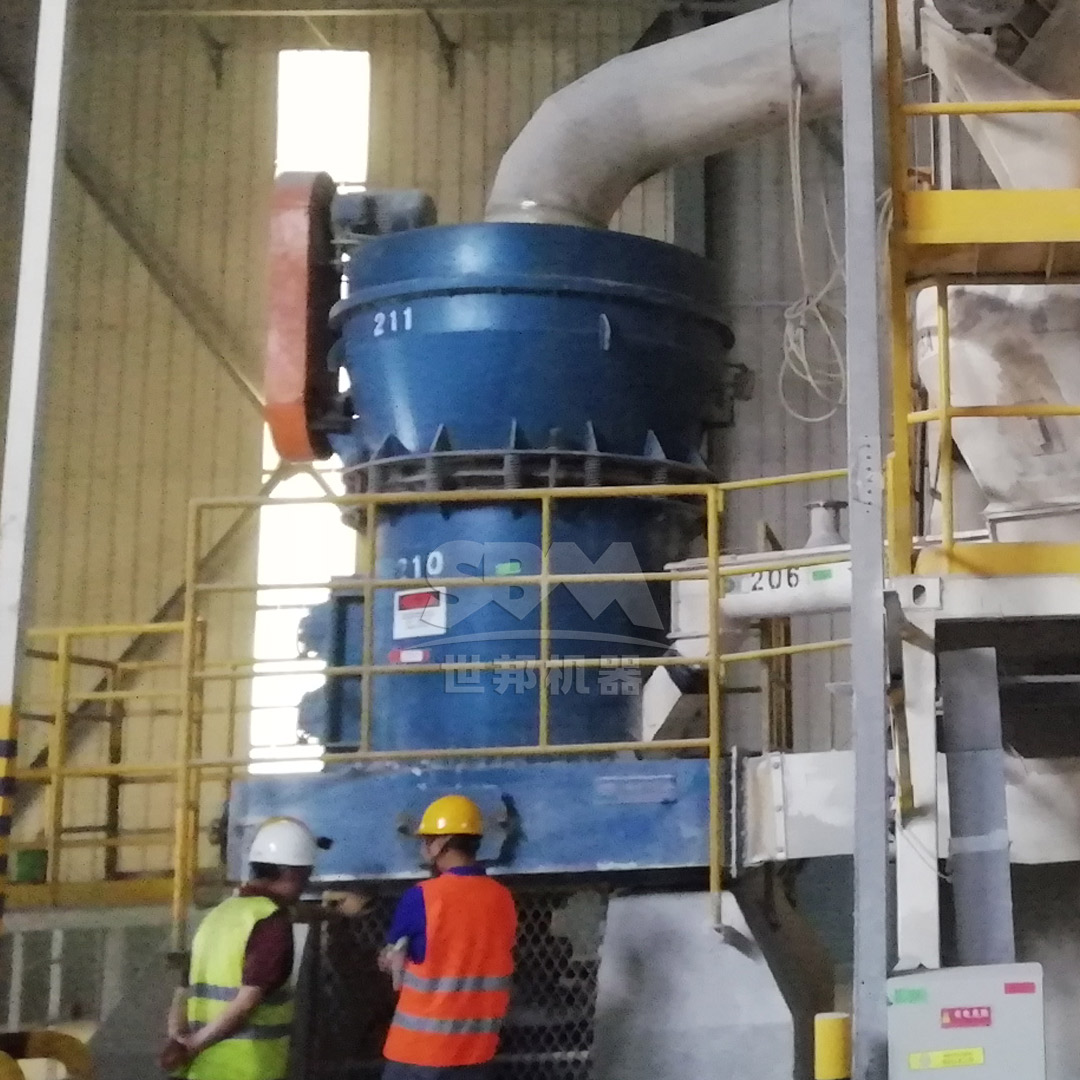
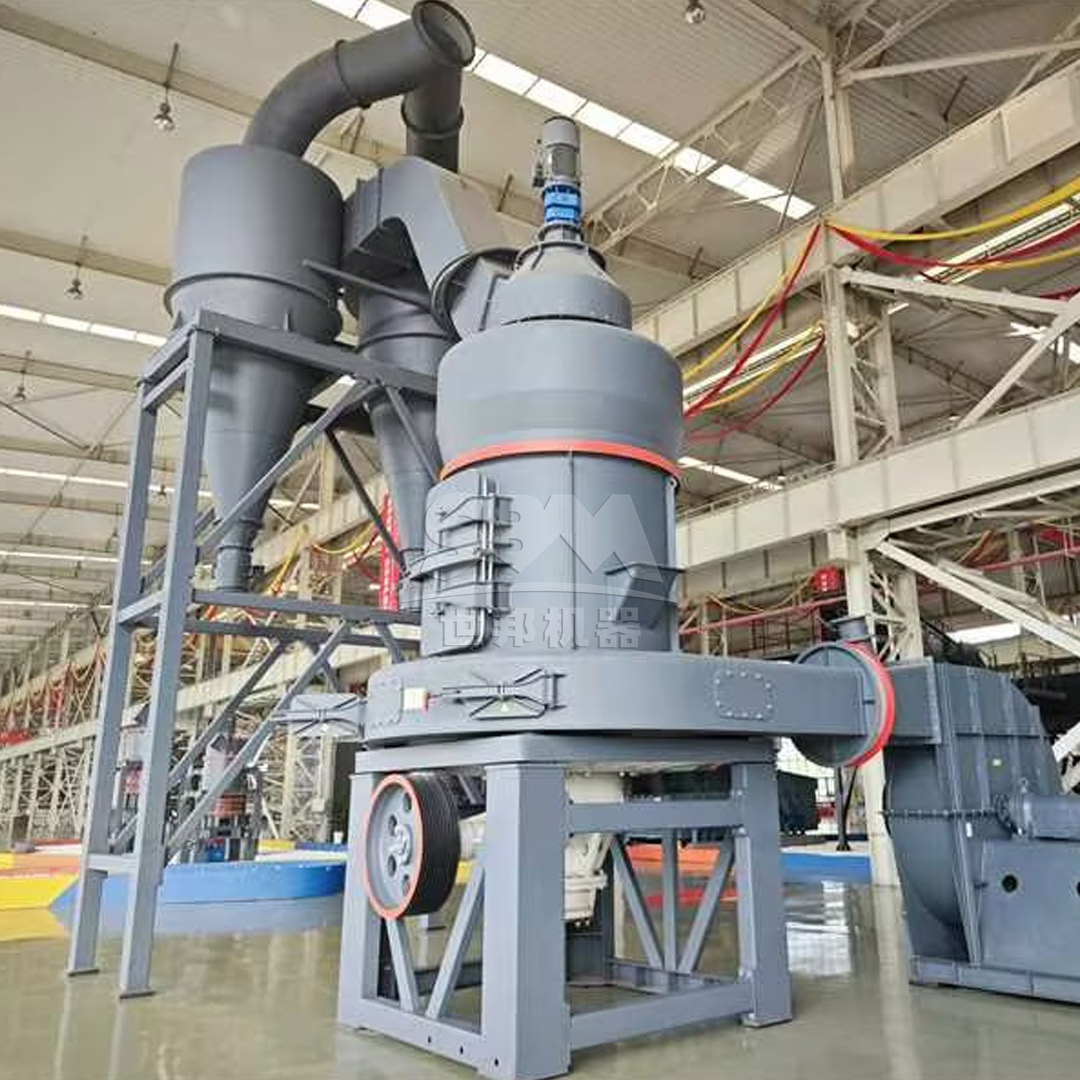
For processing large volumes of ceramic waste into powders in the 30-325 mesh (600-45μm) range, the Vertical Roller Mill (VRM) is an industry-preferred solution. Its integrated design combines crushing, grinding, drying (if needed), and classification in a single compact unit. Material is fed onto a rotating grinding table and crushed by hydraulically loaded rollers. The ground material is then pneumatically conveyed to an integrated classifier, where oversize particles are separated and returned for further grinding.
For ceramic recycling plants aiming for high-volume production of consistent quality powder for use in tile bodies or construction composites, our LM Series Vertical Roller Mill presents an optimal solution. Its core advantages directly address the challenges of ceramic waste processing:
| Model | Grinding Table Diameter | Capacity (t/h)* | Main Power (kW) | Output Fineness |
|---|---|---|---|---|
| LM150K | Φ1500mm | 13-38 | 280 | 170-45μm (30-325 mesh) |
| LM190K | Φ1900mm | 23-68 | 500 | 170-45μm (30-325 mesh) |
| LM220K | Φ2200mm | 36-105 | 800 | 170-45μm (30-325 mesh) |
*Capacity depends on material hardness and required fineness.
When the target product is a superfine or ultrafine powder (325-2500 mesh / 45-5μm), different grinding mechanics are required. Such powders are essential for high-value applications like functional fillers in polymers, precision casting molds, or as a raw material component in high-grade glazes and advanced ceramics, where particle size and uniformity critically influence performance.
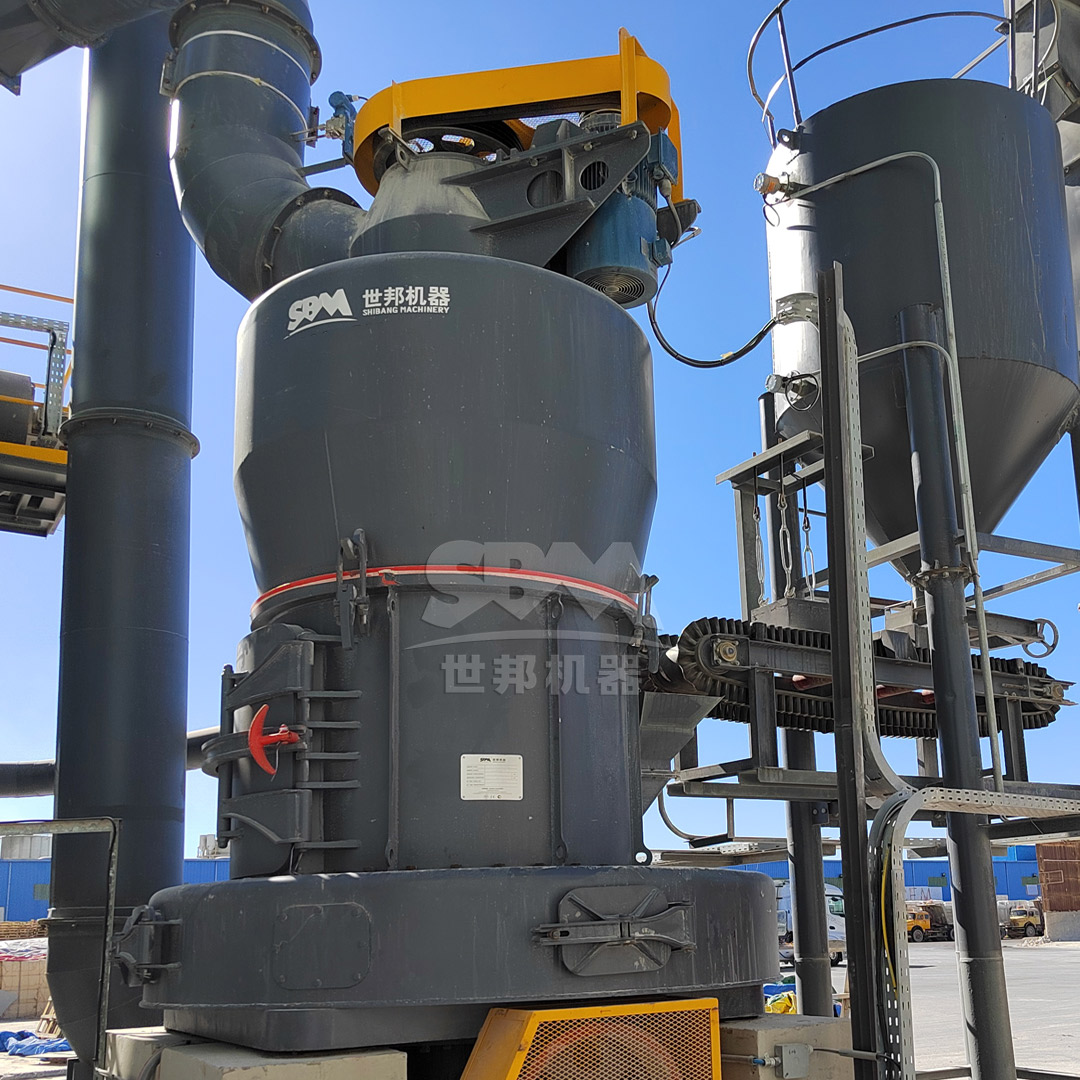
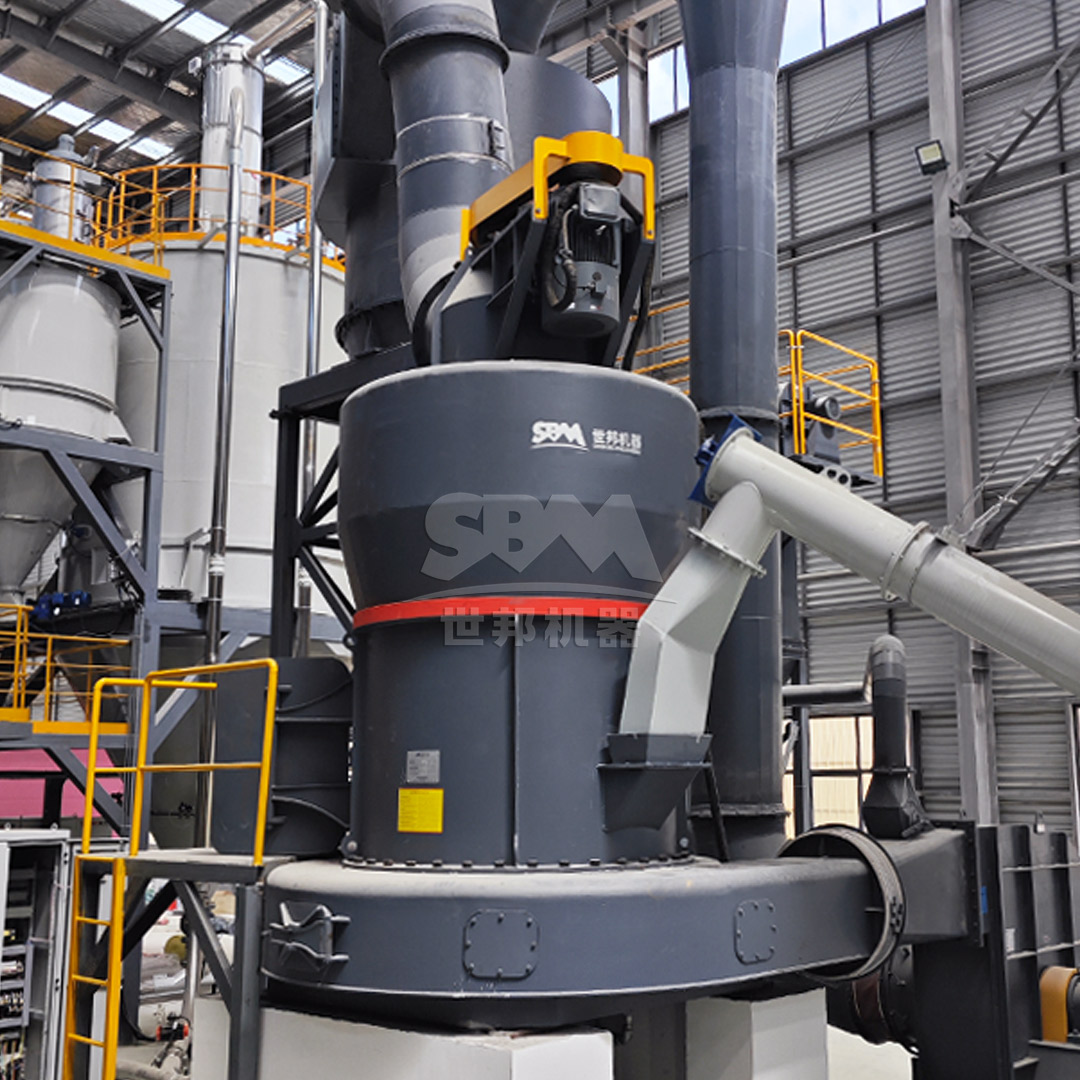
For these demanding applications, we recommend our SCM Series Ultrafine Mill. This mill is specifically engineered to produce fine and ultrafine powders with high efficiency and exceptional particle size distribution.
The working principle involves the main motor driving multiple grinding rings to rotate. Ceramic feedstock (≤20mm) is fed into the grinding chamber, where centrifugal force disperses it into the grinding path. It is then crushed by roller pressure and ground layer-by-layer. The final classified powder is collected by a cyclone and a pulse dust removal system.
| Model | Capacity (t/h)* | Main Power (kW) | Output Fineness |
|---|---|---|---|
| SCM800 | 0.5 – 4.5 | 75 | 325-2500 mesh |
| SCM1000 | 1.0 – 8.5 | 132 | 325-2500 mesh |
| SCM1250 | 2.5 – 14 | 185 | 325-2500 mesh |
*Capacity varies based on material properties and target fineness.
The transition to a circular economy in the ceramics sector is not just an environmental necessity but a compelling economic strategy. The viability of ceramic waste recycling hinges on the availability of robust, efficient, and precise processing technology. Equipment like the LM Series Vertical Roller Mill for high-tonnage, medium-fine powder production and the SCM Series Ultrafine Mill for high-value, superfine applications provide the technological backbone for this transformation.
By investing in the right grinding and classification solutions, recyclers and ceramic manufacturers can effectively close the material loop, reduce dependency on virgin raw materials, lower carbon footprints, and create new revenue streams from what was once considered waste. The future of ceramics is sustainable, and it is built on the foundation of advanced processing equipment.