The production of high-quality charcoal powder is a critical process in numerous industries, including metallurgy, agriculture, water purification, and as a raw material for activated carbon. The efficiency, fineness, and consistency of the final product are directly dependent on the grinding equipment and the design of the production line. Selecting the right machinery is paramount to achieving optimal particle size distribution, maximizing throughput, and minimizing operational costs. This guide provides a comprehensive overview of charcoal grinding equipment and production line configurations, focusing on key technologies and equipment selection criteria.
Charcoal, derived from the carbonization of wood or other organic materials, presents unique grinding challenges. It is typically brittle but can be abrasive depending on the source material and carbonization process. The target application dictates the required fineness:
A successful production line must handle raw charcoal chunks, often up to 50mm in size, and reduce them efficiently to the desired micron range while managing dust, heat generation, and ensuring system safety.

The heart of any charcoal powder plant is the grinding mill. Different mill types operate on distinct principles, making them suitable for specific fineness and capacity ranges.
Often used as a primary or pre-crusher in a charcoal line. A hammer mill uses high-speed rotating hammers to shatter charcoal chunks against a hardened liner. It excels in high-volume, size reduction to a granular state (0-3mm).
| Key Feature | Advantage for Charcoal |
|---|---|
| High Capacity & Simple Structure | Ideal for initial breaking of large charcoal pieces. |
| Adjustable Grinding Gap | Can control output particle size to some degree. |
| Cost-Effective | Low initial investment for primary crushing stages. |
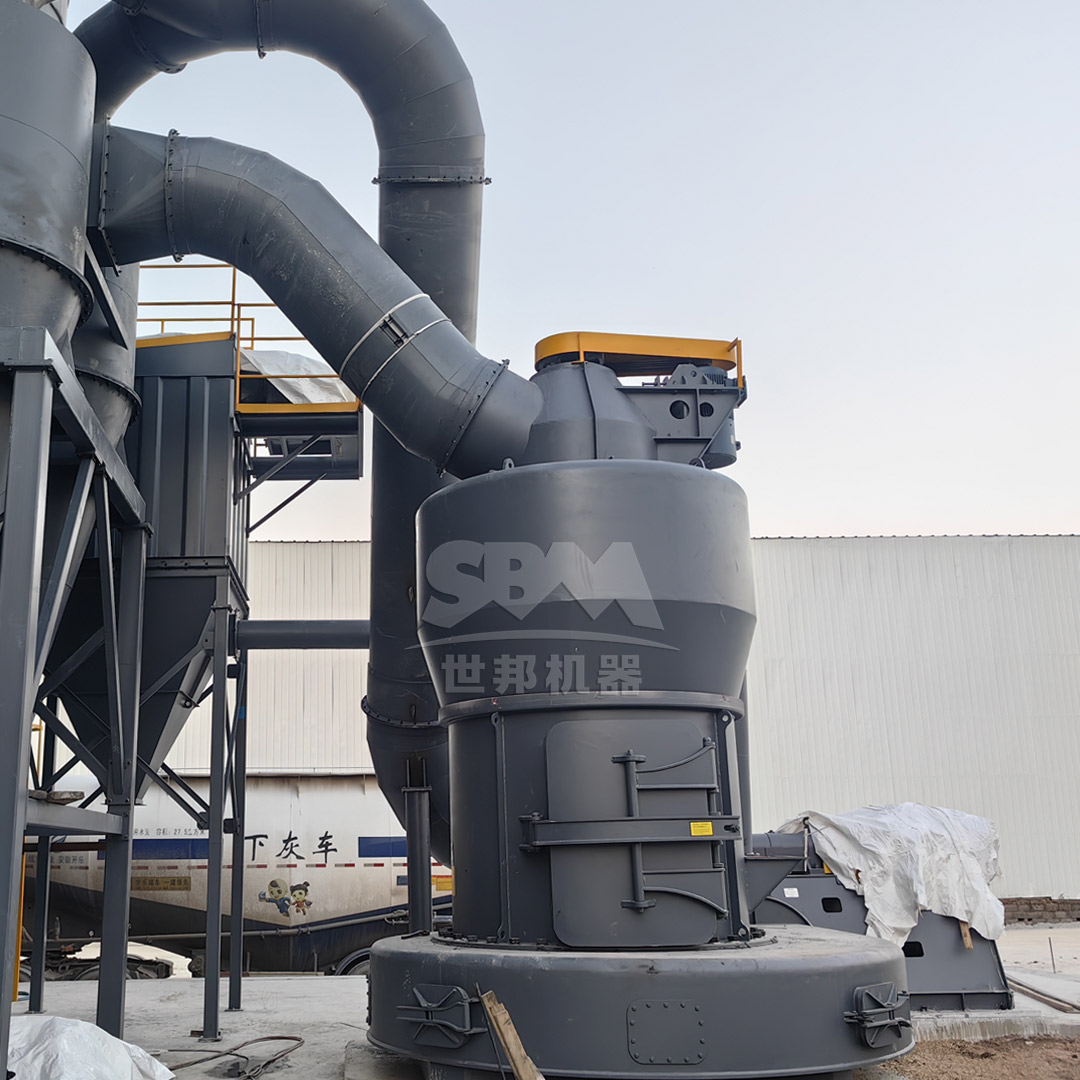
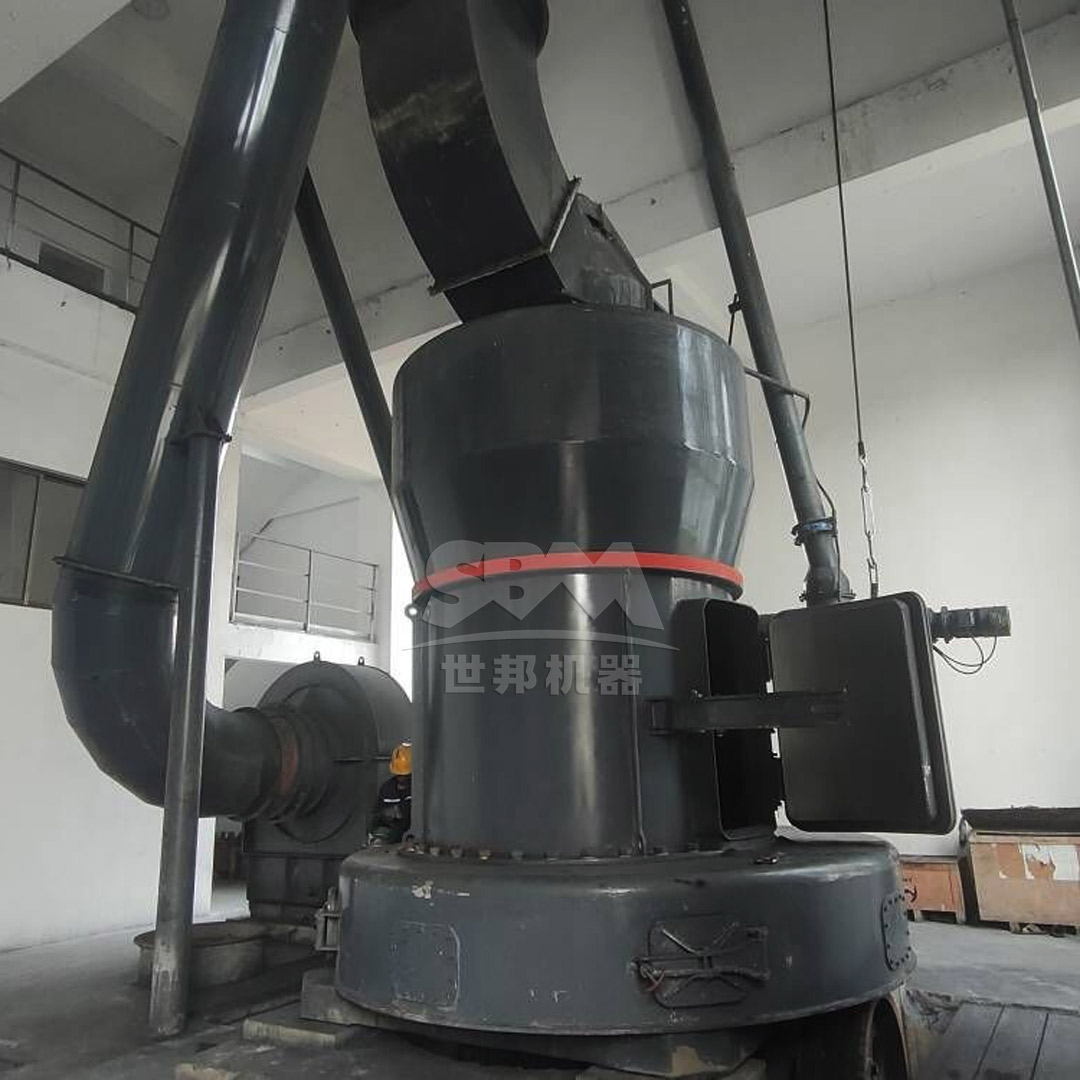
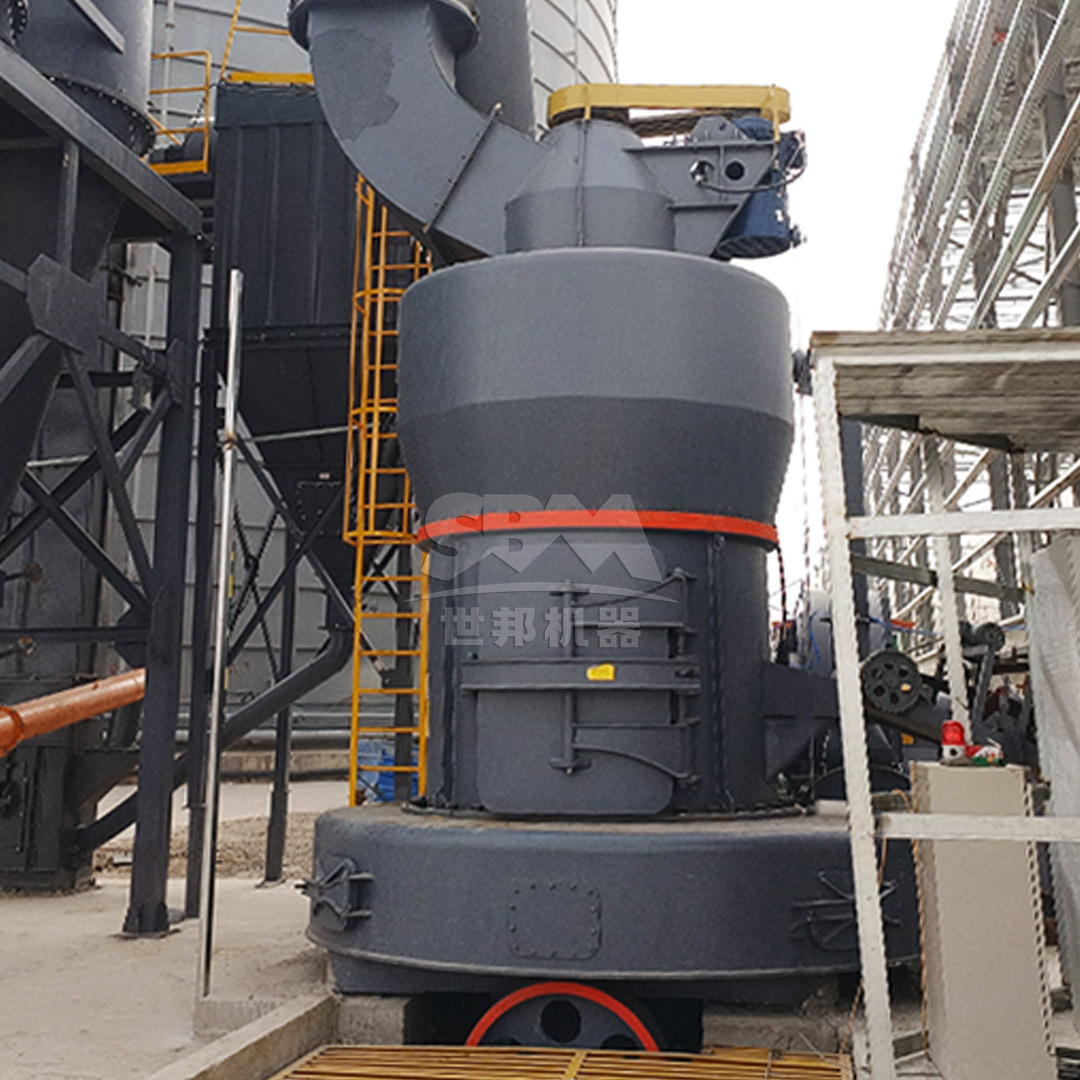
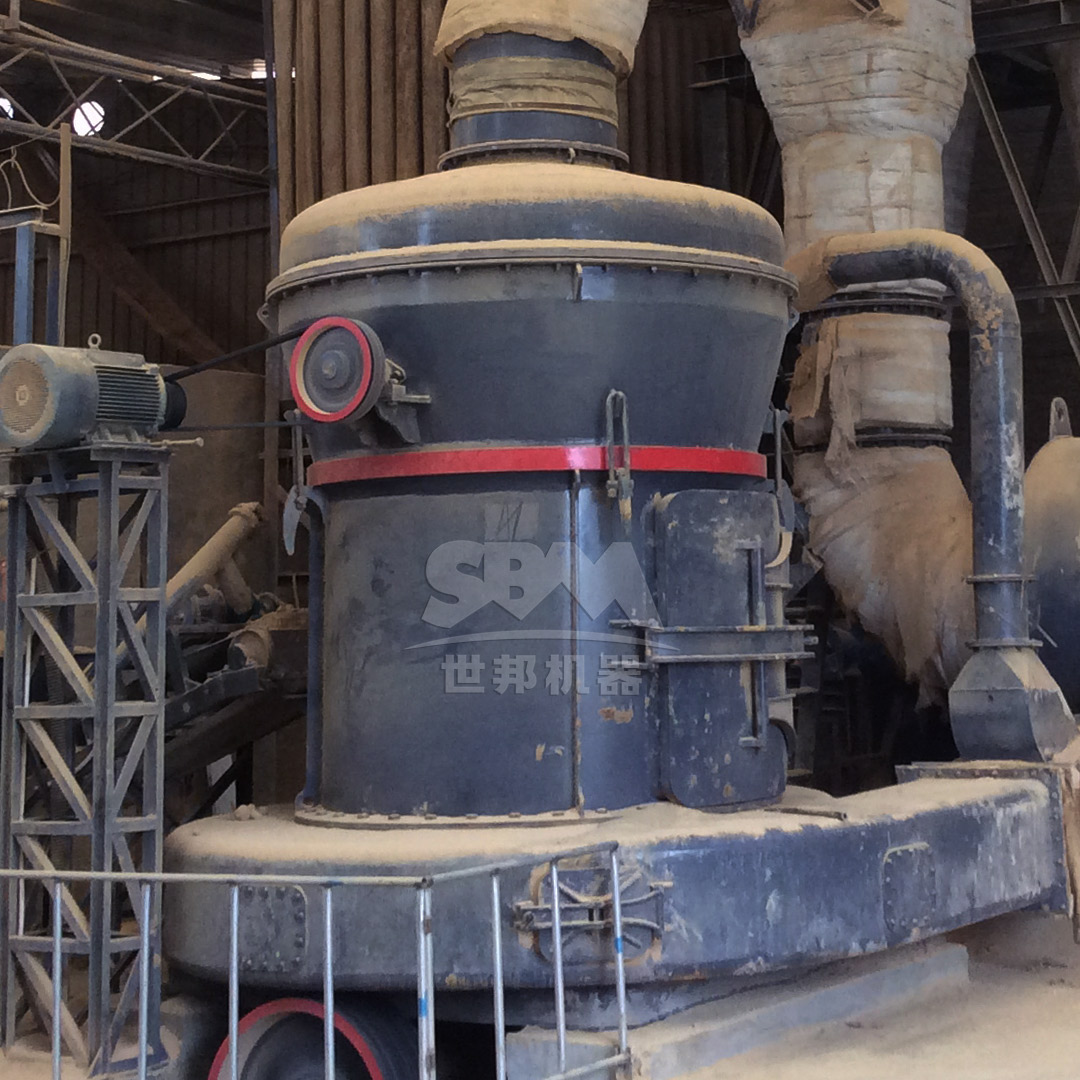
A workhorse for medium-fine charcoal powder (30-325 mesh). It operates on the pendulum roller principle, where rollers swing outward due to centrifugal force and roll against a stationary ring, crushing the material fed by a shovel.
For modern, high-efficiency charcoal grinding in this range, our MTW Series European Trapezium Mill stands out. It incorporates advanced features like a curved air duct for reduced flow resistance, a gear-driven system with 98% transmission efficiency, and wear-resistant components. Its capacity ranges from 3 to 45 tons per hour, making it perfect for large-scale production of charcoal powder for agricultural or industrial filler use.
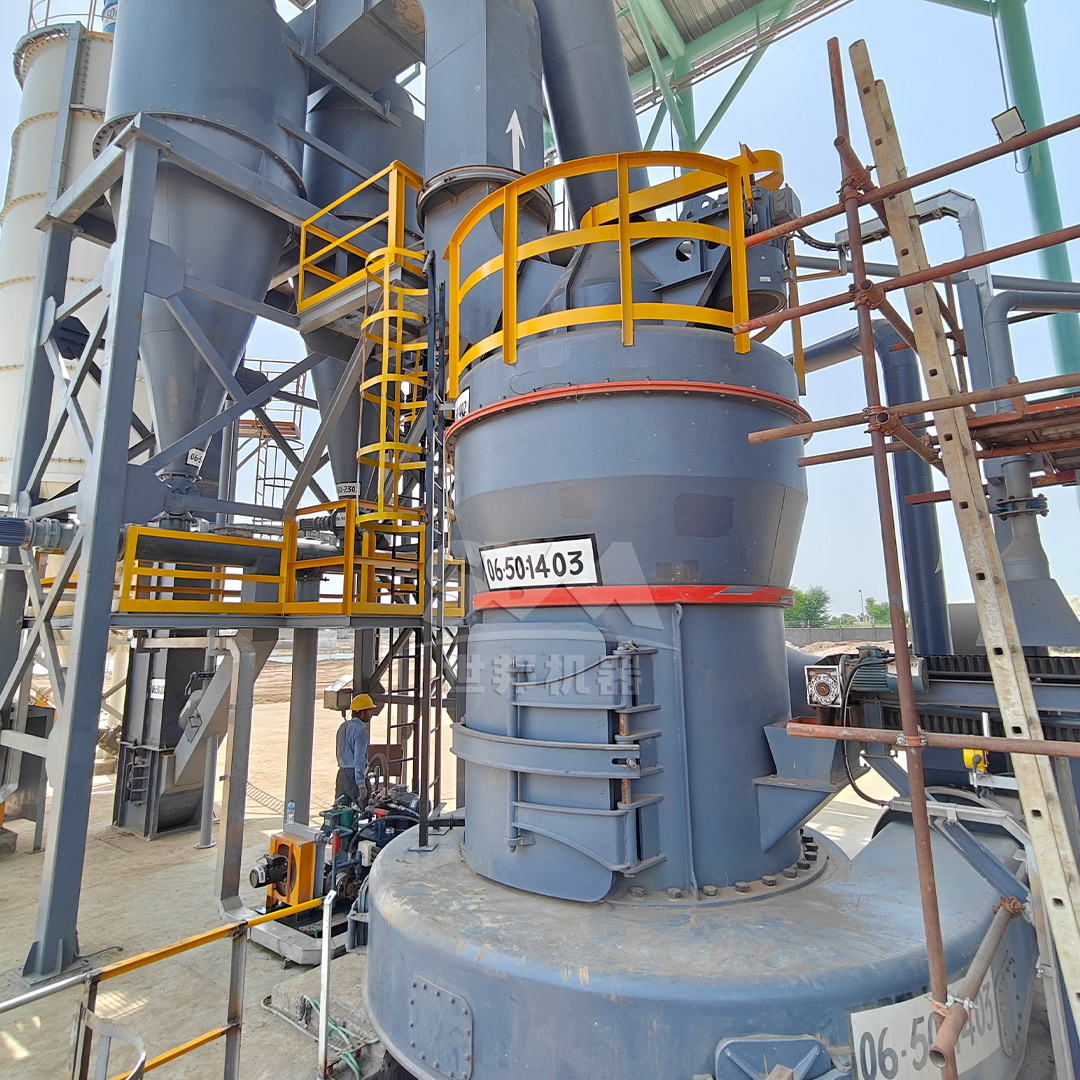
Vertical roller mills (VRMs) are highly efficient integrated systems combining grinding, drying (if needed), and classification. Material is ground between rollers and a rotating table. VRMs are known for lower energy consumption (30-40% less than ball mills) and a compact footprint.
Our LM Series Vertical Roller Mill is exceptionally well-suited for producing charcoal powder from 30 to 600 mesh. Its集约化设计 reduces plant area by 50%, and its intelligent control system allows for stable, automated operation. With capacities ranging from 3 to 250 tons per hour, it is the optimal choice for mega-scale charcoal powder production lines requiring consistent quality and low operating costs.
When the application demands micron or sub-micron sized charcoal powder, specialized ultrafine mills are required. These mills integrate high-intensity grinding with precise air classification.
Our flagship solution for ultrafine charcoal powder is the SCM Ultrafine Mill. Engineered to produce powder from 325 to 2500 mesh (D97 ≤ 5μm), it represents the pinnacle of fine grinding technology. Its advantages are transformative for high-value charcoal products:
| Technical Advantage | Benefit |
|---|---|
| High-Efficiency & Energy Saving | Twice the capacity of jet mills with 30% lower energy consumption. Intelligent control auto-adjusts for target fineness. |
| High-Precision Classification | Vertical turbine classifier ensures sharp particle cut, no coarse powder contamination, and uniform product. |
| Durable Design | Special material rollers and grinding rings last several times longer. Bearingless screw design ensures stable running. |
| Environmental & Low Noise | Pulse dust collector exceeds international standards. Soundproof room design keeps noise ≤75dB. |
From the compact SCM800 model (0.5-4.5 t/h) to the large SCM1680 (5-25 t/h), this mill series can be tailored to meet specific ultrafine charcoal production needs, making it ideal for producing premium-grade powder for activated carbon or advanced composites.
A full production line is more than just a mill. It is a synchronized system designed for continuous, safe, and efficient operation.
Choosing the right equipment involves a careful analysis of several factors:
Investing in the correct charcoal powder making machinery is a strategic decision that impacts product quality, operational efficiency, and profitability. From the robust MTW Series for general-purpose powder to the groundbreaking SCM Ultrafine Mill for premium micronized products, the right technology exists to elevate your production. A well-designed line, incorporating appropriate pre-crushing, efficient grinding, and thorough dust collection, ensures a smooth, productive, and environmentally responsible operation. By understanding the principles and capabilities outlined in this guide, you can make an informed choice to build a charcoal powder production line that meets your exact needs today and scales for tomorrow’s demands.