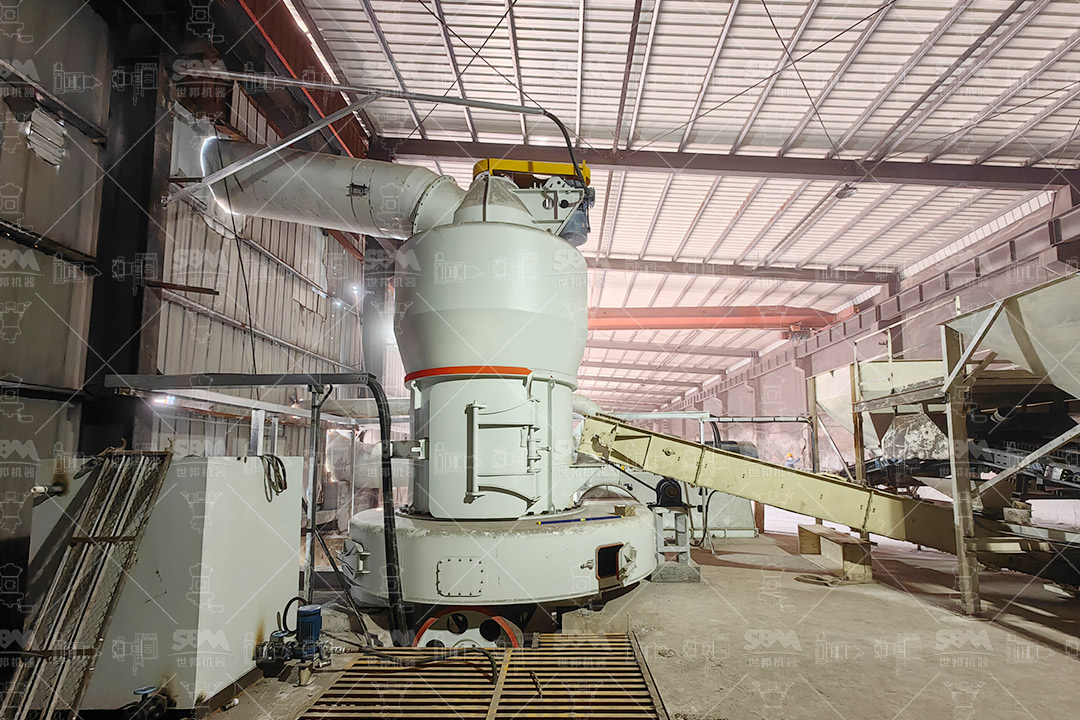
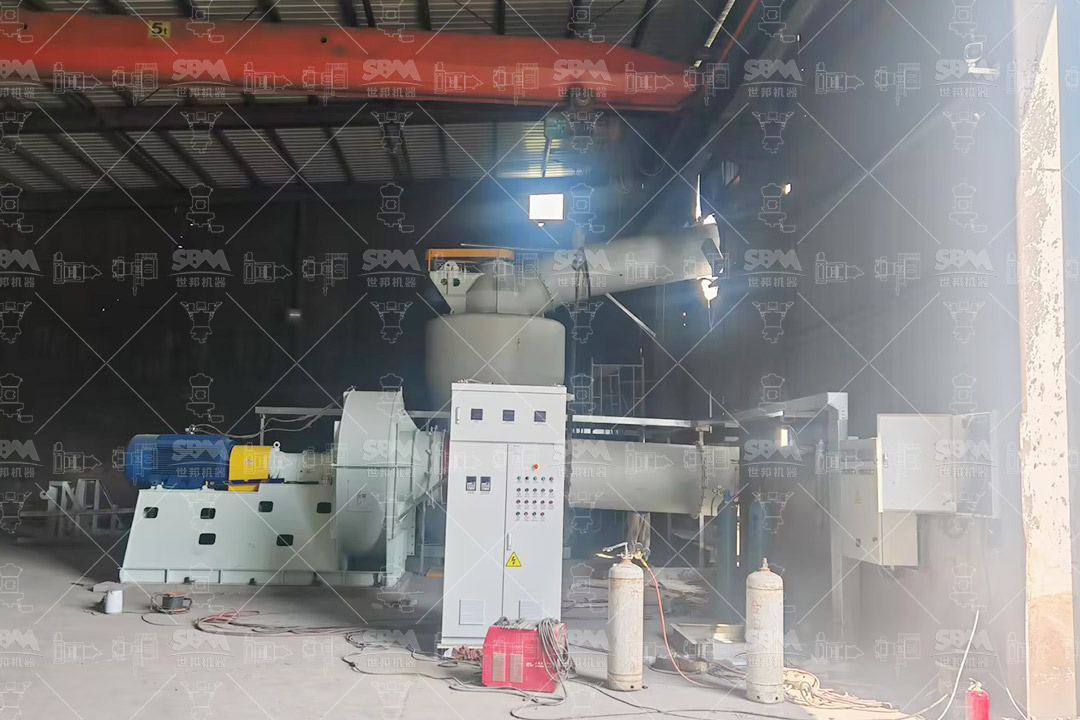
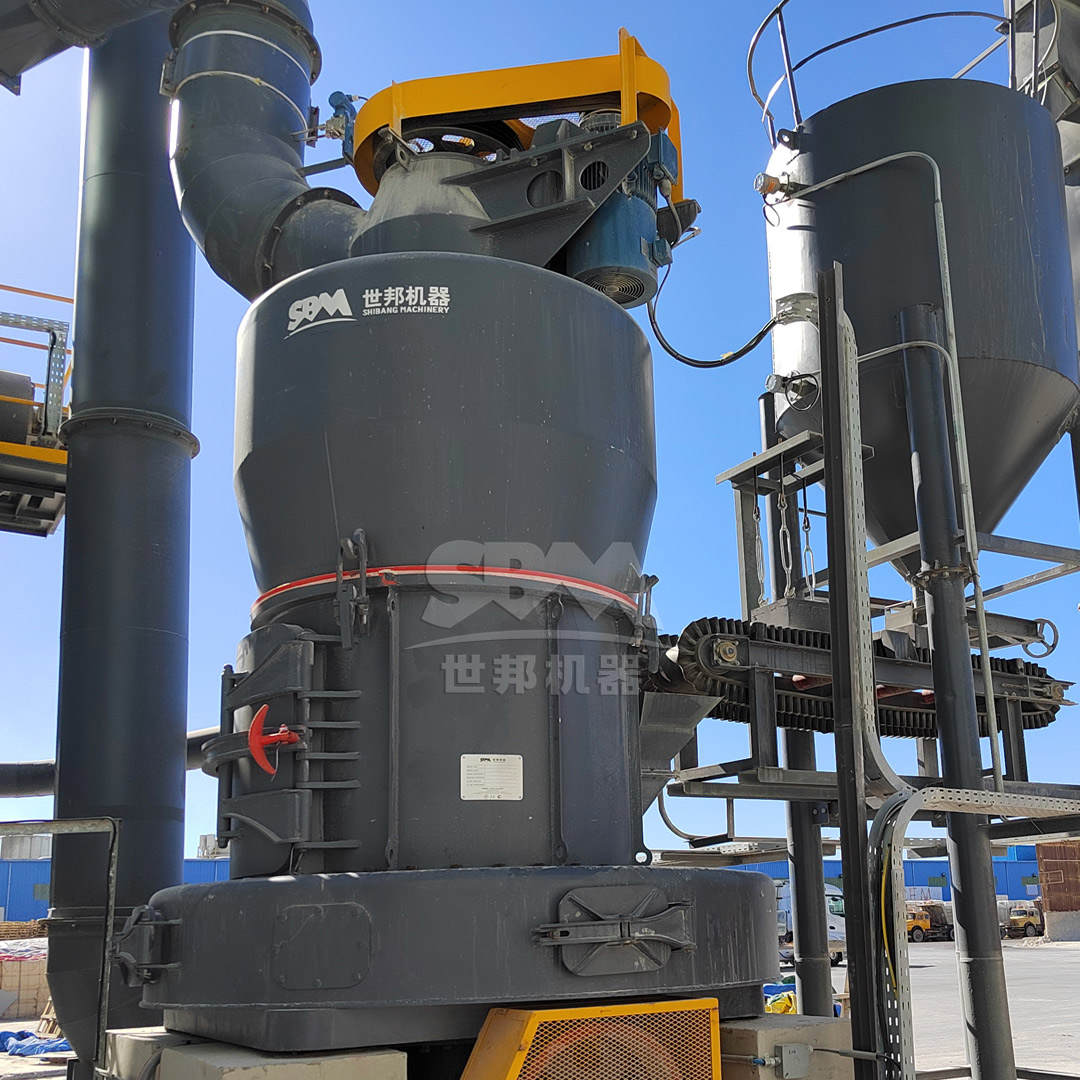
The production of high-purity, chemically consistent limestone powder is a cornerstone of numerous modern industries, including plastics, paints, coatings, pharmaceuticals, and food additives. Achieving the stringent specifications for particle size distribution, whiteness, and chemical inertness required for these applications demands a sophisticated grinding plant designed for precision, efficiency, and reliability. This article explores the critical considerations for establishing a chemical-grade limestone powder production line and highlights advanced milling solutions that can deliver superior product quality and operational economics.
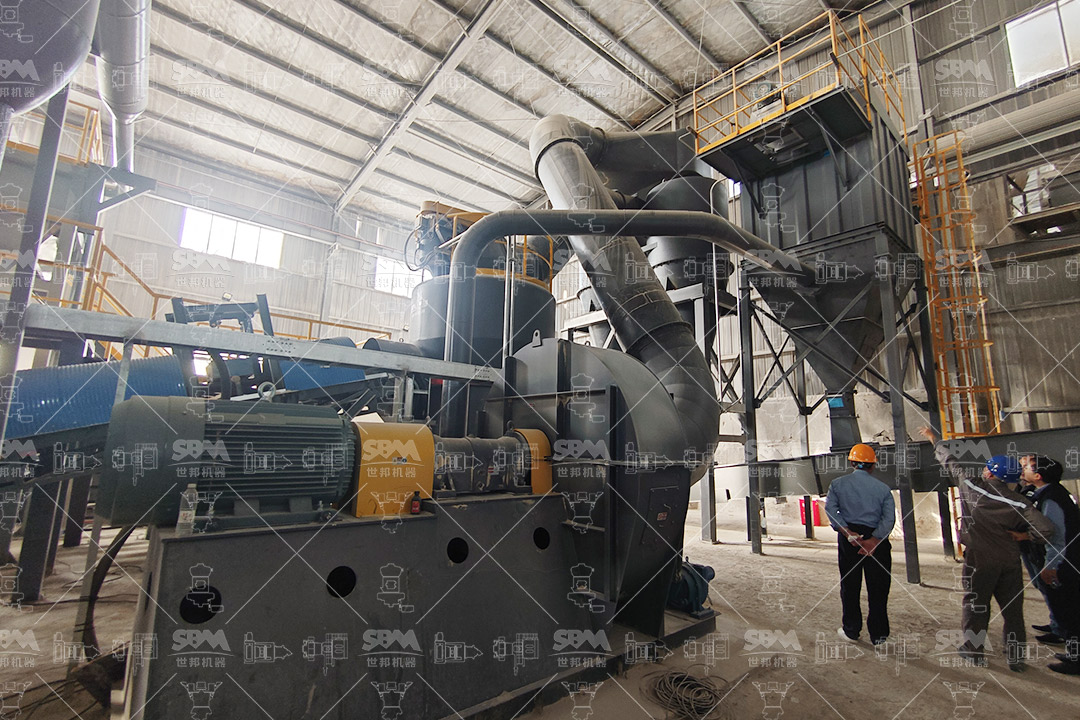
Unlike construction-grade limestone, chemical-grade material must meet exacting standards. The primary processing objectives include:
A complete plant typically includes crushing, pre-homogenization, grinding, classification, dust collection, and packaging systems. The heart of the plant is the grinding mill, whose selection dictates the final product’s characteristics and the plant’s overall efficiency.
Run-of-mine limestone is first reduced to a manageable feed size (typically <50mm) using jaw or hammer crushers. For large-scale plants aiming for maximum energy savings, a Vertical Pre-grinding Roller Mill like our LM-Y series can be employed. This system utilizes the efficient bed-grinding principle to perform significant size reduction with 30-50% lower energy consumption compared to traditional ball mills, preparing an ideal feed for the final fine-grinding stage.
This is the most critical stage. The choice depends on the target fineness and capacity.
| Target Fineness | Recommended Mill Type | Key Advantages |
|---|---|---|
| 30-325 Mesh (600-45μm) | European Trapezium Mill (e.g., MTW Series) | High capacity, robust construction, excellent for mid-range fineness. |
| 325-2500 Mesh (45-5μm) | Ultrafine Mill (e.g., SCM Series) | Specialized for superfine powder, high classification precision, energy-saving. |
| Integrated System (Wide Range) | Vertical Roller Mill (e.g., LM Series) | Integrated drying-grinding-classification, lowest operating cost for high capacity. |
For producing premium chemical-grade limestone powder in the superfine range (325-2500 mesh), we highly recommend our flagship SCM Series Ultrafine Mill. This mill is engineered specifically for the challenges of ultra-fine processing.
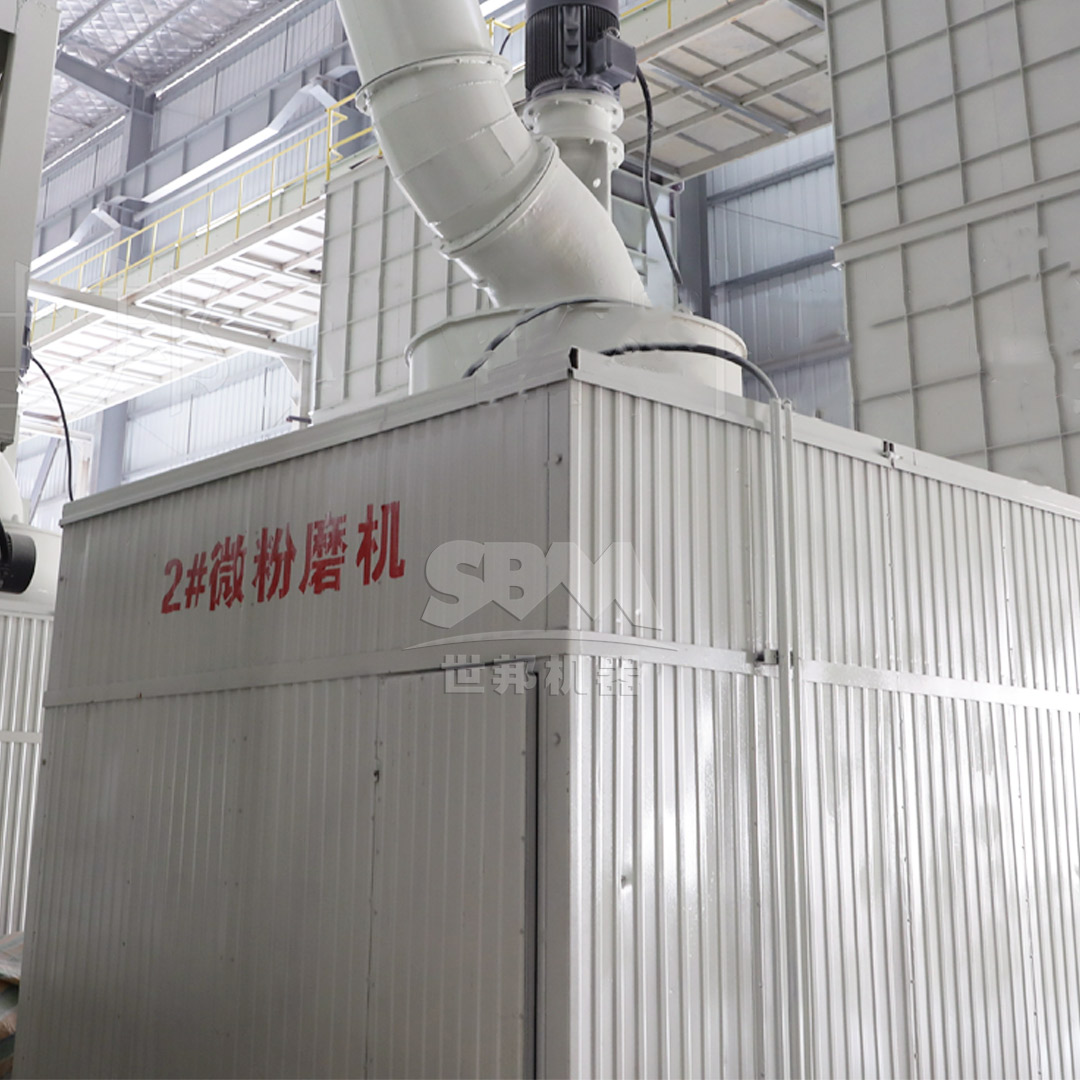
The SCM Mill excels through its High-Precision Classification system. Its vertical turbine classifier ensures precise particle size cutting, guaranteeing a uniform finished product without coarse powder mixing. Furthermore, its High Efficiency & Energy Saving design offers capacity twice that of jet mills while consuming 30% less energy. The Durable Design, featuring special material rollers and rings and a shaftless screw grinding chamber, ensures extended service life and stable operation, crucial for continuous chemical production. With pulse dust collection efficiency exceeding international standards, it perfectly meets the Eco-friendly & Low Noise requirements of modern plants.
For projects requiring high-volume output of slightly coarser powders (e.g., fillers for plastics in the 200-400 mesh range), the MTW Series European Trapezium Mill presents an outstanding solution. Its Integral Bevel Gear Drive achieves a remarkable 98% transmission efficiency, saving both energy and space. The Anti-wear Shovel Design and Wear-resistant Volute Structure significantly reduce maintenance costs and downtime, contributing to a lower total cost of ownership.
Modern mills like the SCM and MTW have integrated high-efficiency classifiers. An external high-efficiency cyclone and a pulse-jet bag filter dust collector (with emission < 20 mg/Nm³) are essential downstream components to ensure product recovery and a dust-free environment.
Successful plant design integrates the mill into a coherent system.
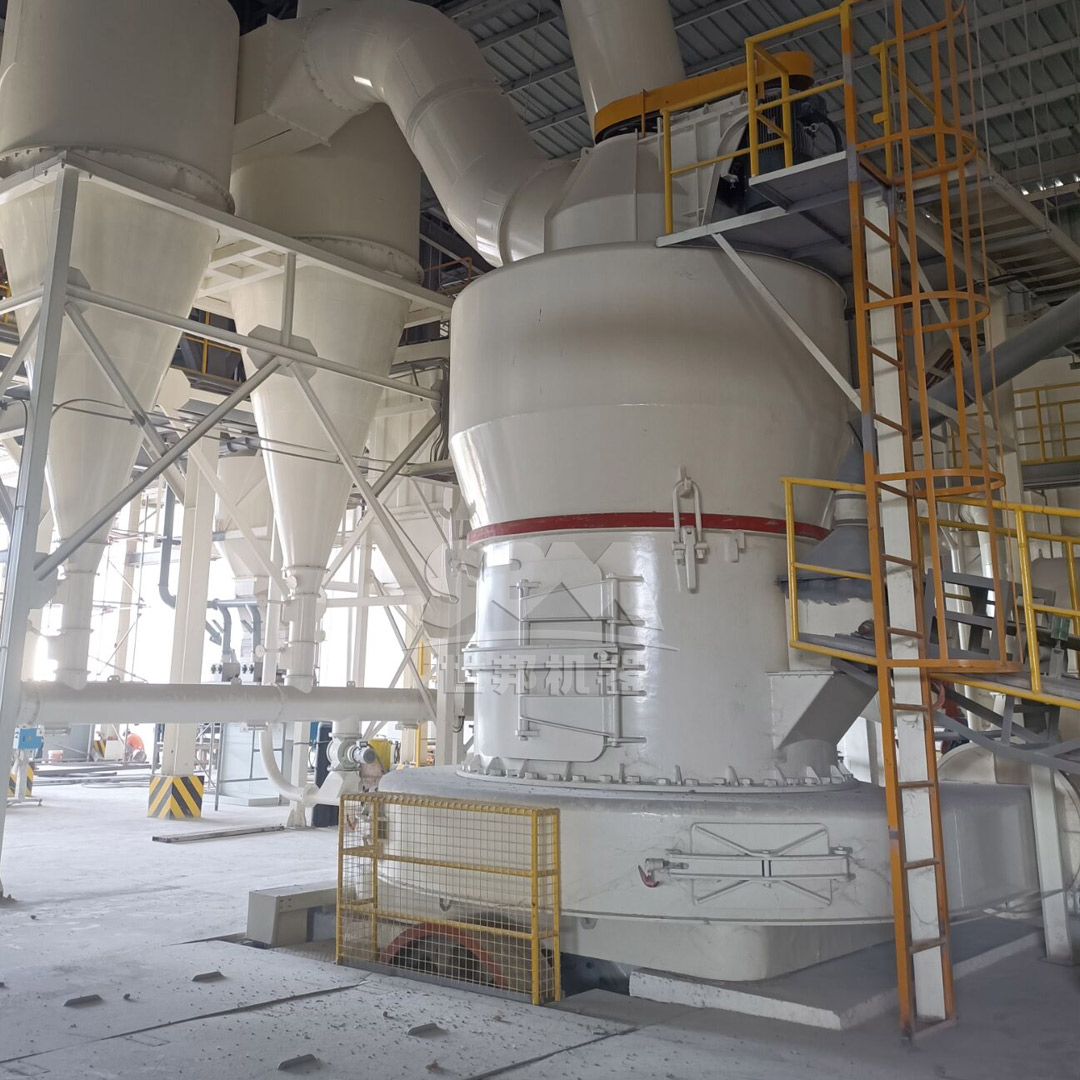
We provide not just equipment, but total grinding plant solutions tailored for chemical-grade limestone. Our mill series, from the superfine SCM to the high-capacity MTW and LM vertical mills, are backed by:
Investing in a chemical-grade limestone powder plant is a strategic decision that requires careful technical evaluation. The selection of the grinding mill technology is paramount. By opting for advanced, energy-efficient systems like our SCM Ultrafine Mill for superfine products or the robust MTW European Trapezium Mill for high-capacity mid-range fineness, producers can ensure they meet the strict quality demands of the chemical industry while maintaining competitive operating costs and sustainable production practices. We invite you to contact our technical team to discuss your project requirements and develop an optimal grinding plant solution.