The production of fine powders from clinker and limestone is a cornerstone of modern industries such as cement manufacturing, construction materials, and chemical processing. Achieving the desired fineness, throughput, and energy efficiency requires a sophisticated understanding of grinding technology and the selection of appropriate equipment. This guide provides a comprehensive overview of the complete production line, from primary crushing to final classification, with a focus on the critical grinding stage. We will explore various mill technologies, their working principles, and key selection criteria to help you optimize your powder production process.
A typical clinker or limestone powder production line consists of several interconnected stages:
| Process Stage | Typical Equipment | Key Output |
|---|---|---|
| Primary Crushing | Jaw Crusher, Hammer Mill | Material size ≤20-50mm |
| Raw Material Grinding | Vertical Roller Mill, Ball Mill, Trapezium Mill | Raw Meal/Powder (45μm-2500 mesh) |
| Clinker Grinding | Ball Mill, Vertical Roller Mill, Roller Press | Portland Cement |
| Fine/Ultrafine Grinding | Ultrafine Mill, Vertical Roller Mill | High-value fillers, additives (≤45μm) |
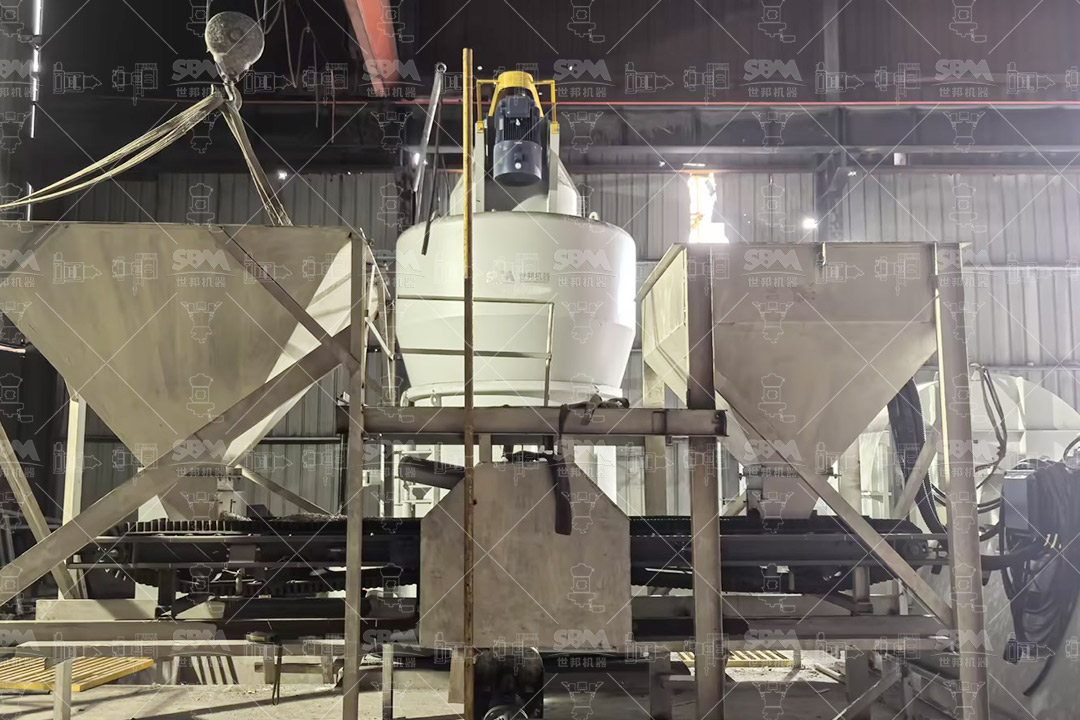
Selecting the right mill is paramount. The main technologies are differentiated by their principle of comminution, energy efficiency, and final product range.
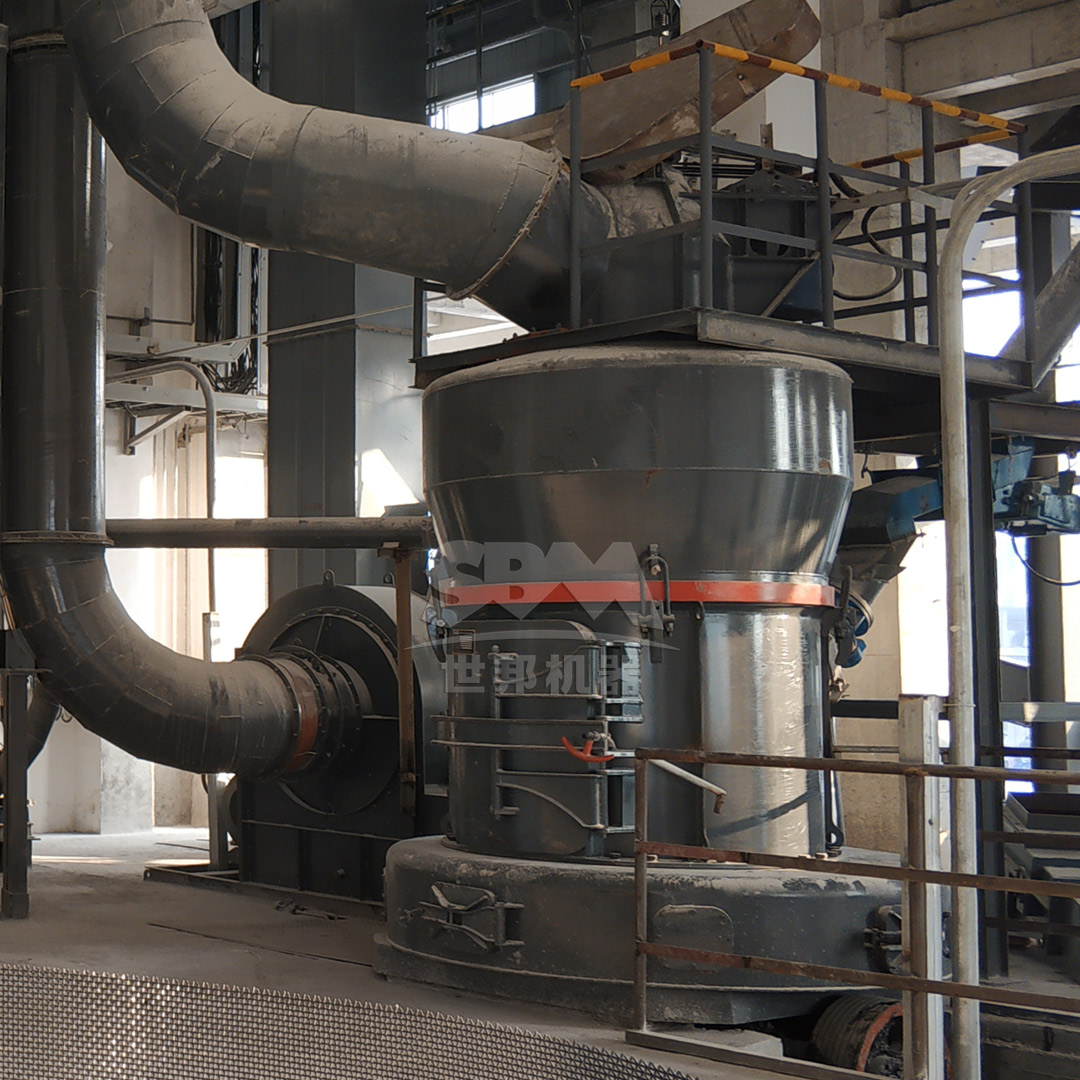
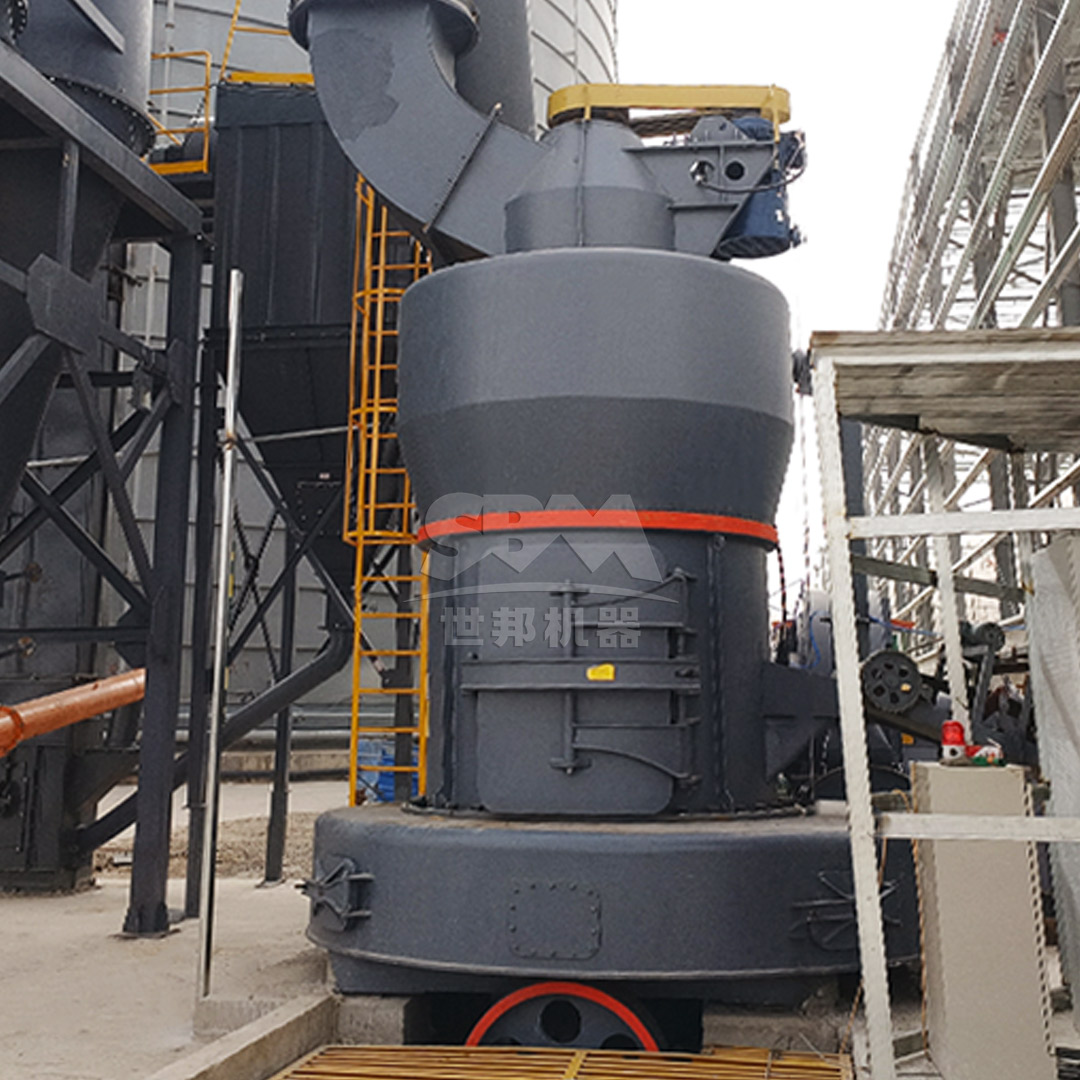
VRMs have become the industry standard for raw meal, coal, and cement grinding due to their integrated design and high efficiency. Material is fed onto a rotating table and crushed under rollers. Hot air dries and transports the fines to an integrated classifier.
For projects requiring robust, high-capacity grinding of clinker and limestone, our LM Series Vertical Roller Mill is an outstanding solution. Its integrated design combines crushing, grinding, drying, and classifying in a single unit, reducing floor space by 50% and infrastructure costs by 40%. With a capacity range of 3-250 tons per hour and energy consumption 30-40% lower than traditional ball mill systems, the LM series offers significant operational savings. Its intelligent control system allows for expert-level automation and remote monitoring, ensuring stable and efficient production of powders from 30 to 325 mesh.
A traditional and proven technology where material is ground by impact and attrition from steel balls inside a rotating horizontal cylinder.
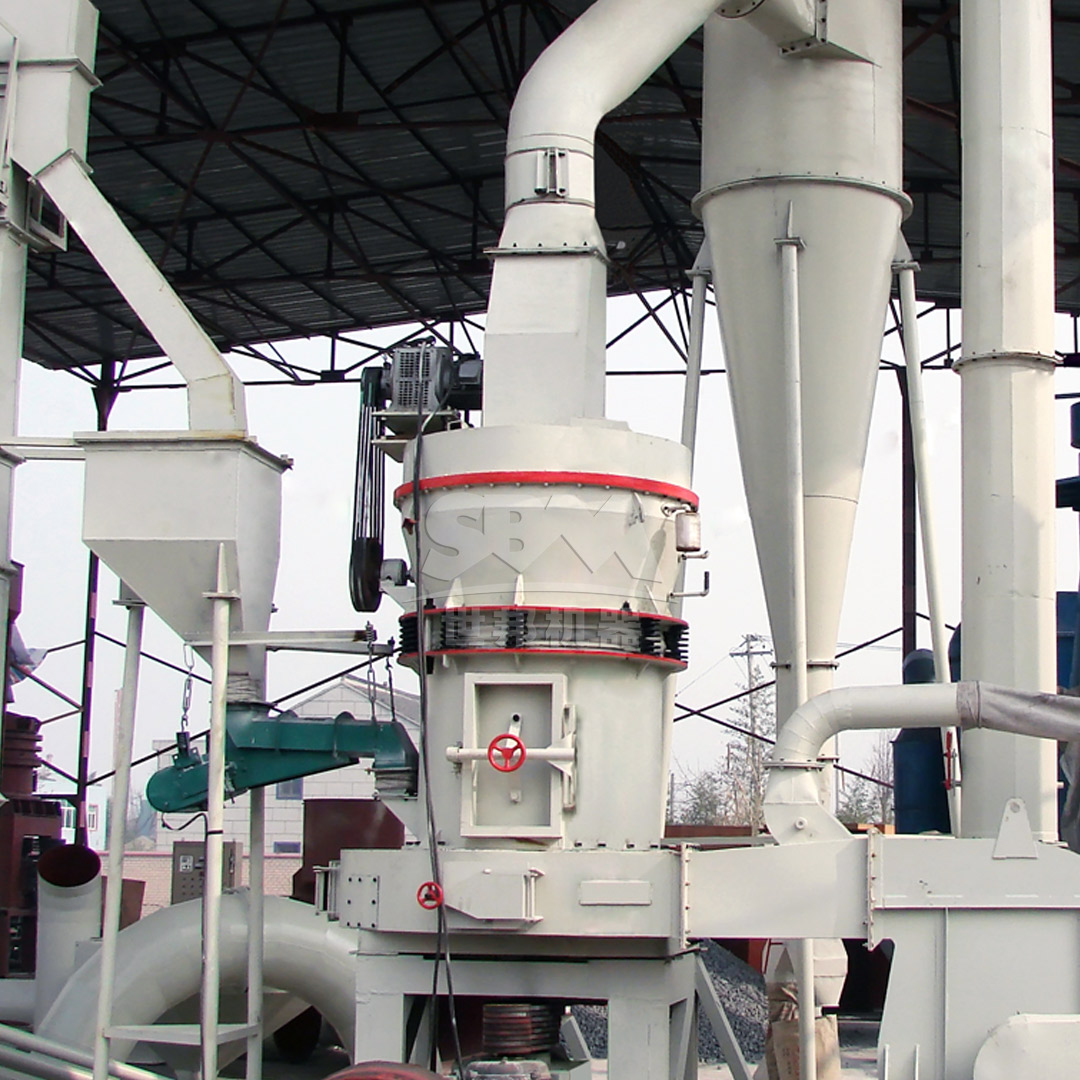
These mills use rollers and rings to crush material fed by shovels. The grinding elements revolve around a central axis while also rotating on their own axis.
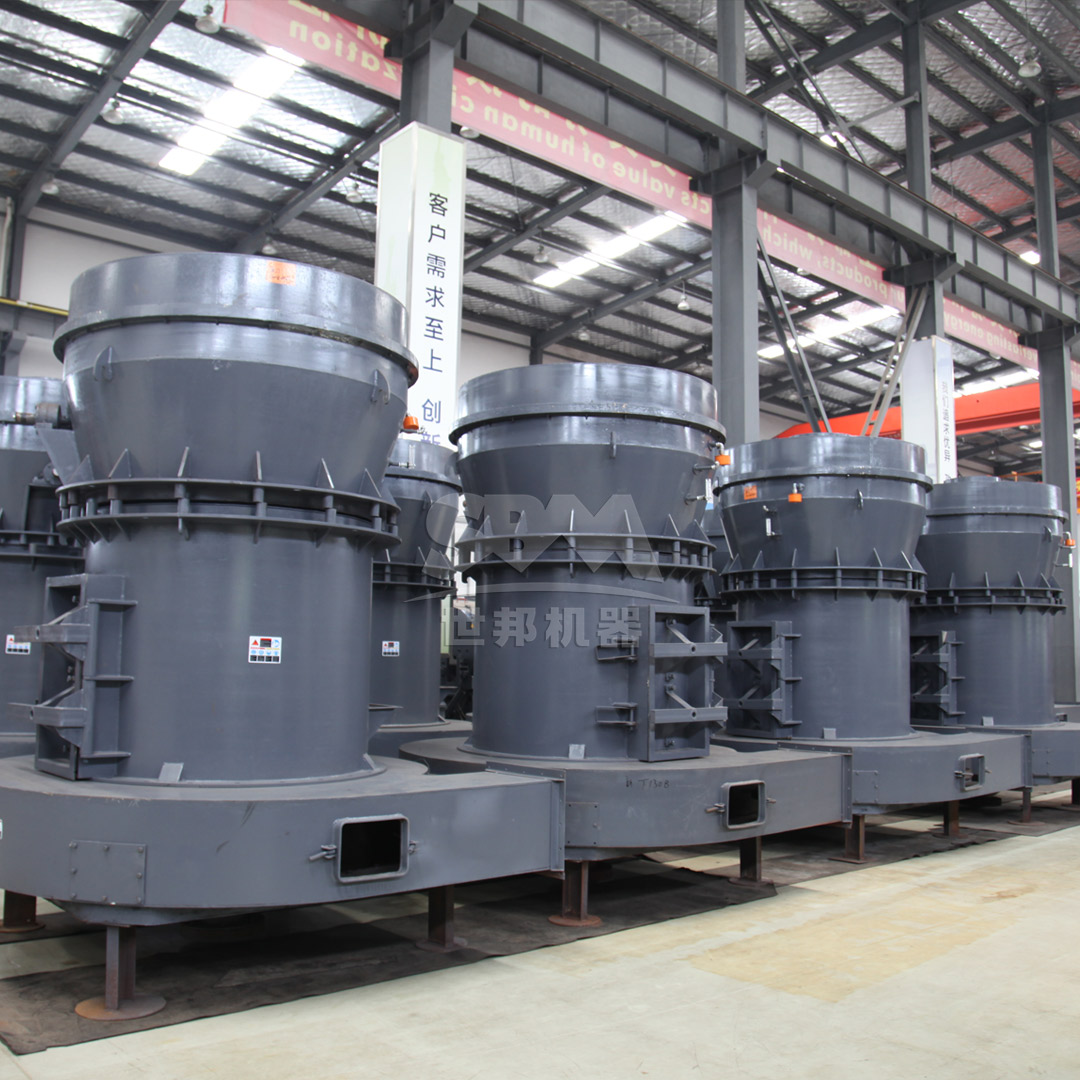
For producing high-value fillers and additives with fineness exceeding 325 mesh (45μm), specialized ultrafine mills are required. These mills employ more intensive grinding forces and high-precision classification.
When the application demands ultra-fine powders of limestone or other minerals in the range of 325 to 2500 mesh, our SCM Series Ultrafine Mill is the optimal choice. It features a high-precision vertical turbine classifier that ensures no coarse powder mixing, resulting in a exceptionally uniform product. With a capacity 2x that of jet mills and 30% lower energy consumption, it combines efficiency with precision. Its durable design, featuring special material rollers and rings, extends service life significantly, while the pulse dust collection system ensures environmentally friendly operation with emissions exceeding international standards.
| Criterion | Questions to Ask | Impact on Choice |
|---|---|---|
| Required Product Fineness | What is the target particle size distribution (e.g., d97)? | Dictates mill type (Ball Mill vs. VRM vs. Ultrafine Mill). |
| Production Capacity (TPH) | What is the required hourly or annual output? | Determines the model size and power requirements. |
| Material Characteristics | Hardness (Bond Work Index), Moisture, Abrasiveness? | Influences wear part design, need for drying, and grinding pressure. |
| Energy Efficiency | What are the local energy costs and sustainability goals? | Favors high-efficiency mills like VRMs over traditional ball mills. |
| Total Cost of Ownership | Capital cost vs. long-term operating & maintenance costs? | A lower-priced mill with high wear rates may be more expensive long-term. |
| Plant Space & Layout | What is the available footprint and height? | VRMs have a smaller footprint than equivalent ball mill circuits. |
| Environmental Regulations | What are the limits for dust and noise emissions? | Requires mills with fully sealed designs and advanced baghouse filters. |
A grinding circuit is more than just a mill. Critical supporting systems include:
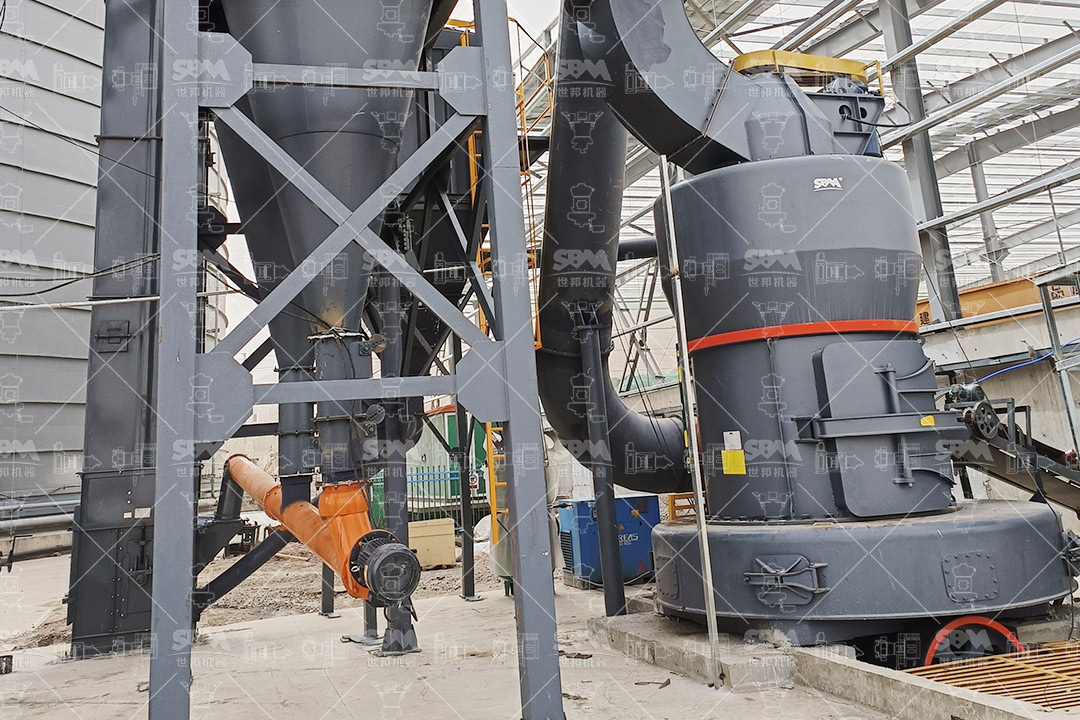
Building an efficient and profitable clinker or limestone powder production line is a complex engineering task that hinges on the correct selection and integration of grinding equipment. There is no one-size-fits-all solution. The choice between a Vertical Roller Mill, Ball Mill, Trapezium Mill, or an Ultrafine Mill must be based on a careful analysis of product specifications, raw material properties, capacity needs, and economic factors like energy consumption and maintenance costs. By understanding the strengths and applications of each technology, as exemplified by our high-performance LM Series Vertical Roller Mill for mainstream production and SCM Series Ultrafine Mill for high-value specialty powders, producers can make informed decisions that ensure reliability, quality, and long-term profitability in a competitive market.