Coal gangue, a solid waste generated during coal mining and washing, presents significant environmental and land-use challenges. However, its potential as a valuable resource in construction materials, ceramics, and other industries is increasingly recognized. Processing coal gangue into fine or ultrafine powder is the key to unlocking this value. A well-designed production line is crucial for achieving efficient, cost-effective, and environmentally compliant processing. This article delves into the core process flow and highlights the essential equipment required for a modern coal gangue powder production line, with a focus on achieving optimal fineness and capacity.
The transformation of raw coal gangue into a marketable powder involves a series of coordinated stages. The typical process flow can be summarized as follows:
| Process Stage | Key Equipment | Primary Function | Target Output |
|---|---|---|---|
| Pre-crushing | Jaw Crusher, Hammer Crusher | Size reduction to ≤50mm | Uniform feed for grinding |
| Grinding | Vertical Roller Mill, Raymond Mill, Ball Mill, Ultrafine Mill | Pulverization to target fineness | 30 mesh to 2500 mesh powder |
| Classification | Dynamic Classifier, Cyclone Separator | Particle size separation & control | Precise cut point, uniform product |
| Dust Collection | Pulse Bag Filter, Cyclone Collector | Product recovery & emission control | Clean gas, >99.9% collection efficiency |
| Drying (if needed) | Rotary Dryer, Vertical Dryer | Moisture reduction | Feed moisture <1-2% |
Primary crushing is essential to prepare the coal gangue for efficient grinding. Jaw crushers are commonly used for their robustness and high reduction ratio, handling large and hard gangue blocks. For mid-size crushing with higher capacity, impact crushers or hammer mills are suitable choices. A Hammer Mill, for instance, is excellent for secondary crushing, producing a 0-3mm product that can be directly fed into some grinding systems, simplifying the process flow.
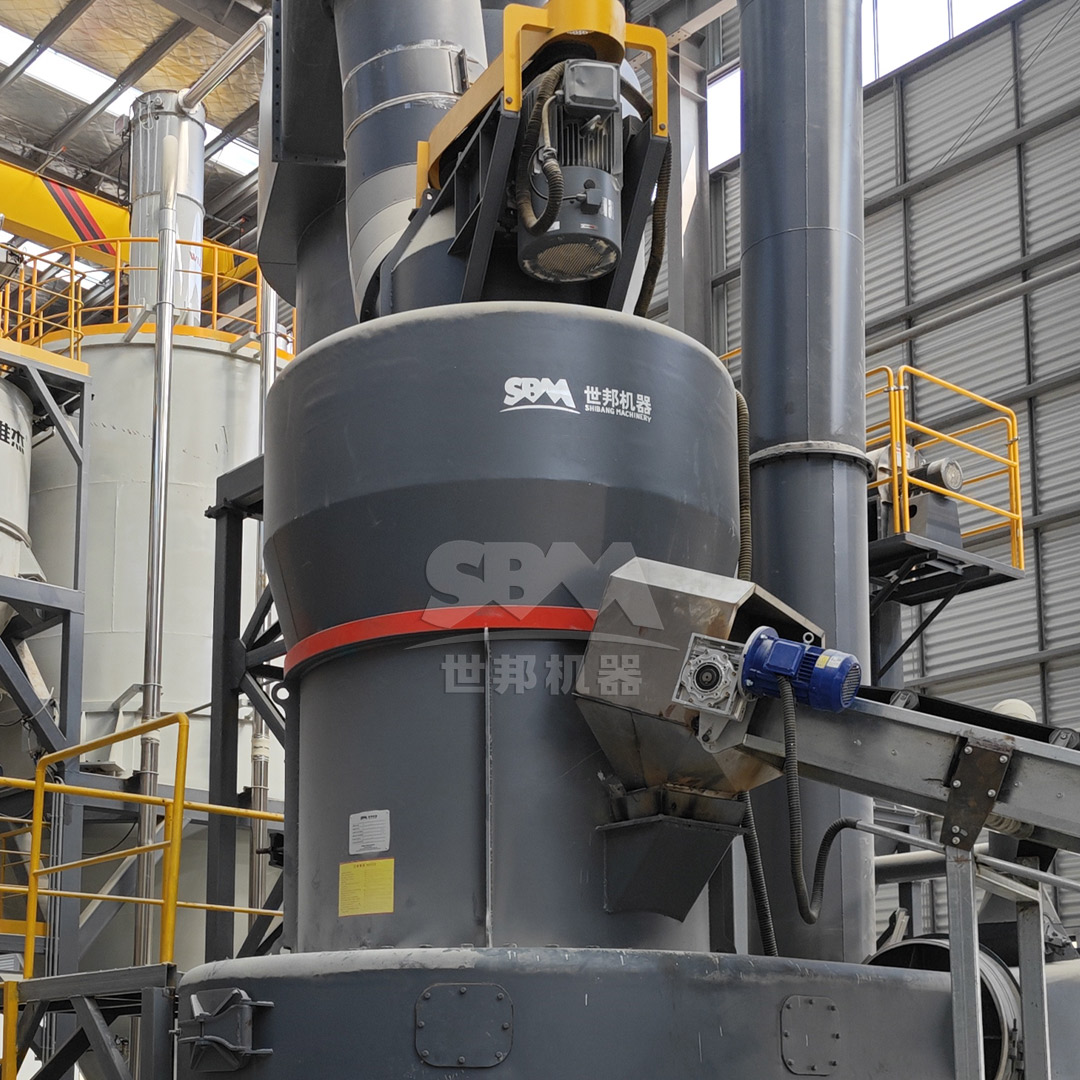
The selection of the grinding mill is the most critical decision, directly impacting product fineness, capacity, energy consumption, and overall operational cost. Different mills serve different fineness ranges.
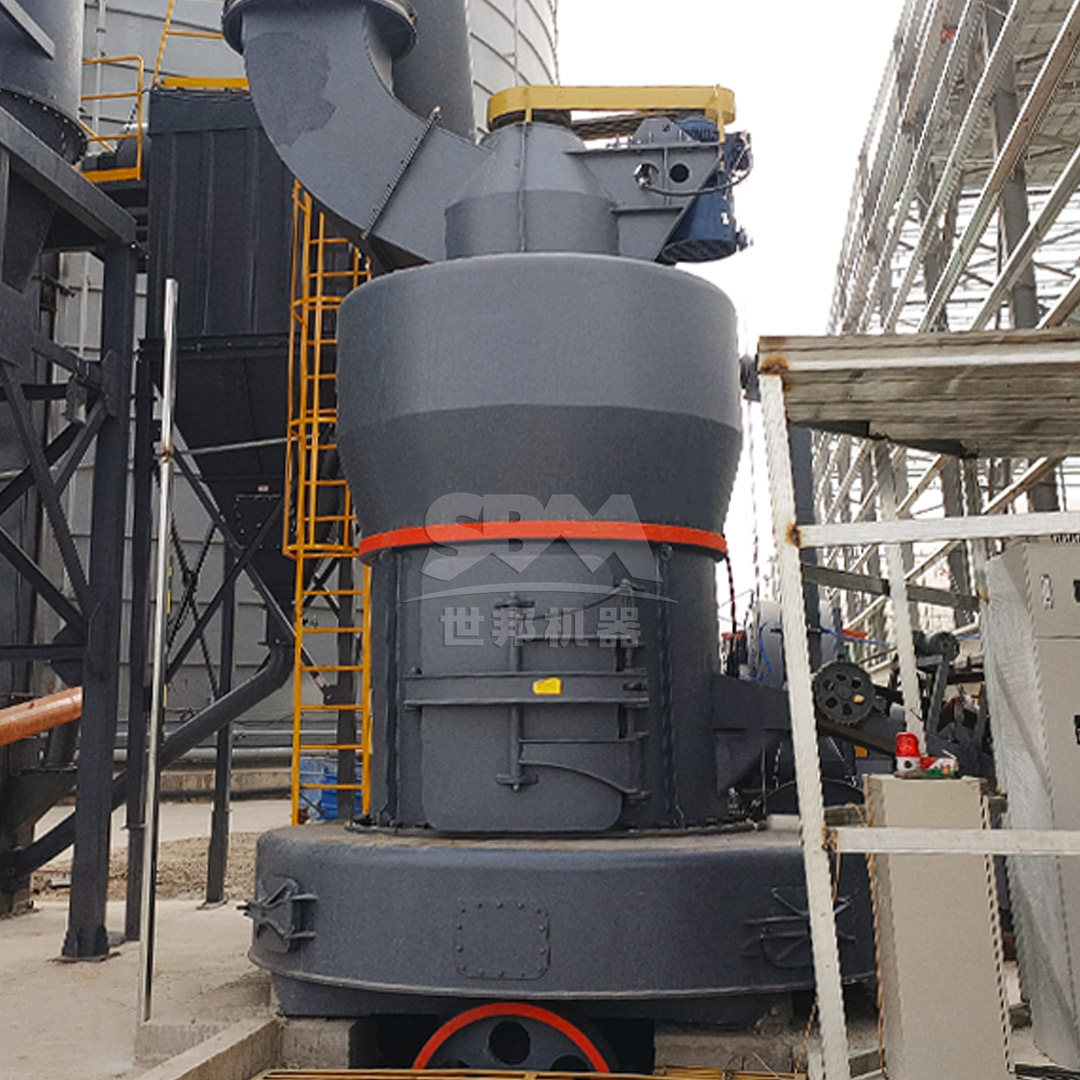
Modern grinding mills often feature integrated dynamic classifiers. These are crucial for controlling the top particle size of the product. By adjusting the speed of the classifier rotor, the cut point can be precisely controlled, ensuring the final powder meets strict specifications. This closed-circuit grinding system enhances efficiency by preventing over-grinding of already qualified fines.
If the raw coal gangue has high moisture content (>5-10%), a drying stage before or during grinding is necessary. Vertical roller mills and some trapezium mills can integrate hot air systems for simultaneous grinding and drying. For standalone drying, rotary dryers are a common and effective solution.
A high-efficiency pulse jet bag filter is non-negotiable for modern plants. It ensures that dust emissions are far below environmental standards while recovering valuable product. The collected powder is then conveyed via screw conveyors or pneumatic conveying systems to storage silos.
For a comprehensive coal gangue powder production line capable of serving multiple market segments, we highly recommend a configuration centered on our flagship grinding solutions.
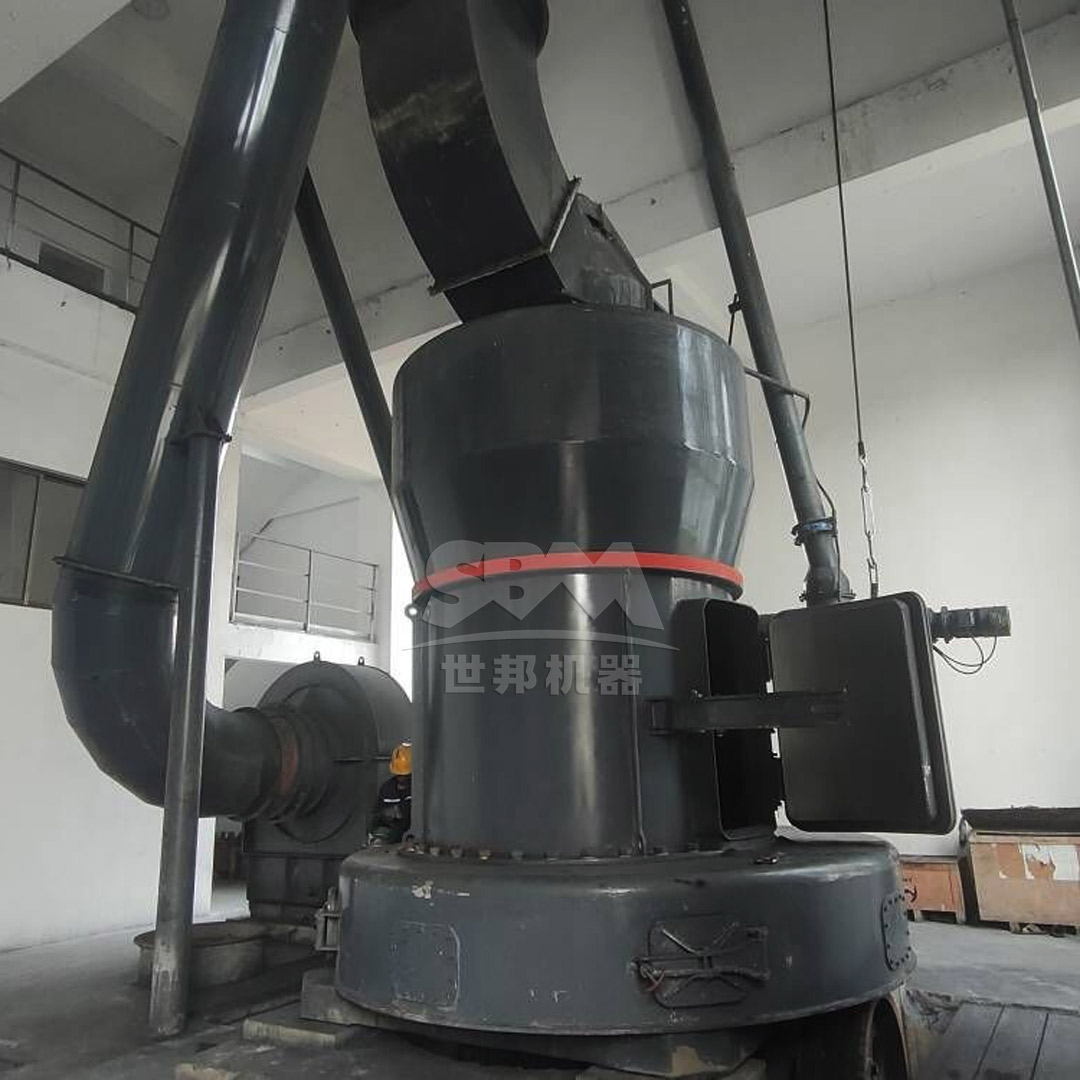
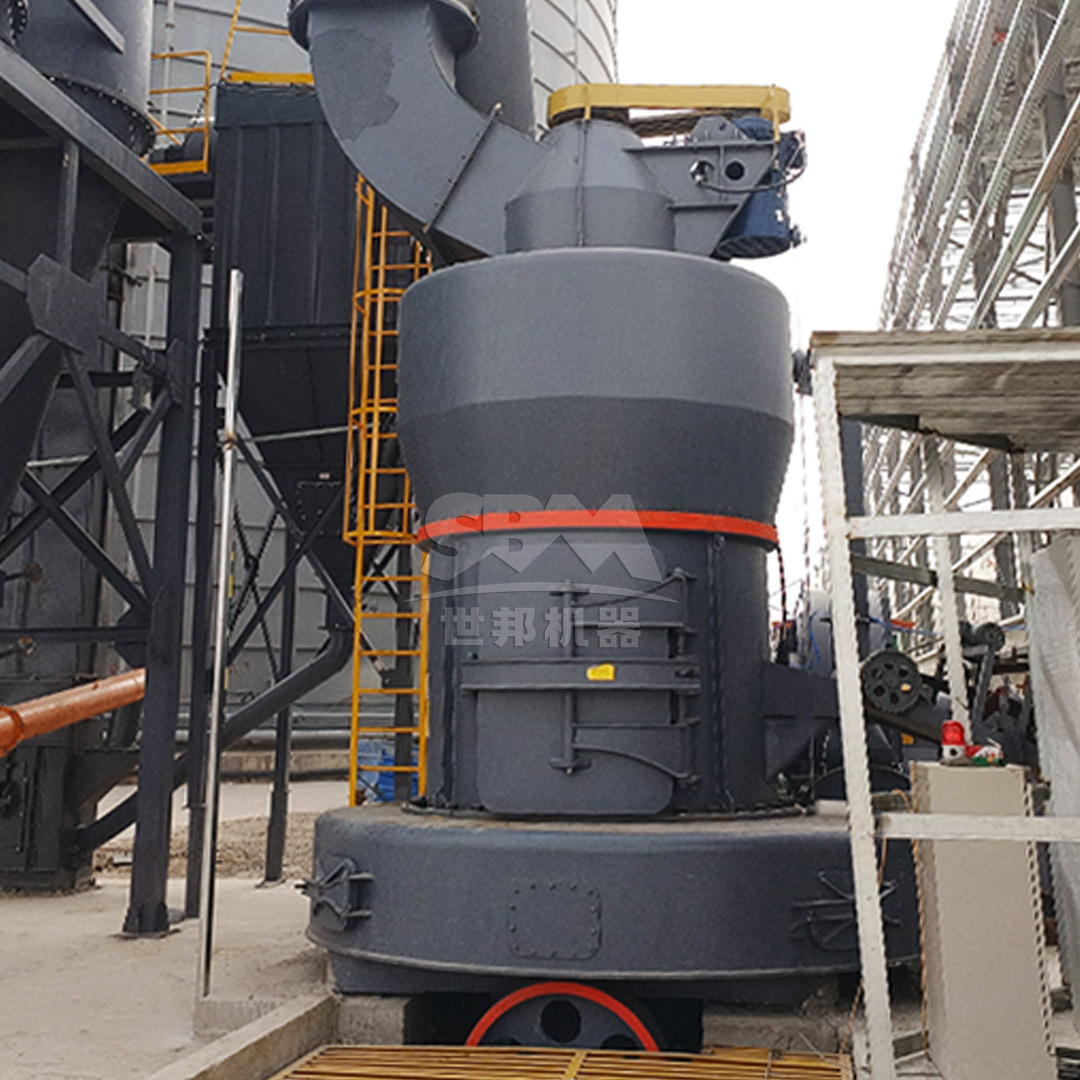
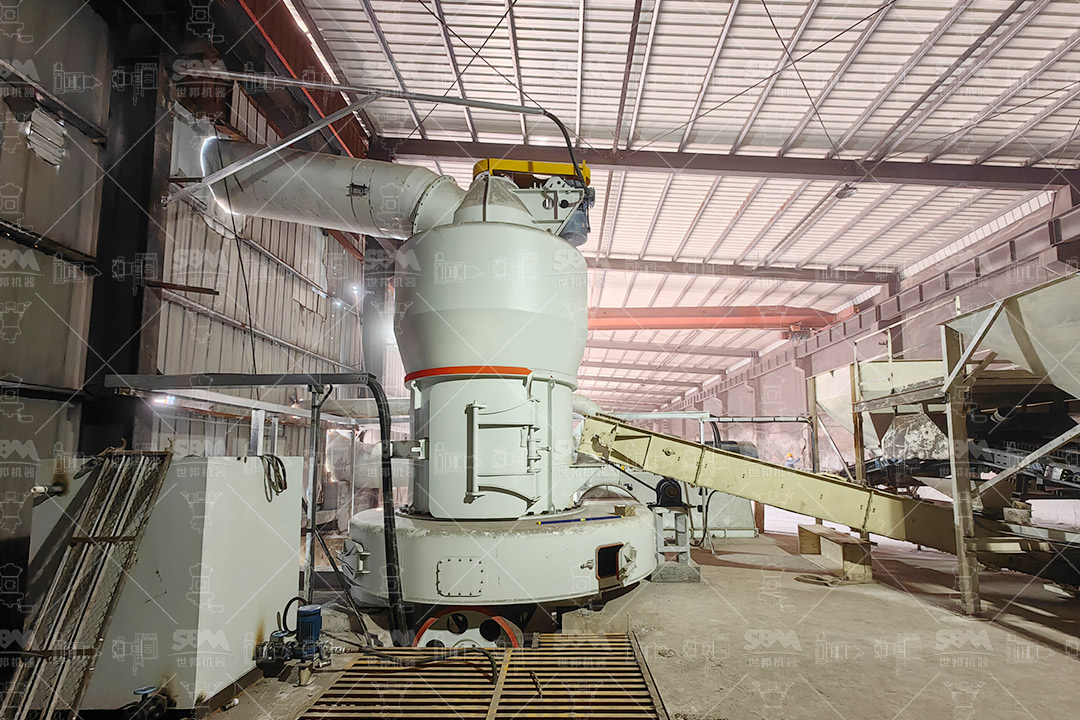
For projects aiming at high-volume production of medium-fineness powder (e.g., for concrete admixtures or aerated blocks), the MTW Series European Trapezium Mill (e.g., Model MTW215G with capacity up to 45 TPH) offers unparalleled reliability and cost-effectiveness. Its wear-resistant design and high transmission efficiency translate to low operating costs and high availability.
For ventures targeting the high-value-added market of ultrafine fillers or functional materials, integrating the SCM Series Ultrafine Mill is essential. A model like the SCM1250, with a capacity of 2.5-14 TPH and the ability to produce powder up to 2500 mesh, provides the technological edge needed. Its eco-friendly and low-noise design, coupled with intelligent control, makes it a future-proof investment.
Designing an efficient coal gangue powder production line requires careful consideration of the raw material characteristics, target product specifications, and desired capacity. The core of this line undoubtedly lies in the selection of the appropriate grinding and classification system. By leveraging advanced technologies like those embodied in the MTW European Mill for coarse-to-medium grinding and the SCM Ultrafine Mill for superfine applications, producers can not only achieve superior product quality and high throughput but also significantly reduce energy consumption and environmental impact. This transforms coal gangue from a waste liability into a profitable and sustainable resource, contributing to the circular economy in the mining and construction sectors.