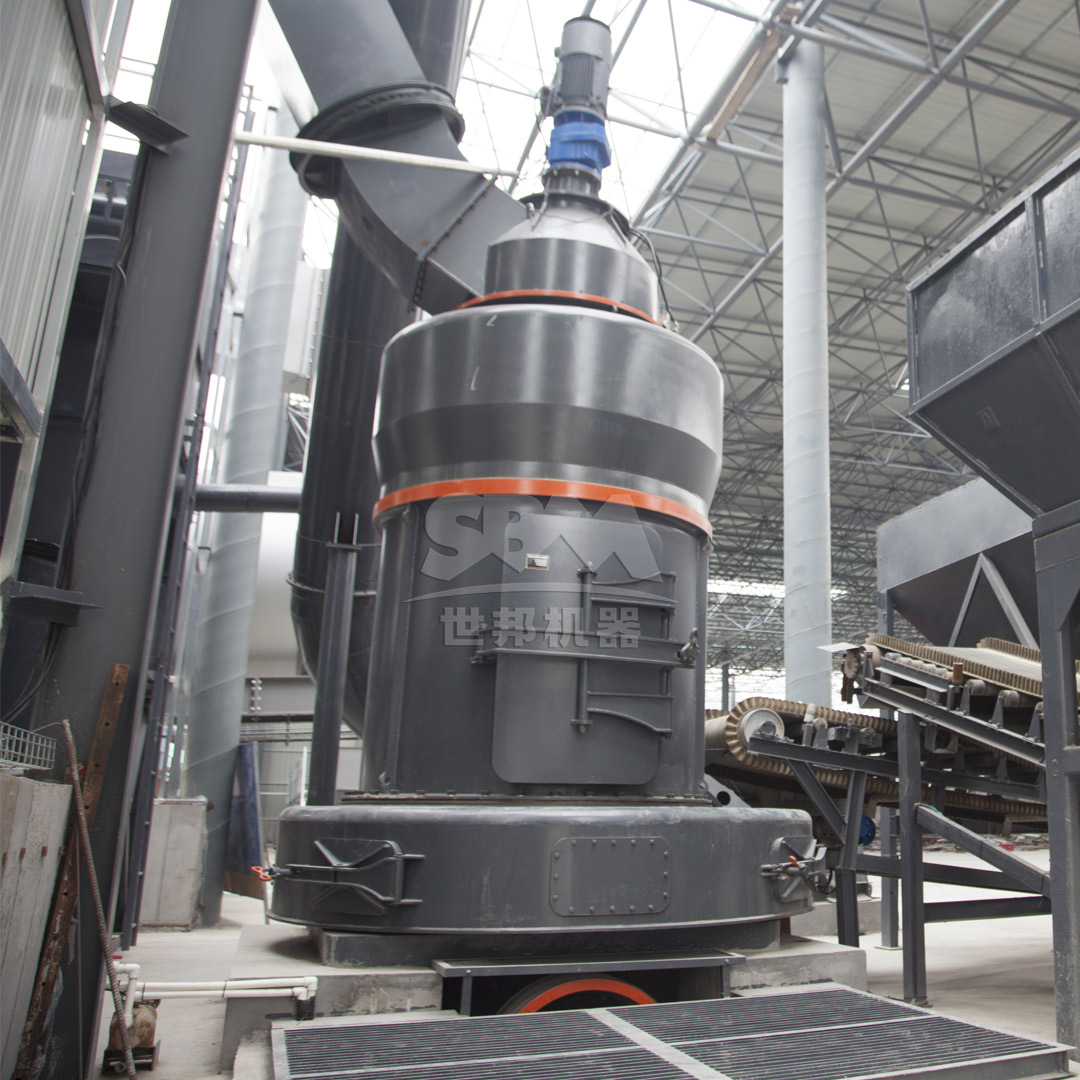
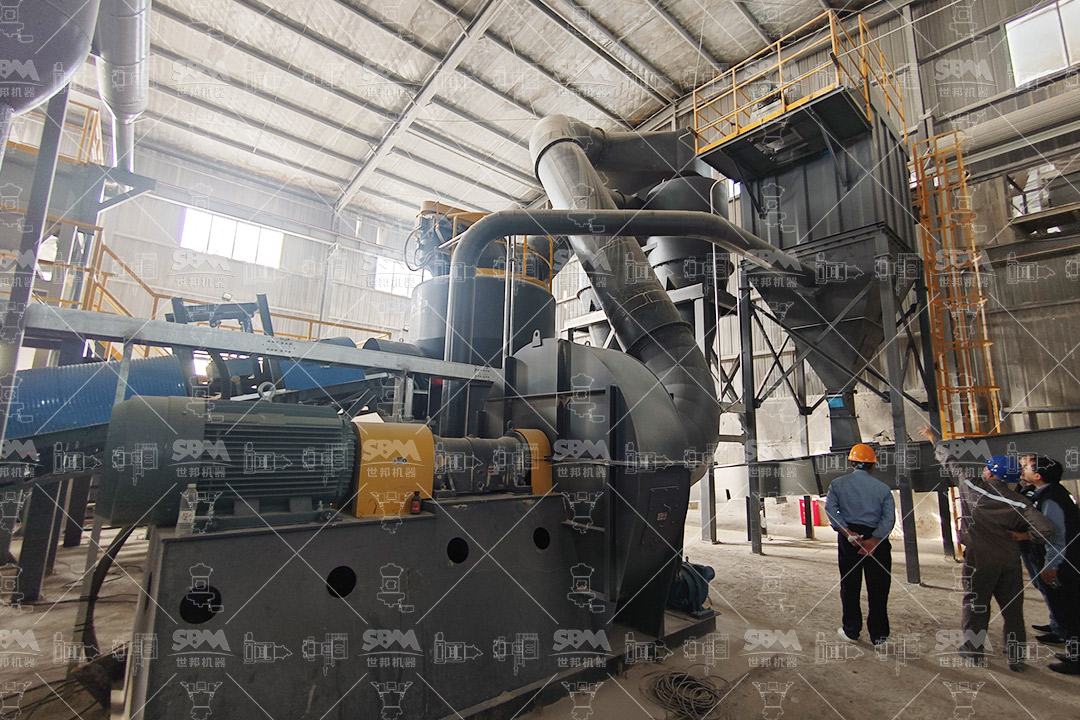
The production of high-quality coating-grade marble powder demands a sophisticated and precise manufacturing process. The powder’s fineness, particle size distribution (PSD), whiteness, and chemical purity are critical parameters that directly influence the performance of architectural paints, industrial coatings, and other composite materials. Achieving these stringent specifications requires a carefully designed production line integrating several key pieces of equipment, each performing a specific function from raw material preparation to final product collection. This article delves into the core processes and essential machinery involved in a modern, efficient coating-grade marble powder production line.
A typical production line can be segmented into four main stages: Primary Crushing, Intermediate Grinding & Drying, Fine & Ultrafine Grinding, and Product Collection & Packaging.
Large marble blocks (≤500mm) from the quarry are first fed into a primary jaw crusher to reduce their size to a manageable dimension (typically ≤50mm). A vibrating screen then separates the crushed material. Oversized particles are returned to the crusher, while the correctly sized material is conveyed to the next stage. This step ensures a consistent feed size for subsequent grinding equipment, which is crucial for stable operation and optimal efficiency.
| Stage | Input Size | Output Size | Key Equipment |
|---|---|---|---|
| Primary Crushing | ≤500mm blocks | ≤50mm | Jaw Crusher, Grizzly Feeder |
| Pre-Screening | ≤50mm | ≤50mm (to next stage) | Vibrating Screen |
The ≤50mm marble fragments may contain surface moisture. They are fed into a grinding mill capable of handling this feed size while simultaneously drying the material if necessary. A hot air generator provides the necessary heat. The mill reduces the marble to a coarse powder (typically 0-10mm or finer) and drives off moisture, preparing a dry, consistently sized feed for the final grinding stage. Efficient drying is vital to prevent clogging and ensure efficient ultrafine grinding later.
This is the most critical stage for achieving the coating-grade fineness, which often ranges from 600 mesh (∼23μm) to 2500 mesh (∼5μm) and requires a very narrow particle size distribution. The pre-ground, dry marble powder is fed into an advanced grinding system. The choice of mill here is paramount. For high-capacity production of powder in the 30-325 mesh (600-45μm) range, a robust and efficient grinding solution is required.
For this application, our MTW Series European Trapezium Mill is an exemplary choice. Engineered with an anti-wear shovel design and optimized arc air duct, it significantly reduces maintenance costs and energy loss. Its integral bevel gear drive achieves up to 98% transmission efficiency. The mill can handle feed sizes up to 50mm and produce powder from 30 to 325 mesh with capacities ranging from 3 to 45 tons per hour, making it ideal for the intermediate-to-fine grinding stage in a high-volume coating powder line.
| Model Example | Capacity (t/h) | Output Fineness | Main Power | Key Advantage |
|---|---|---|---|---|
| MTW215G | 15-45 | 10-325 mesh | 280 kW | High capacity, efficient classification |
| MTW175G | 9.5-25 | 10-325 mesh | 160 kW | Balanced performance for mid-scale lines |
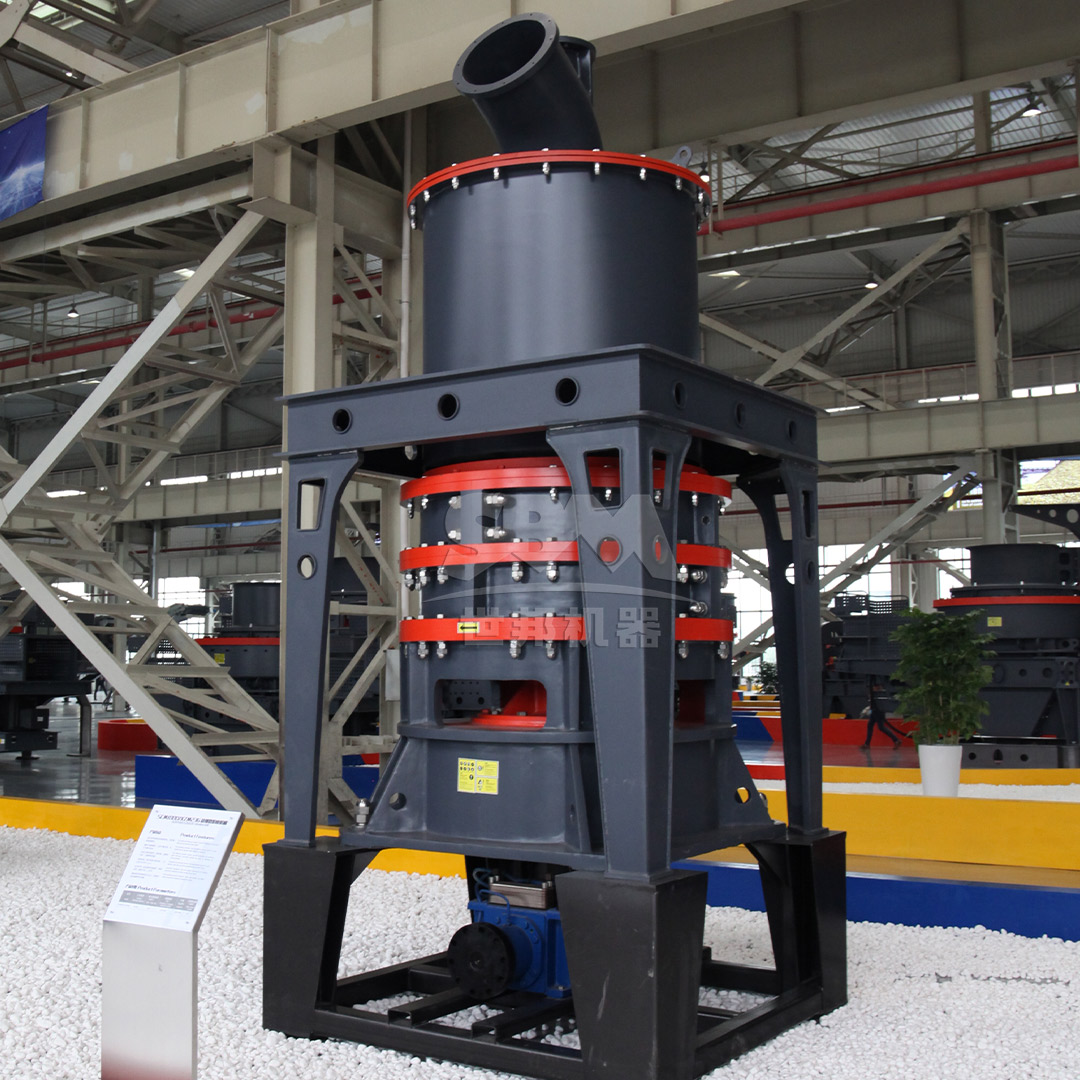
For the final step to produce ultrafine marble powder (325-2500 mesh / 45-5μm) with superior whiteness and uniformity, a specialized ultrafine grinding mill is indispensable. We highly recommend our flagship SCM Series Ultrafine Mill. This mill is specifically designed for producing micron and sub-micron powders. It features a high-precision vertical turbine classifier that ensures precise particle size cutting with no coarse powder mixing. Its high-efficiency design offers capacity twice that of jet mills while consuming 30% less energy. The durable design with special material rollers and rings extends service life dramatically. For a coating-grade marble powder line aiming for the finest products, the SCM series is the optimal technological solution.
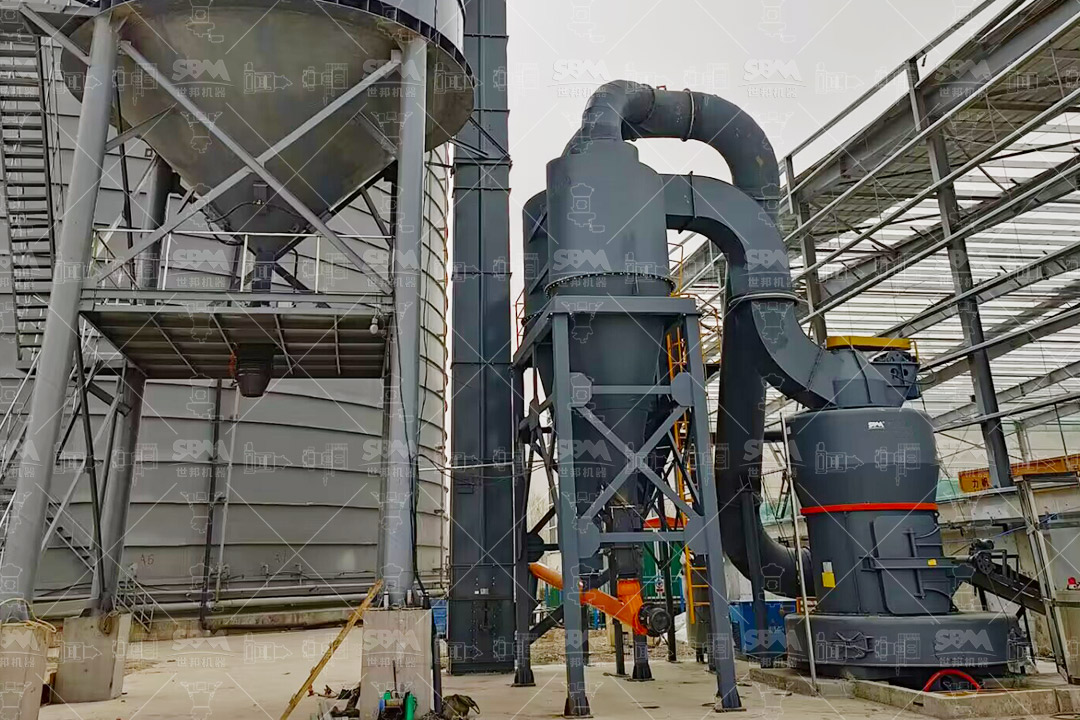
The fine powder from the grinding mill is transported by an air stream to a collection system. A high-efficiency cyclone collector separates the bulk of the product from the air. The air then passes through a pulse-jet baghouse dust collector to capture any remaining fines, ensuring emission standards are met and maximizing product yield. For lines requiring multiple product cuts, an independent air classifier can be installed after the mill to precisely separate particles into different fineness grades. The final, collected powder is conveyed to silos and then to automated packaging machines for bagging or big-bag filling.
Selecting the right equipment is not just about capacity; it’s about quality, efficiency, and total cost of ownership.
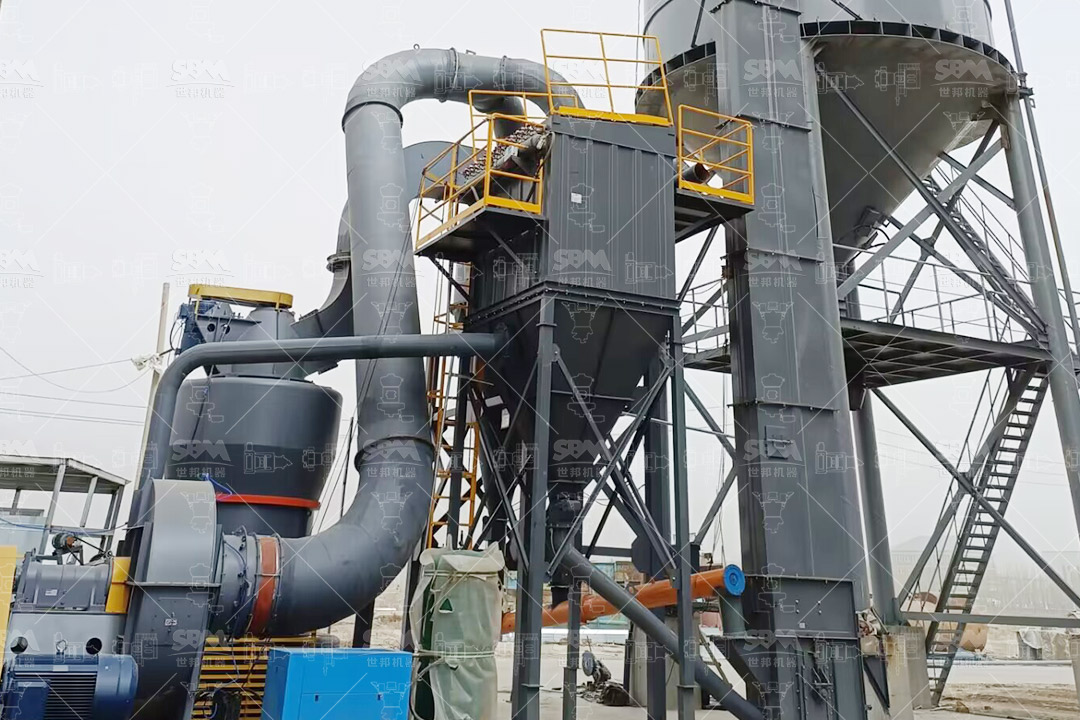
Building a successful coating-grade marble powder production line is a complex engineering task that hinges on the correct selection and integration of process equipment. The journey from raw block to premium powder involves staged size reduction, precise classification, and efficient collection. While each component plays a role, the heart of the line lies in the fine and ultrafine grinding stages. Investing in advanced, efficient, and reliable grinding technology—such as the MTW Series European Trapezium Mill for high-capacity fine grinding and the SCM Series Ultrafine Mill for top-tier ultrafine products—is the surest way to achieve the stringent quality specifications of the coating industry while maintaining operational profitability and environmental sustainability. A well-designed line based on this process flow and equipment philosophy will deliver consistent, high-value marble powder for demanding global markets.