Limestone grinding operations are fundamental processes in various industries, including construction, agriculture, and chemical manufacturing. However, these operations often encounter challenges that can impact efficiency, product quality, and operational costs. This article explores common problems in limestone grinding and presents effective solutions, with a focus on advanced grinding technologies that can optimize performance.
One of the most frequent issues in limestone grinding is achieving consistent product fineness. Variations in feed material characteristics, such as moisture content and hardness, can lead to fluctuations in the final product’s particle size distribution.
Problem Analysis: Traditional grinding mills often struggle to maintain consistent fineness due to limitations in their classification systems. When the classification efficiency is low, coarse particles may contaminate the final product, while over-grinding can occur when fine particles are not efficiently separated.
Solution: Implementing advanced grinding systems with precision classification technology is crucial. Modern mills incorporate high-efficiency classifiers that provide accurate particle size separation, ensuring consistent product quality.
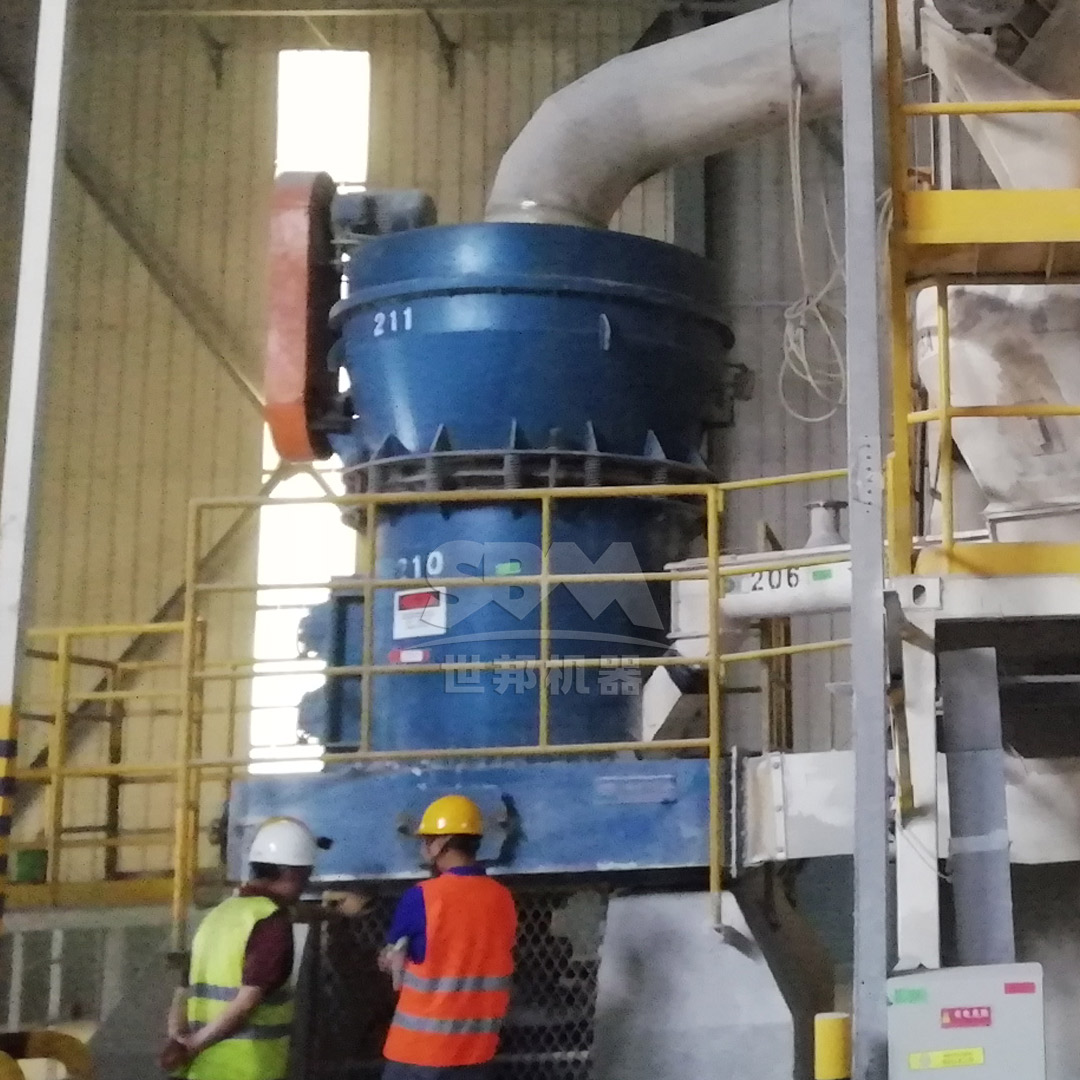
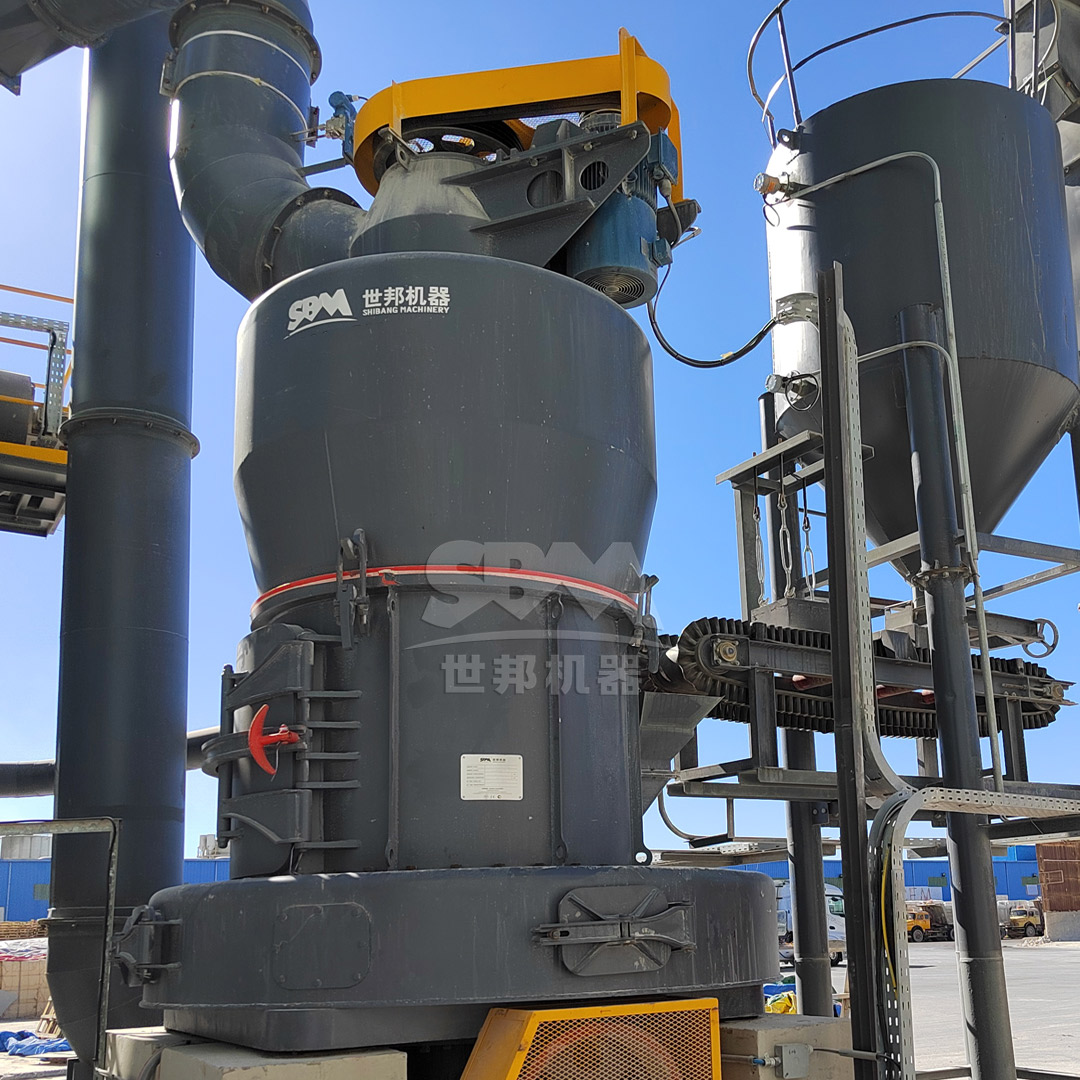
For operations requiring ultra-fine limestone powder (325-2500 mesh), the SCM Ultrafine Mill offers an excellent solution with its vertical turbine classifier that enables precise particle size control. This system ensures no coarse powder mixing into the final product, delivering uniform fineness with D97 ≤ 5μm capability.
| Problem | Traditional Approach | Advanced Solution | Benefits |
|---|---|---|---|
| Inconsistent fineness | Manual adjustment of classifiers | Automated precision classification | Consistent product quality |
| Coarse particle contamination | Additional screening steps | Integrated high-efficiency separation | Reduced reprocessing |
| Over-grinding | Acceptance of energy waste | Smart particle size control | Energy savings up to 30% |
Energy consumption represents a significant portion of operating costs in limestone grinding operations. Many facilities struggle with inefficient grinding processes that consume excessive power while delivering suboptimal output.
Problem Analysis: Conventional ball mills and older grinding technologies often operate with low energy efficiency due to mechanical limitations and outdated design principles. The energy utilization rate in traditional systems can be as low as 1-2%, with most energy converted to heat and noise rather than effective size reduction.
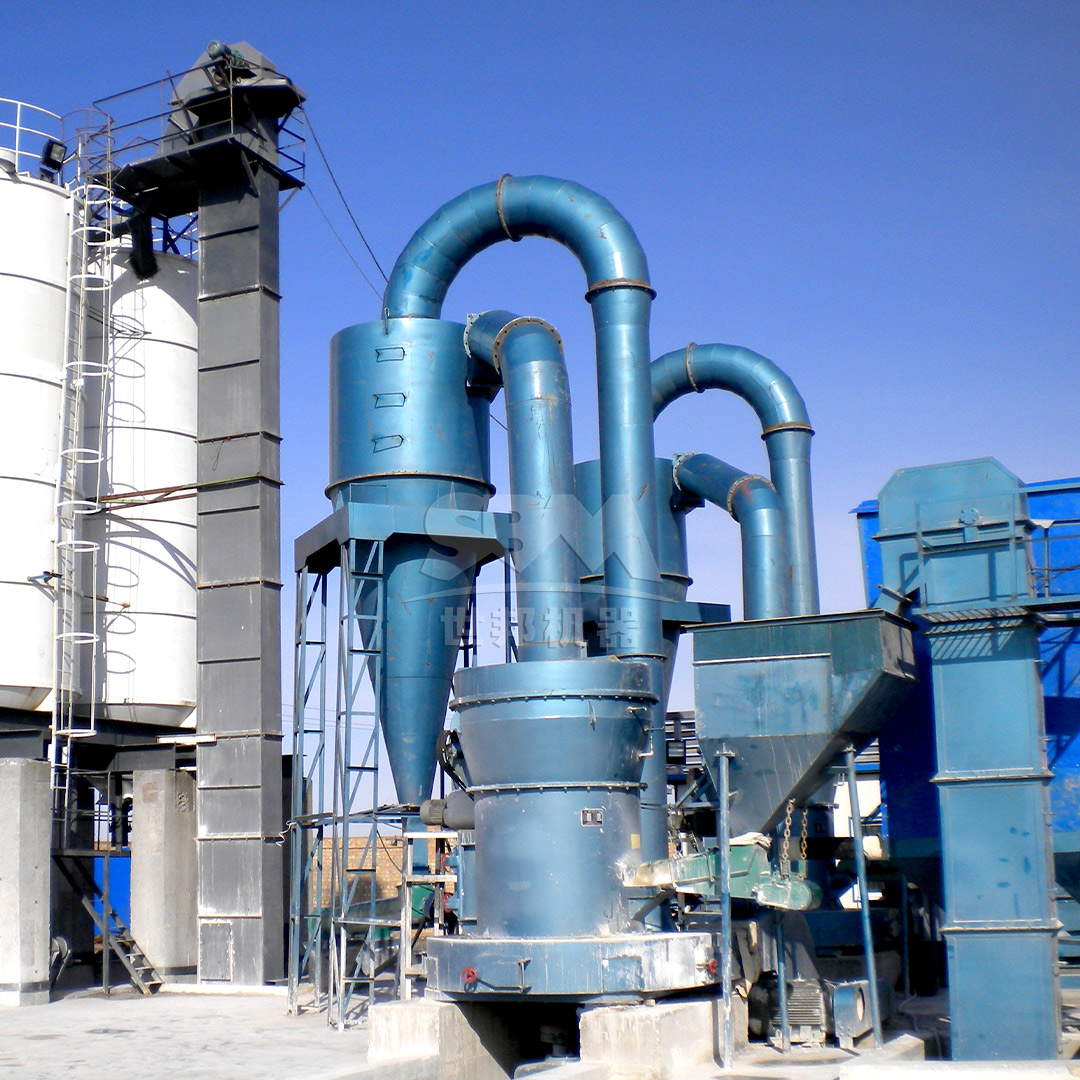
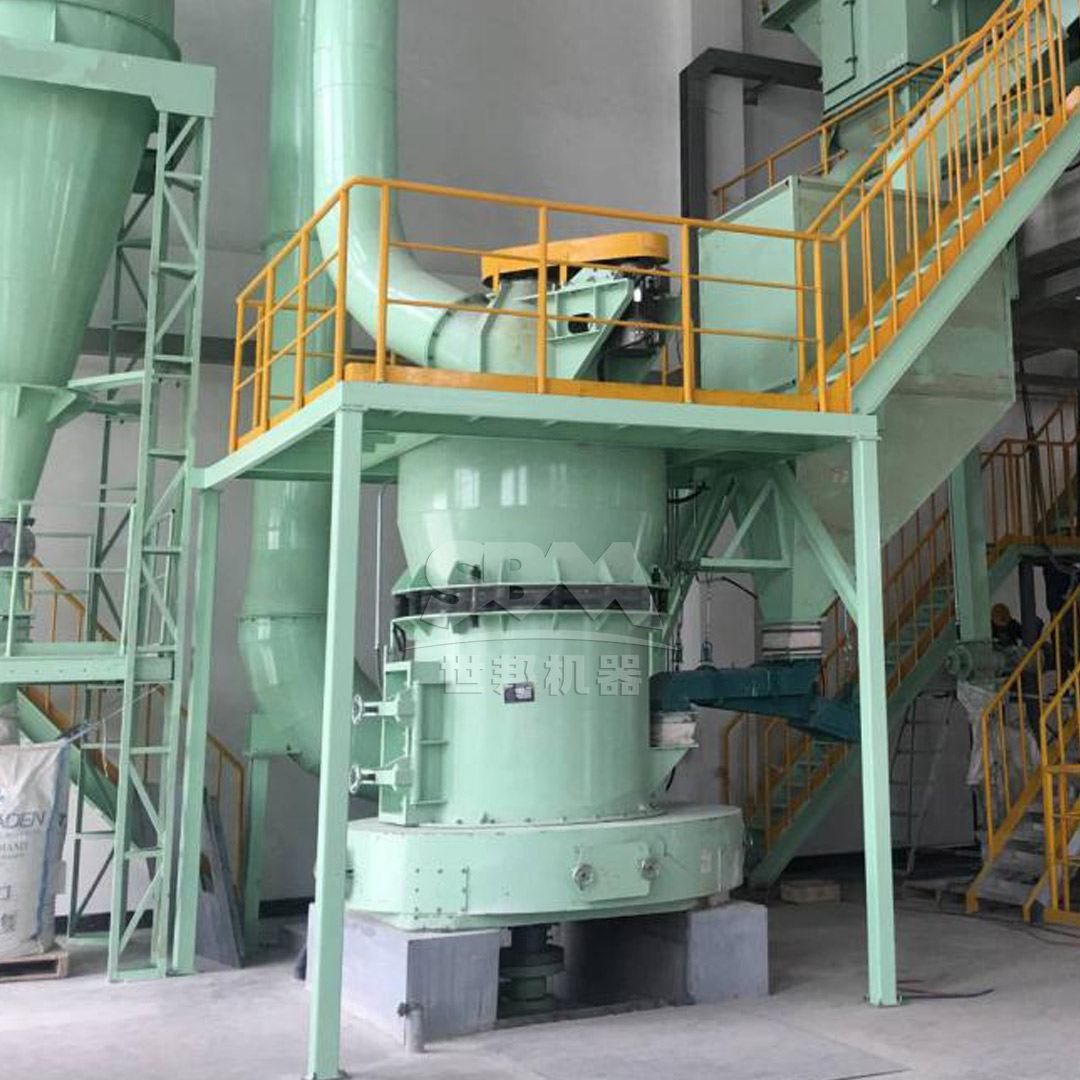
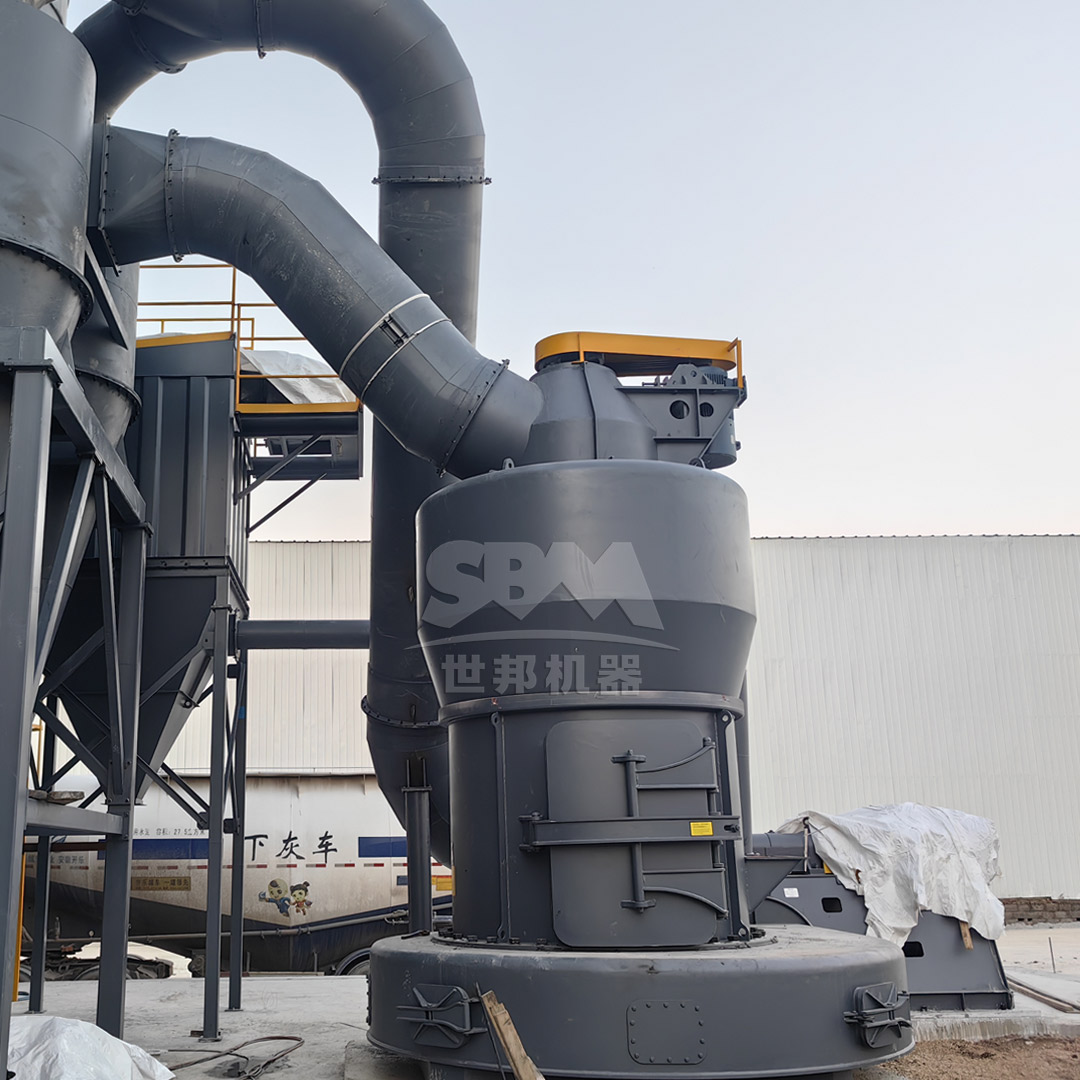
Solution: Modern grinding technologies utilize advanced principles such as material bed compression and optimized grinding geometry to maximize energy efficiency. The MTW Series Trapezium Mill addresses these challenges with its curved air duct design that reduces airflow resistance and energy loss. With transmission efficiency reaching 98% through its integral gear drive system, this mill can process 3-45 tons per hour while significantly reducing power consumption compared to conventional systems.
The abrasive nature of limestone causes rapid wear of grinding components, leading to frequent maintenance downtime and replacement costs.
Problem Analysis: Grinding elements such as rollers, rings, and liners experience significant wear when processing abrasive materials like limestone. This wear not only increases maintenance costs but also gradually reduces grinding efficiency as component geometries change.
Solution: Utilizing wear-resistant materials and optimized component designs can dramatically extend service life. Special alloy compositions and heat treatment processes can increase component lifespan by 3-5 times compared to standard materials.
The MTW Series Trapezium Mill incorporates wear-resistant shovel blades with curved designs that extend service life while reducing maintenance costs. The combination of special material rollers and grinding rings provides exceptional durability in limestone applications.
Material handling problems, including blockages in feed systems and improper material flow, can disrupt continuous operation and reduce overall efficiency.
Problem Analysis: Limestone’s varying moisture content and particle size distribution can lead to bridging, clogging, and uneven feed rates. These issues are particularly problematic in systems not designed to handle the specific characteristics of the processed material.
Solution: Proper system design with appropriate material handling components is essential. This includes correctly sized feeders, optimized chute designs, and moisture management systems. Additionally, grinding systems should incorporate features that prevent material accumulation and ensure smooth flow.
Dust emissions and noise pollution present significant environmental challenges in limestone grinding operations, with regulatory requirements becoming increasingly stringent.
Problem Analysis: Traditional open-circuit grinding systems and inadequate dust collection can result in visible emissions that exceed regulatory limits. Noise levels from mechanical impacts and high-speed rotating components can also create workplace and environmental concerns.
Solution: Modern grinding systems integrate comprehensive environmental controls, including high-efficiency pulse dust collectors and noise reduction technologies. The SCM Ultrafine Mill, for example, features pulse dust collection with efficiency exceeding international standards and acoustic insulation that maintains noise levels below 75dB.
| Environmental Concern | Traditional Systems | Modern Solutions | Performance Improvement |
|---|---|---|---|
| Dust emissions | Bag filters with 95-98% efficiency | Pulse jet collectors with 99.9%+ efficiency | Dust concentration < 20mg/m³ |
| Noise pollution | 85-100 dB operating noise | Integrated acoustic insulation | Noise reduction to ≤75 dB |
| Energy consumption | High specific energy use | Optimized grinding mechanics | 30-40% reduction in power use |
Many limestone grinding operations face challenges in scaling production to meet increasing demand or in optimizing existing equipment for higher throughput.
Problem Analysis: Equipment selection based on immediate needs without considering future requirements often leads to capacity constraints. Additionally, older grinding systems may lack the flexibility to efficiently process varying feed rates and material characteristics.
Solution: Selecting equipment with appropriate capacity ranges and scalability features ensures long-term operational flexibility. The comprehensive model range of both SCM Ultrafine Mill (0.5-25 t/h) and MTW Series Trapezium Mill (3-45 t/h) provides options for operations of various scales, with the ability to upgrade components to increase capacity as needed.
Variations in limestone moisture content can significantly impact grinding efficiency and product quality, particularly in fine grinding applications.
Problem Analysis: High moisture content can lead to material adhesion to grinding components, reduced classification efficiency, and potential system blockages. Conversely, extremely dry materials may generate excessive dust and static electricity.
Solution: Modern grinding systems incorporate features to handle moisture variations, including optimized airflow patterns, heating options for wetter materials, and conditioning systems for very dry feeds. Proper system design considers the expected moisture range of the feed material and includes appropriate handling and processing elements.
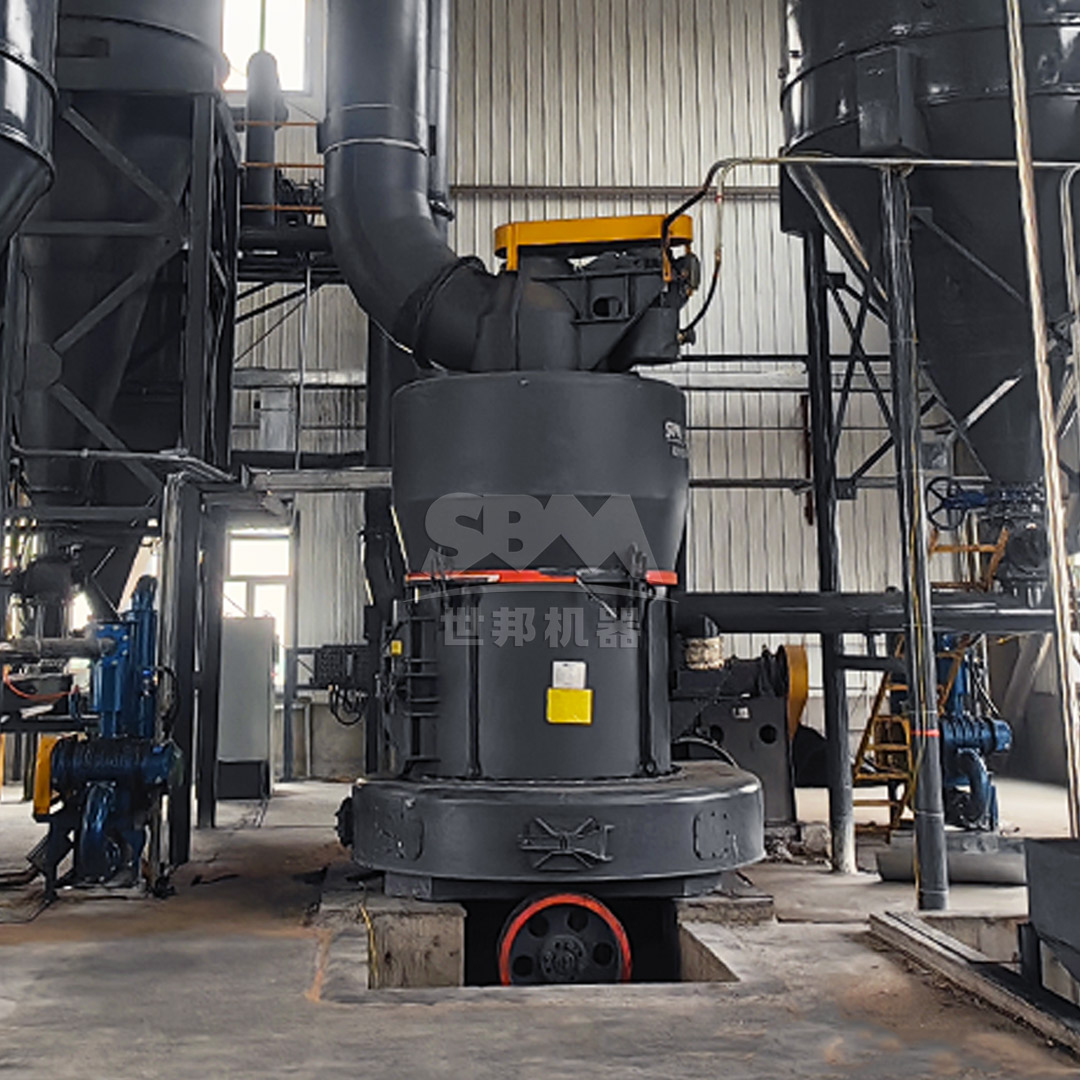
Addressing common problems in limestone grinding operations requires a comprehensive approach that combines proper equipment selection, optimized system design, and regular maintenance practices. Modern grinding technologies like the SCM Ultrafine Mill and MTW Series Trapezium Mill offer advanced solutions to these challenges, delivering improved efficiency, product quality, and environmental performance.
By understanding these common issues and implementing the appropriate solutions, operators can significantly enhance their limestone grinding operations’ reliability and profitability while meeting increasingly stringent quality and environmental standards.