The journey from raw copper ore to the fine powders essential for modern metallurgy, chemical synthesis, and advanced material production hinges on one critical process: grinding. Efficient comminution of copper ore is paramount, as it directly influences downstream recovery rates, energy consumption, and the quality of the final concentrate or powder. Selecting the optimal grinding equipment is not merely a technical decision but a strategic one that impacts the entire production line’s economics and environmental footprint. This article delves into the technological considerations for copper ore grinding and highlights advanced milling solutions designed to meet the stringent demands of high-efficiency, high-yield powder production.
Copper ores, whether sulfide minerals like chalcopyrite or oxide minerals like malachite, present unique challenges for size reduction. Their often heterogeneous hardness, abrasiveness, and moisture content demand robust and adaptable grinding technology. The primary objectives are to achieve a target particle size distribution (PSD) that maximizes mineral liberation for flotation or leaching while minimizing over-grinding, which wastes energy and can create problematic slimes. Furthermore, the grinding process must be energy-efficient, reliable, and capable of handling varying feed sizes and throughputs, from pilot-scale projects to massive mining operations.
Historically, ball mills have been the workhorse of mineral grinding. Their simple principle—using tumbling steel balls to impact and abrade ore within a rotating cylinder—offers reliability and a wide size reduction range. However, their inherent inefficiency, with significant energy lost to heat and noise, has driven innovation. Modern grinding technology emphasizes the \”particle-bed comminution\” principle, where pressure is applied to a bed of particles rather than relying solely on impact. This method, employed in advanced vertical roller mills and roller presses, dramatically improves energy efficiency and offers superior control over the final product’s fineness.
The choice of grinding mill depends heavily on the required final product size, capacity, and system integration needs. For coarse to medium grinding (outputs above 325 mesh/45μm), robust and high-capacity mills are essential. For producing ultra-fine copper powders (below 325 mesh), specialized equipment with precise classification systems is required.
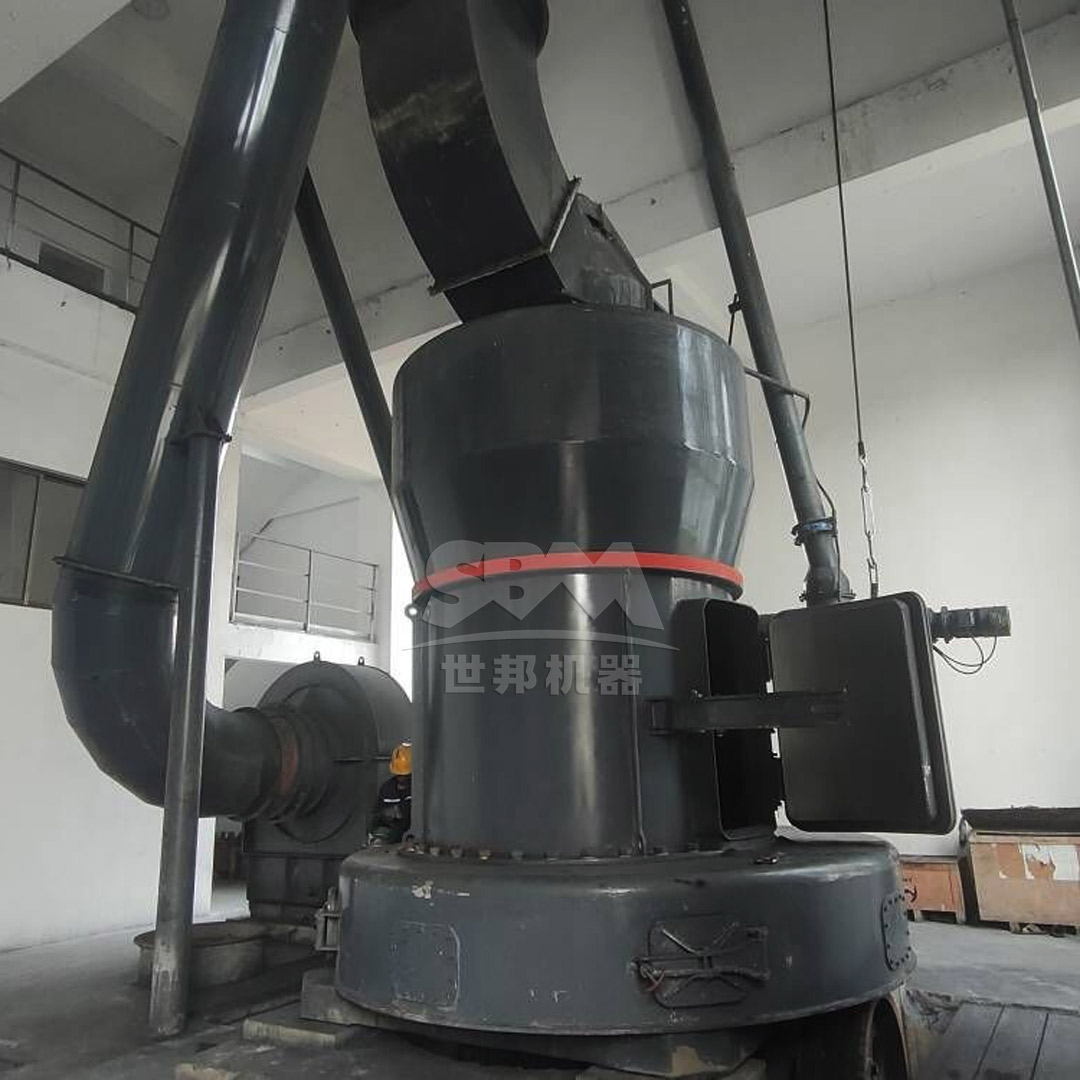
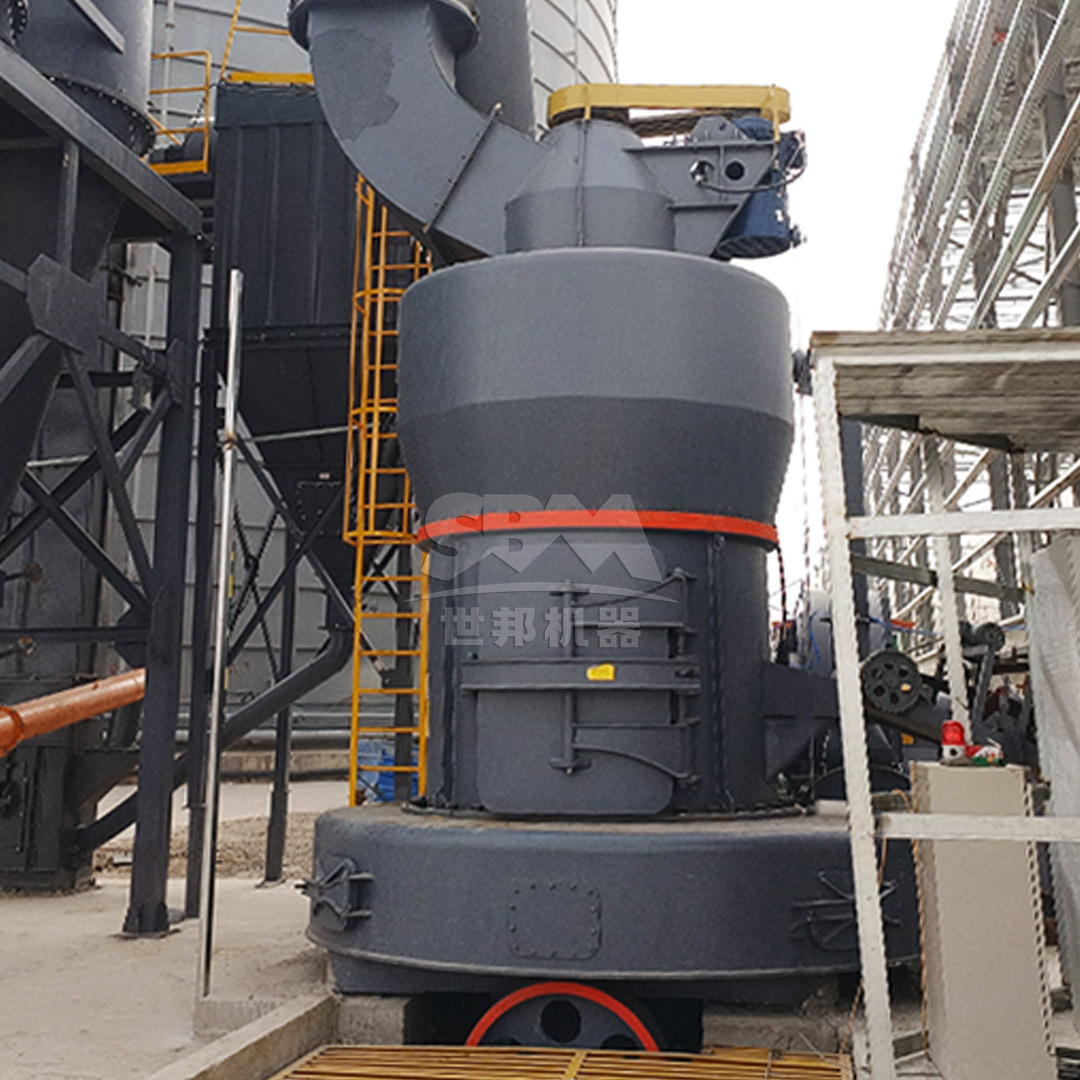
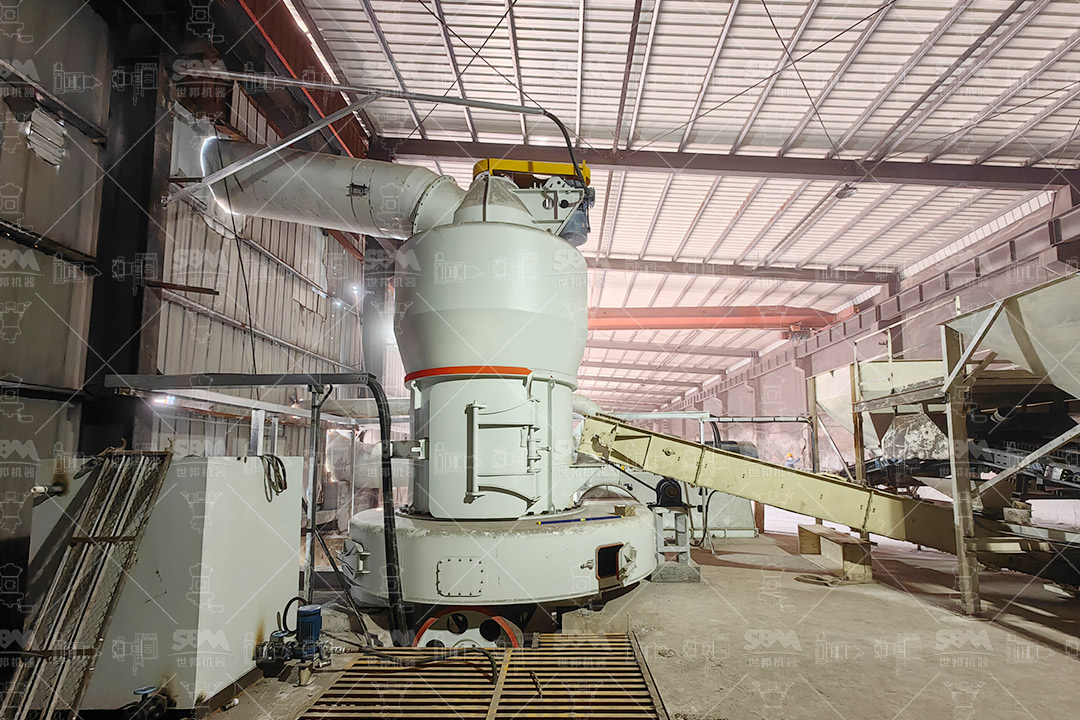
When the application requires high-volume production of copper powder in the 30 to 325 mesh range (0.6mm to 45μm), the MTW Series Trapezium Mill represents a state-of-the-art solution. Engineered for durability and efficiency, this mill is ideal for processing copper ore feed sizes up to 50mm at capacities ranging from 3 to 45 tons per hour.
Its technological advantages directly address the challenges of copper ore grinding:
For large-scale copper concentrate or powder preparation plants, models like the MTW215G, with a capacity of 15-45 TPH and a main motor power of 280kW, provide the necessary throughput and reliability to form the backbone of the grinding circuit.
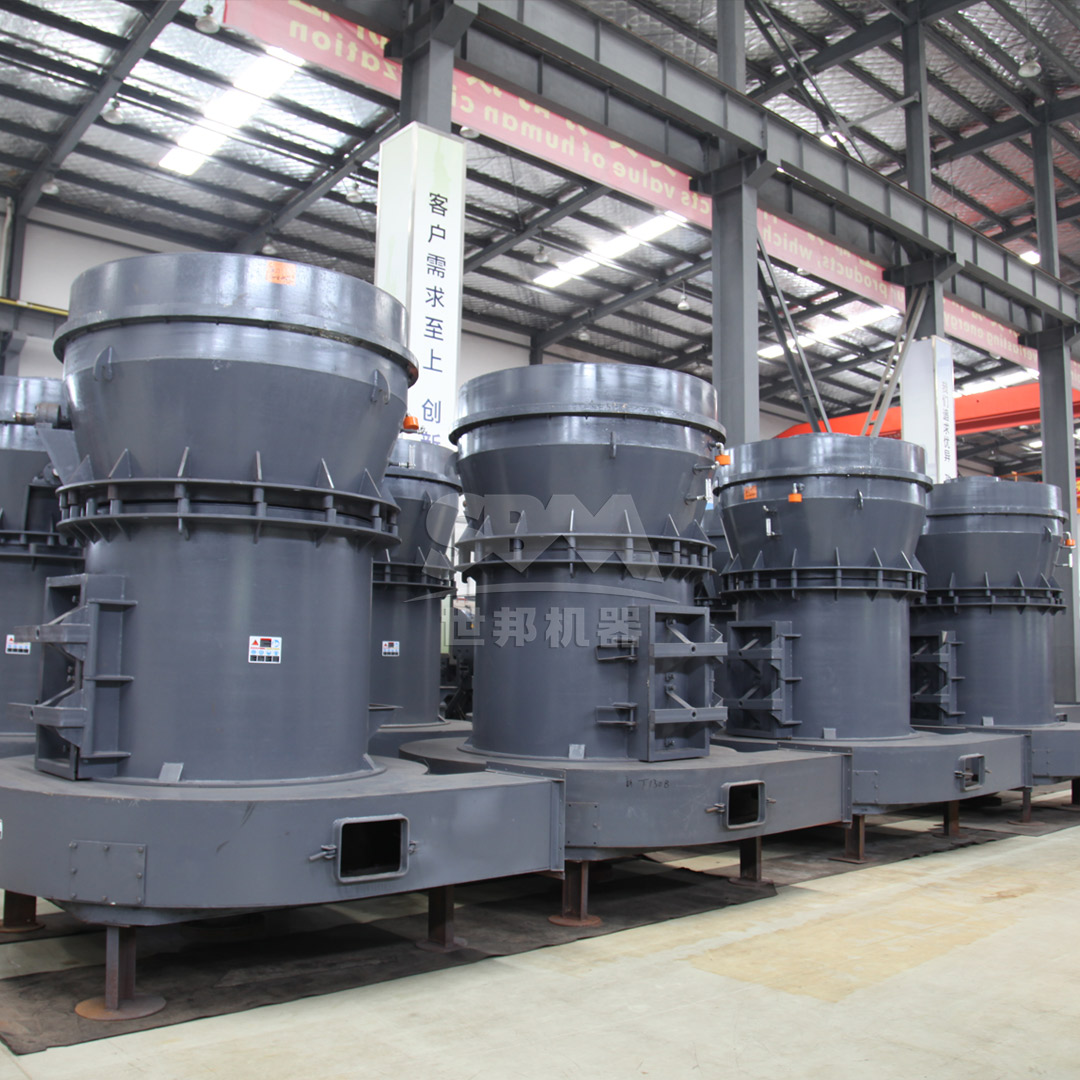
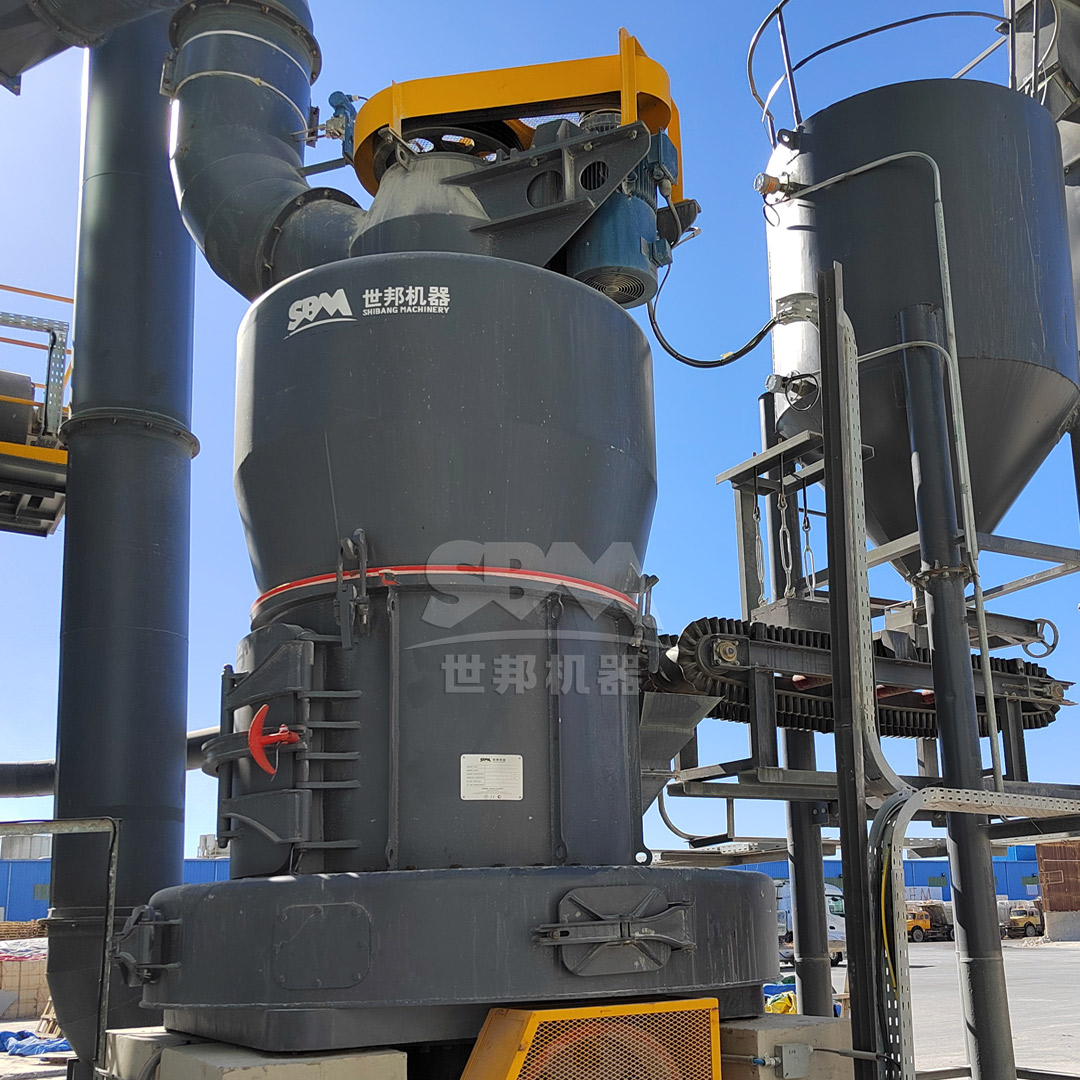
Many advanced applications, such as the production of copper-based catalysts, conductive inks, or specialty chemicals, demand copper powders with a fineness of 325 to 2500 mesh (45 down to 5μm). Achieving this level of fineness efficiently requires a mill designed specifically for ultra-fine processing. The SCM Ultrafine Mill is engineered to excel in this domain.
This mill transforms ≤20mm copper ore feed into exceptionally fine and uniform powder with remarkable efficiency:
The SCM series offers scalable models to match production needs. For instance, the SCM1250 model, with a processing capacity of 2.5-14 tons per hour and a 185kW main motor, is an excellent choice for medium to large-scale production of ultra-fine copper powder. Its ability to reliably produce D97 ≤ 5μm powder makes it an indispensable tool for adding value to copper products.
| Model | Processing Capacity (ton/h) | Main Motor Power (kW) | Feed Size (mm) | Output Fineness (mesh) |
|---|---|---|---|---|
| SCM800 | 0.5 – 4.5 | 75 | ≤20 | 325-2500 |
| SCM900 | 0.8 – 6.5 | 90 | ≤20 | 325-2500 |
| SCM1000 | 1.0 – 8.5 | 132 | ≤20 | 325-2500 |
| SCM1250 | 2.5 – 14 | 185 | ≤20 | 325-2500 |
| SCM1680 | 5.0 – 25 | 315 | ≤20 | 325-2500 |
An efficient grinding circuit is more than just a mill. It is an integrated system that includes feeding, classification, collection, and dust control. Pairing the primary grinder with a pre-crusher (like a hammer mill to reduce feed to <20mm) and a high-efficiency classifier is crucial. Furthermore, implementing advanced process control systems to monitor power draw, feed rate, and classifier speed can optimize the grind in real-time, maximizing yield and consistency.
Regular maintenance focused on wear parts inspection (rollers, rings, liners) and lubrication system checks is essential for sustained performance. The modular design of modern mills like the SCM and MTW series significantly simplifies these maintenance tasks, reducing operational downtime.
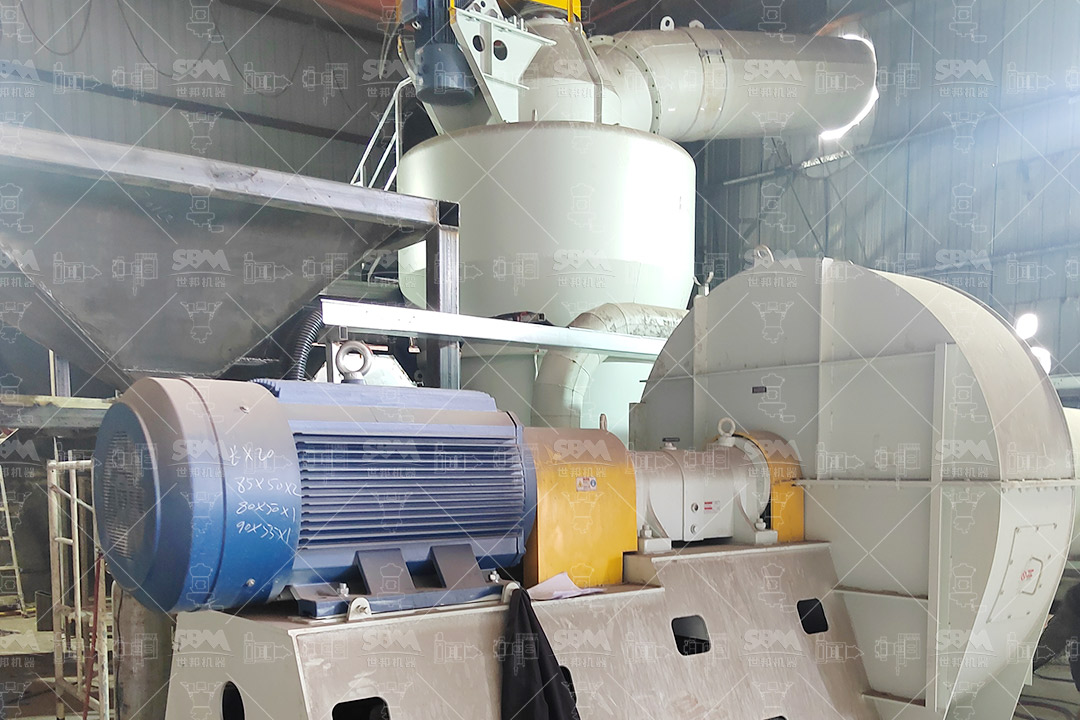
In the competitive landscape of copper production, efficiency and product quality are non-negotiable. The transition from traditional, energy-intensive grinding methods to advanced, precision-engineered mills is a decisive step toward sustainable and profitable operations. Equipment like the MTW Series Trapezium Mill for high-volume medium-fine grinding and the SCM Ultrafine Mill for producing high-value superfine powders represent the cutting edge of this technology. By investing in such key equipment, copper processors can ensure efficient powder production, reduce their environmental impact, and unlock new opportunities in advanced material markets, securing a strong position for the future.