The efficient extraction of copper from its ores is a complex and capital-intensive process that relies heavily on a well-designed sequence of specialized machinery. From the primary fragmentation of run-of-mine rock to the liberation of copper minerals and their final concentration, each stage requires equipment engineered for specific tasks. This guide provides a comprehensive overview of the core machinery used in modern copper ore processing plants, covering crushing, grinding, and separation technologies. Understanding the function, selection criteria, and operational principles of this equipment is crucial for optimizing recovery rates, minimizing energy consumption, and ensuring plant profitability.
The journey of copper ore begins with crushing, where large blocks (often up to 1.5 meters in diameter) are reduced to a manageable size for the subsequent grinding circuit. The crushing stage is typically a multi-step process involving primary, secondary, and sometimes tertiary crushers.
Primary crushers handle the initial, coarse reduction. Jaw Crushers use a fixed and a moving jaw to compress and break rock, ideal for medium-hard ores and plants with lower capacity requirements. Gyratory Crushers, with a conical head gyrating within a concave bowl, are the workhorses for high-tonnage operations, offering greater capacity and continuous crushing action compared to the cyclical action of jaw crushers.
| Crusher Type | Typical Feed Size | Typical Product Size | Key Application |
|---|---|---|---|
| Jaw Crusher | ≤1.5m | 150-300mm | Primary, medium-capacity plants |
| Gyratory Crusher | ≤1.5m | 200-250mm | Primary, high-capacity plants |
| Cone Crusher | ≤250mm | 20-50mm | Secondary/Tertiary crushing |
| Impact Crusher/Hammer Mill | ≤800mm | 0-20mm | Secondary, for softer ores |
Secondary crushers further reduce the ore to a size suitable for grinding mills. Cone Crushers are the most common choice, utilizing a similar compression principle as gyratory crushers but on a smaller scale, producing a well-shaped, cubical product. For softer ores, Impact Crushers or Hammer Mills can be used, where rapid impact fractures the rock. Tertiary crushing, often using finer cone crushers, may be employed to achieve a very uniform feed (e.g., 10-15mm) for the grinding circuit, enhancing overall efficiency.
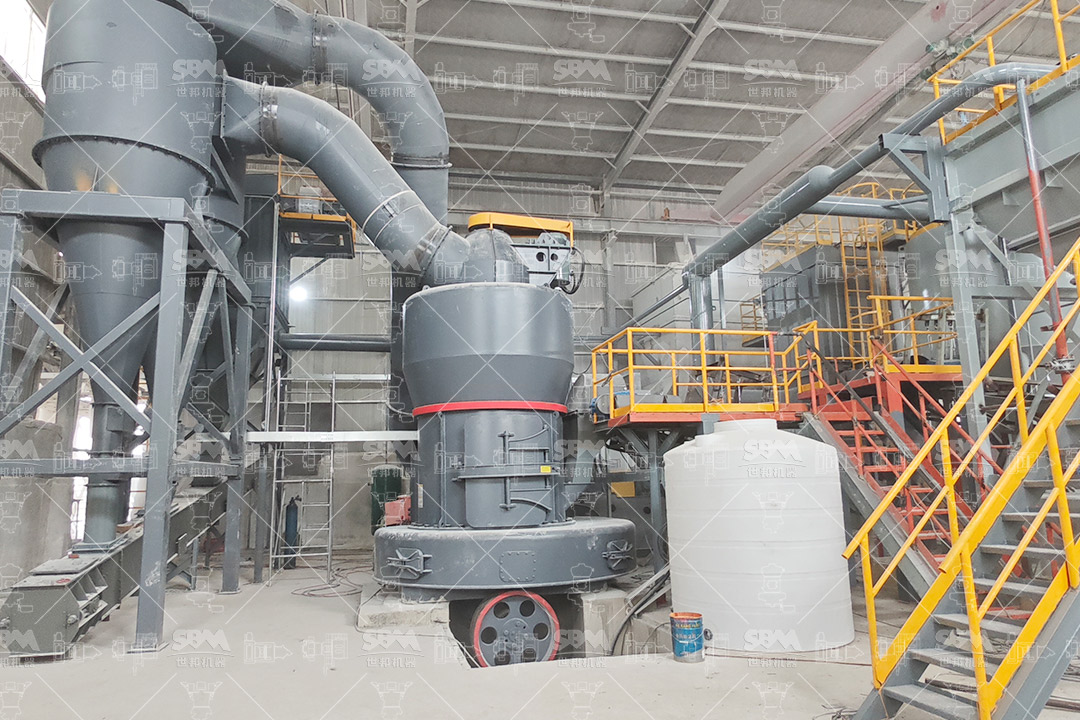
Grinding is the most energy-intensive stage in mineral processing, consuming approximately 40-50% of a plant’s total energy. Its purpose is to reduce the crushed ore to a fine powder, liberating the valuable copper minerals (like chalcopyrite, bornite) from the worthless gangue. The choice of grinding equipment depends on the ore hardness, required fineness, and plant economics.
Ball Mills are rotating cylinders filled with steel balls as the grinding media. As the mill rotates, the balls are lifted and then cascade down, impacting and abrading the ore. They are versatile and capable of producing a fine product, but their energy efficiency is relatively low due to the weight of the balls and the need to rotate the entire shell. Rod Mills, using long steel rods as media, are often employed for coarse grinding as they provide a selective grinding action with less over-grinding, producing a more uniform size distribution.
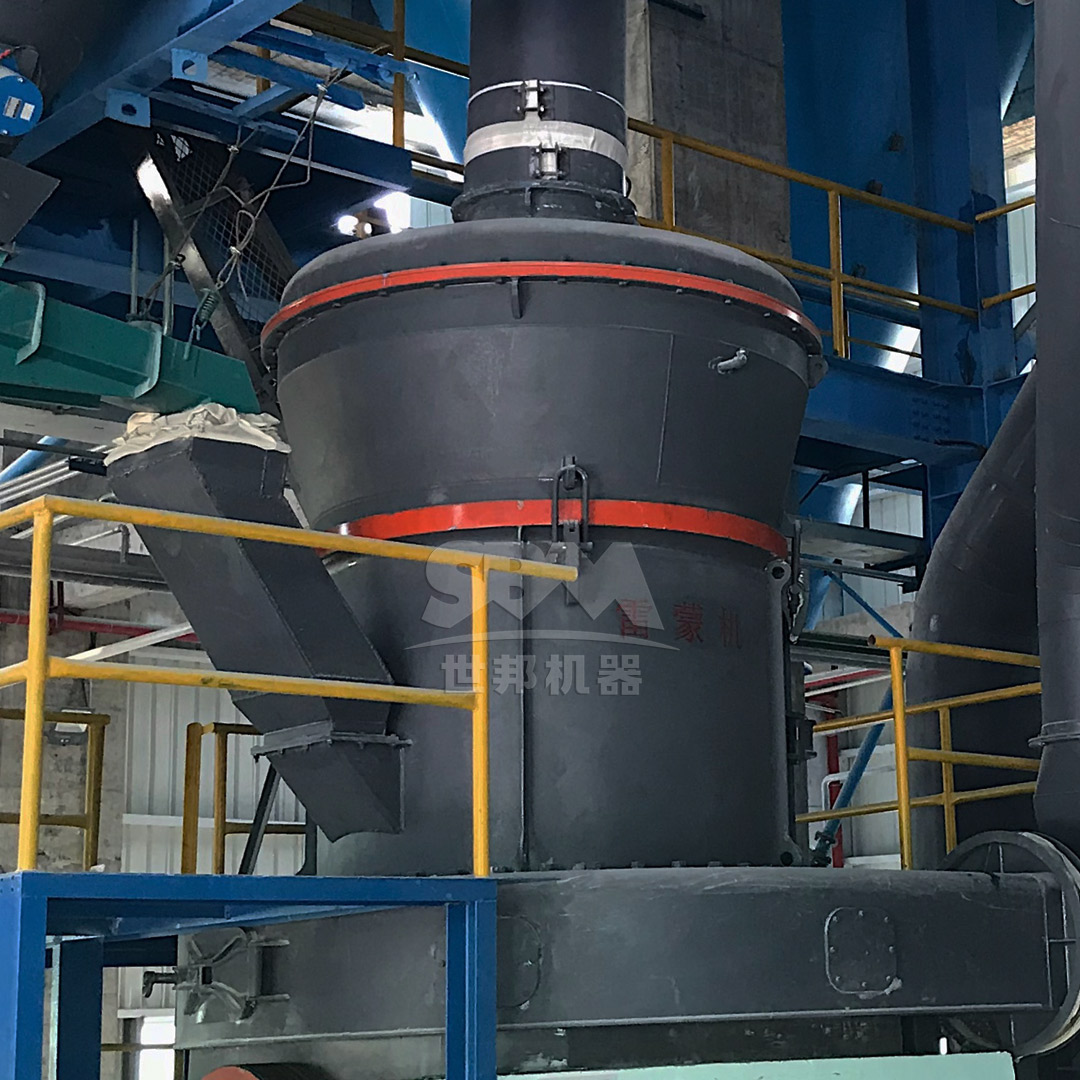
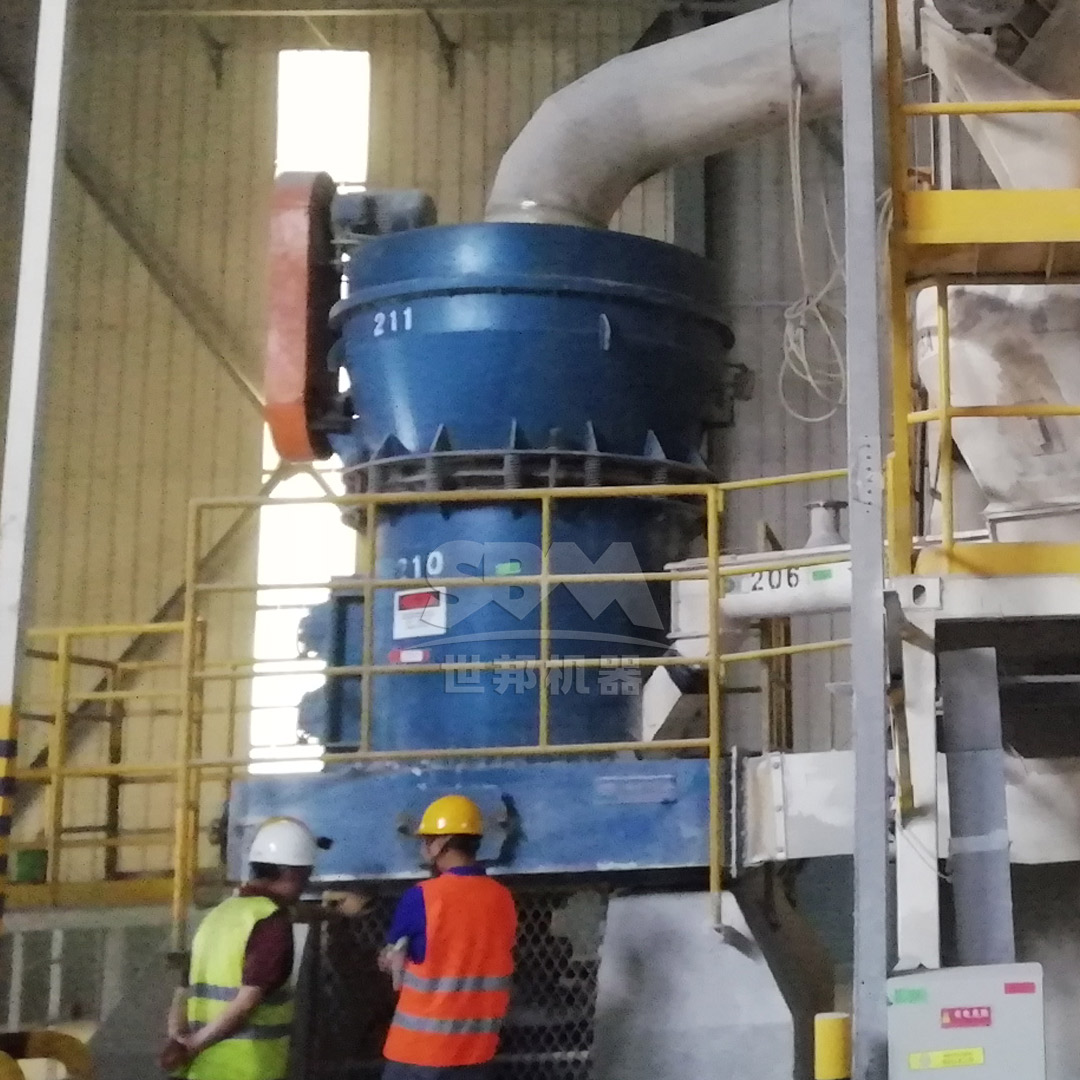
To address the high energy costs of traditional grinding, more efficient technologies have been developed. Vertical Roller Mills (VRMs) represent a significant leap forward. In a VRM, material is fed onto a rotating grinding table and crushed under pressure from hydraulically-loaded rollers. The ground material is then dried and classified in an integrated air separator. VRMs offer 30-50% lower specific energy consumption compared to ball mills, integrated drying for moist ores, and a significantly smaller footprint.
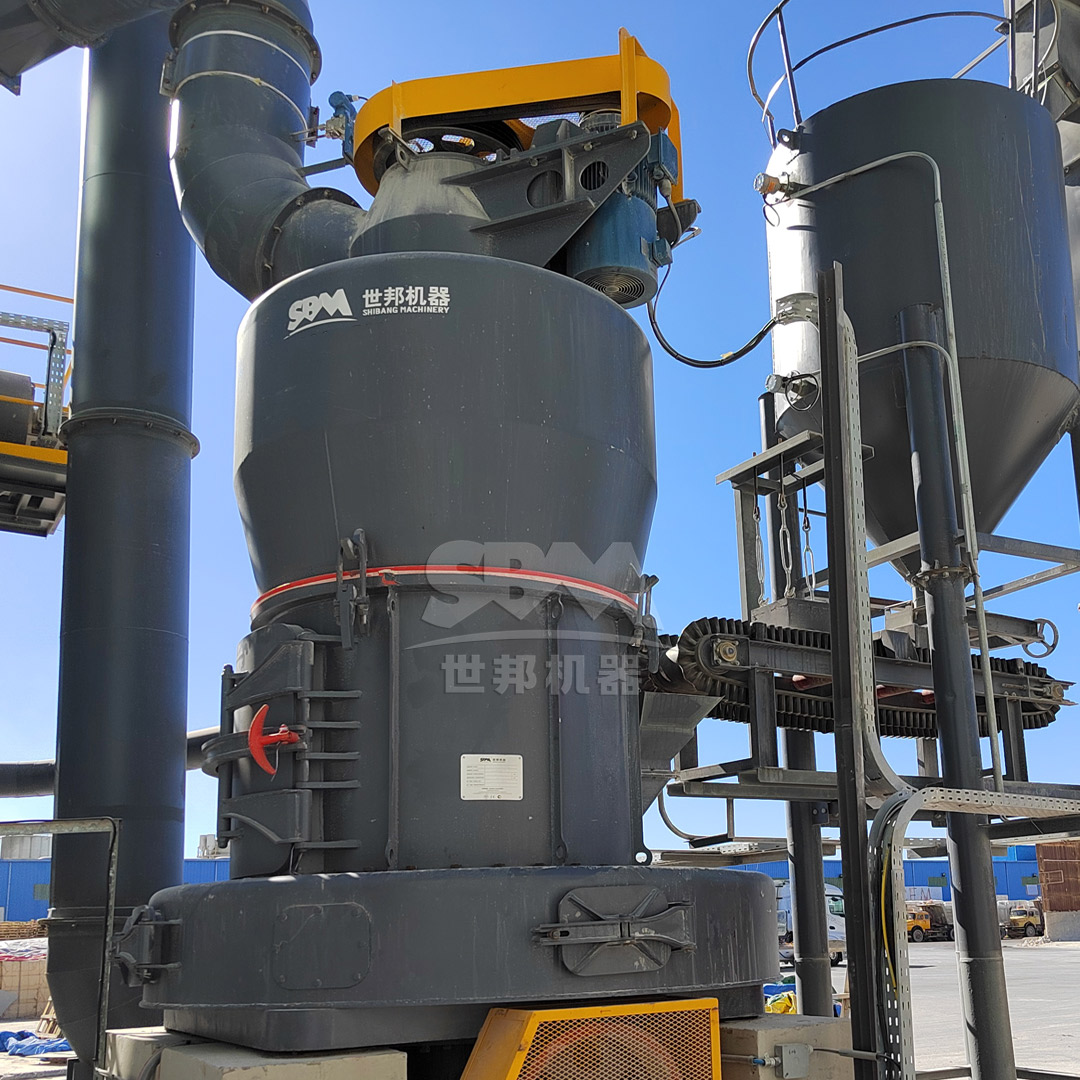
For operations requiring ultra-fine grinding to fully liberate finely disseminated copper minerals or for downstream hydrometallurgical processes, specialized equipment is needed. The SCM Series Ultrafine Mill is an excellent solution for this demanding application. It achieves fineness from 325 to 2500 mesh (45-5μm) with high efficiency. Its vertical turbine classifier ensures precise particle size cuts without coarse powder mixing, while its special material rollers and rings offer exceptional durability. Furthermore, its intelligent control system with automatic granularity feedback and eco-friendly pulse dust collection make it a reliable and sustainable choice for modern copper concentrators aiming to maximize recovery from complex ores.
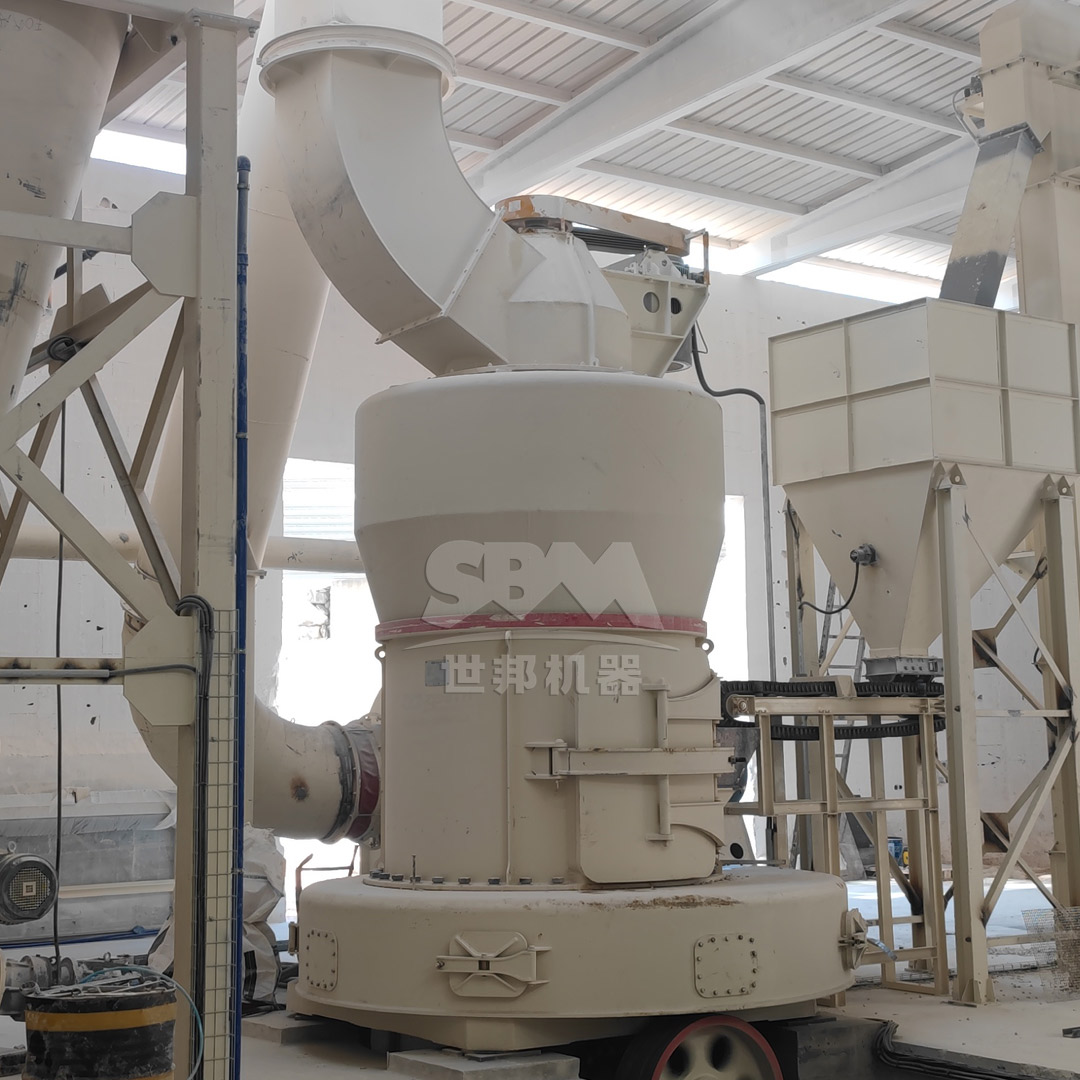
When the process flow requires high-capacity grinding of crushed copper ore to a medium fineness (30-325 mesh) for preliminary liberation or heap leach preparation, the MTW Series European Trapezium Mill stands out. Engineered for robustness and efficiency, it handles feed sizes up to 50mm with capacities ranging from 3 to 45 tons per hour. Its key advantages include an anti-wear shovel design and wear-resistant volute structure that drastically reduce maintenance costs, and an integral bevel gear drive with 98% transmission efficiency that saves energy and space. This mill is an ideal, cost-effective solution for the intermediate grinding stage in many copper processing flowsheets.
Once the copper minerals are liberated, they must be separated from the gangue. Froth Flotation is the dominant method for copper sulfide ores.
In flotation, crushed and ground ore is mixed with water and reagents. Air is bubbled through the slurry. Hydrophobic copper mineral particles attach to the air bubbles and rise to form a froth, which is skimmed off as concentrate. Mechanical Flotation Cells use an impeller to agitate the slurry and disperse air. Flotation Columns are tall vessels where air is sparged at the bottom, providing a deeper froth layer and often producing a higher-grade concentrate due to better selectivity. Modern plants use large banks of cells or columns, often controlled by advanced automation systems to optimize reagent dosage and air flow.
For certain copper ore types, other methods play a role. Gravity Separation (using spirals, shaking tables, or centrifugal concentrators) can be used for oxide ores or as a pre-concentration step for massive sulfide ores to reject coarse waste early, reducing energy and costs in grinding. Magnetic Separation is employed to remove magnetic iron minerals (like magnetite) that can interfere with flotation or to recover magnetic copper minerals.
The success of a copper processing plant lies not in any single machine, but in the seamless integration of the entire circuit—from robust primary crushing to energy-efficient grinding and precise separation. Equipment selection must be based on a comprehensive understanding of the ore’s characteristics (competency, hardness, mineralogy) and the overall process economics, balancing capital expenditure with long-term operating costs. The industry’s continuous drive for lower energy consumption and higher recovery is pushing the adoption of advanced technologies like Vertical Roller Mills and intelligent control systems. By carefully selecting and optimizing each piece of equipment in the crushing, grinding, and separation stages, operators can ensure the efficient and profitable transformation of copper ore into a valuable concentrate.