December 29, 2025
Introduction to Dolomite Powder Production
Dolomite, a calcium magnesium carbonate mineral (CaMg(CO3)2), is a vital raw material across numerous industries. Its applications span from construction (as a filler in asphalt and concrete) and agriculture (as a soil conditioner) to the manufacturing of glass, ceramics, paints, plastics, and even pharmaceuticals. The value and performance of dolomite in these applications are critically dependent on its particle size, purity, and particle size distribution. Consequently, the selection of appropriate grinding equipment and the design of an efficient, integrated production plant are paramount for producers aiming to achieve high-quality powder, maximize profitability, and meet stringent environmental standards.
This article delves into the core equipment and system solutions for producing dolomite powder, focusing on grinding technologies, from coarse crushing to ultra-fine milling. We will explore the technological principles, advantages, and ideal application scenarios for different mill types, providing a comprehensive guide for designing a complete dolomite processing line.
1. The Dolomite Processing Chain: From Quarry to Powder
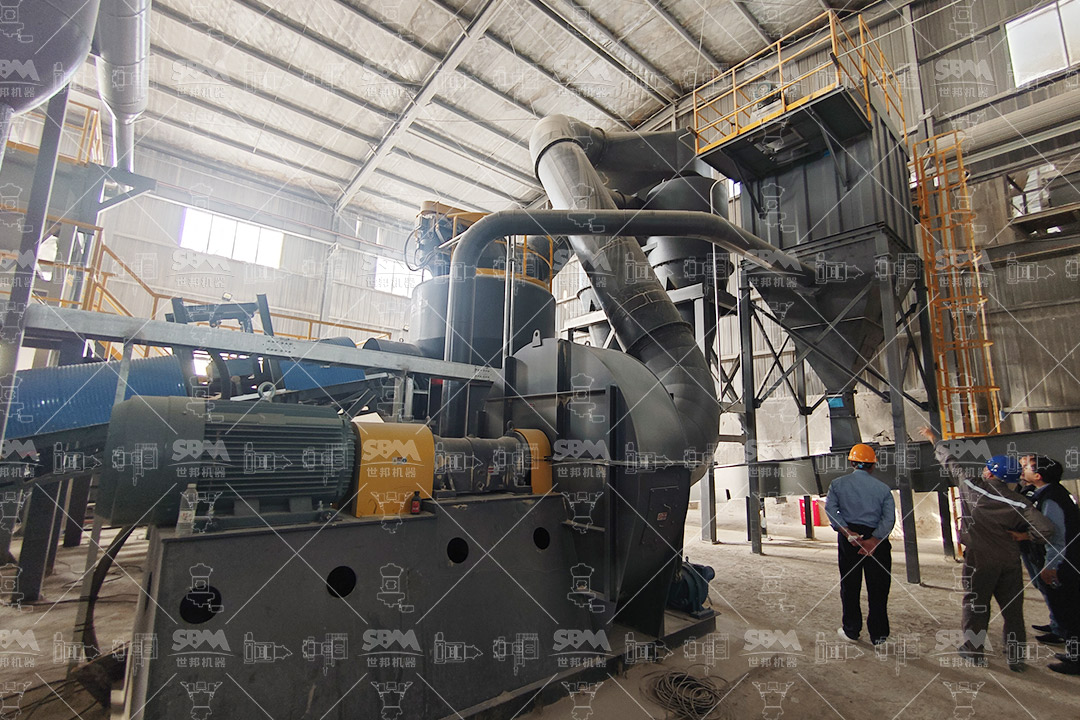
A complete dolomite powder production plant is more than just a grinding mill. It is an integrated system designed for efficiency, consistency, and minimal environmental impact. The typical flow involves several key stages:
- Primary Crushing: Large dolomite rocks extracted from the quarry are reduced to a manageable size (typically below 50mm) using jaw crushers or impact crushers.
- Pre-Grinding/Secondary Crushing: For finer initial requirements or to feed certain mills, hammer mills or cone crushers may be used to achieve a smaller feed size (e.g., 0-20mm or 0-3mm).
- Grinding & Classification: This is the heart of the process. The pre-crushed material is fed into a grinding mill. The mill reduces the particle size, and an integrated or external classifier (cyclone, turbine, or dynamic separator) continuously separates the fine product from coarse particles, which are returned for further grinding.
- Collection & Dedusting: The fine powder carried by the air stream is collected in baghouse filters or cyclone collectors. Modern pulse-jet bag filters ensure collection efficiency exceeds 99.9%, keeping dust emissions well below international standards (e.g., <20 mg/m³).
- Storage & Packaging: The collected powder is conveyed to silos for storage and later bagging or bulk loading.
The choice of grinding mill is the most critical decision in this chain, as it dictates the final product’s characteristics, energy consumption, and overall plant footprint.
2. Key Grinding Technologies for Dolomite
Different fineness requirements and production scales call for different grinding technologies. Below is an overview of the primary mill types used in dolomite processing.
2.1. For Coarse to Medium-Fine Grinding (30-325 mesh / 600-45μm)
This range is common for construction materials, agricultural lime, and glass batch charges.
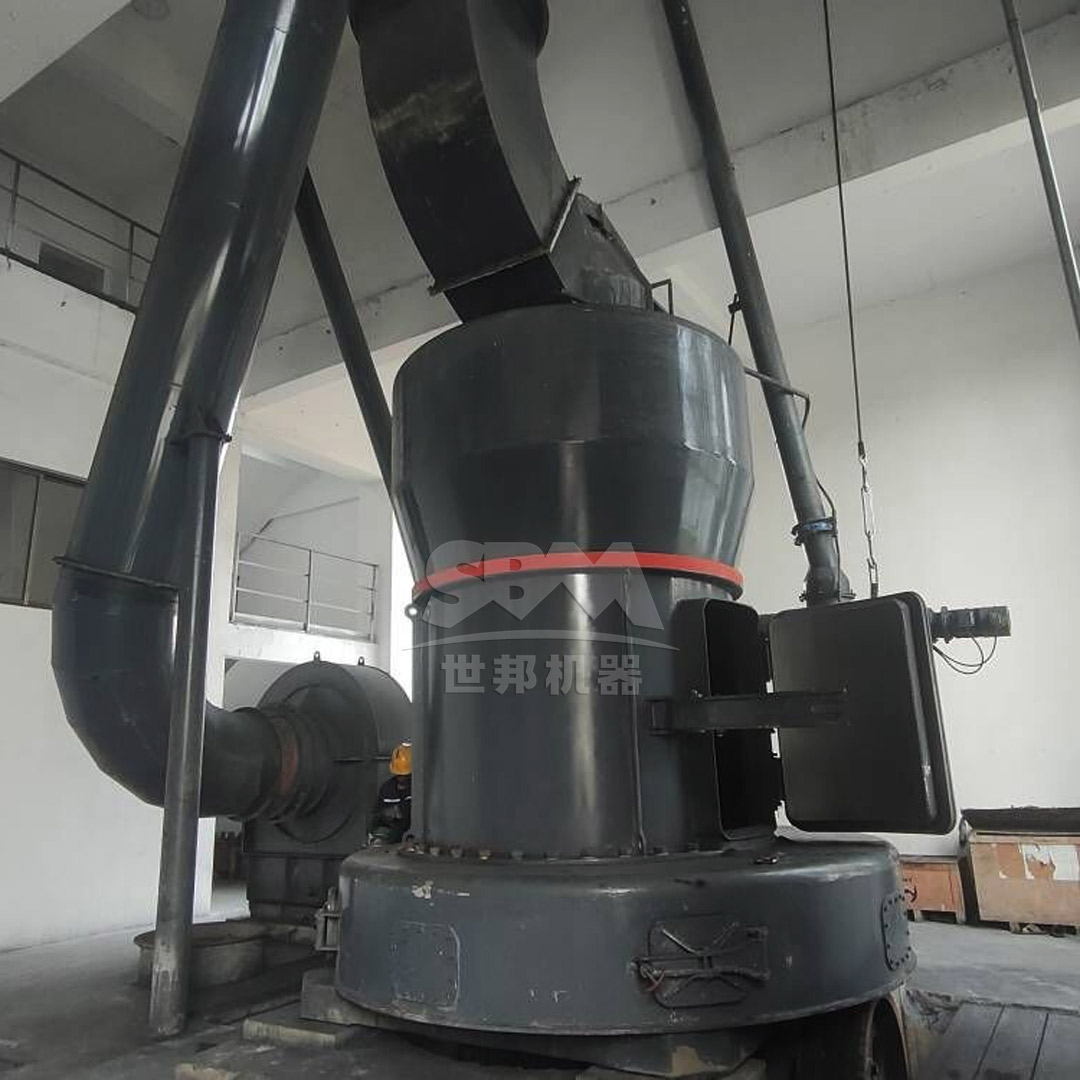
- MTW Series Trapezium Mill: An advanced version of the traditional Raymond mill, offering higher capacity and efficiency. Its curved air duct, geared transmission, and wear-resistant design make it a robust and reliable choice for medium-scale production of dolomite powder in the 30-325 mesh range.
- Ball Mill: A time-tested, versatile workhorse capable of both dry and wet grinding. It is suitable for producing relatively coarse powders (0.074-0.8mm) and is known for its simple structure and wide applicability. However, its energy efficiency is generally lower compared to more modern vertical roller mills.
2.2. For Fine to Ultra-Fine Grinding (325-2500 mesh / 45-5μm)
High-value applications in plastics, paints, and advanced ceramics require much finer powders.
- SCM Ultrafine Mill: This mill is specifically engineered for producing ultra-fine powders. It utilizes a layered grinding principle with multiple grinding rings and rollers, coupled with a high-precision turbo classifier. It is the ideal solution for producing high-purity, uniformly fine dolomite powder where top-end fineness is critical.
- LUM Ultrafine Vertical Roller Mill: Combining the high grinding efficiency of a vertical roller mill with advanced multi-rotor classification technology, the LUM series is designed for energy-efficient production of fine and ultra-fine powders. Its fully sealed negative pressure operation ensures an exceptionally clean working environment.
2.3. For Large-Scale & Integrated Grinding (Coarse to Fine)
For mega-projects requiring high throughput, vertical roller mills offer an all-in-one solution.
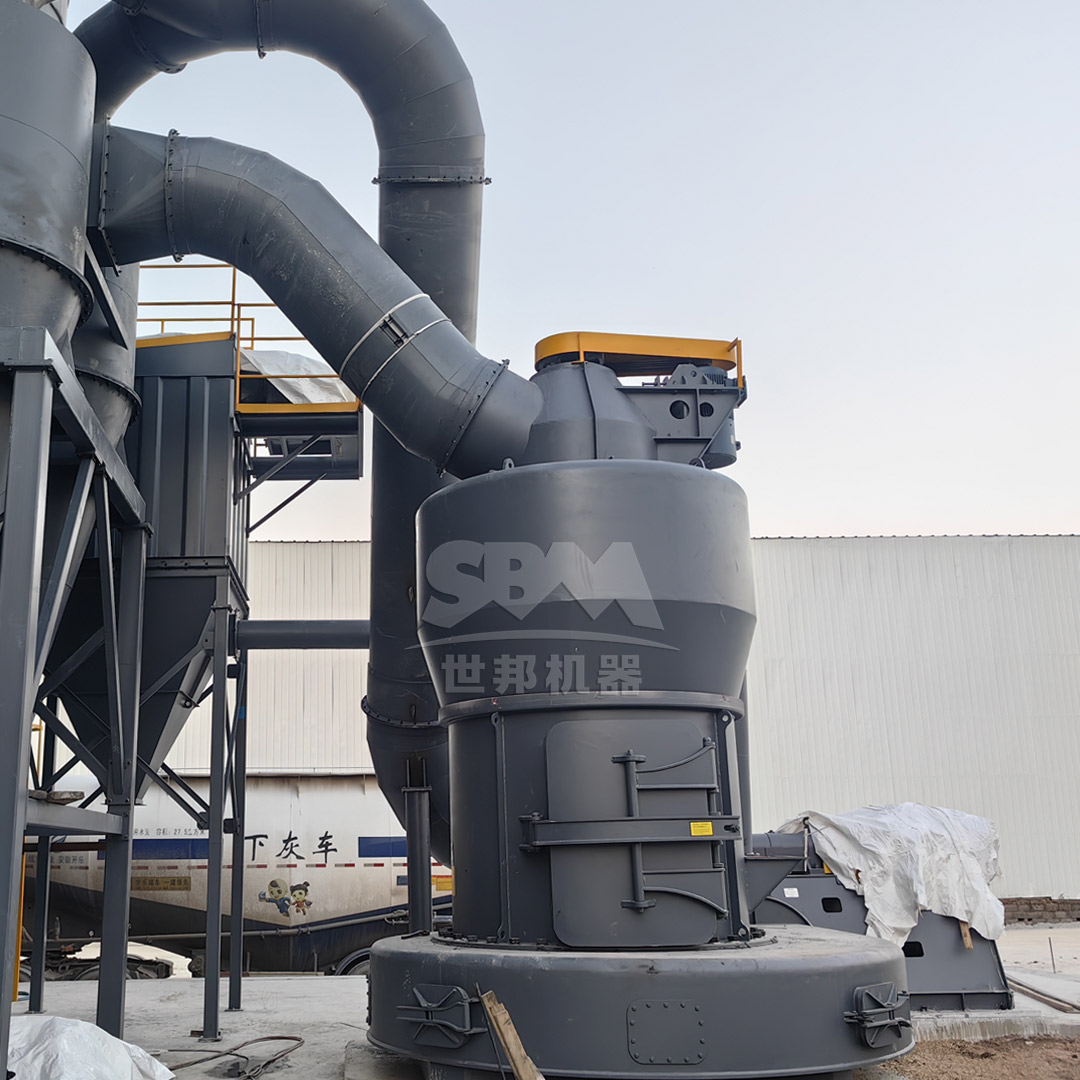
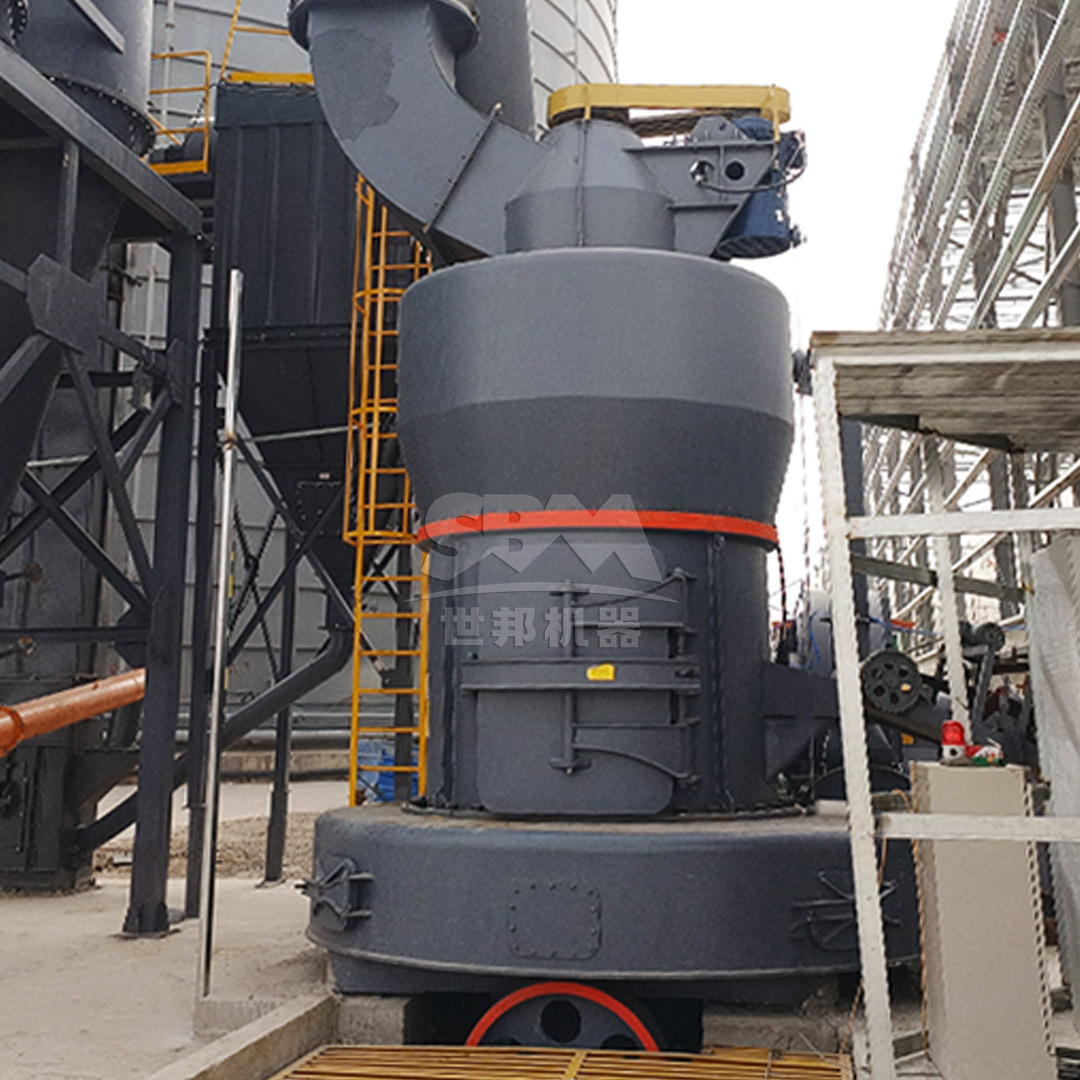
- LM Series Vertical Roller Mill: This represents a leap in grinding technology. It integrates crushing, grinding, drying, classification, and conveying into a single compact unit. Its principle of material bed grinding between rollers and a rotating table is highly energy-efficient, reducing specific energy consumption by 30-40% compared to ball mills. It is perfectly suited for large-capacity production of dolomite powder across a wide fineness range (30-600 mesh).
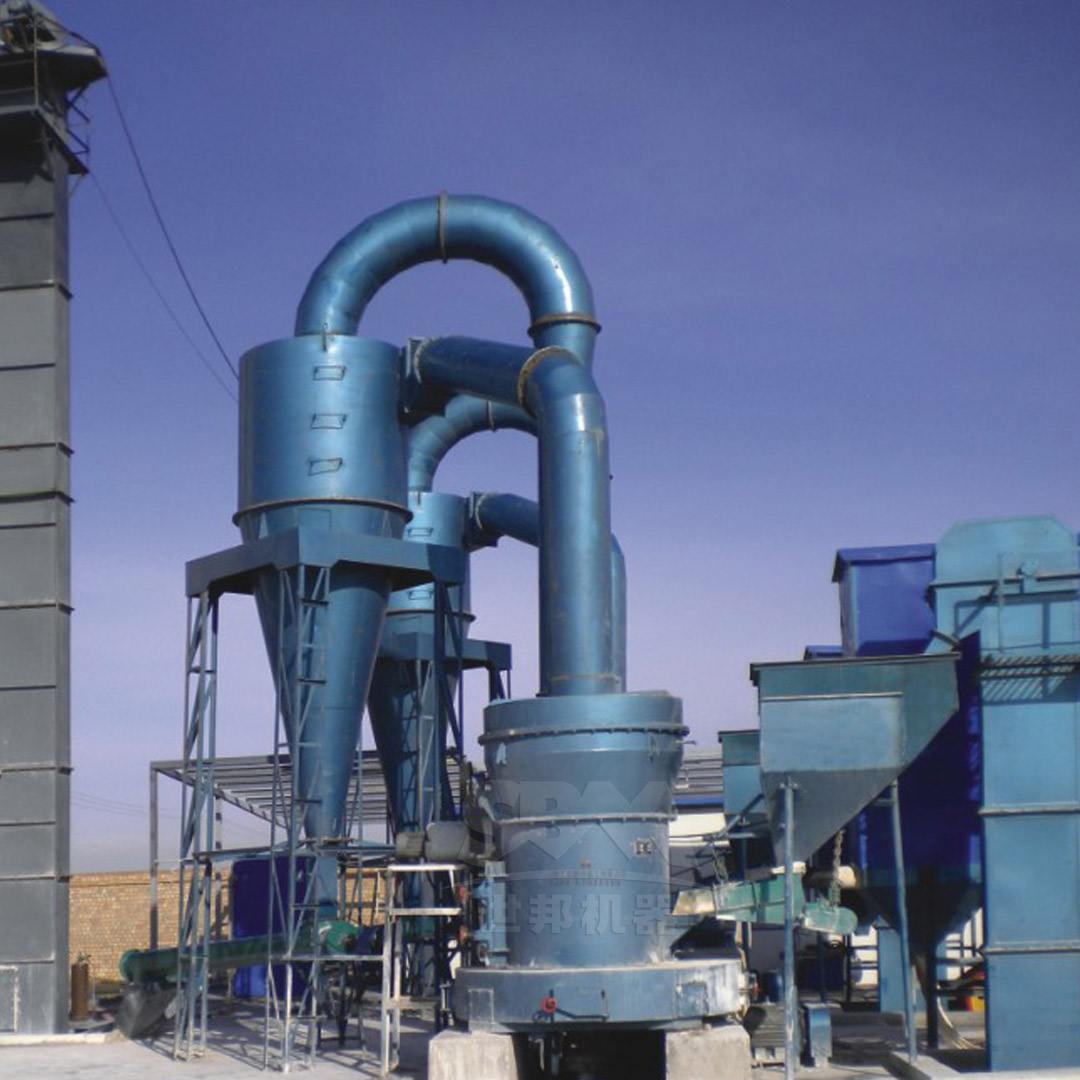
3. Spotlight on Advanced Mill Solutions
To illustrate the technological advancements in dolomite grinding, let’s examine two of our flagship products that cater to distinct market needs.
3.1. SCM Ultrafine Mill: The Choice for Premium Fineness
For producers targeting the high-end market with dolomite powder fineness reaching 2500 mesh (D97 ≤ 5μm), our SCM Ultrafine Mill stands out as the optimal solution.
Core Advantages:
- High Efficiency & Energy Saving: Its unique grinding chamber design and layered grinding principle result in a capacity twice that of jet mills while reducing energy consumption by approximately 30%. An intelligent control system provides automatic feedback on product fineness.
- High-Precision Classification: Equipped with a vertical turbine classifier, it achieves precise particle size cuts. This ensures no coarse powder contamination, delivering a product with exceptional uniformity.
- Durable & Stable Operation: Key wear parts like rollers and grinding rings are made from special materials, extending service life significantly. The innovative bearing-less screw design in the grinding chamber enhances operational stability.
- Environmental Protection: The integrated pulse dust collector exceeds international standards for efficiency. Combined with a soundproof room, the mill operates at noise levels below 75dB.
Model Specifications (Example):
| Model |
Handling Capacity (ton/h) |
Main Motor Power (kW) |
Feed Size (mm) |
Final Fineness (mesh) |
| SCM800 |
0.5 – 4.5 |
75 |
≤20 |
325-2500 |
| SCM1000 |
1.0 – 8.5 |
132 |
≤20 |
325-2500 |
| SCM1680 |
5.0 – 25 |
315 |
≤20 |
325-2500 |
The SCM series is the definitive answer for dolomite processors who cannot compromise on the ultra-fine quality of their product.
3.2. LM Vertical Roller Mill: The Solution for Large-Scale Efficiency
For high-tonnage production of dolomite powder, whether for cement additives, industrial fillers, or agricultural use, our LM Vertical Roller Mill offers unparalleled efficiency and system integration.
Core Advantages:
- Compact & Integrated Design: It combines multiple functions (crushing, grinding, drying, classification) into one unit, reducing the plant footprint by up to 50%. It can even be installed outdoors, cutting civil engineering costs by 40%.
- Low Operational Cost: The non-contact design between rollers and the grinding table, along with the material bed grinding principle, triples the lifespan of wear parts and reduces energy consumption by 30-40% compared to traditional ball mill systems.
- Intelligent Control: An expert automatic control system allows for remote or local operation, with real-time monitoring of all key parameters, minimizing manual intervention and ensuring consistent product quality.
- Environmental Compliance: The fully sealed negative pressure operation guarantees dust emissions below 20 mg/m³, and operational noise is controlled under 80dB(A).
Model Specifications (Vertical Mineral Mill Series Example):
| Model |
Grinding Disc Diameter (mm) |
Handling Capacity (t/h) |
Output Fineness |
Main Motor Power (kW) |
| LM150K |
1500 |
13 – 38 |
170-40μm (80-400 mesh) |
280 |
| LM190K |
1900 |
23 – 68 |
170-40μm (80-400 mesh) |
500 |
| LM280K |
2800 |
50 – 170 |
170-45μm (80-325 mesh) |
1250 |
The LM series is the cornerstone for building a modern, large-scale, and cost-effective dolomite powder production facility.
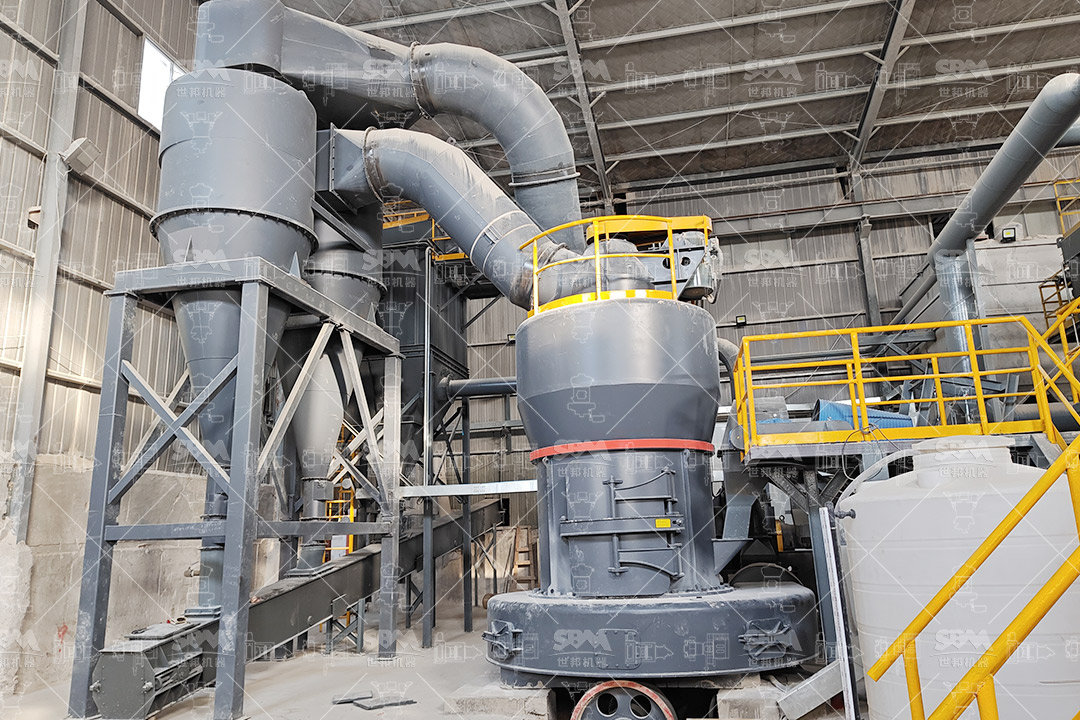
4. Designing Your Complete Plant Solution
Selecting the right mill is the first step. A successful project requires a holistic approach:
- Feed Material Analysis: A thorough analysis of the raw dolomite’s hardness, moisture content, and chemical composition is essential for correct equipment sizing and material selection.
- Product Specification Definition: Clearly define the target fineness, particle size distribution, capacity, and moisture content of the final product.
- System Integration: Ensure seamless integration of the grinding mill with feeders, elevators, classifiers, dust collectors, silos, and packing machines. A well-designed pneumatic or mechanical conveying system is crucial.
- Automation & Control: Implementing a central PLC-based control system enhances operational safety, consistency, and efficiency, while reducing labor costs.
- Environmental Planning: Beyond the mill’s integrated dust collection, consider plant-wide dust control, noise abatement, and proper waste management from the design phase.
5. Conclusion
The production of high-quality dolomite powder is a sophisticated process that demands the right technological partner. From the ultra-fine precision of the SCM Ultrafine Mill to the large-scale, integrated efficiency of the LM Vertical Roller Mill, the modern market offers specialized solutions for every requirement. By understanding the strengths of each grinding technology and adopting a systems-based approach to plant design, producers can optimize their operations for maximum quality, profitability, and sustainability. Investing in advanced, energy-efficient grinding equipment is not merely an operational upgrade; it is a strategic move to secure a competitive edge in the evolving global market for industrial minerals.