The production of high-quality limestone powder is a cornerstone of numerous industries, including construction, agriculture, chemicals, and environmental applications. Establishing an efficient, reliable, and cost-effective production line requires careful planning of the plant layout and a thorough understanding of the associated capital and operational expenditures. This article provides a comprehensive analysis of a complete limestone powder production plant, from raw material handling to finished product packaging, with a detailed breakdown of equipment selection, layout considerations, and cost factors. We will explore how strategic equipment choices, particularly in the core grinding stage, directly impact productivity, product quality, and long-term profitability.
A modern limestone powder plant is a coordinated system of several key sections. An optimal layout minimizes material handling, reduces energy loss in conveying, and ensures a smooth, logical flow from coarse rock to fine powder.
Quarried limestone, typically with a size of 0-500mm, is delivered by truck. It is first unloaded into a receiving hopper. A vibrating feeder regulates the flow of material to a primary jaw crusher, which reduces the limestone to a manageable size, usually below 50mm. This pre-crushed material is then conveyed to a raw material storage silo or stockpile. Efficient dust suppression systems are critical in this area.
| Section | Key Equipment | Primary Function |
|---|---|---|
| Receiving & Pre-Crushing | Vibrating Feeder, Jaw Crusher, Dust Suppressor | Size reduction to ≤50mm, initial storage |
| Grinding & Classification | Grinding Mill, Classifier, Cyclone Collector | Core size reduction and particle size separation |
| Dust Collection & Packaging | Pulse Bag Filter, Screw Conveyor, Packing Machine | Environmental control and product handling |
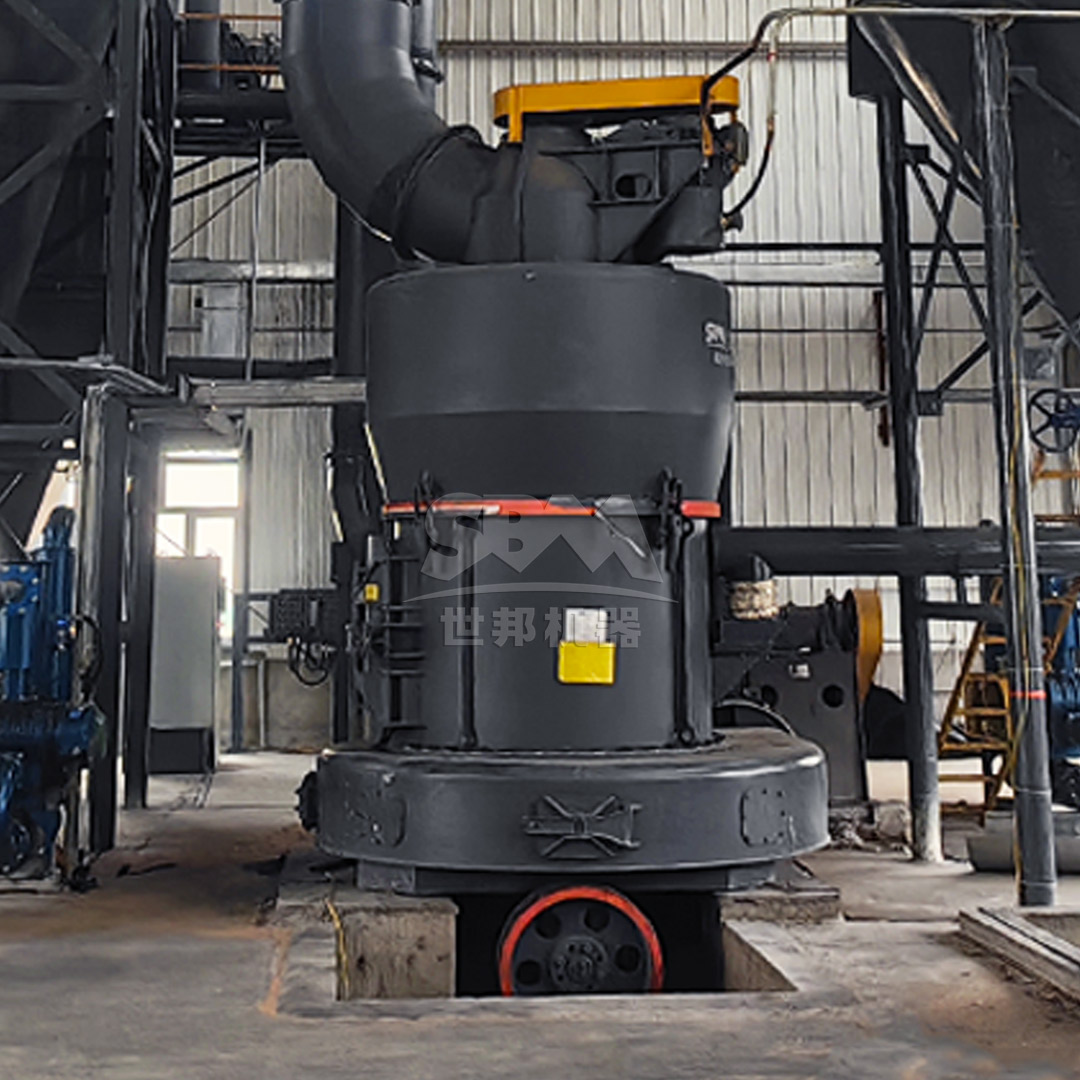
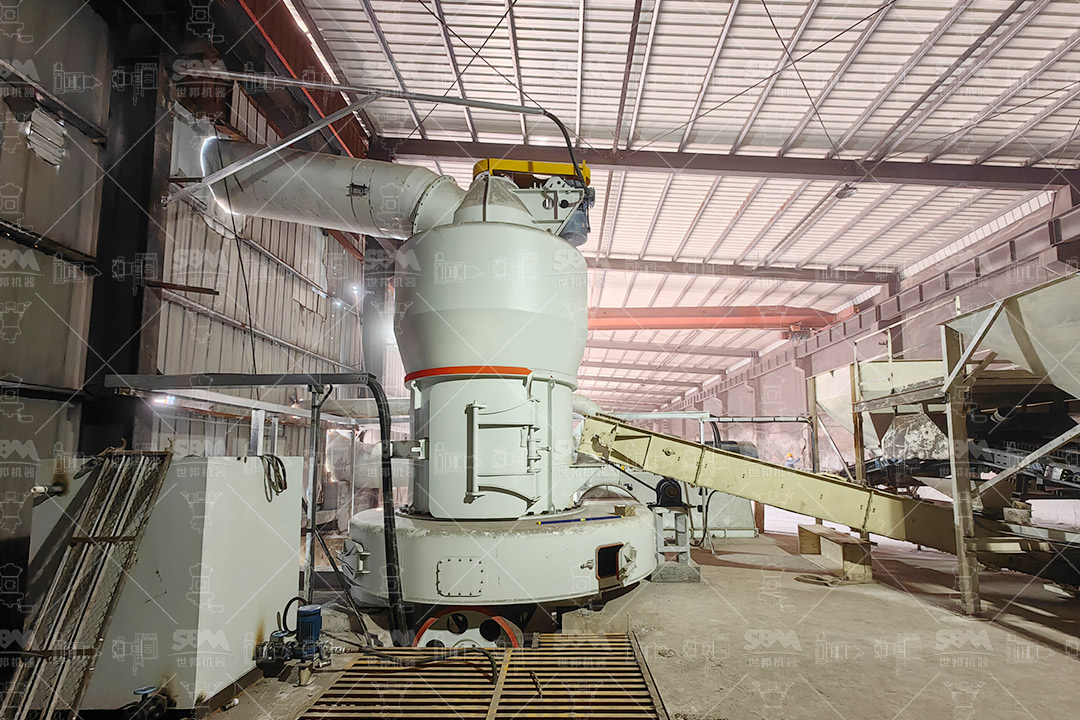
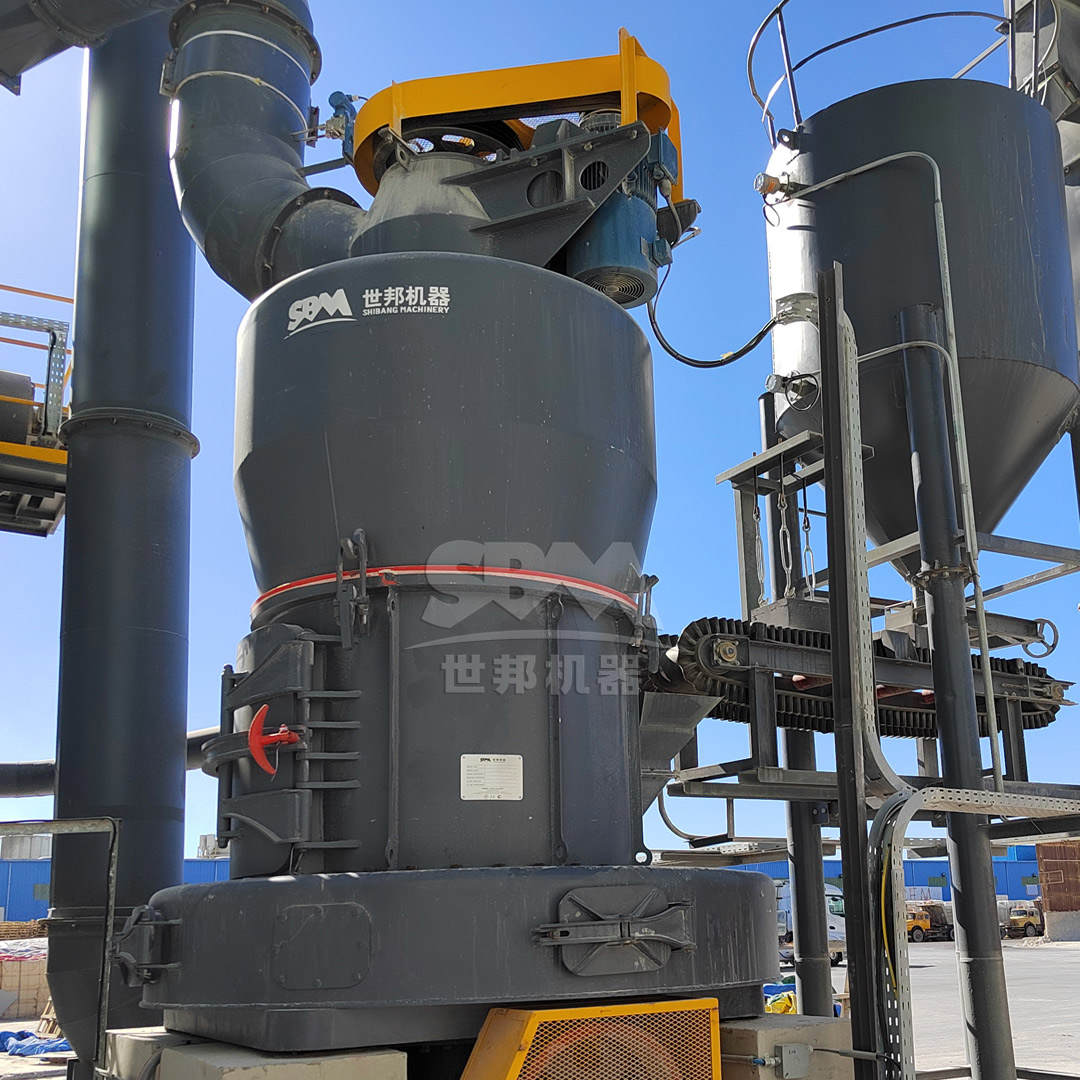
This is the most critical section, where the pre-crushed limestone is ground to the target fineness. The choice of grinding mill defines the plant’s capability, efficiency, and product range. The ground material is pneumatically transported to a high-efficiency classifier, which separates particles based on size. Qualified fine powder proceeds, while oversized particles are returned to the mill for further grinding. This closed-circuit system ensures precise particle size control.
For projects requiring high-capacity production of coarse to medium-fine limestone powder (e.g., 30-325 mesh for asphalt mixing, desulfurization, or feed additives), the MTW Series European Trapezium Mill is an outstanding choice. Its advantages are perfectly aligned with the demands of a primary grinding circuit:
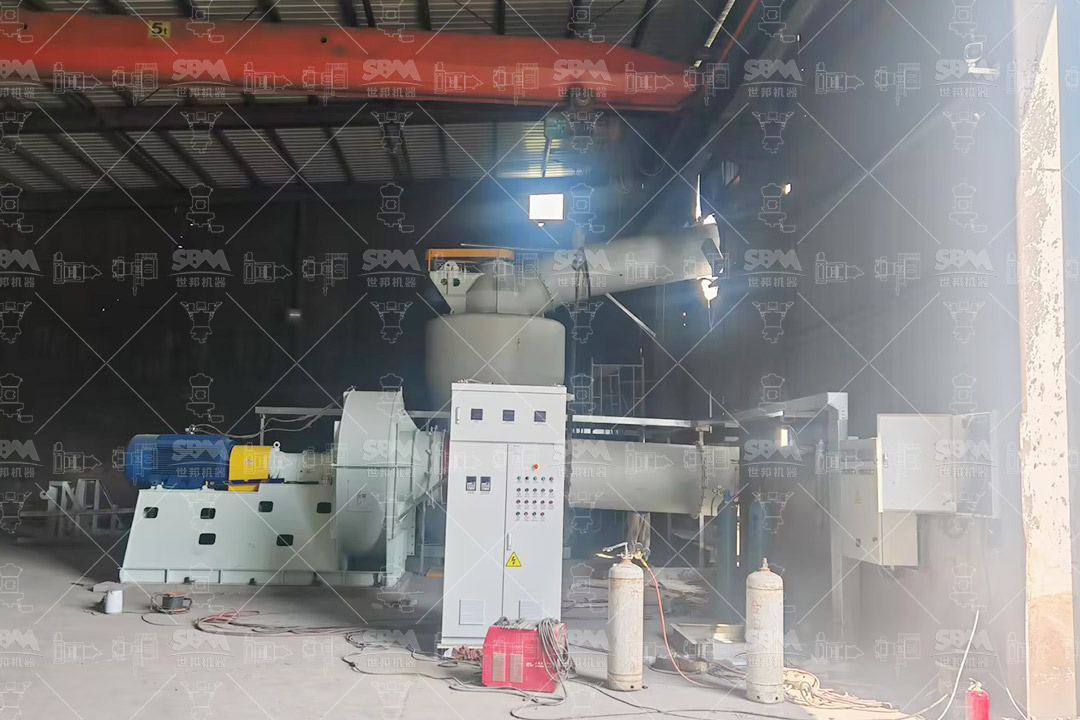
The fine powder from the classifier is collected by a cyclone separator. The air, still carrying ultra-fine particles, is then cleaned by a high-pressure pulse jet bag filter, ensuring emissions meet strict environmental standards. The collected powder is conveyed via screw or chain conveyors to product storage silos. Finally, automated valve bag packers or bulk loading systems are used for packaging and shipment. The entire grinding and collection system operates under negative pressure to prevent dust leakage.
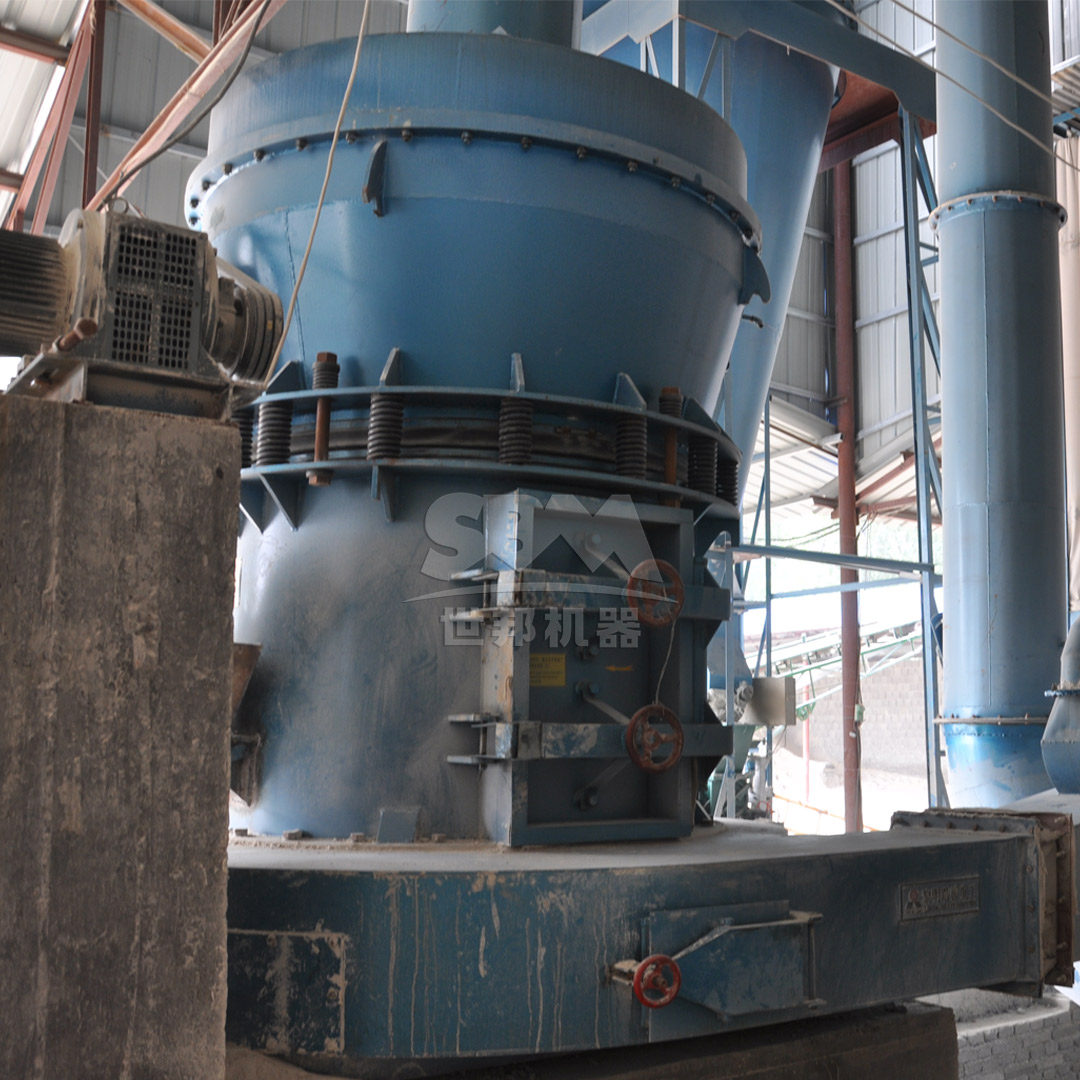
The selection of the grinding mill is the single most important technical and financial decision in designing a limestone powder plant. The choice depends primarily on the required product fineness and the desired production capacity.
| Target Fineness | Recommended Mill Type | Typical Application | Key Considerations |
|---|---|---|---|
| Coarse to Medium (30-325 Mesh / 600-45μm) | MTW European Trapezium Mill, LM Vertical Roller Mill | Desulfurization, Feed Additive, Asphalt Mixing | High capacity, low operating cost, system stability |
| Fine to Ultra-fine (325-2500 Mesh / 45-5μm) | SCM Ultrafine Mill, LUM Ultrafine Vertical Mill | High-grade PVC, Paper, Paint, Coatings | Precise classification, product uniformity, energy efficiency for fine grinding |
| Very Coarse (0.8-3mm) | Hammer Mill, Ball Mill (for specific applications) | Agricultural Lime, Soil Stabilization | Simple structure, high crushing ratio, low investment |
For ultra-fine and high-value-added limestone powder production, the SCM Series Ultrafine Mill is the industry benchmark. It excels in producing powders in the 325-2500 mesh range with exceptional quality:
A realistic cost analysis must encompass both one-time capital expenditures (CAPEX) and ongoing operational expenditures (OPEX).
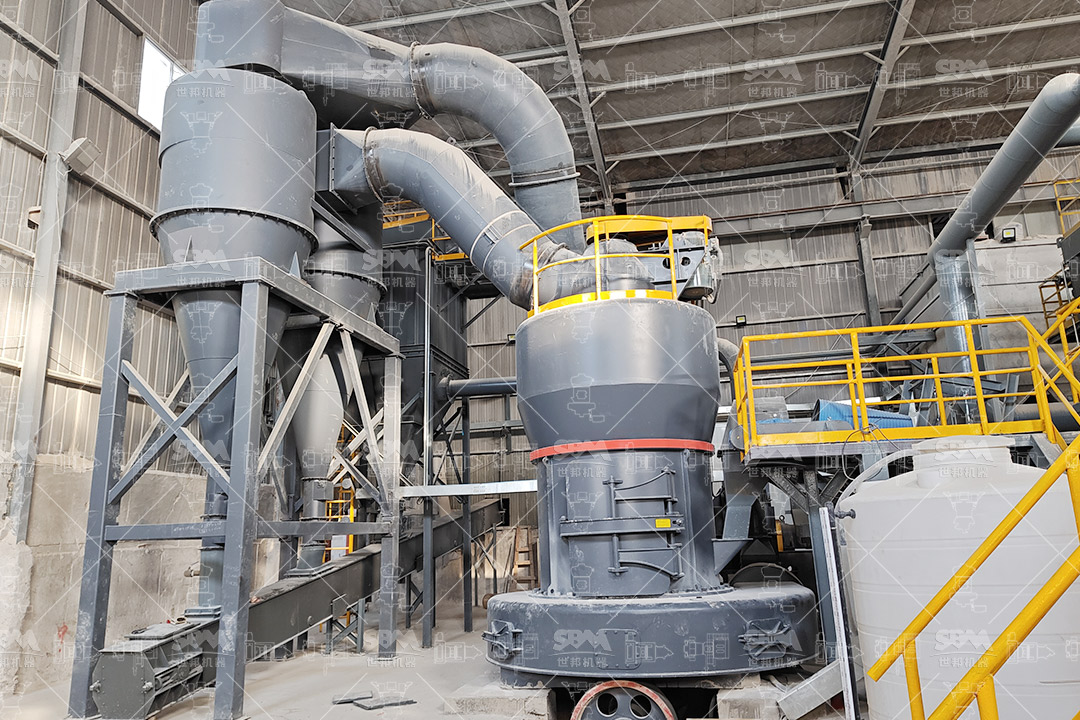
Designing a successful double-flying limestone powder production plant hinges on a holistic approach that integrates an efficient layout with intelligent equipment selection and a clear-eyed financial analysis. The plant layout must ensure a seamless, dust-controlled material flow, while the heart of the operation—the grinding system—must be chosen based on precise product specifications. As demonstrated, for coarse to medium-fine powder, the MTW Series European Trapezium Mill offers an unbeatable combination of high capacity, energy savings, and low maintenance. For ventures into the high-value ultra-fine powder market, the SCM Series Ultrafine Mill provides the necessary precision, efficiency, and product quality. A detailed cost analysis that accounts for both the initial investment and the long-term operational savings enabled by such advanced technology is essential for maximizing return on investment and ensuring the plant’s competitiveness and sustainability in the long run.